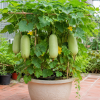
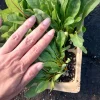
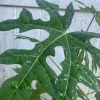
Chaya Live Plant 12-16in 1 Gallon Pot – Edible Spinach Tree
-18%
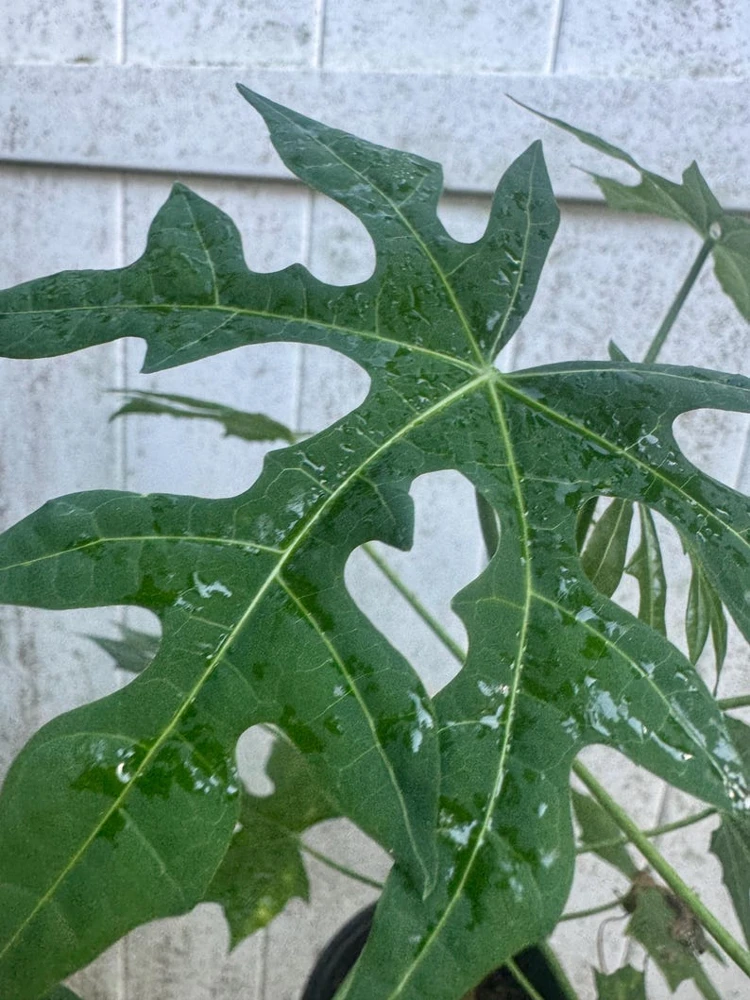
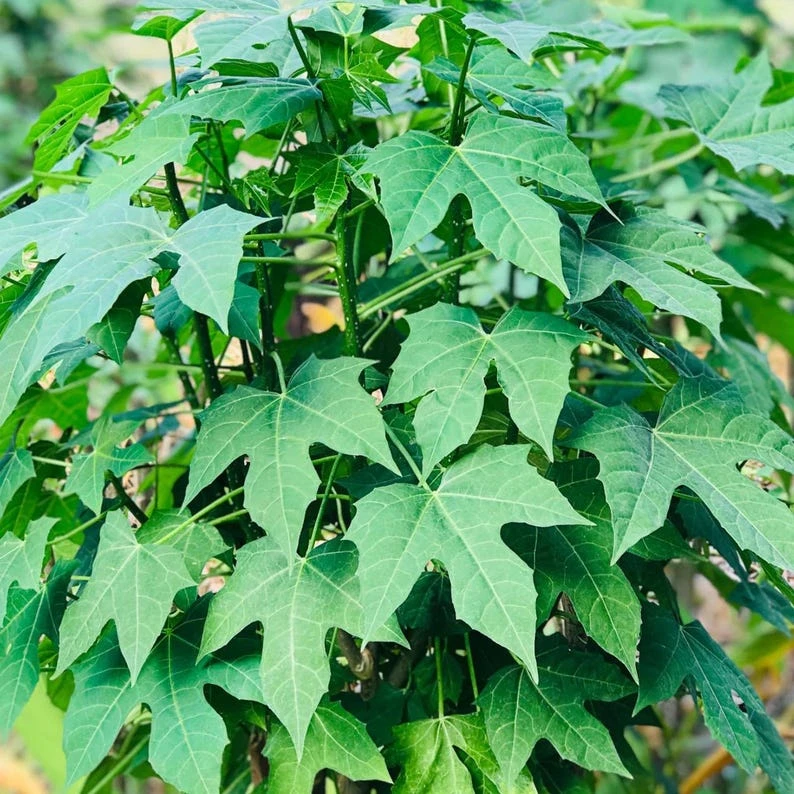
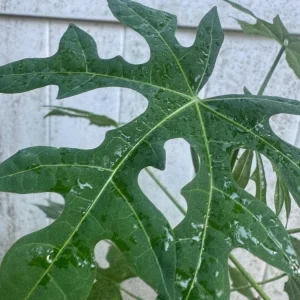
Chaya Live Plant 12-16in 1 Gallon Pot – Edible Spinach Tree
Cultivate your own nutritious greens with this chaya live plant, also known as the spinach tree. Standing 12-16 inches tall in a 1-gallon pot, this tropical perennial is a low-maintenance, high-yield source of edible leaves, perfect for culinary use. Enjoy fresh, healthy greens directly from your garden or patio.
Original price was: $84.45.$68.95Current price is: $68.95.

With our Alive & Thrive Guarantee, we’ve got your back for the first 30 days! If you have any concerns about your plants, just reach out to us. Our team is here to help answer your questions and guide you in selecting the best plants for your garden, climate, and unique preferences. We're excited to help you create the garden of your dreams!
Estimated arrival
Oct 08
Oct 13 - Oct 15
Oct 18 - Oct 22

Product Details
-
USDA Hardiness Zone
USDA zones 9-11 (or grown as annual/container plant elsewhere) -
Soil type
Well-draining sandy loam -
Sunlight Exposure
Full sun to partial shade -
Expected Planting Period
Spring to early summer (after last frost)
Overview
Introduce a powerhouse of nutrition to your garden with the chaya live plant, often referred to as the ‘spinach tree’ due to its highly nutritious and edible leaves. This robust tropical perennial, scientifically known as Cnidoscolus aconitifolius, is celebrated for its ease of growth and abundant yield. Originating from Central America, chaya thrives in warm climates and can become a staple in your diet, offering a rich source of vitamins, minerals, and protein. Our chaya live plant arrives healthy and ready to plant, standing between 12-16 inches tall in a convenient 1-gallon nursery pot, ensuring a strong start for your new edible garden addition. It’s an excellent choice for gardeners looking for sustainable and healthy food sources that require minimal fuss.
Key Benefits
The chaya live plant offers a multitude of advantages, both for its culinary value and its contribution to a sustainable garden. Its resilience and nutritional profile make it a standout choice for home gardeners:
- Exceptional Nutritional Value: Chaya leaves are packed with vitamins (A, C), minerals (iron, calcium, phosphorus), and protein, often surpassing spinach in nutrient content. Incorporating this chaya spinach tree into your diet can significantly boost your daily nutritional intake.
- High Yield and Low Maintenance: Once established, chaya plants are incredibly productive, providing a continuous supply of fresh leaves with minimal effort. They are drought-tolerant and pest-resistant, making them ideal for busy gardeners or those new to edible landscaping.
- Versatile Culinary Use: The leaves can be cooked and used in a variety of dishes, much like spinach or kale. They are perfect for stir-fries, soups, stews, and even as a nutritious addition to smoothies (after proper cooking).
- Perennial Growth: Unlike annual greens, chaya continues to produce year after year in suitable climates, offering a long-term, sustainable food source without the need for replanting each season. This makes growing chaya plant a rewarding experience.
- Attractive Foliage: Beyond its edible qualities, the chaya plant features attractive, deeply lobed leaves that can add a tropical aesthetic to your garden or patio, blending functionality with ornamental appeal.
- Adaptable to Various Settings: While it prefers warm climates, chaya can be grown in containers, allowing gardeners in cooler zones to enjoy its benefits by bringing it indoors during colder months.
Plant Care & Growing Tips
Caring for your chaya live plant is straightforward, making it an excellent choice for both novice and experienced gardeners. This resilient plant thrives with minimal intervention, but understanding its basic needs will ensure a bountiful harvest. Chaya prefers a location with ample sunlight, ideally receiving at least 6-8 hours of direct sun per day. While it can tolerate partial shade, full sun promotes more vigorous growth and leaf production. Ensure the soil is well-draining, as chaya does not like to sit in waterlogged conditions. A sandy loam or loamy soil enriched with organic matter is ideal. For those interested in chaya plant care, regular watering is important during the establishment phase, but once mature, it becomes quite drought-tolerant, requiring less frequent watering.
When it comes to temperature, chaya is a tropical plant and is sensitive to cold. It thrives in warm temperatures, typically above 60°F (15°C). If you live in a region that experiences frost, it’s best to grow your chaya in a container so it can be moved indoors during winter, or treat it as an annual. Fertilization can be done every few months with a balanced organic fertilizer to support its continuous leaf production. Pruning is beneficial to maintain a manageable size and encourage bushier growth; simply snip off the top leaves and stems regularly for harvesting. Be aware that chaya leaves contain hydrocyanic glycosides and must be cooked for at least 15-20 minutes before consumption to neutralize these compounds. Never eat raw chaya.
Size & Details
This chaya live plant is delivered in a healthy, established state, typically measuring between 12-16 inches in height from the base of the plant to the top of its foliage. It comes planted in a 1-gallon nursery container, providing a robust root system ready for transplanting into your garden or a larger pot. Chaya is a fast-growing perennial shrub that can reach heights of 6-10 feet (1.8-3 meters) and a similar spread if left unpruned in ideal conditions. Regular harvesting and pruning will help maintain a more compact, bush-like form. Expect your plant to begin producing harvestable leaves within a few months of planting, with continuous production throughout the warm seasons. This particular variety is perfect for home gardens, providing a steady supply of nutritious leaves.
Frequently Asked Questions
- Q: How big does this plant get? A: Your chaya live plant arrives 12-16 inches tall in a 1-gallon pot. In the ground and ideal conditions, it can grow 6-10 feet tall and wide, but it can be kept smaller with regular pruning and harvesting.
- Q: Is this an indoor or outdoor plant? A: Chaya is a tropical plant best grown outdoors in warm climates (USDA zones 9-11). In cooler regions, it can be grown in a container and brought indoors during winter to protect it from frost.
- Q: How much sunlight does it need? A: For optimal growth and leaf production, the chaya spinach tree thrives in full sun, requiring at least 6-8 hours of direct sunlight per day. It can tolerate partial shade but may produce fewer leaves.
- Q: Is this plant easy to care for? A: Yes, chaya is known for being a very low-maintenance and resilient plant. Once established, it is drought-tolerant and generally resistant to pests, making growing chaya plant suitable for beginners.
- Q: What condition will it arrive in? A: Your plant will arrive healthy and well-rooted in a 1-gallon nursery pot, carefully packaged to ensure its safe journey. It will be ready for immediate transplanting.
- Q: Can I eat the leaves raw? A: No, chaya plant care includes a crucial step: chaya leaves must be cooked for at least 15-20 minutes before consumption to neutralize naturally occurring toxins. Never consume raw chaya leaves.
- Q: When is the best time to plant chaya? A: The best time to plant chaya is in the spring after all danger of frost has passed, once soil temperatures have warmed up. This allows the plant to establish itself during the growing season.
- Q: What are the benefits of eating chaya? A: Eating cooked chaya leaves provides a rich source of vitamins (A, C), minerals (iron, calcium), and protein, contributing to a healthy diet. It’s often considered more nutritious than traditional spinach.
- Q: What kind of soil does chaya prefer? A: Chaya prefers well-draining soil, ideally a sandy loam or loamy soil enriched with organic matter. Good drainage is key to preventing root rot.
- Q: Is it good for beginners? A: Absolutely! Its hardiness, pest resistance, and minimal care requirements make chaya live plant an excellent choice for beginner gardeners looking to grow their own food.
Related products
-20%
Original price was: $100.00.$80.00Current price is: $80.00.
-20%
Original price was: $84.00.$67.20Current price is: $67.20.
-20%
Original price was: $120.00.$96.00Current price is: $96.00.
-20%
Original price was: $70.00.$56.00Current price is: $56.00.
-54%
From Original price was: $20.99.$10.49Current price is: $10.49.
-20%
Original price was: $60.00.$48.00Current price is: $48.00.
-20%
Original price was: $36.00.$28.80Current price is: $28.80.
-20%
Original price was: $36.00.$28.80Current price is: $28.80.
PLANTING & CARE
Lemon Tree Growing: Choose, Plant, and Harvest
Learn how to choose, plant, feed, and protect a lemon tree so it fits your
23
Sep
Sep
Dwarf Meyer Lemon Tree Australia: Climate Guide
Learn where dwarf Meyer lemon trees grow, how much cold they tolerate, and whether Australia,
Where to Buy a Dwarf Meyer Lemon Tree: Buyer’s Guide
Find the right dwarf Meyer lemon tree online or locally, compare starter sizes and costs,
Dwarf Meyer Lemon Tree for Sale: Buying Guide
Compare Meyer lemon tree sizes, prices, shipping limits, indoor growing and California options before you
Dwarf Meyer Lemon Tree Guide: Size, Care and Fruit
META: Learn how large a dwarf Meyer lemon tree grows, where it thrives, and how
How to Prune a Dwarf Meyer Lemon Tree
Learn when and how to prune a dwarf Meyer lemon tree, including tools, shaping cuts,
Can You Grow a Dwarf Meyer Lemon Tree in a Pot?
META: Learn how to grow a dwarf Meyer lemon tree in a pot, including container
When Do Dwarf Meyer Lemon Trees Bloom and Fruit?
META: Dwarf Meyer lemon trees usually bloom from winter through spring and may flower again