Chaya Live Plant – Spinach Tree – Edible Garden Plant
-27%
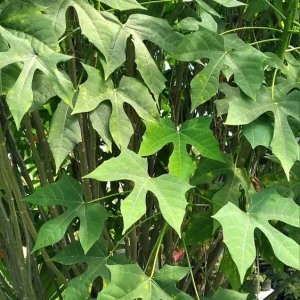
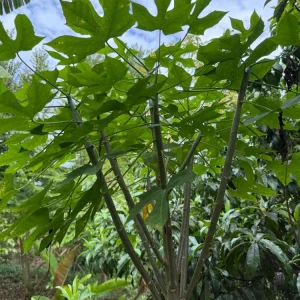
Chaya Live Plant – Spinach Tree – Edible Garden Plant
Cultivate your own superfood with this chaya live plant, also known as the spinach tree. This robust and nutritious edible plant thrives in warm climates, offering a continuous harvest of vitamin-rich leaves. Easy to grow and a fantastic addition to any edible garden plant collection.
Original price was: $56.90.$41.40Current price is: $41.40.

With our Alive & Thrive Guarantee, we’ve got your back for the first 30 days! If you have any concerns about your plants, just reach out to us. Our team is here to help answer your questions and guide you in selecting the best plants for your garden, climate, and unique preferences. We're excited to help you create the garden of your dreams!
Estimated arrival
Oct 14
Oct 19 - Oct 21
Oct 24 - Oct 28
Product Details
-
USDA Hardiness Zone
USDA zones 9-11 (outdoors) -
Soil type
Well-draining, rich loamy soil -
Sunlight Exposure
Full sun to partial shade -
Expected Planting Period
Spring to early summer (outdoors), year-round (indoors)
Overview
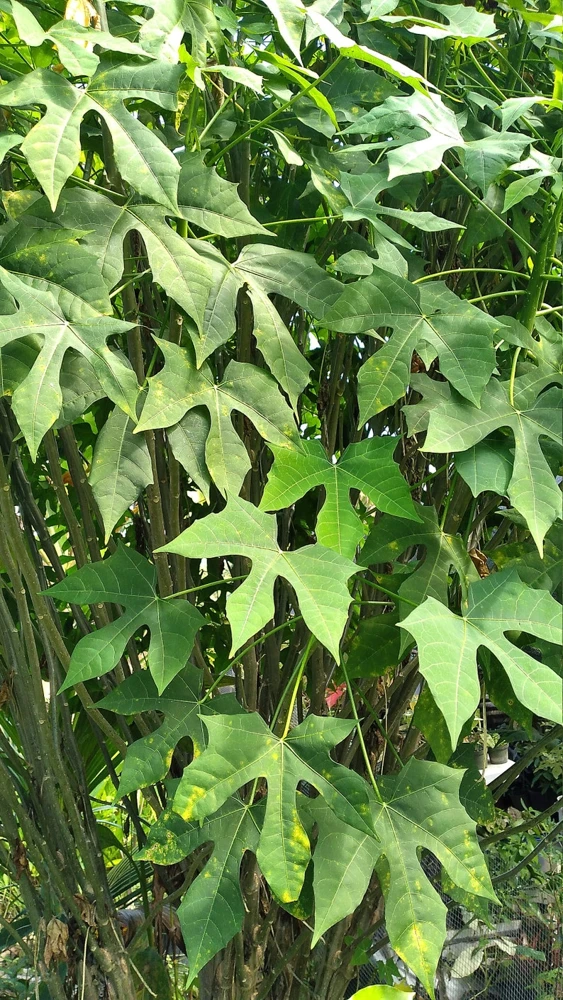
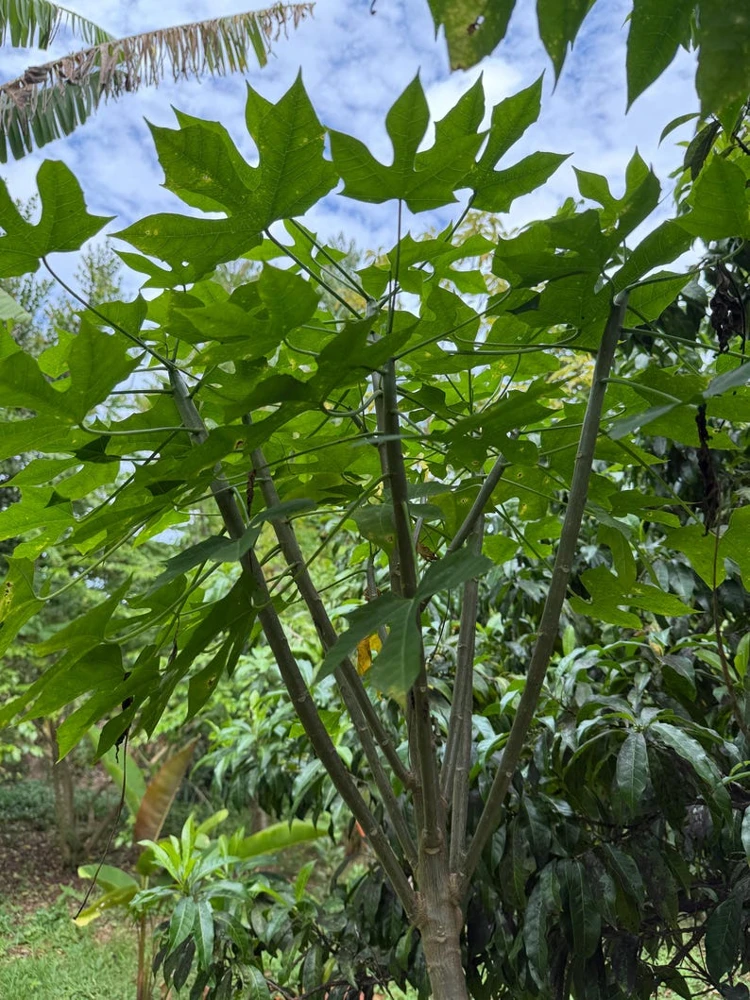
Introduce a powerhouse of nutrition to your garden with the chaya live plant. Often referred to as the spinach tree, Chaya (Cnidoscolus aconitifolius) is a fast-growing, leafy green vegetable native to Mexico and Central America. This remarkable plant is celebrated for its highly nutritious leaves, which are richer in protein, calcium, iron, and vitamins than many other leafy greens. Our chaya live plant arrives healthy and ready to establish itself, providing an abundant and sustainable food source for your home. It’s an excellent choice for those looking to enhance their diet with fresh, home-grown produce and is a unique addition to any edible garden plant collection.
The Chaya plant is known for its resilience and ease of cultivation, making it suitable for both experienced gardeners and beginners. Its attractive, deeply lobed leaves add an ornamental touch to the garden while serving a practical purpose. Once established, it requires minimal maintenance and can provide harvests for many years, making it a truly valuable asset for food security and healthy living. Discover the benefits of growing your own nutrient-dense Chaya.
Key Benefits
The chaya live plant offers a multitude of benefits, from its exceptional nutritional value to its ease of growth and versatility in the kitchen. Incorporating this plant into your garden provides a continuous supply of healthy greens.
- Nutritional Powerhouse: Chaya leaves are packed with vitamins A and C, calcium, iron, and protein, significantly more than traditional spinach. Regular consumption can boost overall health and well-being, making it a superior choice for a healthy diet.
- Continuous Harvest: Once established, the spinach tree provides a steady supply of fresh leaves throughout the growing season, ensuring you always have access to nutritious greens without constant replanting. This makes it a highly productive plant for any home gardener.
- Low Maintenance: Chaya is remarkably resilient and tolerant of various soil conditions and periods of drought. It requires minimal care, making it an ideal plant for busy gardeners or those new to growing edible plants. Its hardiness contributes to its popularity as an edible garden plant.
- Versatile Culinary Use: The leaves, once cooked, can be used in a wide variety of dishes, including soups, stews, sautés, and as a substitute for spinach or collard greens. Its mild flavor makes it adaptable to many cuisines, enhancing both taste and nutrition.
- Pest and Disease Resistant: Chaya plants are generally robust and less susceptible to common garden pests and diseases, reducing the need for chemical interventions and promoting organic gardening practices. This natural resistance ensures healthier plants and harvests.
- Ornamental Appeal: Beyond its edible qualities, the Chaya plant features attractive, vibrant green leaves that can add a lush, tropical aesthetic to your garden or landscape. It serves a dual purpose as both a food source and an appealing garden specimen.
- Sustainable Food Source: Growing your own cnidoscolus aconitifolius contributes to sustainable living by reducing reliance on store-bought produce and fostering a connection to your food source. It’s a step towards self-sufficiency and environmental responsibility.
Plant Care & Growing Tips
Caring for your chaya live plant is relatively straightforward, as it is a hardy and adaptable species. To ensure optimal growth and a bountiful harvest, follow these simple guidelines. Chaya thrives in warm, tropical, or subtropical climates and can be grown as an annual in cooler regions or brought indoors during winter. Understanding chaya plant care is key to its success.
Sunlight Requirements: The spinach tree prefers full sun to partial shade. Aim for at least 6 hours of direct sunlight per day for the best growth and leaf production. In very hot climates, some afternoon shade can prevent leaf scorch. If growing indoors, place it near a bright, south-facing window or use supplemental grow lights to mimic its preferred light conditions.
Watering Schedule & Soil: Chaya is drought-tolerant once established but will produce more lush leaves with regular watering. Water deeply when the top 1-2 inches of soil feel dry to the touch. Ensure the soil is well-draining to prevent root rot. A rich, loamy soil with a slightly acidic to neutral pH (6.0-7.0) is ideal. Amend heavy clay soils with compost or sand to improve drainage. For container growing, use a high-quality potting mix that drains well. Proper watering is a crucial aspect of chaya plant care.
Temperature & Fertilization: Chaya prefers warm temperatures, ideally between 65-90°F (18-32°C). It is sensitive to frost and will not tolerate prolonged cold temperatures. In USDA zones 9-11, it can be grown outdoors year-round. In cooler zones, it can be grown as an annual or brought indoors when temperatures drop. Fertilize your edible garden plant every 4-6 weeks during the growing season with a balanced, organic fertilizer to encourage consistent leaf production. Avoid excessive nitrogen, which can lead to lush foliage but weaker stems.
Size & Details
Our chaya live plant is typically shipped as a well-rooted cutting or a young plant, ready for transplanting into your garden or a larger pot. The initial size will vary but will quickly grow into a substantial bush or small tree under optimal conditions. Chaya can reach heights of 6-10 feet (1.8-3 meters) and a spread of 3-5 feet (0.9-1.5 meters) when mature, forming a dense, leafy canopy. Its rapid growth rate means you can start harvesting leaves relatively soon after planting. It is shipped in a nursery container, ensuring its health and vitality upon arrival. The plant will continue to grow and produce leaves for many years, becoming a long-term asset to your garden.
Frequently Asked Questions
- Q: How big does this plant get? A: A: The chaya live plant can grow into a large bush or small tree, typically reaching 6-10 feet tall and 3-5 feet wide. Its size can be managed with regular pruning for easier harvesting.
- Q: Is this an indoor or outdoor plant? A: Chaya thrives outdoors in warm climates (USDA zones 9-11). In cooler regions, it can be grown as an annual or brought indoors during colder months. It adapts well to container growing for indoor enjoyment.
- Q: How much sunlight does it need? A: The spinach tree prefers full sun (at least 6 hours daily) but can tolerate partial shade, especially in very hot climates. Adequate sunlight is essential for vigorous growth and leaf production.
- Q: Is this plant easy to care for? A: Yes, Chaya is known for being a very low-maintenance and resilient plant. It tolerates various soil types and is drought-tolerant once established, making chaya plant care quite simple for beginners.
- Q: What condition will it arrive in? A: Your chaya live plant will arrive healthy and securely packaged in a nursery container, ready for transplanting. We take great care to ensure it reaches you in excellent condition.
- Q: Can I use chaya in cooking? A: Absolutely! Chaya leaves are a highly nutritious vegetable. They must be cooked before consumption to remove naturally occurring compounds. They can be used in soups, stews, sautés, and as a substitute for spinach.
- Q: When is the best time to plant? A: The best time to plant your edible garden plant is in spring after all danger of frost has passed, once soil temperatures have warmed up. If growing indoors, it can be planted year-round.
- Q: Will it survive winter in my zone? A: Chaya is frost-sensitive. In USDA zones 9-11, it can survive winter outdoors. In colder zones, it must be protected from frost or grown in a container and brought indoors.
- Q: What’s the minimum temperature it can tolerate? A: The cnidoscolus aconitifolius prefers temperatures above 60°F (15°C). It can tolerate brief dips to around 40°F (4°C) but will suffer damage or die if exposed to freezing temperatures for extended periods.
Related products
-10%
Original price was: $75.00.$67.50Current price is: $67.50.
-30%
Original price was: $59.98.$41.98Current price is: $41.98.
-67%
Original price was: $39.72.$13.24Current price is: $13.24.
-67%
Original price was: $39.72.$13.24Current price is: $13.24.
-50%
Original price was: $53.98.$26.99Current price is: $26.99.
-50%
Original price was: $59.96.$29.98Current price is: $29.98.
-67%
From Original price was: $35.22.$11.74Current price is: $11.74.
-49%
Original price was: $60.99.$30.99Current price is: $30.99.
PLANTING & CARE
Lemon Tree Growing: Choose, Plant, and Harvest
Learn how to choose, plant, feed, and protect a lemon tree so it fits your
23
Sep
Sep
Dwarf Meyer Lemon Tree Australia: Climate Guide
Learn where dwarf Meyer lemon trees grow, how much cold they tolerate, and whether Australia,
Where to Buy a Dwarf Meyer Lemon Tree: Buyer’s Guide
Find the right dwarf Meyer lemon tree online or locally, compare starter sizes and costs,
Dwarf Meyer Lemon Tree for Sale: Buying Guide
Compare Meyer lemon tree sizes, prices, shipping limits, indoor growing and California options before you
Dwarf Meyer Lemon Tree Guide: Size, Care and Fruit
META: Learn how large a dwarf Meyer lemon tree grows, where it thrives, and how
How to Prune a Dwarf Meyer Lemon Tree
Learn when and how to prune a dwarf Meyer lemon tree, including tools, shaping cuts,
Can You Grow a Dwarf Meyer Lemon Tree in a Pot?
META: Learn how to grow a dwarf Meyer lemon tree in a pot, including container
When Do Dwarf Meyer Lemon Trees Bloom and Fruit?
META: Dwarf Meyer lemon trees usually bloom from winter through spring and may flower again