Chinaberry Tree Seeds – Melia azedarach – 10 Seeds – Deciduous Flowering Tree
-50%


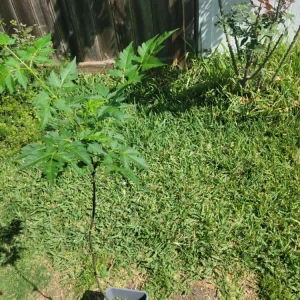
Chinaberry Tree Seeds – Melia azedarach – 10 Seeds – Deciduous Flowering Tree
Start your own beautiful Chinaberry tree with this packet of 10 Melia azedarach seeds. Known for its rapid growth, drought resistance, and fragrant purple flowers, this deciduous tree adds ornamental value to any landscape. Ideal for gardeners seeking a fast-growing, flowering specimen.
Original price was: $23.96.$11.98Current price is: $11.98.

With our Alive & Thrive Guarantee, we’ve got your back for the first 30 days! If you have any concerns about your plants, just reach out to us. Our team is here to help answer your questions and guide you in selecting the best plants for your garden, climate, and unique preferences. We're excited to help you create the garden of your dreams!
Estimated arrival
Oct 14
Oct 19 - Oct 21
Oct 24 - Oct 28
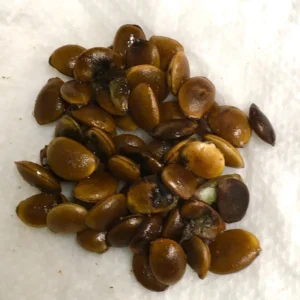
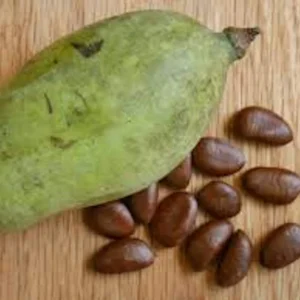
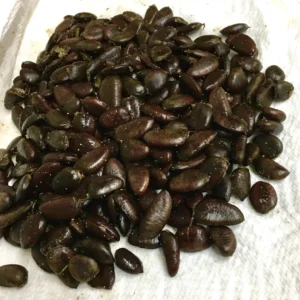


Product Details
-
USDA Hardiness Zone
7 (0 to 10 °F) -
Soil type
Well-draining soil -
Sunlight Exposure
Full sun -
Expected Planting Period
Spring
Overview
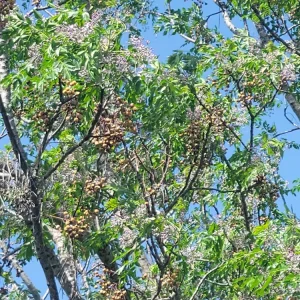
Cultivate a striking ornamental tree in your garden with these premium Chinaberry tree seeds. Also known by its botanical name, Melia azedarach seeds, this offering provides 10 high-quality seeds to help you establish this beautiful and resilient species. The Chinaberry tree is celebrated for its rapid growth, lush deciduous foliage, and clusters of fragrant, lilac-purple flowers that emerge in spring. It’s a popular choice for gardeners looking for a distinctive flowering tree that also offers practicality in its drought-resistant nature. Originating from Asia and Australia, this robust tree has adapted well to various climates and makes a wonderful addition to many landscapes, providing both visual appeal and a pleasant aroma.
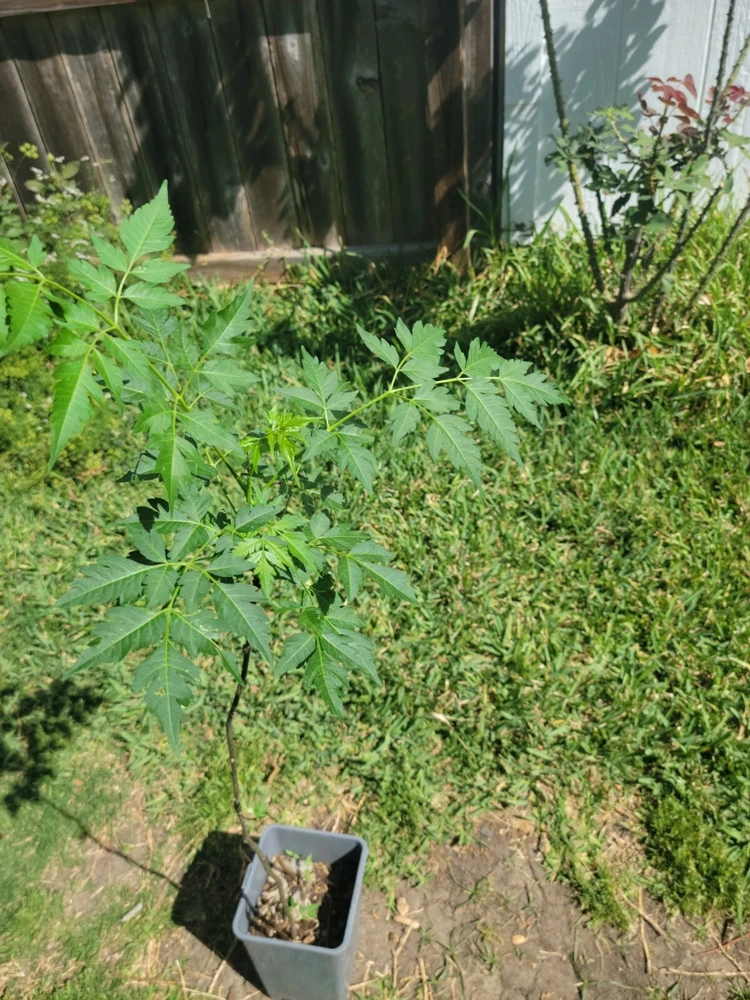
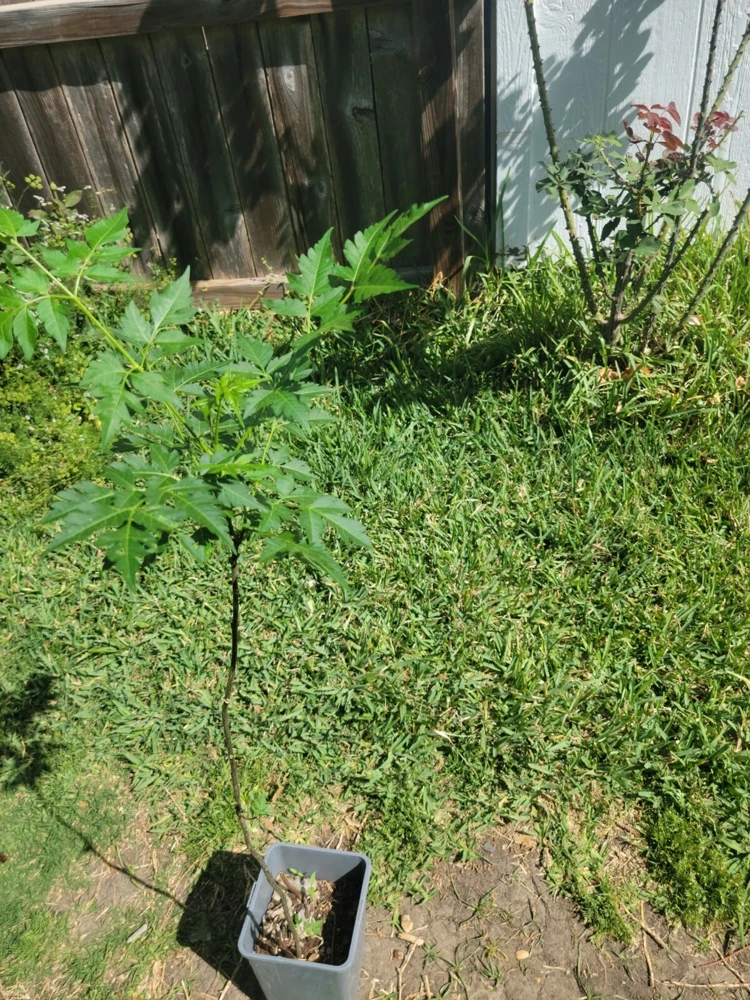
These Melia azedarach seeds offer an excellent opportunity to grow your own specimen from scratch, allowing you to nurture its development from seedling to a mature, majestic tree. The Chinaberry tree is a versatile plant, often utilized for its shade-providing canopy and its attractive appearance. Its distinctive features, including its deeply lobed leaves and unique fruit clusters, contribute to its ornamental charm throughout the seasons. If you’re looking to grow Chinaberry tree, these seeds are your first step towards a vibrant and aromatic garden feature.
Key Benefits
Growing the Chinaberry tree from seeds offers numerous advantages for both seasoned gardeners and enthusiastic beginners. Its unique characteristics make it a valuable and rewarding addition to diverse garden settings.
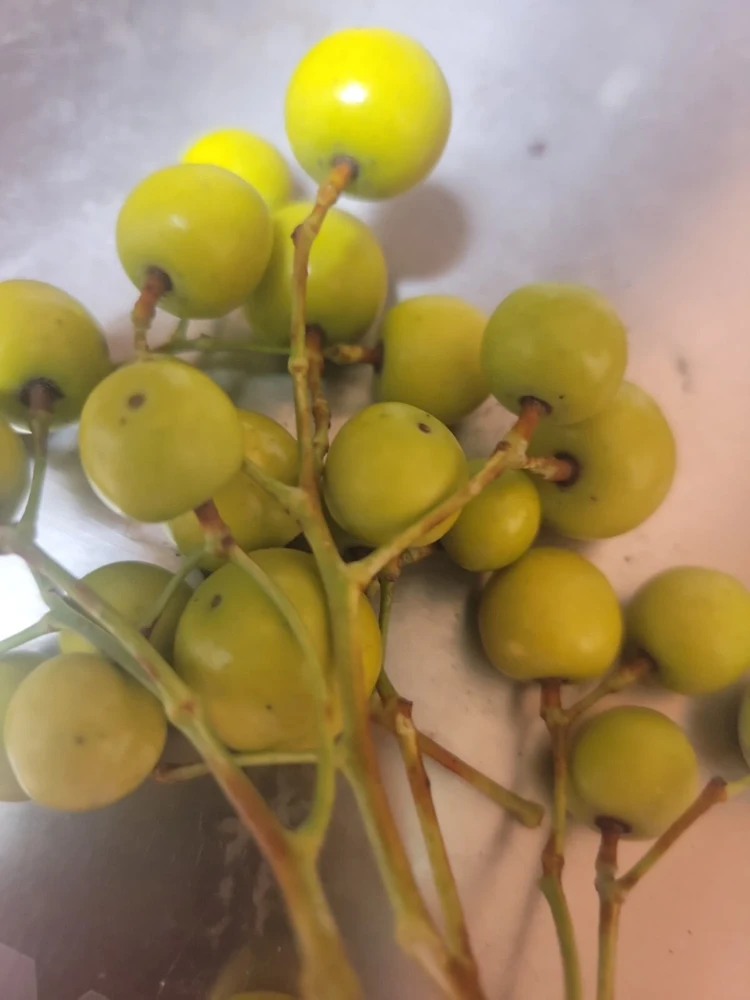
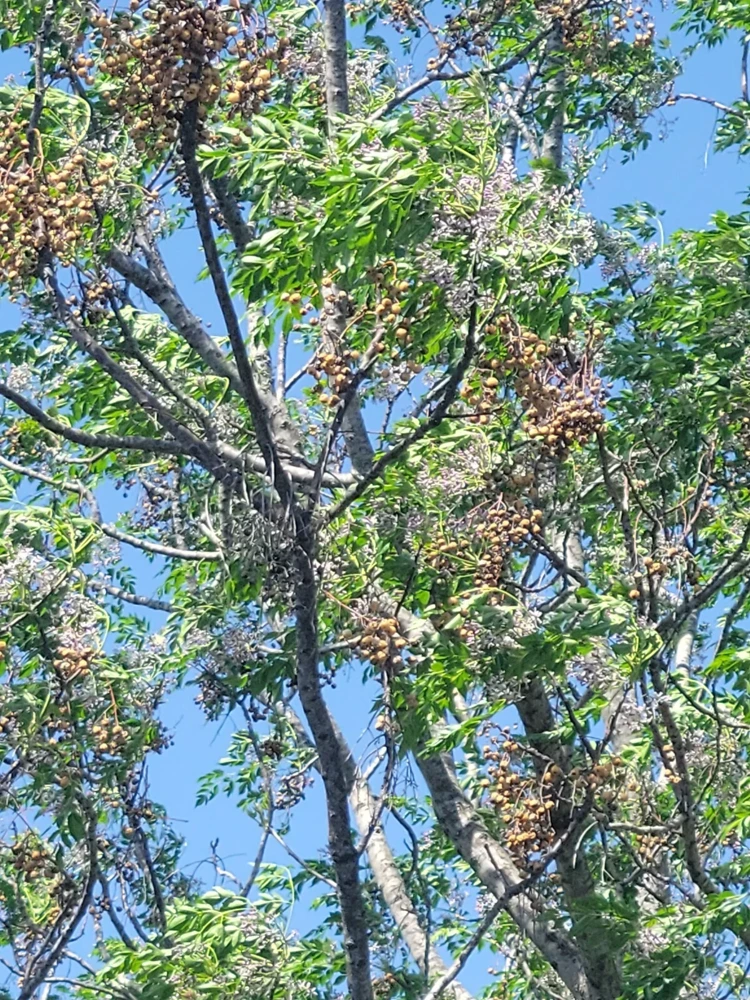
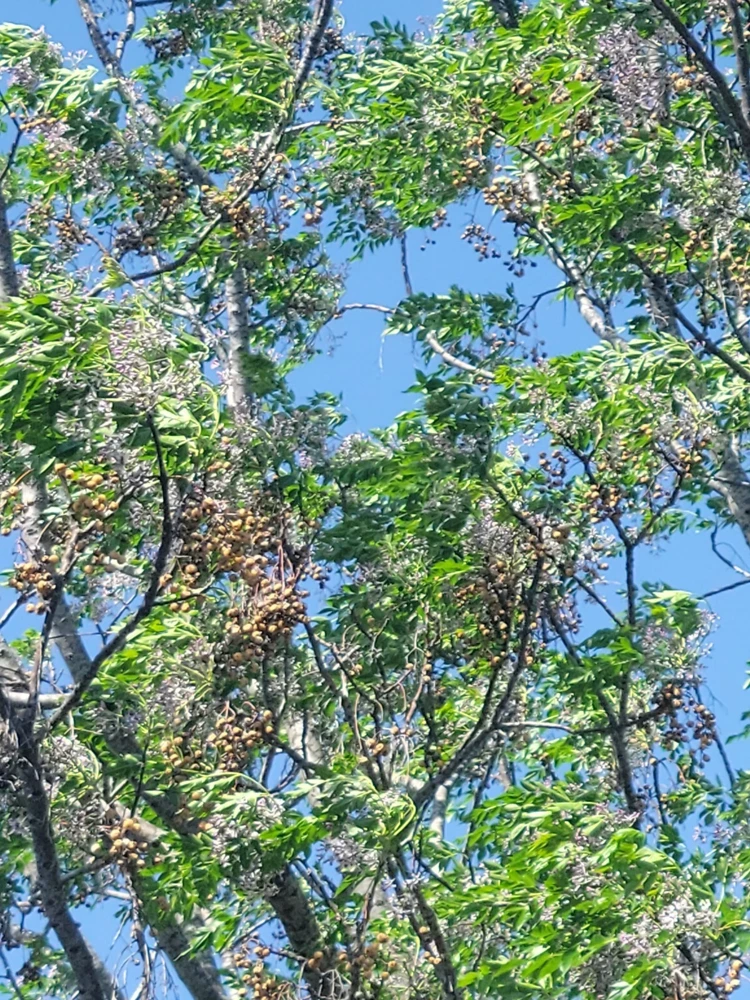
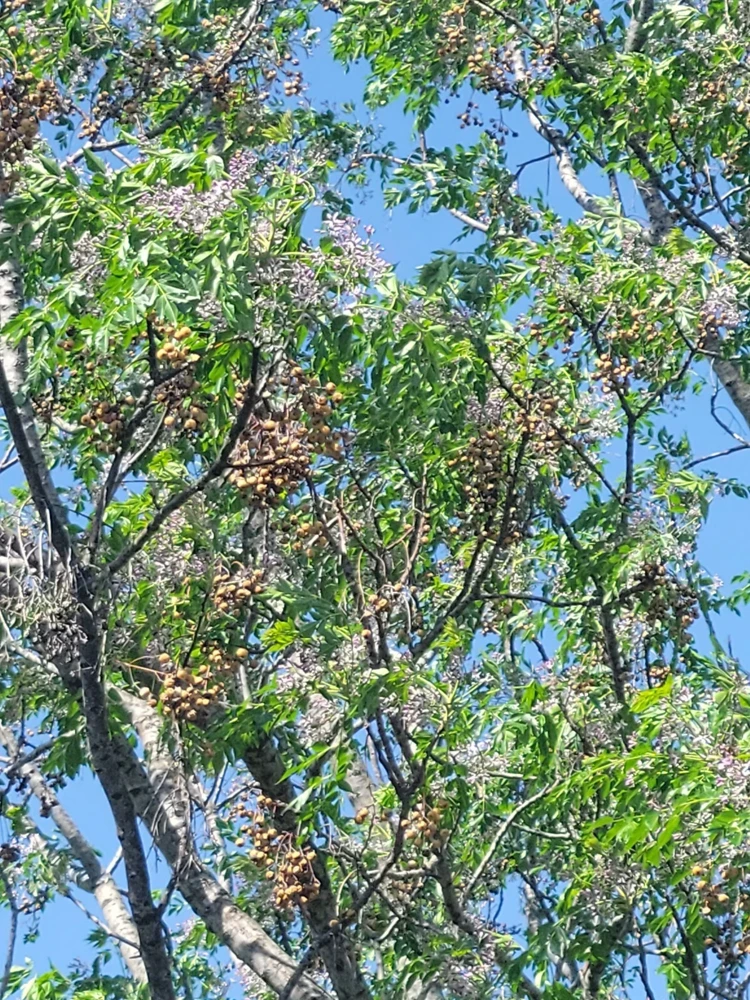
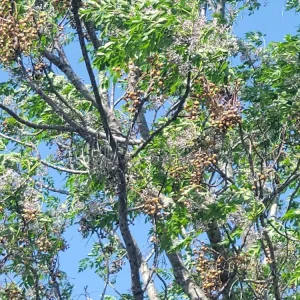
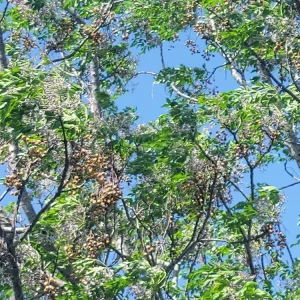
- Ornamental Value: The Chinaberry tree boasts beautiful, fragrant purple flowers that create a stunning visual display in spring, followed by attractive yellow berries in autumn. Its deciduous foliage transitions gracefully through the seasons, adding dynamic beauty to your landscape.
- Fast Growth Rate: Known for being a fast-growing flowering tree, the Chinaberry can quickly establish itself and provide shade or visual impact in your garden, making it an excellent choice for those seeking quicker results.
- Drought Resistance: Once established, the Chinaberry tree is remarkably drought-resistant, requiring less water than many other ornamental trees. This makes it an environmentally friendly option and suitable for regions with water conservation concerns.
- Fragrant Blooms: The clusters of delicate, star-shaped purple flowers emit a delightful, sweet fragrance that can perfume your garden during its blooming season, enhancing the sensory experience of your outdoor space.
- Adaptability: The Chinaberry tree seeds grow into a plant that is highly adaptable to a range of soil types and environmental conditions, making it a robust choice for various garden settings.
- Erosion Control: Due to its strong root system and fast growth, the Chinaberry tree can be effective in stabilizing soil and helping with erosion control in certain landscapes.
- Wildlife Attraction: While the berries are toxic to humans and some animals, they can attract certain bird species, adding to the biodiversity of your garden environment.
Plant Care & Growing Tips
Successfully growing the Chinaberry tree from seed requires attention to a few key care aspects, ensuring your seedlings develop into healthy, thriving trees. Start your Melia azedarach seeds indoors in early spring for the best results, or sow directly outdoors after the last frost in suitable climates. Seeds often benefit from scarification (lightly scratching the seed coat) and stratification (a period of cold, moist dormancy) to encourage germination, mimicking natural conditions.
For light requirements, the Chinaberry tree thrives in full sun, meaning at least 6-8 hours of direct sunlight per day. While it can tolerate partial shade, optimal flowering and growth occur in brighter conditions. When it comes to watering, young seedlings need consistent moisture to establish their root systems. Once established, the tree is quite drought-resistant, but regular watering during prolonged dry spells will promote healthier growth and more abundant blooms. Ensure the soil is well-draining to prevent root rot. This tree is adaptable to a variety of soil types, including sandy, loamy, and clay soils, but prefers moderately fertile, well-drained conditions. A slightly acidic to neutral pH is ideal.
The Chinaberry tree is hardy in USDA Hardiness Zone 7 (0 to 10 °F) and warmer, making it suitable for a wide range of climates in the US. Fertilization is generally not heavily required for established trees, but young plants can benefit from a balanced, slow-release fertilizer in spring to encourage vigorous growth. Monitor for common pests like scale insects or mealybugs, and address any issues promptly with appropriate organic or chemical treatments. Pruning can be done in late winter or early spring to remove dead or damaged branches, shape the tree, and encourage a strong structure. With proper care, your fragrant flowering tree will flourish.
Size & Details
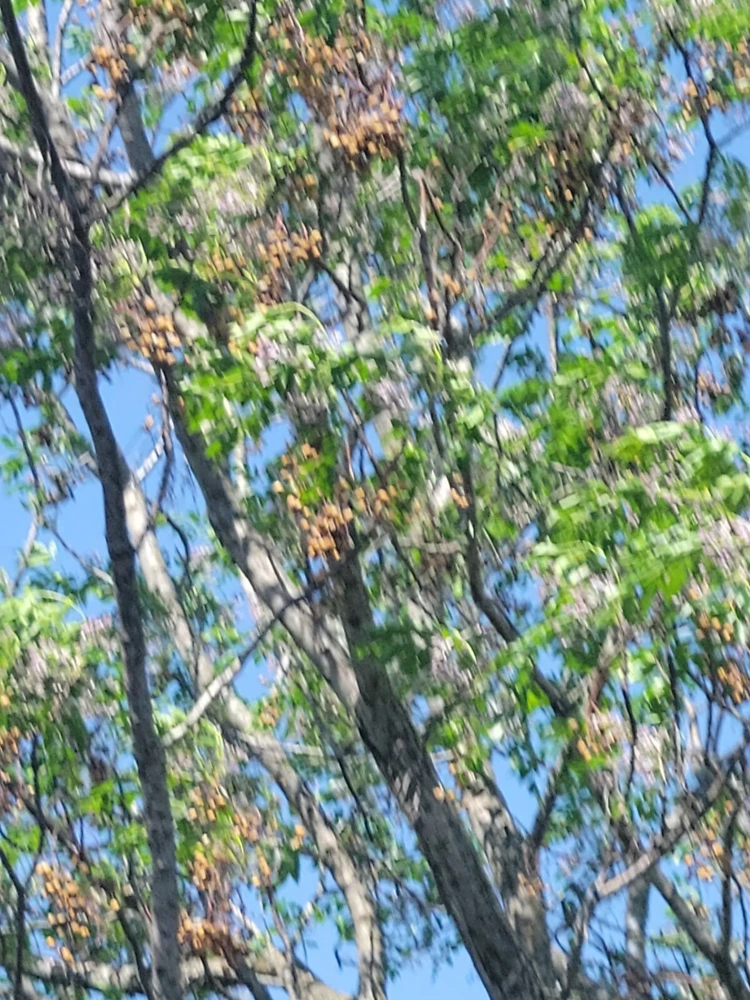
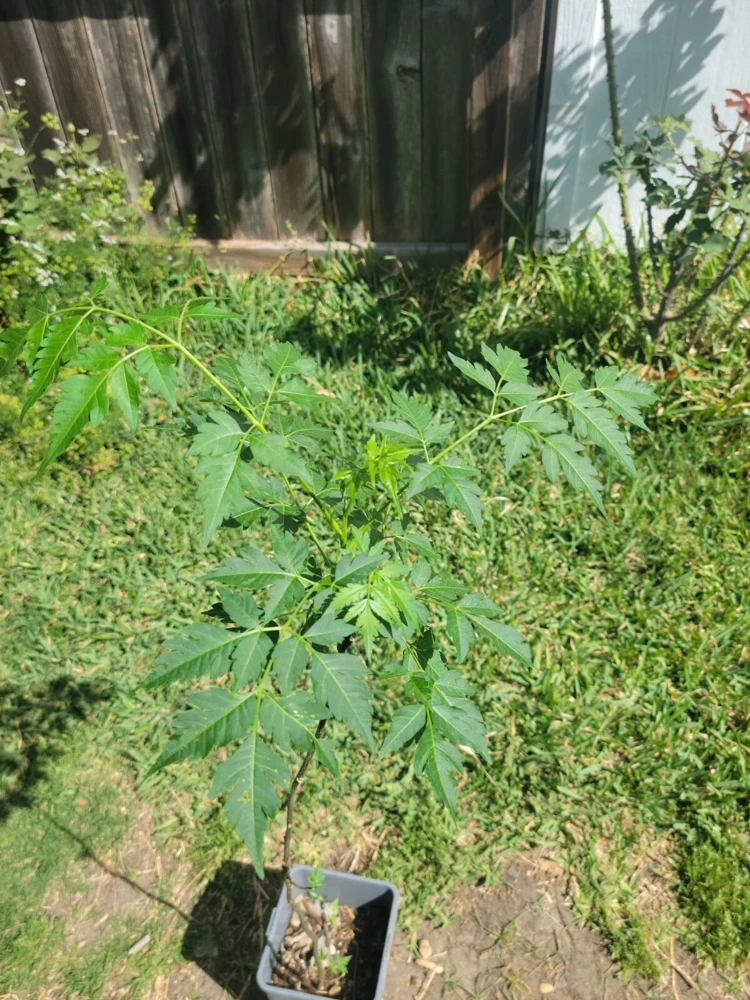
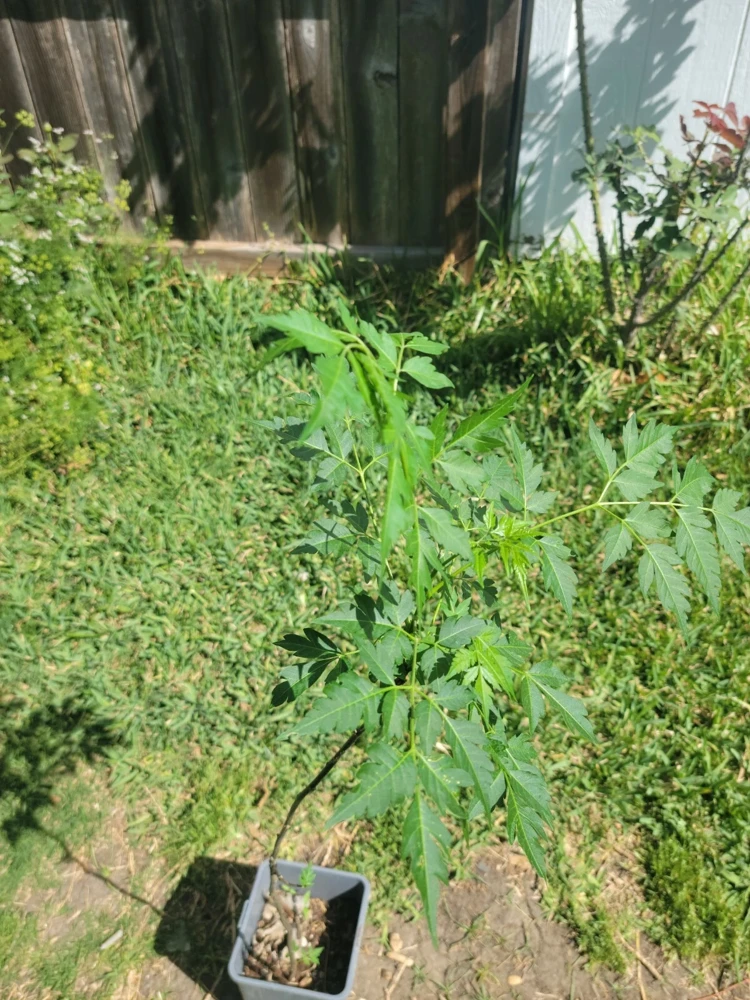
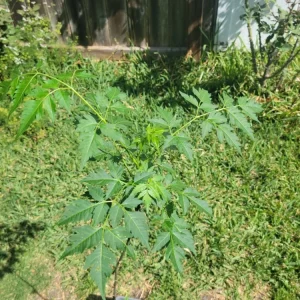
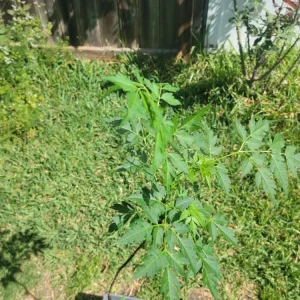
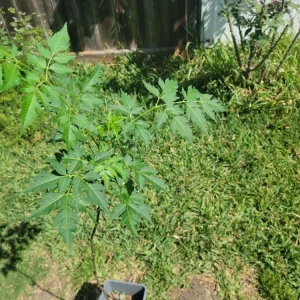
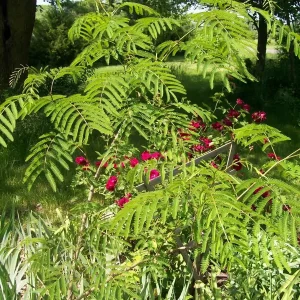
These Chinaberry tree seeds will mature into a deciduous flowering tree that typically reaches impressive heights of 20 to 50 feet, with a spread of 15 to 30 feet, forming a rounded, spreading canopy. The growth rate is considered fast, allowing for quick establishment in your landscape. Each packet contains 10 seeds, providing a good starting quantity for germination and cultivation. The tree is characterized by its bipinnately compound leaves, which are dark green and turn yellow in autumn before dropping. The distinctive clusters of small, star-shaped, fragrant purple flowers appear in spring, followed by persistent yellow berries that often remain on the tree through winter. These seeds are ready for planting and will arrive in a protective packet to ensure viability. Expect the first blooms within a few years of planting, as the tree establishes its root system and gains size.
Frequently Asked Questions
- Q: How many Chinaberry tree seeds are included in this packet? A: This packet contains 10 Chinaberry tree seeds (Melia azedarach), providing a sufficient quantity for multiple planting attempts or to start several trees.
- Q: What USDA Hardiness Zone is suitable for growing the Chinaberry tree? A: The Chinaberry tree is hardy in USDA Hardiness Zone 7 (0 to 10 °F) and warmer, making it a resilient choice for many regions.
- Q: How much sunlight does a Chinaberry tree need? A: For optimal growth and flowering, the Chinaberry tree requires full sun, which means at least 6-8 hours of direct sunlight daily. It can tolerate partial shade but may have fewer blooms.
- Q: Is the Chinaberry tree drought-resistant? A: Yes, once established, the Chinaberry tree is known for its excellent drought resistance, making it a low-maintenance option for water-wise gardening.
- Q: What is the growth rate of the Chinaberry tree? A: The Chinaberry tree is considered a fast-growing flowering tree, often establishing quickly and adding significant size within a few years. This helps you to grow Chinaberry tree into a substantial specimen relatively fast.
- Q: When is the best time to plant these Melia azedarach seeds? A: It’s best to plant these Melia azedarach seeds indoors in early spring, or directly outdoors after the last threat of frost has passed in your area.
- Q: Are the Chinaberry tree’s flowers fragrant? A: Yes, one of the most appealing features of the Chinaberry tree is its clusters of fragrant purple flowers, which release a sweet scent in spring. This makes it a truly fragrant flowering tree.
- Q: What kind of soil does the Chinaberry tree prefer? A: The Chinaberry tree is adaptable to various soil types but thrives best in well-draining soil with moderate fertility.
- Q: How tall does a Chinaberry tree typically grow? A: A mature Chinaberry tree can reach heights of 20 to 50 feet, providing substantial shade and ornamental presence in your landscape.
- Q: Do these seeds require any special preparation before planting? A: To improve germination rates, it is often recommended to scarify (lightly scratch the seed coat) and stratify (provide a period of cold, moist treatment) the Chinaberry tree seeds before planting.
Related products
-50%
Original price was: $19.96.$9.98Current price is: $9.98.
-15%
From Original price was: $20.00.$17.00Current price is: $17.00.
-50%

Original price was: $51.80.$25.90Current price is: $25.90.
-20%
Original price was: $18.00.$14.40Current price is: $14.40.
-20%
Original price was: $25.00.$20.00Current price is: $20.00.
-20%

Original price was: $50.00.$40.00Current price is: $40.00.
-50%
Original price was: $107.96.$53.98Current price is: $53.98.
-50%

Original price was: $159.96.$79.98Current price is: $79.98.
PLANTING & CARE
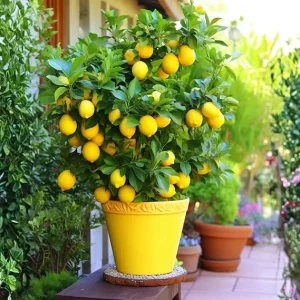
Lemon Tree Growing: Choose, Plant, and Harvest
Learn how to choose, plant, feed, and protect a lemon tree so it fits your
23
Sep
Sep
Dwarf Meyer Lemon Tree Australia: Climate Guide
Learn where dwarf Meyer lemon trees grow, how much cold they tolerate, and whether Australia,
Where to Buy a Dwarf Meyer Lemon Tree: Buyer’s Guide
Find the right dwarf Meyer lemon tree online or locally, compare starter sizes and costs,
Dwarf Meyer Lemon Tree for Sale: Buying Guide
Compare Meyer lemon tree sizes, prices, shipping limits, indoor growing and California options before you
Dwarf Meyer Lemon Tree Guide: Size, Care and Fruit
META: Learn how large a dwarf Meyer lemon tree grows, where it thrives, and how
How to Prune a Dwarf Meyer Lemon Tree
Learn when and how to prune a dwarf Meyer lemon tree, including tools, shaping cuts,
Can You Grow a Dwarf Meyer Lemon Tree in a Pot?
META: Learn how to grow a dwarf Meyer lemon tree in a pot, including container
When Do Dwarf Meyer Lemon Trees Bloom and Fruit?
META: Dwarf Meyer lemon trees usually bloom from winter through spring and may flower again