Chinaberry Tree Seeds – Melia azedarach – Fast Growing, Fragrant
-50%
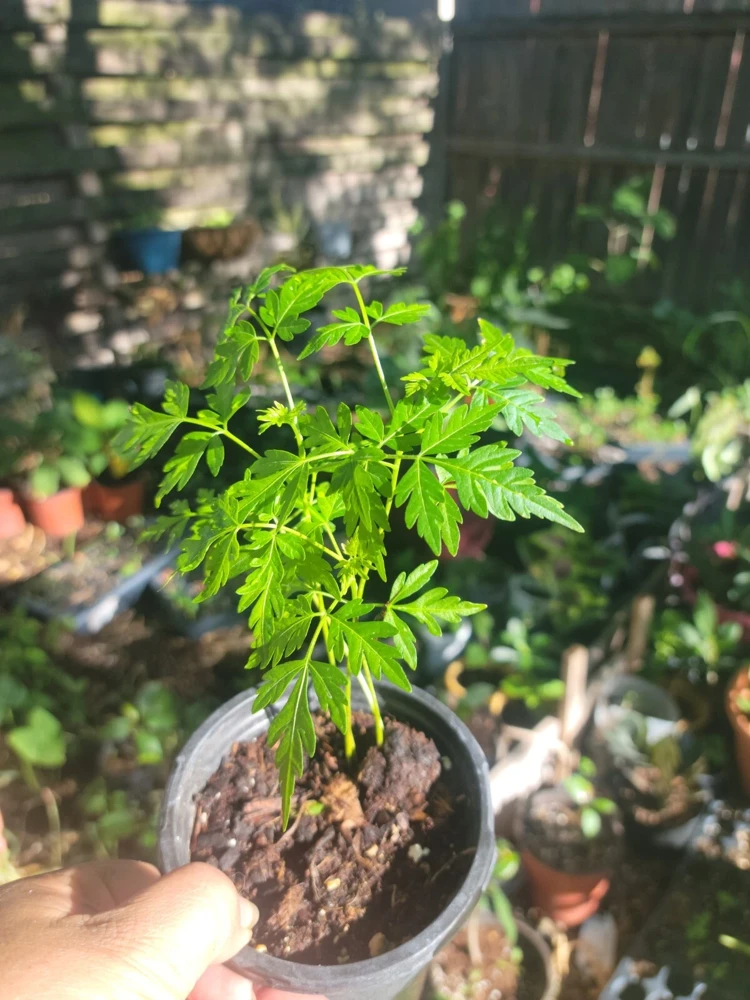
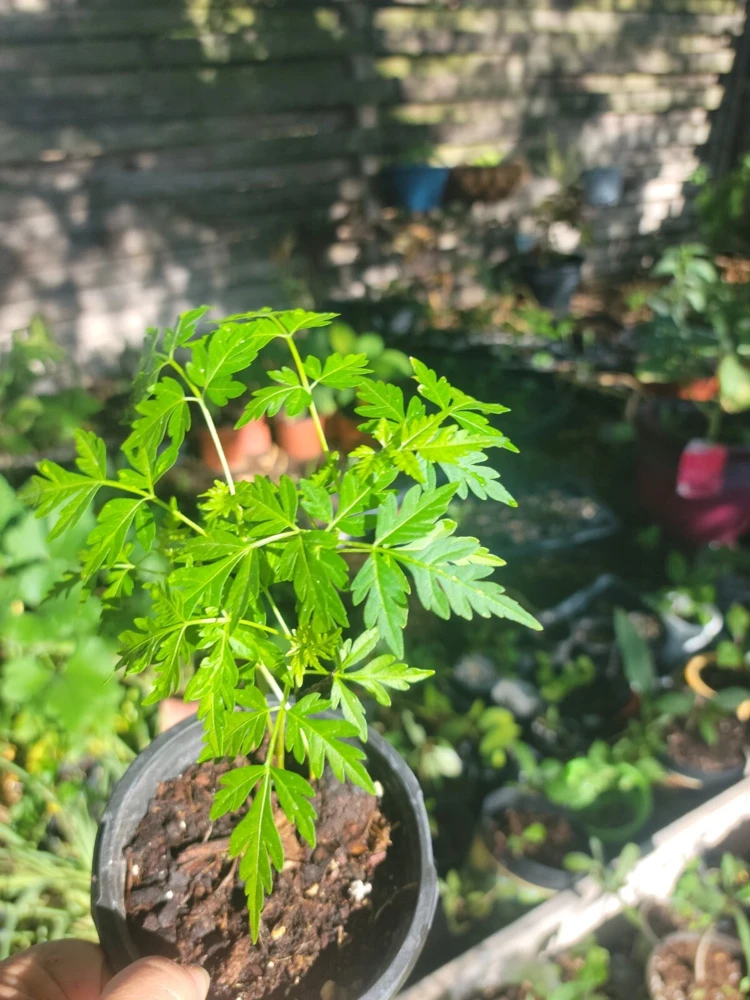
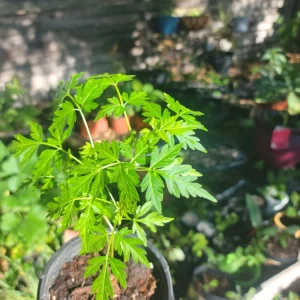
Chinaberry Tree Seeds – Melia azedarach – Fast Growing, Fragrant
Start your own beautiful Chinaberry tree with these high-quality Melia azedarach seeds. Known for its rapid growth and fragrant spring blossoms, this deciduous tree adds ornamental value to any landscape. Perfect for zones 7 and up.
Original price was: $180.00.$90.00Current price is: $90.00.

With our Alive & Thrive Guarantee, we’ve got your back for the first 30 days! If you have any concerns about your plants, just reach out to us. Our team is here to help answer your questions and guide you in selecting the best plants for your garden, climate, and unique preferences. We're excited to help you create the garden of your dreams!
Estimated arrival
Oct 14
Oct 19 - Oct 21
Oct 24 - Oct 28



Product Details
-
USDA Hardiness Zone
7-11 -
Soil type
Well-draining soil -
Sunlight Exposure
Full sun -
Expected Planting Period
Late winter to early spring
Overview
Embark on a rewarding gardening journey by cultivating your very own Chinaberry tree seeds. Also known by its botanical name, Melia azedarach, the Chinaberry tree is a captivating addition to any garden or landscape. These seeds offer the opportunity to grow a robust, fast-growing deciduous tree that provides lush foliage, showy purple flowers, and a delightful fragrance, especially during the spring season. The Chinaberry tree is celebrated for its resilience and ability to thrive in various conditions, making it a popular choice for gardeners seeking an ornamental yet hardy specimen. With proper care, these seeds will germinate and mature into a magnificent tree, offering aesthetic appeal and a pleasant aroma to your outdoor space. Growing your own Melia azedarach seeds allows you to witness the full life cycle of this remarkable plant.
The Chinaberry tree, sometimes called Persian Lilac or Bead Tree, is native to Asia and Australia but has adapted well to many other regions. It is well-regarded for its attractive, deeply lobed leaves and its clusters of small, star-shaped, fragrant purple flowers that bloom in spring. Following the flowers, the tree produces distinctive yellow, marble-sized fruits that persist into winter, providing visual interest. This makes the Chinaberry tree seeds an excellent choice for those looking to add year-round appeal to their garden.
Key Benefits
Cultivating Chinaberry tree seeds offers numerous advantages for both seasoned gardeners and enthusiastic beginners. This tree brings a unique blend of beauty and hardiness to your outdoor environment, ensuring a rewarding growing experience.
- Fast Growth Rate: The Chinaberry tree is renowned for its vigorous and rapid growth, allowing you to establish a substantial tree in your landscape relatively quickly. This makes it an excellent choice for those looking to fill space or create shade sooner.
- Showy, Fragrant Flowers: In spring, the tree bursts into bloom with clusters of delicate, lavender-colored flowers that emit a sweet, pleasant fragrance, attracting pollinators and enhancing the sensory experience of your garden. The beauty of these blossoms is a key highlight when growing a Chinaberry tree.
- Drought Resistance: Once established, the Melia azedarach is remarkably drought-tolerant, making it a sustainable option for regions with lower rainfall or for gardeners seeking low-maintenance trees. This resilience contributes to its popularity.
- Deciduous Foliage: The tree’s deciduous nature provides seasonal interest, with fresh green leaves in spring and summer, and a dramatic leaf-drop in fall, offering a dynamic display throughout the year.
- Ornamental Value: From its attractive foliage to its fragrant flowers and persistent yellow berries, the Chinaberry tree offers significant ornamental value, enhancing the aesthetic appeal of parks, large gardens, and street plantings.
- Adaptability: This tree is highly adaptable to a wide range of soil types and environmental conditions, making it a versatile choice for various planting locations. Starting with fast growing tree seeds ensures a strong foundation.
- Shade Provider: Due to its relatively quick growth and spreading canopy, a mature Chinaberry tree can provide excellent shade, making outdoor spaces more comfortable during hot summer months.
Plant Care & Growing Tips
Growing a Chinaberry tree from seeds is a straightforward process, provided you give it the right start and consistent care. These Melia azedarach seeds are robust, but a little attention to detail will ensure optimal germination and healthy growth. Begin by scarifying the hard seed coat to improve water absorption and germination rates. You can do this by gently rubbing the seeds with sandpaper or nicking them with a small file. After scarification, soak the seeds in warm water for 24-48 hours. Plant the treated seeds about 1/2 inch deep in a well-draining seed starting mix.
For successful germination, maintain a consistent soil temperature of around 70-75°F (21-24°C). Keep the soil consistently moist but not waterlogged. Germination can take anywhere from a few weeks to several months, so patience is key. Once seedlings emerge, provide them with plenty of bright light, either from a sunny window or under grow lights. Gradually acclimate young Chinaberry trees to outdoor conditions before transplanting them to their permanent location. This process, known as hardening off, helps them adjust to sunlight, wind, and temperature fluctuations.
The Chinaberry tree thrives in full sun, meaning at least 6 hours of direct sunlight per day. It prefers well-draining soil, but is tolerant of various soil types, including sandy, loamy, and clay soils, as long as drainage is adequate. While established trees are drought-resistant, young trees will benefit from regular watering to encourage strong root development. Fertilize sparingly, if at all, during the first year; an annual application of a balanced, slow-release fertilizer in spring can support mature trees. Pruning can be done to shape the tree and remove any dead or crossing branches. The Chinaberry is a relatively low-maintenance tree once established, making these fragrant tree seeds a great choice for many gardeners.
Size & Details
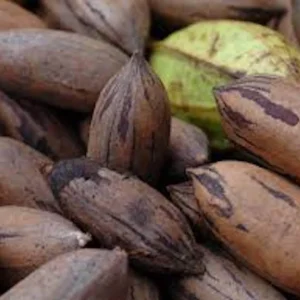
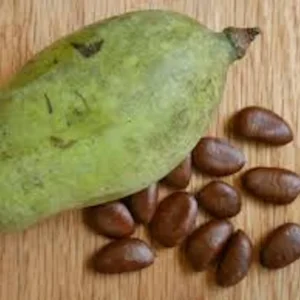
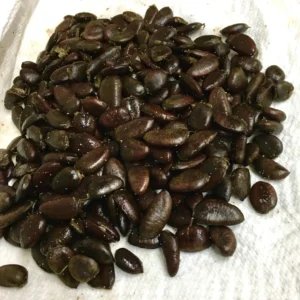
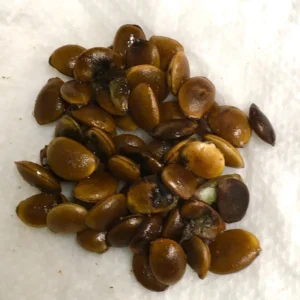
These are Chinaberry tree seeds, ready for planting to grow into mature trees. The Chinaberry tree (Melia azedarach) is known for its relatively fast growth rate, typically reaching heights of 20-40 feet (6-12 meters) with a spread of 15-25 feet (4.5-7.5 meters) at maturity. The growth rate can vary depending on climate, soil conditions, and care, but generally, it is considered a fast-growing tree. The seeds are shipped in a protective packet, ensuring their viability upon arrival. Expect the first blooms and fragrant display within a few years of planting, as the tree establishes itself. These deciduous tree seeds will produce trees that shed their leaves in the fall, offering seasonal interest.
The tree is typically grown as a single-trunk specimen or with multiple trunks, forming a rounded, spreading canopy. The foliage is bipinnately compound, giving it a delicate, fern-like appearance. The fruits are small, yellow drupes that are toxic if ingested by humans or pets, so care should be taken in placement. The seeds themselves are primarily for propagation. With proper care, these versatile seeds will grow into a beautiful and resilient tree, suitable for USDA Hardiness Zone 7 and above.
Frequently Asked Questions
- Q: How long does it take for Chinaberry tree seeds to germinate? A: Germination time for Chinaberry tree seeds can vary widely, typically ranging from a few weeks to several months, even up to a year. Scarification and soaking can significantly speed up this process.
- Q: What USDA Hardiness Zones are suitable for the Chinaberry tree? A: The Chinaberry tree is generally hardy in USDA Zones 7 through 11. It can tolerate some colder temperatures, but prolonged freezes may cause damage to young trees.
- Q: Is the Chinaberry tree considered invasive? A: In some regions, particularly in warmer climates, the Chinaberry tree can be considered invasive due to its prolific seed production and rapid growth. It’s important to check with local agricultural extension offices regarding its status in your area before planting.
- Q: How much sun does a Chinaberry tree need? A: For optimal growth and flowering, a Chinaberry tree prefers at least 6 hours of direct sunlight daily, thriving best in full sun conditions.
- Q: What kind of soil does Melia azedarach prefer? A: Melia azedarach is quite adaptable and can grow in a variety of soil types, including sandy, loamy, or clay soils, as long as they are well-draining. It does not tolerate consistently waterlogged conditions.
- Q: When is the best time to plant Chinaberry tree seeds? A: The best time to stratify and plant Melia azedarach seeds is typically in late winter or early spring, allowing seedlings to establish themselves before the heat of summer.
- Q: Are the fruits of the Chinaberry tree edible? A: No, the fruits of the Chinaberry tree are toxic to humans and many animals if ingested. While they are attractive, they should not be consumed.
- Q: How tall can a Chinaberry tree grow? A: A mature Chinaberry tree can typically reach heights of 20 to 40 feet, with some specimens growing even taller under ideal conditions. Its fast growth contributes to its size.
- Q: Do I need to prune my Chinaberry tree? A: Pruning is not strictly necessary but can be done to shape the tree, remove dead or damaged branches, or control its size. It’s best done in late winter or early spring before new growth begins.
- Q: Will these Chinaberry tree seeds produce fragrant flowers? A: Yes, the Chinaberry tree is well-known for its clusters of small, purple, fragrant flowers that bloom profusely in the spring, adding a delightful scent to your garden. These fragrant tree seeds are specifically from this species.
Related products
-50%

Original price was: $16.76.$8.38Current price is: $8.38.
-50%

Original price was: $51.80.$25.90Current price is: $25.90.
-50%
Original price was: $23.96.$11.98Current price is: $11.98.
-20%

Original price was: $34.00.$27.20Current price is: $27.20.
-50%

Original price was: $19.96.$9.98Current price is: $9.98.
-50%

Original price was: $159.96.$79.98Current price is: $79.98.
-20%
Original price was: $30.00.$24.00Current price is: $24.00.
-20%
Original price was: $40.00.$32.00Current price is: $32.00.
PLANTING & CARE
Lemon Tree Growing: Choose, Plant, and Harvest
Learn how to choose, plant, feed, and protect a lemon tree so it fits your
23
Sep
Sep
Dwarf Meyer Lemon Tree Australia: Climate Guide
Learn where dwarf Meyer lemon trees grow, how much cold they tolerate, and whether Australia,
Where to Buy a Dwarf Meyer Lemon Tree: Buyer’s Guide
Find the right dwarf Meyer lemon tree online or locally, compare starter sizes and costs,
Dwarf Meyer Lemon Tree for Sale: Buying Guide
Compare Meyer lemon tree sizes, prices, shipping limits, indoor growing and California options before you
Dwarf Meyer Lemon Tree Guide: Size, Care and Fruit
META: Learn how large a dwarf Meyer lemon tree grows, where it thrives, and how
How to Prune a Dwarf Meyer Lemon Tree
Learn when and how to prune a dwarf Meyer lemon tree, including tools, shaping cuts,
Can You Grow a Dwarf Meyer Lemon Tree in a Pot?
META: Learn how to grow a dwarf Meyer lemon tree in a pot, including container
When Do Dwarf Meyer Lemon Trees Bloom and Fruit?
META: Dwarf Meyer lemon trees usually bloom from winter through spring and may flower again