Chinese Gooseberry Kiwi Fruit Seeds – Grow Delicious Kiwis – Perennial 20 Seeds
-50%

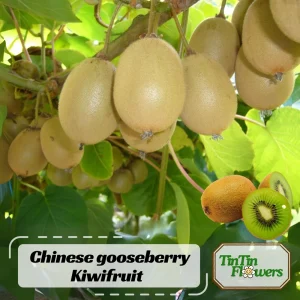
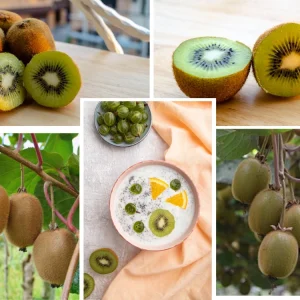
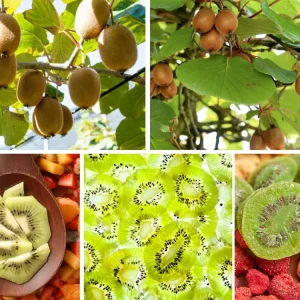
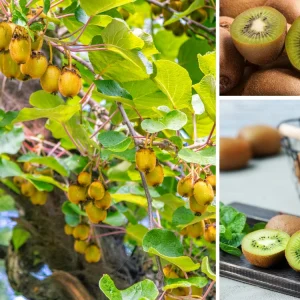

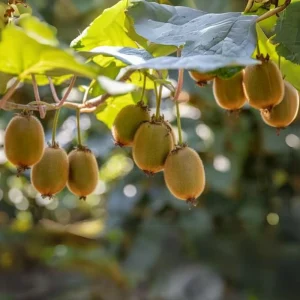
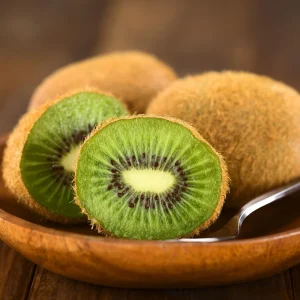
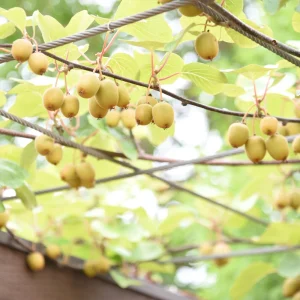
Chinese Gooseberry Kiwi Fruit Seeds – Grow Delicious Kiwis – Perennial 20 Seeds
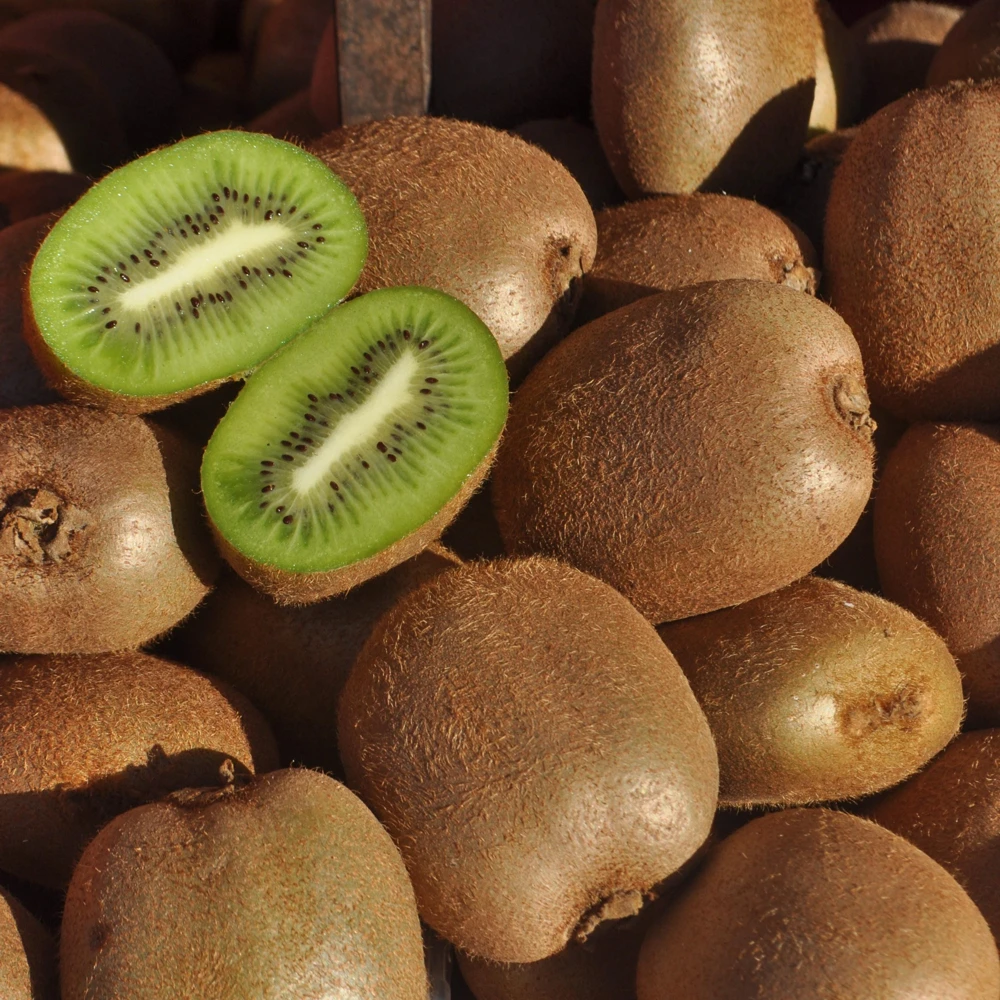
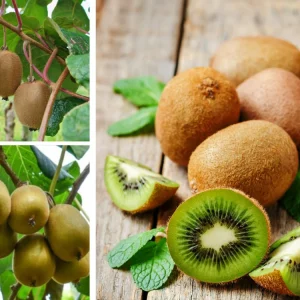
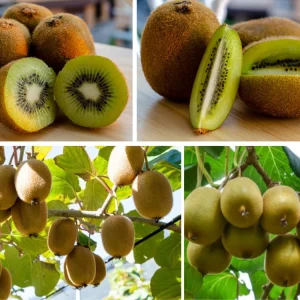
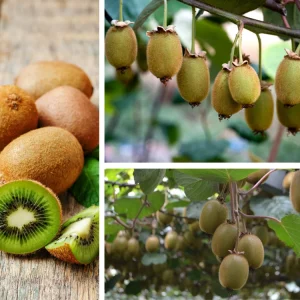
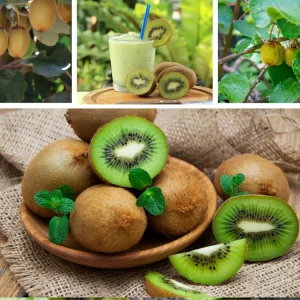
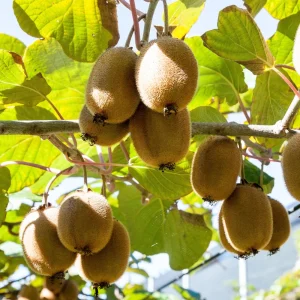
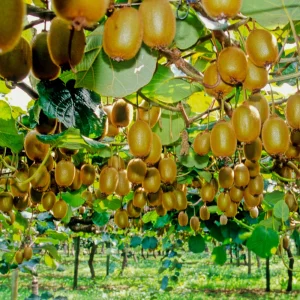
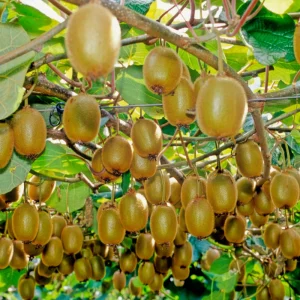
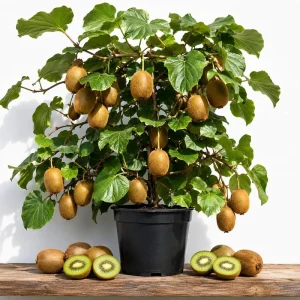
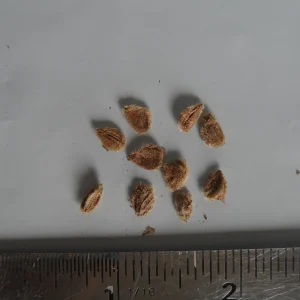
Start your own kiwi orchard with Chinese Gooseberry Kiwi Fruit Seeds. These perennial seeds grow into a vigorous vine producing delicious, vitamin C-rich fruits. Ideal for trellises and arbors, offering both beauty and bounty.
Original price was: $417,630.00.$208,816.00Current price is: $208,816.00.

With our Alive & Thrive Guarantee, we’ve got your back for the first 30 days! If you have any concerns about your plants, just reach out to us. Our team is here to help answer your questions and guide you in selecting the best plants for your garden, climate, and unique preferences. We're excited to help you create the garden of your dreams!
Estimated arrival
Oct 10
Oct 15 - Oct 17
Oct 20 - Oct 24


Product Details
-
USDA Hardiness Zone
unknown -
Soil type
moist, loamy, neutral, well-drained soil -
Sunlight Exposure
full sun to partial shade -
Expected Planting Period
spring after last frost (start indoors)
Overview
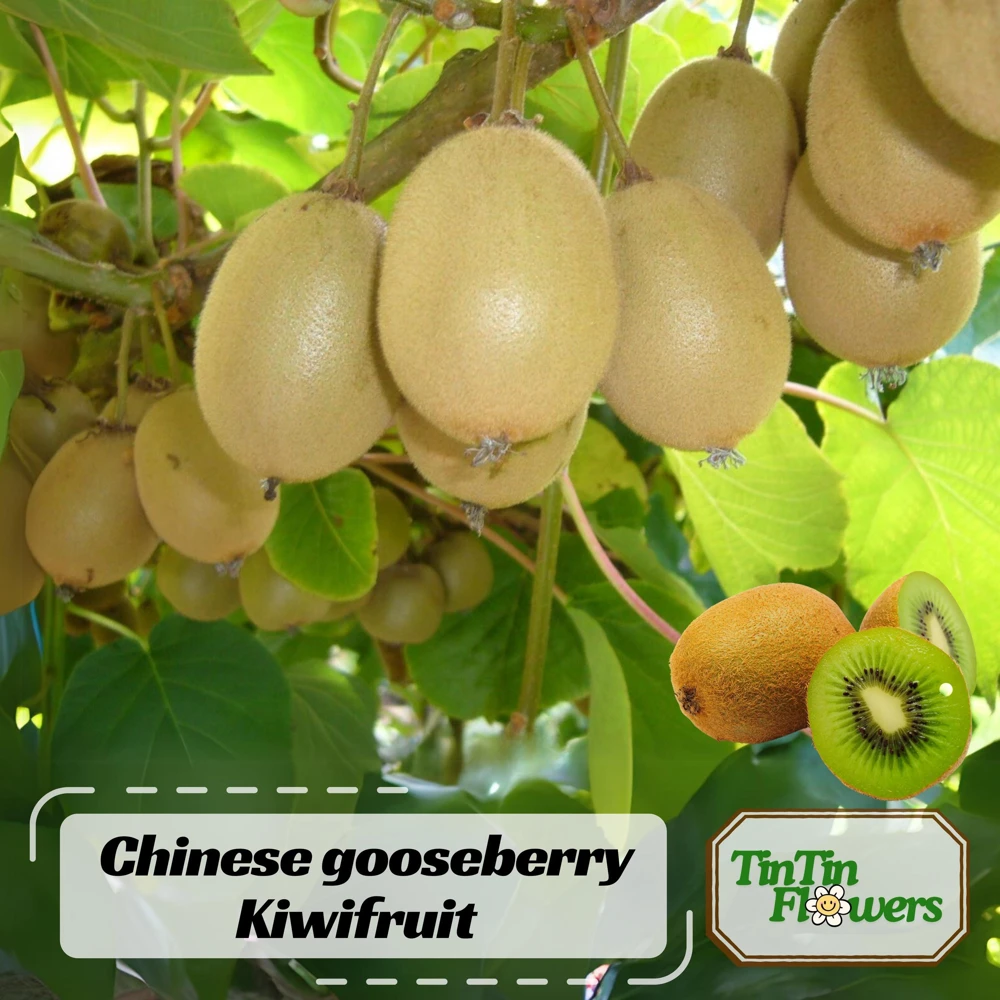
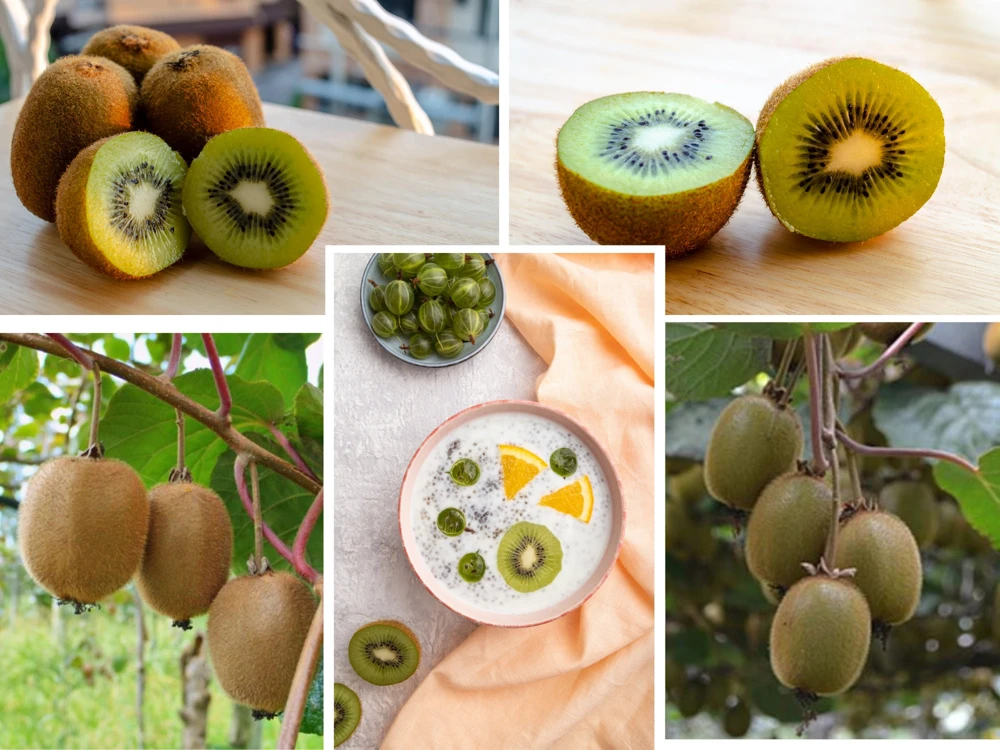
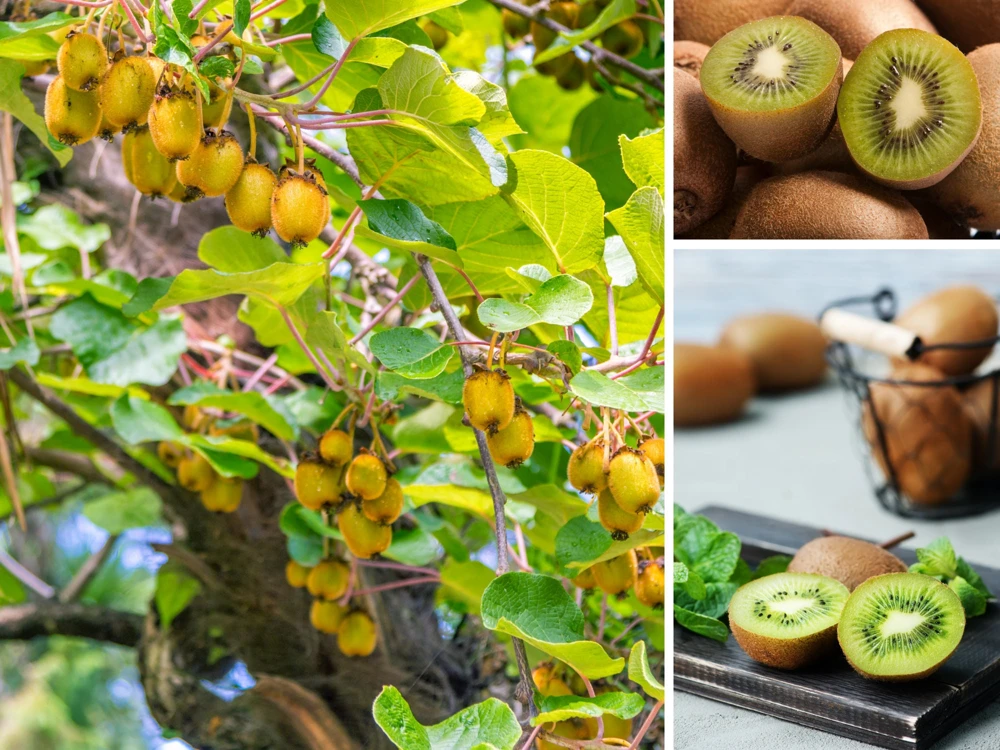
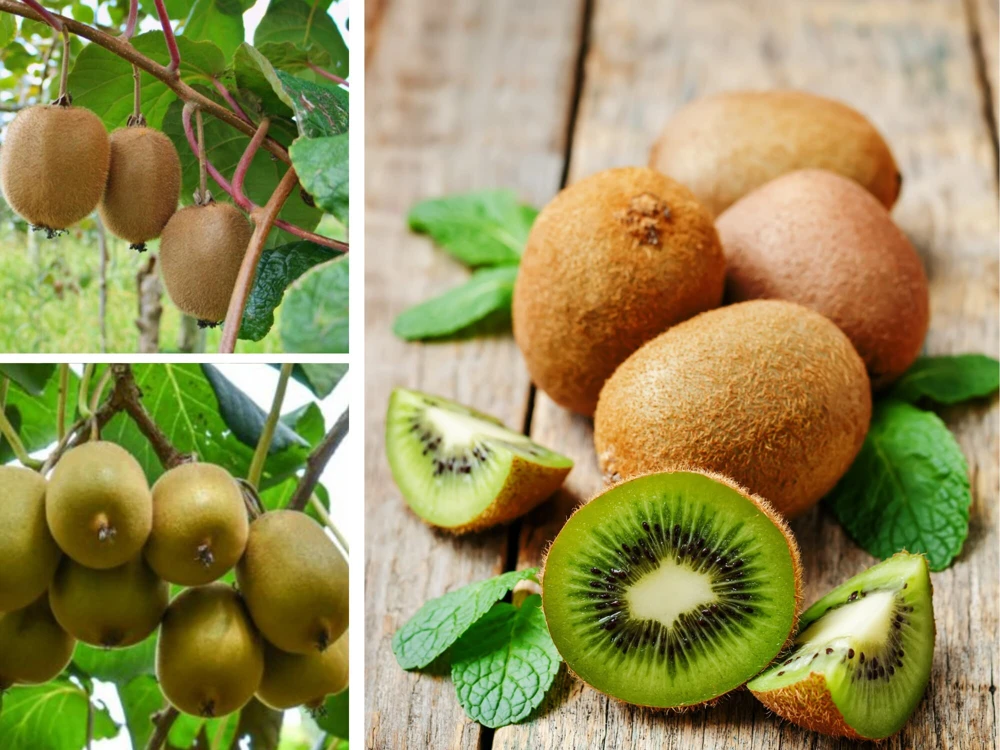
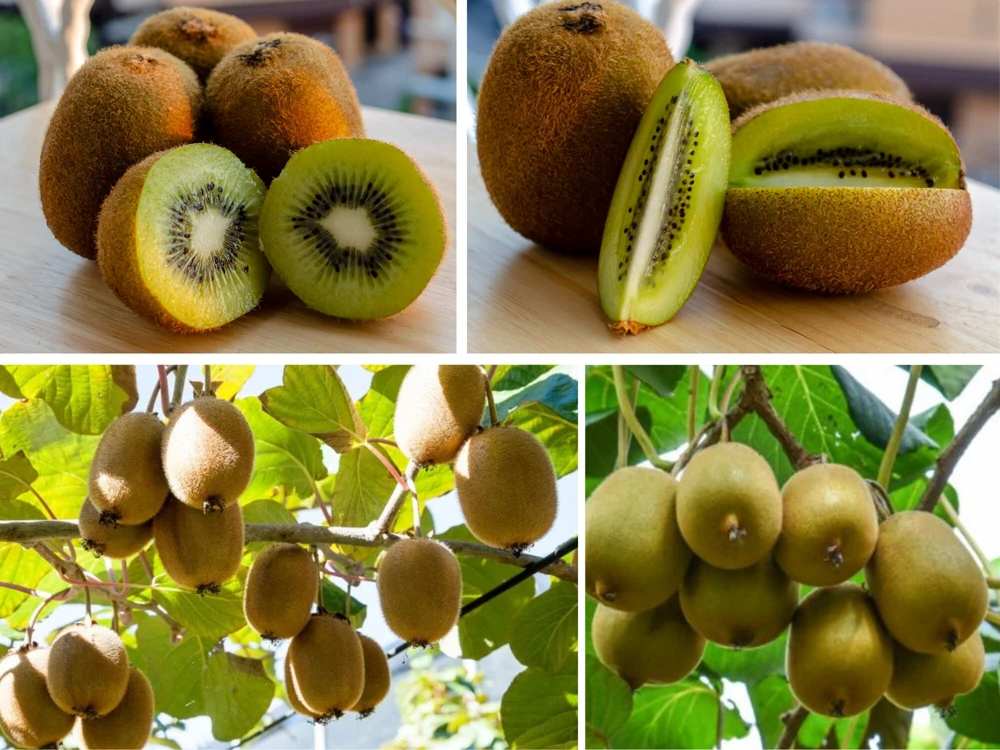
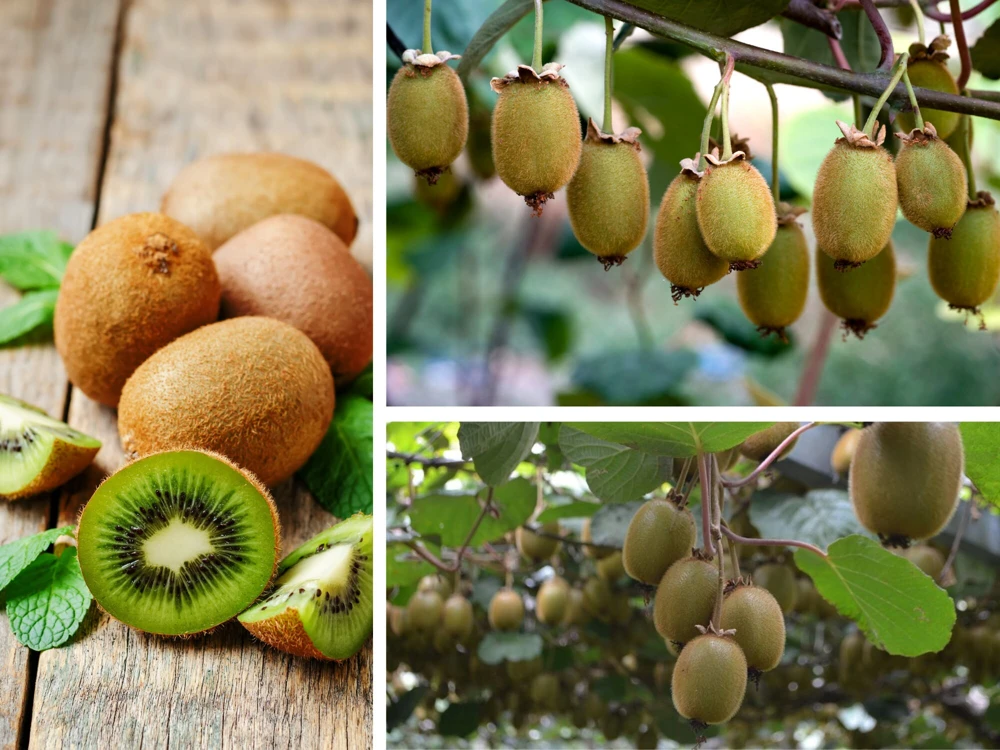
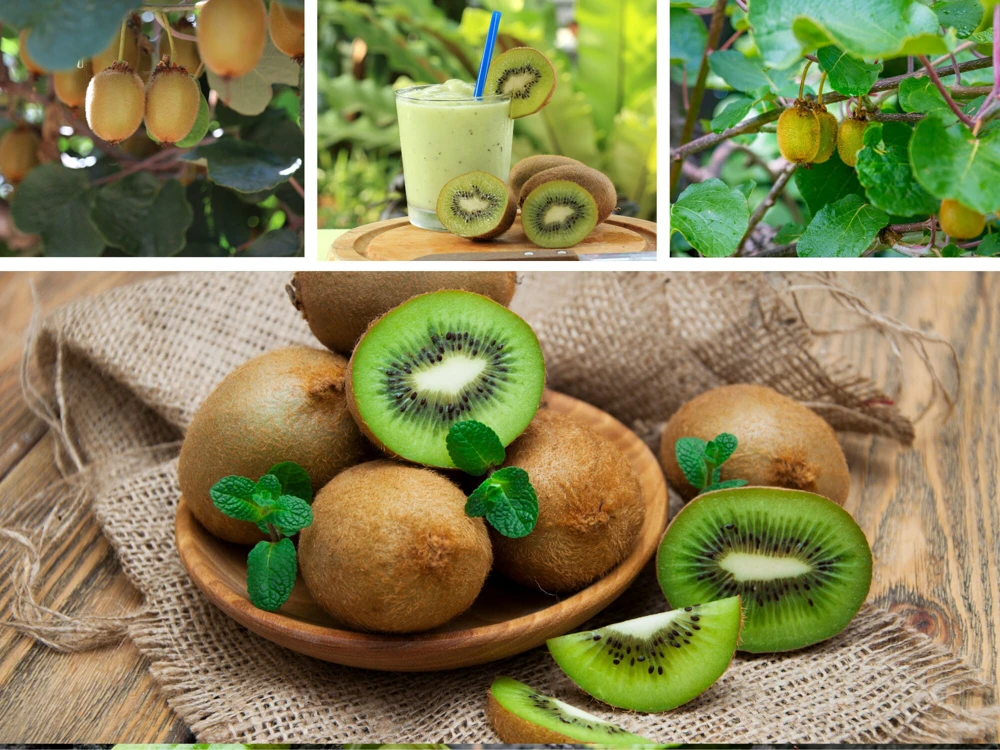
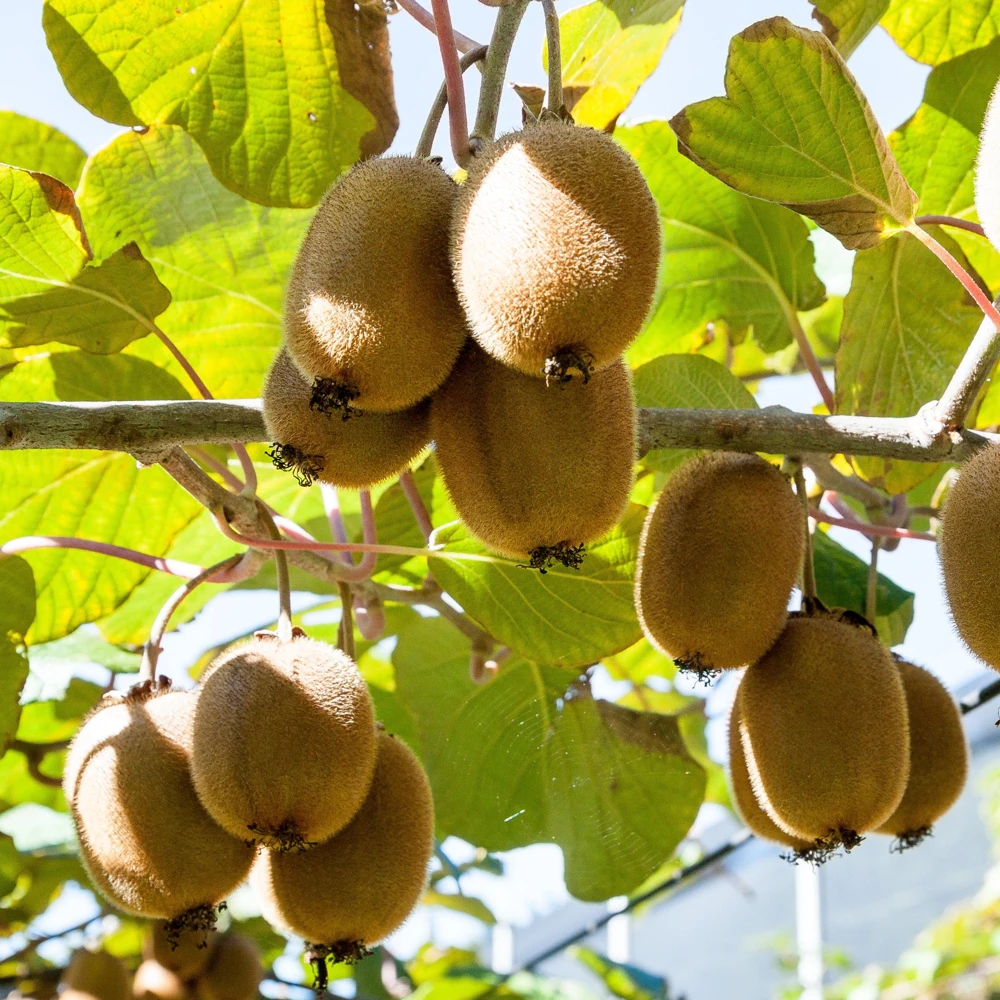
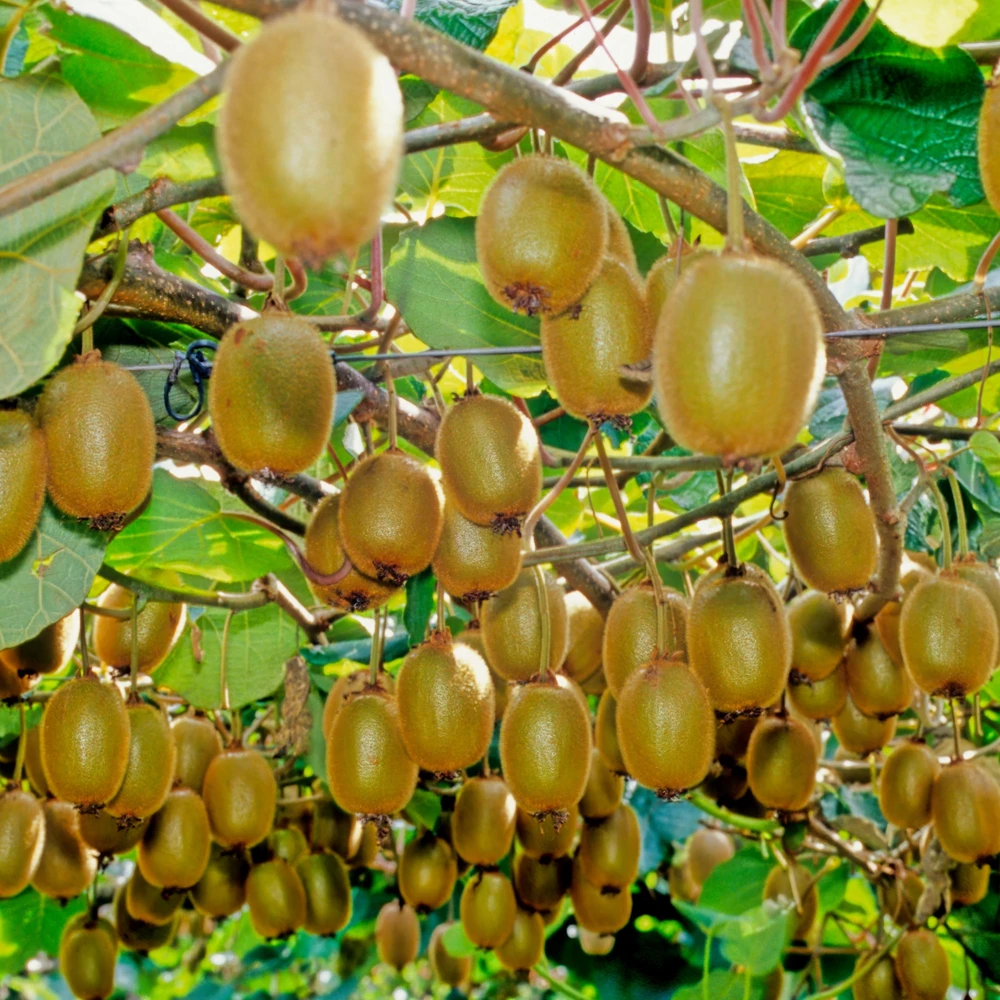
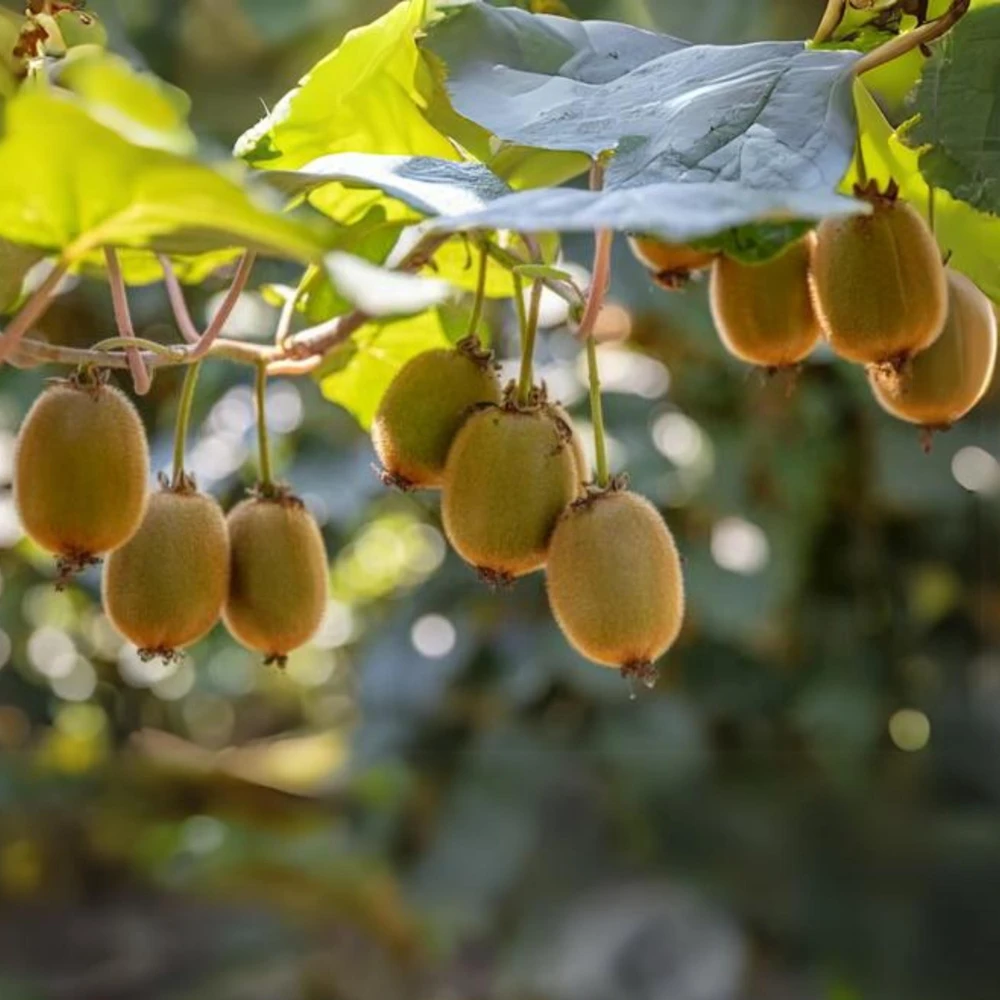
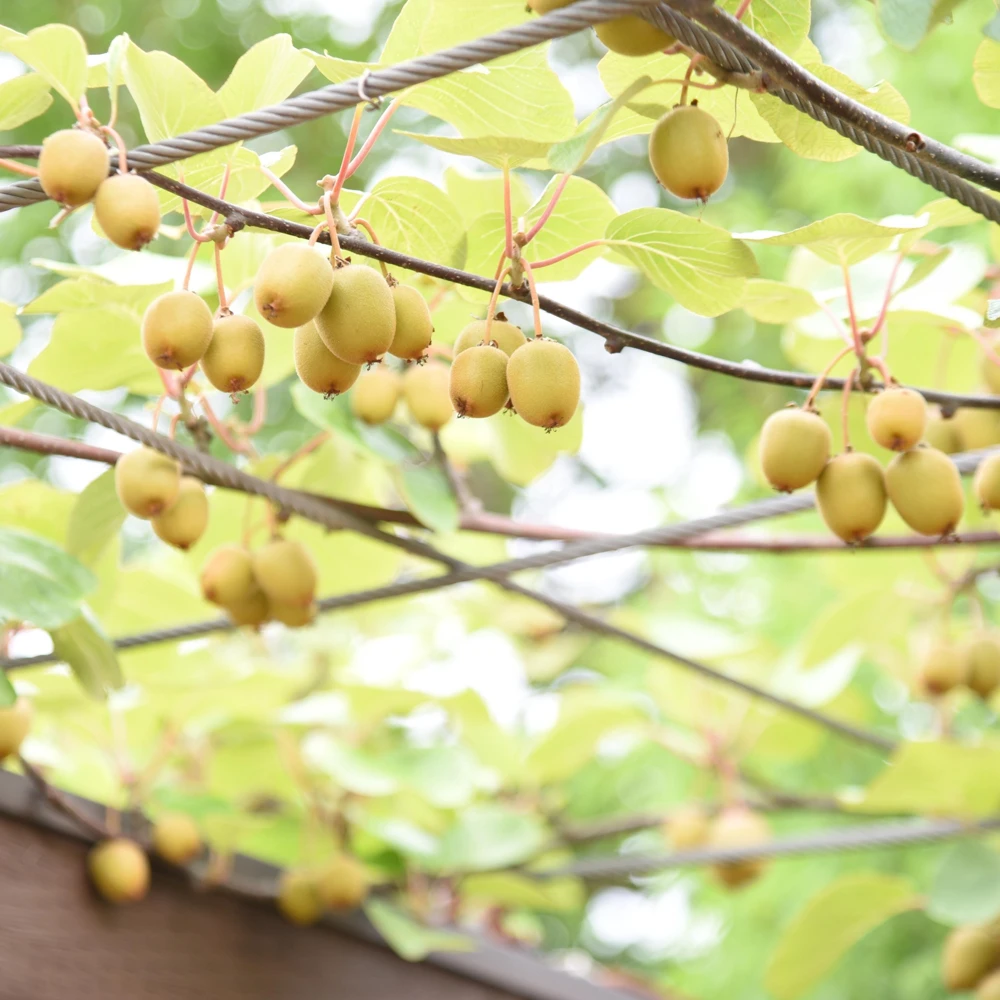
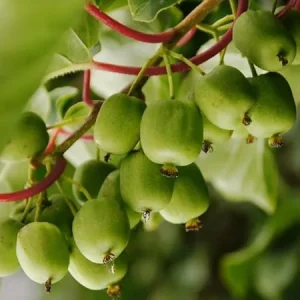
Embark on a rewarding gardening journey by cultivating your own delicious kiwi fruit with these authentic Chinese Gooseberry Kiwi Fruit Seeds. Known botanically as Actinidia chinensis, the Chinese gooseberry is a rapidly growing woody deciduous climbing vine that produces the flavorful fruit we commonly call kiwi. These seeds offer the opportunity to grow a resilient and productive plant right in your own garden. Perfect for enthusiasts looking to grow kiwi fruit from seed, these perennial seeds will transform your outdoor space into a lush, fruit-bearing haven. The vines are not only productive but also ornamental, making them an excellent choice for trellises, arbors, fences, or walls where their rapid growth rate can be fully appreciated.
Each pack contains 20 seeds, providing a robust start to your kiwi cultivation efforts. The Chinese gooseberry plant is relatively cold-hardy, adapting to various soil and pH conditions, though it thrives best in moist, loamy, neutral, well-drained soil. With proper care, these vines will yield an abundance of vitamin C-rich fruits, ready to be enjoyed straight from the vine. Discover the satisfaction of harvesting your own home-grown kiwis, a truly authentic and delicious experience that begins with these high-quality seeds.
Key Benefits
Growing your own kiwi fruit from seed offers numerous advantages, transforming your garden into a productive and beautiful space. These Chinese Gooseberry Kiwi Fruit Seeds provide a unique opportunity for any gardener.
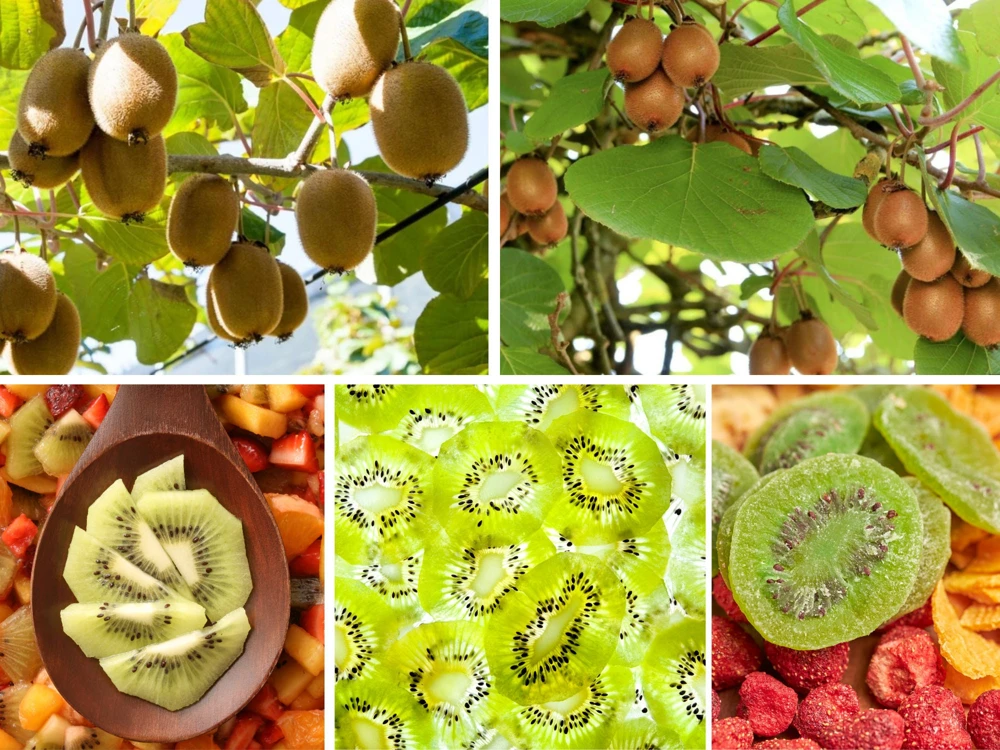
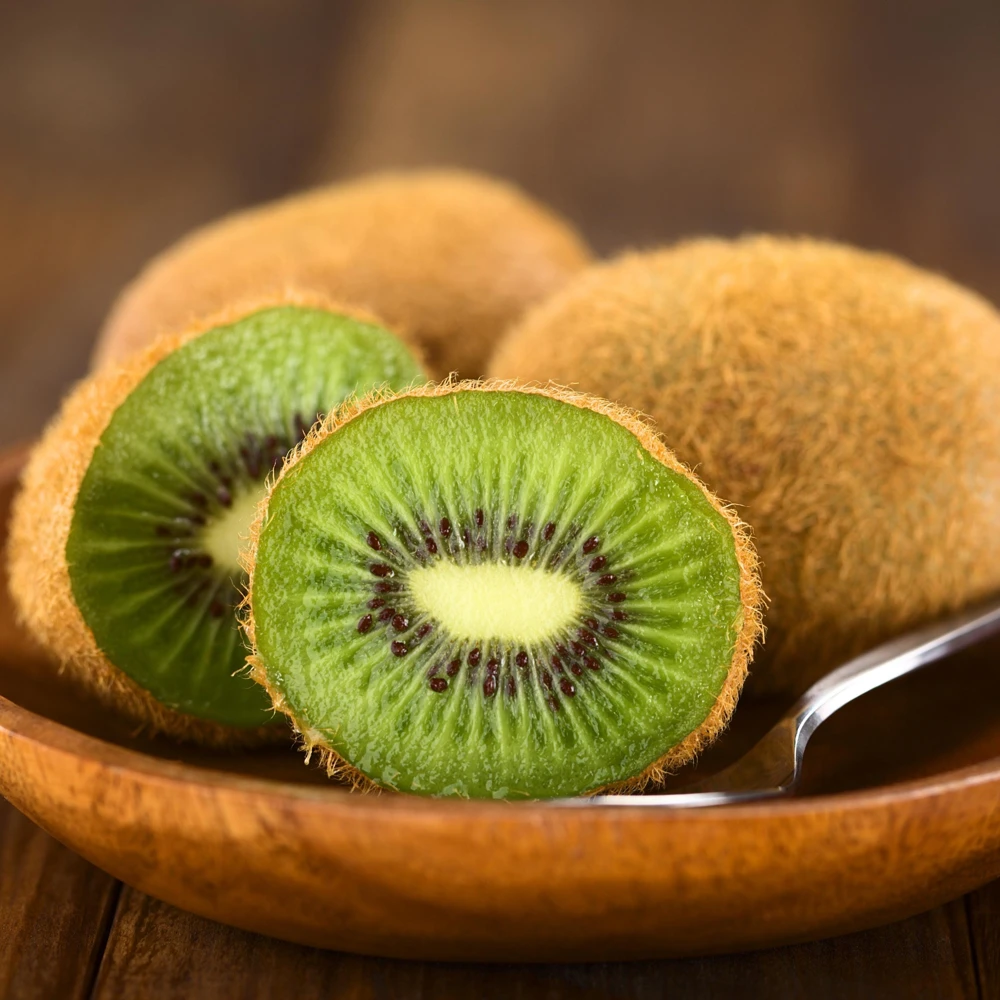
- Delicious Home-Grown Fruit: Enjoy the unparalleled taste of fresh, ripe kiwi fruit harvested directly from your garden. Home-grown kiwis are often more flavorful and nutritious than store-bought varieties, packed with essential vitamins like Vitamin C.
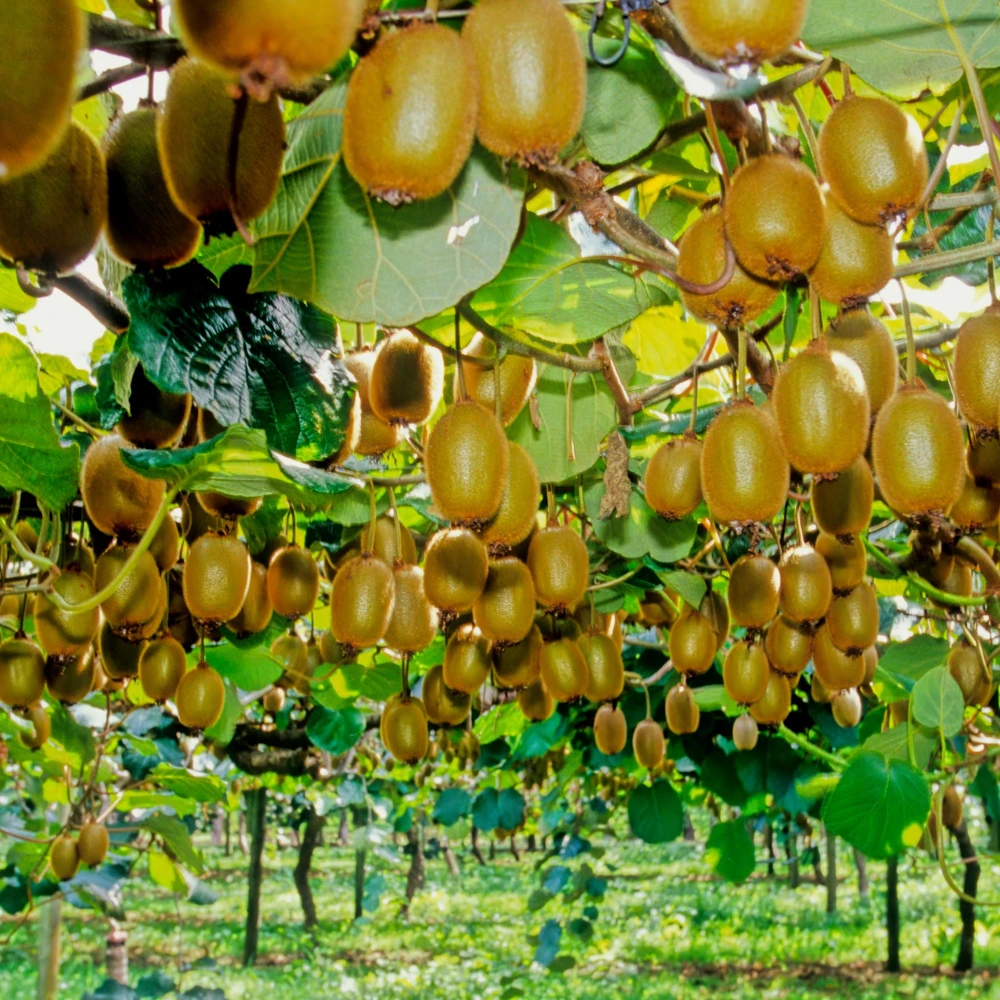
- Vigorous Climbing Vine: The Chinese gooseberry is a fast-growing vine, perfect for adding vertical interest to your garden. It quickly covers trellises, arbors, or fences, creating beautiful green screens or shaded areas.
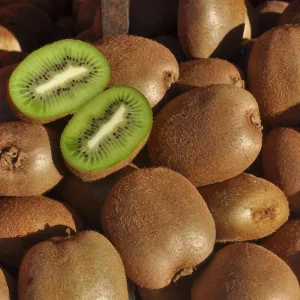
- Edible Leaves and Fruit: Both the leaves and the flavorful fruits of the Chinese gooseberry are edible, offering versatility in your culinary adventures. The small seeds within the fruit are typically eaten along with the flesh.
- Rewarding Growing Experience: The process of growing Actinidia chinensis seeds from germination to fruit production is incredibly satisfying, connecting you more deeply with nature and your food source.
- Long-Term Perennial Production: Once established, these perennial plants will continue to produce fruit for many years, offering a sustainable source of delicious kiwis season after season.
- Attractive Garden Addition: Beyond their fruit, the lush foliage and vigorous growth make these vines an attractive addition to any landscape, enhancing the aesthetic appeal of your garden.
- Relatively Cold Hardy: These vines are known to be more cold hardy than some other kiwi varieties, expanding the range of climates where they can be successfully grown outdoors.
Plant Care & Growing Tips
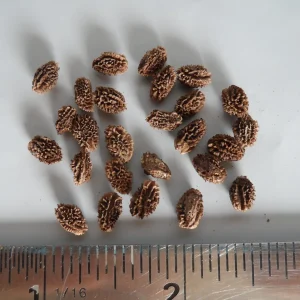
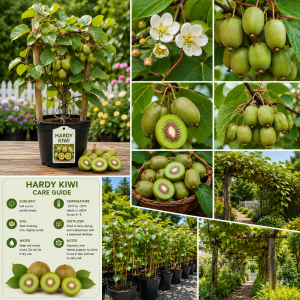
Successfully growing Chinese Gooseberry Kiwi Fruit Seeds requires attention to specific care guidelines, ensuring healthy vines and abundant fruit production. The first step involves careful seed preparation. Start by soaking the seeds in water, rinsing them several times a day for 7 days. Following this, mix the seeds with moist sand and cold stratify them in the refrigerator for at least 30 days. This cold stratification period is crucial for breaking dormancy and encouraging germination. Once stratified, sow the seeds indoors no deeper than 1/8 inch deep in a well-draining, sterile starting mix. Maintain consistent moisture without overwatering, and cover the container with plastic wrap to retain humidity. Place in full to partial shade; more sun is generally better for germination. Once seedlings emerge, remove the plastic wrap.
As the seedlings grow, add a thin layer of clean sand to the top of the soil when they reach a few inches in height. When they develop 4 true leaves, transplant each plant to an individual pot. For outdoor planting, harden off the young plants by gradually introducing them to outdoor conditions over a week. Transplant to a prepared site after the threat of frost has passed. Kiwi fruit plants thrive in full sun for best fruit production but can tolerate semi-shade. They prefer moist, loamy, neutral, and well-drained soil. Remember that kiwi plants are dioecious, meaning you will need both male and female plants for pollination. It’s recommended to grow several kiwi plants to ensure you have both sexes. Bees and other insects are essential for pollination, so avoid harsh pesticides. Pruning should be avoided in fall or winter as flower buds emerge from last year’s stems. Understanding kiwi plant care is vital for a bountiful harvest.
Size & Details
This offering includes 20 Chinese Gooseberry Kiwi Fruit Seeds, providing ample opportunity to establish multiple vines for optimal fruit production. The Chinese gooseberry is a vigorous, rapidly growing woody deciduous climbing vine. When mature, these vines can reach significant lengths, making them ideal for covering large trellises, arbors, or fences. The fruits typically mature in October, offering a late-season harvest of delicious kiwis. While exact mature size varies depending on growing conditions and support structure, expect robust growth once established. For successful fruiting, remember that kiwi plants require both male and female specimens, and it’s recommended to grow several kiwi plants to ensure you have the necessary sexes for pollination. The seeds are packaged to maintain viability and are ready for cold stratification and planting upon arrival.
Frequently Asked Questions
- Q: How big does this plant get? A: The Chinese gooseberry is a rapidly growing woody deciduous climbing vine that can reach significant lengths, easily covering large trellises, arbors, or fences, depending on the support provided and growing conditions.
- Q: Is this an indoor or outdoor plant? A: While germination starts indoors, the Chinese Gooseberry Kiwi Fruit Seeds are intended for growing outdoor vines. They are best suited for outdoor cultivation where they can climb and produce fruit.
- Q: How much sunlight does it need? A: These kiwi plants will produce fruit in both full sun and semi-shade, but the best fruit production will occur in full sun. Aim for at least 6-8 hours of direct sunlight daily for optimal results.
- Q: Is this plant easy to care for? A: Growing kiwi from seed requires patience and specific steps like cold stratification. Once established, the vines are relatively vigorous, but consistent watering and providing a support structure are key for successful kiwi plant care.
- Q: What condition will the seeds arrive in? A: The Chinese Gooseberry Kiwi Fruit Seeds will arrive as dry seeds, packaged to ensure their viability. You will need to follow the provided instructions for soaking and cold stratification before planting.
- Q: How long until it blooms and fruits? A: Kiwi vines typically take several years (3-5 years) to mature and begin producing fruit after planting from seed. Fruiting usually occurs in October once established.
- Q: Will it survive winter in my zone? A: The Chinese gooseberry is considered relatively cold hardy, more so than some other kiwi varieties. It’s important to check your USDA hardiness zone to determine if it’s suitable for your specific climate.
- Q: Do I need more than one plant to get fruit? A: Yes, kiwi plants are dioecious, meaning you need both male and female plants for pollination and fruit production. It’s recommended to grow several kiwi plants to increase your chances of having both sexes for a good harvest.
- Q: Can I grow kiwi fruit from seed indoors? A: While you can start the seeds indoors, the mature kiwi vine requires significant space and outdoor conditions, including natural pollination, to thrive and produce fruit. It is not typically grown as an indoor houseplant.
- Q: What kind of soil does it prefer? A: These plants can grow in a variety of soil and pH conditions but prefer moist, loamy, neutral, well-drained soil for optimal growth and fruit yield.
Related products
-50%
Original price was: $67.98.$33.99Current price is: $33.99.
-50%
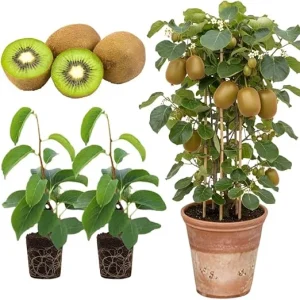
Original price was: $99.98.$49.99Current price is: $49.99.
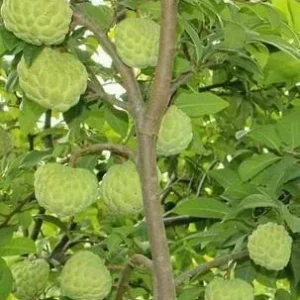
-50%
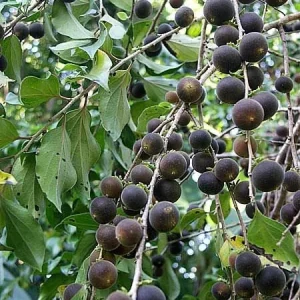
From Original price was: $96.00.$48.00Current price is: $48.00.
PLANTING & CARE
Lemon Tree Growing: Choose, Plant, and Harvest
Learn how to choose, plant, feed, and protect a lemon tree so it fits your
23
Sep
Sep
Dwarf Meyer Lemon Tree Australia: Climate Guide
Learn where dwarf Meyer lemon trees grow, how much cold they tolerate, and whether Australia,
Where to Buy a Dwarf Meyer Lemon Tree: Buyer’s Guide
Find the right dwarf Meyer lemon tree online or locally, compare starter sizes and costs,
Dwarf Meyer Lemon Tree for Sale: Buying Guide
Compare Meyer lemon tree sizes, prices, shipping limits, indoor growing and California options before you
Dwarf Meyer Lemon Tree Guide: Size, Care and Fruit
META: Learn how large a dwarf Meyer lemon tree grows, where it thrives, and how
How to Prune a Dwarf Meyer Lemon Tree
Learn when and how to prune a dwarf Meyer lemon tree, including tools, shaping cuts,
Can You Grow a Dwarf Meyer Lemon Tree in a Pot?
META: Learn how to grow a dwarf Meyer lemon tree in a pot, including container
When Do Dwarf Meyer Lemon Trees Bloom and Fruit?
META: Dwarf Meyer lemon trees usually bloom from winter through spring and may flower again