Clematis Multi Blue Double Bloom Live Plant Vine Perennial – USDA Zones 4-9
-21%
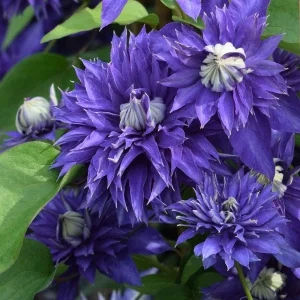
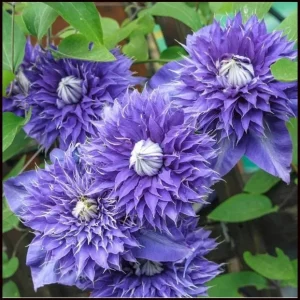
Clematis Multi Blue Double Bloom Live Plant Vine Perennial – USDA Zones 4-9
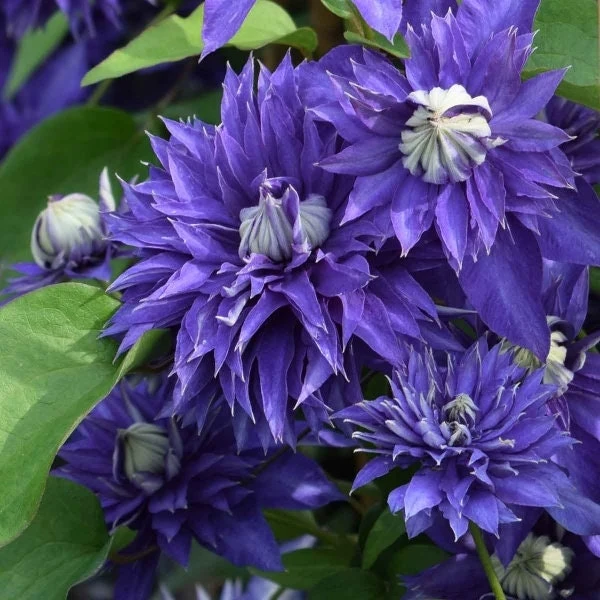
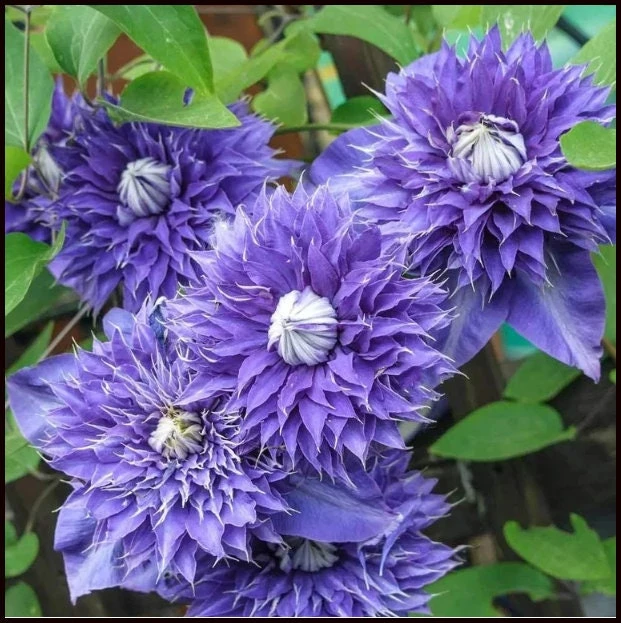
Bring vibrant beauty to your garden with the Clematis Multi Blue live plant. This stunning perennial vine produces abundant double-layered, ruffled flowers from late spring to fall. Ideal for trellises, arbors, or containers, it thrives in full sun to partial shade and is hardy in USDA zones 4-9.
Original price was: $39.64.$31.22Current price is: $31.22.

With our Alive & Thrive Guarantee, we’ve got your back for the first 30 days! If you have any concerns about your plants, just reach out to us. Our team is here to help answer your questions and guide you in selecting the best plants for your garden, climate, and unique preferences. We're excited to help you create the garden of your dreams!
Estimated arrival
Oct 21
Oct 26 - Oct 28
Oct 31 - Nov 04

Product Details
-
USDA Hardiness Zone
USDA zones 4-9 -
Soil type
Well-draining, slightly alkaline to neutral soil -
Sunlight Exposure
Full sun to light afternoon shade (at least 6 hours direct sun) -
Expected Planting Period
Late spring to early summer
Overview
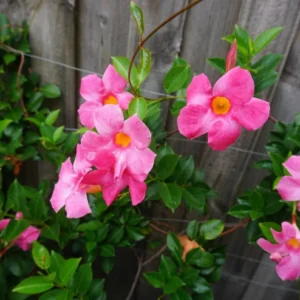
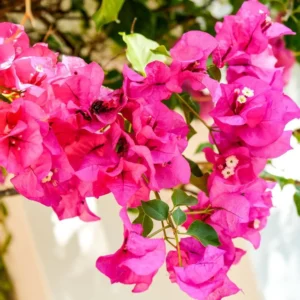
Introduce breathtaking beauty to your landscape with the Clematis Multi Blue live plant. This exceptional perennial vine, known botanically as Clematis ‘Multi Blue’, is celebrated for its spectacular double-layered flowers. Unlike single-flowered varieties, the double bloom clematis creates a fuller, more dramatic display, with rich, ruffled petals that add a unique texture and vibrant color to any garden setting. Blooming profusely from late spring through early summer, and often reblooming into the fall, this clematis offers an extended season of visual delight. It’s an excellent choice for adorning pergolas, trellises, fences, or even growing in large containers, providing vertical interest and a cascade of stunning blooms.
The ‘Multi Blue’ variety is particularly prized for its robust growth and adaptability, making it a favorite among gardeners seeking a reliable and showy flowering vine. Each multi blue clematis vine is a rooted starter plant, carefully cultivated to ensure a strong beginning in your garden. Whether you’re a seasoned gardener or just starting, this clematis promises to be a rewarding addition, transforming ordinary spaces into extraordinary focal points with its captivating floral show.
Key Benefits
The Clematis Multi Blue live plant offers a multitude of benefits, making it an indispensable addition to any garden. Its unique characteristics contribute to a truly enchanting outdoor space:
- Spectacular Double Blooms: Enjoy the lush appearance of double-layered flowers, which are more substantial and visually impactful than typical single blooms, creating a rich texture in your garden.
- Extended Bloom Season: This clematis provides a long-lasting floral display, blooming from late spring to early summer and often continuing with additional flushes into the fall, ensuring continuous garden interest.
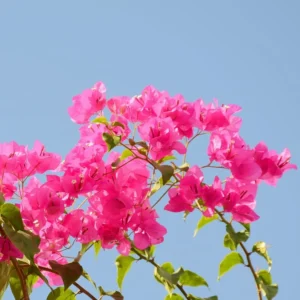
- Vibrant Garden Accent: The stunning colors, ranging from soft pinks to purples, and the ruffled petals of the double bloom clematis make it a focal point, drawing the eye and adding a touch of elegance to any setting.
- Versatile Vertical Growth: As a vigorous vine, it’s perfect for training on trellises, arbors, pergolas, or fences, offering excellent vertical coverage and maximizing garden space.
- Hardy and Adaptable: Suitable for a wide range of climates, the ‘Multi Blue’ clematis is hardy in USDA zones 4-9, demonstrating resilience and making it a reliable choice for many gardeners.
- Attracts Pollinators: While specific details aren’t provided, many flowering plants, including clematis, can attract beneficial pollinators like bees and butterflies, contributing to a healthy garden ecosystem.
- Low Maintenance Once Established: With proper initial care, this perennial clematis becomes relatively easy to maintain, requiring moderate watering and occasional pruning to keep it thriving.
Plant Care & Growing Tips
Ensuring the success of your Clematis Multi Blue live plant involves understanding its specific care requirements. This beautiful vine, like all clematis, thrives with a bit of attention to its preferred growing conditions. For optimal blooms and vigorous growth, consider the following guidelines.
Sunlight: The ‘Multi Blue’ clematis prefers full sun, ideally receiving at least 6 hours of direct sunlight per day for the best flowering performance. While it can tolerate some light afternoon shade, especially in hotter climates, too much shade can reduce the number and size of its stunning double blooms. Aim for a location where its foliage can soak up the sun, but its roots remain cool. This can be achieved by planting low-growing groundcover around its base or placing a flat stone to shade the soil.
Watering: Keep the soil consistently moist but ensure it is well-drained. Clematis plants are sensitive to sitting in waterlogged soil, which can lead to root rot. Good drainage is crucial. Water deeply and regularly, especially during dry spells and the plant’s active growing and blooming periods. Reduce watering frequency in cooler, dormant months. Monitoring soil moisture with your finger is a good way to determine when to water.
Soil: This perennial clematis thrives in well-draining, fertile soil that is slightly alkaline to neutral. Amending heavy clay soils with organic matter like compost or aged manure can improve drainage and provide essential nutrients. For sandy soils, organic matter will help retain moisture. A soil test can help you determine your soil’s pH and nutrient levels, allowing for more precise amendments.
Temperature & Hardiness: The Clematis Multi Blue live plant is remarkably hardy, thriving in USDA zones 4-9. This wide range means it can withstand cold winters and warm summers in many regions. In colder zones, ensure adequate winter protection, such as mulching around the base. In hotter zones, providing afternoon shade can help prevent heat stress.
Fertilization: Feed your clematis in early spring as new growth emerges and again after the first flush of blooms. Use a balanced, slow-release granular fertilizer or a liquid feed formulated for flowering plants. Avoid over-fertilizing, which can promote leafy growth at the expense of flowers.
Pruning: The ‘Multi Blue’ clematis belongs to Pruning Group 2, meaning it flowers on both old and new wood. The first flush of double blooms appears on last year’s growth in late spring/early summer. After this first bloom, prune lightly to maintain shape and encourage new growth and additional flowers later in the season. Remove any dead or weak stems. A more significant prune can be done in late winter or early spring to remove dead or damaged stems and shape the plant.
Pests and Diseases: Clematis are generally robust, but watch for common pests like aphids or spider mites, which can be treated with insecticidal soap. Clematis wilt is a more serious fungal disease; ensure good air circulation and avoid overwatering to prevent it. Promptly remove any affected parts of the plant.
Size & Details
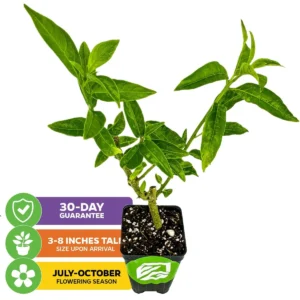
This listing is for a rooted starter plant of the Clematis Multi Blue live plant. Each plant is unique and may vary slightly in size, color, or shape depending on the season and current growth stage. These plants are typically shipped bare root or in a 2.5×4 inch greenhouse pot, providing a healthy foundation for establishment in your garden. When mature, the multi blue clematis vine can reach impressive lengths, typically growing 8 to 12 feet tall, making it an ideal choice for vertical garden structures. Its vigorous growth rate means you won’t have to wait long to enjoy its spectacular double blooms.
The ‘Multi Blue’ clematis is known for its relatively quick establishment, especially when planted in optimal conditions as described in the clematis care tips. Expect the first flush of its stunning, ruffled flowers in late spring to early summer, with potential reblooming into the fall under favorable conditions. This perennial clematis will return year after year, growing larger and more floriferous with each season, becoming a cherished part of your landscape.
Frequently Asked Questions
- Q: How big does this plant get? A: The Clematis Multi Blue live plant is a vigorous vine that typically grows to a height of 8 to 12 feet when mature. Its spread depends on how it is trained on a support structure.
- Q: What size pot does it come in? A: This listing is for a rooted starter plant, which will be shipped either bare root or in a 2.5×4 inch greenhouse pot, ready for planting.
- Q: Is this an indoor or outdoor plant? A: The double bloom clematis is an outdoor perennial vine. It is hardy in USDA zones 4-9 and is not suitable for long-term indoor cultivation.
- Q: How much sunlight does it need? A: For the best blooms, this clematis requires full sun, meaning at least 6 hours of direct sunlight per day. It can tolerate some afternoon shade in hotter climates.
- Q: Is this plant easy to care for? A: Once established, the multi blue clematis vine is relatively easy to care for. Following the provided clematis care tips regarding light, water, and soil will ensure its success, making it a good choice for gardeners of varying experience levels.
- Q: What condition will it arrive in? A: The plant will arrive as a rooted starter plant, either bare root or in a small greenhouse pot. It is packed to ensure its health during transit, though some foliage variations are natural.
- Q: How long until it blooms? A: Clematis ‘Multi Blue’ typically blooms in late spring to early summer on both old and new wood. You can expect flowers in its first or second growing season, depending on planting time and growing conditions.
- Q: When is the best time to plant? A: The best time to plant this perennial clematis is in spring or early fall, allowing the plant sufficient time to establish its root system before extreme temperatures.
- Q: Will it survive winter in my zone? A: This clematis is hardy in USDA zones 4-9. If you are within these zones and provide appropriate care, it will survive winter and return reliably each year.
- Q: Does this clematis attract pollinators? A: Yes, like many flowering plants, the vibrant blooms of the Clematis Multi Blue can attract pollinators such as bees and butterflies to your garden.
Related products
-67%
Original price was: $50.97.$16.99Current price is: $16.99.
-50%
Original price was: $267.00.$133.50Current price is: $133.50.
-67%
Original price was: $50.97.$16.99Current price is: $16.99.
-20%
Original price was: $36.00.$28.80Current price is: $28.80.
-67%
Original price was: $50.97.$16.99Current price is: $16.99.
-67%
Original price was: $62.22.$20.74Current price is: $20.74.
-67%
Original price was: $59.97.$19.99Current price is: $19.99.
PLANTING & CARE
Lemon Tree Growing: Choose, Plant, and Harvest
Learn how to choose, plant, feed, and protect a lemon tree so it fits your
23
Sep
Sep
Dwarf Meyer Lemon Tree Australia: Climate Guide
Learn where dwarf Meyer lemon trees grow, how much cold they tolerate, and whether Australia,
Where to Buy a Dwarf Meyer Lemon Tree: Buyer’s Guide
Find the right dwarf Meyer lemon tree online or locally, compare starter sizes and costs,
Dwarf Meyer Lemon Tree for Sale: Buying Guide
Compare Meyer lemon tree sizes, prices, shipping limits, indoor growing and California options before you
Dwarf Meyer Lemon Tree Guide: Size, Care and Fruit
META: Learn how large a dwarf Meyer lemon tree grows, where it thrives, and how
How to Prune a Dwarf Meyer Lemon Tree
Learn when and how to prune a dwarf Meyer lemon tree, including tools, shaping cuts,
Can You Grow a Dwarf Meyer Lemon Tree in a Pot?
META: Learn how to grow a dwarf Meyer lemon tree in a pot, including container
When Do Dwarf Meyer Lemon Trees Bloom and Fruit?
META: Dwarf Meyer lemon trees usually bloom from winter through spring and may flower again