Coral Honeysuckle ‘Honey Coral’ Live Starter Plant – Native, Deer Resistant, Zones 5-9
Coral Honeysuckle ‘Honey Coral’ Live Starter Plant – Native, Deer Resistant, Zones 5-9
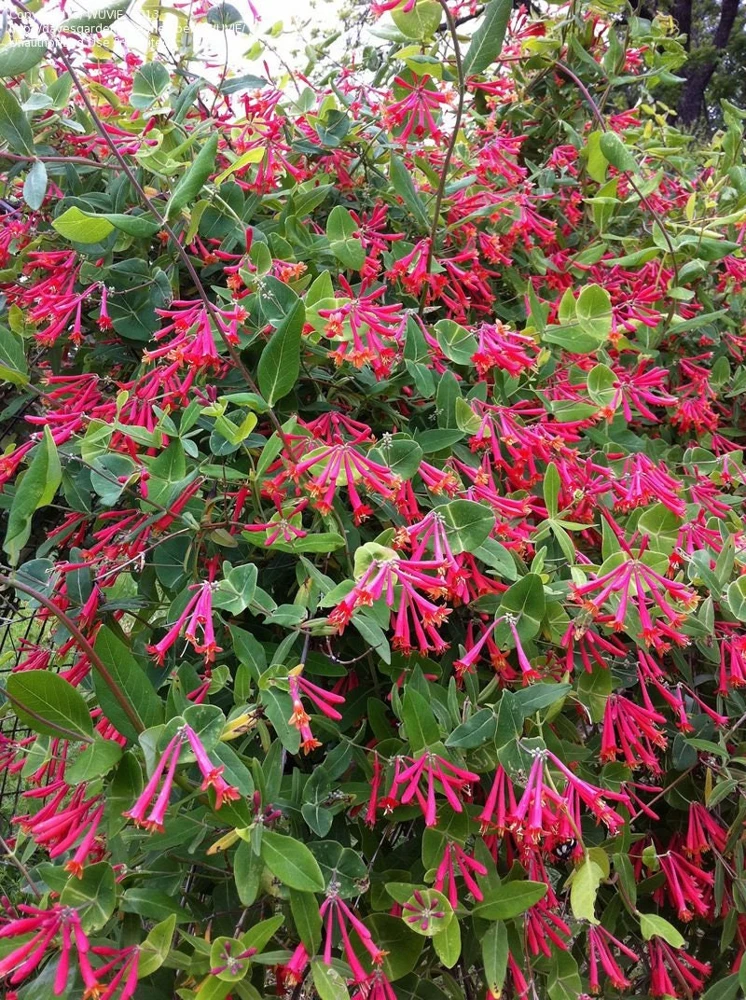
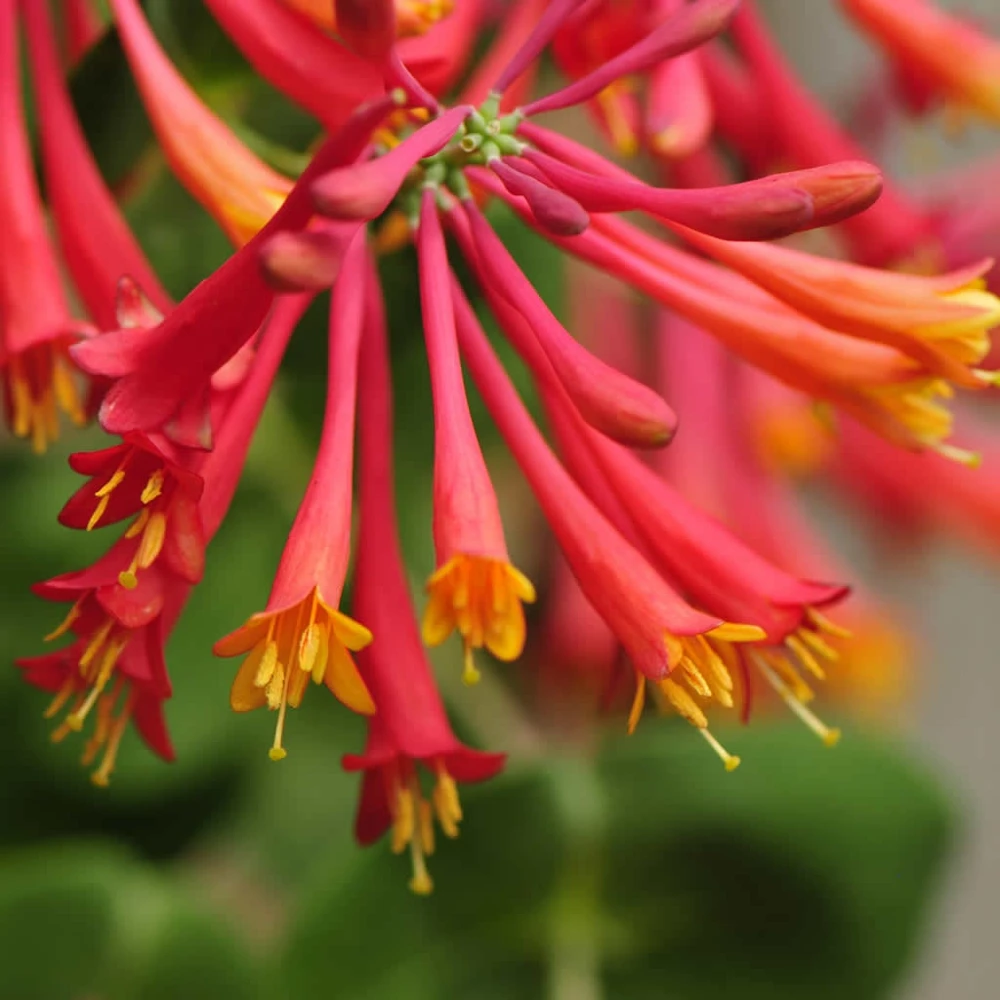
Enhance your garden with the beautiful honey coral honeysuckle live plant. This vibrant, native climbing vine features showy red-orange flowers that attract hummingbirds and butterflies. Perfect for trellises and fences, it’s also deer and critter resistant.
$39.98

With our Alive & Thrive Guarantee, we’ve got your back for the first 30 days! If you have any concerns about your plants, just reach out to us. Our team is here to help answer your questions and guide you in selecting the best plants for your garden, climate, and unique preferences. We're excited to help you create the garden of your dreams!
Estimated arrival
Oct 07
Oct 12 - Oct 14
Oct 17 - Oct 21

Product Details
-
USDA Hardiness Zone
5-9 -
Soil type
Rich, well-draining soil -
Sunlight Exposure
Full sun to partial shade -
Expected Planting Period
Spring to early fall
Overview
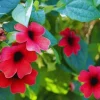
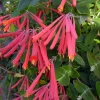
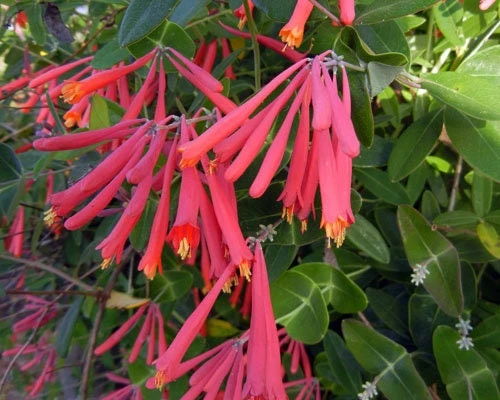
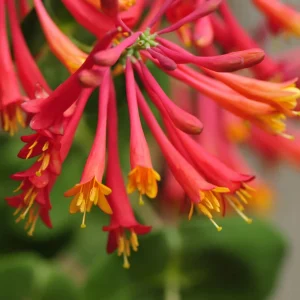
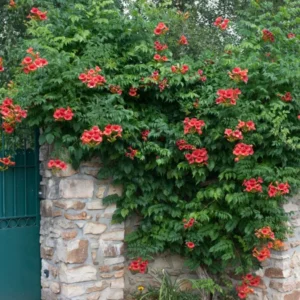
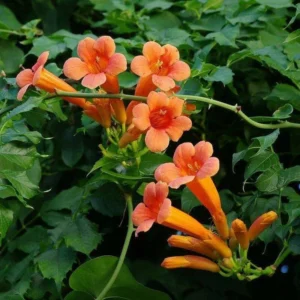
Introduce a splash of native charm and vibrant color to your garden with the honey coral honeysuckle live plant. This exquisite variety, scientifically known as Lonicera sempervirens ‘Honey Coral’, is an all-native selection of the beloved Coral Honeysuckle. Unlike its aggressive non-native relatives, ‘Honey Coral’ is a well-behaved, twining, climbing vine that gracefully scrambles over fences, trellises, arbors, and can even be trained to become a structural element in your landscape. Its bright red to orange-red flowers are incredibly showy and boast an extended blooming season, making it a favorite for attracting beautiful butterflies and active hummingbirds. This native coral honeysuckle is a fantastic choice for supporting local ecosystems while adding undeniable beauty to your outdoor space.
The ‘Honey Coral’ cultivar is celebrated for its non-invasive growth habit, offering all the aesthetic and ecological benefits of honeysuckle without the concerns associated with other species. It thrives in various conditions and is a resilient addition to many garden styles. If you’re looking for a plant that combines stunning visual appeal with ecological responsibility, the lonicera sempervirens honey coral is an outstanding option that will bring joy and life to your garden for years to come.
Key Benefits
Choosing the honey coral honeysuckle live plant offers a multitude of advantages for both your garden and the local environment. Its unique characteristics make it a standout choice for gardeners seeking beauty, resilience, and ecological value.
- Attracts Pollinators: The vibrant red-orange, trumpet-shaped flowers are a magnet for hummingbirds and butterflies, providing a crucial nectar source and enhancing the biodiversity of your garden. Enjoy the lively spectacle of these beautiful creatures visiting your honeysuckle.
- Native & Non-Aggressive: As a native coral honeysuckle, ‘Honey Coral’ offers the beauty of honeysuckle without the invasive tendencies of non-native varieties. It integrates harmoniously into existing landscapes and supports native wildlife.
- Extended Bloom Season: Experience a prolonged period of spectacular color, as this honeysuckle boasts an extended blooming season, providing continuous visual interest from spring through fall. This ensures a long-lasting display in your garden.
- Deer & Critter Resistant: A significant advantage for many gardeners, this particular honeysuckle is known for its resistance to deer and other common garden critters, helping to protect your investment and maintain a pristine garden.
- Versatile Growth Habit: Whether you need to cover a fence, adorn an arbor, or train it up a trellis, its twining growth habit makes it incredibly versatile for various landscape applications, allowing you to create beautiful vertical interest.
- Hardy & Adaptable: Thriving in USDA Zones 5-9, the lonicera sempervirens honey coral is a robust and adaptable plant that can withstand a range of climates, making it suitable for a wide geographical area across the Eastern U.S.
- Low Maintenance: Once established, this deer resistant vine requires minimal care, making it an excellent choice for both experienced and novice gardeners looking for a high-impact, low-effort plant.
Plant Care & Growing Tips
Caring for your honey coral honeysuckle live plant is relatively straightforward, making it an excellent choice for adding vertical interest and attracting wildlife to your garden. This resilient vine thrives with proper attention to its basic needs, ensuring a lush display of flowers and foliage.
For optimal growth, plant your native coral honeysuckle in a location that receives full sun to partial shade. Full sun (at least 6 hours of direct sunlight daily) will encourage the most prolific blooming, while some afternoon shade can be beneficial in hotter climates to prevent leaf scorch. It prefers rich, well-draining soil, similar to its natural habitats in hammocks, sandhills, open woodlands, and thickets. Amend heavy clay soils with organic matter to improve drainage, or sandy soils to enhance water retention. Once established, it is moderately drought-tolerant, but regular watering is crucial during its first growing season and during prolonged dry spells. Aim for consistently moist, but not waterlogged, soil.
The lonicera sempervirens honey coral is hardy in USDA Zones 5-9, meaning it can withstand winter temperatures down to -20°F (-29°C). Fertilize in early spring with a balanced, slow-release granular fertilizer formulated for flowering vines. Pruning is best done after the main flush of blooms to shape the plant, remove dead or weak growth, and encourage new flowering. While generally robust, keep an eye out for common vine pests like aphids, though serious issues are rare. Its natural resistance makes it a wonderful deer resistant vine, reducing the need for protective measures against browsing.
Size & Details
This offering is for one healthy, well-rooted honey coral honeysuckle live plant, carefully grown in a 2.5”x3.5” pot. At this starter stage, the plant is ready to be transplanted into your garden or a larger container, allowing it to establish itself and begin its vigorous growth. While the initial size will be compact to facilitate safe shipping and easy planting, this vine is known for its rapid growth rate once established. Expect it to quickly begin twining and climbing, reaching mature lengths of 10-20 feet, depending on support and growing conditions. Its spread can be managed through regular pruning to fit your desired space.
The ‘Honey Coral’ cultivar will typically begin to produce its showy red-orange flowers within its first or second year after planting, offering an extended bloom season that will delight both you and local pollinators. The plant ships in its nursery pot, ensuring the root system is protected and ready for successful transplantation. With adequate care and the right growing conditions, this native coral honeysuckle will develop into a magnificent, flowering specimen, providing years of beauty and ecological benefit to your landscape.
Frequently Asked Questions
- Q: How big does this plant get? A: The honey coral honeysuckle live plant is a vigorous climber that can reach lengths of 10 to 20 feet, depending on the support structure and growing conditions. Its spread can be controlled with routine pruning.
- Q: Is this an indoor or outdoor plant? A: This is primarily an outdoor plant, specifically a climbing vine well-suited for gardens, fences, trellises, and arbors. It thrives in various outdoor environments within its hardiness zones.
- Q: How much sunlight does it need? A: For the best flowering performance, your native coral honeysuckle prefers full sun (at least 6 hours of direct sunlight daily). It can tolerate partial shade, especially in hotter climates.
- Q: Is this plant easy to care for? A: Yes, once established, the lonicera sempervirens honey coral is considered a low-maintenance plant. It’s quite hardy and adaptable, making it suitable for gardeners of varying experience levels.
- Q: What condition will it arrive in? A: Your plant will arrive as one healthy, well-rooted starter plant in a 2.5”x3.5” pot, carefully packaged to ensure its safe journey and readiness for planting.
- Q: When is the best time to plant this honeysuckle? A: The ideal time to plant your deer resistant vine is in spring or early fall, allowing it ample time to establish its root system before extreme weather conditions.
- Q: Will it survive winter in my zone? A: This honeysuckle is hardy in USDA Zones 5-9, meaning it is well-equipped to survive typical winter conditions within these zones. It is a deciduous to semi-evergreen vine, potentially retaining some foliage in milder winters.
- Q: Does this plant attract bees? A: While it primarily attracts hummingbirds and butterflies, bees may also visit the flowers for nectar, contributing to the overall pollination in your garden.
- Q: Is it truly deer resistant? A: Yes, Lonicera sempervirens ‘Honey Coral’ is well-known for being a deer resistant vine, making it a great choice for gardens where deer browsing is a concern.
- Q: Can I grow this in a large container? A: While it is a vigorous climber, it can be grown in a very large container (e.g., 15-20 gallon or larger) with proper support and consistent watering, though it will likely perform best in the ground.
Related products
-50%
Original price was: $179.00.$89.50Current price is: $89.50.
-67%
Original price was: $59.97.$19.99Current price is: $19.99.
-67%
Original price was: $59.97.$19.99Current price is: $19.99.
-50%
Original price was: $267.00.$133.50Current price is: $133.50.
-50%

Original price was: $81.98.$40.99Current price is: $40.99.
-67%
Original price was: $59.97.$19.99Current price is: $19.99.
-67%
Original price was: $62.22.$20.74Current price is: $20.74.
PLANTING & CARE
Lemon Tree Growing: Choose, Plant, and Harvest
Learn how to choose, plant, feed, and protect a lemon tree so it fits your
23
Sep
Sep
Dwarf Meyer Lemon Tree Australia: Climate Guide
Learn where dwarf Meyer lemon trees grow, how much cold they tolerate, and whether Australia,
Where to Buy a Dwarf Meyer Lemon Tree: Buyer’s Guide
Find the right dwarf Meyer lemon tree online or locally, compare starter sizes and costs,
Dwarf Meyer Lemon Tree for Sale: Buying Guide
Compare Meyer lemon tree sizes, prices, shipping limits, indoor growing and California options before you
Dwarf Meyer Lemon Tree Guide: Size, Care and Fruit
META: Learn how large a dwarf Meyer lemon tree grows, where it thrives, and how
How to Prune a Dwarf Meyer Lemon Tree
Learn when and how to prune a dwarf Meyer lemon tree, including tools, shaping cuts,
Can You Grow a Dwarf Meyer Lemon Tree in a Pot?
META: Learn how to grow a dwarf Meyer lemon tree in a pot, including container
When Do Dwarf Meyer Lemon Trees Bloom and Fruit?
META: Dwarf Meyer lemon trees usually bloom from winter through spring and may flower again