Cranberry Live Plant – 3 inch Pot – Edible Fruit Bush for Gardens
-40%
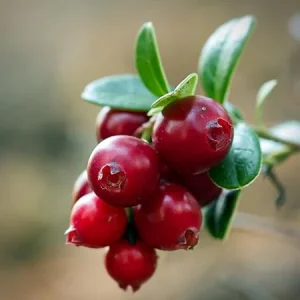
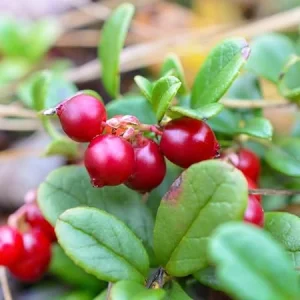
Cranberry Live Plant – 3 inch Pot – Edible Fruit Bush for Gardens
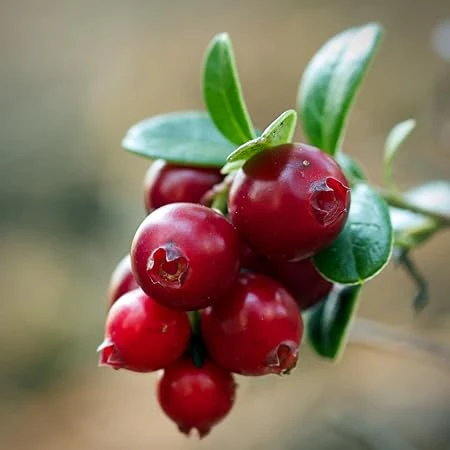
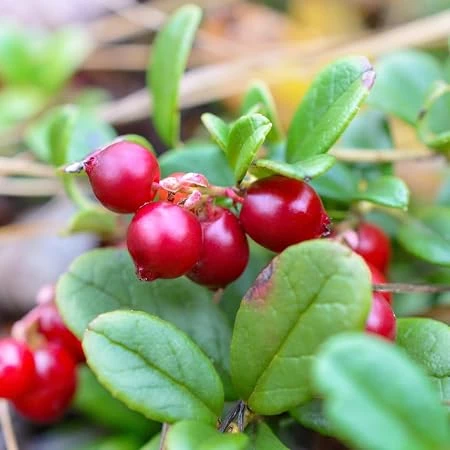
Cultivate your own delicious and healthy cranberries with this vibrant cranberry live plant. Arriving in a convenient 3-inch pot, this plant is ready for transplanting into your garden or a larger container. Enjoy fresh, tart berries perfect for cooking, baking, or juicing, while adding attractive foliage to your landscape.
Original price was: $38.50.$23.00Current price is: $23.00.

With our Alive & Thrive Guarantee, we’ve got your back for the first 30 days! If you have any concerns about your plants, just reach out to us. Our team is here to help answer your questions and guide you in selecting the best plants for your garden, climate, and unique preferences. We're excited to help you create the garden of your dreams!
Estimated arrival
Oct 14
Oct 19 - Oct 21
Oct 24 - Oct 28
Product Details
-
USDA Hardiness Zone
USDA Zones 2-7 -
Soil type
Acidic, well-draining, sandy loam with peat moss -
Sunlight Exposure
Full sun (6-8 hours daily) -
Expected Planting Period
Spring to early summer or early fall
Overview
Bring the joy of homegrown fruit to your garden with this robust cranberry live plant. This young plant, carefully cultivated and shipped in a 3-inch pot, is the perfect starting point for establishing your own cranberry patch. Cranberries, scientifically known as Vaccinium macrocarpon, are low-growing, evergreen shrubs native to North America, celebrated for their distinctive tart berries and ornamental appeal. This particular cranberry live plant offers an exciting opportunity for home gardeners to produce their own supply of these versatile fruits, known for their culinary uses and health benefits.
Growing your own cranberries is a rewarding experience, providing a continuous supply of fresh, organic berries right from your backyard. Unlike common misconceptions, cranberries do not need to be grown in standing water; they thrive in moist, acidic soil conditions. This cranberry live plant is ideal for various settings, including traditional garden beds, raised beds, or even large containers, making it accessible for gardeners with different space constraints. Prepare to enjoy the beautiful white-pink blossoms in spring and the vibrant red berries in fall.
Key Benefits
Cultivating a cranberry live plant offers a multitude of advantages, enhancing both your garden and your diet. These benefits extend beyond just the delicious fruit:
- Homegrown, Fresh Fruit: Enjoy a consistent supply of fresh, organic cranberries directly from your garden. There’s nothing quite like the taste of berries picked at their peak ripeness, free from pesticides and preservatives.
- Rich in Antioxidants: Cranberries are renowned for their high antioxidant content, particularly proanthocyanidins, which support overall health and well-being. Growing cranberries allows you to integrate these powerful nutrients into your daily diet easily.
- Versatile Culinary Uses: The tart flavor of cranberries makes them incredibly versatile in the kitchen. Use them in sauces, jams, juices, baked goods, or as a vibrant addition to savory dishes. Your cranberry live plant will provide endless culinary inspiration.
- Attractive Groundcover: Beyond their fruit, cranberry plants serve as an attractive evergreen groundcover. Their small, glossy leaves and low-spreading habit add year-round visual interest to garden beds, particularly in areas with acidic soil.
- Pollinator Friendly: The delicate flowers of the cranberry plant attract beneficial pollinators like bees, contributing to a healthier garden ecosystem and supporting local biodiversity.
- Edible Landscaping: Integrate this cranberry live plant into your edible landscape design. It combines beauty with productivity, creating a functional and aesthetically pleasing garden space that yields delicious fruit.
- Long Shelf Life: Fresh cranberries have an excellent shelf life and can be easily frozen for extended use, ensuring you have access to your harvest year-round.
Plant Care & Growing Tips
Successful cranberry plant care revolves around providing specific environmental conditions that mimic their natural bog-like habitats, though without the need for constant submersion in water. These plants thrive in full sun, requiring at least 6-8 hours of direct sunlight daily to produce abundant fruit. In hotter climates, some afternoon shade can be beneficial to prevent scorching. Ensuring proper light exposure is crucial for both plant vigor and berry production.
Watering is paramount for growing cranberries. They prefer consistently moist, but not waterlogged, soil. Overwatering can lead to root rot, while under-watering will stress the plant. Aim to keep the soil evenly damp, especially during dry spells and fruit development. A good way to assess moisture is to feel the top inch of soil; if it feels dry, it’s time to water. The ideal soil for cranberries is highly acidic, with a pH range of 4.0 to 5.5. A well-draining, sandy loam enriched with peat moss or pine bark fines is perfect for establishing your cranberry live plant. Incorporating sulfur or elemental sulfur can help lower soil pH if needed.
Cranberry plants are hardy and can tolerate cold temperatures, typically thriving in USDA zones 2-7. They require a period of cold dormancy to set fruit, making them primarily an outdoor plant. Fertilize sparingly, as cranberries are sensitive to high nutrient levels. Use a slow-release, acid-loving fertilizer in early spring, or an organic option like fish emulsion, at about half the recommended strength. Watch out for common pests like cranberry fruitworm and diseases such as fruit rot. Good air circulation and proper sanitation can help prevent most issues. For optimal growth and fruit yield, understanding how to grow cranberries successfully involves consistent attention to these specific care requirements.
Size & Details
This offering is for one healthy cranberry live plant, carefully cultivated and delivered in a 3-inch nursery pot. At the time of shipment, the plant will typically stand between 4-8 inches tall, with a compact root ball well-established within its container. Cranberry plants are known for their low-growing, spreading habit, acting as an excellent groundcover. Once established, they generally reach a mature height of 6-12 inches and can spread several feet wide if given the space, forming a dense mat of evergreen foliage. The growth rate is moderate, with significant spread and fruit production becoming evident in the second to third year after planting.
Your cranberry live plant will arrive ready for transplanting into its permanent location, whether that’s a prepared garden bed or a larger container. Expect the plant to establish quickly with proper care. While flowering typically occurs in late spring to early summer, and berries ripen in fall, the exact timing will depend on your local climate and planting conditions. This plant is a long-lived perennial, providing years of fresh fruit and ornamental beauty when properly cared for. Ensure your planting site provides ample room for its spreading habit to maximize its potential as an edible berry bush.
Frequently Asked Questions
- Q: How big does this plant get? A: This cranberry live plant ships in a 3-inch pot and typically grows to a mature height of 6-12 inches, spreading several feet wide as a groundcover. Its low, spreading habit makes it ideal for garden beds or large containers.
- Q: Is this an indoor or outdoor plant? A: Cranberry plants are primarily outdoor plants. They require a period of cold dormancy to produce fruit and thrive in full sun conditions. They are suitable for USDA Zones 2-7.
- Q: How much sunlight does it need? A: Your cranberry live plant needs at least 6-8 hours of direct sunlight per day to ensure healthy growth and optimal fruit production. In very hot climates, a little afternoon shade can be beneficial.
- Q: Is this plant easy to care for? A: While cranberries have specific soil and moisture requirements (acidic and consistently moist), they are generally considered moderately easy to care for once these conditions are met. Consistent watering and proper soil pH are key to successful cranberry plant care.
- Q: What condition will it arrive in? A: Your cranberry live plant will arrive carefully packaged in its 3-inch nursery pot, with soil intact, ready for transplanting. We take great care to ensure the plant arrives healthy and vibrant.
- Q: Can I use cranberries in cooking? A: Absolutely! Cranberries are highly versatile in the kitchen. They can be used to make sauces, jams, juices, baked goods, and are a delicious addition to various savory dishes. This edible berry bush will provide a bountiful harvest for your culinary creations.
- Q: When is the best time to plant? A: The best time to plant your cranberry live plant is in spring after the last frost, or in early fall before the ground freezes. This allows the plant to establish its root system before extreme temperatures.
- Q: What kind of soil does it need? A: Cranberries require highly acidic soil with a pH between 4.0 and 5.5. A well-draining, sandy loam enriched with peat moss or pine bark fines is ideal for growing cranberries.
- Q: Will it survive winter in my zone? A: Cranberry plants are very cold-hardy, typically surviving winters in USDA Zones 2-7. They require a period of cold for optimal fruit production the following year.
- Q: How long until it produces fruit? A: While your cranberry live plant may produce a small amount of fruit in its first year, significant fruit production usually begins in the second or third year after planting, with yields increasing as the plant matures.
Related products
-20%
Original price was: $36.00.$28.80Current price is: $28.80.
-20%
Original price was: $32.00.$25.60Current price is: $25.60.
-20%
Original price was: $56.00.$44.80Current price is: $44.80.
-10%
Original price was: $158.00.$142.20Current price is: $142.20.
-20%
Original price was: $60.00.$48.00Current price is: $48.00.
-7%
Original price was: $105.99.$98.99Current price is: $98.99.
-20%
Original price was: $31.98.$25.58Current price is: $25.58.
-20%
Original price was: $60.00.$48.00Current price is: $48.00.
PLANTING & CARE
Lemon Tree Growing: Choose, Plant, and Harvest
Learn how to choose, plant, feed, and protect a lemon tree so it fits your
23
Sep
Sep
Dwarf Meyer Lemon Tree Australia: Climate Guide
Learn where dwarf Meyer lemon trees grow, how much cold they tolerate, and whether Australia,
Where to Buy a Dwarf Meyer Lemon Tree: Buyer’s Guide
Find the right dwarf Meyer lemon tree online or locally, compare starter sizes and costs,
Dwarf Meyer Lemon Tree for Sale: Buying Guide
Compare Meyer lemon tree sizes, prices, shipping limits, indoor growing and California options before you
Dwarf Meyer Lemon Tree Guide: Size, Care and Fruit
META: Learn how large a dwarf Meyer lemon tree grows, where it thrives, and how
How to Prune a Dwarf Meyer Lemon Tree
Learn when and how to prune a dwarf Meyer lemon tree, including tools, shaping cuts,
Can You Grow a Dwarf Meyer Lemon Tree in a Pot?
META: Learn how to grow a dwarf Meyer lemon tree in a pot, including container
When Do Dwarf Meyer Lemon Trees Bloom and Fruit?
META: Dwarf Meyer lemon trees usually bloom from winter through spring and may flower again