Crazy Legs Dahlia Seeds – Open Pollinated Heirloom Flower Seeds Mix
-50%

Crazy Legs Dahlia Seeds – Open Pollinated Heirloom Flower Seeds Mix
Discover the beauty of crazy legs dahlia seeds, an heirloom variety known for its unique blooms. These pollinator friendly seeds are perfect for attracting bees and butterflies, adding vibrant color to your garden. Enjoy the charm of open pollinated flower seeds that produce a stunning dahlia flower mix.
Original price was: $15.16.$7.58Current price is: $7.58.

With our Alive & Thrive Guarantee, we’ve got your back for the first 30 days! If you have any concerns about your plants, just reach out to us. Our team is here to help answer your questions and guide you in selecting the best plants for your garden, climate, and unique preferences. We're excited to help you create the garden of your dreams!
Estimated arrival
Oct 08
Oct 13 - Oct 15
Oct 18 - Oct 22



Product Details
-
USDA Hardiness Zone
USDA zones 8-11 (as perennials), all zones (as annuals) -
Soil type
Well-draining, fertile loam -
Sunlight Exposure
Full sun -
Expected Planting Period
Spring, after last frost
Overview
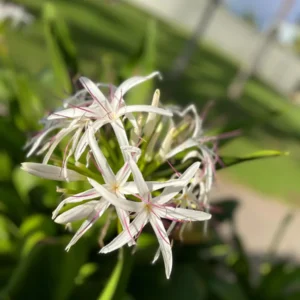
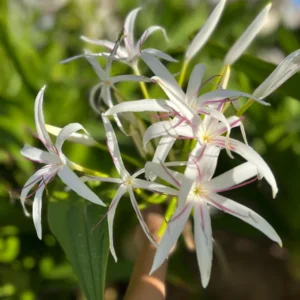
Embark on a gardening adventure with our exceptional crazy legs dahlia seeds. These unique and captivating flower seeds promise to transform your garden into a dazzling display of color and form. Known for their distinctive, often spiky or star-like petals, Crazy Legs Dahlias are a true marvel, offering an unusual texture and visual interest rarely found in other dahlia varieties. As an heirloom, open-pollinated selection, these seeds carry a rich genetic heritage, ensuring robust growth and consistent beauty. They are an excellent choice for gardeners seeking to cultivate a diverse and vibrant floral landscape, especially those passionate about supporting local ecosystems. Each packet contains a generous mix of seeds, inviting you to explore the full spectrum of their potential.
These heirloom dahlia seeds are not just about their striking appearance; they also play a vital role in ecological gardening. They are inherently pollinator friendly seeds, attracting a host of beneficial insects such as bees, butterflies, and other pollinators to your garden. This contributes to the health and biodiversity of your local environment, making your garden a haven for wildlife. Planting these seeds offers the rewarding experience of nurturing a plant from its very beginning, culminating in spectacular blooms that will be the envy of your neighborhood. Prepare to be enchanted by the dynamic beauty and ecological benefits these dahlias bring.
Key Benefits
Our crazy legs dahlia seeds offer a multitude of benefits, enhancing both the aesthetic appeal and ecological health of your garden. Cultivating these unique flowers provides a truly gratifying experience for any gardener.
- Unique and Striking Blooms: Crazy Legs Dahlias are renowned for their distinct petal formations, often resembling fireworks or spider-like clusters. This provides an unusual and captivating visual element that stands out in any garden bed or floral arrangement, making them a fantastic conversation starter.
- Pollinator Attraction: These dahlias are excellent pollinator friendly seeds, actively drawing in bees, butterflies, and other beneficial insects. By planting them, you contribute to the health of your local ecosystem and support the vital work of pollinators, leading to a more vibrant and productive garden overall.
- Heirloom Quality: As heirloom dahlia seeds, they represent a heritage variety, preserving genetic diversity and offering a connection to traditional gardening practices. Heirloom plants are often celebrated for their robustness and ability to produce seeds true to type, ensuring future generations of beautiful blooms.
- Open Pollinated: Being open pollinated flower seeds means these dahlias will produce seeds that grow into plants similar to the parent plant. This allows gardeners to save seeds from their favorite blooms year after year, fostering self-sufficiency and ensuring a continuous supply of these magnificent flowers.
- Long Blooming Season: Dahlias are known for their extended blooming period, typically from mid-summer until the first frost. This ensures a continuous display of color and beauty in your garden for several months, maximizing their impact and enjoyment.
- Versatile Garden Use: Whether planted in garden beds, borders, or large containers, Crazy Legs Dahlias adapt well to various settings. Their impressive size and vibrant colors make them ideal focal points, while their unique texture adds depth and interest to mixed plantings.
- Excellent Cut Flowers: The strong stems and long-lasting blooms of Crazy Legs Dahlias make them superb cut flowers. They add dramatic flair to bouquets and floral arrangements, allowing you to bring the beauty of your garden indoors and share it with others.
Plant Care & Growing Tips
Growing crazy legs dahlia seeds successfully requires attention to a few key environmental factors and care practices. Dahlias thrive in full sun, meaning they need at least 6-8 hours of direct sunlight per day to produce abundant blooms. Choose a location in your garden that receives ample morning sun, as this helps dry dew from the leaves, reducing the risk of fungal diseases. Good air circulation is also beneficial. For soil, dahlias prefer a well-draining, fertile loam with a slightly acidic to neutral pH (6.5-7.0). Amend heavy clay soils with compost or peat moss to improve drainage and aeration, while sandy soils will benefit from organic matter to retain moisture and nutrients. Proper soil preparation before planting is crucial for strong root development and vigorous growth of these heirloom dahlia seeds.
Watering is critical, especially during dry spells and as the plants grow. Keep the soil consistently moist but never waterlogged. Deep watering once or twice a week is generally more effective than shallow, frequent watering, as it encourages roots to grow deeper. Once your dahlia plants are about 12 inches tall, you can begin to fertilize them. Use a low-nitrogen fertilizer (e.g., 5-10-10 or 10-20-20) every 3-4 weeks to promote flower production rather than excessive foliage. Avoid high-nitrogen fertilizers, which can lead to lush leaves but fewer blooms. Deadheading spent flowers regularly will encourage the plant to produce more blooms throughout the season. Pinching back the central stem when the plant is about 12-18 inches tall can promote bushier growth and more flowers from your open pollinated flower seeds.
Dahlias are tender perennials and are typically grown as annuals in regions colder than USDA Zone 8. In zones where winter temperatures drop below freezing, the tubers (which form from the seeds) will need to be dug up and stored indoors over winter. Dig them up after the first hard frost, allow them to cure for a few days, and then store them in a cool, dark, and dry place, typically in peat moss or sawdust. Replant them in spring after all danger of frost has passed. Watch out for common pests like aphids, slugs, and spider mites; address them promptly with organic pest control methods if necessary. With proper care, your dahlia flower mix will provide a spectacular show.
Size & Details
Our crazy legs dahlia seeds are supplied as a mix, offering a delightful variety of unique dahlia types. Once mature, these dahlias typically grow to a height of 3-5 feet, with a spread of 1-2 feet, depending on the specific variety and growing conditions. The blooms themselves can range from 4-8 inches in diameter, showcasing the characteristic ‘crazy legs’ or spiky petal forms. Each seed packet contains a generous quantity of heirloom dahlia seeds, providing ample opportunity to cultivate a vibrant display. Dahlias have a moderate growth rate, with blooms typically appearing from mid-summer (around 90-120 days after planting) until the first frost. These open pollinated flower seeds ensure genetic diversity and the potential for saving seeds for future seasons, allowing you to enjoy your unique dahlia mix year after year.
Frequently Asked Questions
- Q: How tall do Crazy Legs Dahlias grow? A: Crazy legs dahlia seeds typically produce plants that grow to an impressive height of 3-5 feet, making them excellent back-of-the-border plants or focal points in your garden. Their height can vary slightly depending on the specific variety and growing conditions.
- Q: Are these dahlias good for pollinators? A: Yes, absolutely! These are pollinator friendly seeds and the resulting flowers are known to attract a variety of pollinators, including bees and butterflies, contributing to a healthier and more active garden ecosystem.
- Q: When is the best time to plant Crazy Legs Dahlia seeds? A: The best time to plant heirloom dahlia seeds is in spring, after all danger of frost has passed and the soil has warmed up. This typically corresponds to late April or May in most temperate regions.
- Q: Can I save seeds from these open-pollinated dahlias? A: Yes, since these are open pollinated flower seeds, you can save seeds from your mature plants. These saved seeds should grow true to type, allowing you to cultivate more of your favorite dahlias in subsequent seasons.
- Q: What kind of sunlight do Crazy Legs Dahlias need? A: Crazy Legs Dahlias thrive in full sun, requiring at least 6-8 hours of direct sunlight per day. Adequate sunlight is crucial for vigorous growth and abundant flowering of your dahlia flower mix.
- Q: How often should I water my dahlia plants? A: Water your dahlia plants deeply and regularly, especially during dry periods. The soil should remain consistently moist but never waterlogged. Deep watering once or twice a week is usually sufficient.
- Q: Are Crazy Legs Dahlias difficult to grow from seed? A: Growing dahlias from seed is a rewarding process and generally considered moderately easy for gardeners with some experience. Providing the right conditions for germination and early growth is key to success.
- Q: Will these dahlias survive winter in my area? A: Dahlias are tender perennials. In USDA Zones 8 and warmer, they may overwinter in the ground. In colder zones, the tubers formed from your crazy legs dahlia seeds will need to be dug up and stored indoors over winter to protect them from freezing temperatures.
- Q: What type of soil is best for Crazy Legs Dahlias? A: These dahlias prefer well-draining, fertile soil with a slightly acidic to neutral pH. Amending the soil with organic matter like compost before planting will greatly benefit their growth and bloom production.
- Q: What kind of flower mix can I expect from these seeds? A: This product offers a beautiful dahlia flower mix, meaning you can expect a variety of colors, forms, and sizes within the Crazy Legs dahlia type, providing a diverse and exciting display in your garden.
Related products
-50%
Original price was: $7.98.$3.98Current price is: $3.98.
-50%
Original price was: $23.96.$11.98Current price is: $11.98.
-50%

Original price was: $23.96.$11.98Current price is: $11.98.
-50%

Original price was: $38.36.$19.18Current price is: $19.18.
-50%
From Original price was: $63.60.$31.80Current price is: $31.80.
-50%
Original price was: $15.96.$7.98Current price is: $7.98.
-50%
Original price was: $95.96.$47.98Current price is: $47.98.
PLANTING & CARE
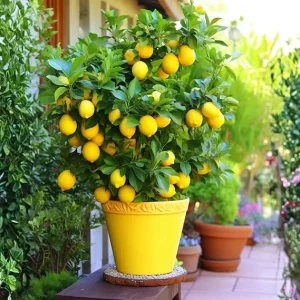
Lemon Tree Growing: Choose, Plant, and Harvest
Learn how to choose, plant, feed, and protect a lemon tree so it fits your
23
Sep
Sep
Dwarf Meyer Lemon Tree Australia: Climate Guide
Learn where dwarf Meyer lemon trees grow, how much cold they tolerate, and whether Australia,
Where to Buy a Dwarf Meyer Lemon Tree: Buyer’s Guide
Find the right dwarf Meyer lemon tree online or locally, compare starter sizes and costs,
Dwarf Meyer Lemon Tree for Sale: Buying Guide
Compare Meyer lemon tree sizes, prices, shipping limits, indoor growing and California options before you
Dwarf Meyer Lemon Tree Guide: Size, Care and Fruit
META: Learn how large a dwarf Meyer lemon tree grows, where it thrives, and how
How to Prune a Dwarf Meyer Lemon Tree
Learn when and how to prune a dwarf Meyer lemon tree, including tools, shaping cuts,
Can You Grow a Dwarf Meyer Lemon Tree in a Pot?
META: Learn how to grow a dwarf Meyer lemon tree in a pot, including container
When Do Dwarf Meyer Lemon Trees Bloom and Fruit?
META: Dwarf Meyer lemon trees usually bloom from winter through spring and may flower again