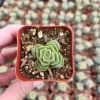
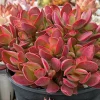
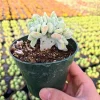
Crested Echeveria Pulvinata ‘Frosty’ Live Succulent Plant – Velvety Silver Leaves
-50%
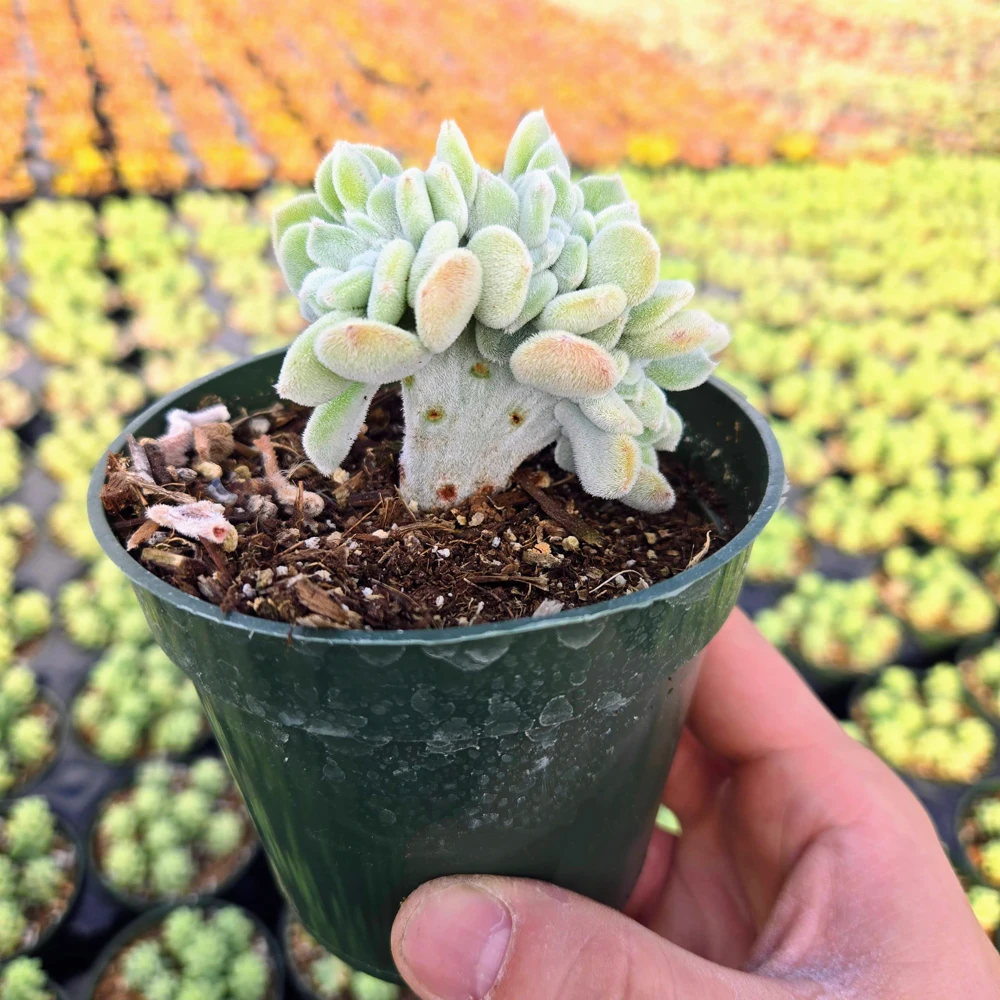
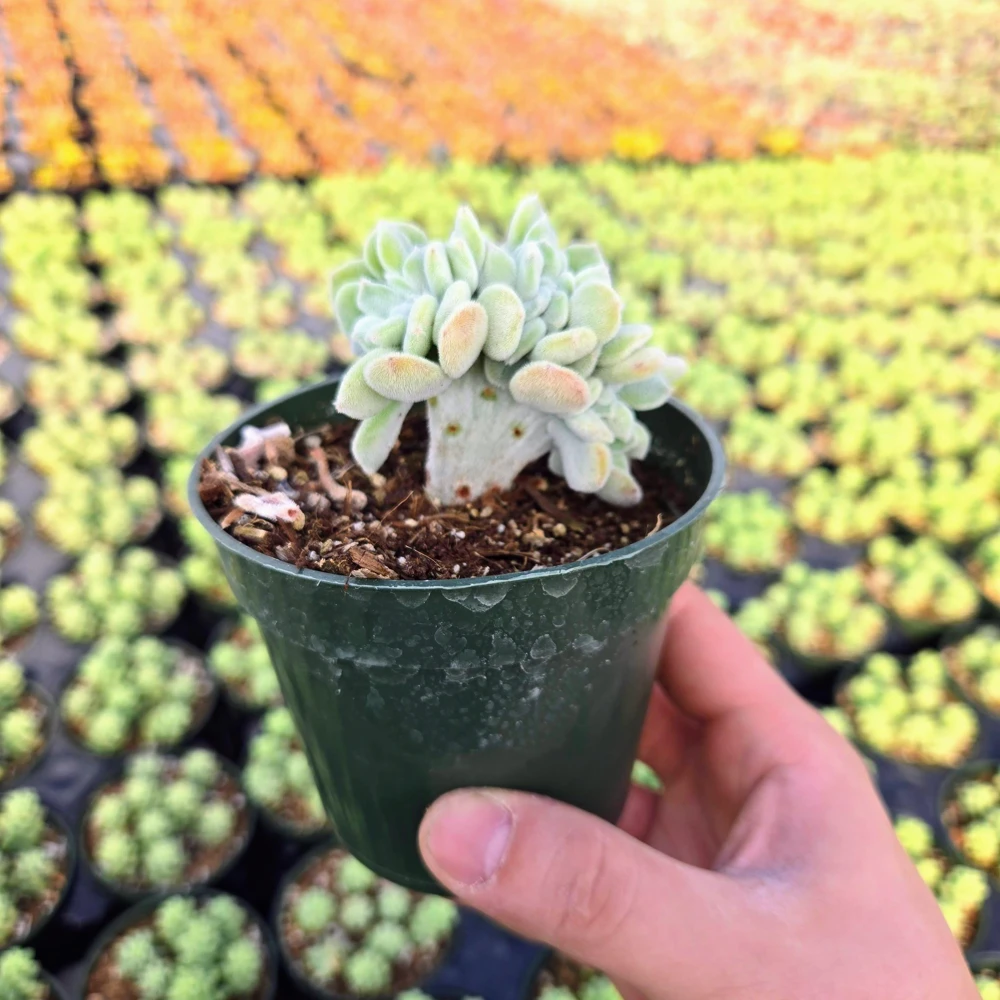
Crested Echeveria Pulvinata ‘Frosty’ Live Succulent Plant – Velvety Silver Leaves
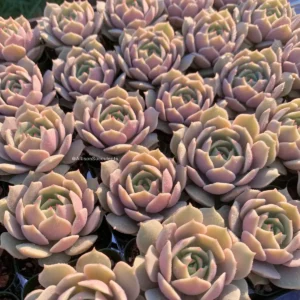
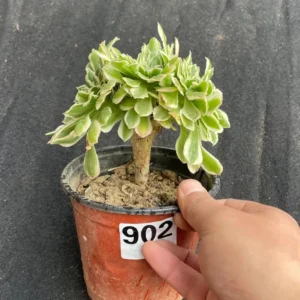
Introduce a touch of unique beauty to your home with the crested echeveria pulvinata frosty. This stunning live succulent plant boasts velvety, silver-white leaves forming distinctive fan-like crests, making it a captivating addition to any collection. Easy to care for and perfect for bright, indirect light.
Original price was: $56.00.$28.00Current price is: $28.00.

With our Alive & Thrive Guarantee, we’ve got your back for the first 30 days! If you have any concerns about your plants, just reach out to us. Our team is here to help answer your questions and guide you in selecting the best plants for your garden, climate, and unique preferences. We're excited to help you create the garden of your dreams!
Estimated arrival
Oct 14
Oct 19 - Oct 21
Oct 24 - Oct 28

Product Details
-
USDA Hardiness Zone
USDA zones 9-11 (outdoors), otherwise indoors -
Soil type
Well-draining succulent/cactus mix -
Sunlight Exposure
Bright indirect light -
Expected Planting Period
Year-round indoors
Overview
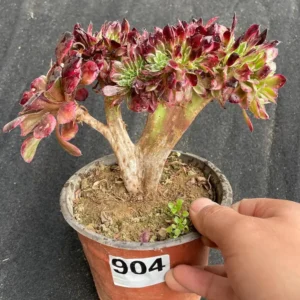
Bring home the extraordinary crested echeveria pulvinata frosty, a truly captivating live succulent plant that stands out with its unique characteristics. This rare succulent, often referred to simply as echeveria frosty succulent, is celebrated for its distinctive fan-like formations and velvety, silver-white leaves that give it a frosted appearance. Native to Mexico, Echeveria pulvinata is a popular choice among succulent enthusiasts, and its crested form adds an extra layer of visual interest. Unlike typical Echeverias, the crested variety develops an unusual growth pattern where the growing points merge, creating fascinating, undulating crests. This particular specimen is a must-have for collectors seeking a truly unique and low-maintenance plant.
The ‘Frosty’ cultivar further enhances its appeal with a soft, fuzzy texture that invites touch. This succulent is not just a plant; it’s a living sculpture, bringing a touch of natural artistry to any indoor space. Its compact size makes it ideal for windowsills, desks, or as part of a succulent arrangement. As it matures, the crests become more pronounced, offering an ever-evolving display of organic patterns. With proper care, this resilient plant will thrive, becoming a cherished part of your plant collection for years to come.
Key Benefits
The crested echeveria pulvinata frosty offers numerous benefits beyond its striking appearance, making it an excellent choice for both novice and experienced plant parents. This echeveria frosty succulent is a fantastic addition to any home or office environment:
-
Unique Aesthetic Appeal: Its rare crested growth and velvety silver-white foliage create a visually stunning focal point. The fan-like formations are truly one-of-kind, offering an artistic touch to your decor.
-
Low Maintenance: Like most succulents, this echeveria is incredibly drought-tolerant and requires minimal watering, making it perfect for busy individuals or those new to plant care.
-
Air Purification: While succulents aren’t as potent as some other plants, they do contribute to improving indoor air quality by absorbing toxins and releasing oxygen, especially at night.
-
Stress Reduction: Studies show that having plants in your living or working space can reduce stress levels, improve mood, and increase productivity. The calming presence of this beautiful succulent can enhance your well-being.
-
Compact Size: Its moderate growth habit and unique shape make it ideal for small spaces, such as apartments, dorm rooms, or office desks, without taking up too much room.
-
Seasonal Blooms: In late winter to early spring, this succulent produces charming orange-red flowers with yellow tips, adding another layer of beauty to its already impressive display.
-
Collectible Rarity: As a rare crested succulent, it’s a prized specimen for collectors and those looking for something truly out of the ordinary to enhance their plant collection.
Plant Care & Growing Tips
Caring for your crested echeveria pulvinata frosty is relatively straightforward, making it an excellent choice for beginner succulent enthusiasts. Understanding echeveria care tips is key to ensuring its health and vibrant appearance. This plant thrives with proper light, watering, and soil conditions. It’s important to simulate its natural arid environment as much as possible to prevent common succulent issues.
For light, the ‘Frosty’ prefers bright, indirect light. Placing it near a south or west-facing window where it receives several hours of bright, filtered sunlight each day is ideal. Avoid harsh, direct afternoon sun, especially during the hottest months, as this can lead to leaf scorch and discoloration. If grown outdoors, choose a spot with morning sun and afternoon shade. Insufficient light will cause the plant to stretch and lose its compact, crested form. When it comes to watering, the golden rule for succulents applies: let the soil dry out completely between waterings. Overwatering is the most common cause of succulent demise, leading to root rot. During winter dormancy, reduce watering significantly, only providing a small amount of water every few weeks. Always use a pot with drainage holes to prevent water from sitting at the bottom.
The right soil is crucial for the health of your velvety leaf succulent. It thrives in well-draining soil mixes. A good mix typically consists of potting soil combined with sand, perlite, or pumice in a 1:1:1 ratio. This ensures excellent aeration and drainage, preventing waterlogging. The ideal temperature range for this echeveria is 10°C to 25°C (50°F to 77°F). It is not frost-tolerant, so protect it from freezing temperatures and prolonged cold, wet conditions. If you live in a region with cold winters, it’s best to bring it indoors. Fertilization is generally not heavily required; a diluted succulent-specific fertilizer can be applied sparingly once or twice during the growing season (spring and summer). Propagation can be achieved through leaf cuttings or offsets, allowing cuttings to callous for a few days before planting them in well-draining soil.
Size & Details
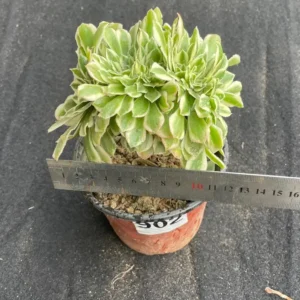
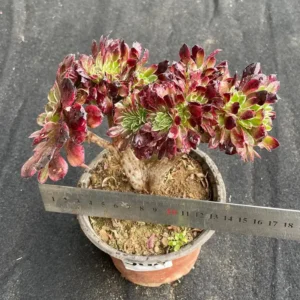
The crested echeveria pulvinata frosty is typically sold as a young live plant, ready to establish itself in your home. While specific dimensions can vary, these succulents generally maintain a compact size, making them ideal for small decorative pots or arrangements. They usually arrive in a nursery pot, such as a 2-inch or 4-inch container, allowing for easy repotting into your chosen planter. The height and width of the plant can range from 3 to 6 inches, depending on its maturity and growth rate. Over time, the crested formations will expand, creating a broader, more intricate specimen.
This particular echeveria frosty succulent is a relatively slow grower, allowing you to enjoy its unique form for an extended period before needing significant repotting. It is shipped as a healthy, established plant, carefully packaged to ensure safe arrival. You can expect it to quickly adapt to its new environment with proper care, showcasing its distinctive velvety, silver-white leaves. The unique crested form makes each plant a one-of-a-kind living art piece.
Frequently Asked Questions
-
Q: How big does this plant get? A: The crested echeveria pulvinata frosty typically grows to about 3-6 inches in height and width, forming a compact, unique succulent. Its crested nature means it will spread more horizontally than vertically over time.
-
Q: What size pot does it come in? A: This echeveria frosty succulent usually ships in a standard nursery pot, often a 2-inch or 4-inch size, suitable for immediate display or repotting into a decorative container.
-
Q: Is this an indoor or outdoor plant? A: While it can be grown outdoors in warm, frost-free climates (USDA zones 9-11), it is primarily cultivated as an indoor plant in most regions due to its sensitivity to cold and wet conditions. It thrives in bright, indirect light indoors.
-
Q: How much sunlight does it need? A: This succulent prefers bright, indirect light for several hours a day. Avoid harsh, direct afternoon sun which can scorch its delicate velvety leaves. Insufficient light can cause it to stretch and lose its compact shape.
-
Q: Is this plant easy to care for? A: Yes, the crested echeveria pulvinata frosty is considered easy to care for, especially for beginners. Its drought tolerance and minimal watering requirements make it a low-maintenance choice, provided it gets adequate light and well-draining soil.
-
Q: What condition will it arrive in? A: Your rare crested succulent will arrive as a healthy, live plant, carefully packaged to minimize stress during transit. It will be ready to be placed in its new home upon arrival.
-
Q: When is the best time for it to bloom? A: This Echeveria typically produces its charming orange-red flowers with yellow tips in late winter to early spring, adding a splash of color during the colder months.
-
Q: What type of soil is best for this plant? A: A well-draining succulent or cactus mix is essential. You can create your own by combining potting soil with sand, perlite, or pumice to ensure proper drainage and aeration, which are vital for healthy roots.
-
Q: Is it good for beginners? A: Absolutely! With its stunning appearance and relatively easy echeveria care tips, this plant is an excellent choice for those new to succulents, offering a rewarding gardening experience.
-
Q: Will it survive winter in my zone? A: It is not frost-hardy. If you live in a region with temperatures below 10°C (50°F), it’s crucial to bring your velvety leaf succulent indoors to protect it from cold damage and ensure its survival through winter.
Related products
-30%
Original price was: $79.98.$55.98Current price is: $55.98.
-30%
Original price was: $79.98.$55.98Current price is: $55.98.
-97%
Original price was: $316.80.$9.92Current price is: $9.92.
-30%
Original price was: $79.98.$55.98Current price is: $55.98.
-30%
Original price was: $79.98.$55.98Current price is: $55.98.
-30%
Original price was: $79.98.$55.98Current price is: $55.98.
-30%
Original price was: $85.98.$60.18Current price is: $60.18.
PLANTING & CARE
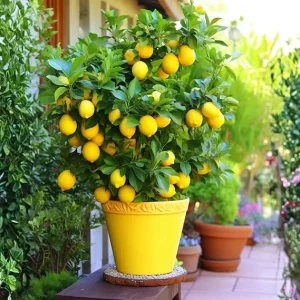
Lemon Tree Growing: Choose, Plant, and Harvest
Learn how to choose, plant, feed, and protect a lemon tree so it fits your
23
Sep
Sep
Dwarf Meyer Lemon Tree Australia: Climate Guide
Learn where dwarf Meyer lemon trees grow, how much cold they tolerate, and whether Australia,
Where to Buy a Dwarf Meyer Lemon Tree: Buyer’s Guide
Find the right dwarf Meyer lemon tree online or locally, compare starter sizes and costs,
Dwarf Meyer Lemon Tree for Sale: Buying Guide
Compare Meyer lemon tree sizes, prices, shipping limits, indoor growing and California options before you
Dwarf Meyer Lemon Tree Guide: Size, Care and Fruit
META: Learn how large a dwarf Meyer lemon tree grows, where it thrives, and how
How to Prune a Dwarf Meyer Lemon Tree
Learn when and how to prune a dwarf Meyer lemon tree, including tools, shaping cuts,
Can You Grow a Dwarf Meyer Lemon Tree in a Pot?
META: Learn how to grow a dwarf Meyer lemon tree in a pot, including container
When Do Dwarf Meyer Lemon Trees Bloom and Fruit?
META: Dwarf Meyer lemon trees usually bloom from winter through spring and may flower again