Dahlia Seeds – Edge of Joy Pink & White Bicolor Blooms – Ornamental Cut Flower – 40+ Seeds
-50%
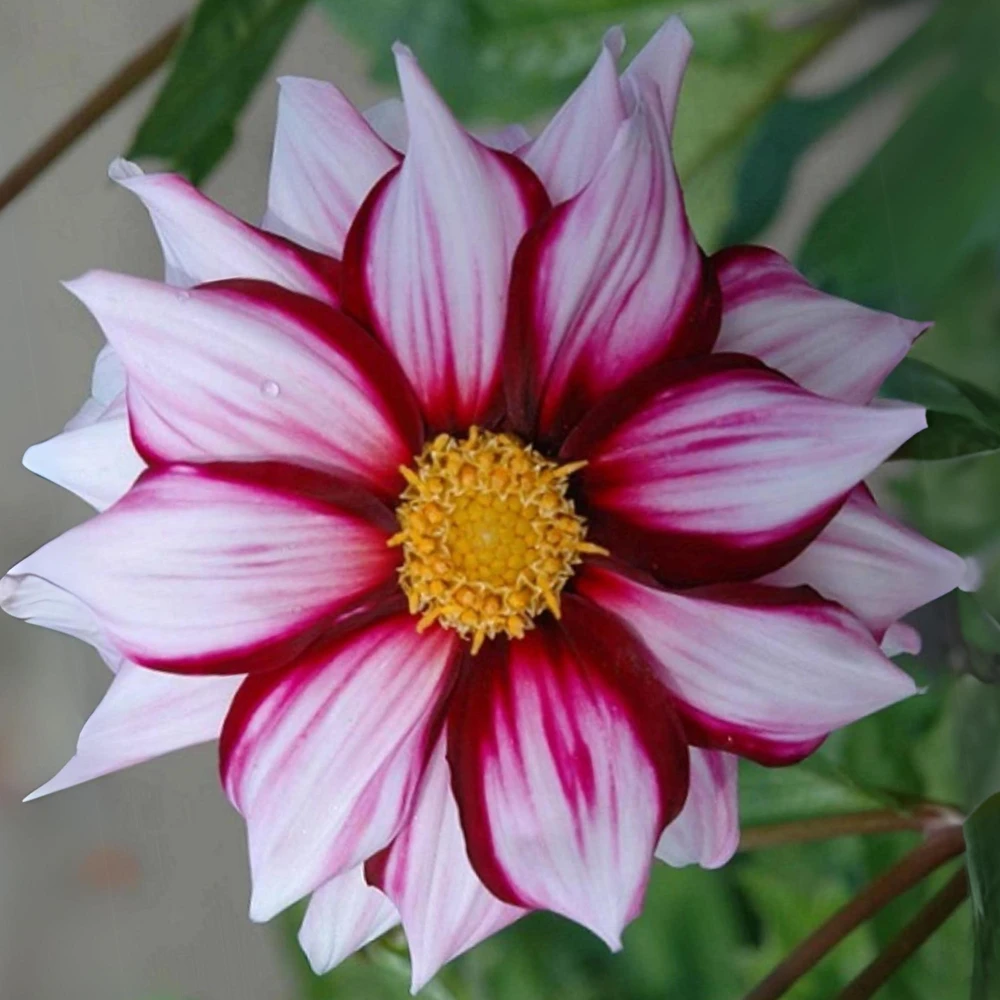
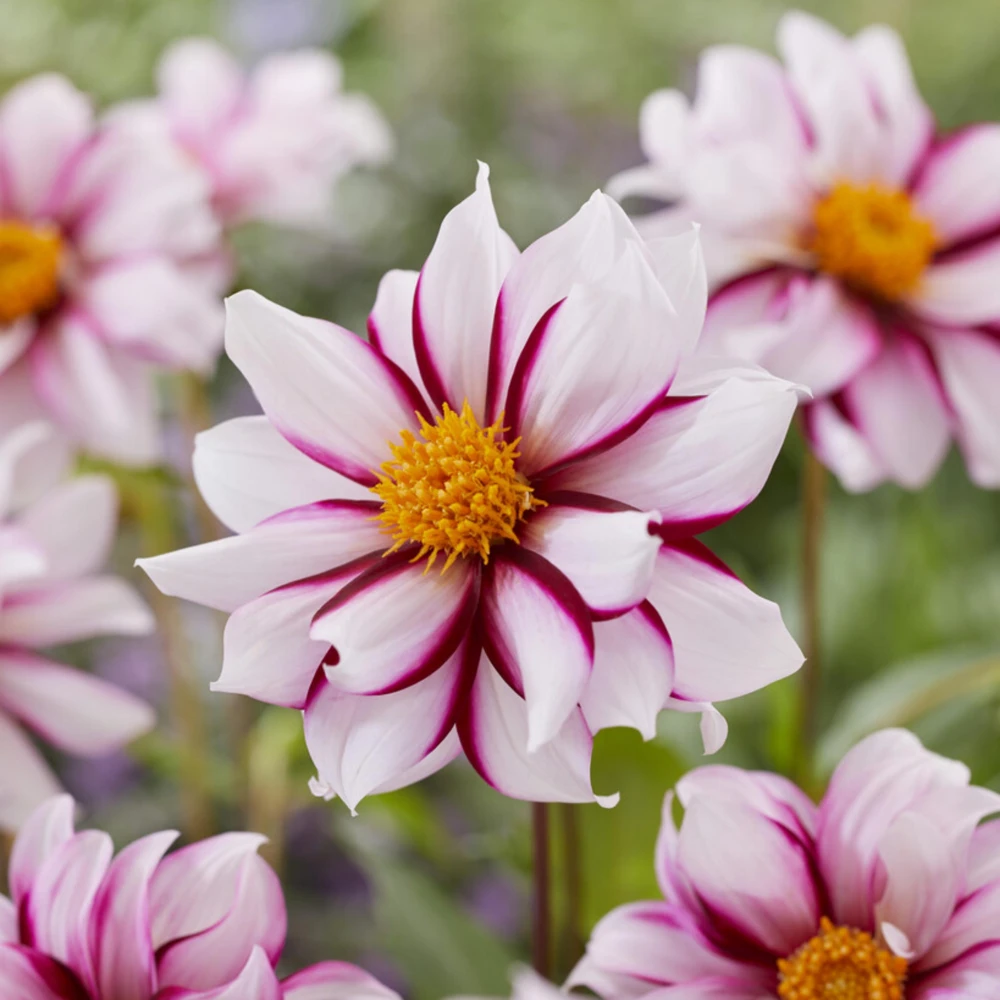
Dahlia Seeds – Edge of Joy Pink & White Bicolor Blooms – Ornamental Cut Flower – 40+ Seeds
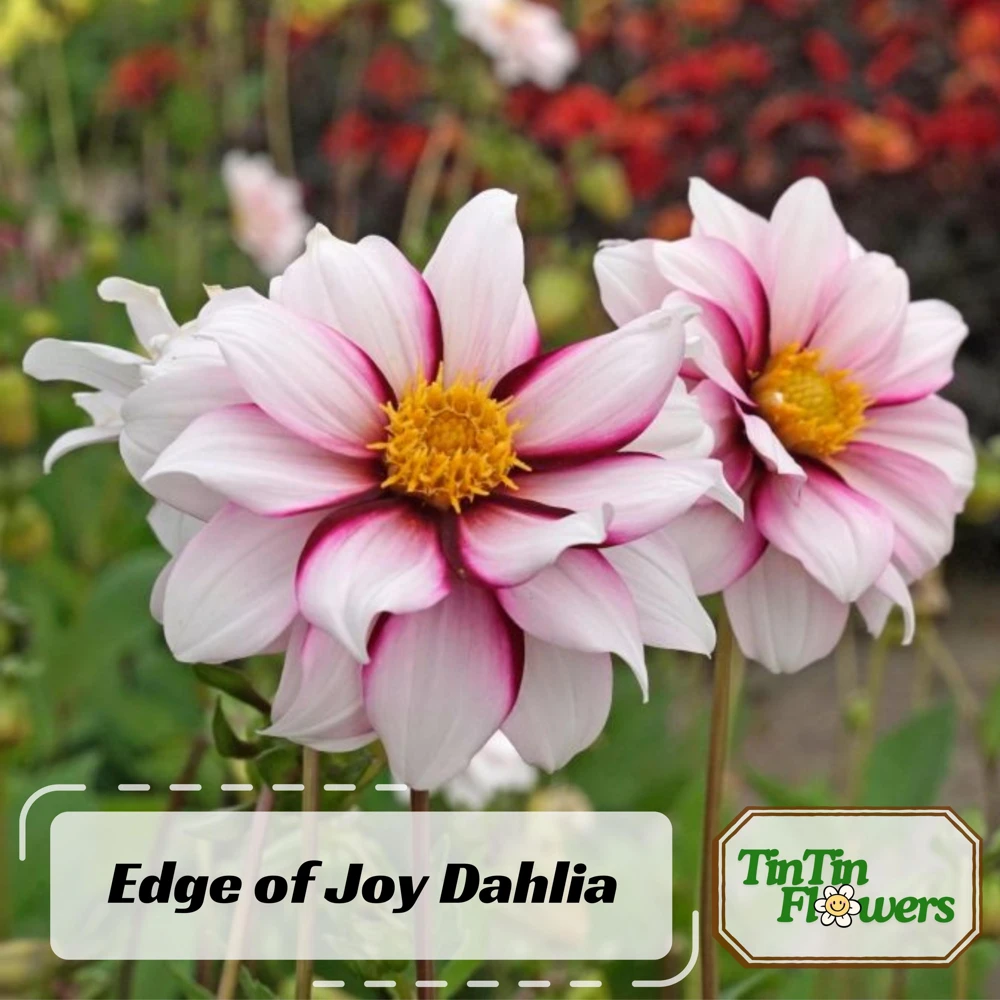
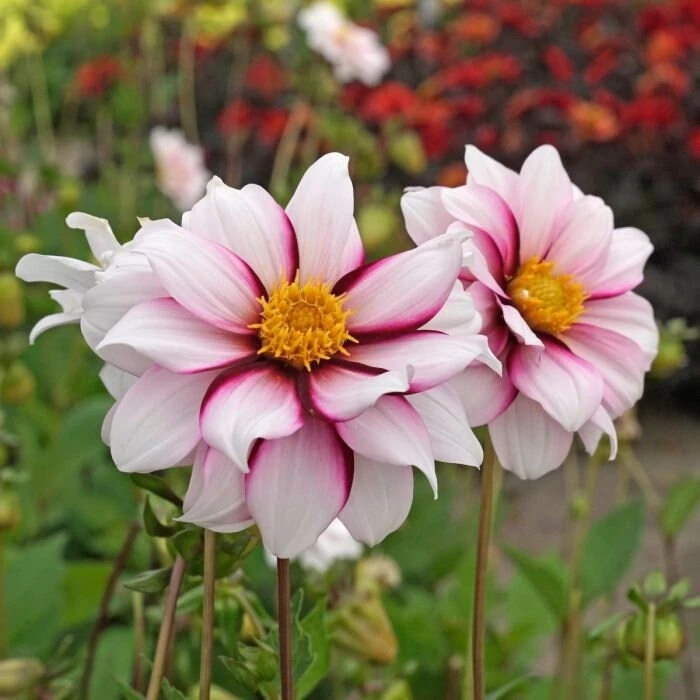
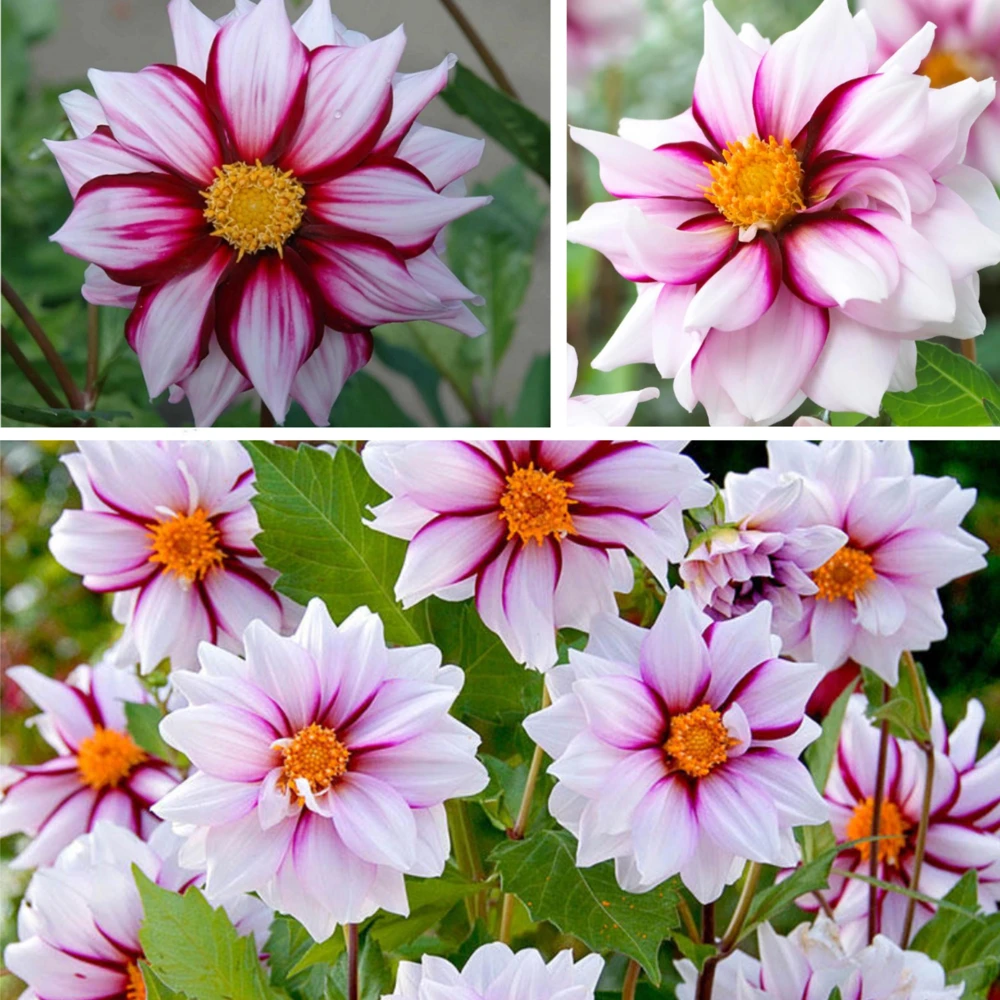
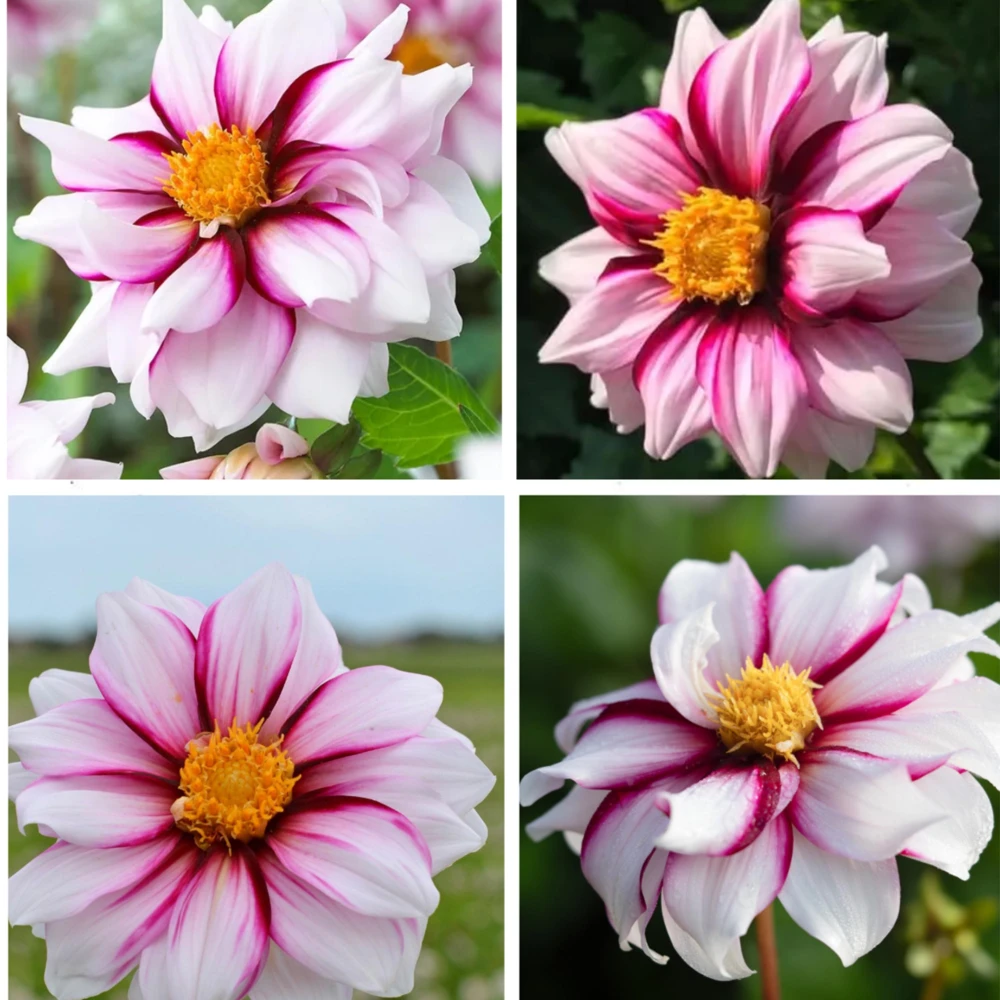
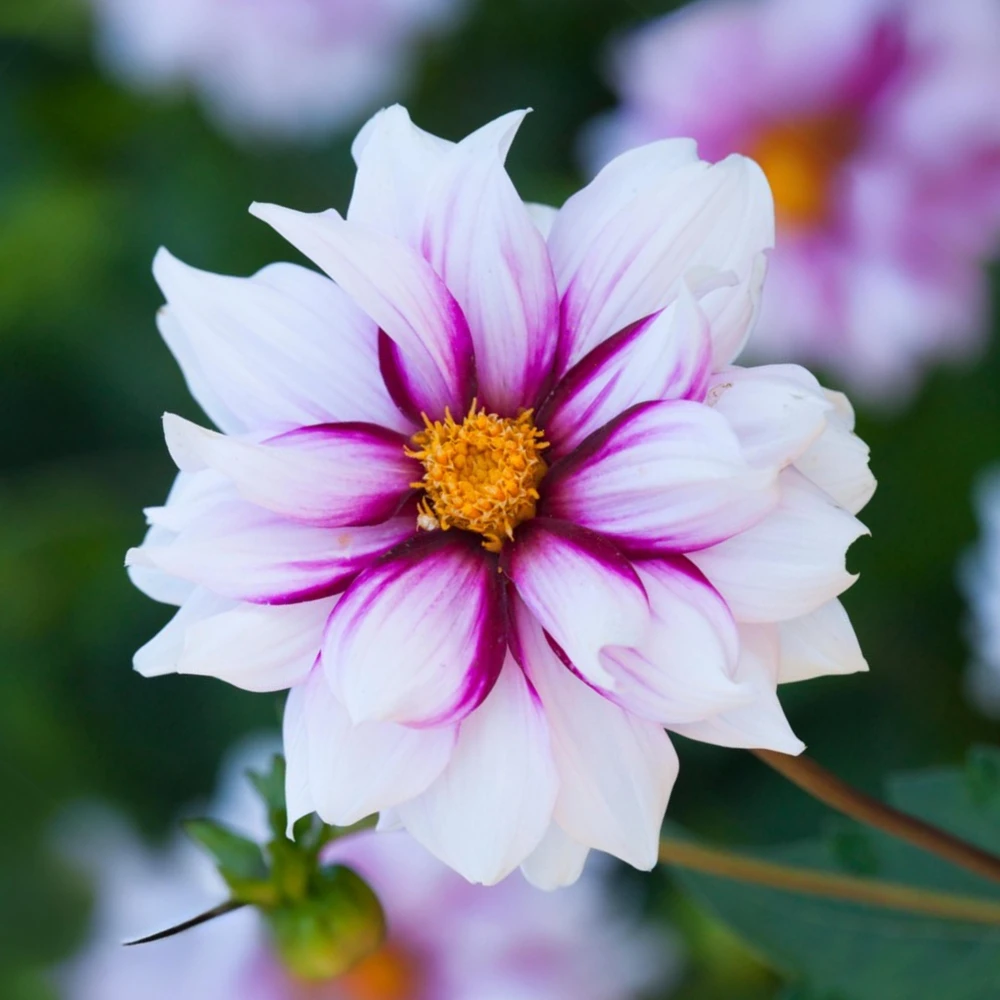
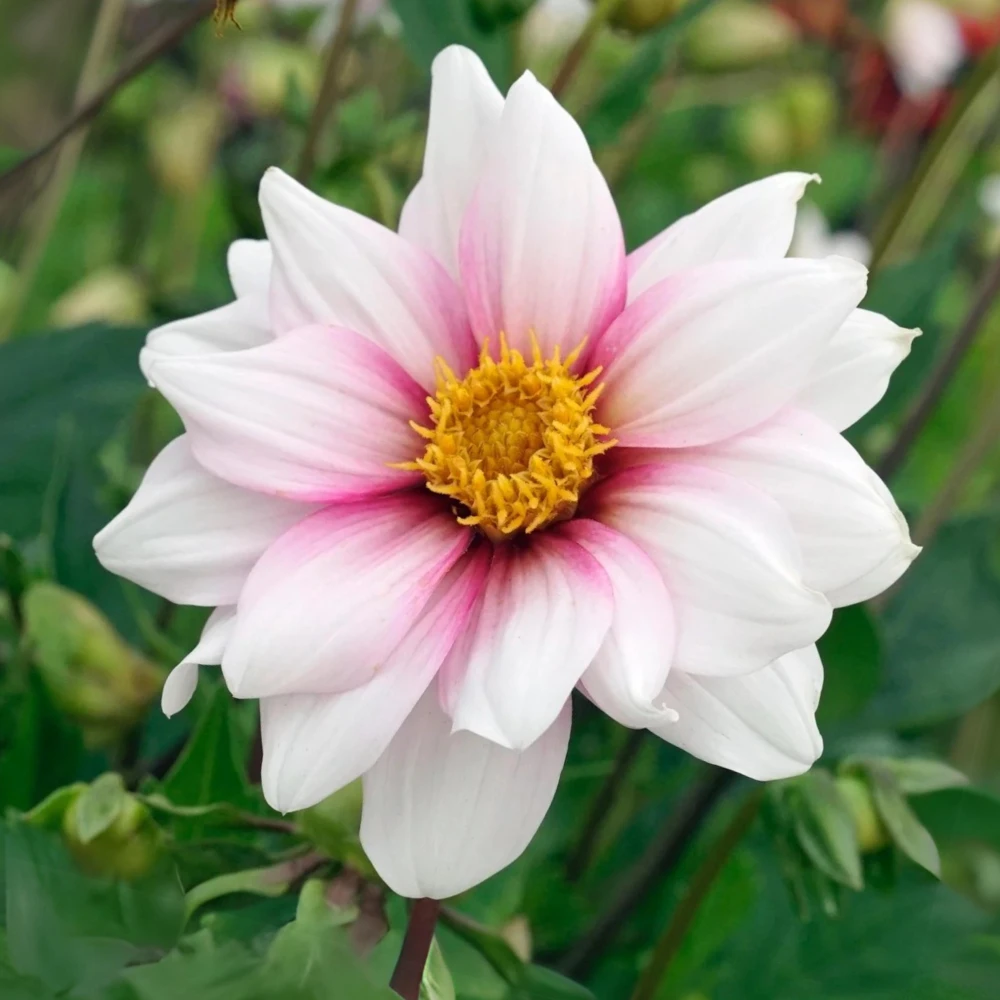
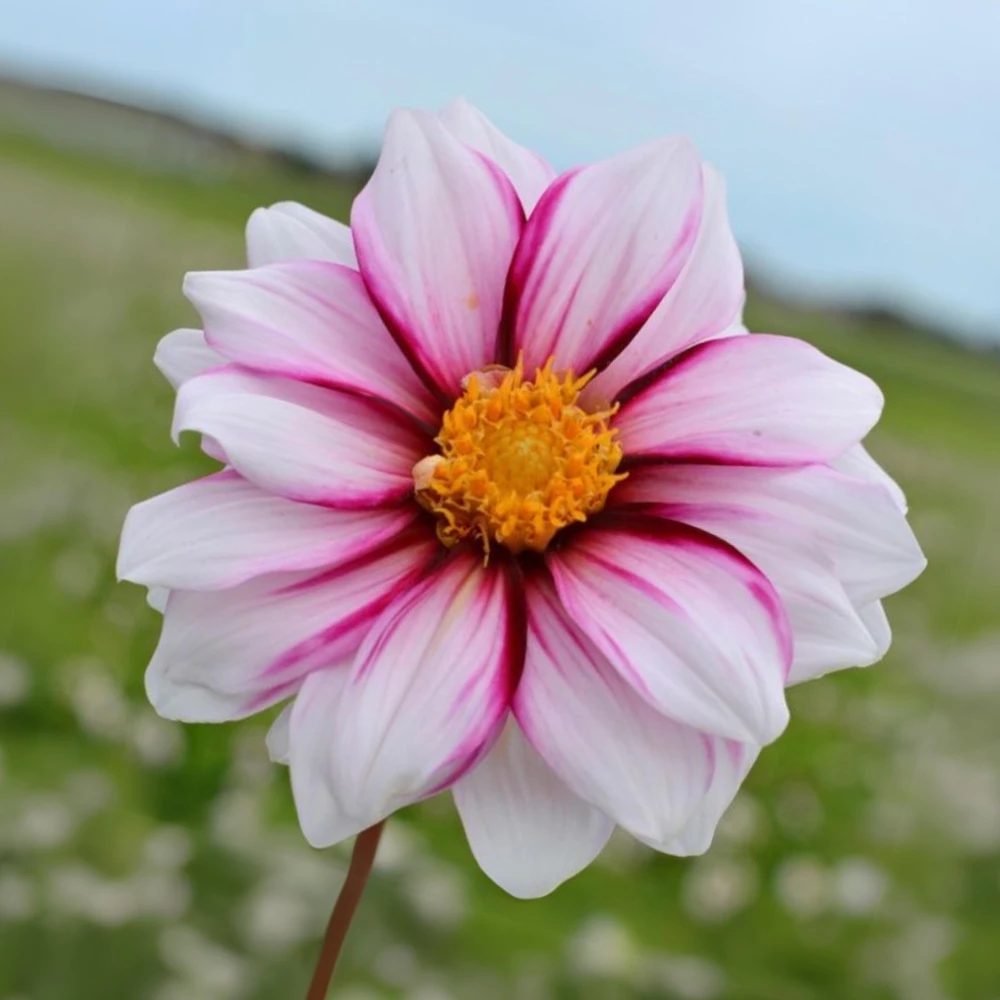
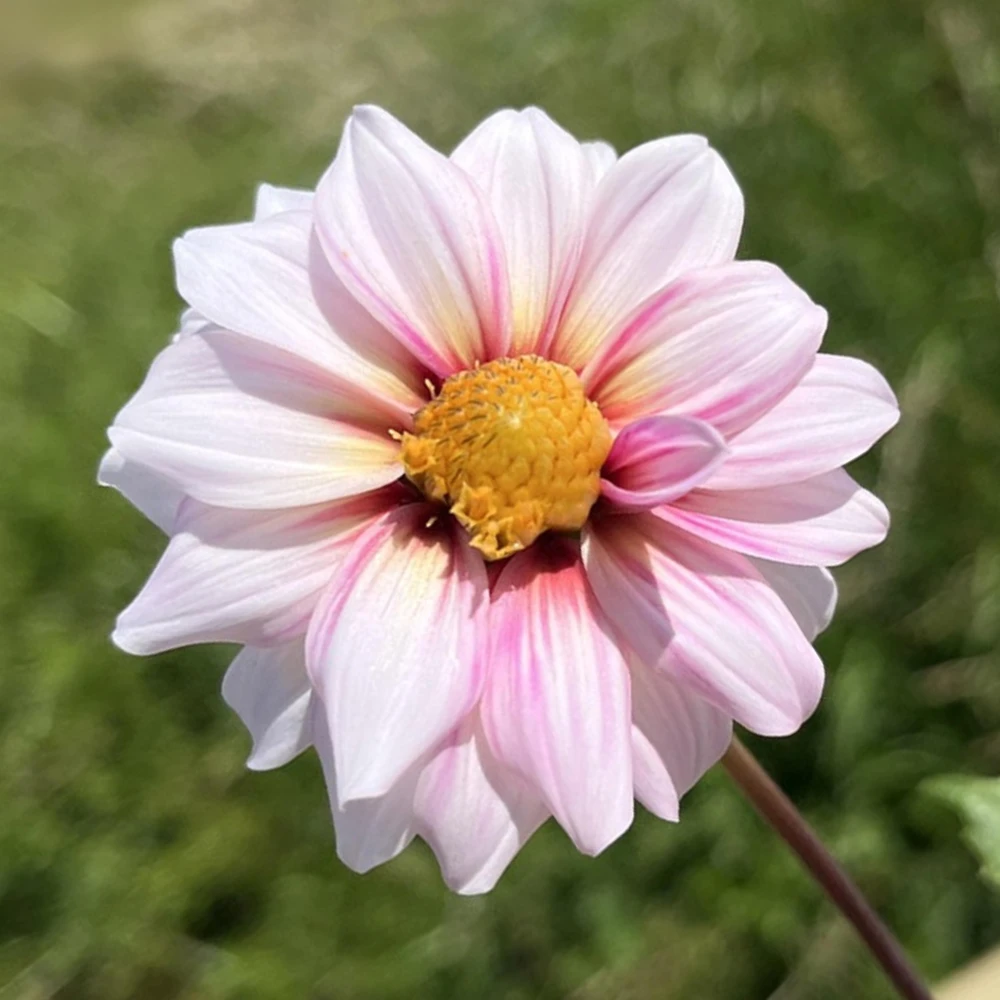
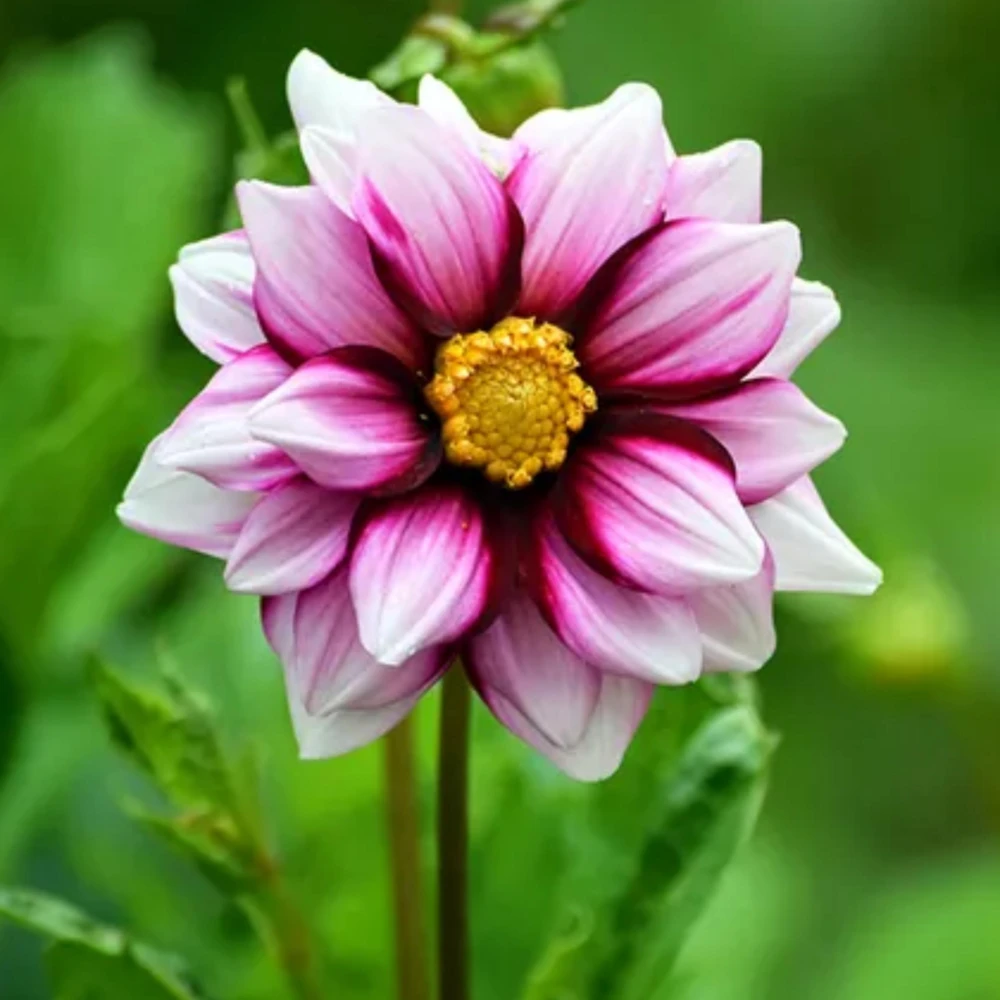
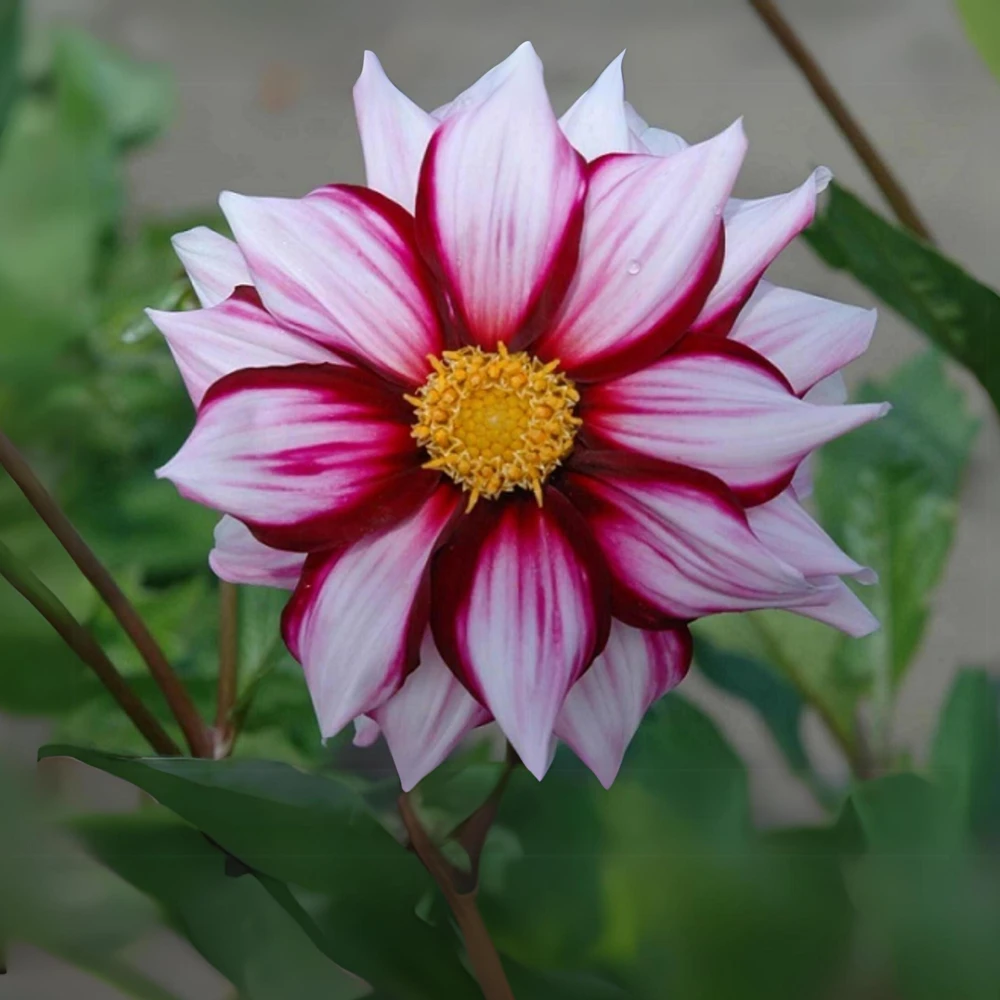
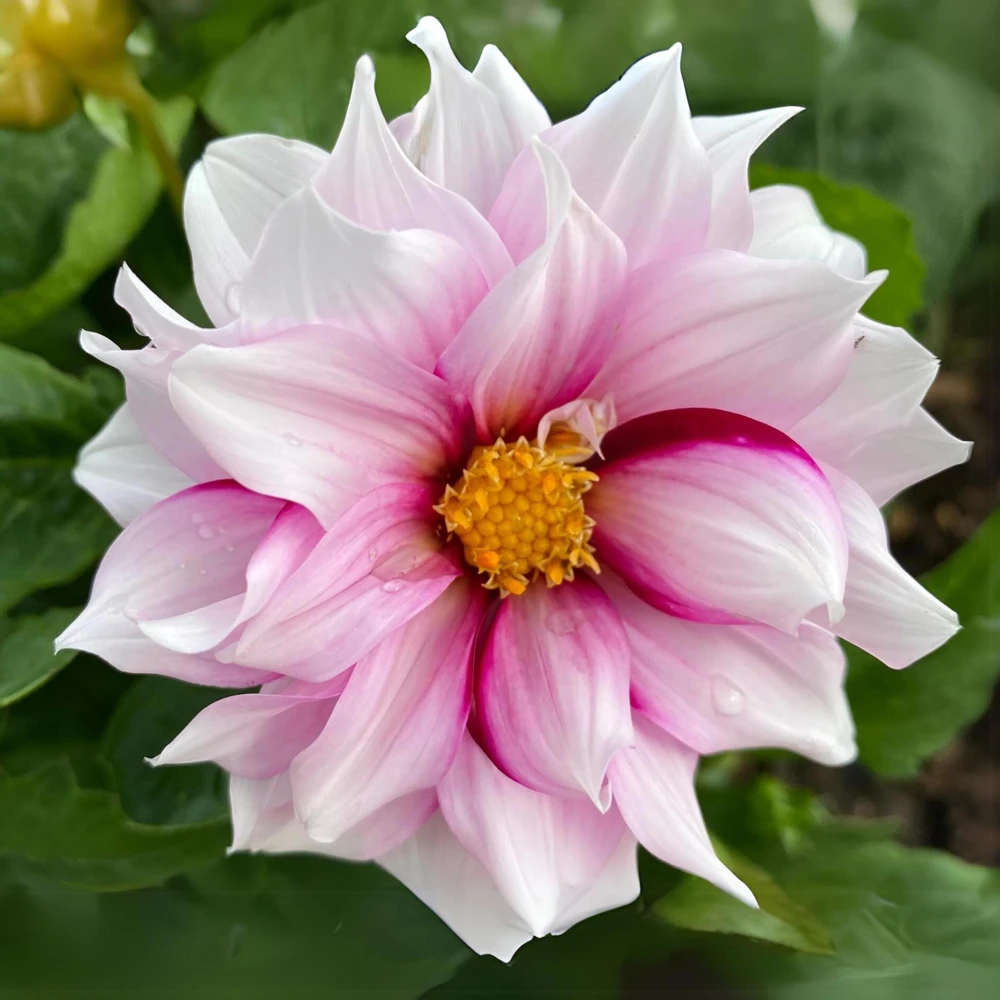
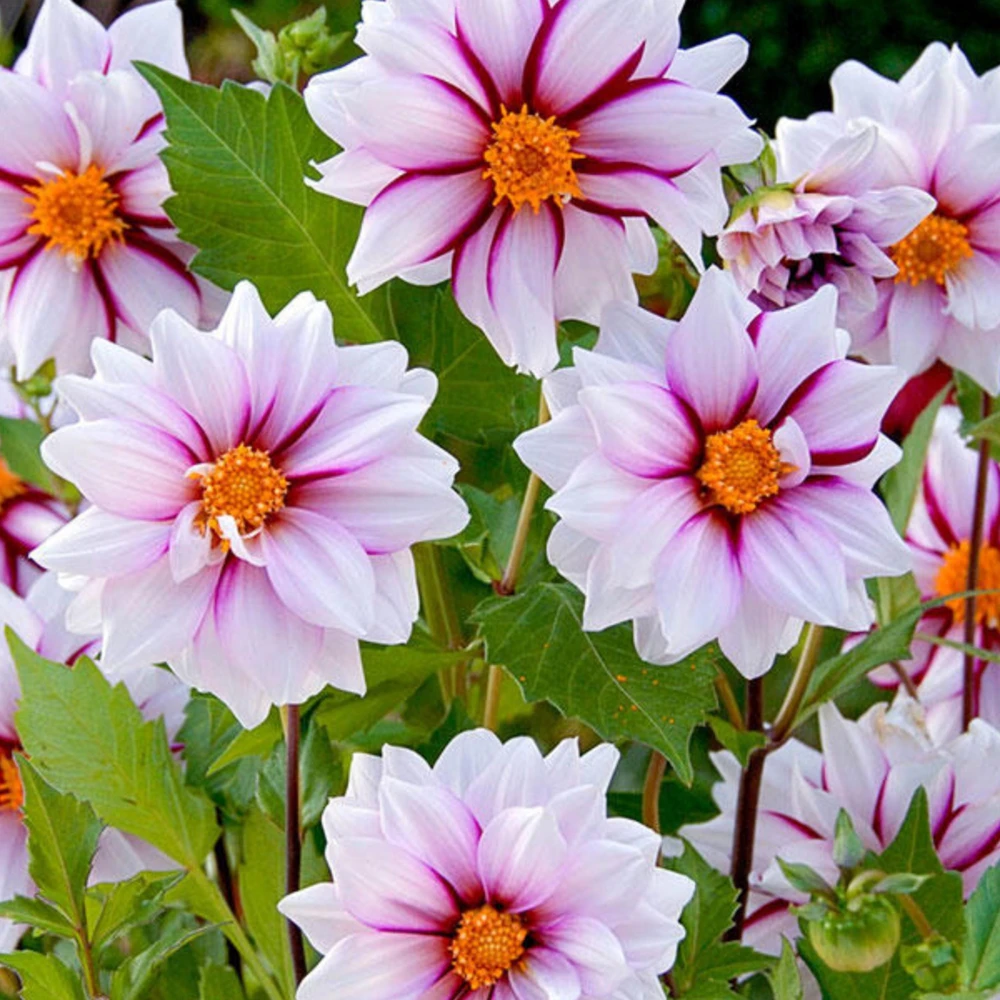
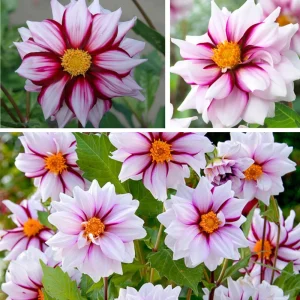
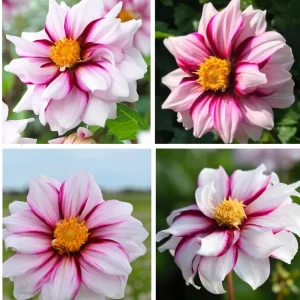
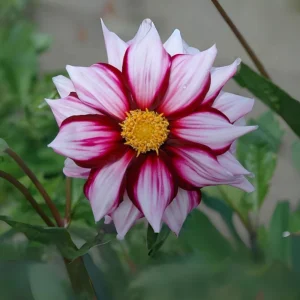
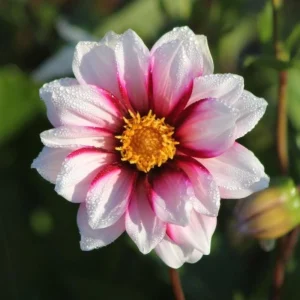
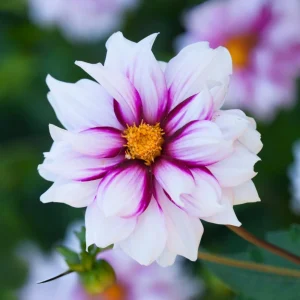
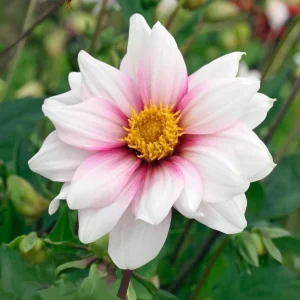
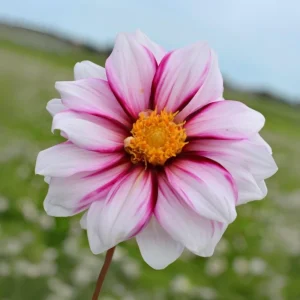
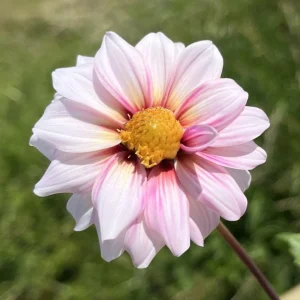
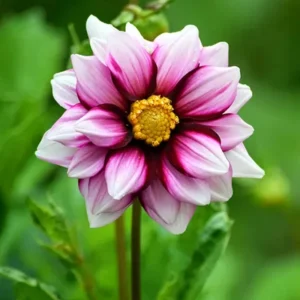
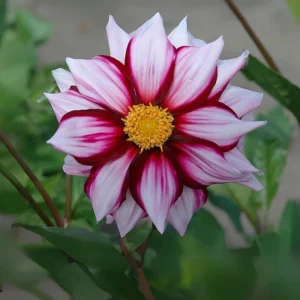
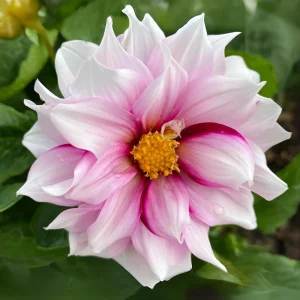
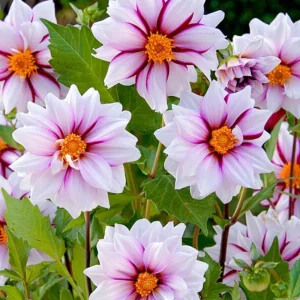
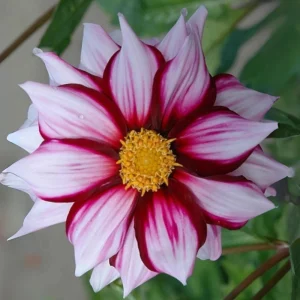
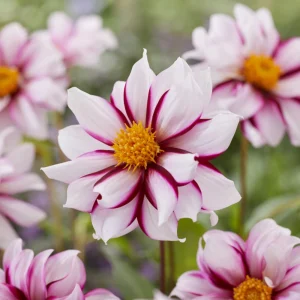
Discover the beauty of Edge of Joy Dahlia seeds, offering spectacular pink and white bicolor blooms. These easy-to-grow ornamental flowers are perfect for adding vibrant color to your garden, creating stunning cut flower arrangements, and attracting pollinators. Each pack contains 40+ high-quality seeds for a bountiful display.
Original price was: $15.16.$7.58Current price is: $7.58.

With our Alive & Thrive Guarantee, we’ve got your back for the first 30 days! If you have any concerns about your plants, just reach out to us. Our team is here to help answer your questions and guide you in selecting the best plants for your garden, climate, and unique preferences. We're excited to help you create the garden of your dreams!
Estimated arrival
Oct 08
Oct 13 - Oct 15
Oct 18 - Oct 22





Product Details
-
USDA Hardiness Zone
USDA zones 8–11 (tender perennial, often grown as annual) -
Soil type
Well-draining, rich in organic matter -
Sunlight Exposure
Full sun -
Expected Planting Period
Spring to early summer
Overview
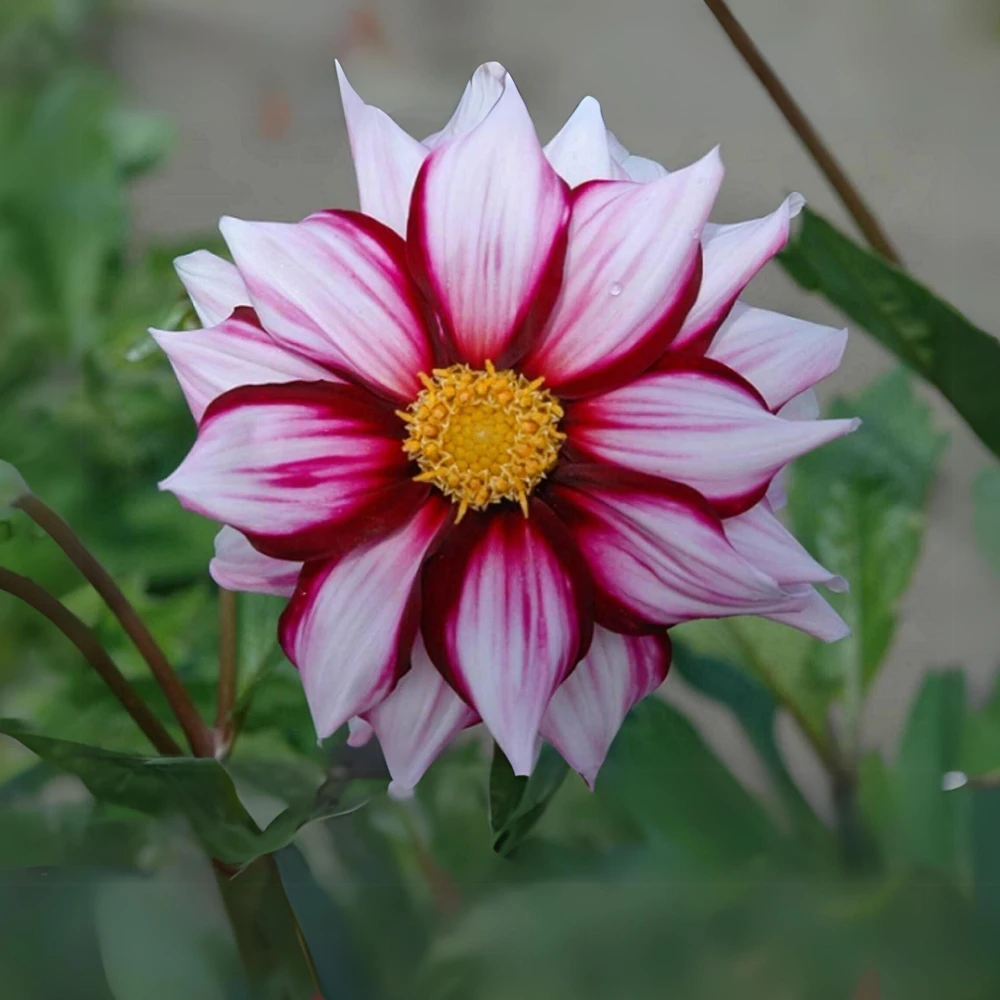
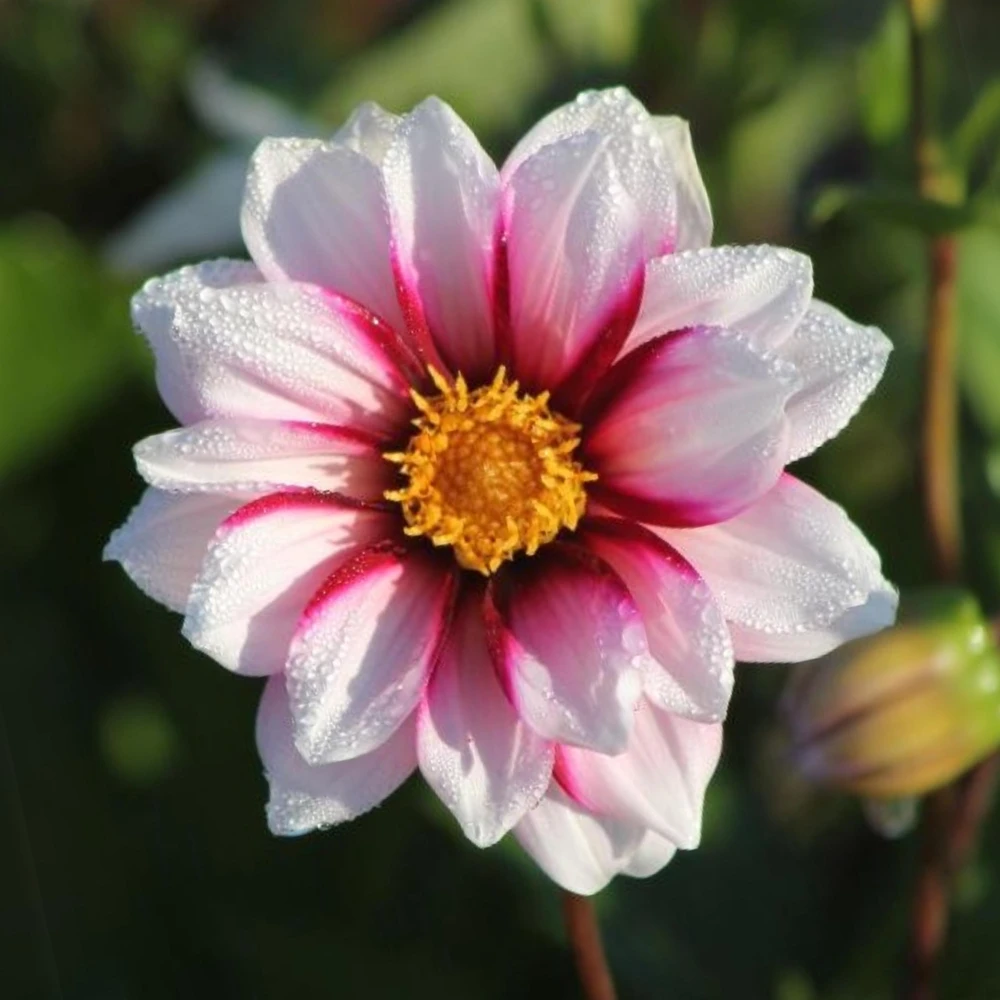
Cultivate breathtaking beauty in your garden with Edge of Joy Dahlia seeds. This exquisite variety of Dahlia pinnata is celebrated for its cheerful and eye-catching bicolor blooms, featuring delicate layers of soft pink and pristine white petals. Each seed promises to grow into a robust plant that produces an abundance of these ornamental flowers, perfect for enhancing garden beds, borders, cottage gardens, and containers. These versatile dahlias are also exceptional as long-lasting cut flowers, bringing elegance and charm to any indoor floral display. With over 40 seeds in each packet, you’ll have ample opportunity to create a stunning, vibrant show throughout the summer and fall seasons.
Our premium Edge of Joy Dahlia seeds are carefully selected to ensure high germination rates and vigorous growth. Dahlias are warm-season flowering plants, thriving in full sun and providing continuous blooms from summer through fall. Whether you’re an experienced gardener or just starting, these seeds offer a rewarding growing experience, culminating in spectacular floral displays that will be the envy of your neighborhood. Prepare to transform your outdoor space into a haven of color and joy with these remarkable dahlia seeds.
Key Benefits
Growing Edge of Joy Dahlia seeds offers numerous advantages, from their visual appeal to their versatility in garden design and floral arrangements. These dahlias are a fantastic choice for anyone looking to add significant aesthetic value and charm to their landscape.
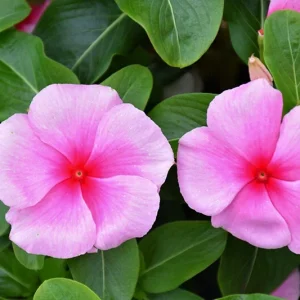
- Stunning Bicolor Blooms: Enjoy the unique beauty of soft pink and white petals creating a captivating bicolor effect. These elegant flowers add a touch of sophistication and cheer to any setting, making them a standout feature in your garden.
- Excellent Cut Flowers: The long-lasting blooms of this dahlia variety are ideal for bouquets and floral arrangements. Their sturdy stems and vibrant colors make them a favorite for bringing garden beauty indoors.
- Extended Bloom Season: Experience continuous flowering from summer through fall, ensuring your garden remains colorful and lively for months. These dahlias provide a prolonged display of their charming blossoms.
- Versatile Garden Use: Perfect for various garden applications, including garden beds, borders, cottage gardens, and containers. Their upright, bushy growth habit makes them adaptable to different landscape designs.
- Attracts Pollinators: The vibrant flowers help attract beneficial pollinators like bees and butterflies to your garden, contributing to a healthy ecosystem and supporting local biodiversity.
- Easy to Moderate Growth: While producing spectacular results, these dahlias are relatively easy to grow from seed, making them accessible for gardeners of various skill levels. Detailed instructions are provided to ensure success.
- Lush Green Foliage: Beyond their flowers, the plants feature attractive green foliage that provides a beautiful backdrop, maintaining visual interest even when not in full bloom. These pink white dahlia seeds yield plants with robust growth.
Plant Care & Growing Tips
Successfully growing Edge of Joy Dahlia seeds involves providing the right conditions and consistent care. Dahlias thrive in warm climates and require ample sunlight to produce their abundant blooms. Start your seeds indoors 6-8 weeks before the last frost date in your area for an early start, or sow directly outdoors once soil temperatures have warmed.
For optimal growth, ensure your dahlias receive full sun, meaning at least 6-8 hours of direct sunlight daily. Plant them in well-draining soil that is rich in organic matter. While germinating Dahlia pinnata seeds, maintain consistent moisture without waterlogging. Once established, regular watering is crucial, especially during dry spells and the flowering period. Avoid overhead watering to prevent fungal diseases. Fertilize periodically during active growth with a balanced fertilizer to encourage robust flowering. Taller plants may benefit from staking or other support to prevent them from flopping over, especially when laden with blooms. Deadhead spent flowers regularly to encourage the plant to produce more blossoms throughout the season. These ornamental dahlia seeds will reward your efforts with a spectacular display.
Protect your dahlia plants from frost. As tender perennials, they are often grown as annuals in colder climates. In USDA zones where they are not hardy, tubers can be dug up after the first frost, stored over winter, and replanted the following spring. Keep an eye out for common pests like slugs, snails, and aphids, and treat them promptly with organic pest control methods if necessary. Proper air circulation around the plants can also help prevent issues. Growing these bicolor dahlia seeds successfully will bring immense satisfaction.
Size & Details
Each packet contains 40+ Edge of Joy Dahlia seeds, providing a generous quantity for a vibrant garden display. Once mature, these dahlia plants typically reach a height of 24–48 inches (60–120 cm) with a spread of 18–24 inches (45–60 cm), forming an upright, bushy growth habit. The decorative pink and white bicolor flowers will emerge from summer through fall, offering a long blooming season. These dahlias are tender perennials, often grown as annuals in most climates, and prefer full sun exposure.
The seeds require no special treatment before sowing, though optional soaking in room-temperature water for several hours can aid germination. Germination typically occurs within 7–21 days when soil temperatures are maintained between 65–75°F (18–24°C). Plants should be spaced approximately 18–24 inches apart after transplanting outdoors, once the danger of frost has passed. Expect beautiful, eye-catching blooms to grace your garden from mid-summer until the first hard frost.
Frequently Asked Questions
- Q: How big do Edge of Joy Dahlia plants get? A: These dahlias typically grow to a height of 24–48 inches (2-4 feet) and have a spread of 18–24 inches. Their upright, bushy habit makes them a prominent feature in garden beds or large containers.
- Q: Are these Edge of Joy Dahlia seeds suitable for beginners? A: Yes, these dahlias are considered easy to moderate in terms of growing difficulty. With proper care and attention to sunlight and watering, even novice gardeners can achieve beautiful results from these pink white dahlia seeds.
- Q: How much sunlight do these dahlias need? A: Edge of Joy Dahlias require full sun, meaning at least 6-8 hours of direct sunlight per day, to produce the most abundant and vibrant blooms. Insufficient light can lead to leggy growth and fewer flowers.
- Q: When is the best time to plant Dahlia pinnata seeds? A: For best results, start seeds indoors 6-8 weeks before your last expected frost date. You can transplant seedlings outdoors or sow seeds directly after all danger of frost has passed and soil temperatures have warmed.
- Q: Can these dahlias be grown in containers? A: Absolutely! Their growth habit makes them excellent candidates for large containers, provided the containers offer good drainage and sufficient space for root development. Ensure they still receive full sun.
- Q: What kind of soil is best for these ornamental dahlia seeds? A: Dahlias prefer well-draining soil rich in organic matter. A slightly acidic to neutral pH (6.0-7.0) is ideal. Amending heavy clay soils with compost can improve drainage.
- Q: How often should I water my Edge of Joy Dahlias? A: Keep the soil consistently moist, especially during establishment and flowering. Avoid letting the soil dry out completely, but also ensure it doesn’t become waterlogged, which can lead to root rot.
- Q: Will these bicolor dahlia seeds attract pollinators? A: Yes, the vibrant and open blooms of Edge of Joy Dahlias are very attractive to pollinators like bees and butterflies, making them a great addition to a pollinator-friendly garden.
- Q: How long does it take for these dahlias to bloom from seed? A: From seed, dahlias typically begin to bloom in mid-summer, around 90-120 days after sowing, and will continue to flower until the first hard frost.
- Q: Are Edge of Joy Dahlias perennial or annual? A: They are tender perennials, meaning they can perennialize in warmer climates (USDA zones 8-11). In colder zones, they are typically grown as annuals, or their tubers can be dug up and stored over winter.
Related products
-15%
From Original price was: $28.00.$23.80Current price is: $23.80.
-15%
From Original price was: $16.00.$13.60Current price is: $13.60.
-50%
From Original price was: $63.60.$31.80Current price is: $31.80.
-50%
Original price was: $95.96.$47.98Current price is: $47.98.
-50%
From Original price was: $55.60.$27.80Current price is: $27.80.
-50%
Original price was: $47.96.$23.98Current price is: $23.98.
-50%
Original price was: $21.56.$10.78Current price is: $10.78.
-50%
Original price was: $23.96.$11.98Current price is: $11.98.
PLANTING & CARE
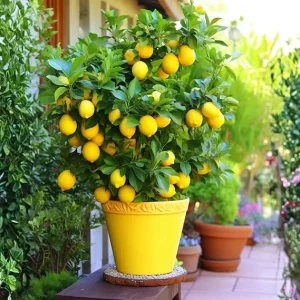
Lemon Tree Growing: Choose, Plant, and Harvest
Learn how to choose, plant, feed, and protect a lemon tree so it fits your
23
Sep
Sep
Dwarf Meyer Lemon Tree Australia: Climate Guide
Learn where dwarf Meyer lemon trees grow, how much cold they tolerate, and whether Australia,
Where to Buy a Dwarf Meyer Lemon Tree: Buyer’s Guide
Find the right dwarf Meyer lemon tree online or locally, compare starter sizes and costs,
Dwarf Meyer Lemon Tree for Sale: Buying Guide
Compare Meyer lemon tree sizes, prices, shipping limits, indoor growing and California options before you
Dwarf Meyer Lemon Tree Guide: Size, Care and Fruit
META: Learn how large a dwarf Meyer lemon tree grows, where it thrives, and how
How to Prune a Dwarf Meyer Lemon Tree
Learn when and how to prune a dwarf Meyer lemon tree, including tools, shaping cuts,
Can You Grow a Dwarf Meyer Lemon Tree in a Pot?
META: Learn how to grow a dwarf Meyer lemon tree in a pot, including container
When Do Dwarf Meyer Lemon Trees Bloom and Fruit?
META: Dwarf Meyer lemon trees usually bloom from winter through spring and may flower again