Dappled Willow Tree – Variegated Tricolor Willow Live Plant – 6-12 inches tall – Quart Pot – Outdoor Shrub
-50%
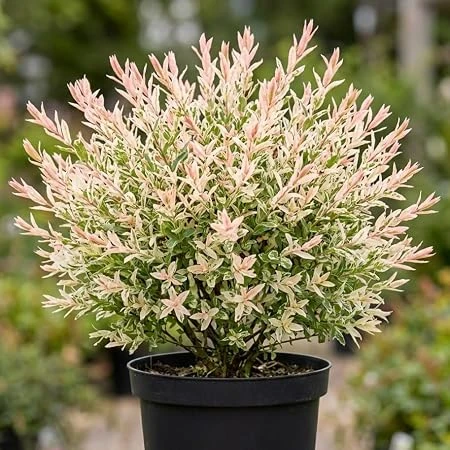
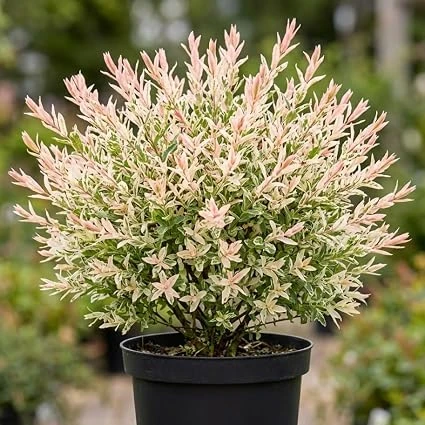
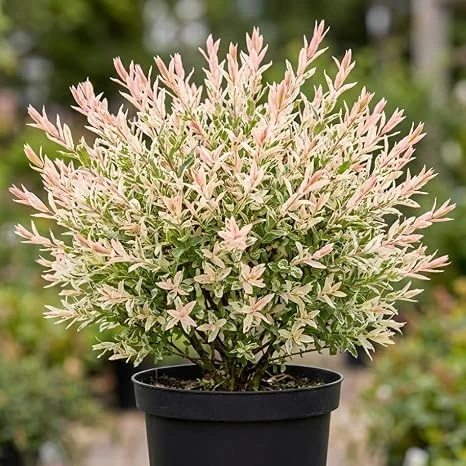
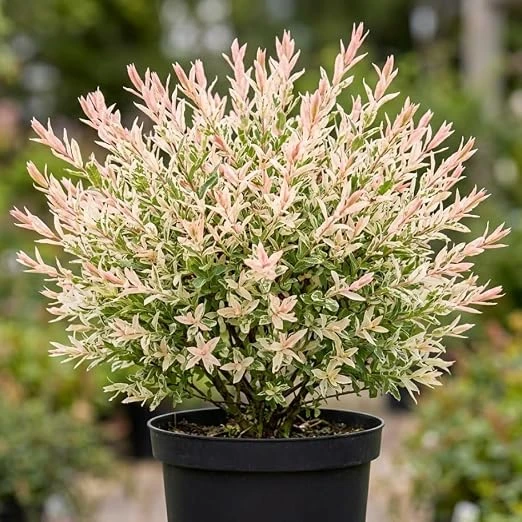
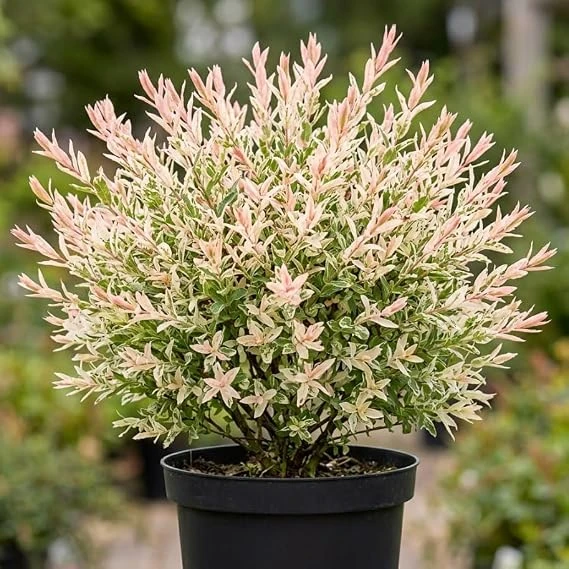
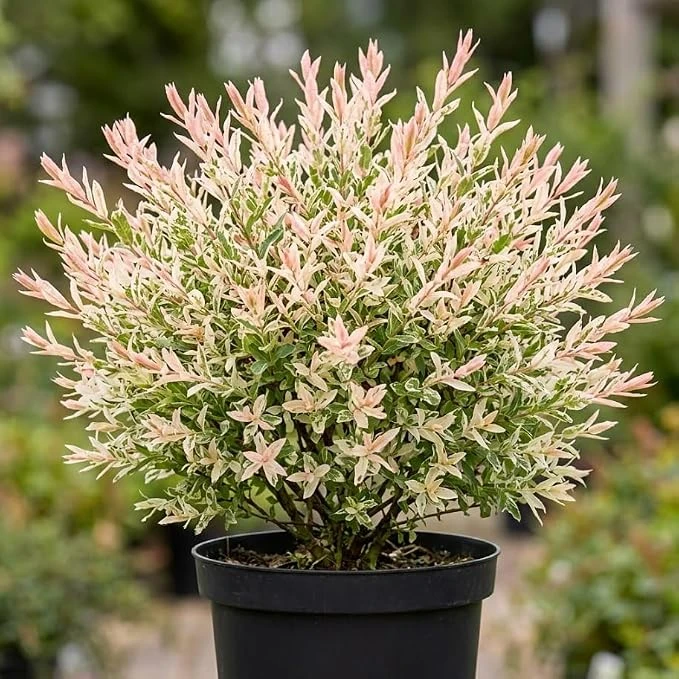
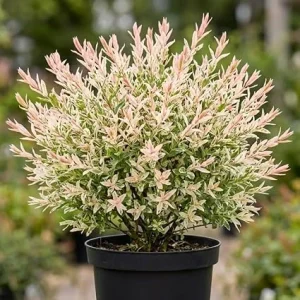
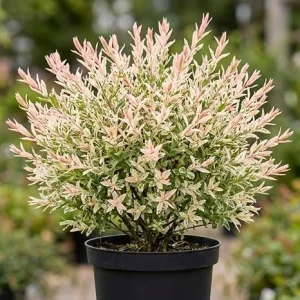
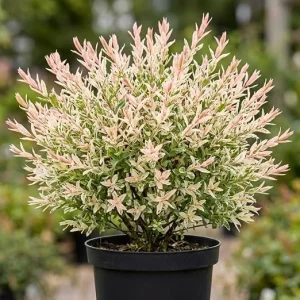
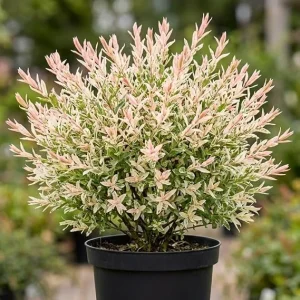
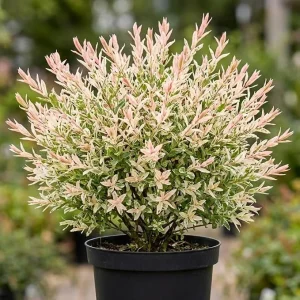
Dappled Willow Tree – Variegated Tricolor Willow Live Plant – 6-12 inches tall – Quart Pot – Outdoor Shrub
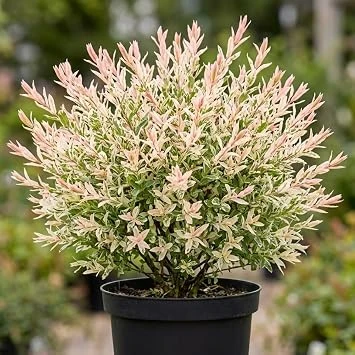
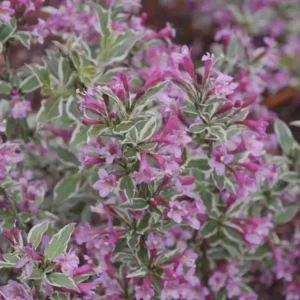
Bring vibrant, multi-season color to your garden with a dappled willow live plant. This beautiful variegated tricolor shrub features stunning pink, white, and green foliage, growing 6-12 inches tall in a quart pot. Perfect for landscapes or containers, it thrives in full sun to partial shade.
Original price was: $65.98.$32.99Current price is: $32.99.

With our Alive & Thrive Guarantee, we’ve got your back for the first 30 days! If you have any concerns about your plants, just reach out to us. Our team is here to help answer your questions and guide you in selecting the best plants for your garden, climate, and unique preferences. We're excited to help you create the garden of your dreams!
Estimated arrival
Oct 29
Nov 03 - Nov 05
Nov 08 - Nov 12




Product Details
-
USDA Hardiness Zone
USDA zones 4-9 -
Soil type
Well-draining soil -
Sunlight Exposure
Full sun to partial shade -
Expected Planting Period
Spring to early summer
Overview
Introduce a splash of dynamic color to your garden with this exquisite dappled willow live plant. Known botanically as Salix integra ‘Hakuro-nishiki’, this stunning variegated tricolor willow is a true showstopper, offering a captivating display of pink, white, and green foliage. Each plant arrives approximately 6-12 inches tall, nestled in a qt pot, perfectly prepared for transplanting and continued vigorous growth in your garden. The unique coloration of the leaves provides visual interest from spring through fall, making it a highly sought-after specimen for various landscape designs. Whether you’re looking to create a vibrant focal point, add texture to a mixed border, or enhance a container planting, the dappled willow live plant delivers exceptional ornamental value. Its graceful, arching branches and ever-changing leaf hues ensure it remains a captivating feature throughout the growing season.
The dappled willow tree is a deciduous shrub prized for its ornamental appeal and relatively easy care. Its delicate, finely textured leaves emerge with shades of pink and white, gradually maturing to a mosaic of green and cream. This striking variegation creates a soft, airy effect that can lighten up darker areas of the garden or complement other plantings beautifully. Beyond its foliage, the dappled willow live plant also produces subtle catkins in early spring, adding another layer of charm. It’s a versatile plant suitable for a wide range of garden styles, from cottage gardens to modern landscapes, and even performs well in urban environments. Embrace the changing seasons with this resilient and visually appealing shrub.
Key Benefits
The dappled willow live plant offers numerous advantages for any gardener seeking beauty and ease. Its vibrant, ever-changing foliage provides a unique aesthetic, while its adaptability makes it a rewarding addition to various outdoor settings. This dappled willow tree is not just visually appealing; it’s also a robust and low-maintenance option for creating stunning garden displays.
- Stunning Variegated Foliage: Enjoy a mesmerizing display of pink, white, and green leaves that provide multi-season color and visual interest from spring to fall. The tricolor willow’s leaves are truly unique.
- Versatile Landscape Use: Ideal for creating focal points, adding to mixed borders, enhancing container plantings, or even as a small hedging plant. Its adaptability allows for diverse garden applications.
- Easy to Grow: This hardy shrub is relatively low-maintenance, thriving in a range of conditions and suitable for gardeners of all experience levels. It’s a forgiving plant that bounces back easily.
- Rapid Growth Rate: Establishes quickly in the landscape, providing significant impact in a shorter amount of time compared to many other shrubs. You’ll see growth in its first season.
- Attracts Pollinators: While subtle, its early spring catkins can provide a food source for early emerging pollinators, contributing to local biodiversity.
- Drought Tolerance: Once established, the dappled willow live plant exhibits good drought tolerance, reducing the need for constant watering.
- Winter Dormancy: Naturally enters dormancy in winter, losing its leaves, which is a normal part of its growth cycle. This allows it to conserve energy and return with fresh, vibrant foliage in spring.
Plant Care & Growing Tips
Caring for your dappled willow live plant is straightforward, making it an excellent choice for both novice and experienced gardeners. This resilient shrub, also known as salix integra plant, thrives with proper attention to its basic needs. For optimal growth and the most vibrant foliage, plant your dappled willow in a location that receives full sun to partial shade. Full sun (at least 6 hours of direct sunlight per day) will generally produce the best leaf color, especially the pink and white variegation. In hotter climates, partial afternoon shade can help prevent leaf scorch. Ensure the planting site has well-drained soil, as willows do not like perpetually wet feet, although they appreciate consistent moisture.
When it comes to watering, keep the soil consistently moist, especially during its first growing season after transplanting. Once established, the variegated willow shrub is quite tolerant of average moisture levels but will perform best with regular watering during dry spells. Avoid overwatering, which can lead to root rot. A layer of mulch around the base of the plant can help retain soil moisture and regulate soil temperature. Fertilize in early spring with a balanced, slow-release granular fertilizer formulated for shrubs, following the package directions. Pruning is essential for maintaining the plant’s shape and encouraging dense, colorful new growth. The best time to prune is in late winter or early spring before new growth emerges. You can also perform light shaping throughout the growing season to remove any leggy branches or spent foliage. This helps in maintaining the characteristic vibrant appearance of the dappled willow live plant.
The tricolor willow care involves monitoring for common pests like aphids, which can typically be managed with a strong spray of water or insecticidal soap. Fungal issues are rare if good air circulation is maintained. This plant is hardy and generally resistant to most serious diseases. Remember that during colder months, the dappled willow live plant will naturally enter dormancy and lose its leaves. This is a healthy process, and fresh, colorful foliage will re-emerge in the spring, showcasing its beautiful pink, white, and green hues once again. It is a robust plant that will reward you with years of beauty with minimal fuss.
Size & Details
This offering includes one healthy dappled willow live plant (Salix integra ‘Hakuro-nishiki’), ready for transplanting into your garden or a larger container. Each plant measures approximately 6–12 inches tall from the top of the soil, providing a substantial young shrub with established roots. It is currently growing in a quart-sized (qt) nursery pot, ensuring it has a robust root system for successful transition. The variegated willow shrub exhibits a moderate to fast growth rate, quickly filling out to create an impressive display. With proper care, it can reach a mature height of 4-6 feet and a similar spread, though it can be kept smaller with regular pruning. The unique variegated leaves, showcasing shades of pink, white, and green, will become more pronounced as the plant matures and receives adequate sunlight.
Expect your dappled willow tree to establish quickly in its new environment, typically showing new growth within a few weeks of planting. It is shipped as a live, actively growing plant, carefully packaged to ensure its safe arrival. This plant is perfect for creating immediate visual impact in your landscape. The multi-season color provided by the dappled willow live plant means continuous beauty from spring’s first blush to the rich greens and creams of autumn before it enters its natural winter dormancy. Its compact size makes it suitable for smaller gardens, urban spaces, or even prominent container plantings on patios and decks.
Frequently Asked Questions
- Q: How big does this plant get? A: This dappled willow live plant is currently 6-12 inches tall in a quart pot. When mature, it can reach a height and spread of 4-6 feet, but its size can be controlled with regular pruning.
- Q: Is this an indoor or outdoor plant? A: The dappled willow tree is primarily an outdoor shrub, thriving in garden beds, landscapes, and outdoor container plantings. It requires specific outdoor conditions for optimal growth and dormancy.
- Q: How much sunlight does it need? A: This variegated willow shrub prefers full sun (at least 6 hours of direct sunlight) for the best leaf color. In very hot climates, partial afternoon shade can be beneficial to prevent leaf scorch.
- Q: Is this plant easy to care for? A: Yes, the dappled willow live plant is considered relatively easy to care for. It’s tolerant of various soil conditions and fairly drought-resistant once established, making it suitable for beginners.
- Q: What condition will it arrive in? A: Your salix integra plant will arrive as a live, actively growing plant in a quart-sized pot, carefully packaged to ensure its health and readiness for transplanting.
- Q: When is the best time to plant? A: The best time to plant your dappled willow live plant is in spring or early fall, allowing it to establish its root system before extreme summer heat or winter cold.
- Q: Will it survive winter in my zone? A: The dappled willow tree is hardy in USDA zones 4-9. It will naturally enter dormancy and lose its leaves in colder months, which is a normal and healthy part of its growth cycle, returning with fresh foliage in spring.
- Q: What does “variegated tricolor” mean? A: “Variegated tricolor” refers to the unique foliage of the dappled willow live plant, which displays three distinct colors: pink on new growth, and a mix of white and green on mature leaves, creating a stunning visual effect.
- Q: How often should I prune my dappled willow? A: Pruning your tricolor willow care involves pruning in late winter or early spring to maintain shape and encourage new, colorful growth. Light shaping can also be done throughout the growing season.
- Q: Is this plant pet-safe? A: While many willows are generally considered non-toxic, it’s always best to consult with a veterinarian or plant toxicity resource for specific pet safety concerns regarding the dappled willow live plant.
Related products
-50%
Original price was: $59.98.$29.99Current price is: $29.99.
-30%
Original price was: $73.98.$51.78Current price is: $51.78.
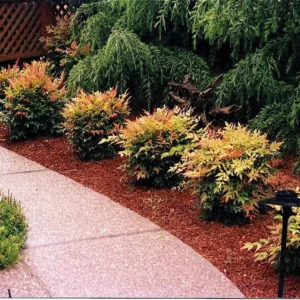
-20%
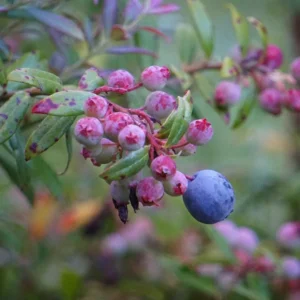
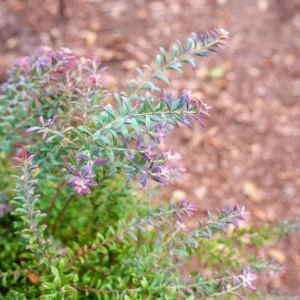
Original price was: $36.00.$28.80Current price is: $28.80.
-20%
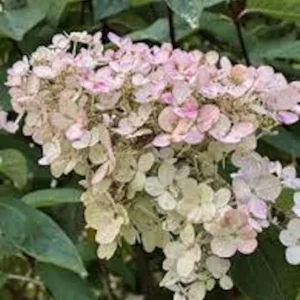
Original price was: $76.00.$60.80Current price is: $60.80.
PLANTING & CARE
Lemon Tree Growing: Choose, Plant, and Harvest
Learn how to choose, plant, feed, and protect a lemon tree so it fits your
23
Sep
Sep
Dwarf Meyer Lemon Tree Australia: Climate Guide
Learn where dwarf Meyer lemon trees grow, how much cold they tolerate, and whether Australia,
Where to Buy a Dwarf Meyer Lemon Tree: Buyer’s Guide
Find the right dwarf Meyer lemon tree online or locally, compare starter sizes and costs,
Dwarf Meyer Lemon Tree for Sale: Buying Guide
Compare Meyer lemon tree sizes, prices, shipping limits, indoor growing and California options before you
Dwarf Meyer Lemon Tree Guide: Size, Care and Fruit
META: Learn how large a dwarf Meyer lemon tree grows, where it thrives, and how
How to Prune a Dwarf Meyer Lemon Tree
Learn when and how to prune a dwarf Meyer lemon tree, including tools, shaping cuts,
Can You Grow a Dwarf Meyer Lemon Tree in a Pot?
META: Learn how to grow a dwarf Meyer lemon tree in a pot, including container
When Do Dwarf Meyer Lemon Trees Bloom and Fruit?
META: Dwarf Meyer lemon trees usually bloom from winter through spring and may flower again