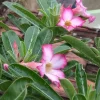
Desert Rose Live Plant, Yellow & Red Grafted, 10in to 2ft Tall, 1 Gallon Pot
-50%
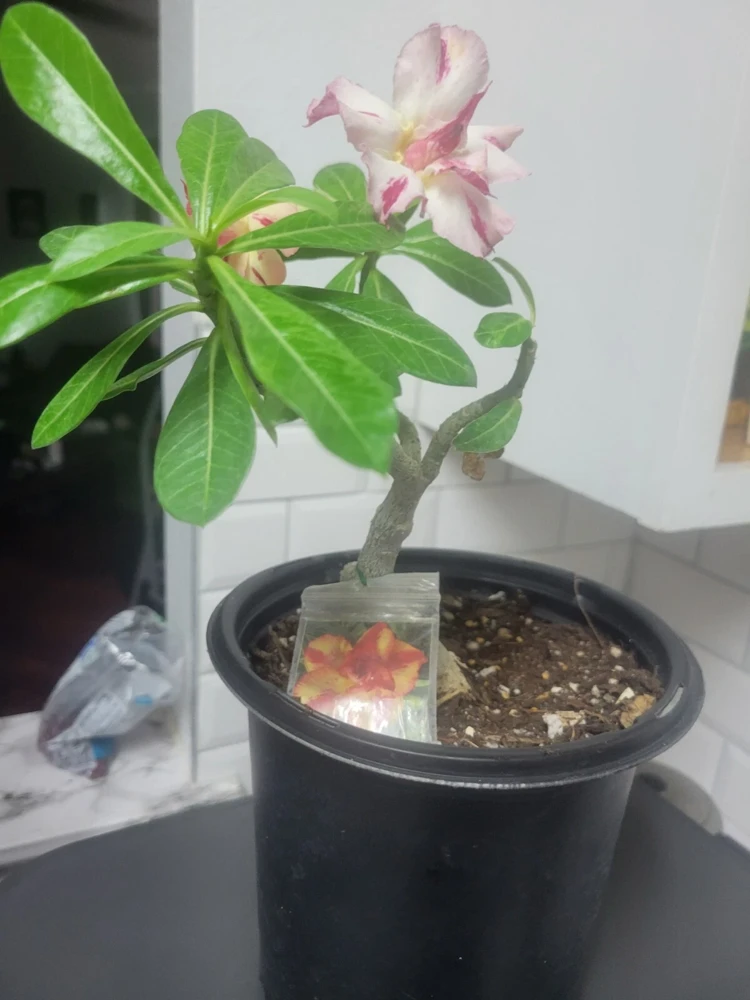
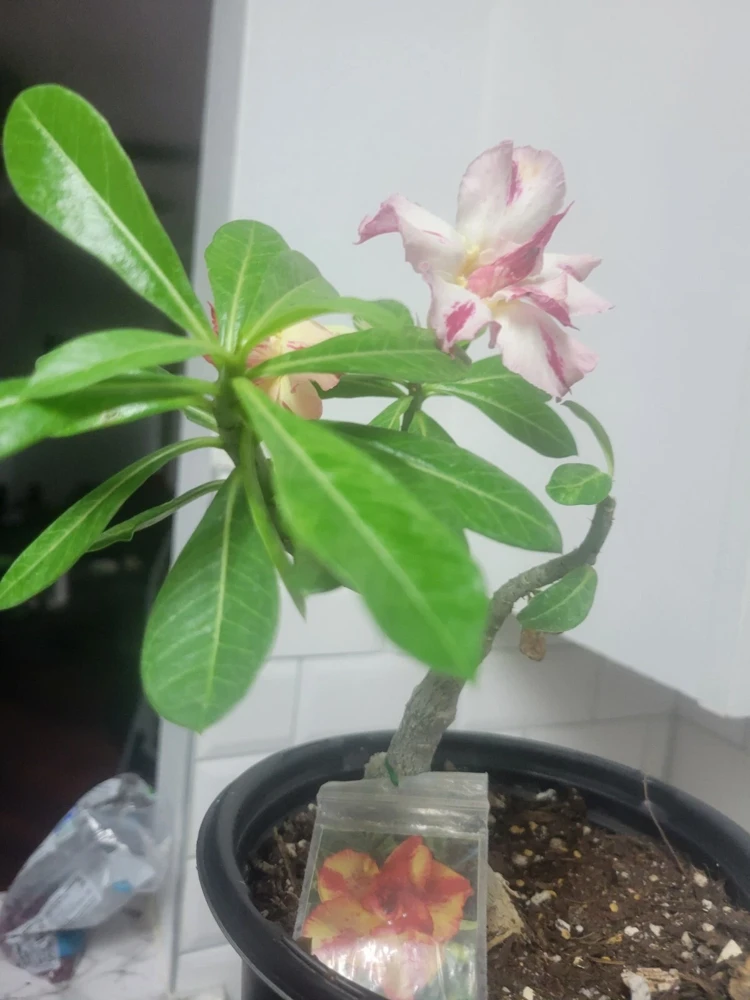
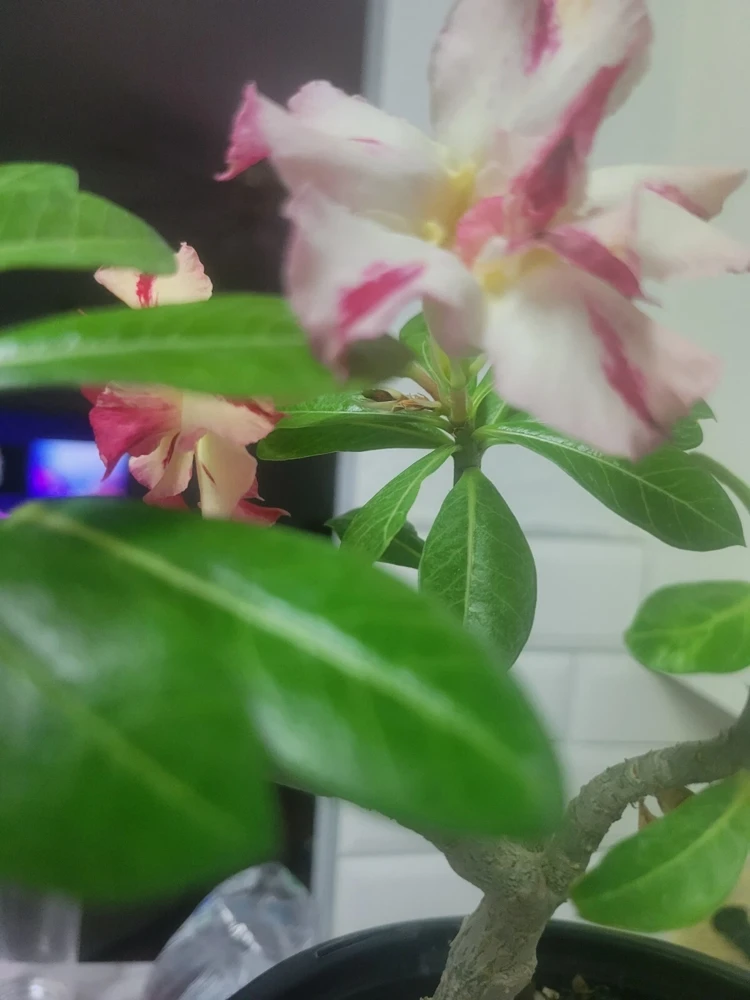
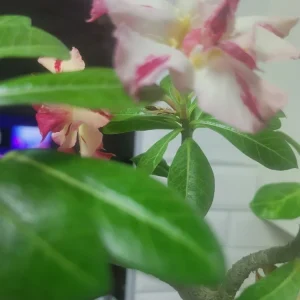
Desert Rose Live Plant, Yellow & Red Grafted, 10in to 2ft Tall, 1 Gallon Pot
Bring exotic beauty to your home with this vibrant desert rose live plant, featuring stunning yellow and red grafted blooms. A unique succulent, it’s perfect for sunny indoor spots or outdoor gardens in warmer climates. Known for its striking caudex and low-maintenance requirements, this adenium obesum grafted plant is a captivating addition to any collection.
Original price was: $180.00.$90.00Current price is: $90.00.

With our Alive & Thrive Guarantee, we’ve got your back for the first 30 days! If you have any concerns about your plants, just reach out to us. Our team is here to help answer your questions and guide you in selecting the best plants for your garden, climate, and unique preferences. We're excited to help you create the garden of your dreams!
Estimated arrival
Oct 08
Oct 13 - Oct 15
Oct 18 - Oct 22
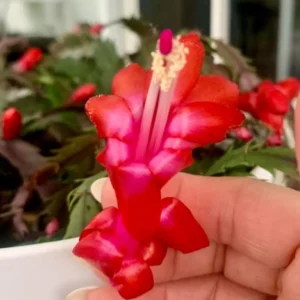
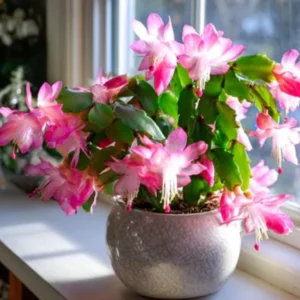
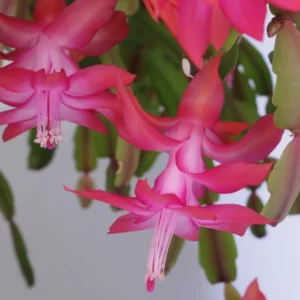
Product Details
-
USDA Hardiness Zone
USDA zones 10-11 (outdoors); suitable for all zones indoors -
Soil type
Well-draining succulent or cactus mix -
Sunlight Exposure
Full sun (at least 6 hours direct sunlight daily) -
Expected Planting Period
Year-round indoors; Spring to early summer outdoors
Overview
Introduce a touch of the exotic to your plant collection with our exquisite desert rose live plant. This particular variety is a remarkable specimen of Adenium obesum, renowned for its striking, swollen base (caudex) and spectacular, trumpet-shaped flowers. What makes this plant truly special is its vibrant yellow and red grafted blooms, creating a unique and eye-catching display. Originating from arid regions, the desert rose live plant is a succulent that thrives in warm, sunny conditions, making it an ideal choice for both indoor cultivation in cooler climates and outdoor landscaping in tropical and subtropical zones. Its resilience and unique appearance have made it a favorite among plant enthusiasts and collectors looking for something out of the ordinary. This plant typically arrives between 10 inches and 2 feet tall, ready to flourish in its new home.
The adenium obesum grafted plant is a living piece of art, combining the robustness of the rootstock with the desired floral characteristics of the scion. This grafting technique ensures you receive a plant with specific, vibrant flower colors like the beautiful yellow and red combination, which might not be consistently achieved from seed. Its common name, Desert Rose, perfectly encapsulates its ability to bloom beautifully even in harsh, dry environments, much like a rose in the desert. Despite its exotic appearance, caring for this plant is surprisingly straightforward, making it accessible to gardeners of varying experience levels. Add this magnificent specimen to your home or garden and enjoy its year-round appeal.
Key Benefits
Owning a desert rose live plant offers a multitude of benefits, from its aesthetic appeal to its ease of care. This unique succulent is more than just a pretty face; it’s a resilient and rewarding addition to any plant enthusiast’s collection.
- Stunning Floral Display: The primary benefit is undoubtedly the breathtaking yellow and red grafted flowers. These vibrant, trumpet-shaped blooms appear frequently throughout the warmer months, providing a continuous splash of color that brightens any space. The unique bicolor grafting ensures a consistent and spectacular show.
- Unique Caudex Formation: The distinctive, swollen trunk (caudex) of the adenium obesum grafted plant is a natural sculptural element. Over time, it develops fascinating shapes and sizes, adding significant character and visual interest, making each plant a unique living sculpture.
- Drought-Tolerant Nature: As a true succulent, the Desert Rose is incredibly forgiving when it comes to watering. It stores water in its caudex, making it highly drought-tolerant and an excellent choice for those seeking a low-maintenance plant or living in drier climates.
- Versatile Placement: This plant adapts well to various settings. It can be a stunning focal point on a sunny windowsill or patio, or a vibrant addition to an outdoor rock garden or xeriscape in appropriate USDA zones. Its compact size when young also makes it suitable for container gardening.
- Long Lifespan: With proper care, a desert rose live plant can live for many years, becoming a cherished part of your home or garden. Its longevity means you’ll enjoy its beauty and unique form for a considerable amount of time.
- Conversation Starter: The unusual form and spectacular blooms of the yellow red desert rose are sure to attract attention and admiration from guests, making it a fantastic conversation starter.
- Air Purification: Like many plants, the Desert Rose contributes to a healthier indoor environment by absorbing carbon dioxide and releasing oxygen, subtly improving air quality in your home.
Plant Care & Growing Tips
Caring for your desert rose live plant is relatively straightforward, but understanding its specific needs will ensure it thrives and produces abundant, beautiful blooms. These plants prefer conditions that mimic their native arid environments.
Sunlight Requirements: The Desert Rose is a sun-loving plant. It requires at least 6 hours of direct sunlight daily to flower profusely and maintain a compact, healthy growth habit. When grown indoors, place it in your brightest window, preferably a south-facing one. If outdoor temperatures permit, moving it outdoors during summer will greatly benefit its growth and flowering. Insufficient light can lead to leggy growth and sparse blooming. For the best growth, ensure your desert rose indoor plant receives ample light throughout the day.
Watering Schedule and Soil Moisture: As a succulent, the Desert Rose is susceptible to root rot if overwatered. The key is to allow the soil to dry out completely between waterings. During its active growing season (spring and summer), water thoroughly until water drains from the bottom of the pot. In fall and winter, when the plant enters dormancy, significantly reduce watering, sometimes to just once a month or even less, depending on ambient temperatures. Always check the soil moisture with your finger before watering. Good drainage is paramount for healthy desert rose care.
Soil Type and Drainage Requirements: A well-draining soil mix is crucial for the Desert Rose. A standard succulent or cactus potting mix is ideal. You can also create your own by mixing regular potting soil with perlite, coarse sand, or pumice in a 1:1:1 ratio. This ensures excellent drainage and prevents waterlogging, which is detrimental to the plant’s health. The pot itself should have drainage holes to allow excess water to escape.
Temperature Range and USDA Hardiness Zone: Desert Roses thrive in warm conditions. They prefer temperatures between 65°F and 90°F (18°C-32°C). They are not frost-tolerant and should be protected from temperatures below 50°F (10°C). If you live in USDA Zones 10-11, you can grow them outdoors year-round. In colder zones, they must be brought indoors before the first frost. This is especially important for maintaining a healthy yellow red desert rose.
Fertilization Schedule and Type: Fertilize your Desert Rose during its active growing season (spring and summer) every 2-4 weeks. Use a balanced liquid fertilizer, or one slightly higher in phosphorus to encourage blooming, diluted to half strength. Avoid fertilizing during its dormant period in fall and winter. Over-fertilization can lead to salt buildup in the soil, which can harm the plant.
Common Problems and Solutions: The most common issue is overwatering, leading to root rot. Ensure proper drainage and allow soil to dry out. Pests like spider mites, mealybugs, and aphids can occasionally be a problem. Inspect your plant regularly and treat infestations with insecticidal soap or neem oil. Yellowing leaves can indicate either overwatering or nutrient deficiency, while stunted growth might point to insufficient light or nutrients. Proper desert rose care helps prevent these issues.
Size & Details
This desert rose live plant is a thriving specimen, typically arriving with a height ranging from 10 inches to 2 feet (approximately 25 cm to 60 cm) from the soil line to the top of the foliage. It is supplied in a 1-gallon nursery pot, providing ample space for its root system to establish and grow. The plant features a well-developed caudex, which will continue to thicken and become more prominent with age, adding to its unique aesthetic. The grafting technique ensures the vibrant yellow and red blooms are true to color and size, offering a consistent and beautiful display. Its growth rate is moderate, allowing you to observe its development over time without it quickly outgrowing its space. With proper care, it can eventually reach up to 3-6 feet in height and spread, though it can be kept smaller through pruning, making it a versatile desert rose indoor plant or outdoor specimen.
The plant is shipped as a live, established specimen, carefully packaged to ensure its safe arrival. It is ready to be transplanted into a decorative pot or integrated into your garden landscape upon arrival. Expect the first blooms to appear during the warmer months, typically from late spring through fall, given adequate sunlight and water. This particular adenium obesum grafted variety is selected for its robust health and striking bicolor flowers, promising a rewarding gardening experience. The 1-gallon pot size makes it a substantial starter plant, offering a good balance between maturity and ease of handling for shipping and initial planting.
Frequently Asked Questions
- Q: How big does this plant get? A: This desert rose live plant typically arrives between 10 inches and 2 feet tall. With optimal conditions and time, it can eventually grow 3-6 feet tall and wide, though its size can be managed through regular pruning.
- Q: What size pot does it come in? A: The plant is shipped in a 1-gallon nursery pot, providing a good base for its initial growth and establishment. You can repot it into a slightly larger decorative pot upon arrival.
- Q: Is this an indoor or outdoor plant? A: It can be both! It thrives outdoors in USDA Zones 10-11. In colder climates, it is best grown as a desert rose indoor plant, especially during cooler months, and can be moved outdoors in summer.
- Q: How much sunlight does it need? A: The Desert Rose requires at least 6 hours of direct sunlight daily to bloom profusely. Indoors, place it in your brightest, sunniest window, ideally south-facing.
- Q: Is this plant easy to care for? A: Yes, it is considered relatively easy to care for, especially for those who tend to underwater. Its drought-tolerant nature makes desert rose care manageable, but it does require consistent sunlight.
- Q: What condition will it arrive in? A: Your yellow red desert rose will arrive as a live, healthy, established plant in its nursery pot, carefully packaged to minimize stress during transit. Some slight leaf drop might occur due to shipping stress, but it will recover quickly.
- Q: Is it shipped in soil? A: Yes, the plant is shipped in its original 1-gallon nursery pot with a well-draining soil mix to ensure its health and stability during delivery.
- Q: How long until it blooms? A: Given adequate sunlight, warmth, and proper desert rose care, your plant should begin to bloom during the warmer months, typically from late spring through fall, often within the first growing season after arrival.
- Q: What’s the best time to plant or repot? A: The best time to plant or repot your Desert Rose is during its active growing season in spring or early summer, allowing it ample time to establish itself before cooler temperatures arrive.
- Q: Will it survive winter in my zone? A: If you are in USDA Zones 10-11, it can survive winter outdoors. In colder zones, it must be brought indoors once temperatures consistently drop below 50°F (10°C) to protect it from frost.
Related products
-30%
Original price was: $79.98.$55.98Current price is: $55.98.
-30%
Original price was: $47.98.$33.58Current price is: $33.58.
-97%
Original price was: $316.80.$9.92Current price is: $9.92.
-30%
Original price was: $79.98.$55.98Current price is: $55.98.
-30%
Original price was: $129.98.$90.98Current price is: $90.98.
-30%
Original price was: $85.98.$60.18Current price is: $60.18.
-30%
Original price was: $79.98.$55.98Current price is: $55.98.
PLANTING & CARE
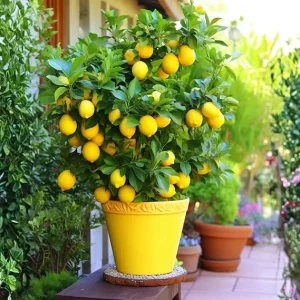
Lemon Tree Growing: Choose, Plant, and Harvest
Learn how to choose, plant, feed, and protect a lemon tree so it fits your
23
Sep
Sep
Dwarf Meyer Lemon Tree Australia: Climate Guide
Learn where dwarf Meyer lemon trees grow, how much cold they tolerate, and whether Australia,
Where to Buy a Dwarf Meyer Lemon Tree: Buyer’s Guide
Find the right dwarf Meyer lemon tree online or locally, compare starter sizes and costs,
Dwarf Meyer Lemon Tree for Sale: Buying Guide
Compare Meyer lemon tree sizes, prices, shipping limits, indoor growing and California options before you
Dwarf Meyer Lemon Tree Guide: Size, Care and Fruit
META: Learn how large a dwarf Meyer lemon tree grows, where it thrives, and how
How to Prune a Dwarf Meyer Lemon Tree
Learn when and how to prune a dwarf Meyer lemon tree, including tools, shaping cuts,
Can You Grow a Dwarf Meyer Lemon Tree in a Pot?
META: Learn how to grow a dwarf Meyer lemon tree in a pot, including container
When Do Dwarf Meyer Lemon Trees Bloom and Fruit?
META: Dwarf Meyer lemon trees usually bloom from winter through spring and may flower again