Dill Live Plant – 4 inch Pot – Fresh Culinary Herb
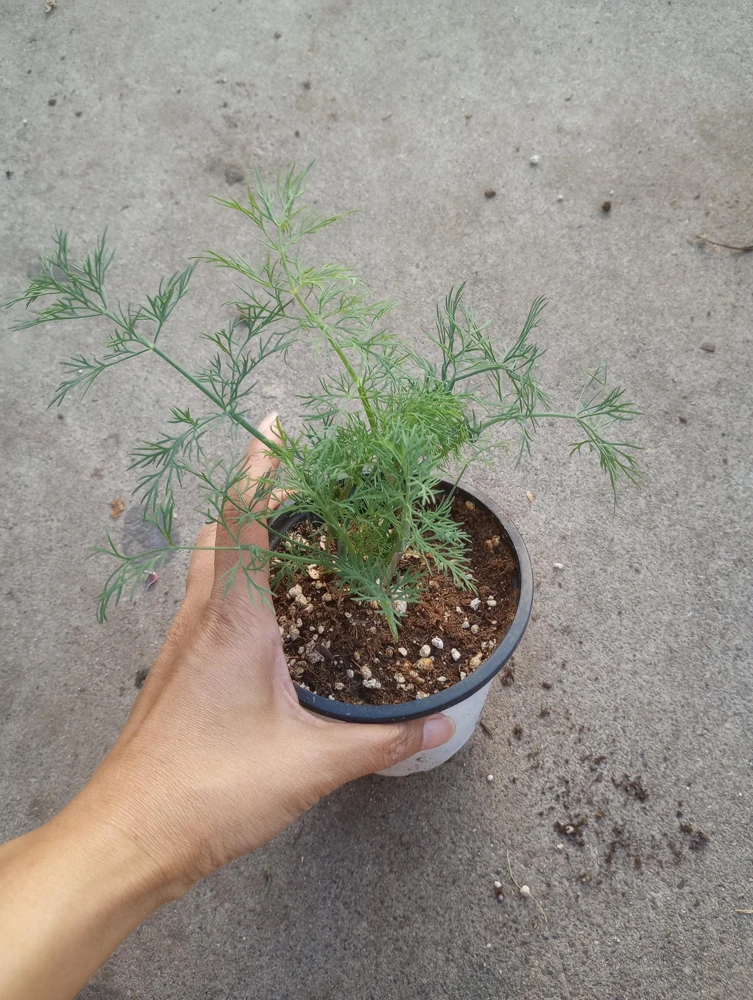
Dill Live Plant – 4 inch Pot – Fresh Culinary Herb
Bring the fresh, aromatic flavor of dill to your kitchen with this vibrant dill live plant. Perfect for culinary enthusiasts, this 4-inch potted herb is ready to enhance your dishes. Enjoy the ease of growing dill at home and adding fresh herbs to your meals.
$25.98

With our Alive & Thrive Guarantee, we’ve got your back for the first 30 days! If you have any concerns about your plants, just reach out to us. Our team is here to help answer your questions and guide you in selecting the best plants for your garden, climate, and unique preferences. We're excited to help you create the garden of your dreams!
Estimated arrival
Oct 08
Oct 13 - Oct 15
Oct 18 - Oct 22
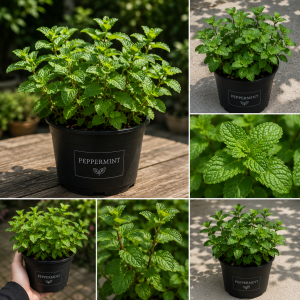
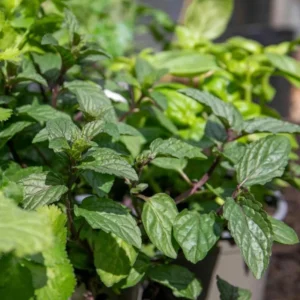
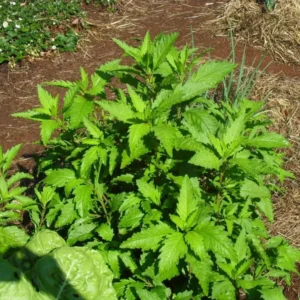
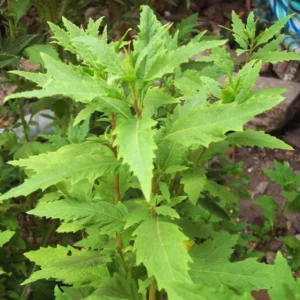
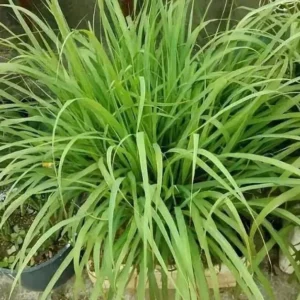
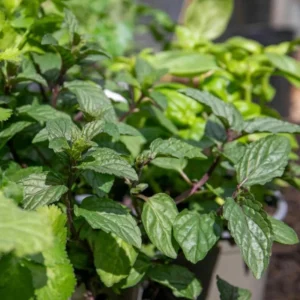
Product Details
-
USDA Hardiness Zone
USDA zones 3-9 (as an annual) -
Soil type
Well-draining, fertile loam -
Sunlight Exposure
Full sun -
Expected Planting Period
Spring to early summer outdoors, year-round indoors
Overview
Cultivate your own aromatic garden with our robust dill live plant. This vibrant herb, scientifically known as Anethum graveolens, is a beloved addition to any kitchen or garden space, offering both beauty and culinary versatility. Known for its feathery green leaves and distinctive flavor, dill is an essential herb for countless recipes, from pickling and seafood dishes to fresh salads and creamy sauces. Our dill live plant comes in a convenient 4-inch pot, making it easy to transplant into your garden, a larger container, or even keep on a sunny windowsill indoors. Experience the joy of harvesting your own fresh herbs, ensuring the highest quality and freshest taste for all your culinary creations. This plant is perfect for both novice and experienced gardeners looking to expand their herb collection.
The presence of a dill live plant in your home or garden means you always have access to fresh, flavorful leaves. Beyond its culinary uses, dill is also known for its delicate appearance and can attract beneficial insects to your garden. It’s a fast-growing annual herb that quickly provides a bountiful harvest. Whether you’re planning to make homemade pickles, season fish, or simply garnish a dish, this plant is an invaluable resource. Enjoy the simple pleasure and health benefits of fresh, homegrown dill.
Key Benefits
Our dill live plant offers a multitude of benefits, making it an excellent choice for any home gardener or culinary enthusiast. Its ease of care and versatile uses ensure it will quickly become a favorite in your herb collection.
- Fresh Culinary Delight: Enjoy the unparalleled taste and aroma of fresh dill directly from your garden or kitchen. Use it in salads, sauces, seafood, and, of course, pickling. Having a dill live plant means superior flavor compared to dried alternatives.
- Easy to Grow: Dill is a relatively low-maintenance herb, making it ideal for gardeners of all experience levels. It adapts well to various growing conditions and provides a consistent supply of fresh leaves.
- Compact Size: Supplied in a dill 4 inch pot, this plant is perfectly sized for immediate placement in a larger container, a garden bed, or even a sunny spot indoors. Its manageable size makes it suitable for small spaces.
- Attractive Foliage: The feathery, blue-green leaves of the dill plant add an elegant and airy texture to your herb garden or culinary display. It’s not just functional but also aesthetically pleasing.
- Health Benefits: Dill is known for its potential digestive benefits and is a good source of vitamins A and C, as well as minerals like manganese and iron. Incorporating fresh dill into your diet can contribute to overall wellness.
- Attracts Beneficial Insects: When allowed to flower, dill’s umbrella-shaped blooms can attract pollinators and beneficial insects like ladybugs and predatory wasps to your garden, aiding in natural pest control.
- Continuous Harvest: With proper care, you can enjoy a continuous harvest of fresh dill throughout its growing season. Regular snipping encourages new growth, ensuring a steady supply for your kitchen.
Plant Care & Growing Tips
Caring for your dill live plant is straightforward, ensuring a bountiful harvest of this popular herb. Understanding its basic needs will help you maintain a healthy and productive plant, whether you are growing dill at home indoors or outdoors. Dill prefers a location with ample sunlight, ideally receiving at least 6-8 hours of direct sun per day. If growing indoors, place it near a south-facing window or use a grow light to provide sufficient illumination. In hotter climates, some afternoon shade can prevent the plant from bolting too quickly.
When it comes to watering, dill prefers consistently moist but not waterlogged soil. Water thoroughly when the top inch of soil feels dry to the touch. Ensure good drainage to prevent root rot. For soil, a well-draining, fertile loam with a pH between 6.0 and 7.0 is ideal. Incorporating some organic matter into the soil before planting can improve fertility and drainage. Dill is an annual herb, meaning it completes its life cycle within one growing season. It thrives in cooler temperatures but can tolerate moderate heat. For optimal growth, maintain temperatures between 60-75°F (15-24°C). While dill is generally hardy, protecting it from extreme cold or heat will prolong its harvest.
Fertilization is typically not heavily required for dill in rich soil. However, if your soil is poor or you notice slow growth, a balanced liquid fertilizer applied every 4-6 weeks at half strength can be beneficial. Avoid over-fertilizing, especially with nitrogen, as this can lead to lush foliage but fewer seeds. Common problems include aphid infestations, which can be managed with insecticidal soap or by introducing beneficial insects. Slugs and snails can also be an issue; hand-picking or organic slug baits can help. Regular harvesting of the outer leaves will encourage the plant to produce more foliage and delay flowering, ensuring a longer period for enjoying fresh dill. Proper dill plant care ensures a continuous supply of this delicious herb.
Size & Details
This dill live plant arrives ready to thrive, housed in a practical 4-inch nursery pot. At this stage, the plant typically stands approximately 6-8 inches tall, with a compact growth habit that makes it easy to handle and transplant. Dill is a relatively fast-growing annual herb, and with proper care, it can reach a mature height of 18-36 inches (45-90 cm) when planted in the ground or a larger container. Its feathery foliage will spread to about 12-18 inches wide, creating a lush, green presence. The plant is shipped as a healthy, established seedling, providing you with a head start on your herb garden. You can expect to begin harvesting fresh leaves within a few weeks of receiving and planting your dill live plant. While individual growth rates vary based on environmental conditions, dill generally offers a quick turnaround from planting to harvest, making it a rewarding plant for immediate culinary use.
Frequently Asked Questions
- Q: How big does this dill plant get? A: This dill live plant comes in a 4-inch pot and is typically 6-8 inches tall upon arrival. When mature, it can reach a height of 18-36 inches (45-90 cm) and spread 12-18 inches wide, depending on growing conditions and whether it’s planted in the ground or a larger pot.
- Q: Is this an indoor or outdoor plant? A: Dill can be grown successfully both indoors and outdoors. Outdoors, it thrives in full sun. Indoors, it requires a sunny window with at least 6-8 hours of direct light, or supplemental grow lighting, for optimal growth and flavor.
- Q: How much sunlight does it need? A: For best results, your dill live plant needs at least 6-8 hours of direct sunlight per day. If grown indoors, a south-facing window is ideal. Insufficient light can lead to leggy growth and reduced flavor.
- Q: Is this plant easy to care for? A: Yes, dill is considered an easy-to-care-for herb, making it suitable for beginner gardeners. Basic dill plant care involves providing adequate sunlight, well-draining soil, and consistent moisture.
- Q: What condition will it arrive in? A: Your dill live plant will arrive as a healthy, established plant in its 4-inch nursery pot, carefully packaged to ensure its safe journey. It will be ready for immediate transplanting or placement.
- Q: Can I use this fresh dill in cooking? A: Absolutely! This fresh dill herb is perfect for all your culinary needs. Snip the feathery leaves to add to salads, fish, potatoes, sauces, and, of course, for pickling.
- Q: When is the best time to plant dill? A: Outdoors, dill is best planted in spring after the last frost. Indoors, you can plant or transplant your dill live plant year-round, as long as it receives sufficient light and warmth.
- Q: What kind of soil does dill prefer? A: Dill thrives in well-draining, fertile soil with a slightly acidic to neutral pH (6.0-7.0). A good quality potting mix enriched with organic matter is recommended for container growing.
- Q: Is dill pet-safe? A: While dill is generally considered non-toxic to most pets in small quantities, large amounts can potentially cause mild digestive upset. It’s always best to consult with your veterinarian regarding specific concerns about your pets.
- Q: How often should I water my dill plant? A: Water your dill plant when the top inch of soil feels dry to the touch. Ensure the soil remains consistently moist but never waterlogged to prevent root rot.
Related products
-10%
Original price was: $75.00.$67.50Current price is: $67.50.
-50%
Original price was: $47.96.$23.98Current price is: $23.98.
-50%
Original price was: $53.98.$26.99Current price is: $26.99.
-30%
Original price was: $59.98.$41.98Current price is: $41.98.
-48%
Original price was: $39.99.$20.99Current price is: $20.99.
-30%
Original price was: $59.98.$41.98Current price is: $41.98.
-49%
Original price was: $60.99.$30.99Current price is: $30.99.
PLANTING & CARE
Lemon Tree Growing: Choose, Plant, and Harvest
Learn how to choose, plant, feed, and protect a lemon tree so it fits your
23
Sep
Sep
Dwarf Meyer Lemon Tree Australia: Climate Guide
Learn where dwarf Meyer lemon trees grow, how much cold they tolerate, and whether Australia,
Where to Buy a Dwarf Meyer Lemon Tree: Buyer’s Guide
Find the right dwarf Meyer lemon tree online or locally, compare starter sizes and costs,
Dwarf Meyer Lemon Tree for Sale: Buying Guide
Compare Meyer lemon tree sizes, prices, shipping limits, indoor growing and California options before you
Dwarf Meyer Lemon Tree Guide: Size, Care and Fruit
META: Learn how large a dwarf Meyer lemon tree grows, where it thrives, and how
How to Prune a Dwarf Meyer Lemon Tree
Learn when and how to prune a dwarf Meyer lemon tree, including tools, shaping cuts,
Can You Grow a Dwarf Meyer Lemon Tree in a Pot?
META: Learn how to grow a dwarf Meyer lemon tree in a pot, including container
When Do Dwarf Meyer Lemon Trees Bloom and Fruit?
META: Dwarf Meyer lemon trees usually bloom from winter through spring and may flower again