Dinteranthus Wilmotianus Live Plant – Living Stone Succulent in 2” Pot
-35%
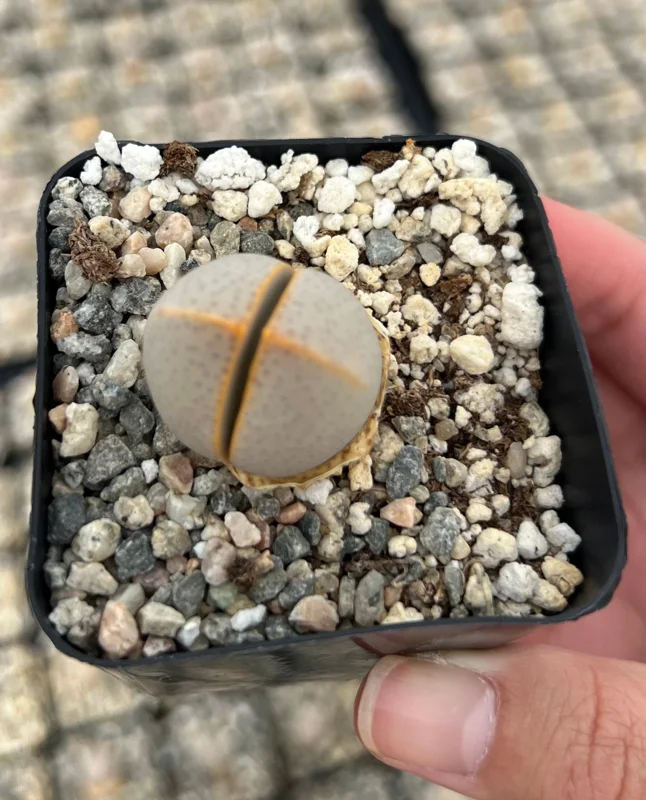
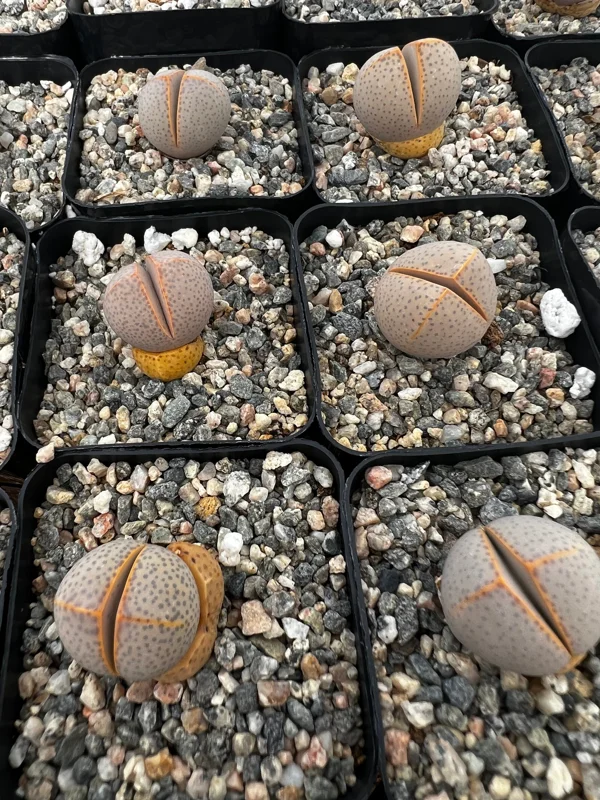
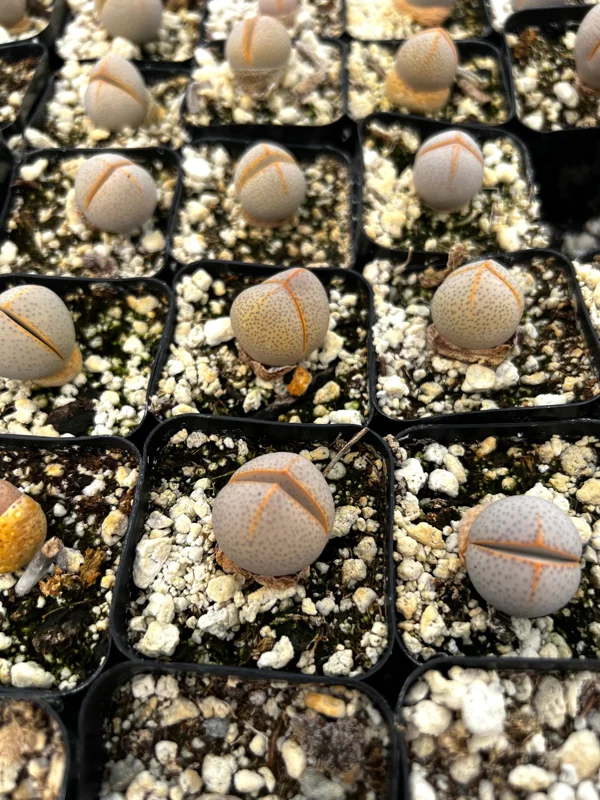
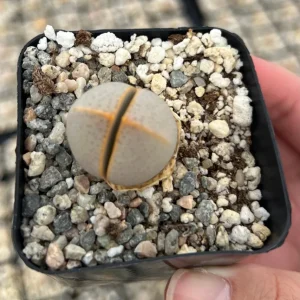
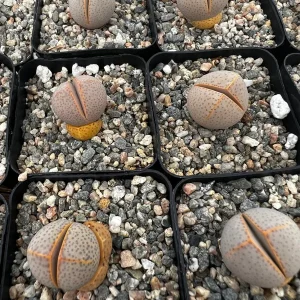
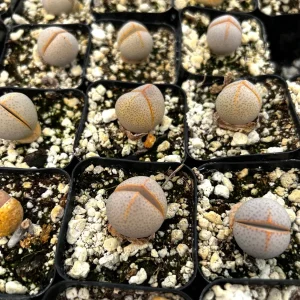
Dinteranthus Wilmotianus Live Plant – Living Stone Succulent in 2” Pot
Introduce a touch of the extraordinary to your collection with the Dinteranthus Wilmotianus live plant. This fascinating living stone succulent, often called a pebble plant, is renowned for its unique appearance, blending seamlessly with rocky environments. Perfect for indoor display, this rare succulent plant comes in a 2” pot, offering low maintenance and remarkable visual interest.
Original price was: $42.99.$27.99Current price is: $27.99.

With our Alive & Thrive Guarantee, we’ve got your back for the first 30 days! If you have any concerns about your plants, just reach out to us. Our team is here to help answer your questions and guide you in selecting the best plants for your garden, climate, and unique preferences. We're excited to help you create the garden of your dreams!
Estimated arrival
Oct 14
Oct 19 - Oct 21
Oct 24 - Oct 28
Product Details
-
USDA Hardiness Zone
USDA zones 9-11 (outdoors) or indoors -
Soil type
Well-draining succulent/cactus potting mix -
Sunlight Exposure
Bright, direct sunlight (4-6 hours daily) -
Expected Planting Period
Year-round indoors
Overview
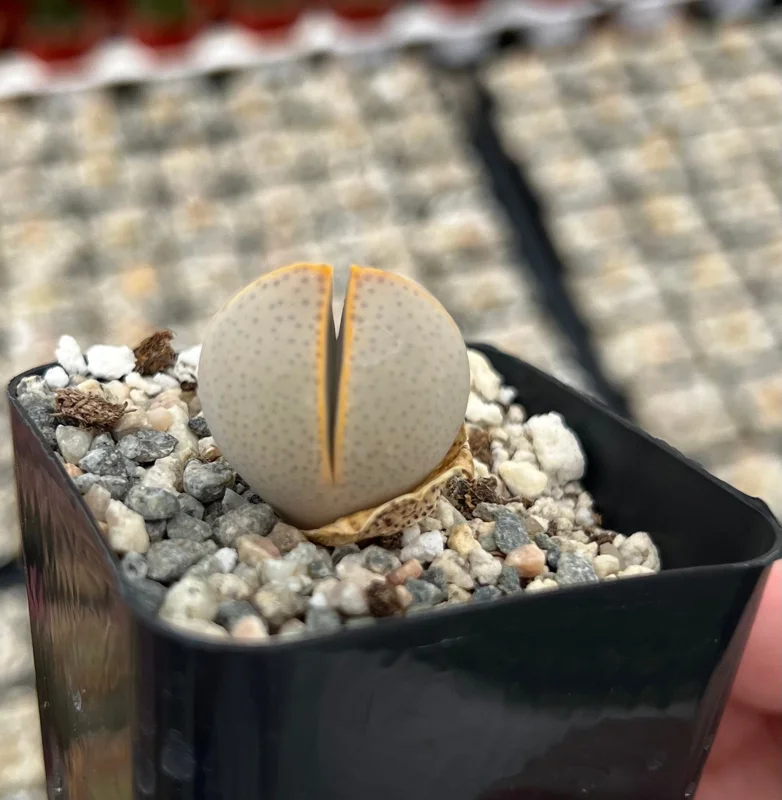
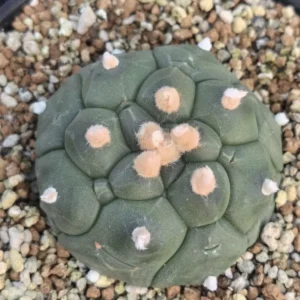
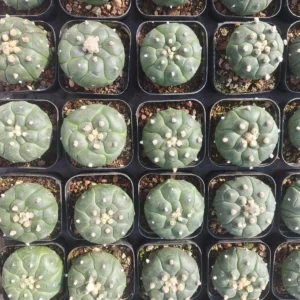
Introduce a touch of the extraordinary to your plant collection with the Dinteranthus Wilmotianus live plant. This fascinating succulent, often referred to as a “living stone” or “pebble plant,” is renowned for its remarkable ability to blend seamlessly with its rocky environment. Hailing from southern Africa, Dinteranthus wilmotianus is a small, slow-growing species belonging to the Aizoaceae family. Its unique appearance, with fused, flattened leaves resembling stones, makes it a highly sought-after specimen for succulent collectors and enthusiasts seeking a truly distinctive plant. This particular offering provides a healthy, thriving specimen in a 2” pot, ready to be admired and cared for in its new home. Its compact size and intriguing form make it an excellent choice for windowsills, desks, or specialized succulent arrangements. The charm of the Dinteranthus Wilmotianus live plant lies in its natural camouflage and minimalist beauty. Each plant forms small clumps of two to four individual bodies, typically measuring 2-3 cm in diameter. The leaves exhibit grey-green or brownish hues, adorned with intricate patterns that mimic the texture of rocks. While primarily grown for its unique foliage, this succulent also produces small, daisy-like flowers that can range from white to pinkish-purple, adding another layer of interest to its cultivation. Its robust nature, adapted to arid conditions, makes it a relatively low-maintenance option for those who appreciate unusual botanical forms.
Key Benefits
The Dinteranthus Wilmotianus live plant offers a multitude of benefits, making it an excellent addition to any indoor garden or succulent collection. Its unique characteristics provide both aesthetic appeal and ease of care, perfect for those interested in a living stone succulent.
- Unique Aesthetic Appeal: This plant’s striking resemblance to pebbles and stones makes it a captivating conversational piece. Its natural camouflage is truly one-of-a-kind, adding an exotic and artistic element to any space. This distinctive appearance is a hallmark of the Dinteranthus Wilmotianus live plant.
- Low Maintenance: Adapted to harsh desert environments, the Dinteranthus Wilmotianus live plant requires minimal watering and thrives on neglect, making it perfect for busy individuals or beginner plant parents. Understanding proper Dinteranthus care is key to its success.
- Drought Tolerant: As a succulent, it stores water in its leaves, allowing it to withstand long periods without water, reducing the frequency of care needed. This makes it an ideal choice for water-wise gardening.
- Compact Size: Its small stature (2-3 cm bodies) makes it an ideal choice for small spaces, terrariums, rock gardens, or as part of a larger succulent display without taking up much room. This compact nature contributes to its appeal as a pebble plant care specimen.
- Collector’s Item: Due to its unique appearance and specific care requirements, this rare succulent plant is often considered a prized possession among succulent collectors, adding prestige to any collection.
- Visual Interest: The intricate patterns and subtle color variations on its leaves provide continuous visual interest, inviting closer inspection and appreciation.
- Suitable for Arid Climates: For those in drier regions, this plant is perfectly suited to thrive and can be grown outdoors in appropriate zones, though it is primarily an indoor favorite.
Plant Care & Growing Tips
Caring for your Dinteranthus Wilmotianus live plant is straightforward, provided you understand its specific needs as a succulent. The key to its health and longevity lies in mimicking its natural arid habitat. Adequate sunlight, infrequent watering, and well-draining soil are paramount for this unique living stone succulent to flourish. Avoid overwatering at all costs, as this is the most common cause of succulent failure. Proper Dinteranthus care emphasizes mimicking its natural environment.
Sunlight Requirements: Dinteranthus wilmotianus thrives in bright, direct sunlight. Place your plant in a south-facing window where it can receive at least 4-6 hours of direct sun per day. If grown outdoors, ensure it gets full sun exposure. In extremely hot climates, some afternoon shade might be beneficial to prevent scorching, but generally, the more light, the better. Insufficient light can lead to etiolation (stretching) and a loss of its compact, pebble-like form.
Watering Schedule & Soil Moisture: This succulent is extremely sensitive to overwatering. Water only when the soil is completely dry, typically every 2-4 weeks during its active growing season (late spring through fall). During its dormant period in winter, watering should be significantly reduced or stopped entirely. When watering, soak the soil thoroughly until water drains from the bottom, then allow it to dry out completely before the next watering. The leaves of the Dinteranthus Wilmotianus live plant will often show slight wrinkling when they need water, serving as a visual cue. This careful approach is essential for successful pebble plant care.
Soil Type & Drainage: A crucial aspect of Dinteranthus care is providing excellent drainage. Use a specialized succulent and cactus potting mix, or create your own by mixing equal parts potting soil, perlite, and coarse sand. The soil should be gritty and porous, allowing water to pass through quickly without retaining excess moisture. A pot with a drainage hole is essential to prevent root rot.
Temperature Range & USDA Hardiness Zone: Dinteranthus wilmotianus prefers warm temperatures between 65-80°F (18-27°C) during its active growth. It can tolerate cooler temperatures down to 40°F (4°C) but should be protected from frost. It is generally suitable for USDA hardiness zones 9-11 if grown outdoors, but it is primarily cultivated as an indoor plant in most regions. Ensure good air circulation to prevent fungal issues.
Fertilization: Fertilize sparingly, if at all. If you choose to fertilize, use a diluted, low-nitrogen succulent fertilizer once or twice during the growing season (spring and summer). Over-fertilization can lead to leggy growth and damage to the plant. Focus on providing the right light and water conditions, which are far more important for this living stone succulent.
Size & Details
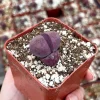
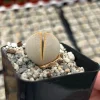
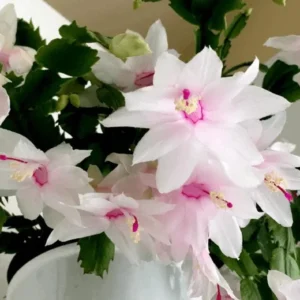
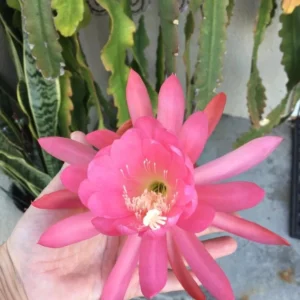
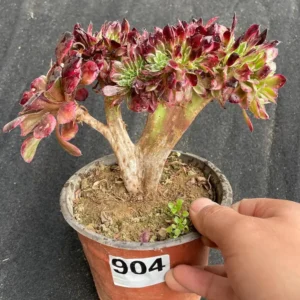
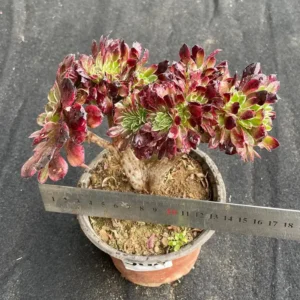
This offering is for one healthy Dinteranthus Wilmotianus live plant, typically shipped in a 2” pot. Each plant will be similar in size and vigor to the one pictured, ensuring you receive a robust specimen. The individual “bodies” or leaf pairs of the Dinteranthus wilmotianus usually measure between 2-3 cm (approximately 0.8-1.2 inches) in diameter. These plants are slow-growing, taking several years to reach their full mature size, which typically involves forming small clusters of these pebble-like structures. They are shipped as established, potted plants, providing a strong start for your collection. The plant’s compact nature makes it an excellent candidate for small decorative pots or integrated into larger succulent landscapes.
The plant’s unique coloration, ranging from grey-green to brownish with distinctive patterns, contributes to its “living stone” moniker. While flowers are not guaranteed at the time of purchase, mature plants typically produce small, daisy-like blooms from white to pinkish-purple, usually in the fall. This rare succulent plant is a long-lived species when provided with proper care, offering years of enjoyment with its peculiar charm. Its manageable size also makes it ideal for shipping and easy integration into your existing plant setup.
Frequently Asked Questions
- Q: How big does this Dinteranthus Wilmotianus live plant get? A: Each individual “body” or leaf pair of the Dinteranthus Wilmotianus live plant typically grows to about 2-3 cm (0.8-1.2 inches) in diameter. Over time, the plant will form small clumps of these bodies but remains quite compact, making it a small and manageable succulent.
- Q: What size pot does it come in? A: The Dinteranthus Wilmotianus live plant is shipped in a 2” pot, providing a healthy start for your new succulent. You can choose to keep it in this pot for some time or transplant it to a slightly larger, well-draining container.
- Q: Is this an indoor or outdoor plant? A: While it can be grown outdoors in USDA zones 9-11, the Dinteranthus Wilmotianus live plant is primarily cultivated as an indoor plant in most regions, especially where frost occurs. It thrives indoors with sufficient light, making it a perfect living stone succulent for your home.
- Q: How much sunlight does it need? A: This living stone succulent requires abundant bright, direct sunlight. A south-facing window is ideal, providing at least 4-6 hours of direct sun daily. Insufficient light can cause it to stretch and lose its characteristic compact shape.
- Q: Is this plant easy to care for? Is it good for beginners? A: While Dinteranthus care is not difficult, it is specific. It is excellent for beginners who are diligent about not overwatering. Its main requirement is bright light and very infrequent watering, making it relatively low maintenance once you understand its needs. This makes it a rewarding rare succulent plant for new enthusiasts.
- Q: What condition will it arrive in? Is it shipped in soil? A: Your Dinteranthus Wilmotianus live plant will arrive as an established, live plant, carefully packaged in its 2” pot with soil. We take great care to ensure it reaches you in excellent condition, ready to thrive in its new home.
- Q: When is the best time to water this pebble plant? A: The best time to water your pebble plant is when the soil is completely dry to the touch, and the plant’s leaves show slight signs of wrinkling or softening. This typically happens every 2-4 weeks during the growing season, much less frequently in winter. This is a crucial aspect of pebble plant care.
- Q: What type of soil is best for Dinteranthus care? A: For optimal Dinteranthus care, use a very well-draining soil mix, such as a specialized succulent and cactus blend. Adding extra perlite or coarse sand can further improve drainage, which is crucial for preventing root rot.
- Q: Will it survive winter in my zone? A: If you live outside of USDA zones 9-11, it is highly recommended to bring your Dinteranthus Wilmotianus live plant indoors for the winter. It is sensitive to frost and prolonged cold temperatures.
- Q: What makes it a “living stone”? A: It’s called a “living stone” because its leaves are fused and flattened, resembling small, grey-green or brownish pebbles and rocks, allowing it to camouflage perfectly with its natural arid habitat. This unique feature makes it a truly special living stone succulent.
Related products
-30%
Original price was: $129.98.$90.98Current price is: $90.98.
-30%
Original price was: $47.98.$33.58Current price is: $33.58.
-30%
Original price was: $79.98.$55.98Current price is: $55.98.
-30%
Original price was: $85.98.$60.18Current price is: $60.18.
-30%
Original price was: $47.98.$33.58Current price is: $33.58.
-30%
Original price was: $47.98.$33.58Current price is: $33.58.
PLANTING & CARE
Lemon Tree Growing: Choose, Plant, and Harvest
Learn how to choose, plant, feed, and protect a lemon tree so it fits your
23
Sep
Sep
Dwarf Meyer Lemon Tree Australia: Climate Guide
Learn where dwarf Meyer lemon trees grow, how much cold they tolerate, and whether Australia,
Where to Buy a Dwarf Meyer Lemon Tree: Buyer’s Guide
Find the right dwarf Meyer lemon tree online or locally, compare starter sizes and costs,
Dwarf Meyer Lemon Tree for Sale: Buying Guide
Compare Meyer lemon tree sizes, prices, shipping limits, indoor growing and California options before you
Dwarf Meyer Lemon Tree Guide: Size, Care and Fruit
META: Learn how large a dwarf Meyer lemon tree grows, where it thrives, and how
How to Prune a Dwarf Meyer Lemon Tree
Learn when and how to prune a dwarf Meyer lemon tree, including tools, shaping cuts,
Can You Grow a Dwarf Meyer Lemon Tree in a Pot?
META: Learn how to grow a dwarf Meyer lemon tree in a pot, including container
When Do Dwarf Meyer Lemon Trees Bloom and Fruit?
META: Dwarf Meyer lemon trees usually bloom from winter through spring and may flower again