Double Purple Rose of Sharon Live Plant – 2 Bareroot Starters – Outdoor Shrub
-32%
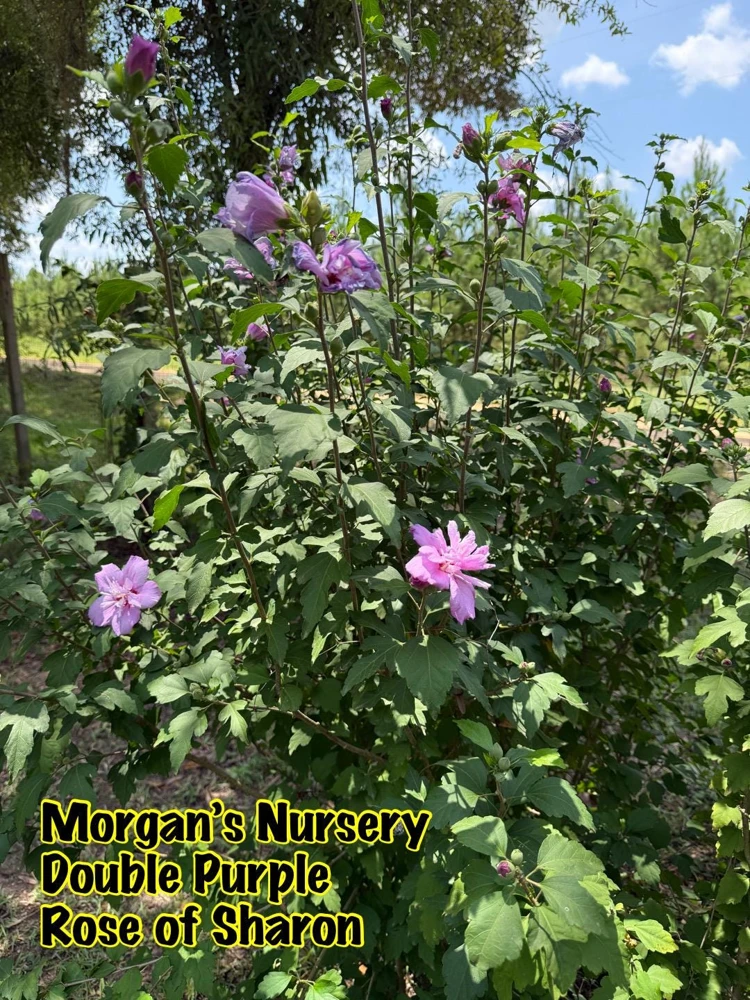
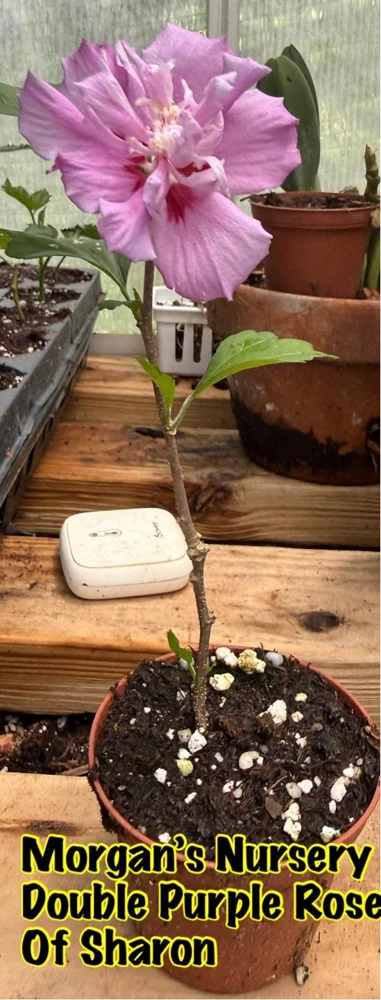
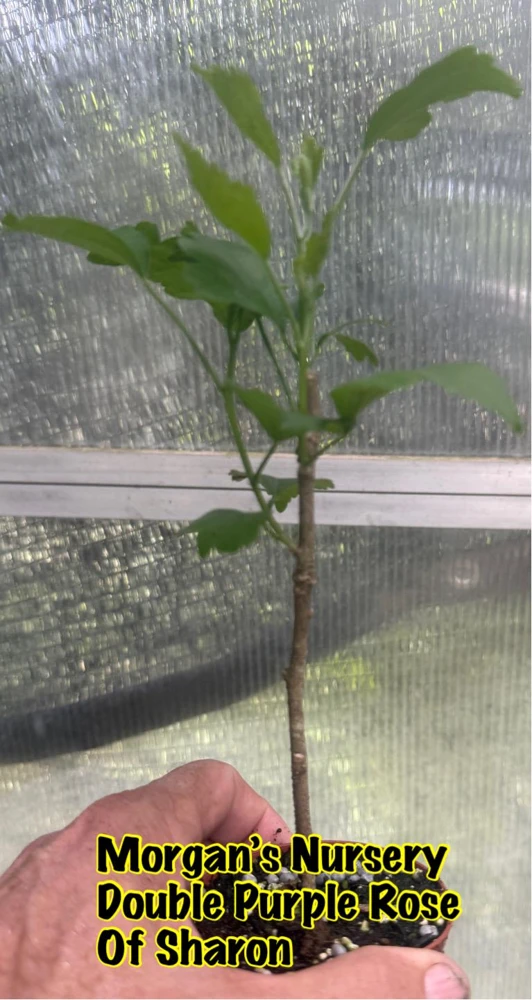
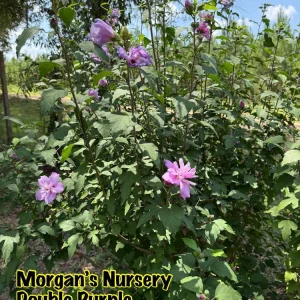
Double Purple Rose of Sharon Live Plant – 2 Bareroot Starters – Outdoor Shrub
Add vibrant color to your landscape with this double purple Rose of Sharon. You will receive 2 well-rooted bareroot plants, perfect for creating a beautiful hedge or small tree. Known for being a hardy Rose of Sharon, it thrives in zones 5-9 and is a fast growing Rose of Sharon.
Original price was: $34.90.$23.90Current price is: $23.90.

With our Alive & Thrive Guarantee, we’ve got your back for the first 30 days! If you have any concerns about your plants, just reach out to us. Our team is here to help answer your questions and guide you in selecting the best plants for your garden, climate, and unique preferences. We're excited to help you create the garden of your dreams!
Estimated arrival
Oct 14
Oct 19 - Oct 21
Oct 24 - Oct 28


Product Details
-
USDA Hardiness Zone
5-9 -
Soil type
Well-draining, loamy soil -
Sunlight Exposure
Full sun to partial shade -
Expected Planting Period
Early spring or fall
Overview
Transform your garden with the captivating beauty of the double purple Rose of Sharon. This offering includes two healthy, well-rooted bareroot plants, ready to establish themselves in your landscape. The Rose of Sharon, also known by its botanical name Hibiscus syriacus, is a beloved deciduous shrub renowned for its showy, trumpet-shaped flowers. The ‘Double Purple’ variety stands out with its rich, deep purple blooms, often displaying a mix of single and double petals, adding an intriguing texture to its appearance. These plants are a fantastic choice for gardeners looking for a vibrant, low-maintenance addition that provides consistent color throughout the summer months. As a double purple Rose of Sharon, it promises a spectacular display that will become a focal point in any garden.
Originating from Asia, the Rose of Sharon has been cultivated for centuries and is cherished for its resilience and prolific flowering. It’s an excellent specimen for a variety of garden designs, from formal hedges to informal cottage gardens. These two bareroot starters are an economical and effective way to introduce this stunning shrub into your yard. With proper care, they will quickly grow into mature plants, offering years of enjoyment. The versatility and beauty of the double purple Rose of Sharon make it a highly sought-after plant for both novice and experienced gardeners alike.
Key Benefits
The double purple Rose of Sharon offers numerous advantages for any landscape, making it a popular choice for its aesthetic appeal and ease of care. These benefits contribute to a more vibrant and enjoyable outdoor space.
- Stunning Floral Display: Enjoy an abundance of rich, double purple flowers from summer into fall, providing continuous color when many other plants are fading. The unique double petals add depth and visual interest to your garden.
- Hardy and Adaptable: These plants are incredibly resilient, thriving in USDA Zones 5-9. This means they can withstand a wide range of climates, making them a reliable choice for many regions.
- Fast Growth Rate: Known as a fast growing Rose of Sharon, these plants quickly establish themselves and reach maturity, allowing you to enjoy their full beauty sooner. They can rapidly form a hedge or grow into an attractive small tree.
- Low Maintenance: Once established, the double purple Rose of Sharon requires minimal care. It’s drought-tolerant and generally resistant to pests and diseases, making it ideal for busy gardeners.
- Versatile Landscaping: Whether you want to create a dense hedge, a privacy screen, a standalone specimen tree, or add height to a mixed border, this shrub is highly adaptable to various landscaping needs.
- Attracts Pollinators: The vibrant blooms are a magnet for hummingbirds, butterflies, and other beneficial pollinators, bringing life and activity to your garden ecosystem.
- Deer Resistant: While no plant is entirely deer-proof, Rose of Sharon is generally considered resistant to deer browsing, a significant advantage for gardens in areas with deer populations.
Plant Care & Growing Tips
Caring for your double purple Rose of Sharon is relatively straightforward, ensuring a beautiful and thriving plant with consistent blooms. These shrubs are known for their resilience, but providing optimal conditions will maximize their growth and flowering potential. For best results, plant your bareroot starters in a location that receives full sun to partial shade. Full sun (at least 6 hours of direct sunlight per day) is ideal for the most abundant flowering, but they will tolerate some afternoon shade, especially in hotter climates. Ensure the soil is well-draining; these plants do not like wet feet. A rich, loamy soil amended with organic matter will provide the best foundation for strong root development. When planting, dig a hole wide enough to accommodate the roots spread out, and ensure the crown of the plant is level with the soil surface. Water thoroughly after planting.
Once established, the hardy Rose of Sharon is quite drought-tolerant, but regular watering during dry spells, especially in its first year, will promote vigorous growth. Aim for about 1 inch of water per week, either from rainfall or irrigation. Fertilize in early spring with a balanced, slow-release granular fertilizer formulated for flowering shrubs. Pruning is best done in late winter or early spring before new growth begins. You can prune to maintain a desired size and shape, encourage bushiness, or remove any dead or crossing branches. To create a dense Rose of Sharon hedge, prune regularly to encourage lateral growth. These plants are hardy from zone 5 to 9, meaning they can withstand winter temperatures down to -20°F (-29°C). While they are deciduous and will lose their leaves in winter, new growth will emerge vigorously in spring. Watch out for common issues like aphids, which can be treated with insecticidal soap if necessary. Proper air circulation also helps prevent fungal diseases.
Size & Details
You will receive 2 well-rooted double purple Rose of Sharon plants, shipped bare root. These starters are carefully prepared for transplanting, ensuring a strong beginning in your garden. As a fast growing Rose of Sharon, these plants can quickly reach a mature height of 8 to 12 feet with a spread of 4 to 10 feet if left unpruned, forming an attractive small tree or large shrub. When used as a Rose of Sharon hedge, their size can be easily managed through regular pruning to maintain a desired height and density. The growth rate is considered medium to fast, typically adding 1 to 2 feet per year under ideal conditions. Expect these bareroot plants to establish themselves within the first growing season, with initial flowering potentially occurring in their second year.
These plants are suitable for USDA hardiness zones 5 through 9, indicating their excellent cold tolerance and adaptability to various climates across the United States. They are deciduous, meaning they will shed their leaves in the fall and remain dormant through winter, re-emerging with fresh foliage and abundant blooms in late spring to early summer. The bare root form ensures that the plant’s energy is focused on root development upon planting, leading to a robust and healthy shrub in the long term. Each plant is a young starter, providing you with the opportunity to shape and train it according to your garden’s design needs, whether for a specimen plant or a vibrant hedge.
Frequently Asked Questions
- Q: How big does this double purple Rose of Sharon get? A: If left unpruned, the Double Purple Rose of Sharon can grow to a height of 8 to 12 feet and spread 4 to 10 feet wide. Its size can be controlled through regular pruning.
- Q: How much sunlight does the hardy Rose of Sharon need? A: This plant thrives in full sun, requiring at least 6 hours of direct sunlight daily for the best flowering. It can tolerate partial shade, especially in hotter climates.
- Q: Is this plant easy to care for? A: Yes, the Rose of Sharon is considered a low-maintenance shrub once established. It’s tolerant of various soil conditions and generally resistant to pests and diseases, making it suitable for beginners.
- Q: What condition will the plants arrive in? A: You will receive two well-rooted plants shipped bare root. This means they will arrive without soil on their roots, carefully packaged to ensure their health during transit.
- Q: Can I use this plant to create a hedge? A: Absolutely! The fast growing Rose of Sharon is an excellent choice for hedges and privacy screens. Regular pruning will help maintain a dense and uniform shape.
- Q: When is the best time to plant these bareroot Rose of Sharon? A: The best time to plant bareroot shrubs is typically in early spring, after the last frost, or in the fall before the ground freezes. This allows the roots to establish before extreme temperatures.
- Q: Will this double purple Rose of Sharon survive winter in my zone? A: This variety is hardy in USDA Zones 5-9, meaning it is well-equipped to survive winter temperatures in those regions. It will lose its leaves in winter but return vigorously in spring.
- Q: What type of soil is best for a Rose of Sharon hedge? A: The Rose of Sharon prefers well-draining soil. Loamy soil amended with organic matter is ideal, but it can tolerate a range of soil types as long as drainage is good.
- Q: How long until these plants bloom? A: While some flowers might appear in their first year, significant blooming typically begins in the second year after planting, once the plants are more established.
- Q: Is the double purple Rose of Sharon drought tolerant? A: Once established, the Rose of Sharon is quite drought tolerant. However, consistent watering during dry periods, especially for young plants, will promote healthier growth and more abundant flowers.
Related products
-20%
Original price was: $36.00.$28.80Current price is: $28.80.
-60%
Original price was: $53.99.$21.59Current price is: $21.59.
-50%
Original price was: $83.00.$41.50Current price is: $41.50.
-30%
Original price was: $73.98.$51.78Current price is: $51.78.
-20%
Original price was: $76.00.$60.80Current price is: $60.80.
-20%
Original price was: $66.00.$52.80Current price is: $52.80.
-20%
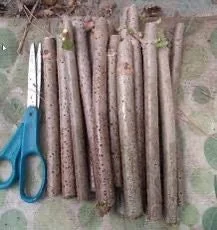
Original price was: $20.00.$16.00Current price is: $16.00.
PLANTING & CARE
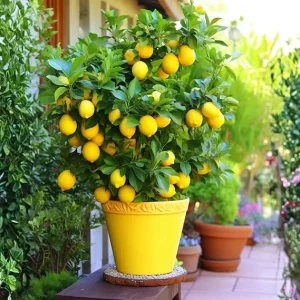
Lemon Tree Growing: Choose, Plant, and Harvest
Learn how to choose, plant, feed, and protect a lemon tree so it fits your
23
Sep
Sep
Dwarf Meyer Lemon Tree Australia: Climate Guide
Learn where dwarf Meyer lemon trees grow, how much cold they tolerate, and whether Australia,
Where to Buy a Dwarf Meyer Lemon Tree: Buyer’s Guide
Find the right dwarf Meyer lemon tree online or locally, compare starter sizes and costs,
Dwarf Meyer Lemon Tree for Sale: Buying Guide
Compare Meyer lemon tree sizes, prices, shipping limits, indoor growing and California options before you
Dwarf Meyer Lemon Tree Guide: Size, Care and Fruit
META: Learn how large a dwarf Meyer lemon tree grows, where it thrives, and how
How to Prune a Dwarf Meyer Lemon Tree
Learn when and how to prune a dwarf Meyer lemon tree, including tools, shaping cuts,
Can You Grow a Dwarf Meyer Lemon Tree in a Pot?
META: Learn how to grow a dwarf Meyer lemon tree in a pot, including container
When Do Dwarf Meyer Lemon Trees Bloom and Fruit?
META: Dwarf Meyer lemon trees usually bloom from winter through spring and may flower again