Dutch White Clover Seeds – Trifolium repens – 20 Seeds – Low Maintenance Ground Cover
-50%
Dutch White Clover Seeds – Trifolium repens – 20 Seeds – Low Maintenance Ground Cover
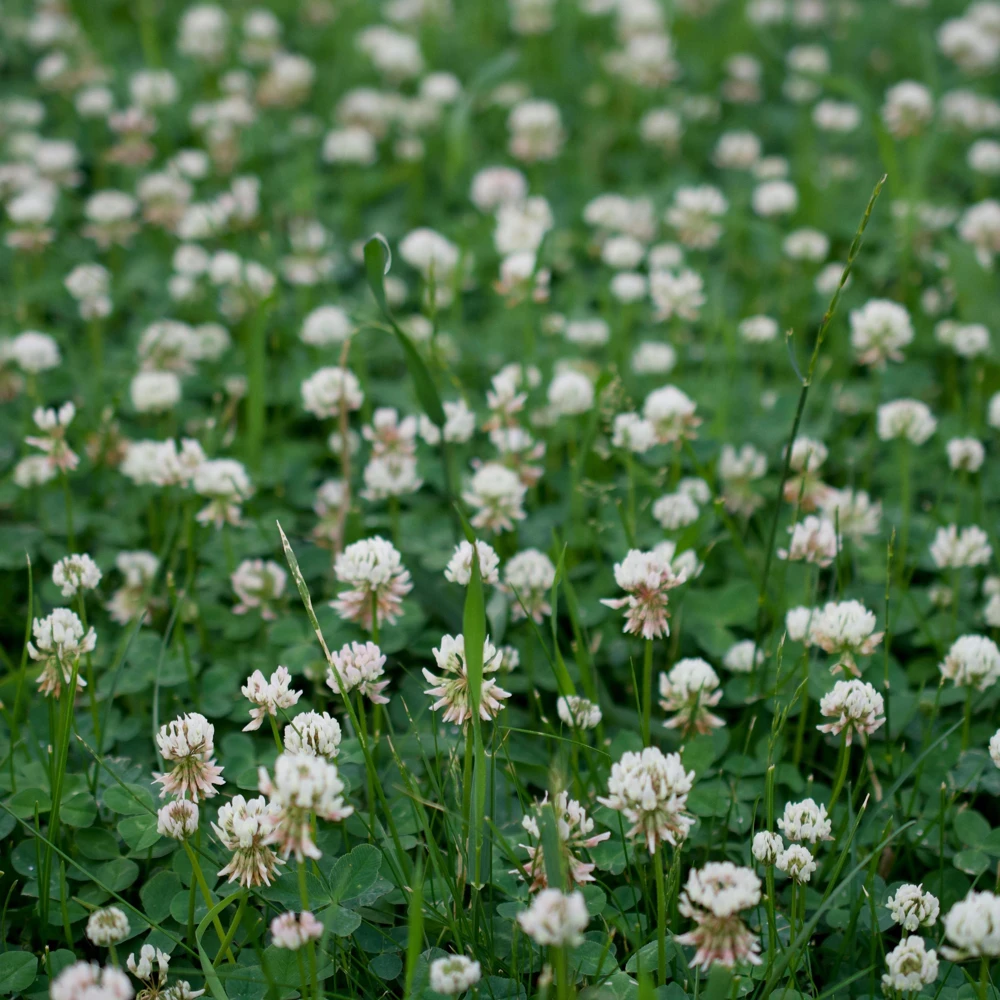
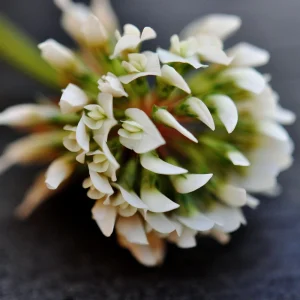
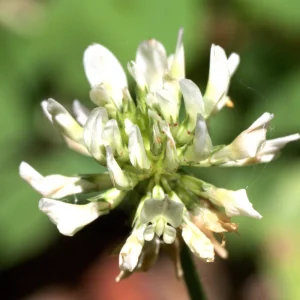
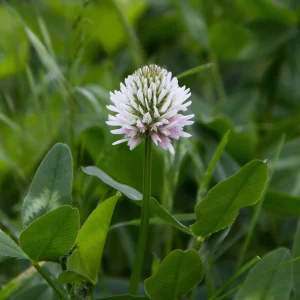
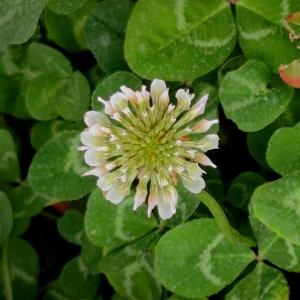
Plant Dutch White Clover seeds (Trifolium repens) for an attractive, low-growing ground cover. Perfect for lawns, meadows, and garden borders, this perennial legume provides seasonal white blooms and attracts beneficial pollinators. A sustainable and low maintenance lawn alternative for various garden conditions.
Original price was: $16.92.$8.46Current price is: $8.46.

With our Alive & Thrive Guarantee, we’ve got your back for the first 30 days! If you have any concerns about your plants, just reach out to us. Our team is here to help answer your questions and guide you in selecting the best plants for your garden, climate, and unique preferences. We're excited to help you create the garden of your dreams!
Estimated arrival
Oct 08
Oct 13 - Oct 15
Oct 18 - Oct 22



Product Details
-
USDA Hardiness Zone
USDA zones 4-9 -
Soil type
Well-draining soil -
Sunlight Exposure
Full sun to partial shade -
Expected Planting Period
Spring to early fall
Overview
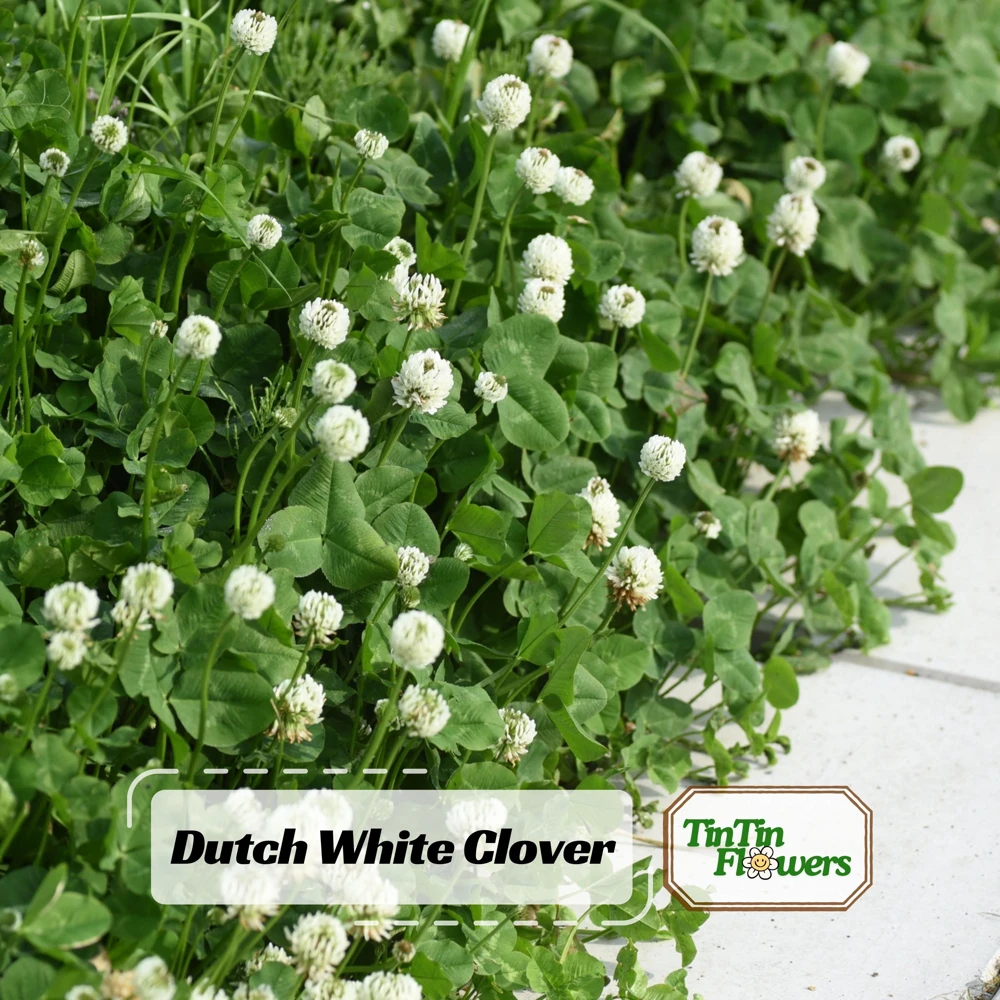
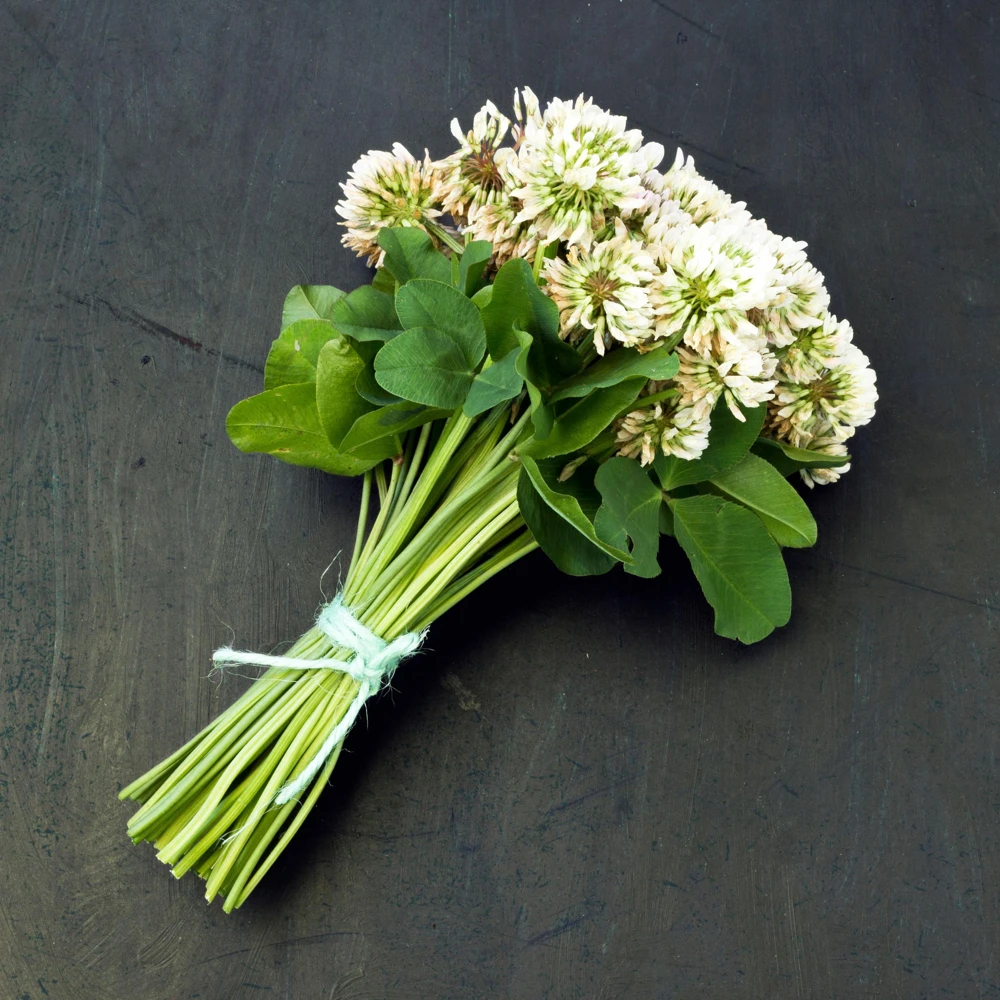
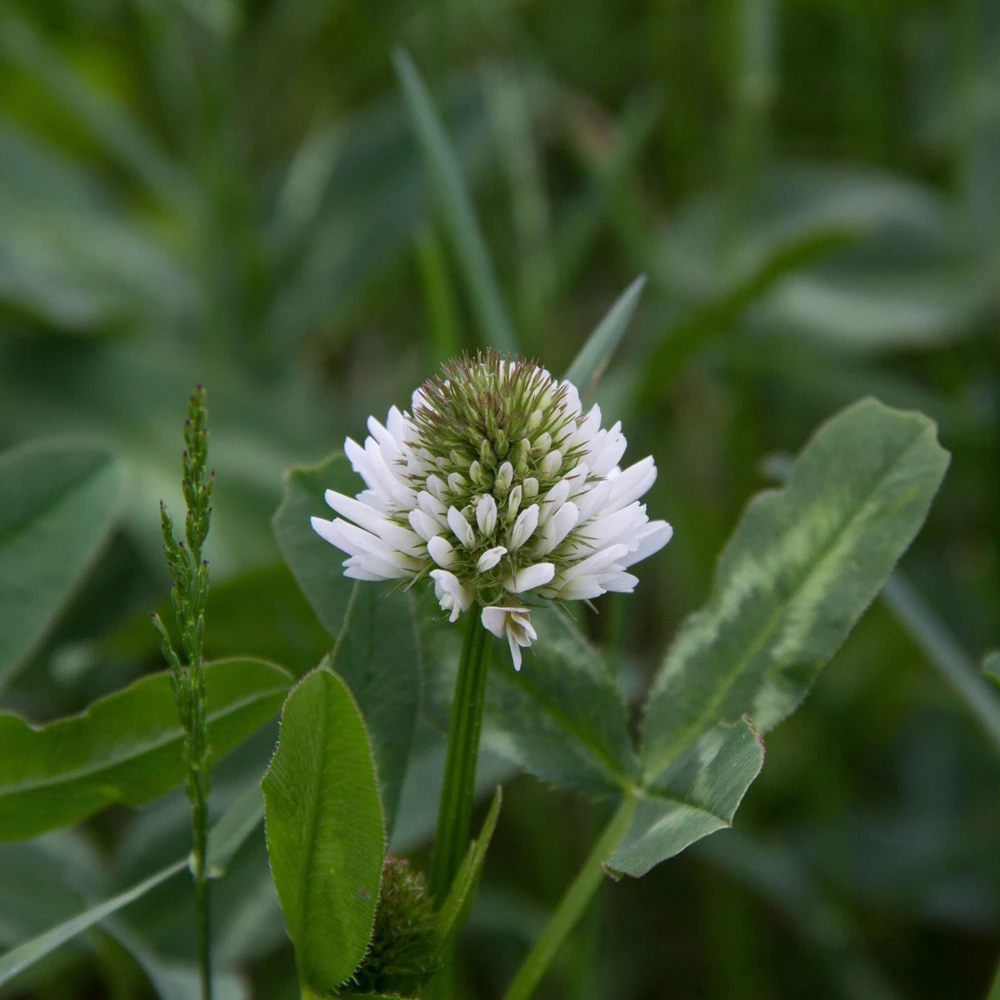
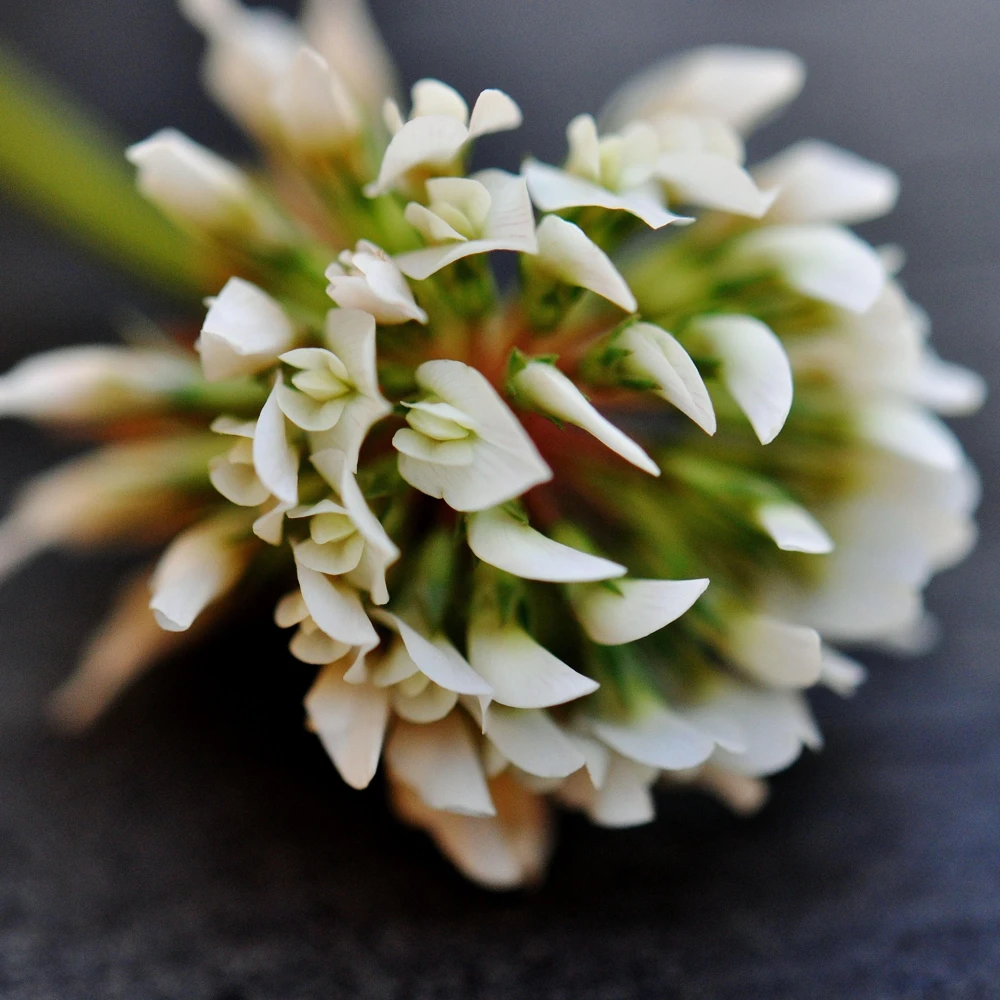
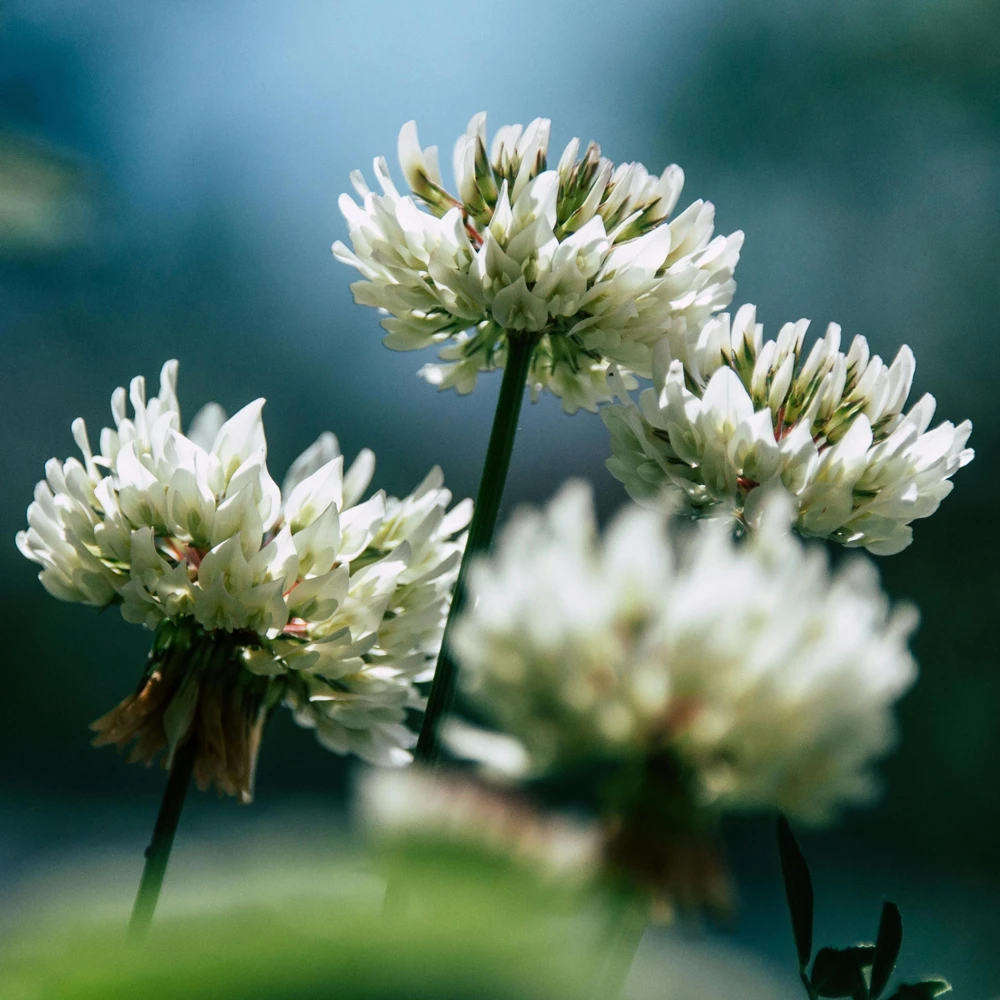
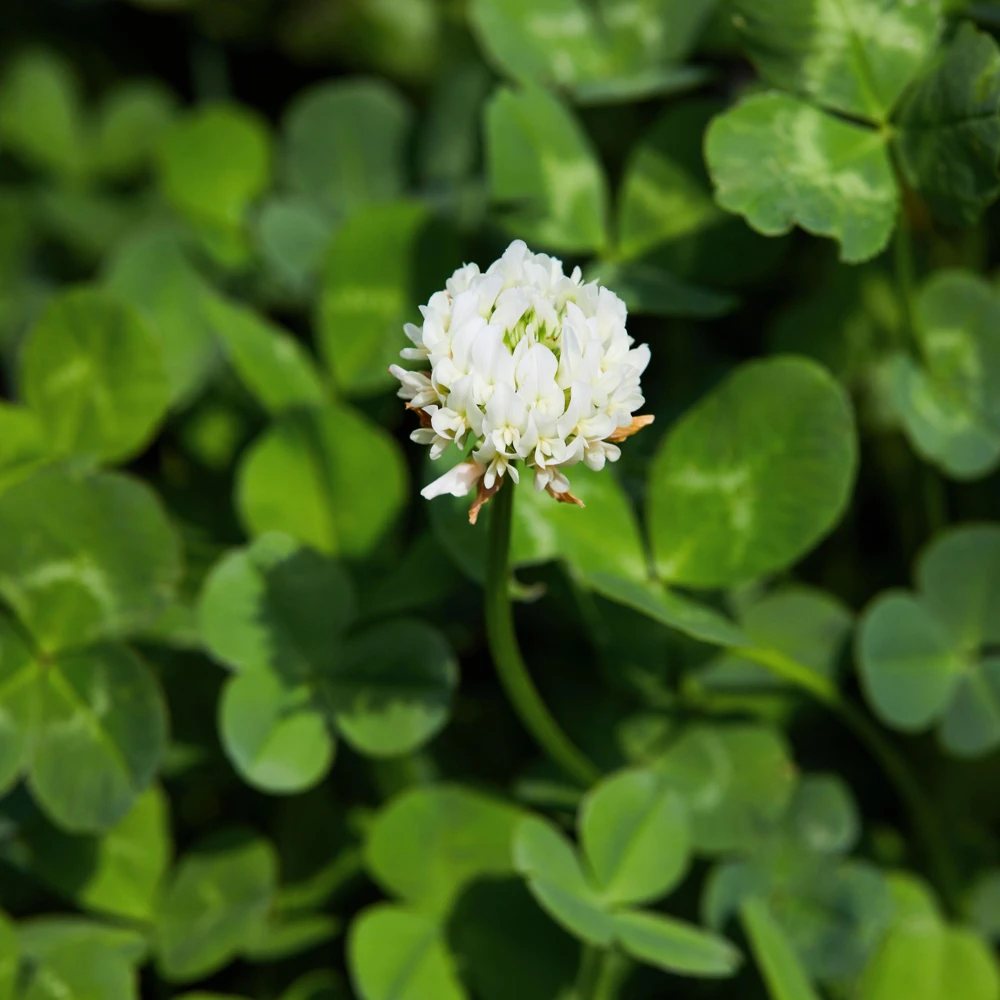
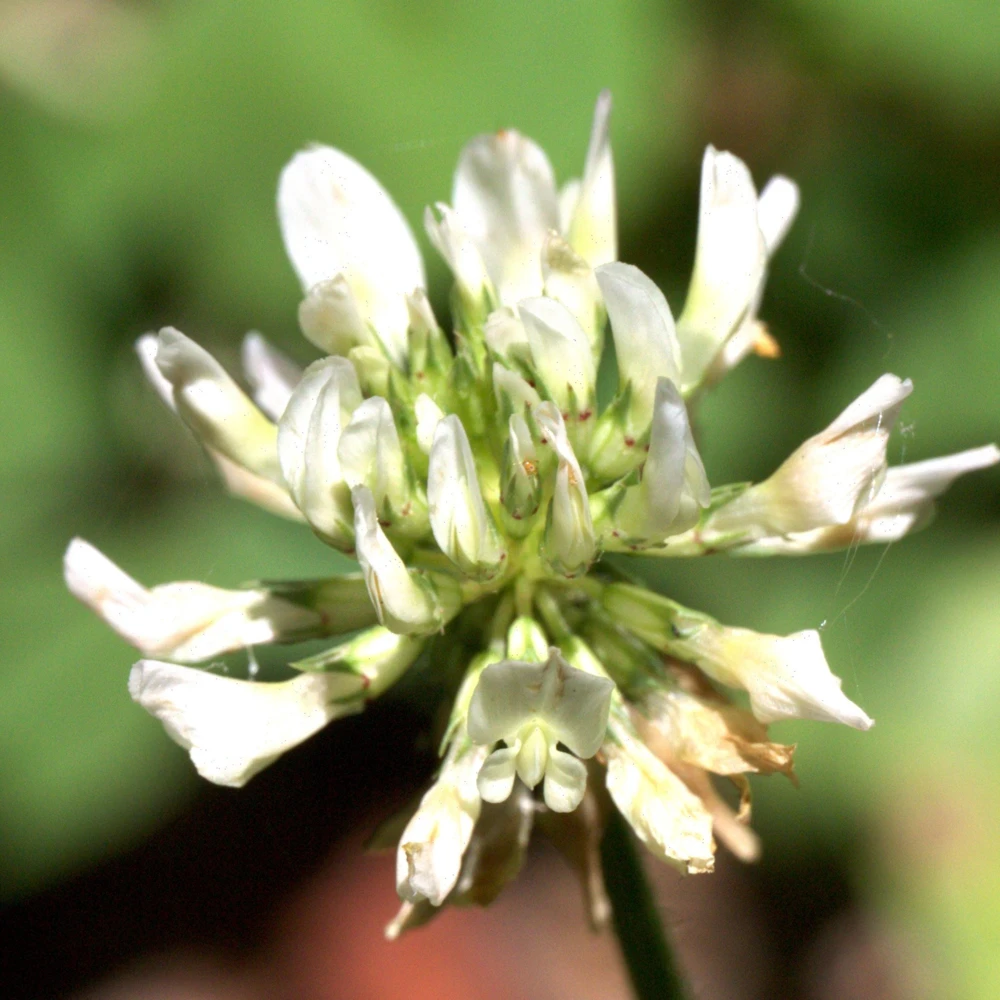
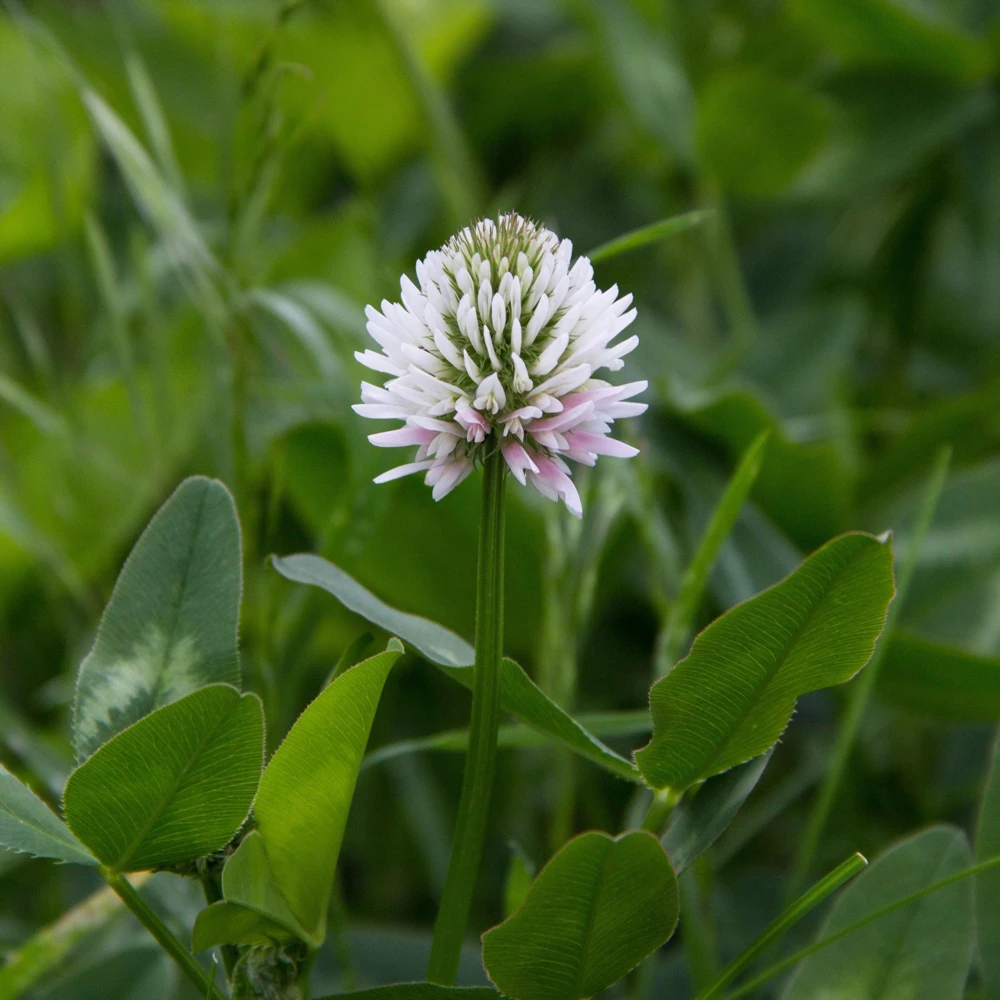
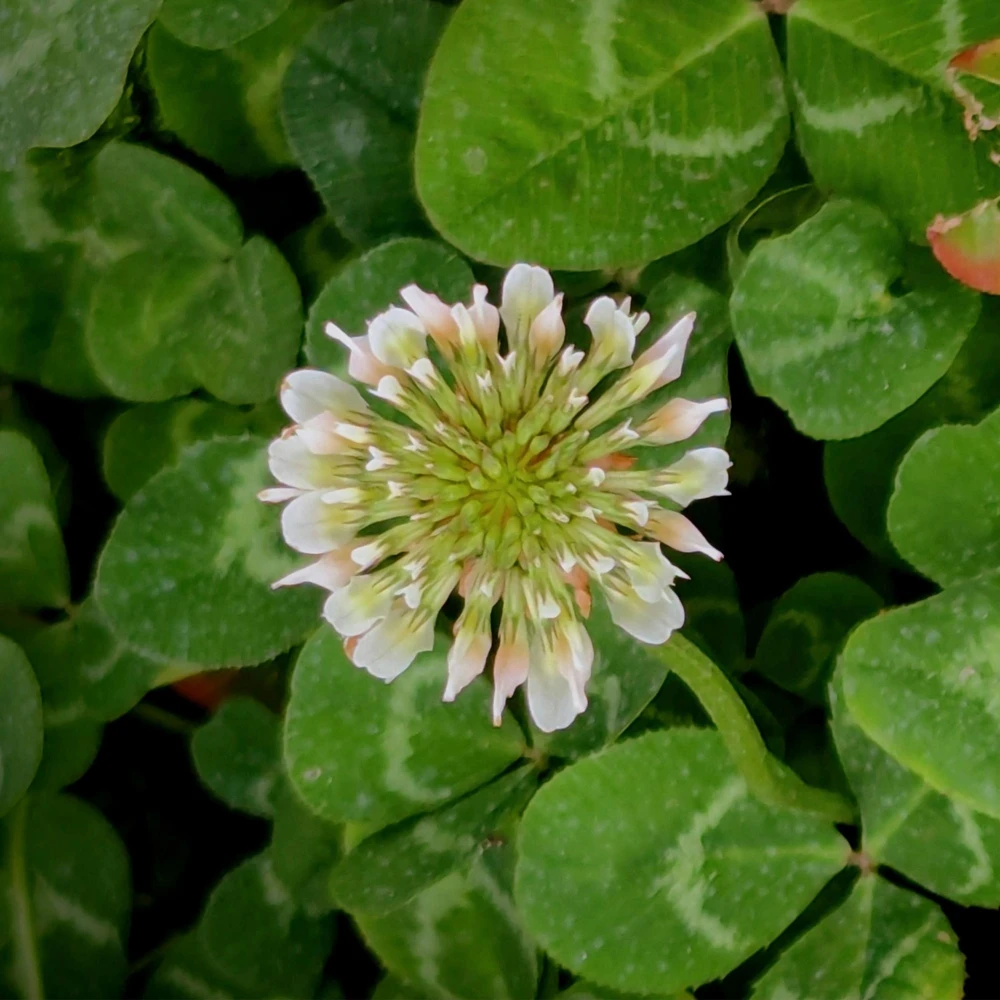
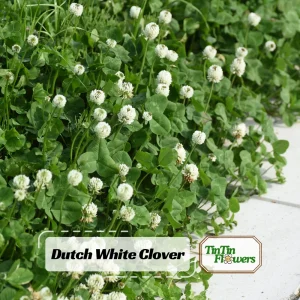
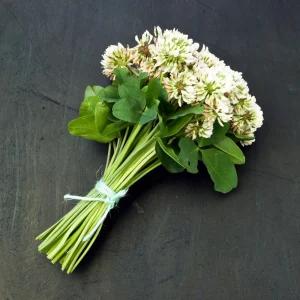
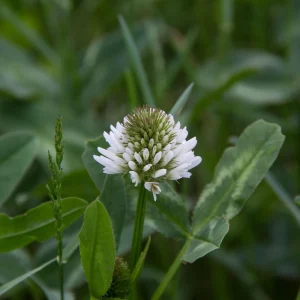
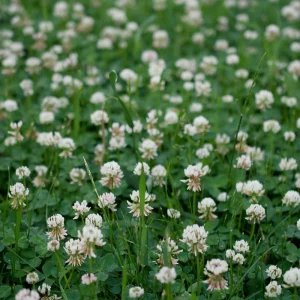
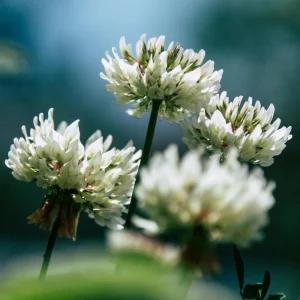
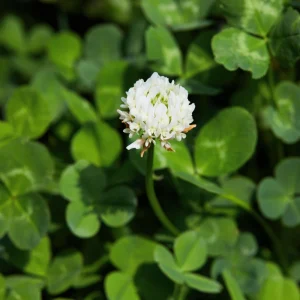
Introduce a touch of natural beauty and ecological benefit to your garden with Dutch White Clover seeds. This classic perennial, scientifically known as Trifolium repens, is celebrated for its dense green foliage, charming white blossoms, and vigorous spreading habit. As a versatile ground cover, it’s an excellent choice for creating lush, resilient lawns, enhancing meadows, defining garden borders, or covering pathways. These seeds offer a sustainable solution for gardeners seeking an attractive, easy-to-manage alternative to traditional turf grass. The small, rounded leaves and delicate white flowers not only add aesthetic appeal but also play a vital role in attracting bees and other beneficial pollinators, contributing to a healthier garden ecosystem. Its adaptability to various growing conditions makes Dutch White Clover seeds a popular choice for both novice and experienced gardeners.
Growing close to the ground, this clover variety forms a durable and appealing carpet that remains green throughout the growing season. It’s known for its ability to fix nitrogen in the soil, naturally improving fertility and reducing the need for synthetic fertilizers. This makes it a truly eco-friendly option for those looking to cultivate a more sustainable landscape. Whether you’re aiming for a full clover lawn, an ornamental ground cover, or a naturalized pasture area, these seeds provide the foundation for a thriving, low-impact garden space.
Key Benefits
Embrace the numerous advantages of cultivating Dutch White Clover seeds in your outdoor space. This versatile plant offers more than just aesthetic appeal, providing significant ecological and practical benefits for any garden:
- Natural Soil Improvement: As a legume, Dutch White Clover is a natural nitrogen fixer, enriching your soil and reducing the need for chemical fertilizers. This promotes healthier plant growth throughout your garden.
- Low Maintenance Lawn Alternative: Once established, this clover requires significantly less mowing, watering, and fertilization compared to traditional grass lawns, making it a truly low maintenance lawn alternative.
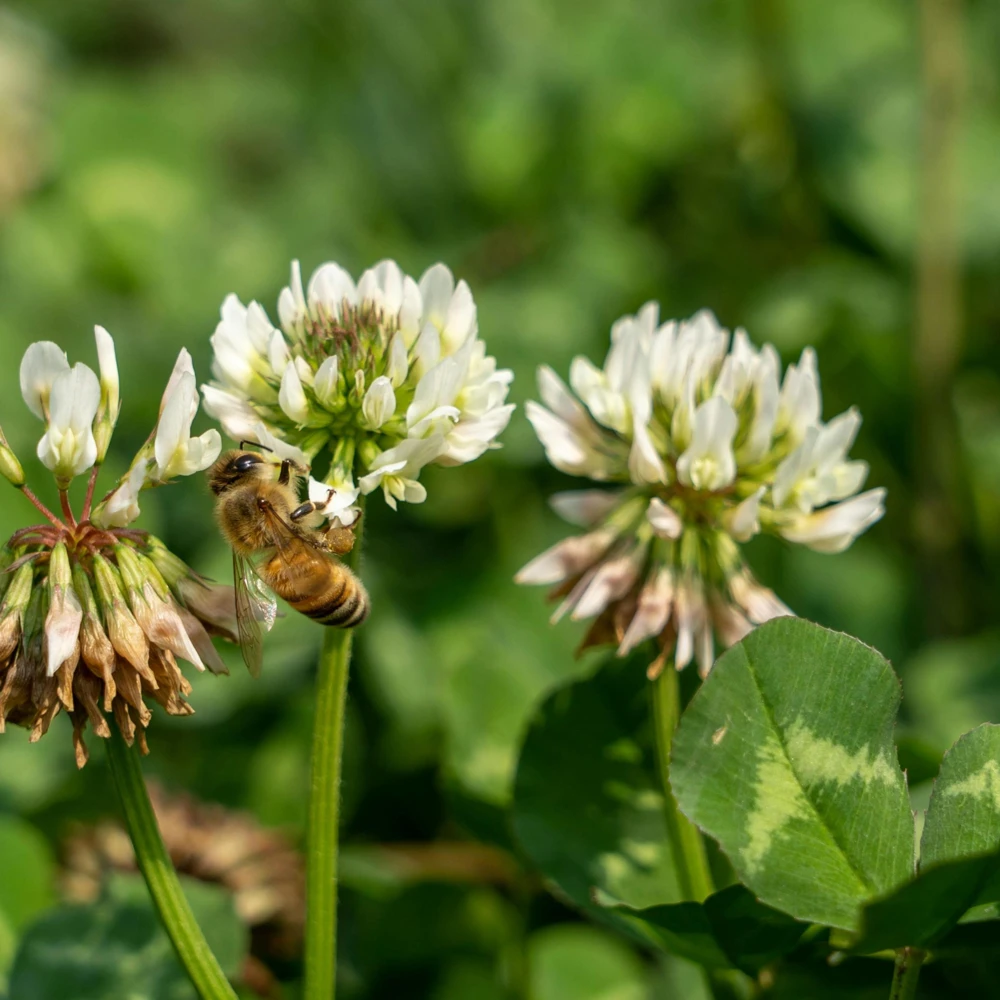
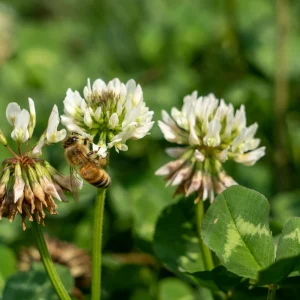
- Pollinator Attraction: The charming white blossoms are a magnet for bees, butterflies, and other beneficial pollinators, supporting biodiversity and aiding the pollination of nearby plants.
- Drought Tolerance: Mature plants exhibit good drought tolerance, maintaining their green appearance even during drier periods, which helps conserve water.
- Erosion Control: Its dense, spreading growth habit helps stabilize soil, preventing erosion on slopes and in areas prone to runoff.
- Weed Suppression: The thick mat formed by Dutch White Clover naturally outcompetes many common weeds, leading to a healthier, more uniform ground cover.
- Aesthetic Appeal: Creates a soft, lush green carpet with seasonal white blooms from spring through fall, adding beauty and texture to any landscape. It’s a fantastic white clover ground cover option.
Plant Care & Growing Tips
Cultivating Dutch White Clover seeds is generally straightforward, making it an excellent choice for gardeners of all experience levels. For optimal growth and flowering, provide full sun exposure, though the plant can tolerate partial shade. Full sun encourages the densest growth and most abundant blooms. Ensure the soil is well-draining, as overly saturated conditions can lead to root issues. While Dutch White Clover is adaptable to various soil types, a moderately fertile loam is ideal.
When planting, no special seed treatment is required. Prepare a fine soil surface by clearing weeds and debris, then lightly scatter the Dutch White Clover seeds evenly. Gently press the seeds into the soil surface; avoid covering them deeply, as they need light to germinate. Maintain consistent moisture in the soil, especially during the germination period, which typically occurs within 7–14 days when temperatures are between 60–75°F (16–24°C). Once established, mature plants are quite resilient and can tolerate moderate dry conditions. Occasional watering during prolonged dry spells will help maintain its vigor. For best results, avoid excessive nitrogen fertilizer, which can favor grass growth over clover. Mow occasionally to maintain a compact ground cover and encourage fresh growth. This contributes to a healthy clover for lawns appearance.
Size & Details
These Dutch White Clover seeds will develop into a robust perennial ground cover. The mature plants typically reach a height of 4–8 inches, creating a low-growing, dense carpet. Individual plants can spread significantly, ranging from 12–24 inches wide, thanks to their stoloniferous growth habit, allowing them to fill in areas effectively. The seeds are best direct-sown and do not require transplanting, simplifying the planting process. Bloom season extends from spring through fall, offering continuous white blossoms for several months. Each pack contains 20 seeds, providing enough to establish a good patch of white clover ground cover or to overseed a lawn area. Expect active growth and flowering within the first growing season under ideal conditions.
Frequently Asked Questions
- Q: How many seeds are included in this pack? A: This pack contains 20 Dutch White Clover seeds, suitable for planting a small area or overseeding an existing lawn.
- Q: Is Dutch White Clover a good choice for a lawn alternative? A: Yes, Dutch White Clover seeds are an excellent low maintenance lawn alternative, providing a green, resilient, and eco-friendly ground cover that requires less mowing and fertilizing than traditional grass.
- Q: How much sunlight does Dutch White Clover need? A: Dutch White Clover thrives in full sun for the densest growth and most prolific flowering, but it can also tolerate partial shade.
- Q: What is the best time to plant Dutch White Clover seeds? A: The best time to plant these seeds is in spring or early fall when soil temperatures are between 60–75°F (16–24°C).
- Q: How tall does Dutch White Clover grow? A: This perennial ground cover typically grows to a height of 4–8 inches, forming a low, dense mat.
- Q: Does this clover attract pollinators? A: Absolutely! The white blossoms are very attractive to bees and other beneficial pollinators, making it an excellent choice for supporting garden biodiversity.
- Q: Is Trifolium repens the botanical name for Dutch White Clover? A: Yes, Trifolium repens is the botanical name for Dutch White Clover seeds, also commonly known as White Clover.
- Q: What kind of soil does Dutch White Clover prefer? A: Dutch White Clover prefers well-draining soil and can adapt to a variety of soil types, though moderately fertile loam is ideal.
- Q: How long does it take for the seeds to germinate? A: Germination typically occurs within 7–14 days, provided consistent moisture and ideal soil temperatures.
- Q: Does this plant require a lot of watering? A: While it needs consistent moisture during establishment, mature Dutch White Clover is moderately drought-tolerant and requires less frequent watering than many lawn grasses.
Related products
-50%

Original price was: $110.76.$55.38Current price is: $55.38.
-50%

Original price was: $146.76.$73.38Current price is: $73.38.
-50%

Original price was: $34.76.$17.38Current price is: $17.38.
-50%

Original price was: $78.76.$39.38Current price is: $39.38.
-50%

Original price was: $22.76.$11.38Current price is: $11.38.
PLANTING & CARE
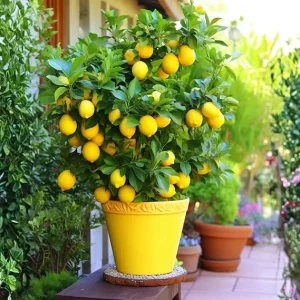
Lemon Tree Growing: Choose, Plant, and Harvest
Learn how to choose, plant, feed, and protect a lemon tree so it fits your
23
Sep
Sep
Dwarf Meyer Lemon Tree Australia: Climate Guide
Learn where dwarf Meyer lemon trees grow, how much cold they tolerate, and whether Australia,
Where to Buy a Dwarf Meyer Lemon Tree: Buyer’s Guide
Find the right dwarf Meyer lemon tree online or locally, compare starter sizes and costs,
Dwarf Meyer Lemon Tree for Sale: Buying Guide
Compare Meyer lemon tree sizes, prices, shipping limits, indoor growing and California options before you
Dwarf Meyer Lemon Tree Guide: Size, Care and Fruit
META: Learn how large a dwarf Meyer lemon tree grows, where it thrives, and how
How to Prune a Dwarf Meyer Lemon Tree
Learn when and how to prune a dwarf Meyer lemon tree, including tools, shaping cuts,
Can You Grow a Dwarf Meyer Lemon Tree in a Pot?
META: Learn how to grow a dwarf Meyer lemon tree in a pot, including container
When Do Dwarf Meyer Lemon Trees Bloom and Fruit?
META: Dwarf Meyer lemon trees usually bloom from winter through spring and may flower again