Dwarf Wisteria Live Plant Purple Vine – Hardy Climbing Shrub 7-12″ Tall Outdoor
-50%
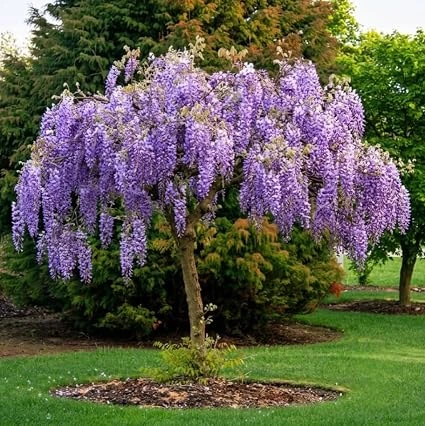
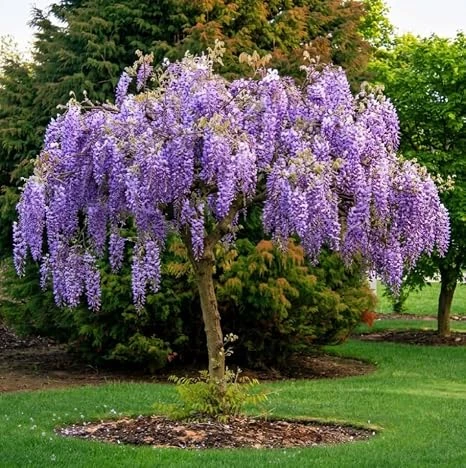
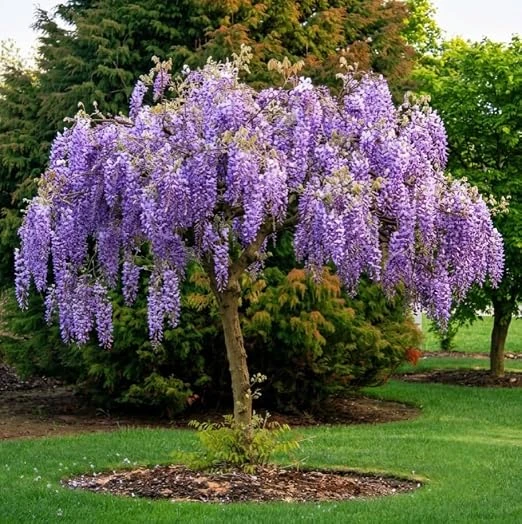
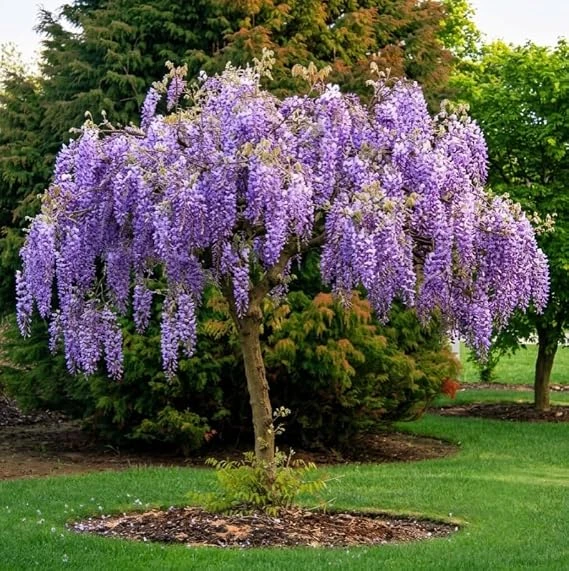
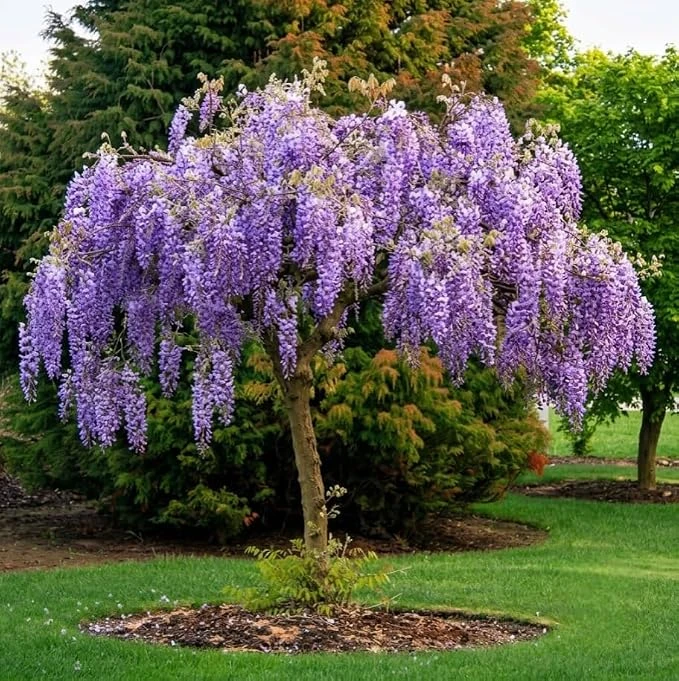
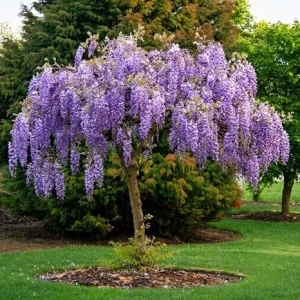
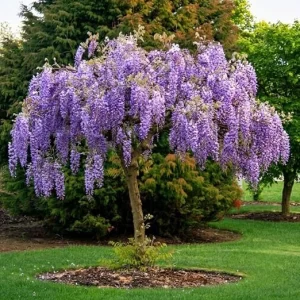
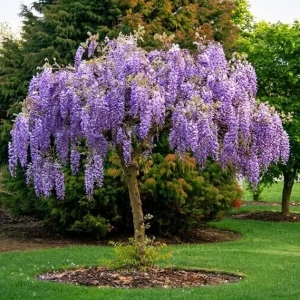
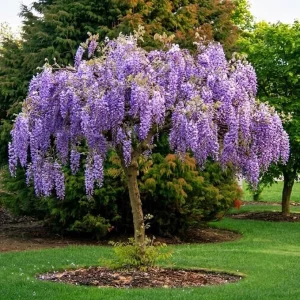
Dwarf Wisteria Live Plant Purple Vine – Hardy Climbing Shrub 7-12″ Tall Outdoor
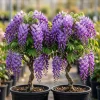
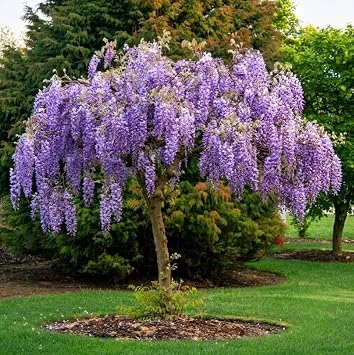
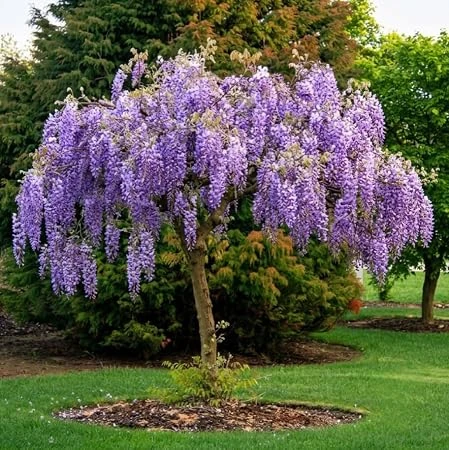
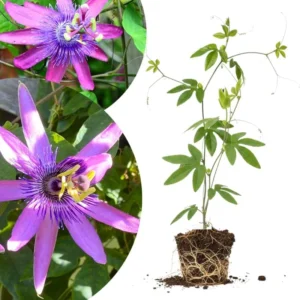
Add elegance to your outdoor space with a dwarf wisteria live plant. This vigorous climbing vine produces stunning cascades of fragrant purple-violet blooms, perfect for training on trellises, fences, or pergolas. Arrives 7-14 inches tall in a 2.5-inch pot, ready for planting.
Original price was: $26.98.$13.49Current price is: $13.49.

With our Alive & Thrive Guarantee, we’ve got your back for the first 30 days! If you have any concerns about your plants, just reach out to us. Our team is here to help answer your questions and guide you in selecting the best plants for your garden, climate, and unique preferences. We're excited to help you create the garden of your dreams!
Estimated arrival
Nov 03
Nov 08 - Nov 10
Nov 13 - Nov 17


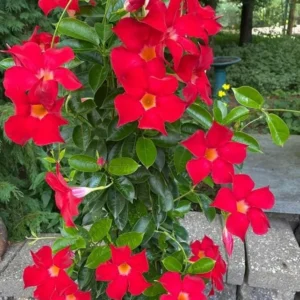
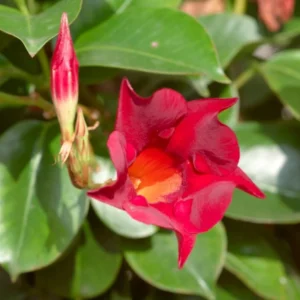
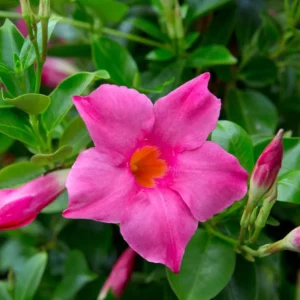
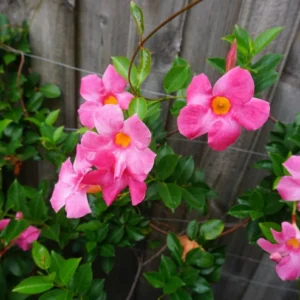
Product Details
-
USDA Hardiness Zone
USDA zones 5-9 -
Soil type
Moist clay to sandy soil with good drainage -
Sunlight Exposure
Full to partial sun -
Expected Planting Period
Spring to early fall
Overview
Introduce breathtaking beauty to your garden with this exquisite dwarf wisteria live plant. Celebrated for its stunning cascades of fragrant purple to violet pea-shaped blooms, this hardy climbing shrub transforms any outdoor area into a visual masterpiece. As a deciduous vine, it offers vibrant seasonal interest, from its lush green foliage in spring and summer to its dramatic flower display. This particular wisteria variety is perfect for homeowners and gardeners looking to add a touch of classic charm and vertical interest to their landscape. It’s a robust and vigorous grower, promising years of magnificent floral displays.
Wisteria is renowned globally for its enchanting presence and delightful fragrance. This live plant offers an opportunity to cultivate a piece of living art in your own backyard. Whether you’re an experienced gardener or just starting, the rewarding experience of watching this plant mature and bloom is unparalleled. It’s a fantastic choice for creating natural shade, enhancing garden structures, or simply enjoying its captivating beauty and sweet scent.
Key Benefits
The dwarf wisteria live plant offers numerous advantages, making it a highly desirable addition to any garden:
- Spectacular Floral Display: Enjoy an abundance of showy, fragrant purple-violet flowers that cascade gracefully, creating a stunning visual impact and attracting pollinators. These blooms are a true highlight of the spring and early summer garden.
- Vigorous Climbing Habit: This plant is a natural climber, making it ideal for adorning trellises, pergolas, fences, and garden walls. It provides excellent coverage and vertical interest, transforming plain structures into living works of art.
- Fragrant Blooms: Beyond their beauty, the flowers emit a delightful, sweet fragrance that can perfume your entire garden, enhancing your outdoor living experience and inviting beneficial insects.
- Hardy and Resilient: As a hardy wisteria shrub, it is well-suited for a variety of climates and can withstand challenging conditions once established, ensuring long-term enjoyment with proper care.
- Architectural Interest: Its strong woody stems and climbing nature provide significant architectural interest, even when not in bloom, adding structure and form to your landscape year-round.
- Low Maintenance Once Established: While requiring initial training, established wisteria plants are relatively low maintenance, primarily needing occasional pruning to maintain shape and promote flowering.
- Long-Lived Plant: With proper care, a dwarf wisteria live plant can thrive for many decades, becoming a cherished and enduring feature of your garden.
Plant Care & Growing Tips
Caring for your dwarf wisteria live plant is straightforward, ensuring a magnificent display for years to come. Wisteria thrives in full to partial sun, meaning it needs at least 6 hours of direct sunlight daily for optimal flowering. While it can tolerate some afternoon shade, too little sun will result in fewer blooms. When considering a climbing wisteria plant, selecting the right location with ample sunlight is crucial for its success.
For watering, keep the soil consistently moist, especially during its growing season and dry spells. However, ensure the soil is well-draining to prevent root rot. Wisteria prefers moist clay to sandy soil with good drainage. A slightly acidic to neutral pH (6.0-7.0) is ideal. Amend heavy clay soils with organic matter to improve drainage, and sandy soils to enhance water retention. Fertilize sparingly; wisteria can be sensitive to too much nitrogen, which promotes foliage growth over flowers. Use a phosphorus-rich fertilizer in spring to encourage blooming. Pruning is essential for a healthy and floriferous purple wisteria vine. Prune twice a year: once in late winter to shape the plant and remove dead wood, and again in mid-summer to cut back new growth to a few buds, which encourages flower development for the following year. This also helps manage the vigorous growth of the vine. This proactive pruning is key to ensuring a stunning floral show.
Size & Details
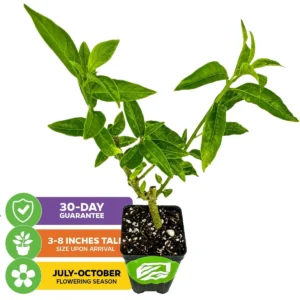
Each dwarf wisteria live plant arrives as a well-established start, standing approximately 7 to 14 inches tall. These young plants are shipped in a 2.5-inch pot, providing a healthy root system ready for transplanting into your garden. While compact upon arrival, wisteria is a vigorous grower. Expect this hardy wisteria shrub to reach an impressive mature height of 10 to 20 feet and spread 4 to 30 feet wide, depending on the support structure and pruning. Its robust growth habit means it will quickly establish itself and begin to climb, making it an excellent choice for creating dramatic vertical interest in your landscape. With proper care and training, it can begin to produce its characteristic fragrant blooms within a few years of planting.
The plant is deciduous, meaning it will lose its leaves in winter and sprout new foliage in spring, followed by its spectacular flower display. Its mature size makes it suitable for large trellises, pergolas, and arbors, where it can be trained to create a lush canopy. This particular variety is chosen for its manageable size compared to some more aggressive wisteria types, making it a fantastic addition for various garden designs.
Frequently Asked Questions
- Q: How big does this plant get? A: This dwarf wisteria live plant typically grows 10 to 20 feet high and can spread 4 to 30 feet wide, depending on the support and pruning. Its mature size makes it ideal for substantial garden structures.
- Q: What size pot does it come in? A: Each plant arrives in a 2.5-inch nursery pot, standing 7-14 inches tall, with a healthy root system ready for planting in your garden.
- Q: Is this an indoor or outdoor plant? A: This wisteria is primarily an outdoor plant, best suited for garden beds, trellises, and other landscape features where it can climb and receive ample sunlight. It is not recommended for long-term indoor cultivation.
- Q: How much sunlight does it need? A: For the best flowering, your purple wisteria vine needs full to partial sun, which means at least 6 hours of direct sunlight per day. More sun generally leads to more abundant blooms.
- Q: Is this plant easy to care for? A: Wisteria is relatively easy to care for once established, primarily requiring consistent watering in dry periods and regular pruning to manage its vigorous growth and encourage flowering. It’s a rewarding plant for gardeners of all levels.
- Q: What condition will it arrive in? A: Your wisteria plant will arrive well-established in its pot, carefully packaged to ensure it reaches you in healthy condition, ready for immediate planting.
- Q: How long until it blooms? A: While some young wisteria plants may bloom in their first year, it typically takes 2-5 years for a climbing wisteria plant to establish and start producing its full cascade of flowers. Proper care and pruning can encourage earlier blooming.
- Q: When is the best time to plant? A: The best time to plant wisteria is in spring or early fall, allowing the plant to establish its root system before extreme summer heat or winter cold.
- Q: Will it survive winter in my zone? A: This hardy wisteria shrub is generally suitable for USDA hardiness zones 5-9. It is deciduous and will lose its leaves in winter, preparing for new growth in spring.
- Q: What kind of soil does it need? A: Wisteria prefers moist, well-draining soil. It can adapt to various soil types, from clay to sandy, as long as drainage is good. Amending with organic matter is always beneficial.
Related products
-20%

Original price was: $36.00.$28.80Current price is: $28.80.
-30%
Original price was: $39.99.$27.99Current price is: $27.99.
-75%
From Original price was: $79.96.$19.99Current price is: $19.99.
-50%

Original price was: $81.98.$40.99Current price is: $40.99.
PLANTING & CARE
Lemon Tree Growing: Choose, Plant, and Harvest
Learn how to choose, plant, feed, and protect a lemon tree so it fits your
23
Sep
Sep
Dwarf Meyer Lemon Tree Australia: Climate Guide
Learn where dwarf Meyer lemon trees grow, how much cold they tolerate, and whether Australia,
Where to Buy a Dwarf Meyer Lemon Tree: Buyer’s Guide
Find the right dwarf Meyer lemon tree online or locally, compare starter sizes and costs,
Dwarf Meyer Lemon Tree for Sale: Buying Guide
Compare Meyer lemon tree sizes, prices, shipping limits, indoor growing and California options before you
Dwarf Meyer Lemon Tree Guide: Size, Care and Fruit
META: Learn how large a dwarf Meyer lemon tree grows, where it thrives, and how
How to Prune a Dwarf Meyer Lemon Tree
Learn when and how to prune a dwarf Meyer lemon tree, including tools, shaping cuts,
Can You Grow a Dwarf Meyer Lemon Tree in a Pot?
META: Learn how to grow a dwarf Meyer lemon tree in a pot, including container
When Do Dwarf Meyer Lemon Trees Bloom and Fruit?
META: Dwarf Meyer lemon trees usually bloom from winter through spring and may flower again