5 Heads-Echeveria Pudgy Succulent Live Plant – Rare & Compact Houseplant
-43%
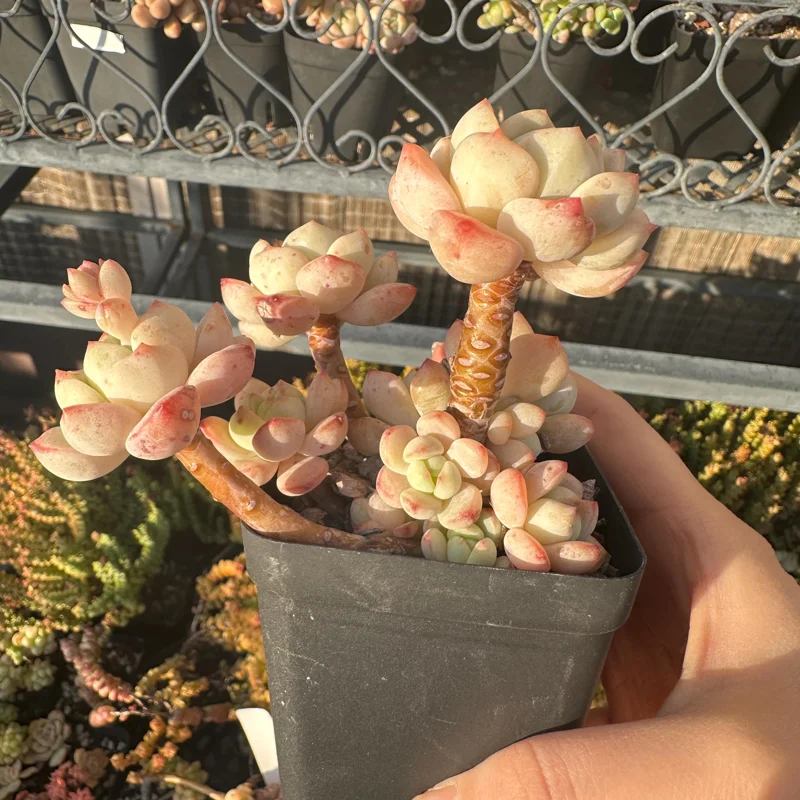
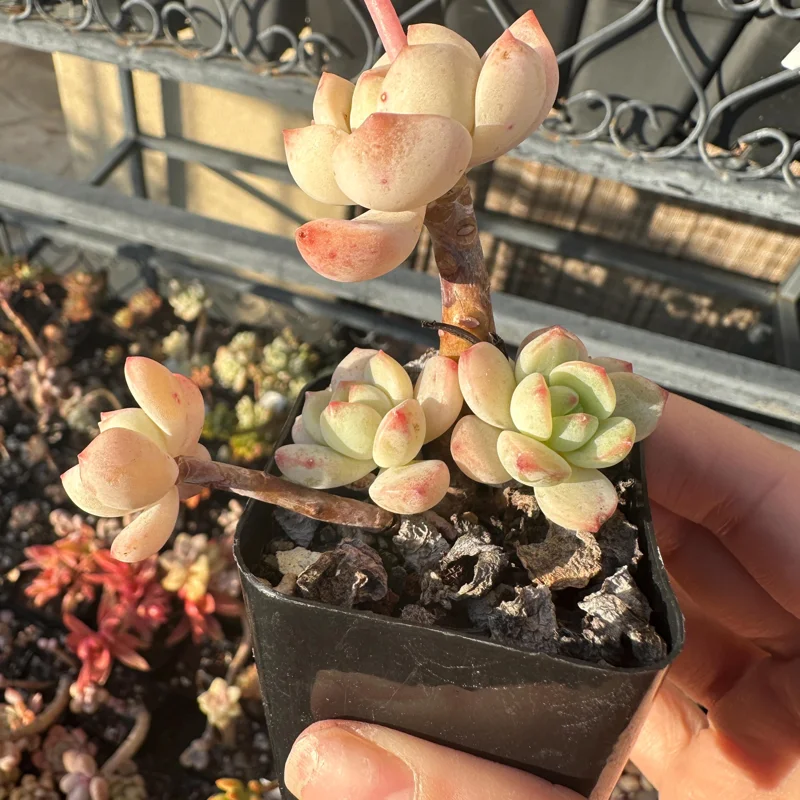
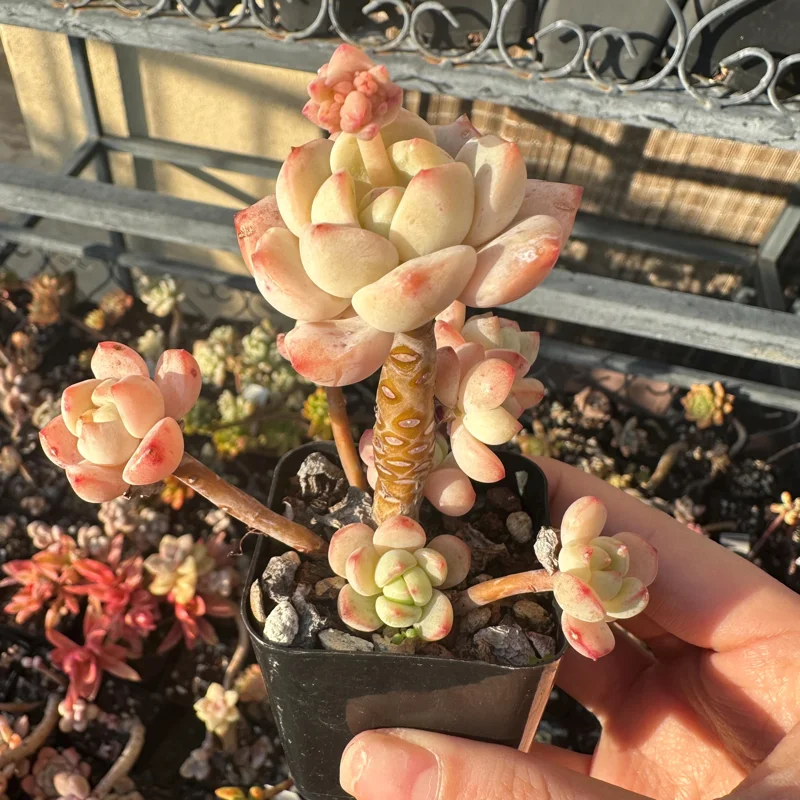
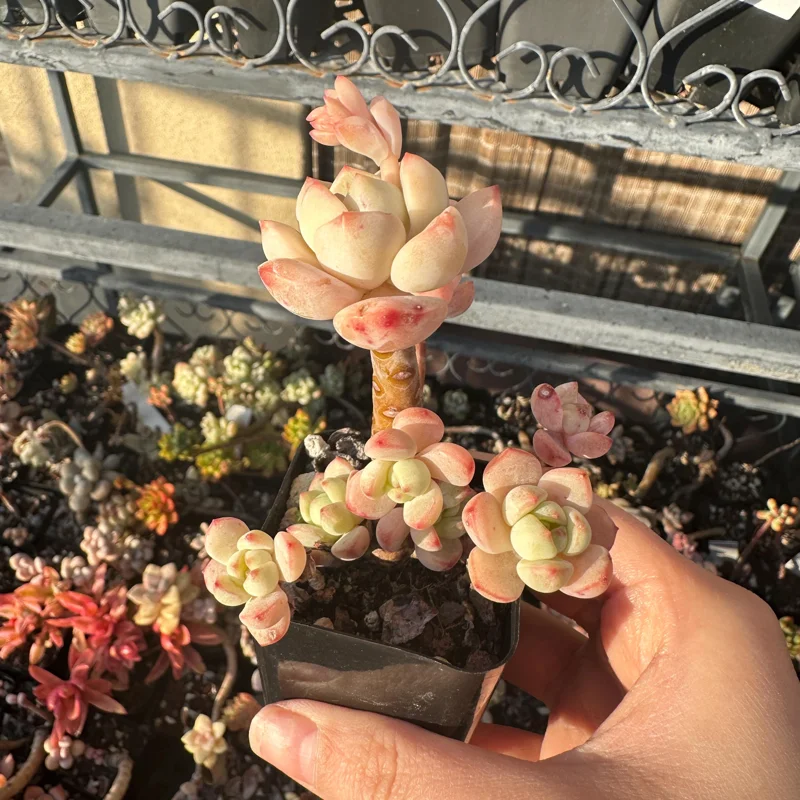
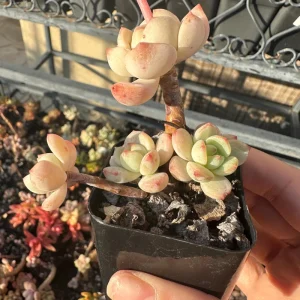
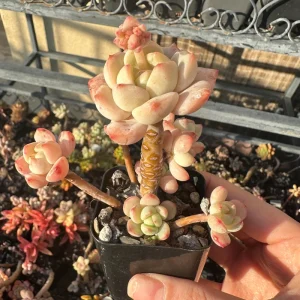
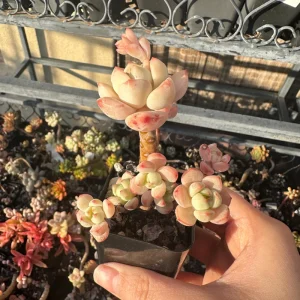
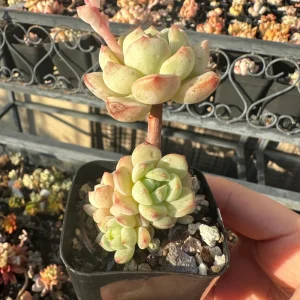
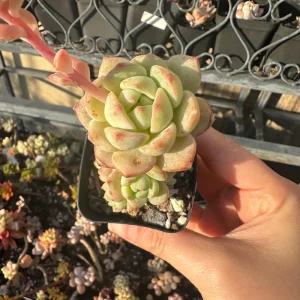
5 Heads-Echeveria Pudgy Succulent Live Plant – Rare & Compact Houseplant
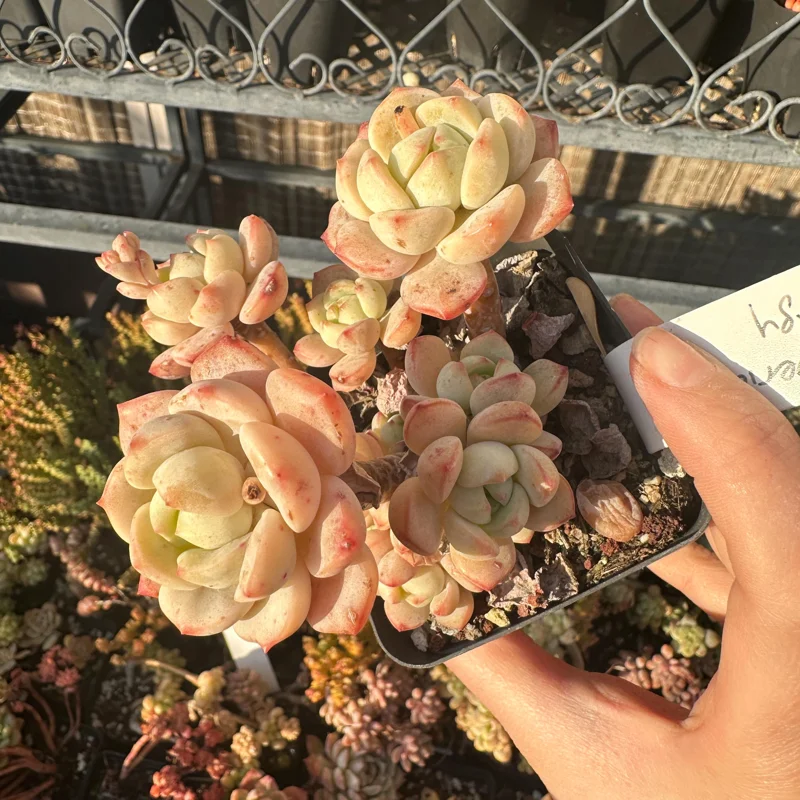
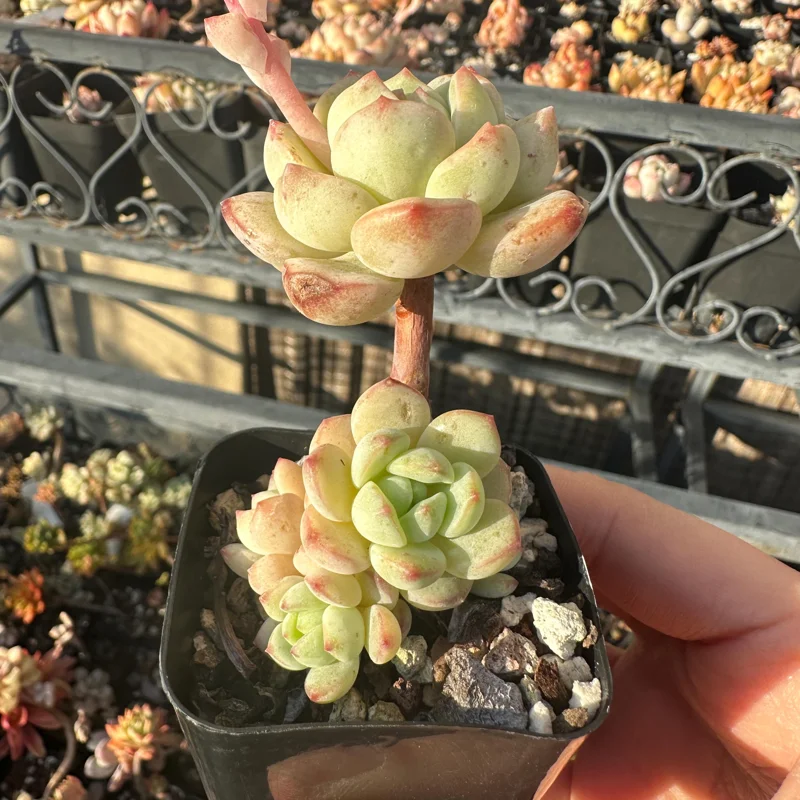
Bring home the delightful Echeveria Pudgy live plant, a charming and rare Echeveria succulent known for its plump, pastel-hued leaves. This compact succulent is an ideal addition to any indoor plant collection, offering unique beauty with minimal care.
Original price was: $69.99.$39.99Current price is: $39.99.

With our Alive & Thrive Guarantee, we’ve got your back for the first 30 days! If you have any concerns about your plants, just reach out to us. Our team is here to help answer your questions and guide you in selecting the best plants for your garden, climate, and unique preferences. We're excited to help you create the garden of your dreams!
Estimated arrival
Oct 21
Oct 26 - Oct 28
Oct 31 - Nov 04
Product Details
-
USDA Hardiness Zone
USDA zones 9–11 -
Soil type
well-draining succulent or cactus mix -
Sunlight Exposure
bright indirect light -
Expected Planting Period
year-round indoors
Overview
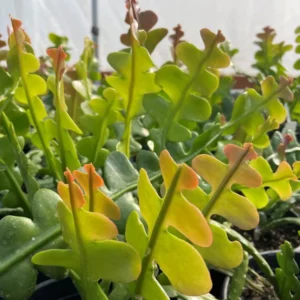
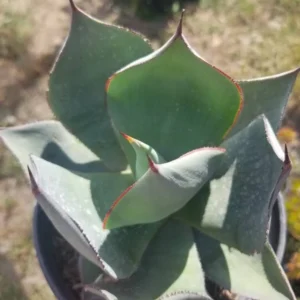
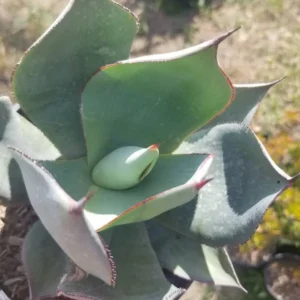
Introduce a touch of whimsical beauty to your indoor garden with the exquisite Echeveria Pudgy live plant. This captivating succulent stands out with its uniquely chubby, rounded leaves that form a tight, rosette shape. The ‘Pudgy’ epithet perfectly describes its endearing appearance, making it a favorite among succulent enthusiasts and a delightful find for anyone seeking a rare Echeveria succulent. Originating from semi-desert regions, Echeverias are renowned for their drought tolerance and striking forms, and the ‘Pudgy’ variety is no exception. Its compact size makes it perfect for windowsills, desks, or succulent arrangements. This particular specimen is a vibrant, healthy plant ready to thrive in its new home, promising to be a low-maintenance yet high-impact addition to your plant family.
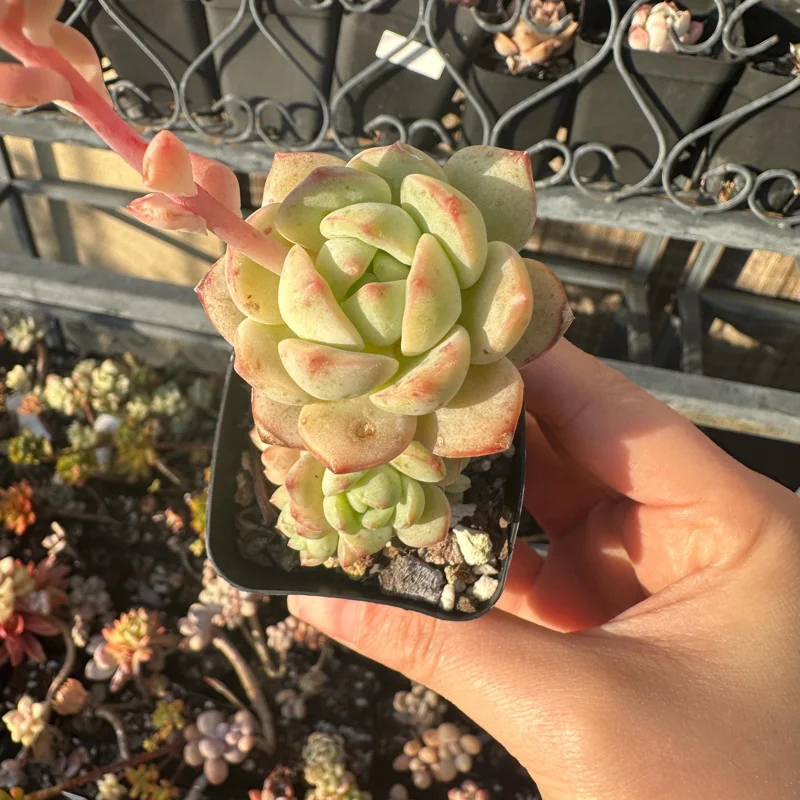
The Echeveria Pudgy live plant is not just a beautiful decorative item; it’s a testament to nature’s artistry. Its leaves often display a lovely blend of soft greens, blues, and occasional pinkish-red tips when exposed to ample sunlight, adding to its visual appeal. As a live plant, it brings natural elegance and a calming presence to any space. Whether you’re a seasoned succulent collector or just starting your plant journey, this chubby succulent plant is an excellent choice for its resilience and undeniable charm. Prepare to be enchanted by its unique texture and form.
Key Benefits
The Echeveria Pudgy live plant offers numerous advantages, making it a highly desirable addition to any home or office. Its distinctive appearance and easy-care nature combine to provide a rewarding gardening experience.
- Unique Aesthetic Appeal: The primary benefit of the Echeveria Pudgy live plant is its incredibly distinctive appearance. Its plump, rounded leaves create a soft, sculptural form that adds a unique texture and visual interest to any plant collection. The subtle color variations, especially when sun-stressed, make it a true conversation starter.
- Low Maintenance & Drought Tolerant: This succulent is famously easy to care for, requiring infrequent watering and tolerating neglect better than many other houseplants. It’s an excellent choice for busy individuals or those new to plant care, as it forgives occasional lapses in attention.
- Compact Size for Versatile Display: With its naturally compact growth habit, the chubby succulent plant is ideal for small spaces. It thrives in terrariums, small pots, and succulent arrangements, making it a versatile option for decorating shelves, desks, or windowsills.
- Air Purification Qualities: Like many succulents, Echeverias contribute to a healthier indoor environment by improving air quality. While not as potent as some larger foliage plants, they do help filter out minor toxins and release oxygen, especially at night.
- Propagates Easily: The leaves of Echeveria Pudgy are relatively easy to propagate. Even if a leaf detaches during transit or handling, it can often be used to grow a new plant, offering a sustainable way to expand your collection or share with friends. This makes learning about Echeveria care guide even more rewarding.
- Stress-Relieving Presence: Tending to plants, especially beautiful and resilient ones like the Echeveria Pudgy live plant, can be a calming and meditative activity. Its serene beauty can contribute to a more peaceful and inviting living space, reducing stress and enhancing well-being.
- Ideal for Gifting: Its charming appearance and ease of care make the rare Echeveria succulent an excellent gift for plant lovers, beginners, or anyone looking to add a touch of natural beauty to their home.
Plant Care & Growing Tips
Caring for your Echeveria Pudgy live plant is generally straightforward, making it an excellent choice for both novice and experienced succulent growers. Understanding its basic needs will ensure it thrives and maintains its beautiful, plump foliage. The key to successful Echeveria care guide is replicating its natural arid habitat as much as possible.
Sunlight Requirements: Echeveria Pudgy thrives in bright, indirect light. Ideally, place it near a south-facing window where it can receive at least 4-6 hours of bright light daily. If grown outdoors, partial sun with some afternoon shade is best, especially in hotter climates, to prevent sunburn. Insufficient light can lead to etiolation, where the plant stretches out in search of light, losing its compact form and vibrant coloration. If you notice your indoor Echeveria stretching, move it to a brighter location gradually.
Watering Schedule & Soil Moisture Preferences: Overwatering is the most common cause of succulent death. Echeveria Pudgy requires infrequent watering. Allow the soil to dry out completely between waterings. When you do water, do so thoroughly until water drains from the bottom of the pot. In warmer months, this might be every 2-4 weeks, while in cooler months, it could be as little as once a month or even less. Always check the soil moisture with your finger before watering. A good rule of thumb for any chubby succulent plant is to err on the side of underwatering rather than overwatering.
Soil Type and Drainage Requirements: Excellent drainage is crucial for Echeverias. Use a well-draining succulent or cactus potting mix. You can also create your own by mixing regular potting soil with perlite, pumice, or coarse sand in a 1:1 ratio. The pot should always have a drainage hole to prevent water from sitting around the roots, which can lead to rot. This is a fundamental aspect of Echeveria care guide.
Temperature Range and USDA Hardiness Zone: Echeveria Pudgy prefers moderate temperatures, ideally between 65-80°F (18-27°C). It is not frost-tolerant and should be protected from temperatures below 40°F (4°C). For outdoor growers, it is generally suited for USDA Zones 9-11, where winters are mild. If you live in a colder zone, it’s best to grow this rare Echeveria succulent as an indoor Echeveria, bringing it indoors before the first frost.
Fertilization Schedule and Type: Echeverias are not heavy feeders. Fertilize sparingly, usually once in spring or early summer, with a balanced, diluted liquid succulent fertilizer. Avoid fertilizing during the dormant winter months. Over-fertilization can lead to leggy growth and root burn.
Common Problems and Solutions: Watch out for common succulent pests like mealybugs or spider mites. Inspect your plant regularly, especially under the leaves. Treat infestations with insecticidal soap or rubbing alcohol on a cotton swab. Root rot, caused by overwatering, can be identified by mushy stems or leaves; if caught early, you can sometimes save the plant by repotting it in dry soil after trimming away affected parts. Ensure good air circulation to prevent fungal issues.
Size & Details
This offering is for a healthy Echeveria Pudgy live plant, typically measuring between 1.0 to 2.0 inches in diameter. The exact size may vary slightly as each plant is unique and measured by hand. These plants are grown to be compact and maintain their adorable ‘pudgy’ appearance. They are shipped bare-root, meaning without soil or a pot, which helps prevent rot and minimizes stress during transit. This method ensures the plant arrives in the best possible condition, ready for you to pot it in your preferred succulent mix.
The growth rate of the Echeveria Pudgy live plant is relatively slow, making it an excellent choice for small containers and arrangements where you want to maintain a consistent size and aesthetic. With proper care, this rare Echeveria succulent will continue to develop its charming rosette form and unique coloration. Expect it to maintain its compact size, making it a perfect indoor Echeveria for years to come. It will typically take a few weeks to settle into its new environment after planting.
Frequently Asked Questions
- Q: How big does this Echeveria Pudgy live plant get? A: This particular Echeveria Pudgy live plant typically grows to about 1.0 to 2.0 inches in diameter. Its growth habit is naturally compact, making it an ideal choice for small spaces and detailed succulent arrangements without becoming too large.
- Q: What condition will the Echeveria Pudgy live plant arrive in? A: Your Echeveria Pudgy live plant will be shipped bare-root, meaning it will arrive without soil or a pot. This helps to protect the plant during transit by reducing moisture and preventing rot. It’s a common and safe practice for shipping succulents.
- Q: Is this an indoor or outdoor plant? A: The Echeveria Pudgy live plant can be grown both indoors and outdoors. If grown outdoors, it thrives in USDA Zones 9-11. In colder climates, it’s best grown as an indoor Echeveria, brought inside before temperatures drop below 40°F (4°C).
- Q: How much sunlight does this chubby succulent plant need? A: This succulent requires bright, indirect light for at least 4-6 hours a day. A south-facing window is often ideal indoors. If outdoors, provide some afternoon shade, especially in hot climates, to prevent sunburn on its delicate leaves.
- Q: Is this plant easy to care for? Is it good for beginners? A: Yes, the Echeveria Pudgy live plant is considered very easy to care for and is an excellent choice for beginners. Its drought tolerance and minimal care requirements make it forgiving, provided you don’t overwater. Following a basic Echeveria care guide will ensure its success.
- Q: How often should I water my rare Echeveria succulent? A: Water your rare Echeveria succulent infrequently. Allow the soil to dry out completely between waterings, then water thoroughly until water drains from the bottom. This could be every 2-4 weeks in warmer periods and less often in cooler months.
- Q: What type of soil is best for the Echeveria Pudgy? A: A well-draining succulent or cactus potting mix is essential for the Echeveria Pudgy live plant. You can also mix regular potting soil with perlite or pumice to improve drainage. Good drainage prevents root rot, which is crucial for this chubby succulent plant.
- Q: Can the leaves fall off during transportation? A: Yes, it is common for some leaves of succulents like the Echeveria Pudgy live plant to detach during shipping due to vibrations. This is generally not a sign of an unhealthy plant, and often, these fallen leaves can be propagated to grow new plants, which is a fun aspect of Echeveria care guide.
- Q: What is the best time to plant or repot this Echeveria Pudgy? A: The best time to plant or repot your Echeveria Pudgy live plant is during its active growing season, typically spring or early summer. This allows the plant ample time to establish itself before cooler dormant periods.
- Q: Will my indoor Echeveria change color? A: Yes, the colors of your indoor Echeveria can change. With sufficient bright light, especially direct morning sun or indirect bright light, the leaves may develop beautiful pastel hues, including pinkish or reddish tips, adding to the charm of your rare Echeveria succulent.
Related products
-30%
Original price was: $47.98.$33.58Current price is: $33.58.
-30%
Original price was: $85.98.$60.18Current price is: $60.18.
-30%
Original price was: $79.98.$55.98Current price is: $55.98.
-30%
Original price was: $129.98.$90.98Current price is: $90.98.
-40%
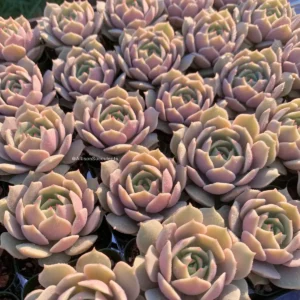

Original price was: $19.60.$11.76Current price is: $11.76.
-30%
Original price was: $79.98.$55.98Current price is: $55.98.
-30%
Original price was: $79.98.$55.98Current price is: $55.98.
PLANTING & CARE
Lemon Tree Growing: Choose, Plant, and Harvest
Learn how to choose, plant, feed, and protect a lemon tree so it fits your
23
Sep
Sep
Dwarf Meyer Lemon Tree Australia: Climate Guide
Learn where dwarf Meyer lemon trees grow, how much cold they tolerate, and whether Australia,
Where to Buy a Dwarf Meyer Lemon Tree: Buyer’s Guide
Find the right dwarf Meyer lemon tree online or locally, compare starter sizes and costs,
Dwarf Meyer Lemon Tree for Sale: Buying Guide
Compare Meyer lemon tree sizes, prices, shipping limits, indoor growing and California options before you
Dwarf Meyer Lemon Tree Guide: Size, Care and Fruit
META: Learn how large a dwarf Meyer lemon tree grows, where it thrives, and how
How to Prune a Dwarf Meyer Lemon Tree
Learn when and how to prune a dwarf Meyer lemon tree, including tools, shaping cuts,
Can You Grow a Dwarf Meyer Lemon Tree in a Pot?
META: Learn how to grow a dwarf Meyer lemon tree in a pot, including container
When Do Dwarf Meyer Lemon Trees Bloom and Fruit?
META: Dwarf Meyer lemon trees usually bloom from winter through spring and may flower again