Edible Lotus Seeds Mix – 5 Seeds – Grow Your Own Aquatic Plants for Ponds & Gardens
-54%
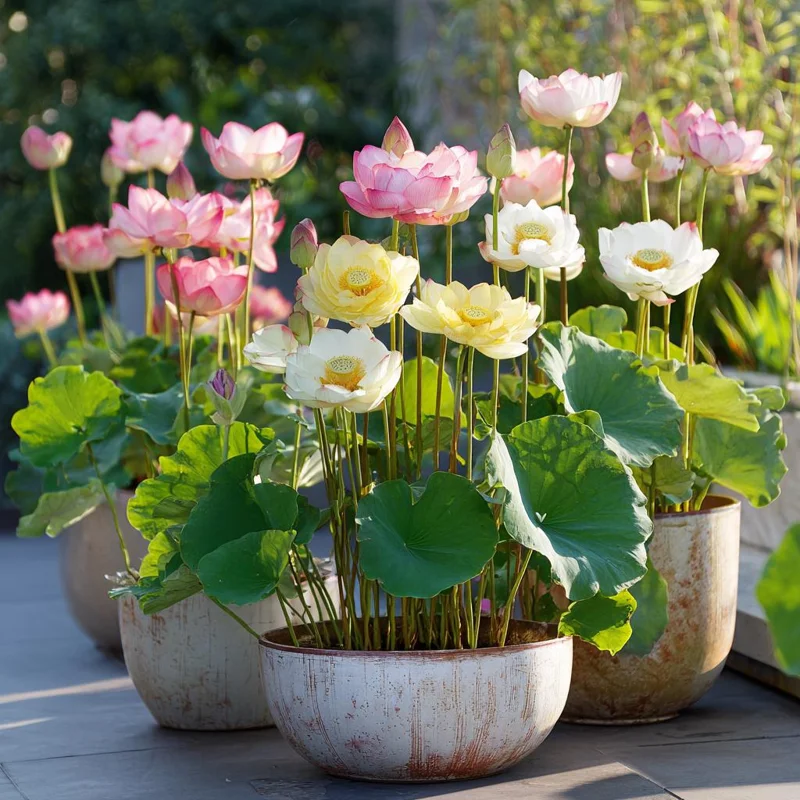
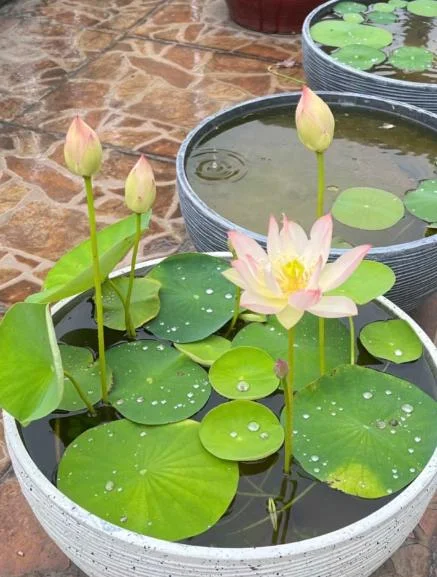
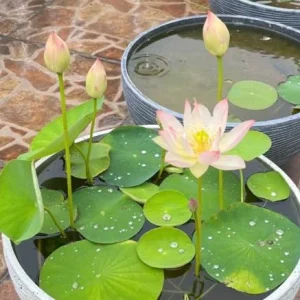
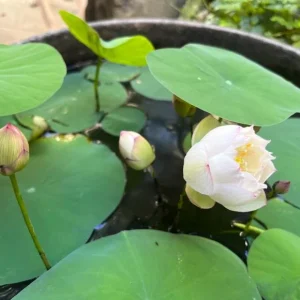
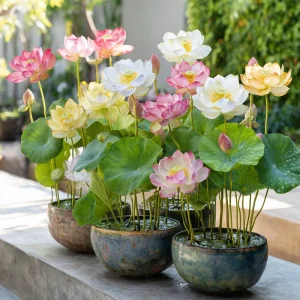
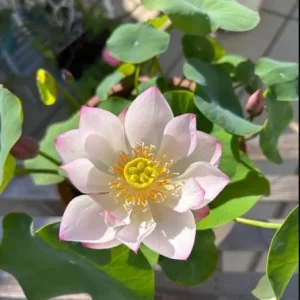
Edible Lotus Seeds Mix – 5 Seeds – Grow Your Own Aquatic Plants for Ponds & Gardens
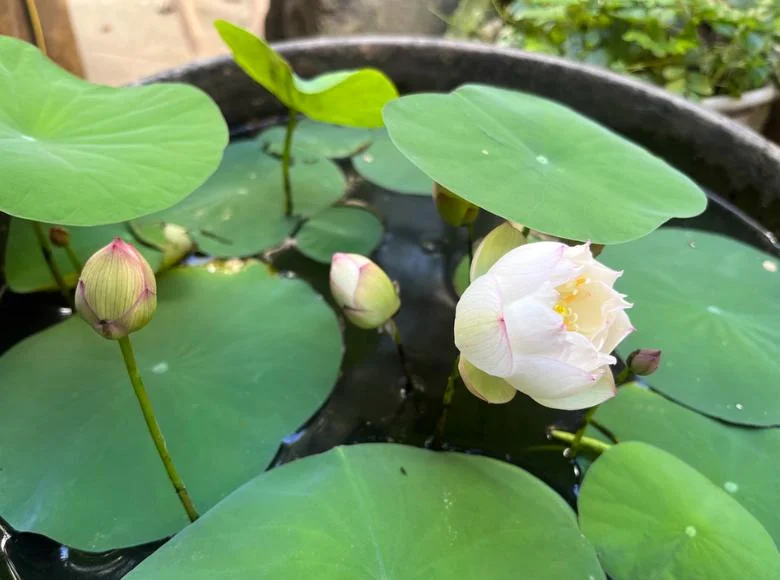
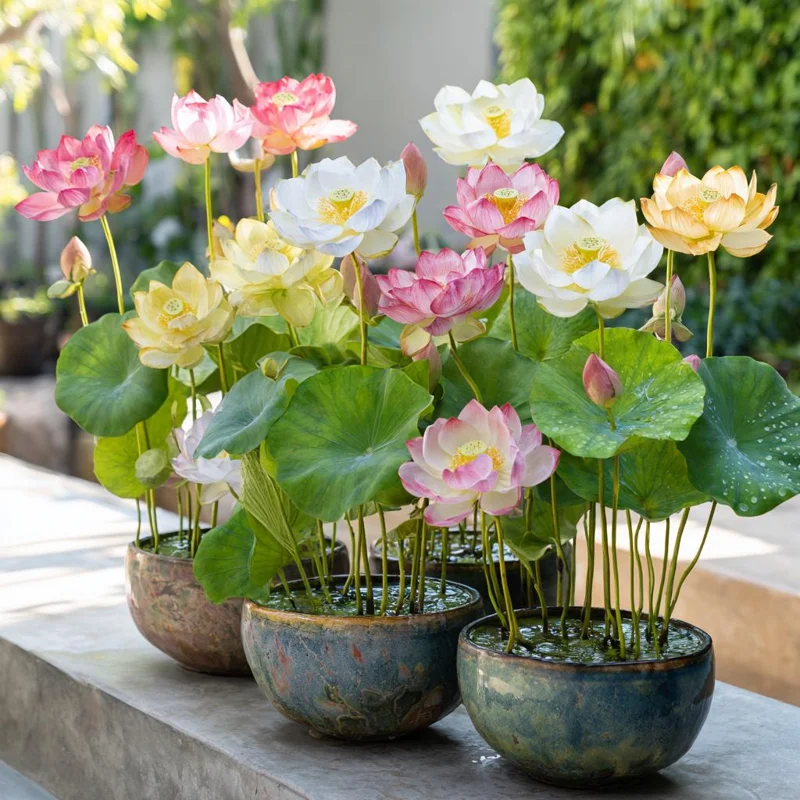
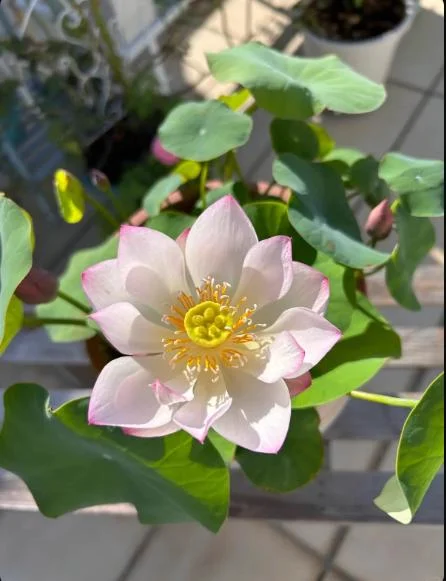
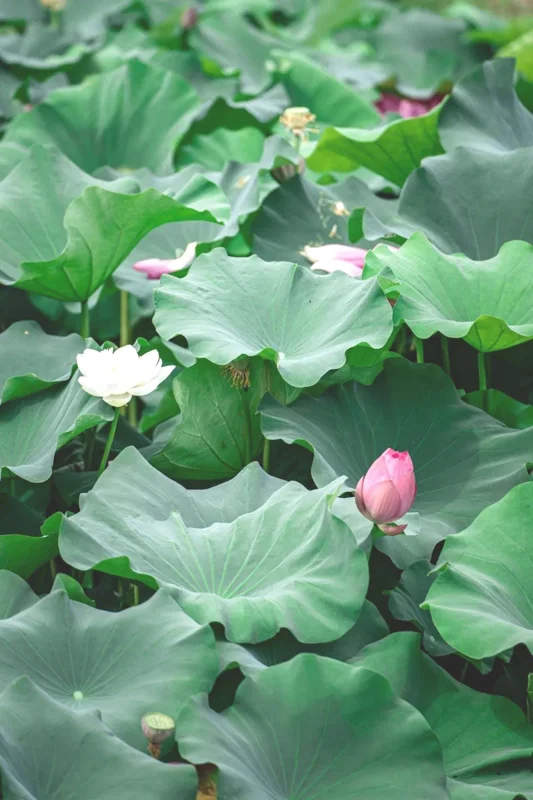
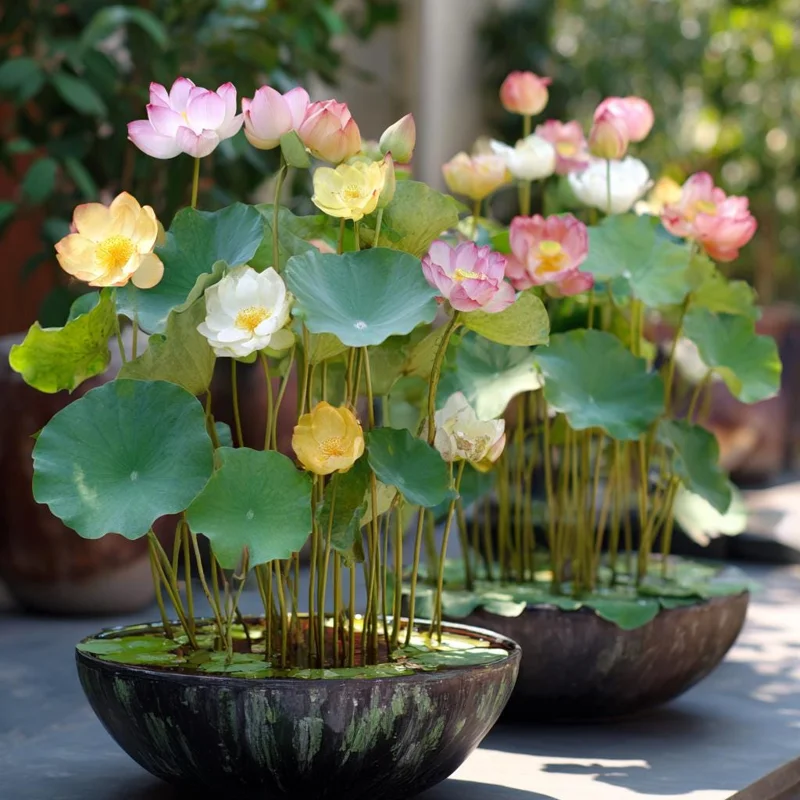
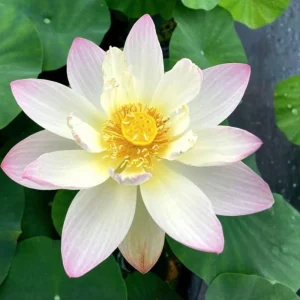
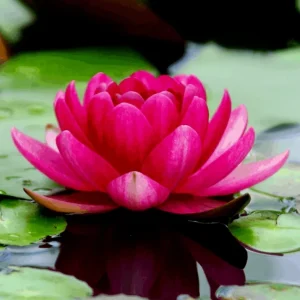
Cultivate your own beautiful and delicious aquatic plants with this edible lotus seeds mix. Each pack contains 5 seeds for growing in ponds, water features, or containers. Enjoy both ornamental blooms and nutritious seeds from your home garden.
Original price was: $36.99.$16.99Current price is: $16.99.

With our Alive & Thrive Guarantee, we’ve got your back for the first 30 days! If you have any concerns about your plants, just reach out to us. Our team is here to help answer your questions and guide you in selecting the best plants for your garden, climate, and unique preferences. We're excited to help you create the garden of your dreams!
Estimated arrival
Oct 14
Oct 19 - Oct 21
Oct 24 - Oct 28

Product Details
-
USDA Hardiness Zone
USDA zones 9-11 (or indoors) -
Soil type
Heavy clay-loam soil -
Sunlight Exposure
Full sun -
Expected Planting Period
Spring to early summer
Overview
Discover the joy of cultivating your own aquatic garden with our premium edible lotus seeds mix. This selection offers a diverse blend of lotus varieties, perfect for home gardeners eager to grow these magnificent plants. Each pack contains 5 seeds, providing an excellent opportunity to establish a thriving lotus display. Known for their delicate flavor and subtle crunch, the seeds are not only a culinary delight but also offer a rich nutritional profile. Whether you’re looking to enhance a garden pond, create a serene water feature, or grow them in indoor containers, these lotus seeds are surprisingly easy to cultivate. Beyond the edible seeds, lotus plants produce stunning, elegant blooms that will add unparalleled beauty to any setting, making them a truly rewarding addition to your plant collection. Embrace the journey of growing these unique plants, from seed to spectacular flower and harvestable seed.
The lotus, scientifically known as Nelumbo nucifera, holds significant cultural and aesthetic value worldwide. Our mix allows you to experience the full life cycle of this incredible aquatic plant, from germination to flowering and seed production. These aquatic plant seeds are specifically chosen for their viability and potential to produce robust plants. Growing lotus seeds for planting is a fascinating process that connects you directly with nature, providing both a visual spectacle and a sustainable food source.
Key Benefits
Growing your own lotus plants from seed offers a multitude of benefits, transforming your garden or home environment into a tranquil oasis while providing a unique culinary ingredient.
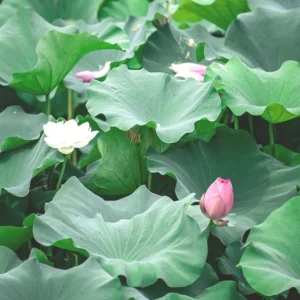
- Ornamental Beauty: Lotus plants are renowned for their large, exquisite flowers and distinctive foliage. They bring a serene and exotic touch to water gardens, ponds, and even large containers, creating a focal point of natural elegance.
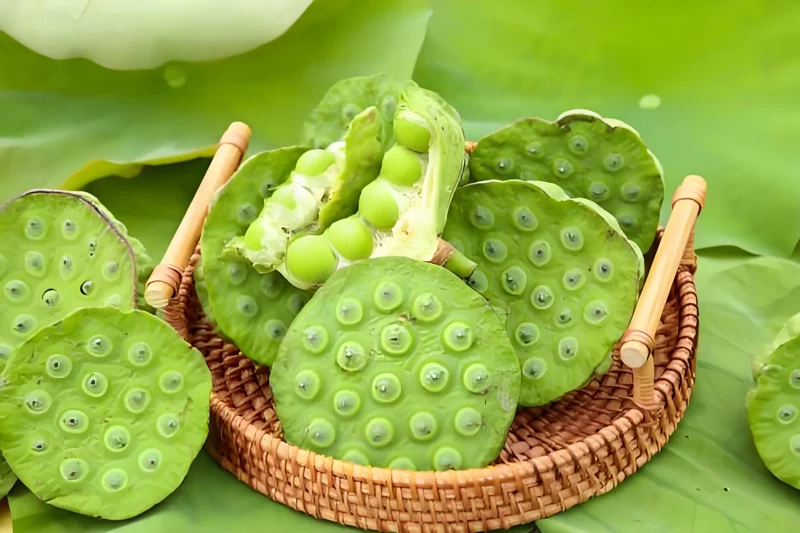
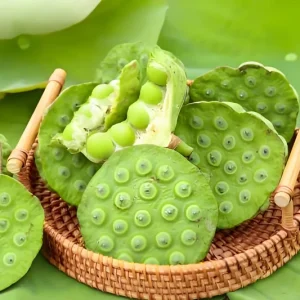
- Edible Harvest: The primary appeal of this mix is the ability to harvest your own delicious and nutritious lotus seeds. These seeds can be enjoyed raw, roasted, or incorporated into various culinary dishes, offering a unique texture and flavor.
- Nutritional Value: Edible lotus seeds are packed with protein, fiber, and essential minerals, making them a healthy snack or ingredient. Growing your own ensures a fresh, organic source of these beneficial seeds.
- Therapeutic Ambiance: The presence of lotus plants in a water feature can create a calming and meditative atmosphere. The gentle movement of water and the beauty of the blooms contribute to a peaceful environment.
- Engaging Gardening Project: For those who enjoy hands-on gardening, learning to grow lotus from seed is a rewarding and educational experience. It’s a unique challenge that yields beautiful results and a deeper understanding of aquatic horticulture.
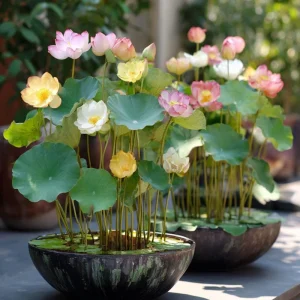
- Versatile Cultivation: These lotus seeds for planting can be grown in various settings, from large outdoor ponds to smaller indoor water containers, offering flexibility for different living situations.
- Biodiversity Support: Introducing aquatic plants like lotus can contribute to the biodiversity of your garden ecosystem, potentially attracting beneficial insects and providing habitat for small aquatic life.
Plant Care & Growing Tips
Successful cultivation of edible lotus seeds requires attention to specific environmental factors, but with the right approach, even beginners can enjoy bountiful results. Begin by preparing your seeds: gently scarify the hard outer shell of each seed with a file or sandpaper until you see a lighter inner layer, being careful not to damage the embryo. Then, soak the prepared seeds in warm (not hot) water, changing the water daily. You should see germination within 1–3 weeks, with the seeds swelling and sending out a tiny root and shoot. Once the seedlings have developed a few leaves and a strong root system, they are ready for planting.
For planting, choose a wide, shallow container without drainage holes, or a dedicated aquatic planting basket. Fill the container with 2–4 inches of heavy, nutrient-rich soil – a mixture of clay and loam is ideal. Avoid light potting mixes that will float. Gently embed the germinated lotus seeds for planting into the soil, ensuring the roots are covered but the growing shoot is exposed. Carefully submerge the container into your pond or water feature, ensuring there is at least 6-12 inches of water above the soil surface. Lotus plants thrive in full sun, requiring at least 6-8 hours of direct sunlight daily. Warm temperatures are crucial for vigorous growth and flowering, ideally between 75-85°F (24-29°C).
Maintain consistent water levels, replacing evaporated water as needed. Fertilize lightly once the plant has established itself and started producing floating leaves, using specialized aquatic plant fertilizer tablets pushed into the soil away from the plant’s crown. Regular removal of yellowing or decaying leaves helps maintain plant health and encourages new growth. When learning to grow lotus from seed, patience is key. With proper lotus plant care, you can expect beautiful blooms and a harvest of edible seeds. Lotus is a tropical plant and in colder climates (below USDA Zone 9), it will need protection during winter, either by moving containers indoors or allowing the rhizomes to overwinter at the bottom of a deep, unfrozen pond.
Size & Details
This product includes a mix of 5 edible lotus seeds, carefully selected for optimal germination and growth. When mature, lotus plants can vary significantly in size depending on the variety, growing medium, and environmental conditions. Typically, lotus plants can reach heights of 2 to 6 feet above the water surface, with leaves and flowers spanning 1 to 2 feet in diameter. The seeds provided are intended for cultivation into full-sized plants, which will yield their own seeds for harvesting. Each seed is a potential new plant, offering a rewarding gardening experience. The seeds are shipped in a dry, dormant state, ready for your scarification and soaking process. With adequate lotus plant care, you can expect the first blooms within one to two growing seasons, followed by the development of seed pods. The growth rate is moderate to fast under ideal conditions, making it a satisfying project for aspiring aquatic gardeners. These aquatic plant seeds are an excellent choice for those looking to add a dramatic and productive element to their water garden.
Frequently Asked Questions
- Q: How do I prepare the edible lotus seeds for planting? A: Before planting, you need to scarify the hard outer shell of each seed. Gently rub a small portion of the seed’s dark coat with sandpaper or a file until you expose a lighter, cream-colored layer. Be careful not to go too deep and damage the embryo. After scarification, soak the seeds in warm water, changing the water daily, until they germinate.
- Q: What kind of container is best for growing lotus? A: Lotus plants prefer wide, shallow containers that do not have drainage holes. A plastic tub or a specialized aquatic plant basket filled with heavy clay-loam soil is ideal. Ensure the container is large enough to accommodate the plant’s root system as it grows.
- Q: How much sunlight does a lotus plant need? A: Lotus plants are sun-lovers and require at least 6-8 hours of direct sunlight per day to thrive and produce flowers. Place your lotus in the sunniest part of your garden or near a bright window if growing indoors.
- Q: Is it difficult to grow lotus from seed? A: Growing lotus from seed is an engaging process that requires a bit of patience and specific steps like scarification and soaking. However, with proper guidance and consistent care, it is achievable for gardeners of all experience levels. The initial steps are crucial for success.
- Q: When can I expect my lotus to flower and produce seeds? A: Under optimal conditions and with good lotus plant care, you can typically expect your lotus to flower within the first one to two growing seasons after planting. Seed pods will develop after the flowers have bloomed and faded, usually ripening in late summer or early fall.
- Q: What is the ideal water temperature for lotus plants? A: Lotus plants prefer warm water temperatures, ideally between 75-85°F (24-29°C). Consistent warmth encourages faster growth and more robust blooming. In colder climates, ensure the water heats up sufficiently during the growing season.
- Q: Can I grow these aquatic plant seeds indoors? A: Yes, you can grow lotus plants indoors in large containers, provided they receive sufficient light and warmth. A sunny window or supplemental grow lights can help ensure they get the necessary light exposure. Ensure the container is water-tight.
- Q: What kind of soil should I use for lotus plants? A: Use a heavy, clay-based soil for planting lotus. Avoid light, peat-based potting mixes as they tend to float and lack the necessary nutrients. A mix of clay and loam is generally recommended for anchoring the plant and providing essential minerals.
- Q: How often should I fertilize my lotus plant? A: Fertilize established lotus plants sparingly, typically once a month during the active growing season (spring and summer). Use specialized aquatic plant fertilizer tablets, pushing them into the soil away from the plant’s crown to avoid burning the rhizome. Do not fertilize newly planted seedlings.
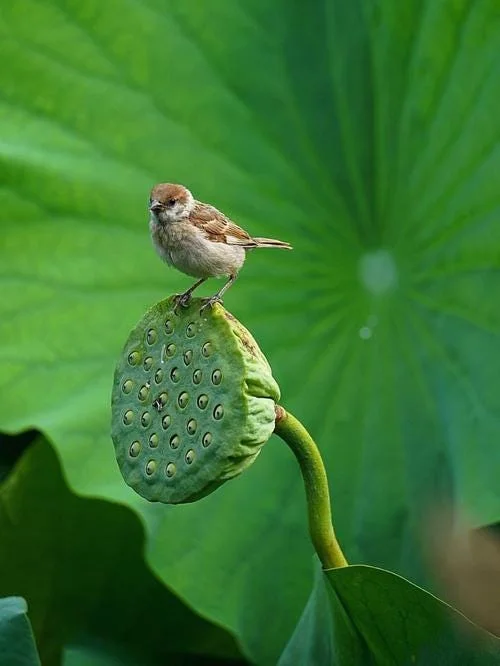
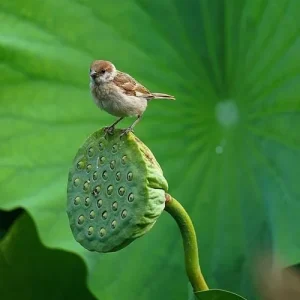
- Q: How do I harvest the edible lotus seeds? A: Lotus seeds are ready for harvest when the seed pods turn dark green to brown and the individual seeds inside are firm and dark. You can break open the pods to extract the seeds. They can be consumed fresh or dried for later use.
Related products
-50%
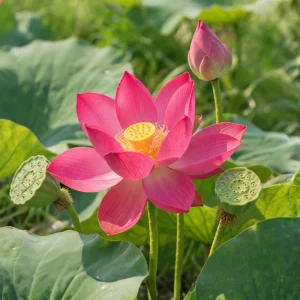
Original price was: $1,026.26.$513.14Current price is: $513.14.
-50%
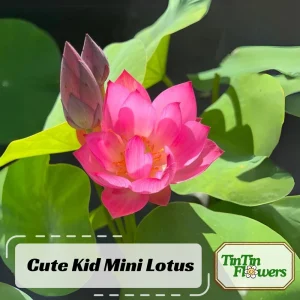
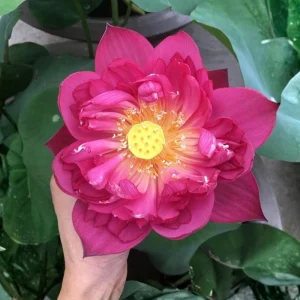
Original price was: $19.96.$9.98Current price is: $9.98.
-50%
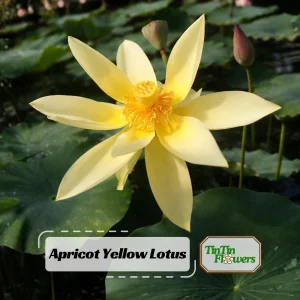
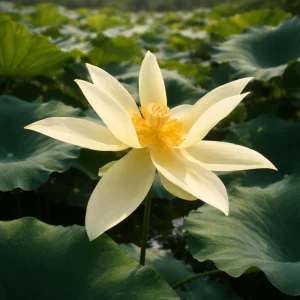
Yellow Lotus Seeds – Indian Lotus (Nelumbo nucifera) – Hardy Perennial Water Flower Seeds – 5+ Count
Original price was: $19.96.$9.98Current price is: $9.98.
-50%
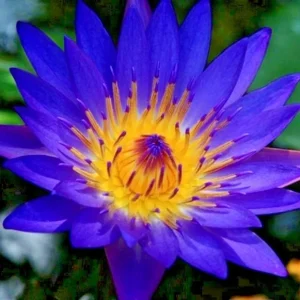
Original price was: $22.76.$11.38Current price is: $11.38.
-50%
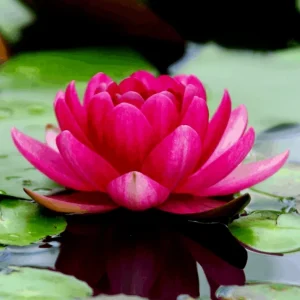
Original price was: $18.76.$9.38Current price is: $9.38.
-50%
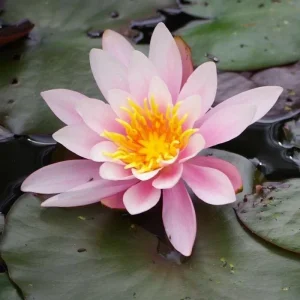
Original price was: $22.76.$11.38Current price is: $11.38.
-50%
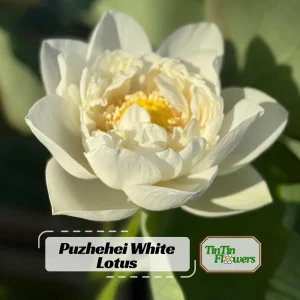
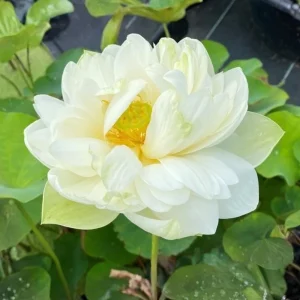
Original price was: $19.96.$9.98Current price is: $9.98.
-50%
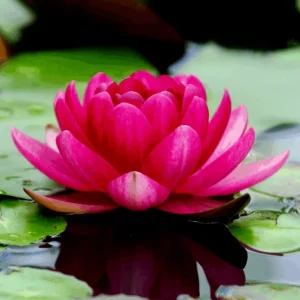
Original price was: $42.76.$21.38Current price is: $21.38.
PLANTING & CARE
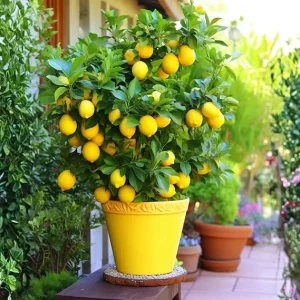
Lemon Tree Growing: Choose, Plant, and Harvest
Learn how to choose, plant, feed, and protect a lemon tree so it fits your
23
Sep
Sep
Dwarf Meyer Lemon Tree Australia: Climate Guide
Learn where dwarf Meyer lemon trees grow, how much cold they tolerate, and whether Australia,
Where to Buy a Dwarf Meyer Lemon Tree: Buyer’s Guide
Find the right dwarf Meyer lemon tree online or locally, compare starter sizes and costs,
Dwarf Meyer Lemon Tree for Sale: Buying Guide
Compare Meyer lemon tree sizes, prices, shipping limits, indoor growing and California options before you
Dwarf Meyer Lemon Tree Guide: Size, Care and Fruit
META: Learn how large a dwarf Meyer lemon tree grows, where it thrives, and how
How to Prune a Dwarf Meyer Lemon Tree
Learn when and how to prune a dwarf Meyer lemon tree, including tools, shaping cuts,
Can You Grow a Dwarf Meyer Lemon Tree in a Pot?
META: Learn how to grow a dwarf Meyer lemon tree in a pot, including container
When Do Dwarf Meyer Lemon Trees Bloom and Fruit?
META: Dwarf Meyer lemon trees usually bloom from winter through spring and may flower again