Egg Fruit Live Plant – Pouteria campechiana – 22-26 Inch Tall – 1 Gallon Pot
-16%
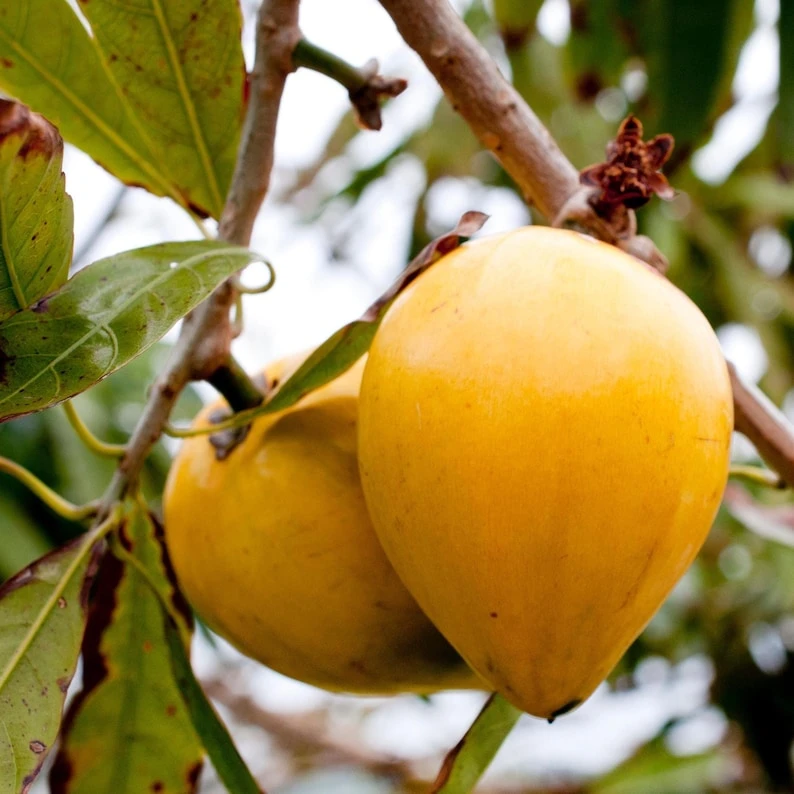
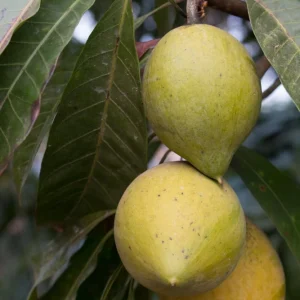
Egg Fruit Live Plant – Pouteria campechiana – 22-26 Inch Tall – 1 Gallon Pot
Cultivate your own exotic tropical garden with this vibrant egg fruit live plant. Standing 22 to 26 inches tall in a 1-gallon pot, this pouteria campechiana plant promises unique, sweet, and custardy fruits. Ideal for warm climates and fruit enthusiasts.
Original price was: $95.95.$80.45Current price is: $80.45.

With our Alive & Thrive Guarantee, we’ve got your back for the first 30 days! If you have any concerns about your plants, just reach out to us. Our team is here to help answer your questions and guide you in selecting the best plants for your garden, climate, and unique preferences. We're excited to help you create the garden of your dreams!
Estimated arrival
Oct 14
Oct 19 - Oct 21
Oct 24 - Oct 28
Product Details
-
USDA Hardiness Zone
USDA zones 9-11 -
Soil type
Well-draining, fertile soil -
Sunlight Exposure
Full sun -
Expected Planting Period
Year-round in warm climates; Spring to Summer in others
Overview
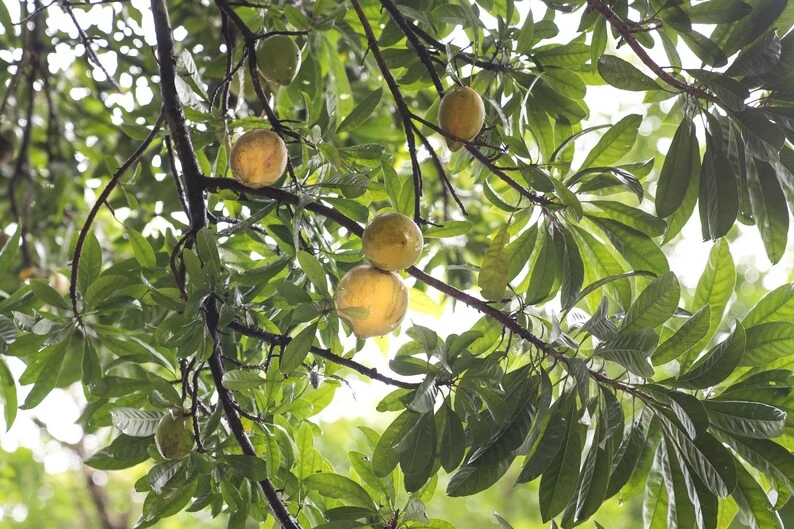
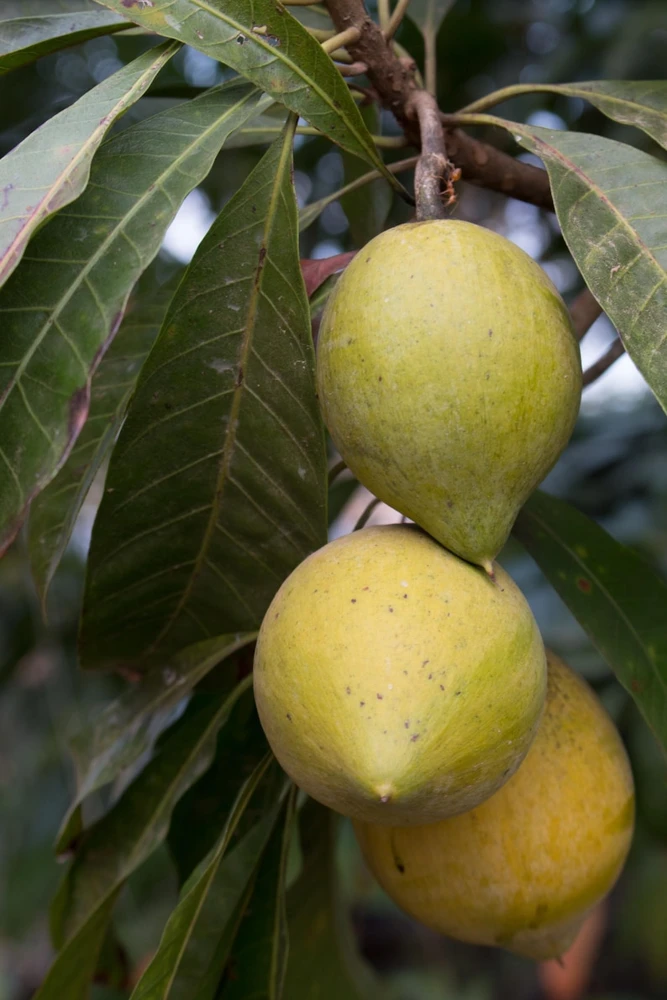
Introduce an exotic delight to your garden or patio with this beautiful egg fruit live plant. Also known by its botanical name, Pouteria campechiana plant, and commonly referred to as Canistel, this unique tropical fruit tree is cherished for its distinctive, sweet, and custardy yellow-orange fruits. Originating from Central America, the egg fruit is gaining popularity worldwide for its delicious flavor and nutritional value. This robust specimen arrives at a healthy height of 22 to 26 inches, perfectly poised for continued growth in its 1-gallon nursery pot. Whether you’re an experienced gardener or just starting your journey with tropical plants, this egg fruit live plant offers a rewarding and delicious experience, bringing a taste of the tropics right to your home.
The fruit’s texture is often compared to a hard-boiled egg yolk, hence its common name, while its flavor is a sweet, rich blend reminiscent of pumpkin, sweet potato, and maple syrup. The Pouteria campechiana plant is not only a source of delectable fruit but also an attractive ornamental tree, providing lush green foliage and a touch of the exotic to any landscape or large container garden. Prepare to enjoy a bountiful harvest of these intriguing fruits, perfect for fresh eating, smoothies, desserts, and more.
Key Benefits
Bringing a egg fruit live plant into your garden offers a multitude of benefits, from its unique culinary contributions to its aesthetic appeal and nutritional value. This tropical gem is a fantastic addition for anyone looking to expand their edible landscape.
- Exotic Fruit Production: Enjoy the unique, sweet, and custardy flavor of fresh egg fruit, a delightful tropical treat that’s hard to find in conventional stores. Growing your own ensures peak ripeness and flavor.
- Nutritional Powerhouse: Egg fruit is rich in vitamins, minerals, and antioxidants, including Vitamin C, Beta-Carotene, and fiber, contributing to a healthy diet.
- Attractive Ornamental Tree: Beyond its fruit, the Pouteria campechiana plant boasts glossy green leaves and an elegant form, making it a beautiful addition to any garden or patio as a decorative plant.
- Container Friendly: While it can grow into a large tree in the ground, the canistel tree for sale can also be successfully grown in large containers, making it suitable for patios, balconies, or climates where it needs to be brought indoors during colder months.
- Rewarding Growing Experience: Learning how to grow egg fruit provides a fulfilling gardening project, culminating in the harvest of its distinctive and delicious fruits.
- Culinary Versatility: The fruit can be enjoyed fresh, blended into smoothies, used in pies, custards, or even made into ice cream, offering diverse culinary applications.
- Unique Garden Specimen: Stand out from typical fruit trees with this less common but incredibly rewarding tropical fruit trees option, a true conversation starter.
Plant Care & Growing Tips
To ensure your egg fruit live plant thrives and produces abundant fruit, understanding its specific care requirements is crucial. This tropical species prefers warm, humid conditions and requires attentive care, especially when young.
Sunlight Requirements: The Pouteria campechiana plant flourishes in full sun, requiring at least 6-8 hours of direct sunlight per day to produce the best fruit. If growing indoors, place it near a south-facing window or supplement with a grow light. In extremely hot climates, some afternoon shade can be beneficial to prevent leaf scorch, especially for young plants.
Watering Schedule and Soil Moisture: Consistent moisture is key for a young egg fruit live plant. Water regularly, ensuring the soil remains evenly moist but not waterlogged. Allow the top inch or two of soil to dry out slightly between waterings. Reduce watering during cooler, dormant periods. Good drainage is essential to prevent root rot. Overwatering is a common mistake, so always check soil moisture before watering again.
Soil Type and Drainage Requirements: Egg fruit trees prefer well-draining, fertile soil with a slightly acidic to neutral pH (6.0-7.5). A sandy loam soil enriched with organic matter is ideal. For container growing, use a high-quality potting mix designed for tropical plants, ensuring excellent drainage. Incorporating perlite or coarse sand can further improve drainage.
Temperature Range and USDA Hardiness Zone: Being a tropical tree, the egg fruit live plant is sensitive to cold. It thrives in warm temperatures above 60°F (15°C) and can tolerate brief dips to 30°F (-1°C) once established. Young plants are more susceptible to cold damage. It is best suited for USDA Hardiness Zones 9-11. In colder zones, it must be grown in a container and brought indoors during winter or protected from frost.
Fertilization Schedule and Type: Fertilize your Pouteria campechiana plant with a balanced, slow-release fertilizer formulated for fruit trees, or an organic fertilizer rich in micronutrients, during the growing season (spring through fall). Follow the product’s instructions for application rates. Young plants benefit from light, frequent feeding, while established trees can be fertilized 2-3 times a year. Avoid fertilizing during winter dormancy. Understanding how to grow egg fruit successfully includes proper nutrition.
Common Problems and Solutions: Egg fruit trees are generally hardy but can occasionally encounter issues. Look out for common pests like aphids, mealybugs, or scale, which can be treated with insecticidal soap or neem oil. Fungal issues, often caused by overwatering, can be mitigated by ensuring good air circulation and proper drainage. Yellowing leaves can indicate nutrient deficiency or improper watering. Adjusting your care routine based on these signs will help your tropical fruit trees thrive.
Size & Details
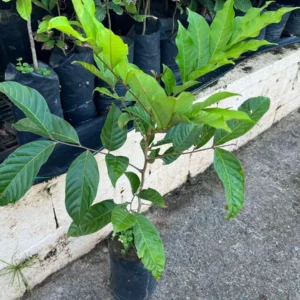
This offering is for a single egg fruit live plant, meticulously grown to a robust size of approximately 22 to 26 inches in height, measured from the base of the pot to the top of the foliage. It comes pre-potted in a standard 1-gallon nursery container, providing a well-established root system ready for transplanting. The growth rate of the Pouteria campechiana plant is moderate, and it can eventually reach heights of 20-30 feet in optimal outdoor conditions, though it remains smaller in containers. Expect your plant to arrive with healthy, vibrant green leaves, indicating its vitality. While this plant is already a good size, it will take several years to mature and begin fruiting, typically 3-5 years from planting, depending on growing conditions and care. This canistel tree for sale is a young, vigorous specimen, ready to establish itself in its new home and begin its journey towards fruit production.
Frequently Asked Questions
- Q: How big does this egg fruit live plant get? A: This specific egg fruit live plant is 22 to 26 inches tall when shipped. In ideal outdoor conditions, mature trees can reach 20-30 feet in height, but they can be kept smaller with pruning or by growing them in large containers.
- Q: What size pot does it come in? A: Your Pouteria campechiana plant will arrive in a 1-gallon nursery pot, providing a good foundation for its root system. You can gradually repot it into larger containers as it grows.
- Q: Is this an indoor or outdoor plant? A: The egg fruit live plant is a tropical tree best grown outdoors in USDA Zones 9-11. In colder zones, it must be grown in a container and brought indoors or protected from frost during winter. It can thrive indoors with sufficient light.
- Q: How much sunlight does it need? A: This plant requires full sun, meaning at least 6-8 hours of direct sunlight daily, to grow optimally and produce fruit.
- Q: Is this plant easy to care for? A: While not extremely difficult, growing a tropical fruit trees like the egg fruit requires consistent attention to watering, sunlight, and temperature, especially for young plants. It’s a rewarding project for gardeners with some experience or those willing to learn.
- Q: What condition will it arrive in? A: Your canistel tree for sale will arrive healthy, live, and carefully packaged to ensure its safe journey. Expect some minor leaf stress due to transit, which is normal and will recover quickly.
- Q: Is it shipped in soil? A: Yes, the egg fruit live plant is shipped securely in its 1-gallon nursery pot with its established soil and root ball intact.
- Q: Can I use egg fruit in cooking? A: Absolutely! The fruit is delicious fresh, in smoothies, milkshakes, custards, pies, and even ice cream. Learning how to grow egg fruit opens up many culinary possibilities.
- Q: How long until it blooms and fruits? A: Typically, an egg fruit live plant can take 3-5 years to begin flowering and fruiting from the time of planting, depending on care and growing conditions.
- Q: Will it survive winter in my zone? A: This plant is suitable for USDA Zones 9-11. If you are in a colder zone, you must provide winter protection or grow it in a container that can be moved indoors when temperatures drop below freezing.
Related products
-50%
Original price was: $39.98.$19.99Current price is: $19.99.

-20%
Original price was: $60.00.$48.00Current price is: $48.00.
-20%
Original price was: $36.00.$28.80Current price is: $28.80.
-20%
Original price was: $32.00.$25.60Current price is: $25.60.
-20%
Original price was: $34.00.$27.20Current price is: $27.20.
-10%
Original price was: $75.00.$67.50Current price is: $67.50.
PLANTING & CARE
Lemon Tree Growing: Choose, Plant, and Harvest
Learn how to choose, plant, feed, and protect a lemon tree so it fits your
23
Sep
Sep
Dwarf Meyer Lemon Tree Australia: Climate Guide
Learn where dwarf Meyer lemon trees grow, how much cold they tolerate, and whether Australia,
Where to Buy a Dwarf Meyer Lemon Tree: Buyer’s Guide
Find the right dwarf Meyer lemon tree online or locally, compare starter sizes and costs,
Dwarf Meyer Lemon Tree for Sale: Buying Guide
Compare Meyer lemon tree sizes, prices, shipping limits, indoor growing and California options before you
Dwarf Meyer Lemon Tree Guide: Size, Care and Fruit
META: Learn how large a dwarf Meyer lemon tree grows, where it thrives, and how
How to Prune a Dwarf Meyer Lemon Tree
Learn when and how to prune a dwarf Meyer lemon tree, including tools, shaping cuts,
Can You Grow a Dwarf Meyer Lemon Tree in a Pot?
META: Learn how to grow a dwarf Meyer lemon tree in a pot, including container
When Do Dwarf Meyer Lemon Trees Bloom and Fruit?
META: Dwarf Meyer lemon trees usually bloom from winter through spring and may flower again