Elephant Ear Live Plant – Jacks Giant Colocasia – Tropical Indoor/Outdoor Plant
-43%
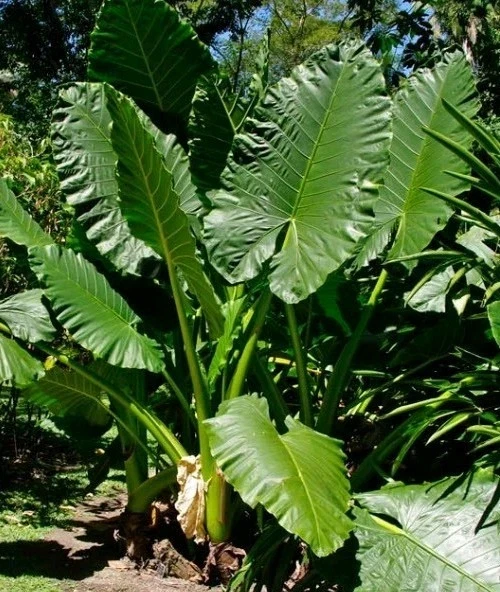
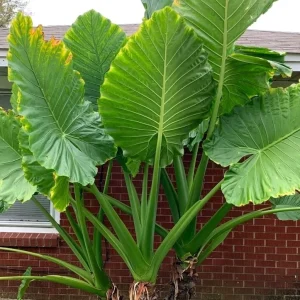
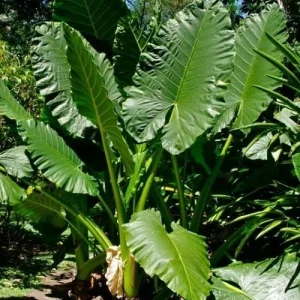
Elephant Ear Live Plant – Jacks Giant Colocasia – Tropical Indoor/Outdoor Plant
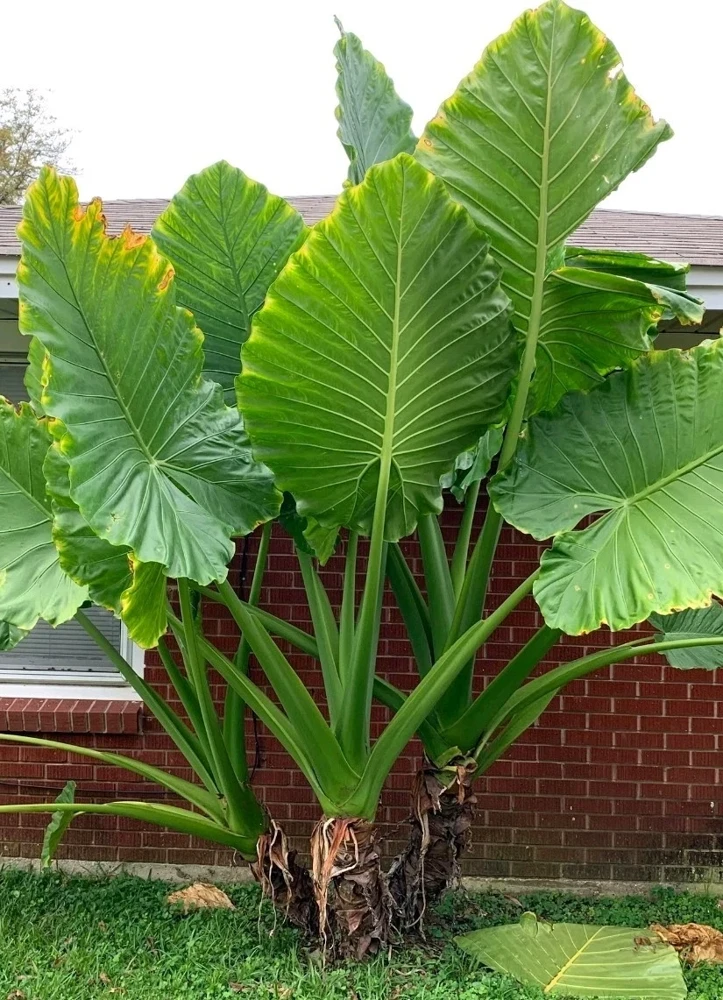
Bring a touch of the tropics to your home or garden with this impressive elephant ear live plant. Known for its large, dramatic foliage, the colocasia macrorrhiza plant is a stunning addition to any space, perfect for creating a lush, exotic atmosphere.
Original price was: $29.98.$16.99Current price is: $16.99.

With our Alive & Thrive Guarantee, we’ve got your back for the first 30 days! If you have any concerns about your plants, just reach out to us. Our team is here to help answer your questions and guide you in selecting the best plants for your garden, climate, and unique preferences. We're excited to help you create the garden of your dreams!
Estimated arrival
Oct 21
Oct 26 - Oct 28
Oct 31 - Nov 04
Product Details
-
USDA Hardiness Zone
USDA zones 9-11 (outdoors), suitable for all zones indoors -
Soil type
Rich, well-draining soil with organic matter -
Sunlight Exposure
Partial shade to bright indirect light -
Expected Planting Period
Year-round indoors, spring to early summer outdoors
Overview
Transform your living space or garden into a lush, tropical paradise with a magnificent elephant ear live plant. This particular variety, scientifically known as Colocasia Macrorrhiza, is renowned for its impressively large, heart-shaped leaves that can reach colossal sizes, truly living up to its “elephant ear” moniker. Originating from tropical and subtropical regions, this plant thrives in warm, humid environments, making it an excellent choice for both indoor display in suitable climates and outdoor planting in warmer USDA zones. Its striking foliage provides a dramatic focal point, adding architectural interest and a vibrant green hue to any setting. Whether you’re an experienced gardener or a beginner looking to make a bold statement, the colocasia macrorrhiza plant offers an accessible way to introduce exotic beauty.
The elephant ear live plant is more than just a decorative piece; it’s a living sculpture that brings a sense of tranquility and natural grandeur. Its rapid growth and relatively easy care make it a rewarding plant to cultivate. With proper attention, you can enjoy its majestic presence for many seasons. This plant is often sought after for its ability to create a dense, verdant backdrop, perfect for shading smaller plants or adding depth to a landscape. Discover the joy of growing your own giant elephant ear and watch as it becomes the centerpiece of your botanical collection.
Key Benefits
Adding an elephant ear live plant to your home or garden offers numerous advantages, enhancing both aesthetic appeal and environmental quality. Its dramatic presence and unique characteristics make it a standout choice for plant enthusiasts.
- Stunning Visual Impact: The most immediate benefit is the extraordinary visual appeal. With leaves that can grow significantly large, this plant creates an instant tropical ambiance, making any space feel more exotic and vibrant. It’s a natural focal point.
- Air Purification: Like many large-leaved plants, the colocasia macrorrhiza plant contributes to better air quality by absorbing carbon dioxide and releasing oxygen. It also helps filter common indoor air pollutants, making your home a healthier environment.
- Versatile Placement: While often associated with outdoor tropical gardens, this plant can also thrive indoors as a magnificent houseplant, provided it receives adequate light and humidity. This versatility allows you to enjoy its beauty in various settings.
- Fast Growing: Under optimal conditions, the giant elephant ear care is relatively straightforward, and the plant exhibits a vigorous growth habit. You’ll quickly see your plant mature and develop its characteristic large leaves, offering a satisfying gardening experience.
- Creates Shade and Privacy: When grown outdoors, especially in clusters, the large leaves can provide natural shade for smaller, more delicate plants or create a lush privacy screen for your outdoor living areas.
- Low Maintenance (Relative): Despite its exotic appearance, caring for an elephant ear live plant is not overly complex. With consistent watering and appropriate light, it can flourish without constant attention, making it suitable for gardeners of varying experience levels.
- Tropical Aesthetic: For those who love a tropical aesthetic, this plant is essential. It perfectly complements other tropical flora and garden decor, helping to create a cohesive and immersive tropical theme.
Plant Care & Growing Tips
Caring for your elephant ear live plant, or colocasia macrorrhiza plant, is a rewarding experience that ensures its magnificent foliage thrives. Proper attention to light, water, and soil conditions will help your plant reach its full potential. For outdoor planting, choose a location that receives partial shade, especially in hotter climates, as direct afternoon sun can scorch the leaves. In cooler zones, a spot with more morning sun and afternoon shade is ideal. If growing indoors, place your plant near a bright window where it can receive plenty of indirect light. Rotate the pot occasionally to ensure even growth and prevent it from leaning towards the light source. Consistent humidity is crucial for this tropical foliage plant, so consider misting regularly or using a pebble tray for indoor specimens.
Watering is perhaps the most critical aspect of giant elephant ear care. These plants love moisture and prefer consistently damp, but not waterlogged, soil. Check the top inch of soil; if it feels dry, it’s time to water thoroughly until water drains from the bottom of the pot. Reduce watering slightly during cooler months or if the plant enters a dormant period. Well-draining soil rich in organic matter is essential to prevent root rot while retaining sufficient moisture. A good quality potting mix amended with compost or peat moss works well. Fertilize every 2-4 weeks during the growing season (spring through summer) with a balanced liquid fertilizer diluted to half strength. Monitor for common pests like spider mites and aphids, especially on the undersides of leaves, and address them promptly with insecticidal soap if necessary. Protect outdoor plants from frost by bringing them indoors or digging up the corms for winter storage in colder climates.
Understanding the specific needs of your indoor elephant ear is key to its longevity and vibrant growth. Keep the plant away from drafts and sudden temperature fluctuations. Aim for temperatures between 65-85°F (18-29°C). While the plant enjoys humidity, ensure good air circulation to prevent fungal issues. Pruning is generally minimal; simply remove any yellowing or damaged leaves to encourage new growth and maintain a tidy appearance. With these detailed care instructions, your elephant ear will flourish, providing a stunning display of tropical beauty for years to come.
Size & Details
This elephant ear live plant is typically shipped as a well-rooted plant, ready for immediate planting. While specific dimensions can vary based on the growing environment and maturity, this species is known for its potential to grow quite large. When mature, plants can reach heights of 3 to 5 feet, with individual leaves spanning 2 to 3 feet across, creating a truly impressive display. The plant exhibits a moderate to fast growth rate under ideal conditions, quickly filling out its space with lush foliage. It is usually shipped in a nursery pot, ensuring its root system is protected during transit and ready to acclimate to its new home.
The Colocasia Macrorrhiza is a robust perennial in warmer climates but can be grown as an annual or overwintered indoors in cooler regions. Its large, glossy green leaves have prominent veins, adding to its dramatic appearance. Expect new leaves to unfurl regularly during the active growing season, contributing to its dense, tropical look. This plant is well-suited for adding vertical interest to your garden or as a striking standalone specimen in a large container. It will bring a touch of exotic elegance wherever it is placed.
Frequently Asked Questions
- Q: How big does this plant get? A: A: The elephant ear live plant can grow quite large, typically reaching heights of 3 to 5 feet with individual leaves spanning 2 to 3 feet across when mature under optimal growing conditions.
- Q: Is this an indoor or outdoor plant? A: The colocasia macrorrhiza plant is versatile. It can be grown outdoors in USDA Zones 9-11 as a perennial, or as an annual in cooler climates. It also makes a magnificent indoor elephant ear plant if provided with sufficient light and humidity.
- Q: How much sunlight does it need? A: This plant thrives in partial shade, especially in hot climates where direct afternoon sun can scorch its leaves. If growing indoors, place it in a spot with bright, indirect light.
- Q: Is this plant easy to care for? A: Yes, the elephant ear live plant is considered relatively easy to care for, making it suitable for both novice and experienced gardeners. Consistent watering and appropriate light are key to successful giant elephant ear care.
- Q: What condition will it arrive in? A: Your plant will arrive as a well-rooted live plant, typically in a nursery pot with soil, carefully packaged to ensure its safe journey and readiness for planting.
- Q: What is the best soil for this plant? A: The colocasia macrorrhiza plant prefers rich, well-draining soil that retains moisture. A high-quality potting mix amended with organic matter like compost or peat moss is ideal.
- Q: How often should I water my elephant ear? A: Keep the soil consistently moist but never waterlogged. Check the top inch of soil; if it feels dry to the touch, it’s time to water thoroughly.
- Q: Will it survive winter in my zone? A: In USDA Zones 9-11, it can remain outdoors year-round. In colder zones, it should be brought indoors or the corms can be dug up and stored over winter to protect them from frost.
- Q: Is this tropical foliage plant pet-safe? A: Like many Aroids, the elephant ear live plant can be toxic if ingested due to calcium oxalate crystals. It’s best to keep it out of reach of pets and small children.
- Q: How can I increase humidity for my indoor elephant ear? A: You can increase humidity by misting the leaves regularly, placing the pot on a pebble tray filled with water, or using a room humidifier, especially in dry indoor environments.
Related products
-30%
Original price was: $79.98.$55.98Current price is: $55.98.
-30%
Original price was: $13.98.$9.78Current price is: $9.78.


-35%

Original price was: $37.24.$24.20Current price is: $24.20.
PLANTING & CARE
Lemon Tree Growing: Choose, Plant, and Harvest
Learn how to choose, plant, feed, and protect a lemon tree so it fits your
23
Sep
Sep
Dwarf Meyer Lemon Tree Australia: Climate Guide
Learn where dwarf Meyer lemon trees grow, how much cold they tolerate, and whether Australia,
Where to Buy a Dwarf Meyer Lemon Tree: Buyer’s Guide
Find the right dwarf Meyer lemon tree online or locally, compare starter sizes and costs,
Dwarf Meyer Lemon Tree for Sale: Buying Guide
Compare Meyer lemon tree sizes, prices, shipping limits, indoor growing and California options before you
Dwarf Meyer Lemon Tree Guide: Size, Care and Fruit
META: Learn how large a dwarf Meyer lemon tree grows, where it thrives, and how
How to Prune a Dwarf Meyer Lemon Tree
Learn when and how to prune a dwarf Meyer lemon tree, including tools, shaping cuts,
Can You Grow a Dwarf Meyer Lemon Tree in a Pot?
META: Learn how to grow a dwarf Meyer lemon tree in a pot, including container
When Do Dwarf Meyer Lemon Trees Bloom and Fruit?
META: Dwarf Meyer lemon trees usually bloom from winter through spring and may flower again