Fignomenal Fig Tree – Dwarf Live Fruit Plant – Ficus carica – 4-6 inches tall
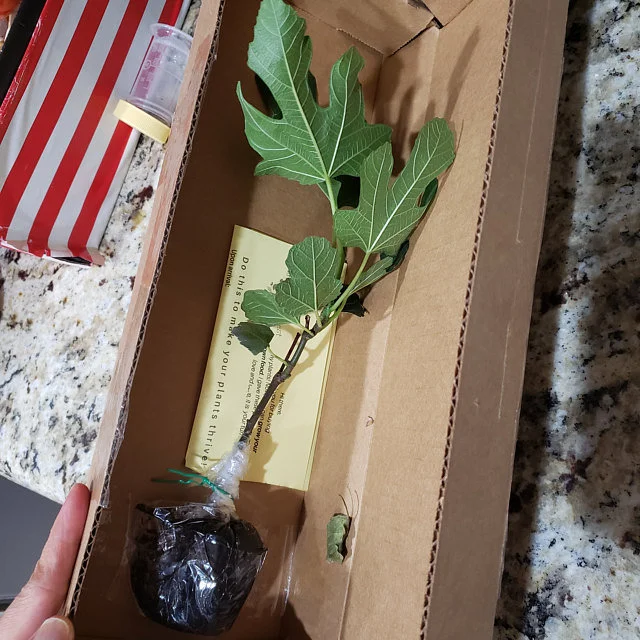
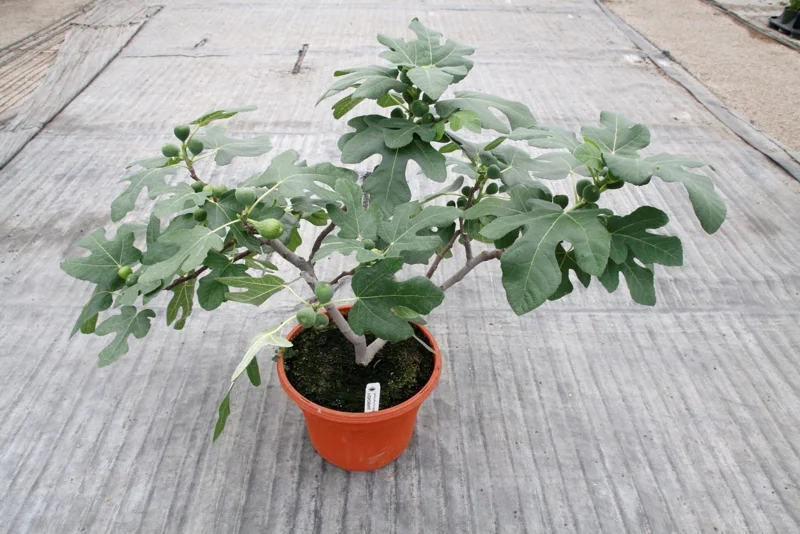
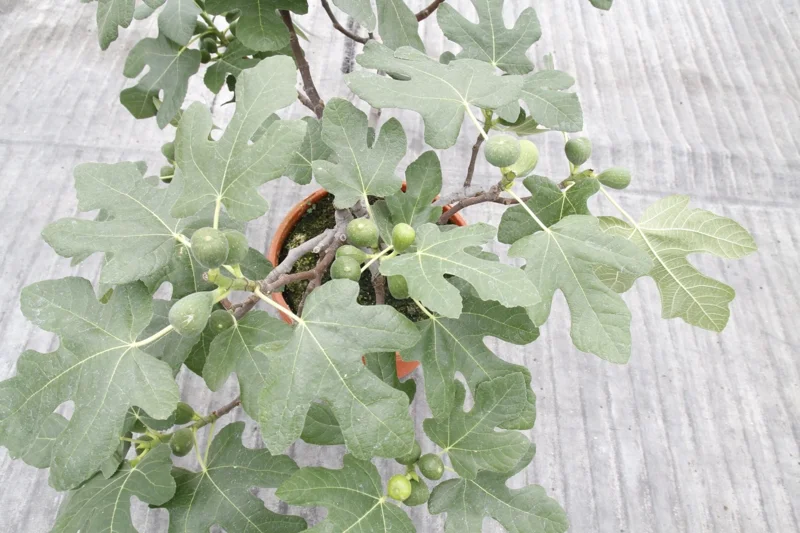
Fignomenal Fig Tree – Dwarf Live Fruit Plant – Ficus carica – 4-6 inches tall
Bring the joy of fresh figs to your home with the fignomenal dwarf fig tree. This compact fig tree live plant (Ficus carica) produces abundant, sweet fruit and thrives in patio containers, making it ideal for urban gardens or small spaces. Enjoy continuous harvests with minimal effort.
$31.98

With our Alive & Thrive Guarantee, we’ve got your back for the first 30 days! If you have any concerns about your plants, just reach out to us. Our team is here to help answer your questions and guide you in selecting the best plants for your garden, climate, and unique preferences. We're excited to help you create the garden of your dreams!
Estimated arrival
Oct 14
Oct 19 - Oct 21
Oct 24 - Oct 28


Product Details
-
USDA Hardiness Zone
USDA Zones 4-11 patio / 8-11 outdoors -
Soil type
Well-draining, fertile potting mix -
Sunlight Exposure
Full sun (6-8+ hours daily) -
Expected Planting Period
Year-round indoors; Spring to early summer outdoors
Overview
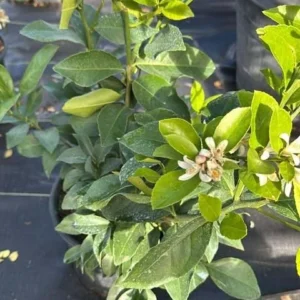
Introduce a touch of Mediterranean charm and delicious fresh fruit to your home with the fignomenal dwarf fig tree. This remarkable fig tree live plant is a compact variety of Ficus carica, specifically bred for its small stature and prolific fruit production. Perfect for gardeners with limited space, this dwarf fruit tree can be grown successfully in patio containers, on balconies, or even indoors in a sunny spot. Despite its miniature size, the ‘Fignomenal’ fig delivers a big, sweet fig flavor, making it a favorite among home chefs and fruit enthusiasts alike. It’s an excellent choice for those looking to enjoy homegrown figs without the need for a large orchard.
The fignomenal dwarf fig tree is celebrated for its continuous fruiting habit, allowing for extended harvest seasons. Its attractive broad foliage adds ornamental value, while the promise of sweet, juicy fruit makes it a highly rewarding plant to cultivate. Whether you’re an experienced gardener or just starting, this adaptable fig tree live plant offers an easy and productive way to grow your own delicious figs.
Key Benefits
The fignomenal dwarf fig tree offers numerous advantages for any plant enthusiast, combining beauty with bountiful harvests. Its unique characteristics make it a standout choice for both culinary and ornamental purposes.
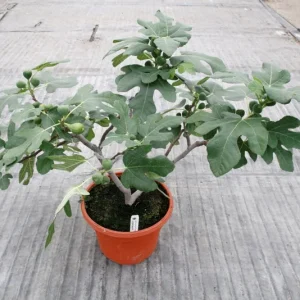
- Compact Growth Habit: This dwarf variety reaches a manageable size, typically up to 28 inches tall and wide, making it perfect for urban gardening, small patios, balconies, and even indoor cultivation.
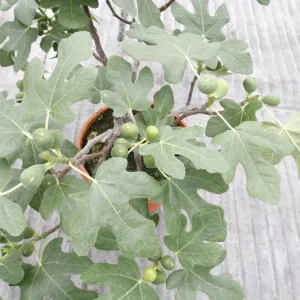
- Abundant Fruit Production: Enjoy continuous and prolific harvests of sweet, medium-sized figs with deep brown skin and a rich pink center, perfect for fresh eating or culinary creations.
- Versatile Growing Conditions: Thrives in USDA Zones 4-11 for patio growing and 8-11 for outdoor planting, offering flexibility for various climates. It can be moved indoors during winter for year-round harvests.
- Low Maintenance: The fignomenal dwarf fig tree is remarkably easy to care for, requiring full sun exposure and regular watering to flourish, making it suitable for gardeners of all skill levels.
- Culinary Delight: The sweet fruit is ideal for jams, spreads, desserts, or simply enjoyed fresh from the tree, providing endless culinary possibilities for the home chef.
- Attractive Foliage: Beyond its fruit, this fig tree live plant boasts beautiful, broad leaves that add a lush, ornamental touch to any space.
- Ideal for Containers: Its dwarf nature makes it an excellent candidate for container gardening, allowing you to easily manage its growth and move it as needed to optimize sun exposure or protect from cold.
Plant Care & Growing Tips
Caring for your fignomenal dwarf fig tree is straightforward, ensuring a rewarding experience with delicious fruit. This fig tree live plant thrives with consistent attention to its basic needs, making it an excellent choice for beginner and experienced gardeners alike. Proper care will encourage abundant growth and continuous fruiting throughout the season.
For optimal health and fruit production, the ‘Fignomenal’ fig requires full sun exposure, meaning at least 6-8 hours of direct sunlight daily. If growing indoors, place it near a south-facing window or use supplemental grow lights. When grown outdoors in containers, you can easily move it to follow the sun. Regular watering is crucial, especially during warm weather and when the plant is actively fruiting. The soil should be kept consistently moist but not waterlogged. Allow the top inch or two of soil to dry out slightly between waterings to prevent root rot. Good drainage is essential, so ensure your container has drainage holes.
The fignomenal dwarf fig tree prefers well-draining, fertile soil. A high-quality potting mix formulated for fruit trees or general-purpose potting mix amended with compost will work well. Fertilize your indoor fig plant or patio fig every 2-4 weeks during the growing season (spring through fall) with a balanced liquid fertilizer. Reduce fertilization in winter when growth slows. This variety is remarkably resilient but should be protected from extreme cold. If growing in a climate with harsh winters (outside of USDA Zones 8-11 for outdoor planting), move your containerized fig indoors to a cool, bright location or a heated greenhouse. Pruning is generally minimal, focused on removing any dead or damaged branches and shaping the plant to maintain its compact form. Watch out for common fig pests like spider mites or scale, and treat them promptly with horticultural oil or insecticidal soap if detected.
Size & Details
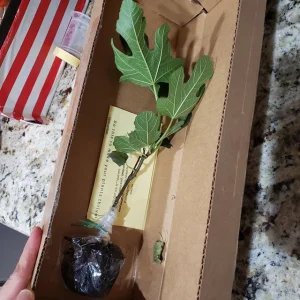
Your fignomenal dwarf fig tree will arrive as a healthy starter plant, typically measuring 4-6 inches tall. This compact fig tree live plant is designed for easy cultivation in various settings. When mature, it reaches a maximum height and width of approximately 28 inches, making it a true dwarf variety perfect for small spaces, urban gardens, and container planting on patios or indoors. The growth rate is moderate, allowing you to see significant development and fruit production within the first year of proper care.
This ficus carica dwarf variety is shipped ready to be transplanted into a slightly larger pot upon arrival, allowing its root system to expand and support its rapid growth. Expect to see continuous fruit production throughout the growing season, which can extend year-round if the plant is brought indoors during colder months. The medium-sized figs are known for their deep brown outer skin and rich pink, juicy interior, offering a delightful treat directly from the tree or for use in your favorite recipes.
Frequently Asked Questions
- Q: How big does this fignomenal dwarf fig tree get? A: This dwarf variety typically grows to a maximum height and width of about 28 inches, making it an ideal size for container gardening and small spaces. Its compact nature is one of its key benefits.
- Q: Is this an indoor or outdoor fig tree live plant? A: The ‘Fignomenal’ fig is versatile. It can be grown outdoors in USDA Zones 8-11 or on a patio in Zones 4-11. For year-round harvests or in colder climates, it can be easily moved indoors, making it an excellent indoor fig plant as well.
- Q: How much sunlight does the ficus carica dwarf need? A: This fig tree thrives in full sun, requiring at least 6-8 hours of direct sunlight per day for optimal growth and fruit production. If growing indoors, ensure it receives bright light, possibly with supplemental lighting.
- Q: Is this plant easy to care for? A: Yes, the fignomenal dwarf fig tree is considered low-maintenance. It primarily needs consistent watering and full sun exposure. It’s a great choice for both novice and experienced gardeners.
- Q: What condition will the fig tree live plant arrive in? A: You will receive a healthy starter plant, typically 4-6 inches tall, carefully packaged to ensure it arrives in excellent condition, ready for planting.
- Q: When is the best time to plant this patio fig tree? A: While it can be planted any time of year if growing indoors, for outdoor or patio planting, spring to early summer is generally ideal, allowing the plant to establish itself before extreme weather.
- Q: What are the best uses for the fruit from this fignomenal dwarf fig tree? A: The sweet, juicy figs are perfect for fresh eating straight from the tree. They are also excellent for making jams, jellies, preserves, or as a rich accompaniment to various savory dishes.
- Q: Can I keep this indoor fig plant in a small pot permanently? A: While it’s a dwarf variety, it will benefit from being in a pot that allows for root growth. You can start with a smaller pot and gradually move it to a 5-10 gallon container as it matures to support its growth and fruiting.
- Q: Will this ficus carica dwarf survive winter in colder zones? A: For zones colder than 8, it’s best to grow your ‘Fignomenal’ fig in a container and bring it indoors during winter to protect it from freezing temperatures.
- Q: How often should I water my fignomenal dwarf fig tree? A: Water regularly, especially during warm periods and when fruiting, keeping the soil consistently moist but not soggy. Allow the top inch of soil to dry slightly before rewatering.
Related products
-20%

Original price was: $34.00.$27.20Current price is: $27.20.
-7%
Original price was: $105.99.$98.99Current price is: $98.99.
-20%
Original price was: $34.00.$27.20Current price is: $27.20.
-20%
Original price was: $32.00.$25.60Current price is: $25.60.
-20%
Original price was: $60.00.$48.00Current price is: $48.00.
-20%
Original price was: $32.00.$25.60Current price is: $25.60.
PLANTING & CARE
Lemon Tree Growing: Choose, Plant, and Harvest
Learn how to choose, plant, feed, and protect a lemon tree so it fits your
23
Sep
Sep
Dwarf Meyer Lemon Tree Australia: Climate Guide
Learn where dwarf Meyer lemon trees grow, how much cold they tolerate, and whether Australia,
Where to Buy a Dwarf Meyer Lemon Tree: Buyer’s Guide
Find the right dwarf Meyer lemon tree online or locally, compare starter sizes and costs,
Dwarf Meyer Lemon Tree for Sale: Buying Guide
Compare Meyer lemon tree sizes, prices, shipping limits, indoor growing and California options before you
Dwarf Meyer Lemon Tree Guide: Size, Care and Fruit
META: Learn how large a dwarf Meyer lemon tree grows, where it thrives, and how
How to Prune a Dwarf Meyer Lemon Tree
Learn when and how to prune a dwarf Meyer lemon tree, including tools, shaping cuts,
Can You Grow a Dwarf Meyer Lemon Tree in a Pot?
META: Learn how to grow a dwarf Meyer lemon tree in a pot, including container
When Do Dwarf Meyer Lemon Trees Bloom and Fruit?
META: Dwarf Meyer lemon trees usually bloom from winter through spring and may flower again