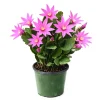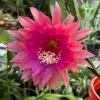
Fragrant Epiphyllum Orchid Cactus ‘Kiwi Nicky Lynette’ Cutting – 8-10″ Long
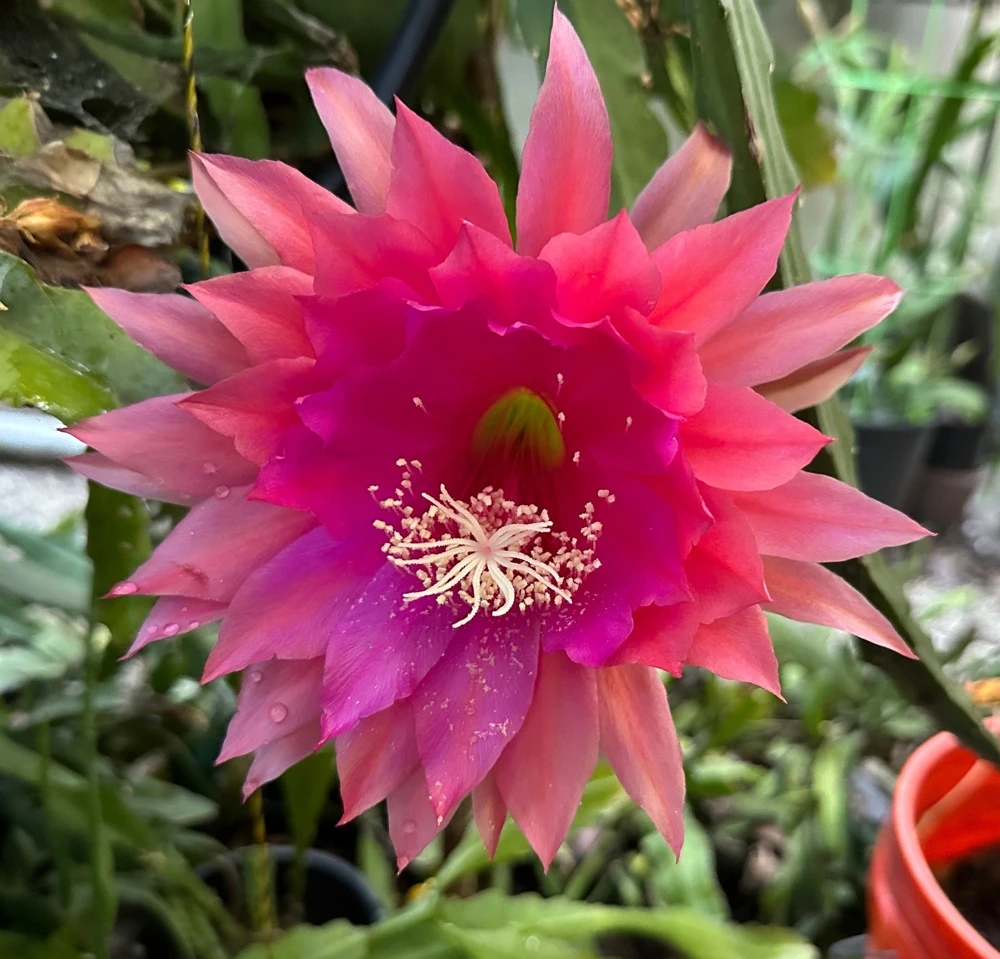
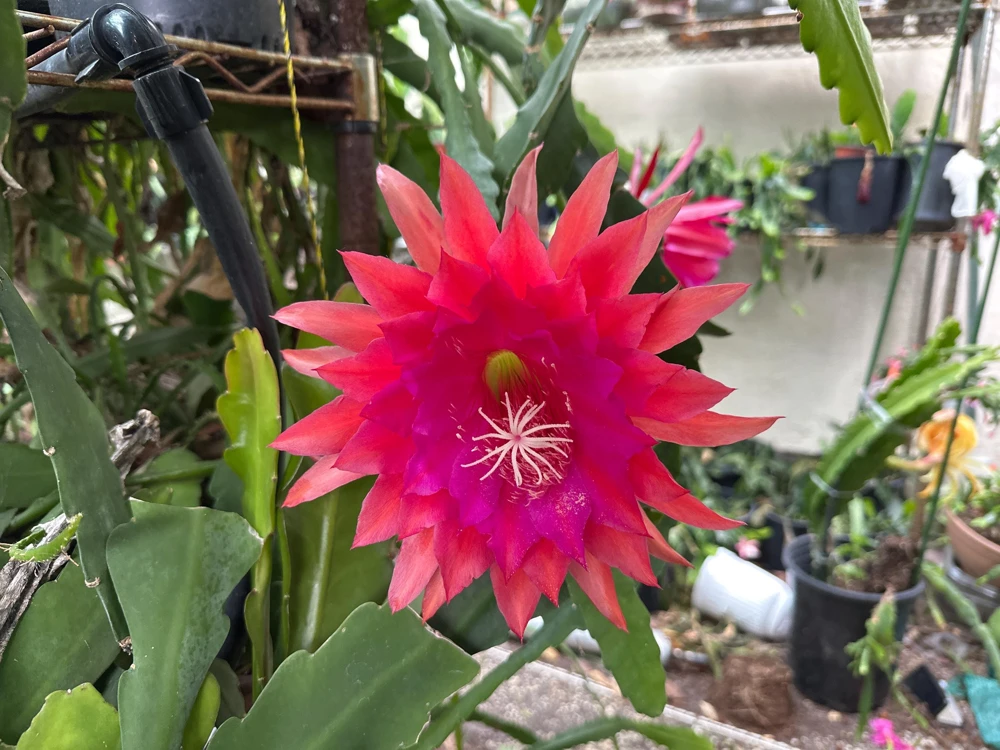
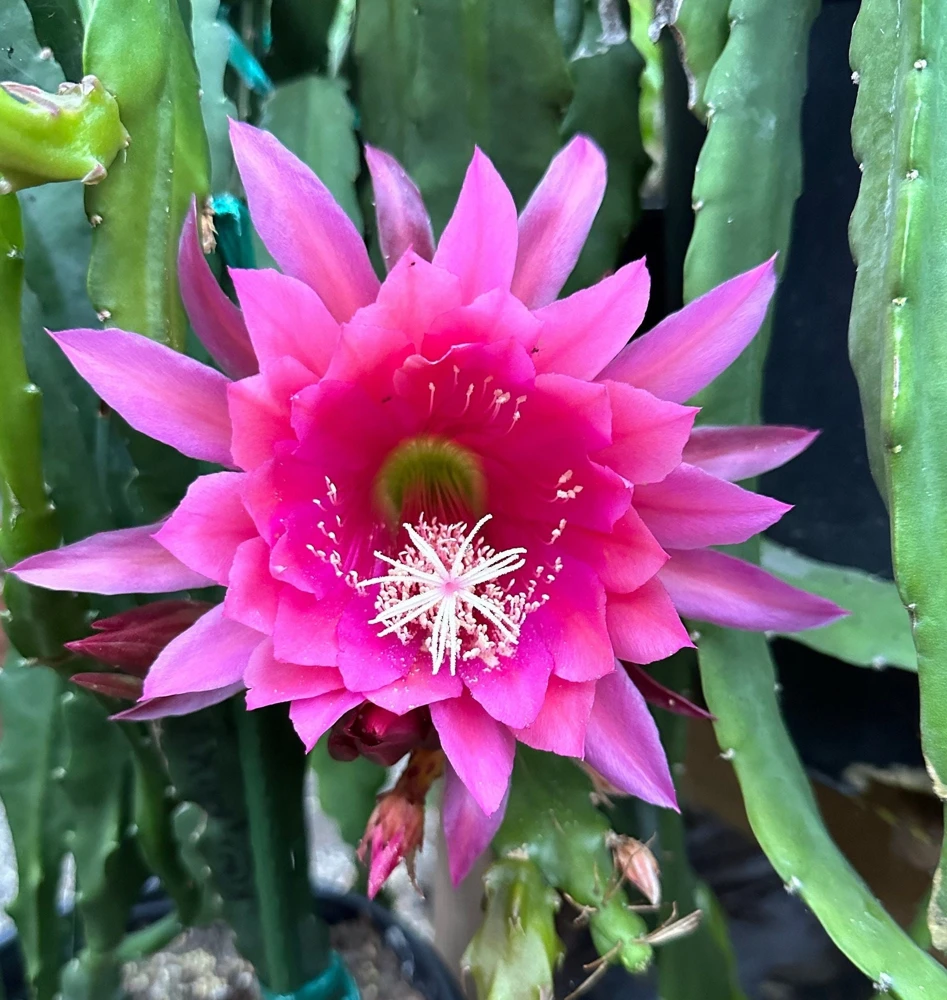
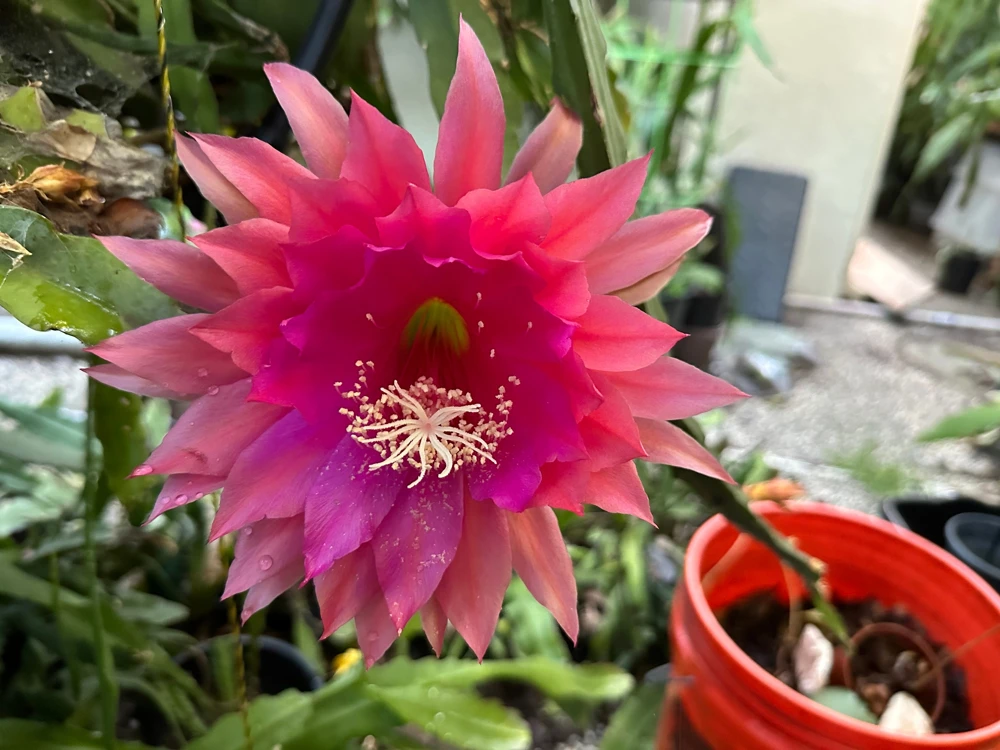
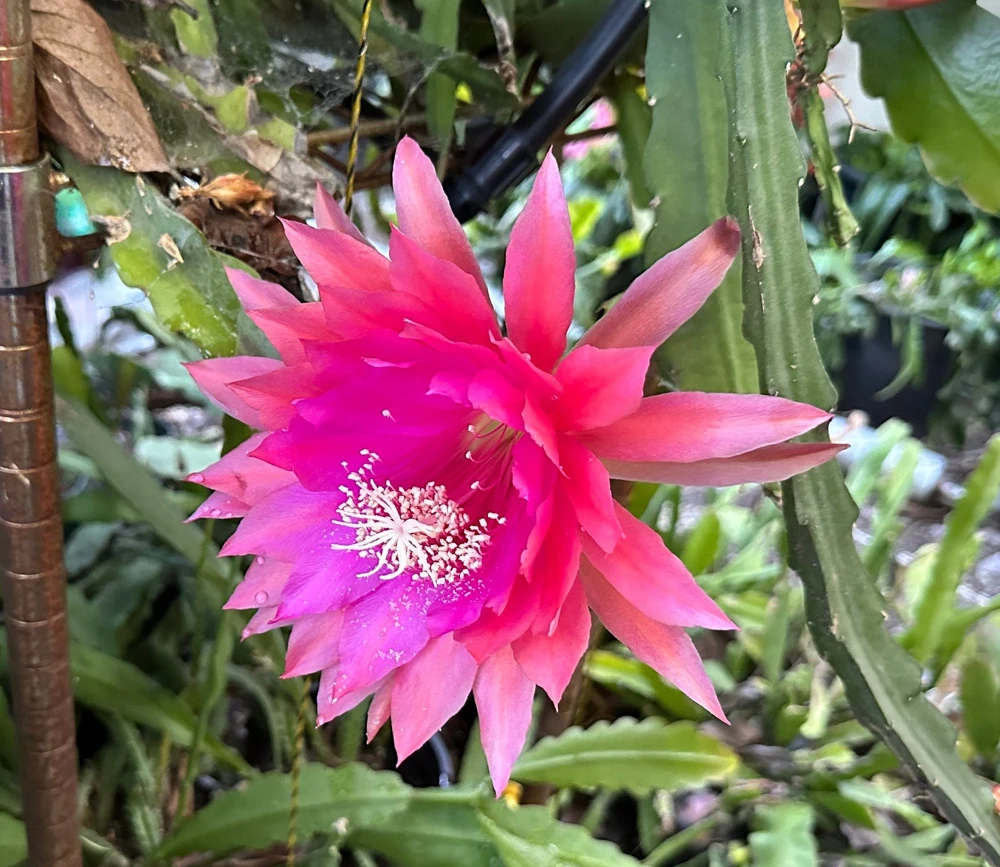
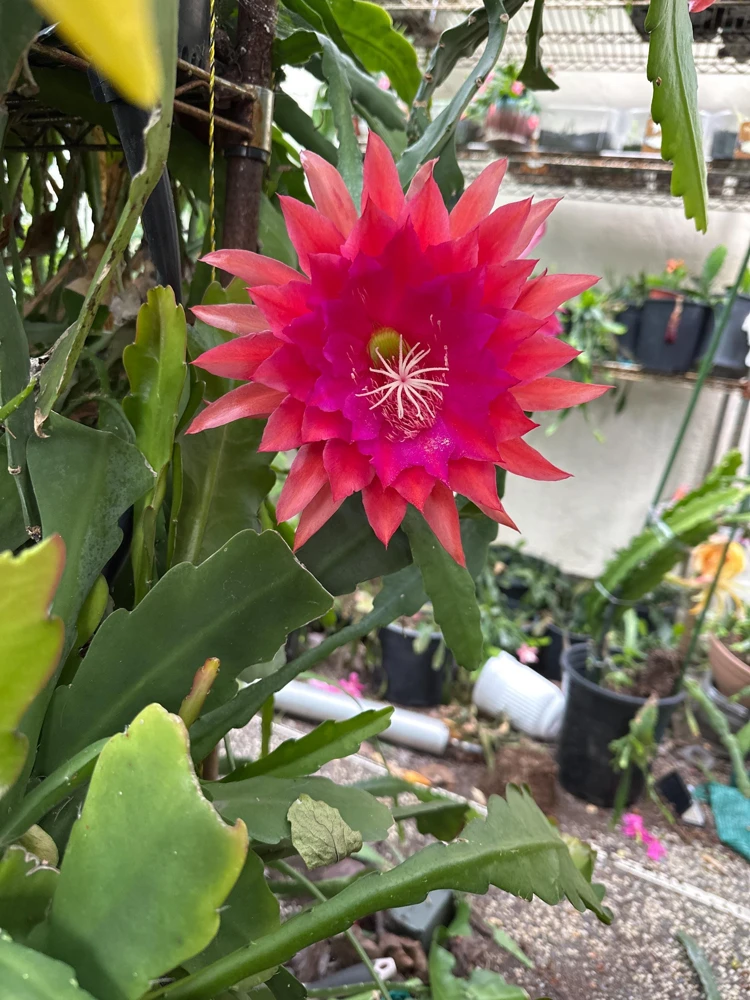
Fragrant Epiphyllum Orchid Cactus ‘Kiwi Nicky Lynette’ Cutting – 8-10″ Long
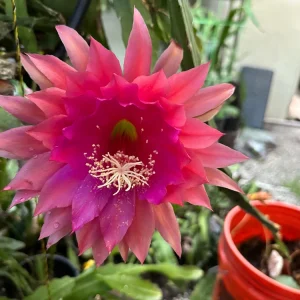
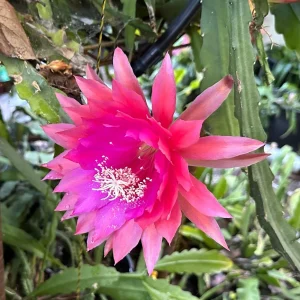
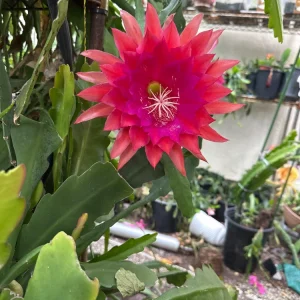
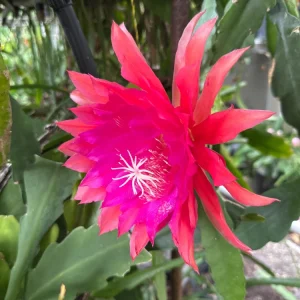
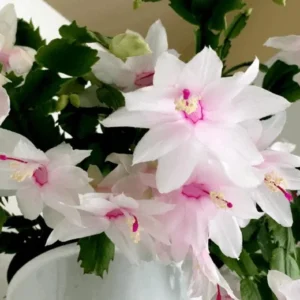
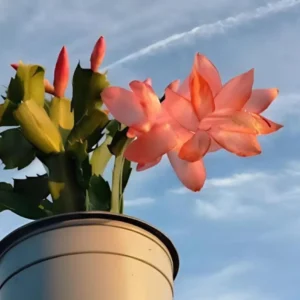
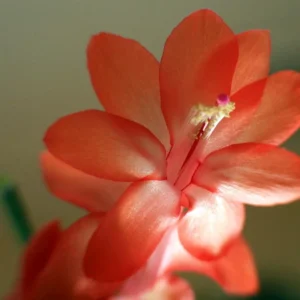
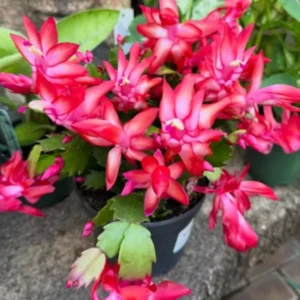
Cultivate a stunning Epiphyllum Orchid Cactus cutting, variety ‘Kiwi Nicky Lynette’, known for its large, fragrant flowers. This 8-10 inch cutting offers an exciting opportunity to grow a beautiful succulent. Perfect for hanging baskets or indoor display, it’s a rewarding addition for plant enthusiasts.
$28.00

With our Alive & Thrive Guarantee, we’ve got your back for the first 30 days! If you have any concerns about your plants, just reach out to us. Our team is here to help answer your questions and guide you in selecting the best plants for your garden, climate, and unique preferences. We're excited to help you create the garden of your dreams!
Estimated arrival
Nov 03
Nov 08 - Nov 10
Nov 13 - Nov 17
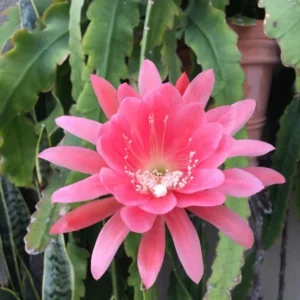
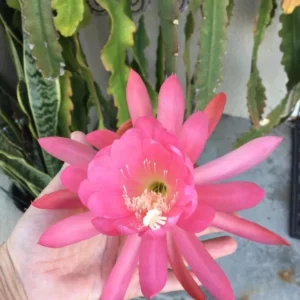
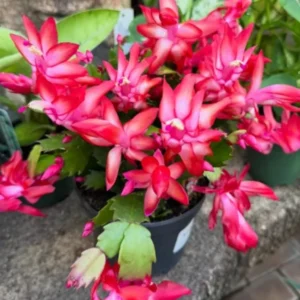
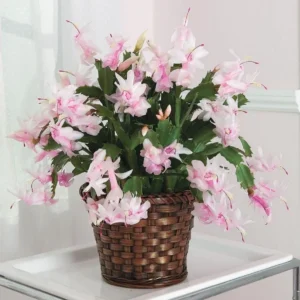
Product Details
-
USDA Hardiness Zone
USDA zones 9-11 (or indoors) -
Soil type
Well-draining potting mix (cactus/succulent blend) -
Sunlight Exposure
Bright indirect light -
Expected Planting Period
Year-round indoors (or spring/summer outdoors)
Overview
Embark on a delightful gardening journey with the Epiphyllum Orchid Cactus cutting, specifically the ‘Kiwi Nicky Lynette’ variety. This live plant cutting, measuring a generous 8-10 inches long, provides an excellent foundation for growing a magnificent succulent. Epiphyllums, commonly known as Orchid Cacti, are renowned for their spectacular, often fragrant blooms that transform any space into a tropical paradise. The ‘Kiwi Nicky Lynette’ cultivar is particularly prized for its large, showy flowers, making it a standout choice for collectors and beginners alike. Growing an Epiphyllum Orchid Cactus cutting is a rewarding experience, allowing you to witness the development from a simple cutting into a lush, blooming specimen.
These fascinating plants are epiphytes, meaning they naturally grow on other plants or structures, rather than in soil, in their native tropical rainforest habitats. This unique growth habit makes them ideal for hanging baskets or elevated planters, where their long, trailing stems can cascade gracefully. The ‘Kiwi Nicky Lynette’ variety promises a display of truly impressive blossoms, adding vibrant color and a captivating fragrance to your home or garden. Get ready to enjoy the beauty and allure of a fragrant orchid cactus with this robust cutting.
Key Benefits
The Epiphyllum Orchid Cactus cutting offers numerous benefits, transforming your indoor or outdoor space with its unique charm and spectacular flowers. Cultivating this plant provides a rewarding experience for any gardener.
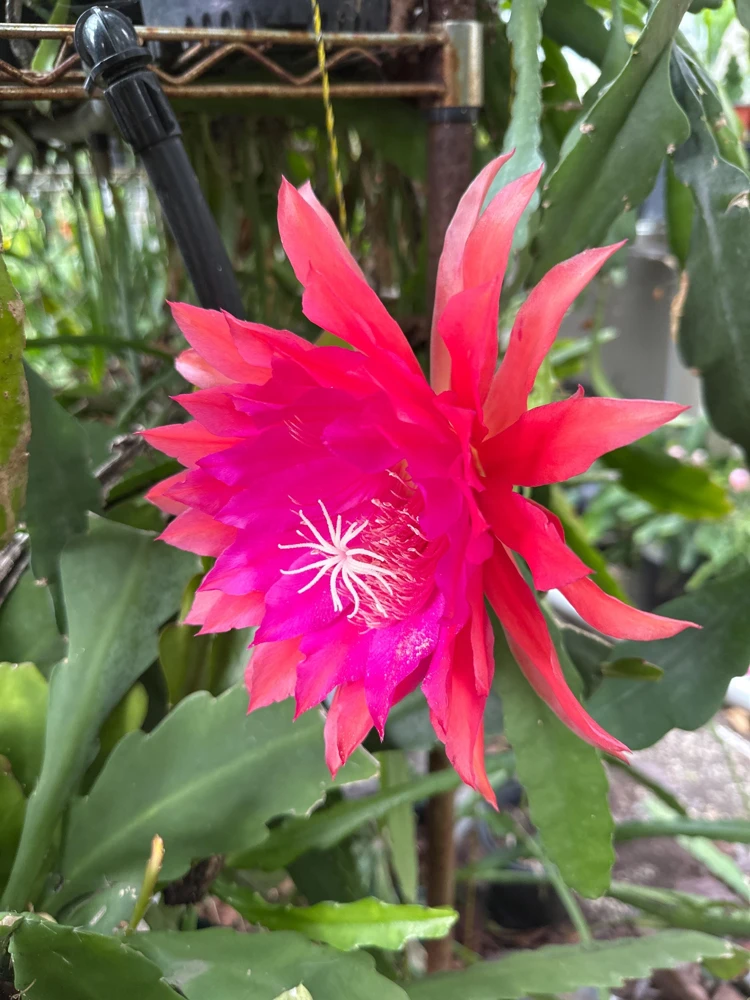
- Spectacular Blooms: The ‘Kiwi Nicky Lynette’ is celebrated for producing large, visually striking flowers. These vibrant blossoms create a dramatic focal point, adding a touch of exotic beauty to your plant collection.
- Captivating Fragrance: Enjoy the delightful, sweet scent emitted by the flowers of this fragrant orchid cactus. The aroma adds an extra layer of sensory pleasure, enhancing the ambiance of your living space.
- Easy to Propagate: Starting with an 8-10 inch cutting makes propagation straightforward and highly successful. This allows even novice gardeners to easily establish a new plant and enjoy its growth.
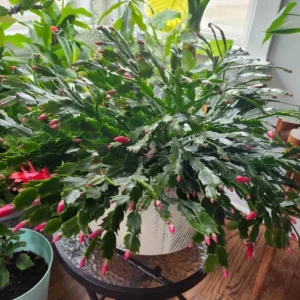
- Versatile Display: With its trailing growth habit, the Kiwi Nicky Lynette Epiphyllum is perfect for hanging baskets, elevated planters, or as a vibrant accent on shelves, allowing its unique foliage to cascade beautifully.
- Low Maintenance Succulent: Despite their exotic appearance, Epiphyllums are relatively easy to care for, requiring moderate watering and simple light conditions once established. This makes them suitable for busy plant lovers.
- Unique Plant Form: The flattened, leaf-like stems of the Epiphyllum provide interesting texture and form even when not in bloom, offering year-round visual interest.
- Rewarding Growth Journey: Witnessing the transformation of a cutting into a mature, blooming plant is incredibly satisfying, connecting you more deeply with the natural world.
Plant Care & Growing Tips
Caring for your Epiphyllum Orchid Cactus cutting is relatively simple, ensuring it thrives and produces its magnificent blooms. Upon arrival, allow the cutting to callus for a few days if it hasn’t already. Plant the callused end about 1-2 inches deep in a well-draining potting mix, ideally one formulated for cacti and succulents, or a mix of peat, perlite, and bark. Keep the soil slightly moist but not soggy during the rooting phase. Rooting can take several weeks, so be patient and avoid overwatering.
These plants prefer bright, indirect light. Direct scorching sun can burn their delicate stems, while too little light may hinder flowering. An east-facing window or a spot with filtered light is ideal indoors. Outdoors, place them in a shaded area that still receives ample ambient light. Maintain temperatures between 60-80°F (15-27°C). While they can tolerate cooler temperatures, avoid frost, which can severely damage the plant. Regular humidity is appreciated, especially in drier climates, which can be provided by misting or placing the pot on a pebble tray with water.
Water your large flower cactus thoroughly when the top inch or two of soil feels dry, then allow excess water to drain completely. During the active growing season (spring and summer), they will require more frequent watering. Reduce watering significantly in fall and winter when the plant enters a semi-dormant phase. Fertilize every 2-4 weeks during the growing season with a balanced liquid fertilizer diluted to half strength. To encourage more blooms, switch to a phosphorus-rich fertilizer as flower buds begin to form. Watch out for common pests like mealybugs and scale, treating them promptly with insecticidal soap if spotted. Proper Epiphyllum care ensures a healthy and floriferous plant.
Size & Details
This offering is for one robust Epiphyllum Orchid Cactus cutting, specifically the ‘Kiwi Nicky Lynette’ variety, measuring approximately 8-10 inches in length. Cuttings are the most common and effective way to propagate these stunning plants, allowing you to grow a new specimen from scratch. Each cutting is carefully selected to ensure it is healthy and ready for rooting. While the cutting itself does not have a pot, it is prepared for direct planting into your preferred well-draining medium.
Once rooted and established, the Kiwi Nicky Lynette Epiphyllum can develop into a substantial plant with long, trailing stems, typically reaching lengths of 2-3 feet or more in a few years. Expect your plant to start blooming within 1-2 years after successful rooting, with large, impressive flowers that can measure several inches across. The growth rate is moderate, offering a satisfying progression from a simple cutting to a lush, flowering succulent. This 8-10 inch cutting provides a strong start for a beautiful and rewarding plant.
Frequently Asked Questions
- Q: How big does this plant get once it’s grown from the cutting? A: Once rooted and mature, the ‘Kiwi Nicky Lynette’ Epiphyllum can develop long, trailing stems that typically reach 2-3 feet or more in length. Its overall size will depend on growing conditions and pot size.
- Q: Is this an indoor or outdoor plant? A: The Epiphyllum Orchid Cactus cutting can be grown both indoors and outdoors. Indoors, it thrives in bright, indirect light. Outdoors, it prefers a shaded location, especially in warmer climates, and must be protected from frost.
- Q: How much sunlight does it need? A: Epiphyllums prefer bright, indirect light. Avoid direct, harsh sunlight, which can scorch the stems. A spot near an east-facing window or under a patio cover is usually ideal.
- Q: Is this plant easy to care for? A: Yes, once established, the Epiphyllum Orchid Cactus cutting is considered relatively easy to care for. Its succulent nature means it’s forgiving of occasional missed waterings, making it suitable for beginners and experienced growers alike.
- Q: What condition will the cutting arrive in? A: Your 8-10 inch cutting will arrive fresh and healthy, typically callused at the cut end to prevent rot and prepare it for planting. It will be carefully packaged to ensure its safety during transit.
- Q: How long until it blooms? A: With proper Epiphyllum care, you can generally expect your plant to start producing its first blooms within 1 to 2 years after the cutting has successfully rooted and established itself.
- Q: What’s the best soil type for this cutting? A: A well-draining potting mix is crucial. A good choice is a specialized cactus and succulent mix, or a homemade blend of potting soil, perlite, and orchid bark for optimal drainage and aeration.
- Q: Will it survive winter in my zone? A: Epiphyllums are not frost-tolerant. If you live in USDA zones below 9-11, it’s best to grow your fragrant orchid cactus in a container that can be brought indoors during colder months to protect it from freezing temperatures.
- Q: Is this plant pet-safe? A: Epiphyllum species are generally considered non-toxic to pets, making them a safer choice for households with cats and dogs. However, it’s always wise to prevent pets from chewing on plants.
- Q: How do I encourage more flowers on my large flower cactus? A: To encourage abundant blooms, ensure your plant receives adequate bright, indirect light, a period of cooler temperatures (around 50-60°F) in fall/winter, and a phosphorus-rich fertilizer when flower buds begin to form.
Related products
-97%
Original price was: $316.80.$9.92Current price is: $9.92.
-30%
Original price was: $47.98.$33.58Current price is: $33.58.
-30%
Original price was: $47.98.$33.58Current price is: $33.58.
-30%
Original price was: $49.98.$34.98Current price is: $34.98.
-30%
Original price was: $129.98.$90.98Current price is: $90.98.
PLANTING & CARE
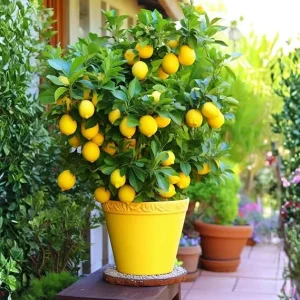
Lemon Tree Growing: Choose, Plant, and Harvest
Learn how to choose, plant, feed, and protect a lemon tree so it fits your
23
Sep
Sep
Dwarf Meyer Lemon Tree Australia: Climate Guide
Learn where dwarf Meyer lemon trees grow, how much cold they tolerate, and whether Australia,
Where to Buy a Dwarf Meyer Lemon Tree: Buyer’s Guide
Find the right dwarf Meyer lemon tree online or locally, compare starter sizes and costs,
Dwarf Meyer Lemon Tree for Sale: Buying Guide
Compare Meyer lemon tree sizes, prices, shipping limits, indoor growing and California options before you
Dwarf Meyer Lemon Tree Guide: Size, Care and Fruit
META: Learn how large a dwarf Meyer lemon tree grows, where it thrives, and how
How to Prune a Dwarf Meyer Lemon Tree
Learn when and how to prune a dwarf Meyer lemon tree, including tools, shaping cuts,
Can You Grow a Dwarf Meyer Lemon Tree in a Pot?
META: Learn how to grow a dwarf Meyer lemon tree in a pot, including container
When Do Dwarf Meyer Lemon Trees Bloom and Fruit?
META: Dwarf Meyer lemon trees usually bloom from winter through spring and may flower again