Fuchsia Pink Moss Rose Seeds – Portulaca grandiflora – Bright Fuchsia Blooms – 30 Seed Pack
-50%
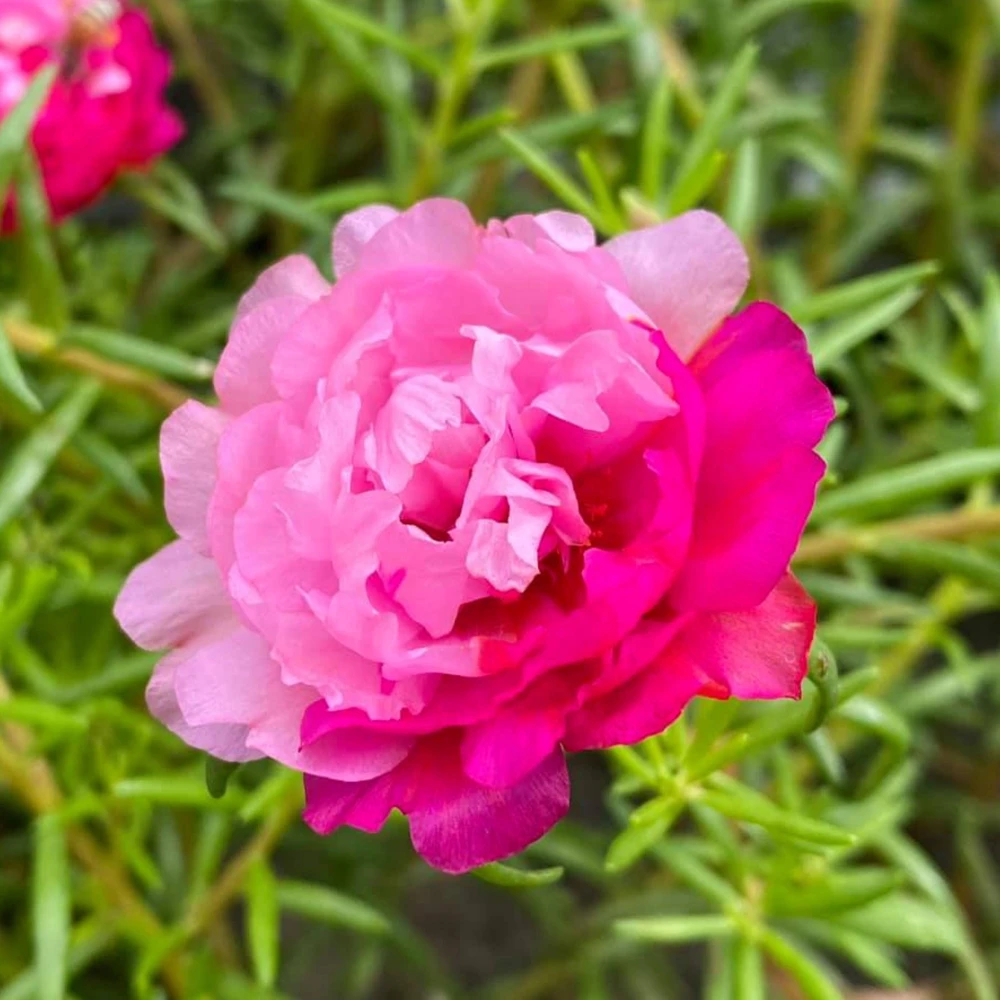
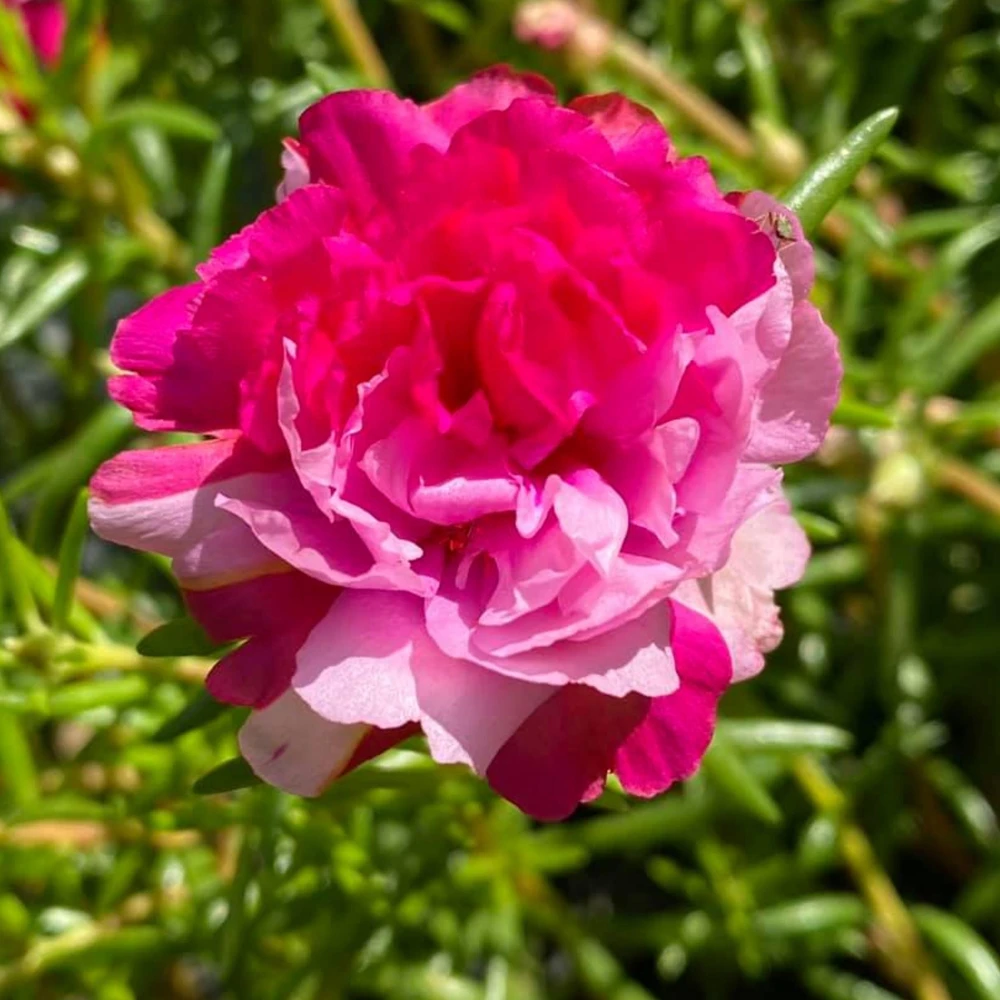
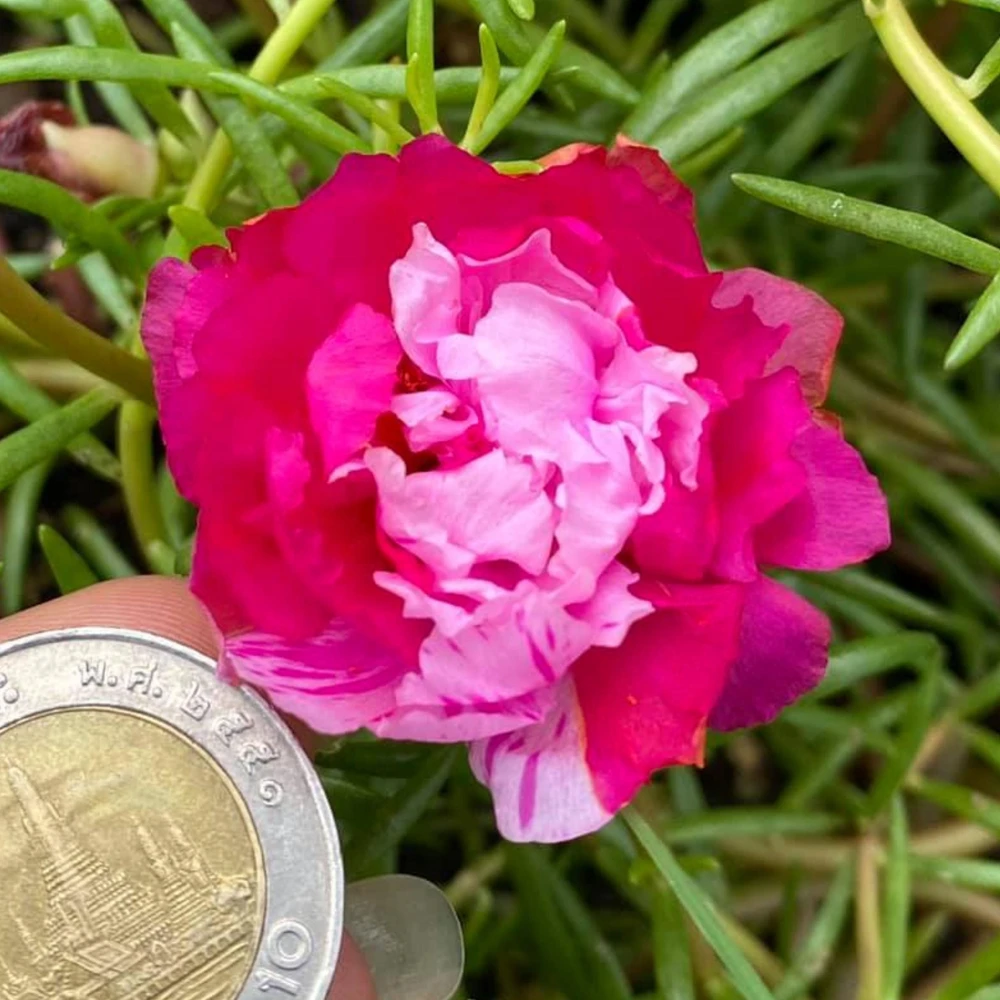
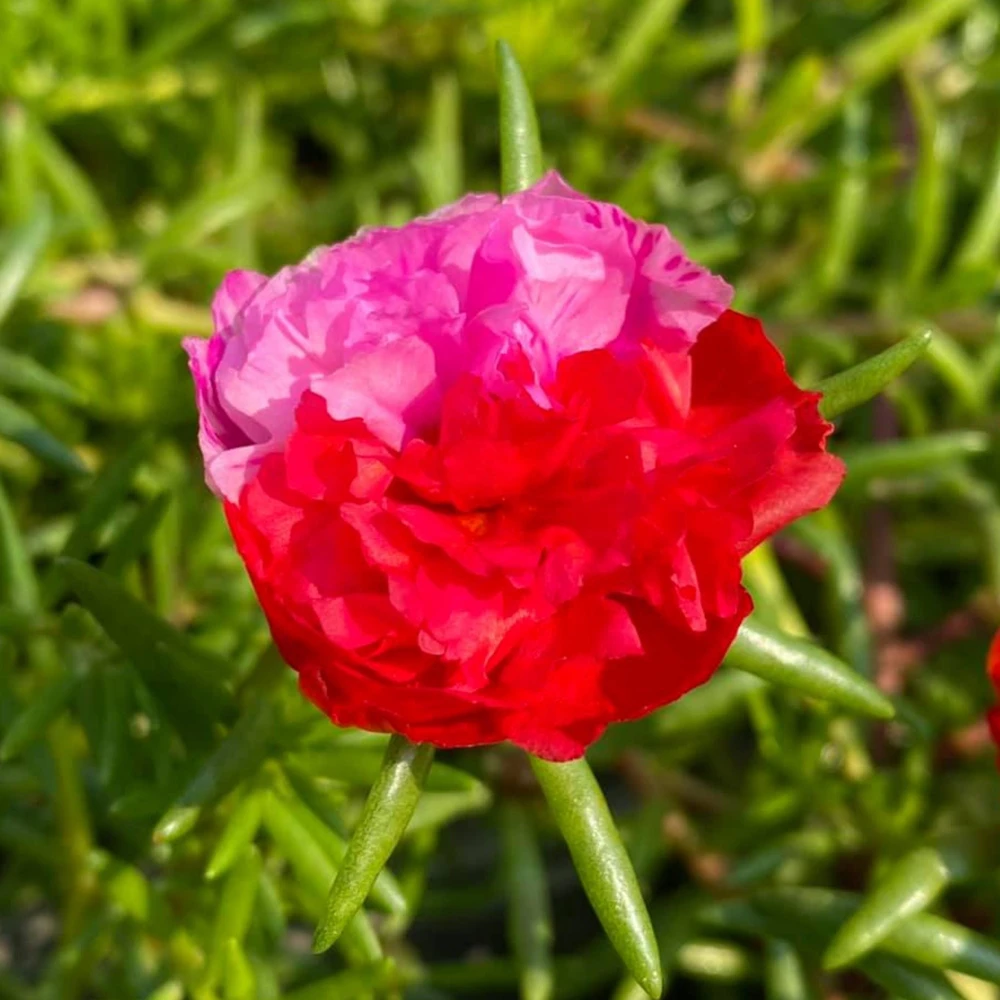
Fuchsia Pink Moss Rose Seeds – Portulaca grandiflora – Bright Fuchsia Blooms – 30 Seed Pack
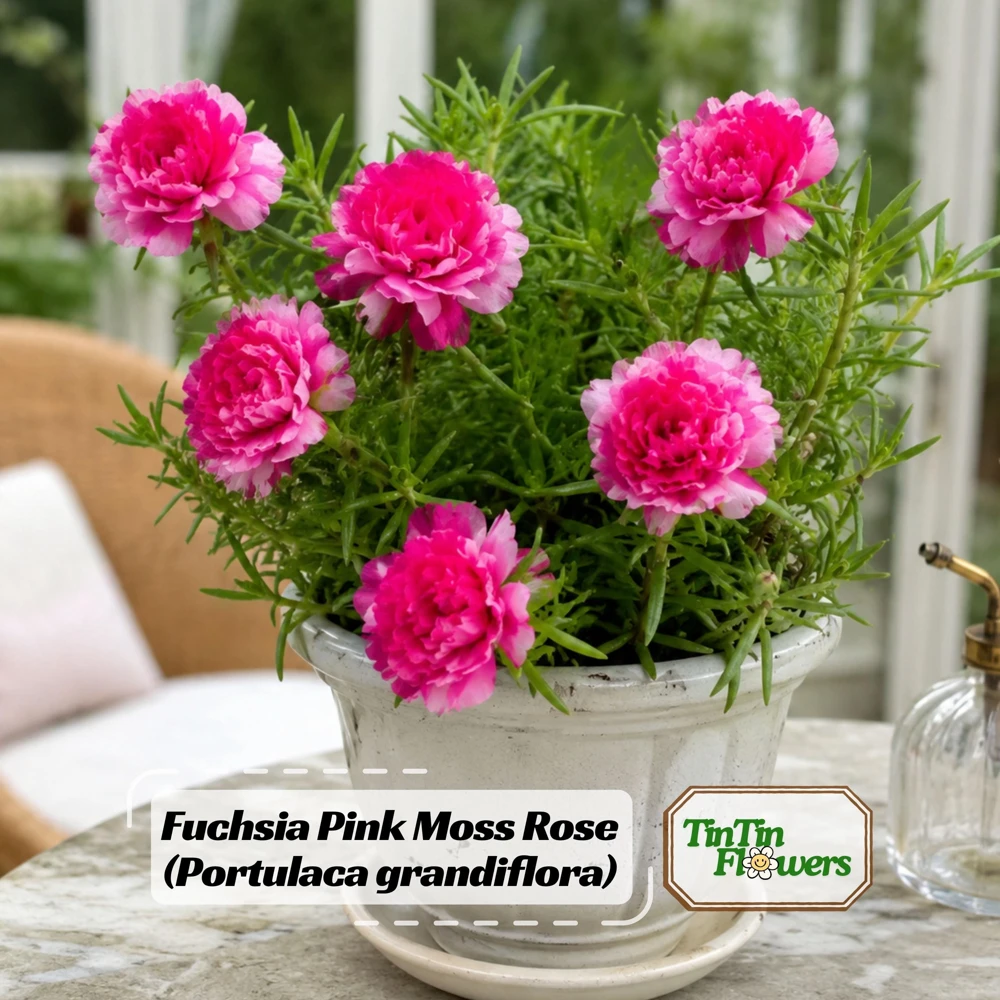
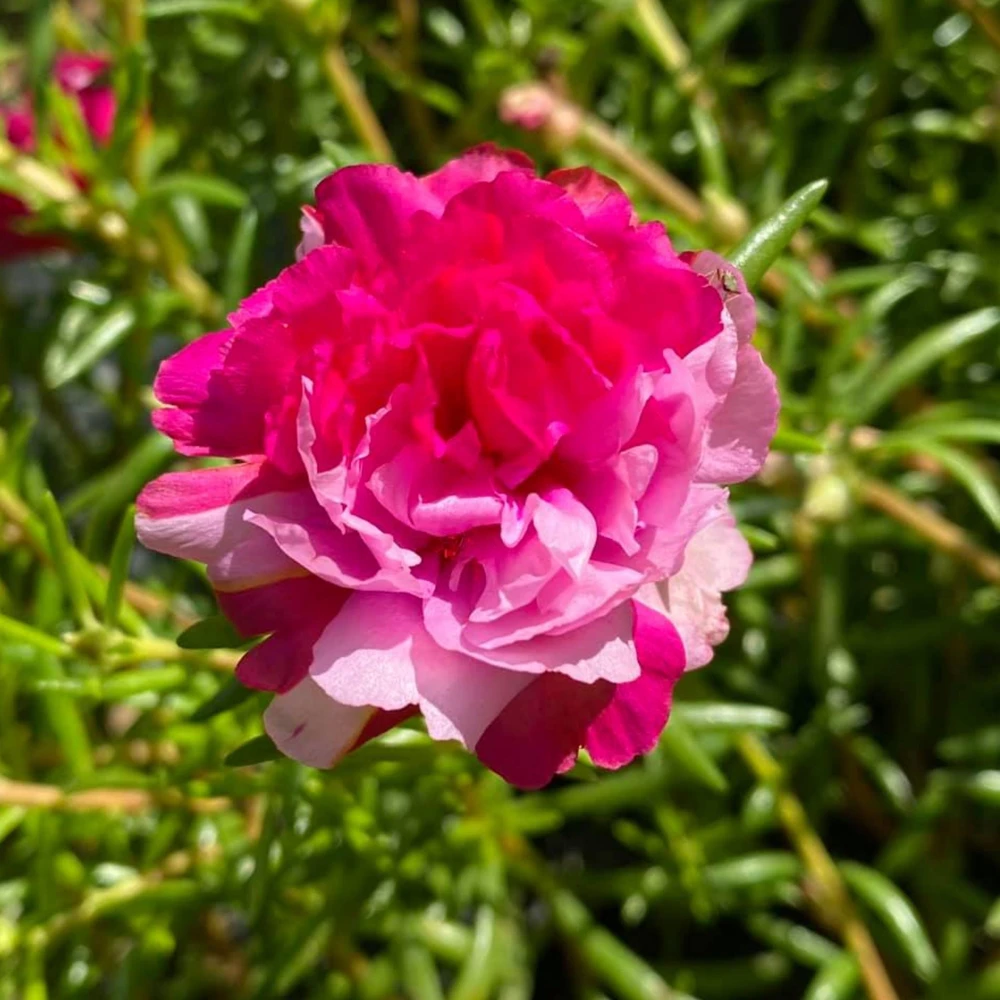
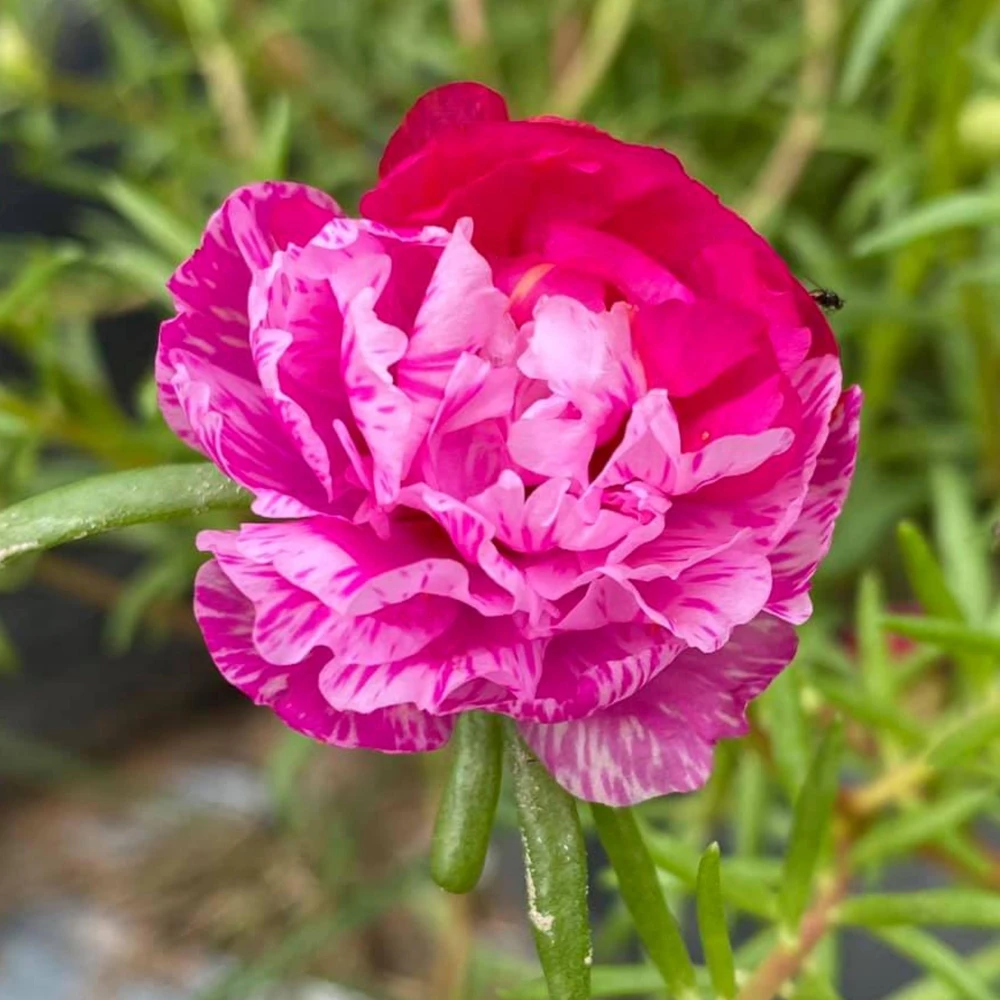
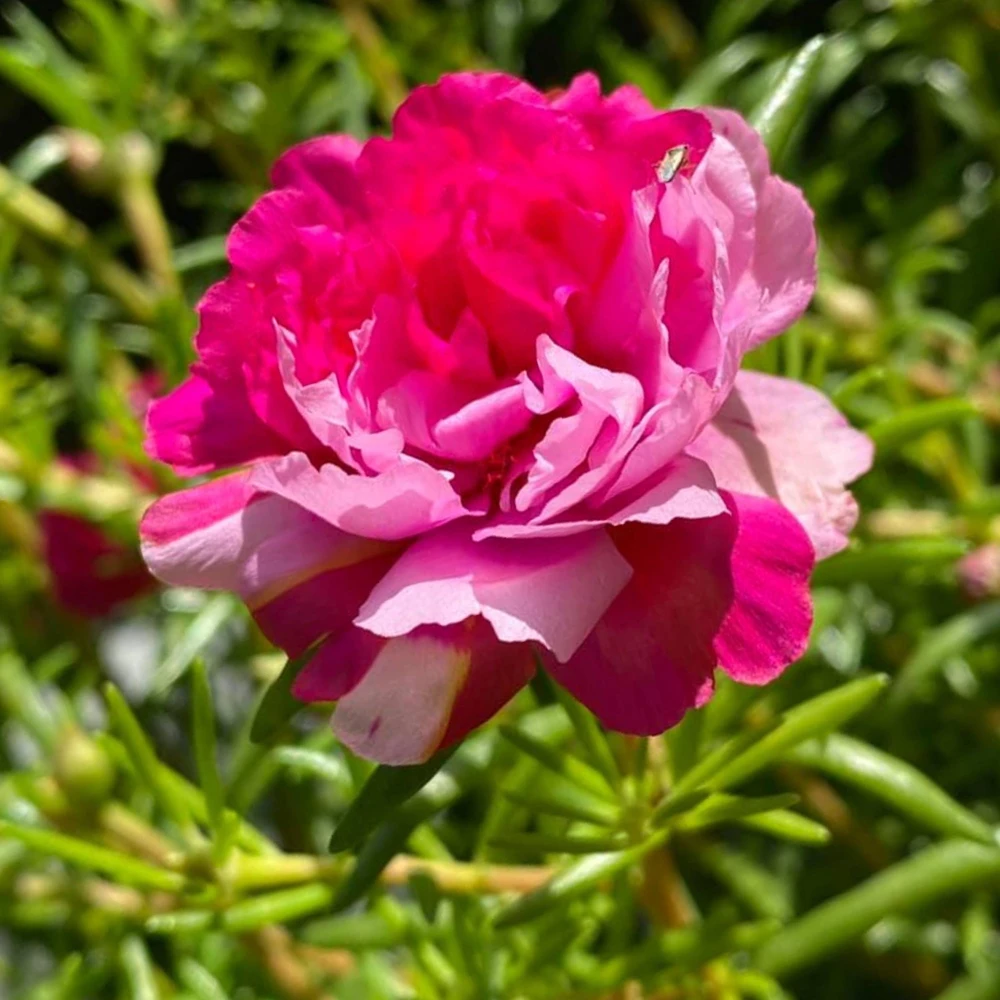
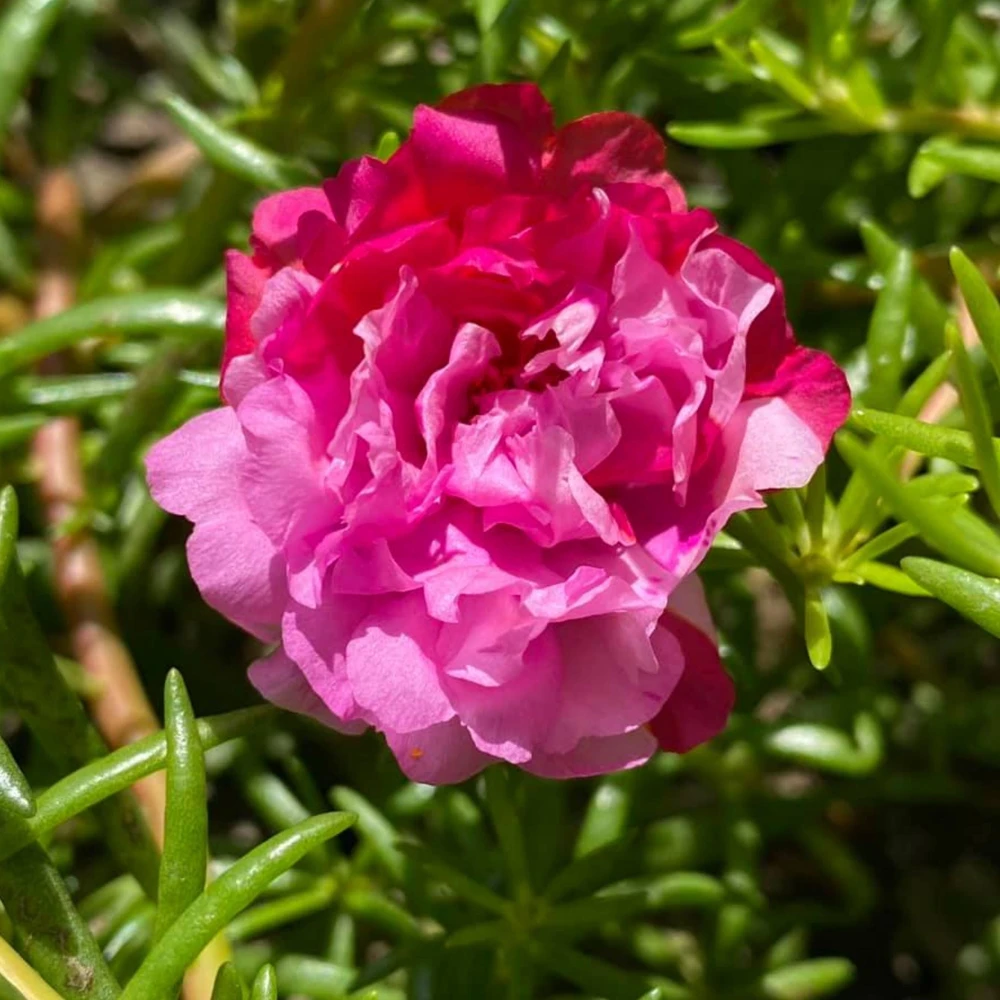
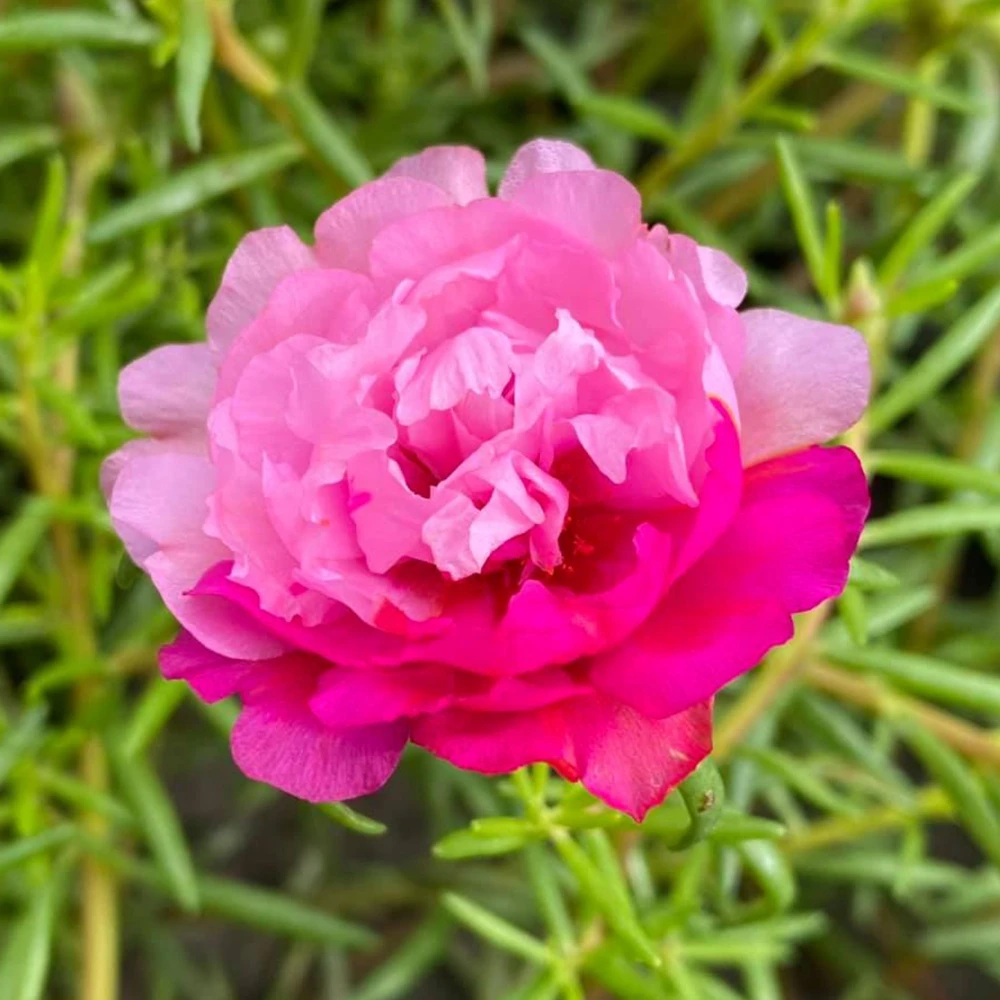
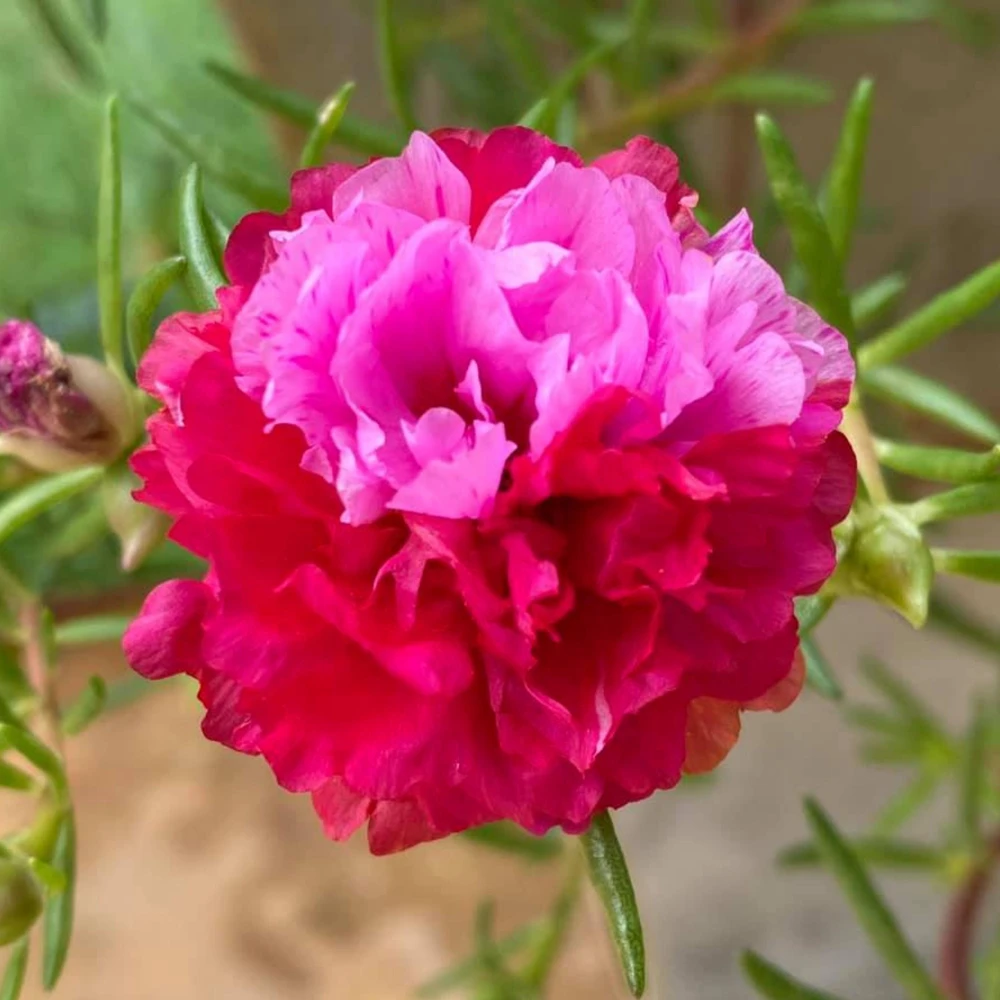
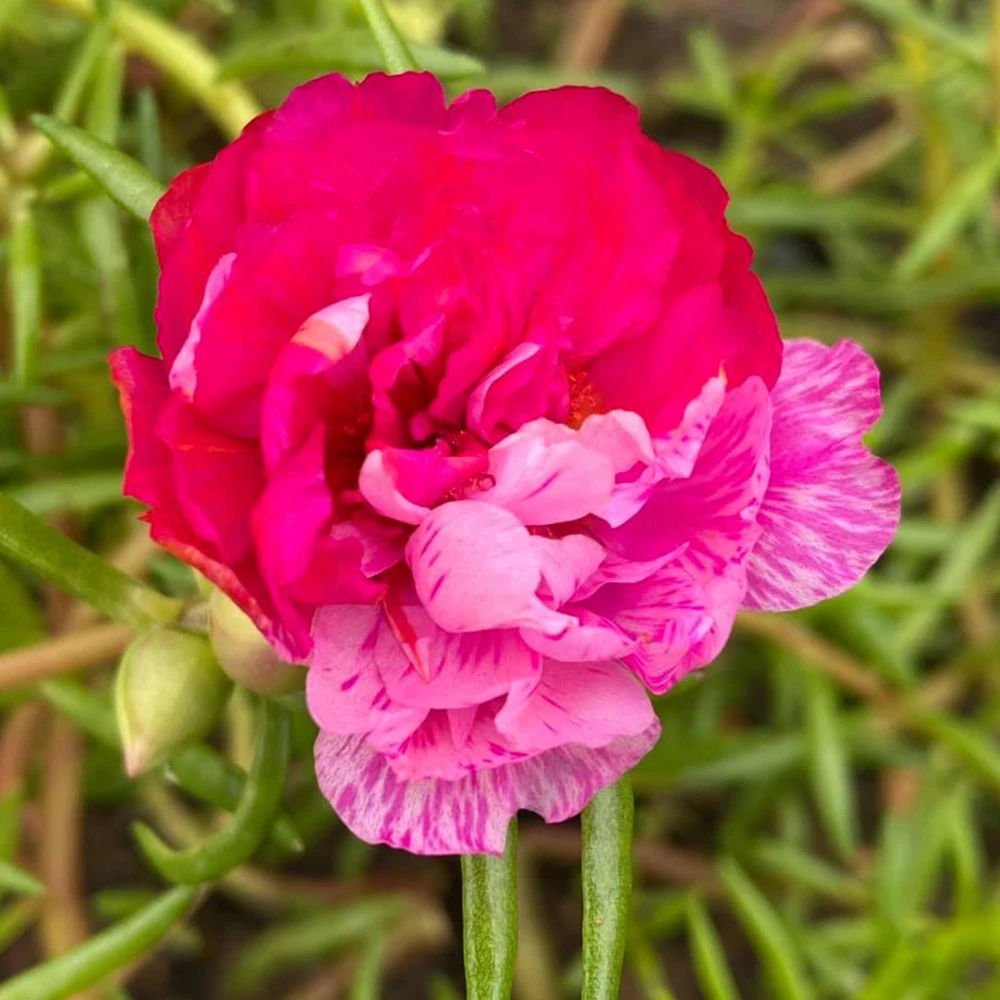
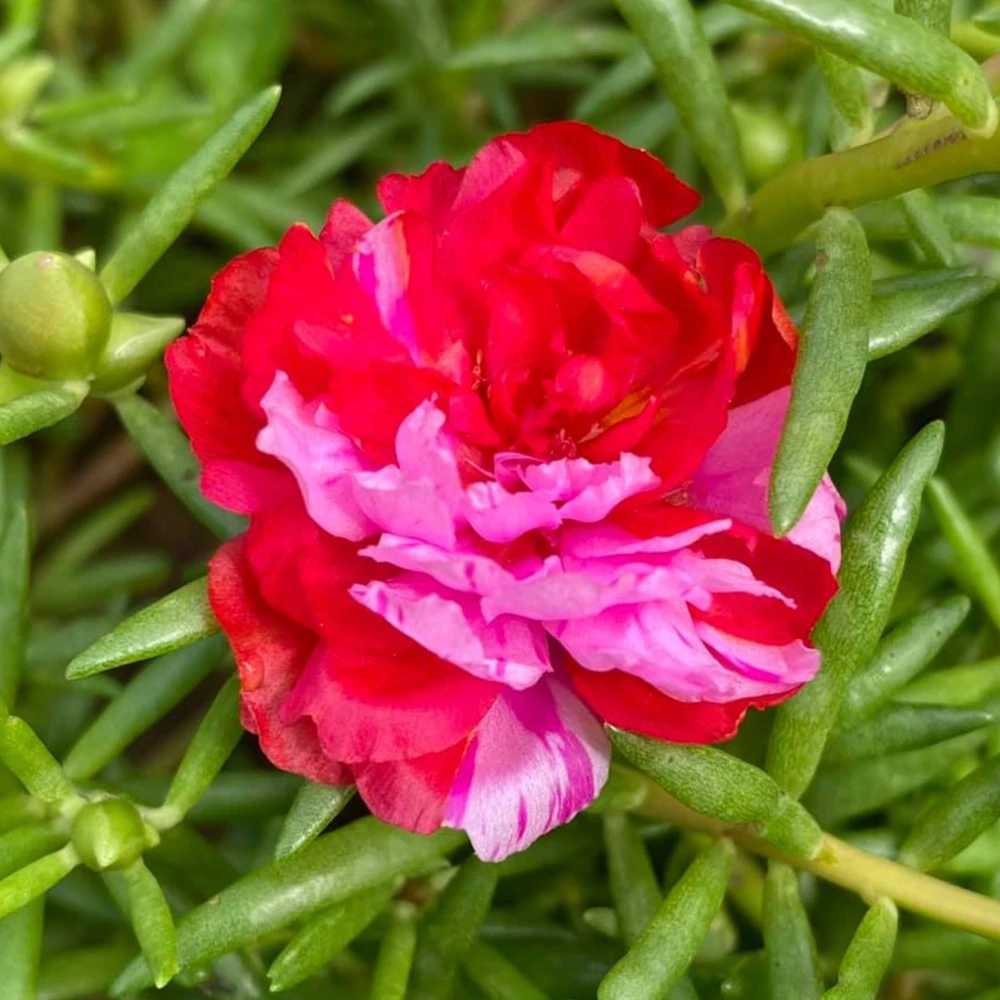
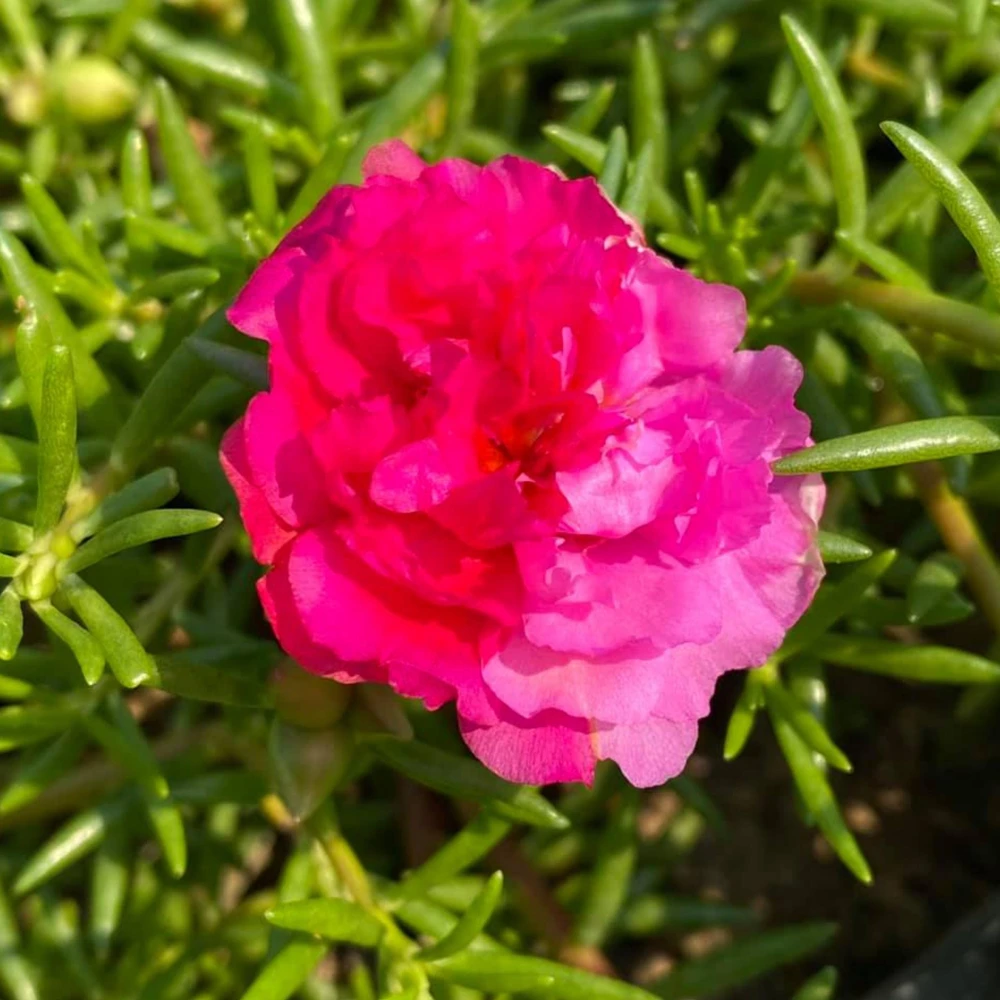
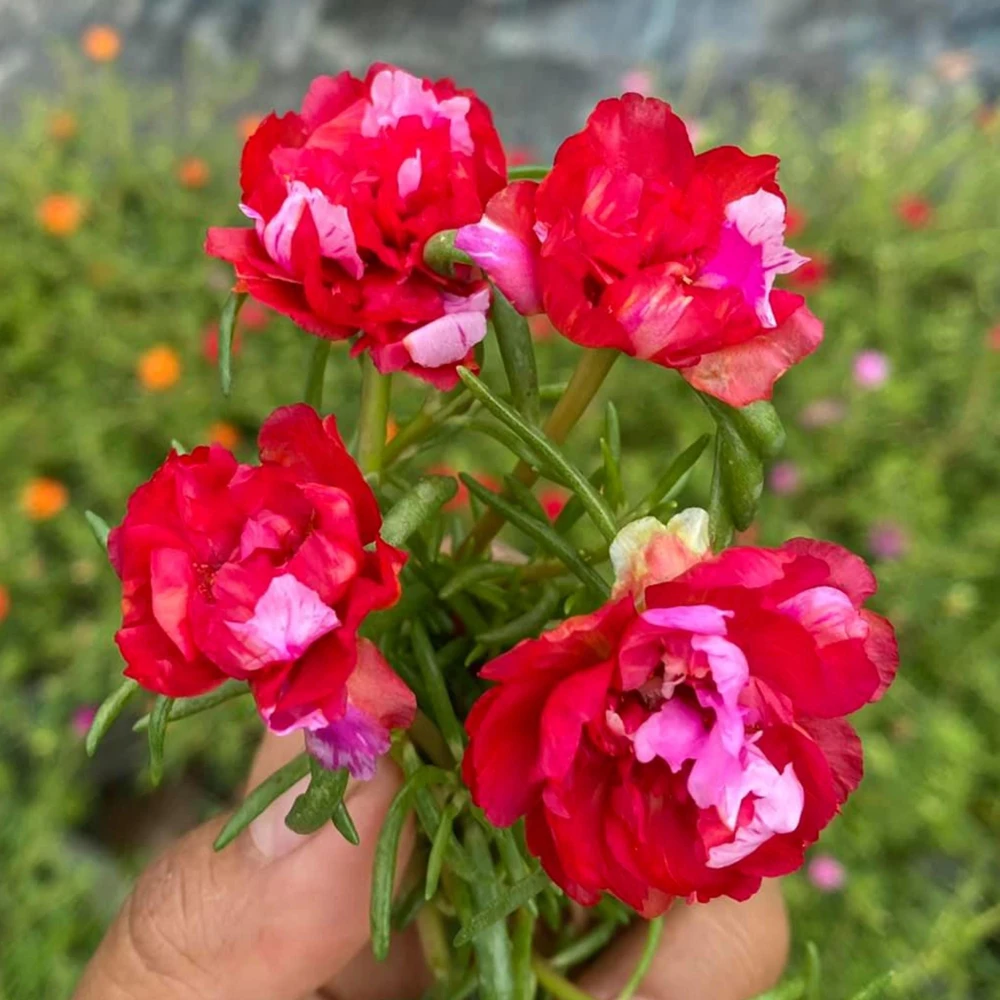
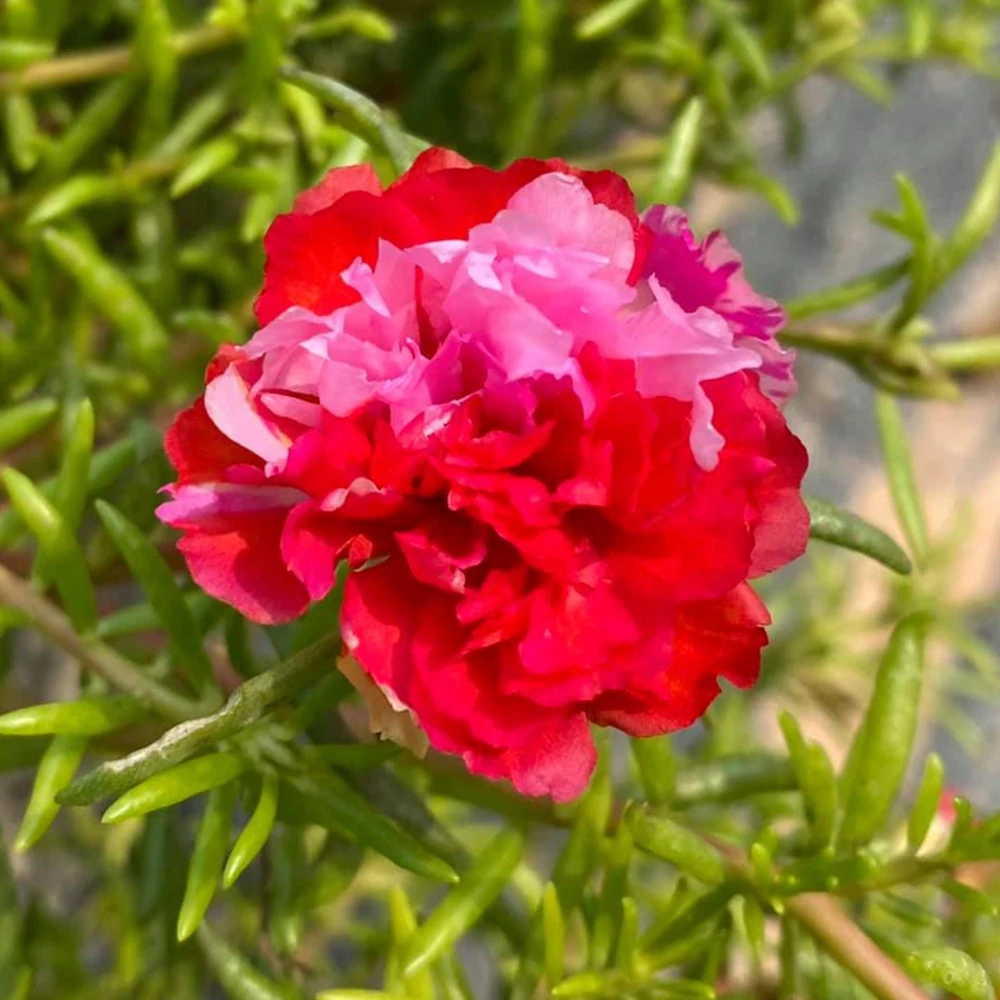
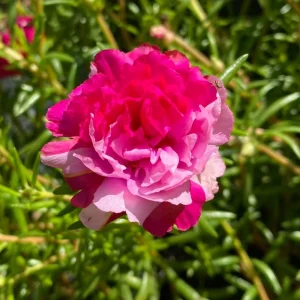
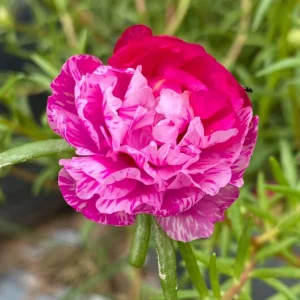
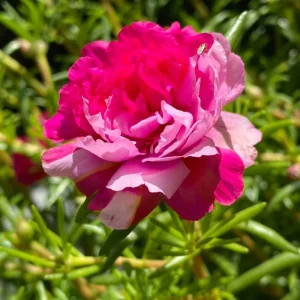
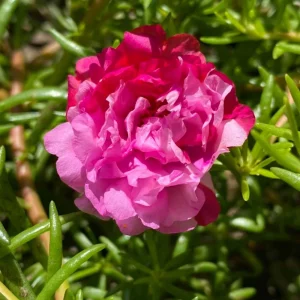
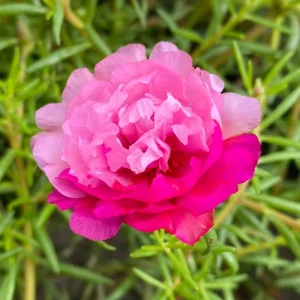
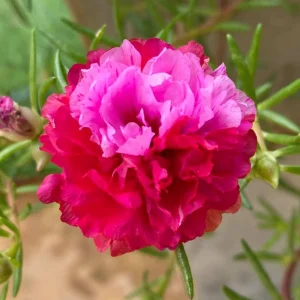
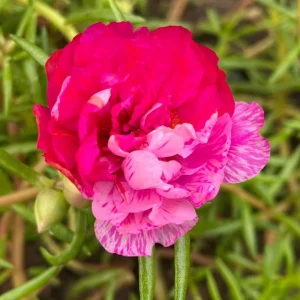
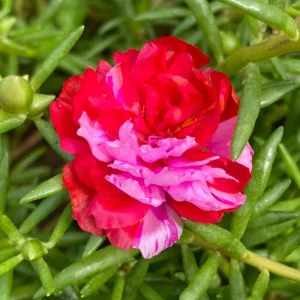
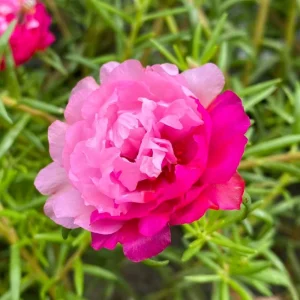
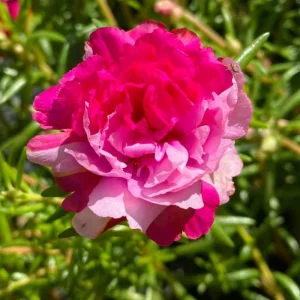
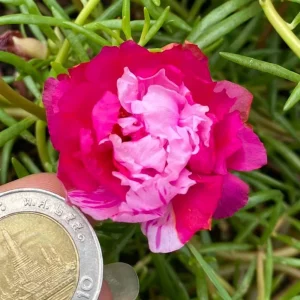
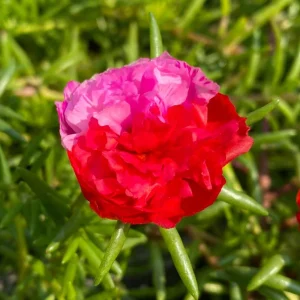
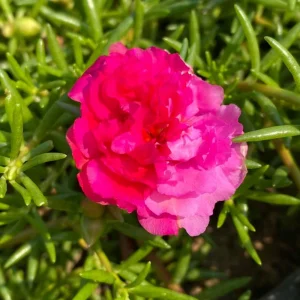
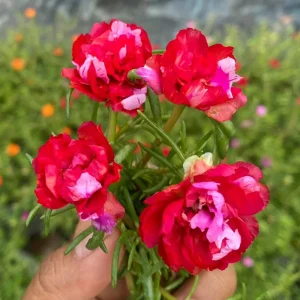
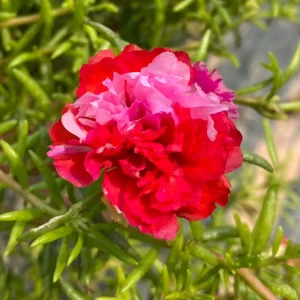
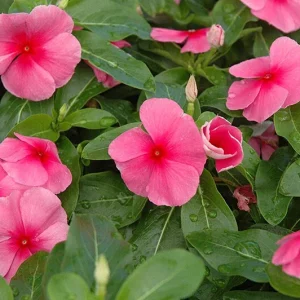
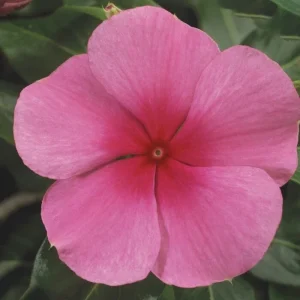
Cultivate stunning garden displays with Fuchsia Pink Moss Rose seeds. These Portulaca grandiflora seeds produce vibrant fuchsia double blooms, ideal for creating a colorful, heat-tolerant ground cover or filling containers and hanging baskets. Enjoy continuous flowering from late spring through fall with this easy to grow flower seeds variety.
Original price was: $15.16.$7.58Current price is: $7.58.

With our Alive & Thrive Guarantee, we’ve got your back for the first 30 days! If you have any concerns about your plants, just reach out to us. Our team is here to help answer your questions and guide you in selecting the best plants for your garden, climate, and unique preferences. We're excited to help you create the garden of your dreams!
Estimated arrival
Oct 08
Oct 13 - Oct 15
Oct 18 - Oct 22






Product Details
-
USDA Hardiness Zone
Annual (not zone specific, but thrives in warm climates) -
Soil type
Well-draining, sandy or gritty soil -
Sunlight Exposure
Full sun -
Expected Planting Period
Late spring to early summer (after last frost)
Overview
Transform your garden into a vibrant oasis with these Fuchsia Pink Moss Rose seeds. Each pack contains 30 high-quality seeds, ready to grow into a spectacular display of bright fuchsia double blooms. Known botanically as Portulaca grandiflora seeds, this annual flowering succulent is celebrated for its dazzling color and ability to thrive in challenging conditions. These seeds promise a low-growing, spreading plant that blankets areas with intense, captivating fuchsia pink flowers. Perfect for adding a splash of color to sunny landscapes, rock gardens, borders, and containers, the Moss Rose is a favorite among gardeners seeking both beauty and resilience.
The Fuchsia Pink Moss Rose is a truly remarkable plant that opens its vivid flowers fully in sunlight, creating a striking visual impact. Its compact growth habit makes it an excellent choice for ground cover, effectively suppressing weeds while providing continuous bloom. Whether you’re an experienced gardener or just starting, these easy to grow flower seeds offer a rewarding experience, culminating in a breathtaking floral tapestry that lasts throughout the warm seasons. Prepare to be enchanted by the enduring charm and brilliant hues of this exceptional plant.
Key Benefits
The Fuchsia Pink Moss Rose seeds offer numerous advantages for any garden enthusiast, combining aesthetic appeal with practical benefits. These plants are a fantastic addition to various garden settings.
- Vibrant Floral Display: Enjoy a profusion of bold, fuchsia pink double blooms that create an eye-catching and continuous color show from late spring through fall. The intense color adds dramatic flair to any sunny spot.
- Excellent Ground Cover: Its low-growing and spreading habit forms a dense carpet of flowers, making it an ideal choice for covering bare patches, edging pathways, or filling rock gardens. This natural coverage also helps with weed suppression.
- Heat and Drought Tolerant: The Portulaca grandiflora seeds produce plants that thrive in hot, sunny conditions and are remarkably tolerant of dry spells once established, requiring minimal watering. This makes them perfect for arid climates or areas with water restrictions.
- Versatile Planting Options: Suitable for a wide range of applications, including garden beds, borders, rock gardens, containers, and hanging baskets, allowing for creative landscaping designs.
- Low Maintenance: This variety of moss rose plant care is straightforward, requiring little attention once established. It delivers long-lasting beauty without demanding excessive time or effort from the gardener.
- Easy to Grow: Perfect for beginners and experienced gardeners alike, these easy to grow flower seeds germinate reliably and establish quickly, providing quick gratification.
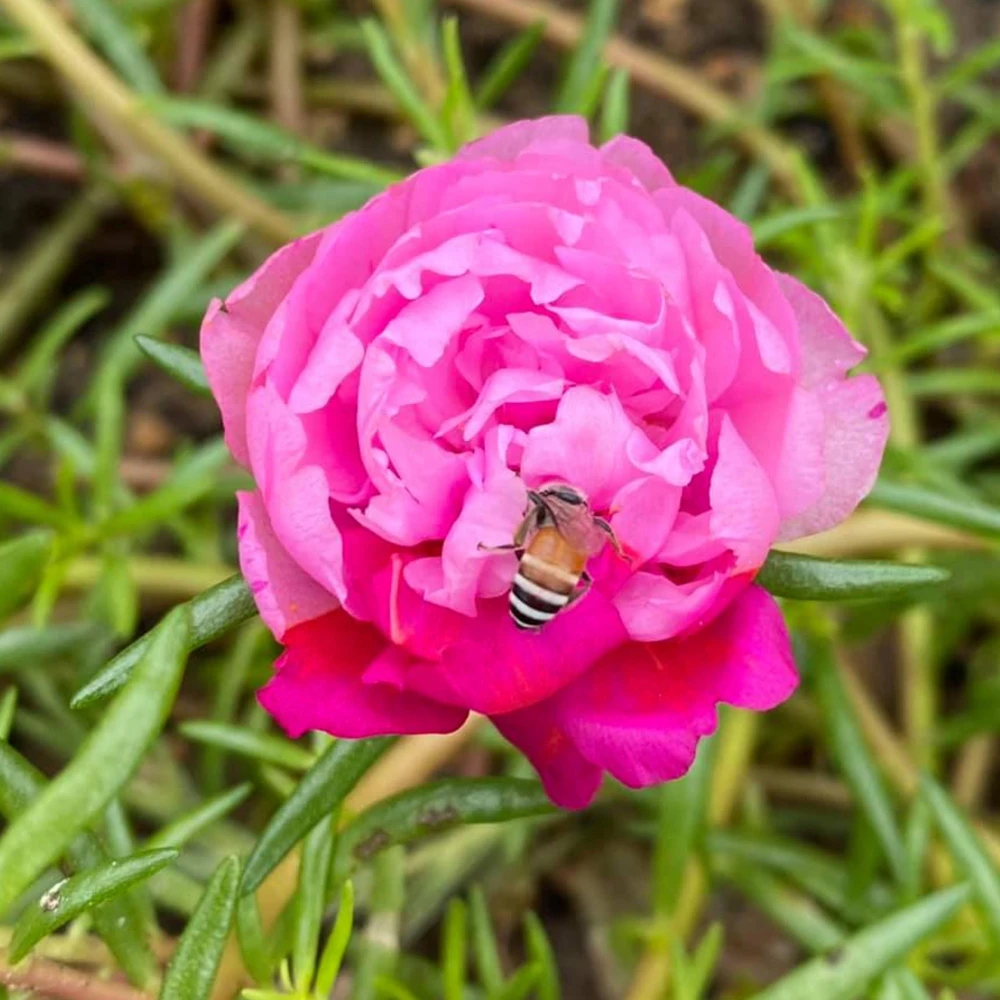
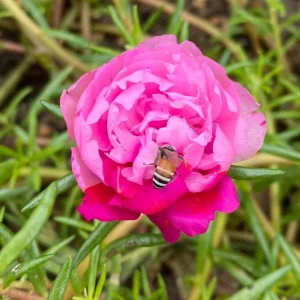
- Attracts Pollinators: The bright, open blooms can attract beneficial pollinators like bees and butterflies to your garden, contributing to a healthy ecosystem.
Plant Care & Growing Tips
Proper care ensures your Fuchsia Pink Moss Rose seeds develop into robust, floriferous plants. These succulents are relatively low-maintenance but benefit from specific conditions to maximize their bloom potential. For optimal growth, provide a location with full sun, meaning at least 6-8 hours of direct sunlight daily. This is crucial for abundant flowering and maintaining the plant’s compact growth habit. Inadequate light can lead to leggy growth and fewer blooms.
When it comes to soil, well-drained conditions are paramount. Portulaca grandiflora seeds prefer sandy or gritty soil that doesn’t retain too much moisture. Avoid heavy clay soils that can lead to root rot. If your soil is heavy, amend it with sand or perlite to improve drainage. Watering should be moderate during establishment. Once mature, these plants are quite heat tolerant ground cover and drought-tolerant, preferring to dry out between waterings. Overwatering is the most common cause of problems for Moss Roses. Fertilization is generally not heavily required; a light application of a balanced, slow-release fertilizer at the beginning of the growing season is usually sufficient.
Germination typically occurs within 7-14 days when temperatures are between 70–85°F (21–29°C). Scatter the seeds on the soil surface and gently press them in, as they require light to germinate. Once seedlings are large enough to handle, they can be transplanted to their final location. The continuous blooming from late spring through fall means consistent deadheading is not strictly necessary, but removing spent flowers can sometimes encourage even more prolific blooming. With these simple moss rose plant care guidelines, you can enjoy a vibrant, carefree display throughout the season.
Size & Details
These Fuchsia Pink Moss Rose seeds will grow into plants with a low-growing and spreading habit, typically reaching a height of 4–8 inches. The plant’s spread can range from 12–18 inches, creating a dense, colorful carpet. Each pack contains 30 seeds, providing ample opportunity to cultivate a significant area or multiple containers. The vigorous growth ensures quick establishment, with plants blooming continuously from late spring through fall, offering an extended season of vibrant color. These seeds are shipped as a dry seed packet, ready for planting upon arrival.
The mature plants are annual flowering succulents, known for their resilience and ability to thrive in hot conditions. They are an excellent choice for gardeners looking for effective heat tolerant ground cover with minimal fuss. Expect your plants to begin flowering within several weeks of germination, providing a relatively quick reward for your gardening efforts. Their compact size also makes them perfect for smaller spaces, window boxes, and as a colorful addition to mixed container arrangements.
Frequently Asked Questions
- Q: How big do Fuchsia Pink Moss Rose plants get? A: These plants typically grow 4–8 inches tall with a spread of 12–18 inches, forming a dense, low-growing carpet of blooms. They are ideal for ground cover and containers due to their compact size.
- Q: Is this an indoor or outdoor plant? A: While they can be started indoors, Fuchsia Pink Moss Rose seeds are primarily intended for outdoor cultivation. They thrive in full sun and are excellent for garden beds, borders, rock gardens, and outdoor containers.
- Q: How much sunlight does it need? A: For abundant flowering and healthy growth, Moss Roses require full sun, meaning at least 6-8 hours of direct sunlight per day. This is crucial for the blooms to open fully.
- Q: Is this plant easy to care for? A: Yes, this is an easy to grow flower seeds variety. Once established, Moss Roses are very low maintenance, known for their heat and drought tolerance. Basic moss rose plant care involves well-drained soil and avoiding overwatering.
- Q: What condition will the seeds arrive in? A: The product consists of a pack of 30 dry seeds, carefully packaged to ensure their viability upon arrival. They are ready for planting according to the provided instructions.
- Q: How long until Fuchsia Pink Moss Rose plants bloom? A: After germination, you can typically expect your Moss Rose plants to begin blooming within several weeks, providing a relatively quick and continuous display of color throughout the season.
- Q: What’s the minimum temperature these plants can tolerate? A: As annuals, Moss Roses are not frost-hardy. They thrive in warm temperatures and will typically die back with the first hard frost. They perform best in temperatures above 70°F (21°C).
- Q: Can I grow these in hanging baskets? A: Absolutely! The spreading habit and vibrant blooms of Portulaca grandiflora seeds make them an excellent choice for hanging baskets, where their colorful cascade can be fully appreciated.
- Q: What kind of soil is best for these seeds? A: Well-draining soil is essential. Sandy or gritty soil mixes are ideal. Avoid heavy, water-retentive soils to prevent root rot.
- Q: Do these plants attract pollinators? A: Yes, the bright, open blooms of the Fuchsia Pink Moss Rose can attract bees and other beneficial pollinators to your garden, contributing to a healthy garden ecosystem.
Related products
-50%

Original price was: $23.96.$11.98Current price is: $11.98.
-50%

Original price was: $15.96.$7.98Current price is: $7.98.
-15%
From Original price was: $28.00.$23.80Current price is: $23.80.
-50%
Original price was: $23.96.$11.98Current price is: $11.98.
-50%
Original price was: $23.96.$11.98Current price is: $11.98.
-50%
From Original price was: $55.60.$27.80Current price is: $27.80.
-50%
From Original price was: $63.60.$31.80Current price is: $31.80.
PLANTING & CARE
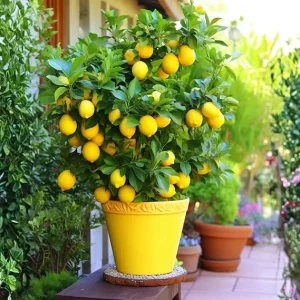
Lemon Tree Growing: Choose, Plant, and Harvest
Learn how to choose, plant, feed, and protect a lemon tree so it fits your
23
Sep
Sep
Dwarf Meyer Lemon Tree Australia: Climate Guide
Learn where dwarf Meyer lemon trees grow, how much cold they tolerate, and whether Australia,
Where to Buy a Dwarf Meyer Lemon Tree: Buyer’s Guide
Find the right dwarf Meyer lemon tree online or locally, compare starter sizes and costs,
Dwarf Meyer Lemon Tree for Sale: Buying Guide
Compare Meyer lemon tree sizes, prices, shipping limits, indoor growing and California options before you
Dwarf Meyer Lemon Tree Guide: Size, Care and Fruit
META: Learn how large a dwarf Meyer lemon tree grows, where it thrives, and how
How to Prune a Dwarf Meyer Lemon Tree
Learn when and how to prune a dwarf Meyer lemon tree, including tools, shaping cuts,
Can You Grow a Dwarf Meyer Lemon Tree in a Pot?
META: Learn how to grow a dwarf Meyer lemon tree in a pot, including container
When Do Dwarf Meyer Lemon Trees Bloom and Fruit?
META: Dwarf Meyer lemon trees usually bloom from winter through spring and may flower again