Goji Berry Live Plant (Wolfberry) in Pot with Fruits – Edible & Healthy
-32%
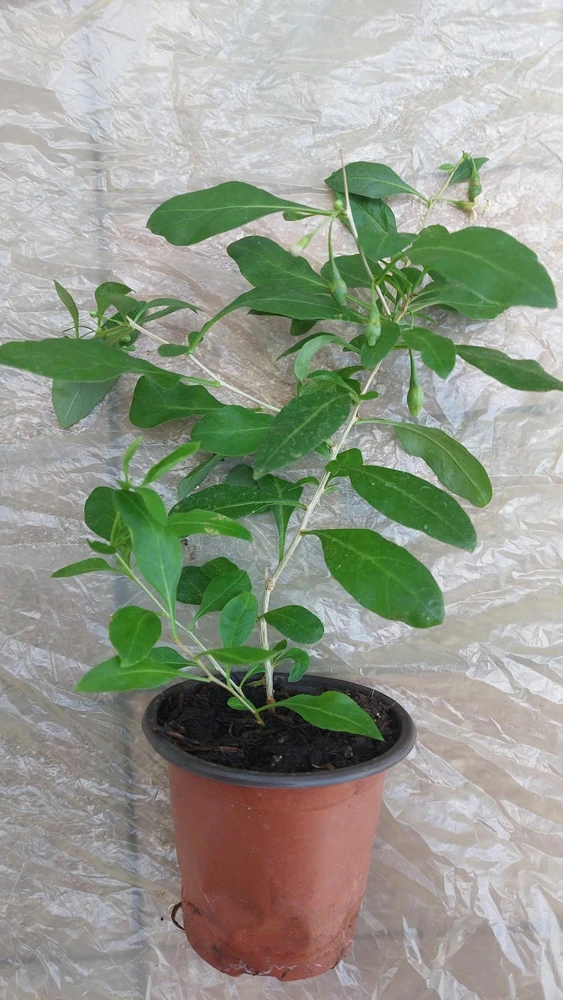
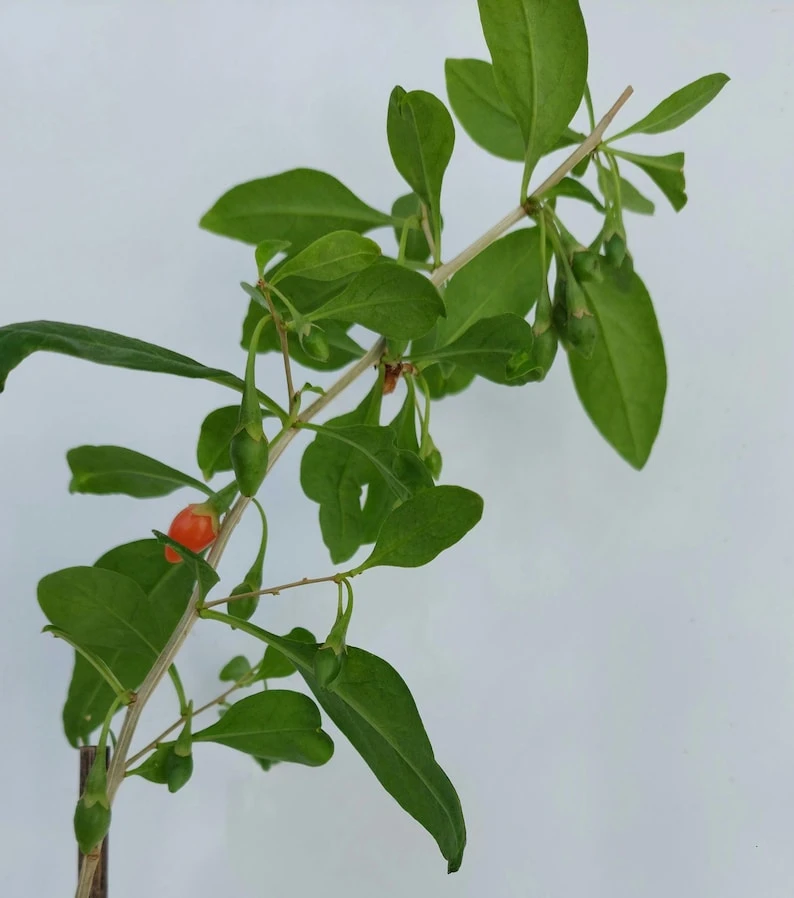
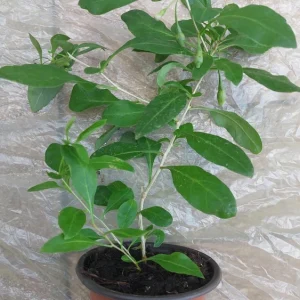
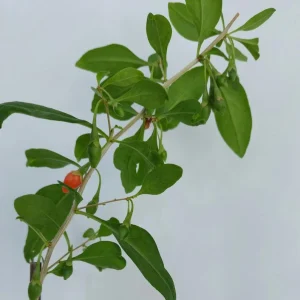
Goji Berry Live Plant (Wolfberry) in Pot with Fruits – Edible & Healthy
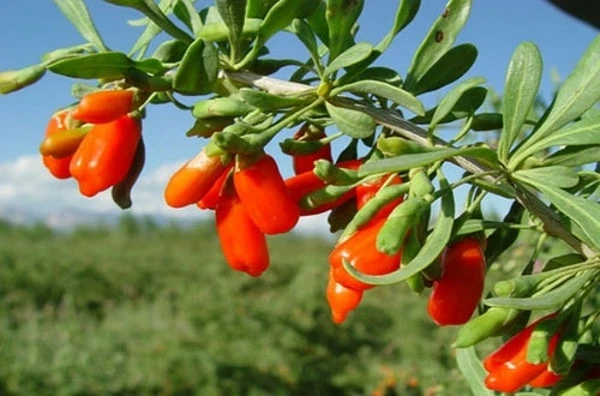
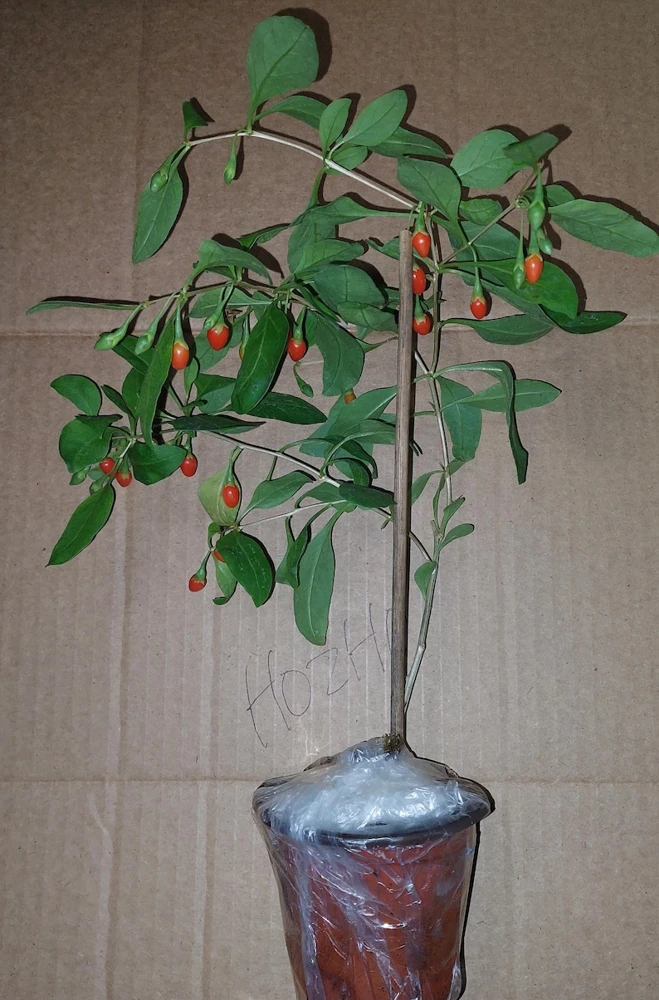
Cultivate your own superfood with this vibrant Goji berry live plant (Wolfberry, Lycium barbarum). This potted plant arrives with fruits, ready to thrive in your garden or a large container, providing delicious and healthy berries.
Original price was: $39.98.$26.99Current price is: $26.99.

With our Alive & Thrive Guarantee, we’ve got your back for the first 30 days! If you have any concerns about your plants, just reach out to us. Our team is here to help answer your questions and guide you in selecting the best plants for your garden, climate, and unique preferences. We're excited to help you create the garden of your dreams!
Estimated arrival
Oct 21
Oct 26 - Oct 28
Oct 31 - Nov 04

Product Details
-
USDA Hardiness Zone
USDA zones 3-10 -
Soil type
Well-draining soil, pH 6.5-7.0 -
Sunlight Exposure
Full sun (6-8+ hours daily) -
Expected Planting Period
Spring to early fall
Overview
Bring the health benefits of a superfood directly to your garden with this vibrant Goji berry live plant. Also known as the Wolfberry plant or scientifically as Lycium barbarum plant, this hardy shrub is renowned for its bright red, nutrient-rich berries. Our live plant comes pre-potted and may even arrive with developing fruits, offering an immediate start to your edible landscape. Goji berries have been cherished for centuries in traditional medicine and are celebrated for their antioxidant properties and sweet-tart flavor. This easy-to-grow bush makes an excellent addition for both novice and experienced gardeners looking to cultivate an edible fruit plant that is both beautiful and beneficial.
The Goji berry is a versatile and resilient plant, capable of adapting to various climates and soil conditions. Its arching branches and small, oval leaves create an attractive, bushy presence in any garden. Beyond its health benefits, the Goji berry live plant produces delicate purple flowers that mature into the signature red berries, adding ornamental value. Imagine harvesting fresh, ripe goji berries right from your backyard, ready to be enjoyed in smoothies, cereals, or as a healthy snack. This plant offers a rewarding gardening experience and a continuous supply of one of nature’s most celebrated fruits.
Key Benefits
Growing your own Goji berry plant comes with a multitude of advantages, from its nutritional output to its ease of care and ornamental appeal. Here are some of the key benefits you’ll enjoy with your new Goji berry live plant:
- Nutrient-Rich Superfood: Goji berries are packed with antioxidants, vitamins, and minerals. Cultivating your own ensures a fresh supply of these healthy berries, known to support overall well-being and immune health.
- Fresh, Edible Fruits: Enjoy the distinct sweet-tart flavor of freshly picked goji berries. Unlike dried varieties, fresh berries offer a unique taste and texture, perfect for snacking, desserts, or adding to savory dishes.
- Easy to Grow: The Wolfberry plant is remarkably resilient and low-maintenance, making it suitable for gardeners of all skill levels. It tolerates a range of conditions and requires minimal fuss once established.
- Ornamental Value: With its attractive foliage, delicate purple flowers, and bright red berries, the Lycium barbarum plant adds significant visual interest to your garden, patio, or balcony throughout the growing season.
- Versatile Planting: Whether you prefer to plant it directly in the ground, in a large container, or even train it as a small hedge, this edible fruit plant adapts well to various garden designs and spaces.
- Long Growing Season: Goji berry plants typically produce fruit from summer through fall, offering a prolonged harvest period that allows for continuous enjoyment of its bounty.
- Supports Pollinators: The small, lavender-colored flowers attract bees and other beneficial pollinators to your garden, contributing to a healthy ecosystem.
Plant Care & Growing Tips
Caring for your Goji berry live plant is straightforward, ensuring a bountiful harvest with minimal effort. Goji berries thrive in full sun, requiring at least 6-8 hours of direct sunlight per day to produce the best fruit. While they are adaptable, a south-facing location is ideal. They are drought-tolerant once established but appreciate consistent moisture, especially during fruiting. Water deeply when the top inch of soil feels dry to the touch, but avoid overwatering to prevent root rot. Good drainage is crucial for the health of your Wolfberry plant.
For optimal growth, plant your Goji berry in well-draining soil with a pH between 6.5 and 7.0. Amend heavy clay soils with organic matter like compost to improve drainage and aeration. While the plant is hardy, a balanced, slow-release fertilizer can be applied in early spring to support vigorous growth and fruit production. Pruning is essential for maintaining plant shape, encouraging new growth, and maximizing fruit yield. In late winter or early spring, remove any dead or weak branches, and thin out overcrowded areas to improve air circulation. You can also prune to a desired height and width, making it easier to harvest the berries.
The Lycium barbarum plant is generally hardy in USDA zones 3-10, making it suitable for a wide range of climates. In colder zones, some winter protection may be beneficial, or consider growing it in a large pot that can be moved indoors during severe cold snaps. Keep an eye out for common garden pests, though Goji berries are relatively disease-resistant. Providing proper air circulation and choosing a sunny site will help prevent most fungal issues. Following these simple goji plant care guidelines will ensure your plant flourishes and provides you with delicious berries for years to come.
Size & Details
This Goji berry live plant is typically shipped in a nursery pot, ready for transplanting into your garden or a larger container. The plant’s initial size will vary but is usually well-rooted and established, standing approximately 6-12 inches tall upon arrival. Goji berry plants are fast growers and can reach heights of 5-10 feet with a similar spread if left unpruned. They begin producing fruit in their first or second year and continue to yield abundantly for many seasons. The berries mature from green to a vibrant red, typically ripening from mid-summer through fall, depending on your climate and variety. This vigorous edible fruit plant is an excellent long-term investment for any home garden.
The plant is designed to be robust and capable of withstanding the journey, ensuring it arrives in good condition. With proper care, it will quickly acclimate to its new environment and begin to flourish. Expect a moderate to fast growth rate, allowing you to enjoy fresh goji berries relatively quickly. The mature plant will develop a slightly sprawling, bushy habit, which can be managed with regular pruning to maintain an attractive form and facilitate harvesting. This plant is a fantastic choice for those seeking a productive and resilient addition to their edible landscape.
Frequently Asked Questions
- Q: How big does this Goji berry live plant get? A: A mature Goji berry live plant can grow anywhere from 5 to 10 feet tall and wide if left unpruned. With regular pruning, you can maintain it at a more manageable size for easier harvesting and garden integration.
- Q: Is this an indoor or outdoor plant? A: The Wolfberry plant is primarily an outdoor plant, thriving in full sun. However, it can be grown in large containers and brought indoors during the colder months in regions with harsh winters, or grown year-round indoors with adequate light.
- Q: How much sunlight does the Lycium barbarum plant need? A: For the best fruit production, your Lycium barbarum plant requires at least 6-8 hours of direct sunlight per day. A full sun location is ideal for vigorous growth and sweet berries.
- Q: Is this plant easy to care for? A: Yes, Goji berry plants are known for their hardiness and low maintenance. They are relatively drought-tolerant once established and adapt to various soil conditions, making goji plant care quite simple for most gardeners.
- Q: What condition will the Goji berry live plant arrive in? A: Your Goji berry live plant will arrive in a nursery pot, well-rooted and carefully packaged to ensure its health during transit. It will be ready for transplanting upon arrival.
- Q: When is the best time to plant a Goji berry? A: The best time to plant your Goji berry is in spring after the last frost, or in early fall. This allows the plant to establish its root system before extreme temperatures.
- Q: Can I use the Goji berries for cooking? A: Absolutely! The fresh berries from your edible fruit plant are perfect for eating raw, adding to smoothies, yogurts, cereals, or incorporating into various culinary dishes and desserts.
- Q: What USDA hardiness zone is suitable for this plant? A: Goji berry plants are quite resilient and are generally hardy in USDA Zones 3 through 10, tolerating a wide range of temperatures.
- Q: How long until the Goji berry plant produces fruit? A: Most Goji berry live plant varieties begin to produce fruit in their first or second year after planting, with increasing yields as the plant matures.
- Q: What kind of soil does this plant prefer? A: Goji berries prefer well-draining soil with a neutral to slightly alkaline pH. Amending with compost can improve soil structure and fertility.
Related products
-20%
Original price was: $36.00.$28.80Current price is: $28.80.
-20%
Original price was: $60.00.$48.00Current price is: $48.00.
-51%
Original price was: $43.99.$21.59Current price is: $21.59.
-20%
Original price was: $32.00.$25.60Current price is: $25.60.
-10%
Original price was: $28.99.$26.09Current price is: $26.09.
-20%

Original price was: $34.00.$27.20Current price is: $27.20.
-20%
Original price was: $34.00.$27.20Current price is: $27.20.
-7%
Original price was: $105.99.$98.99Current price is: $98.99.
PLANTING & CARE
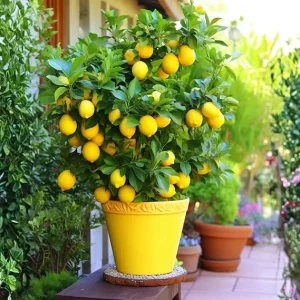
Lemon Tree Growing: Choose, Plant, and Harvest
Learn how to choose, plant, feed, and protect a lemon tree so it fits your
23
Sep
Sep
Dwarf Meyer Lemon Tree Australia: Climate Guide
Learn where dwarf Meyer lemon trees grow, how much cold they tolerate, and whether Australia,
Where to Buy a Dwarf Meyer Lemon Tree: Buyer’s Guide
Find the right dwarf Meyer lemon tree online or locally, compare starter sizes and costs,
Dwarf Meyer Lemon Tree for Sale: Buying Guide
Compare Meyer lemon tree sizes, prices, shipping limits, indoor growing and California options before you
Dwarf Meyer Lemon Tree Guide: Size, Care and Fruit
META: Learn how large a dwarf Meyer lemon tree grows, where it thrives, and how
How to Prune a Dwarf Meyer Lemon Tree
Learn when and how to prune a dwarf Meyer lemon tree, including tools, shaping cuts,
Can You Grow a Dwarf Meyer Lemon Tree in a Pot?
META: Learn how to grow a dwarf Meyer lemon tree in a pot, including container
When Do Dwarf Meyer Lemon Trees Bloom and Fruit?
META: Dwarf Meyer lemon trees usually bloom from winter through spring and may flower again