Green Mizuna Mustard Seeds – Japanese Asian Greens – Brassica rapa var. nipposinica – 20 Seed Pack
-50%
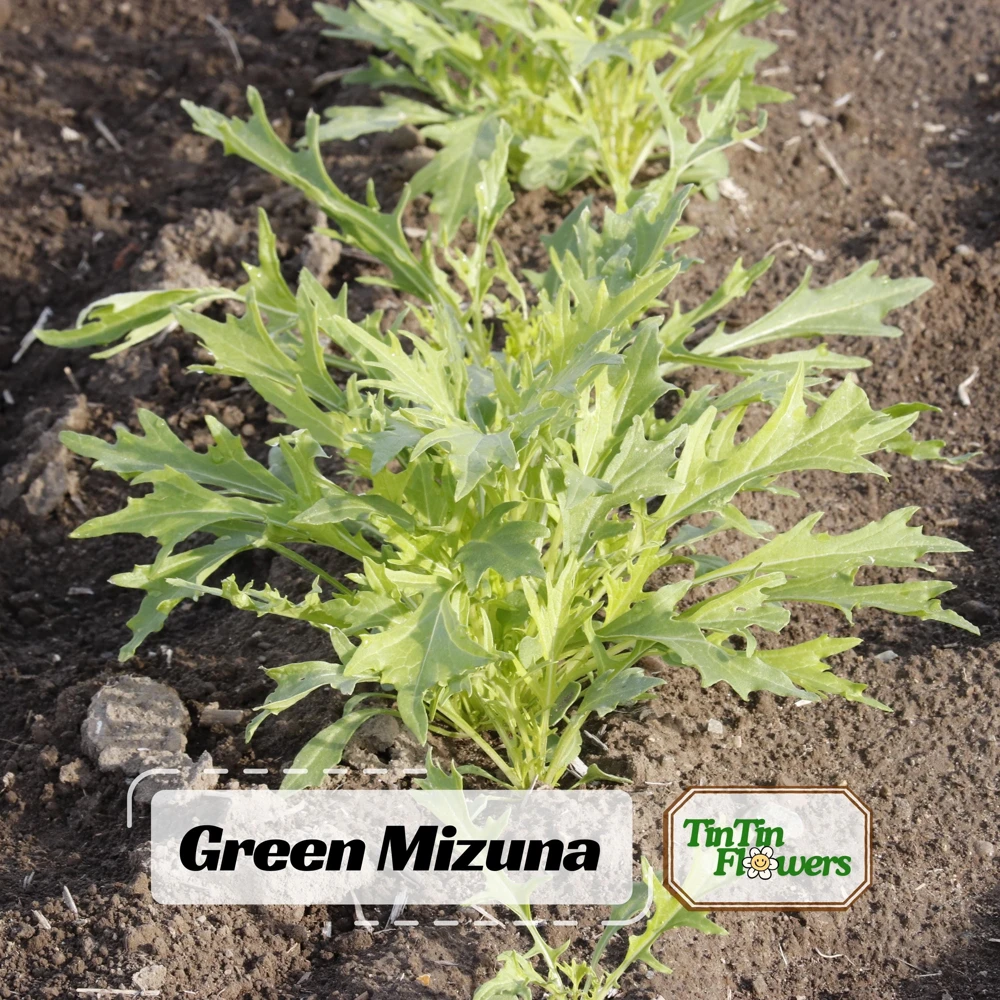
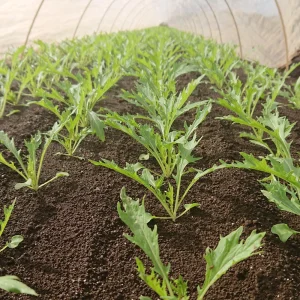
Green Mizuna Mustard Seeds – Japanese Asian Greens – Brassica rapa var. nipposinica – 20 Seed Pack
Cultivate delicious green mizuna mustard seeds, a versatile Japanese leafy vegetable perfect for home gardens. Enjoy its mild, peppery flavor in salads and stir-fries. Each pack contains 20 high-quality seeds for abundant harvests.
Original price was: $16.74.$8.36Current price is: $8.36.

With our Alive & Thrive Guarantee, we’ve got your back for the first 30 days! If you have any concerns about your plants, just reach out to us. Our team is here to help answer your questions and guide you in selecting the best plants for your garden, climate, and unique preferences. We're excited to help you create the garden of your dreams!
Estimated arrival
Oct 08
Oct 13 - Oct 15
Oct 18 - Oct 22




Product Details
-
USDA Hardiness Zone
unknown -
Soil type
Fertile, well-draining soil -
Sunlight Exposure
Full sun to partial shade -
Expected Planting Period
Early spring or late summer
Overview
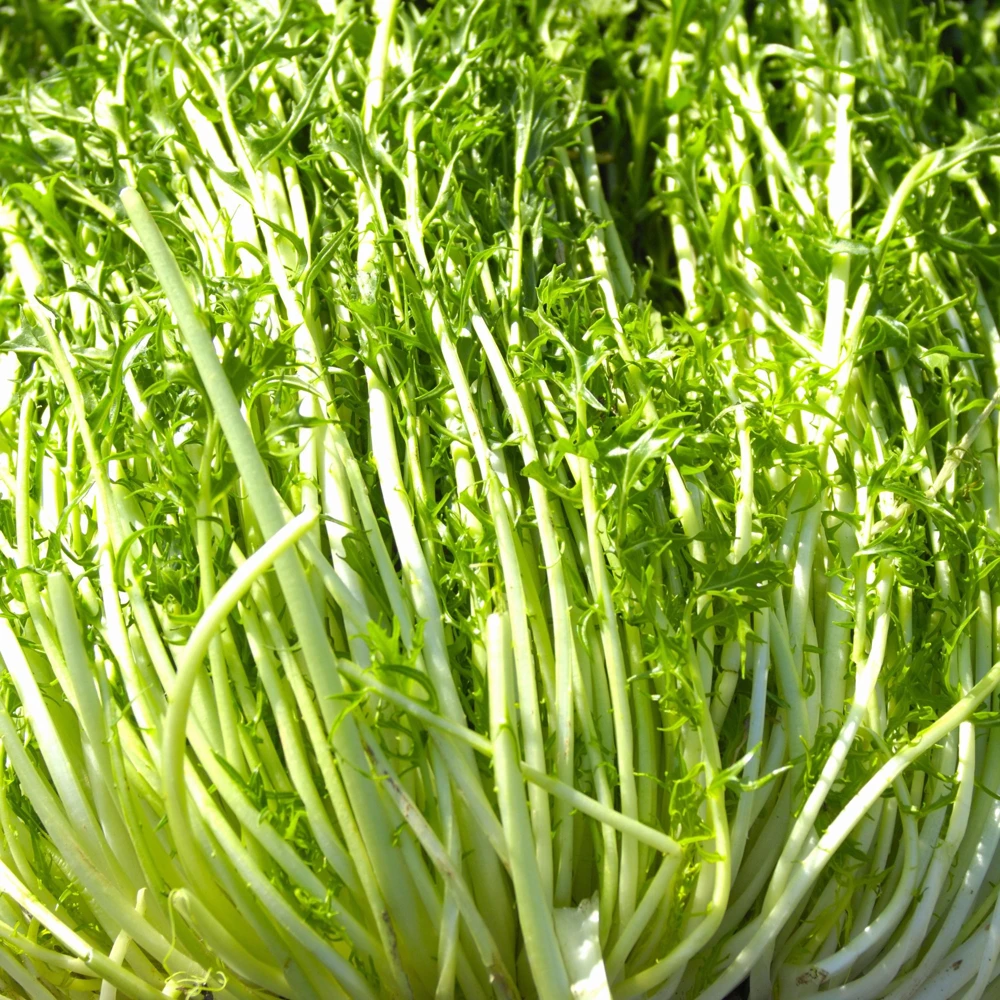
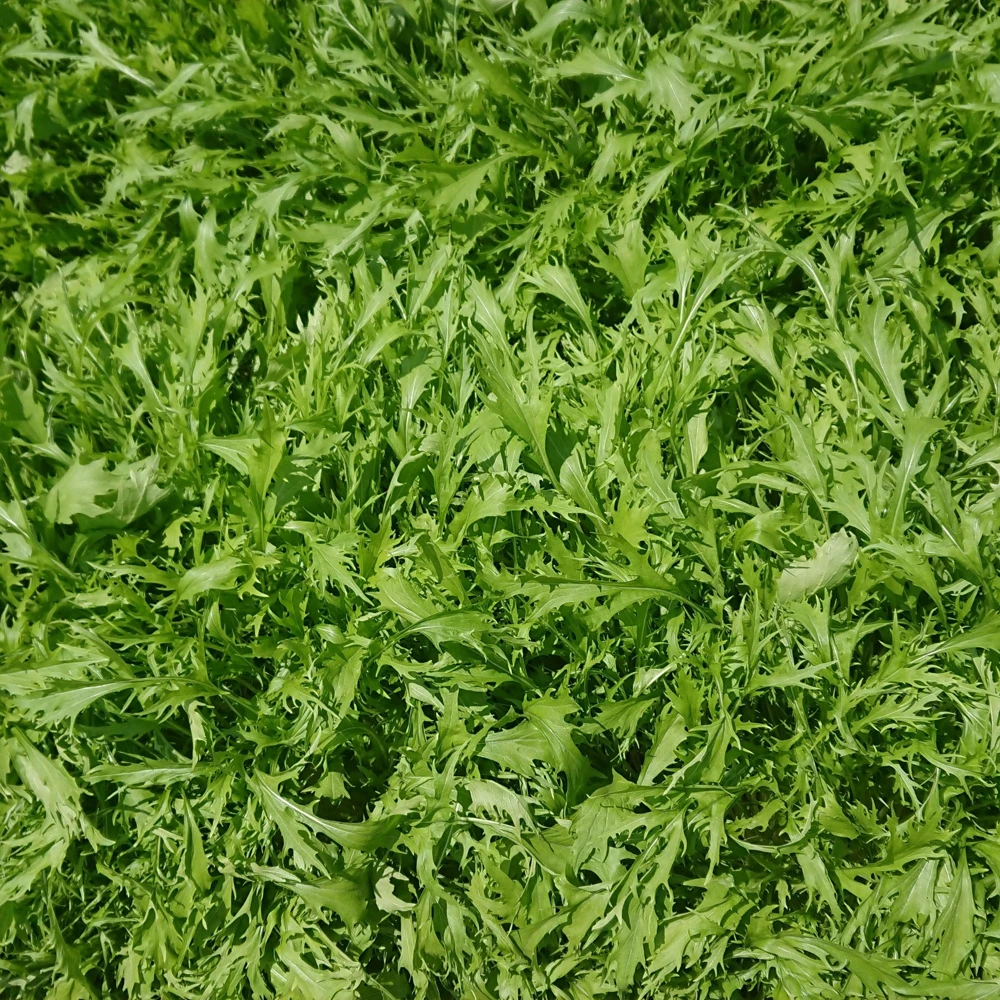
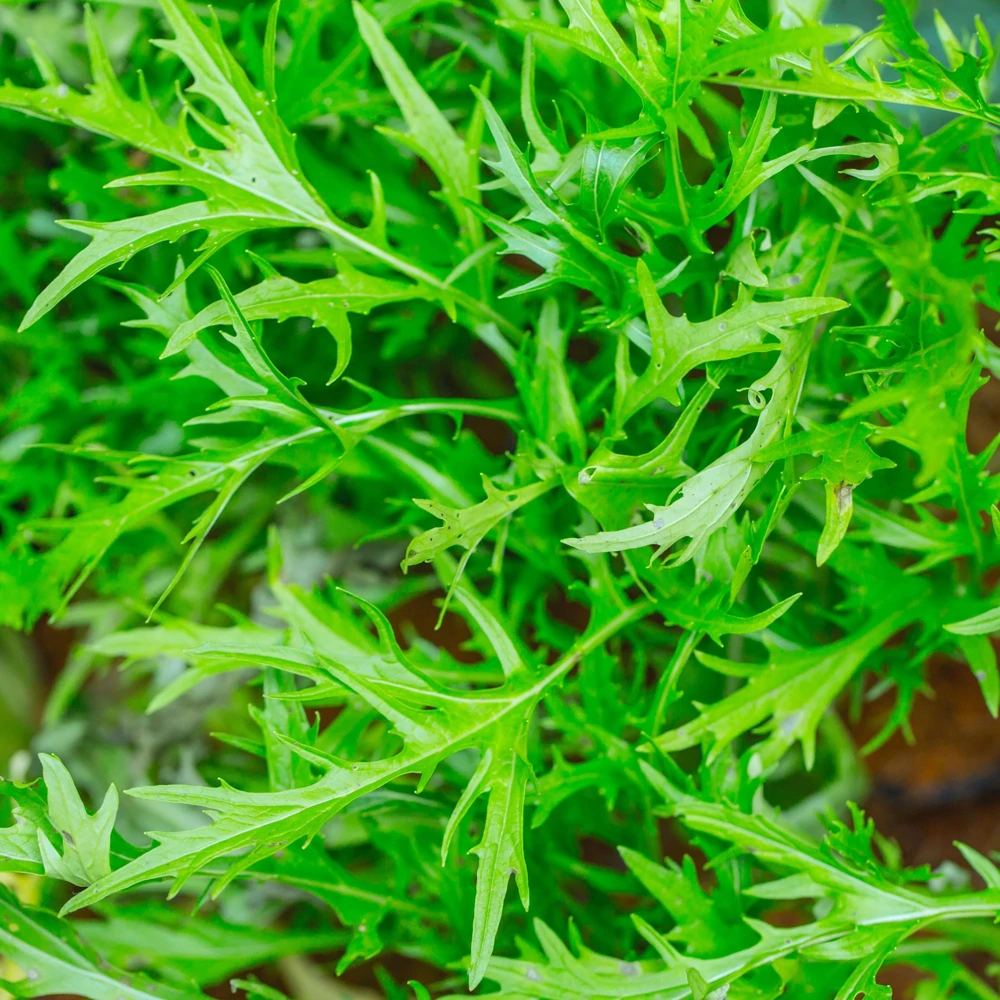
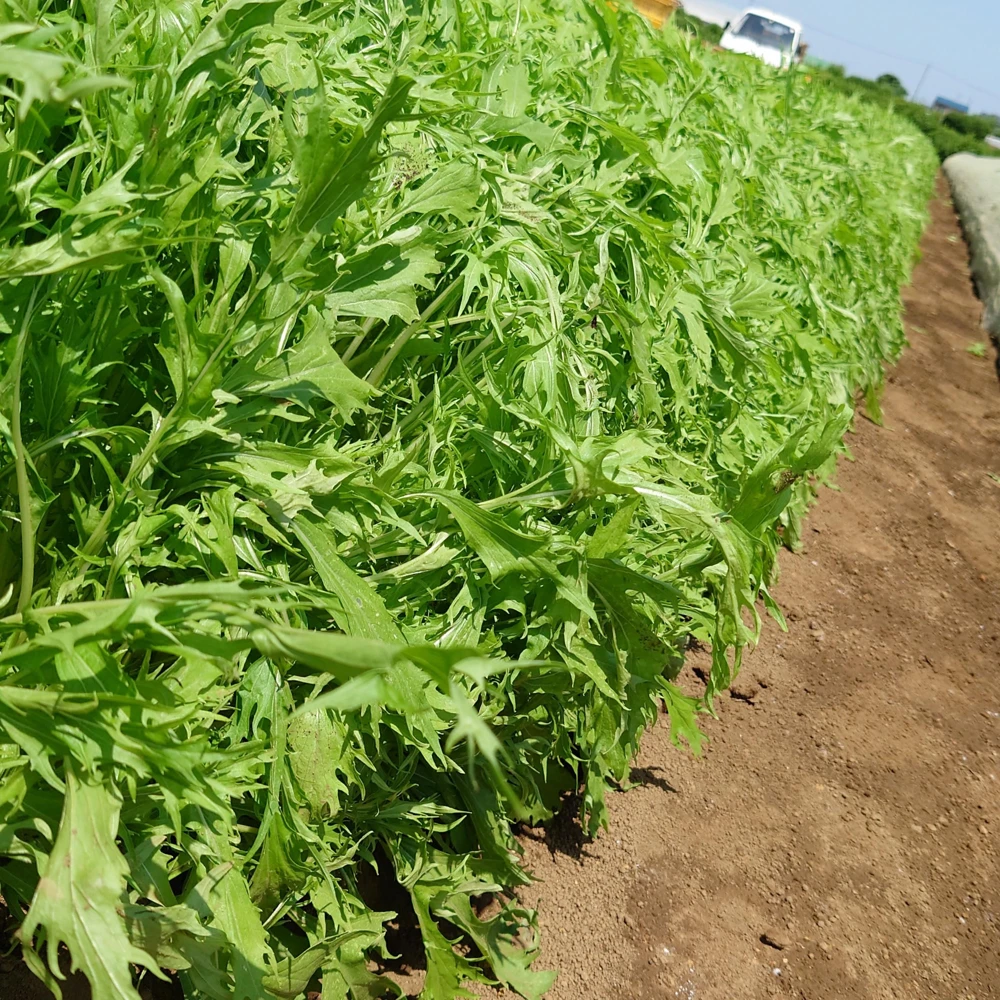
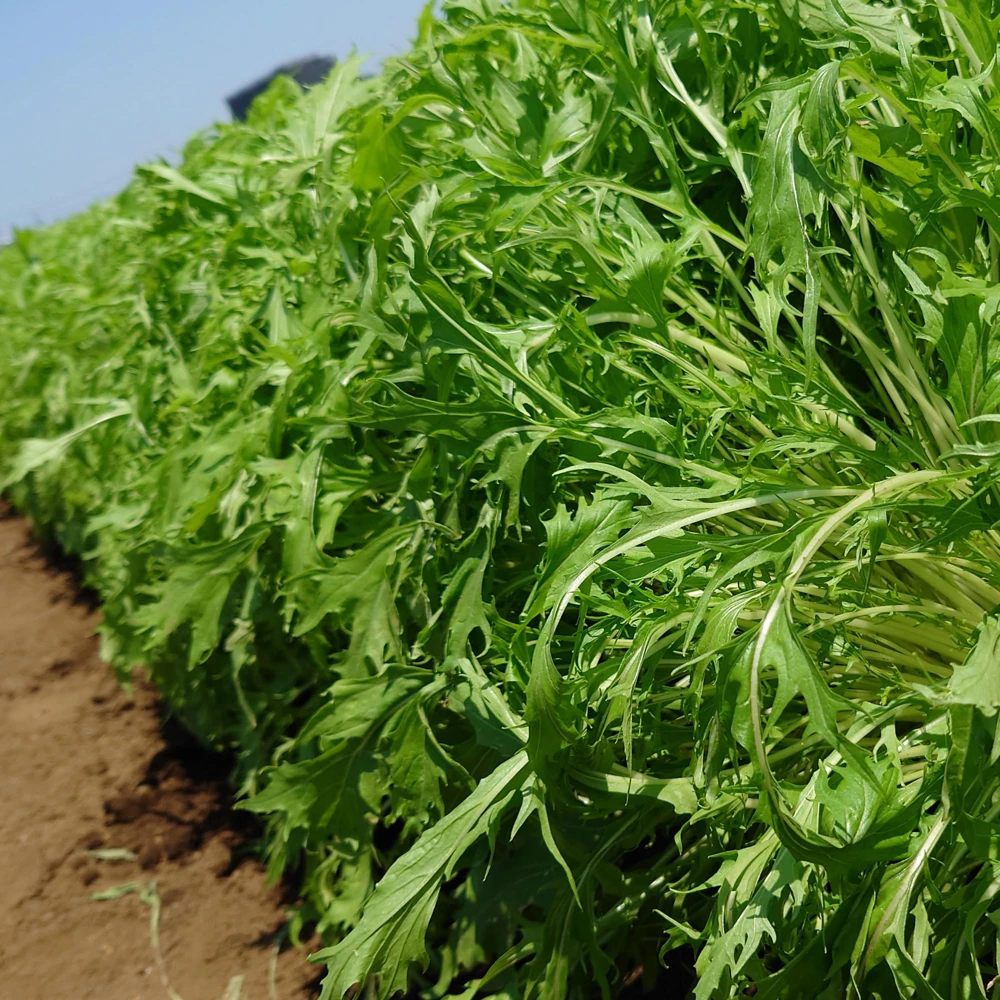
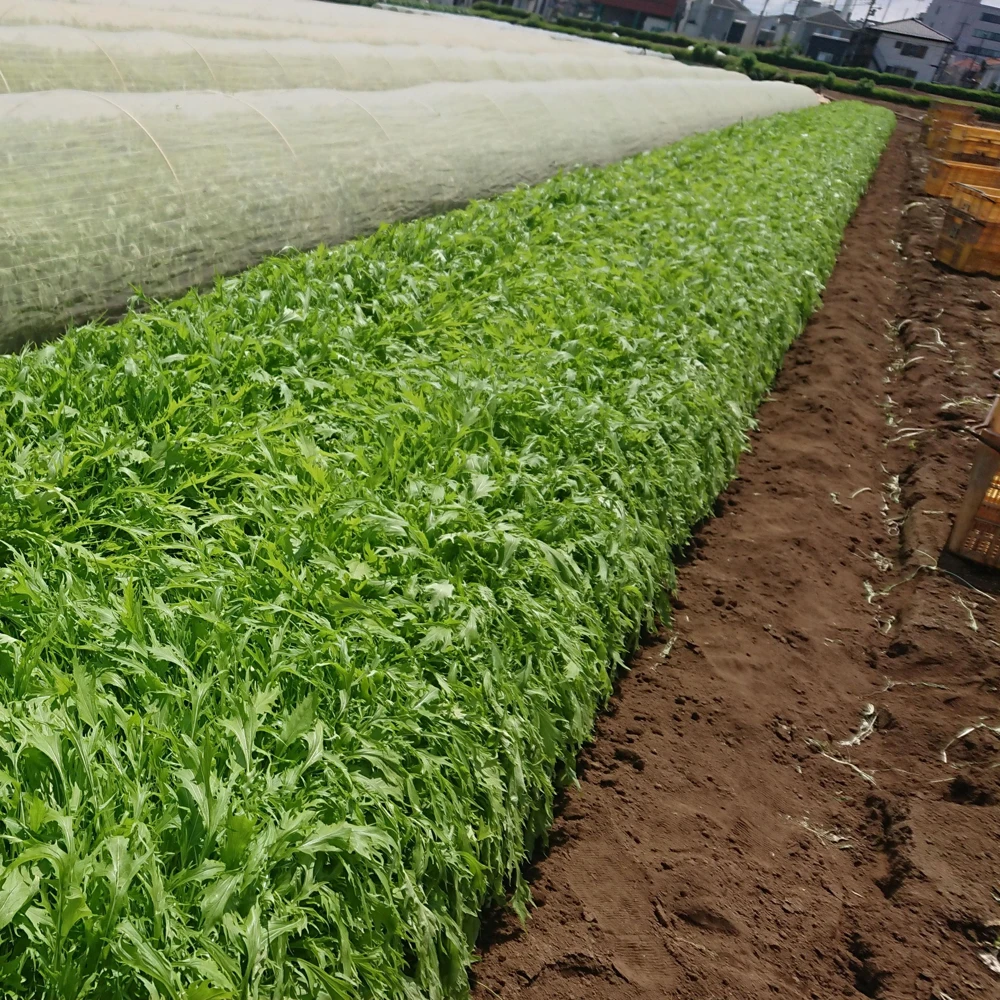
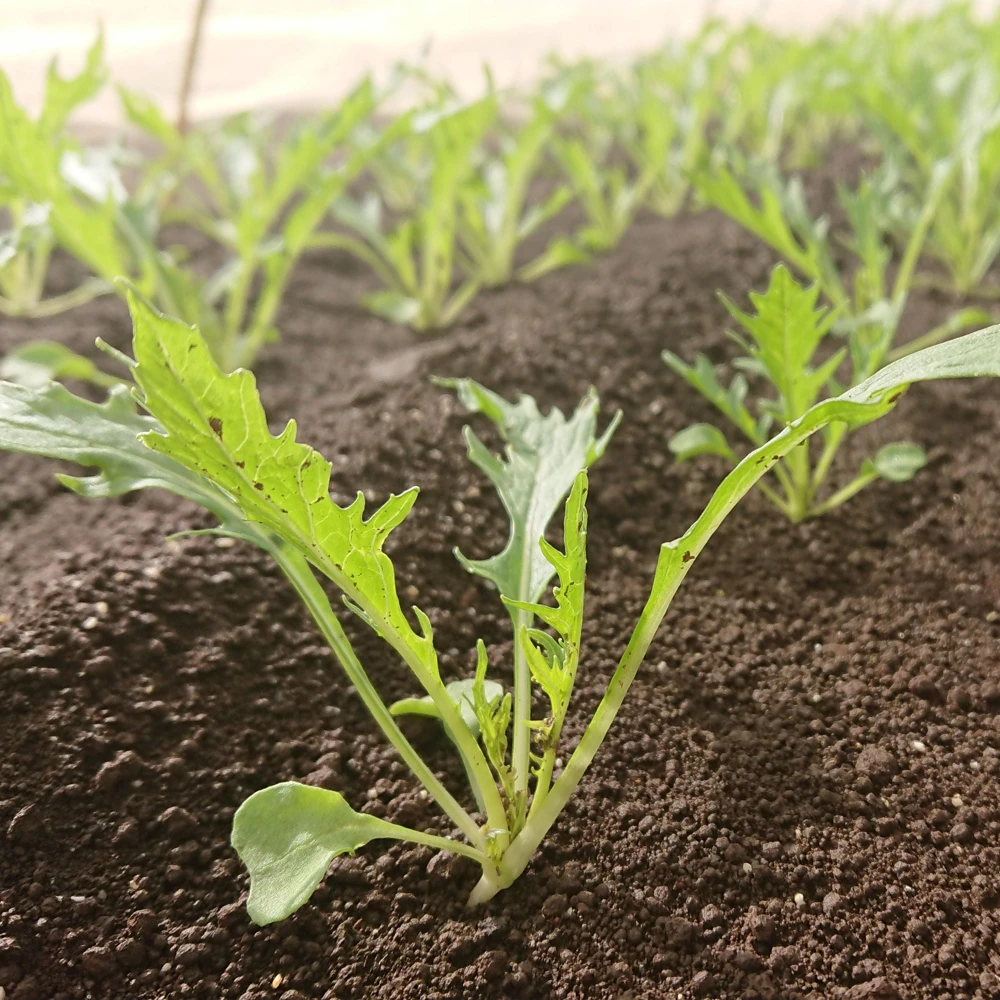
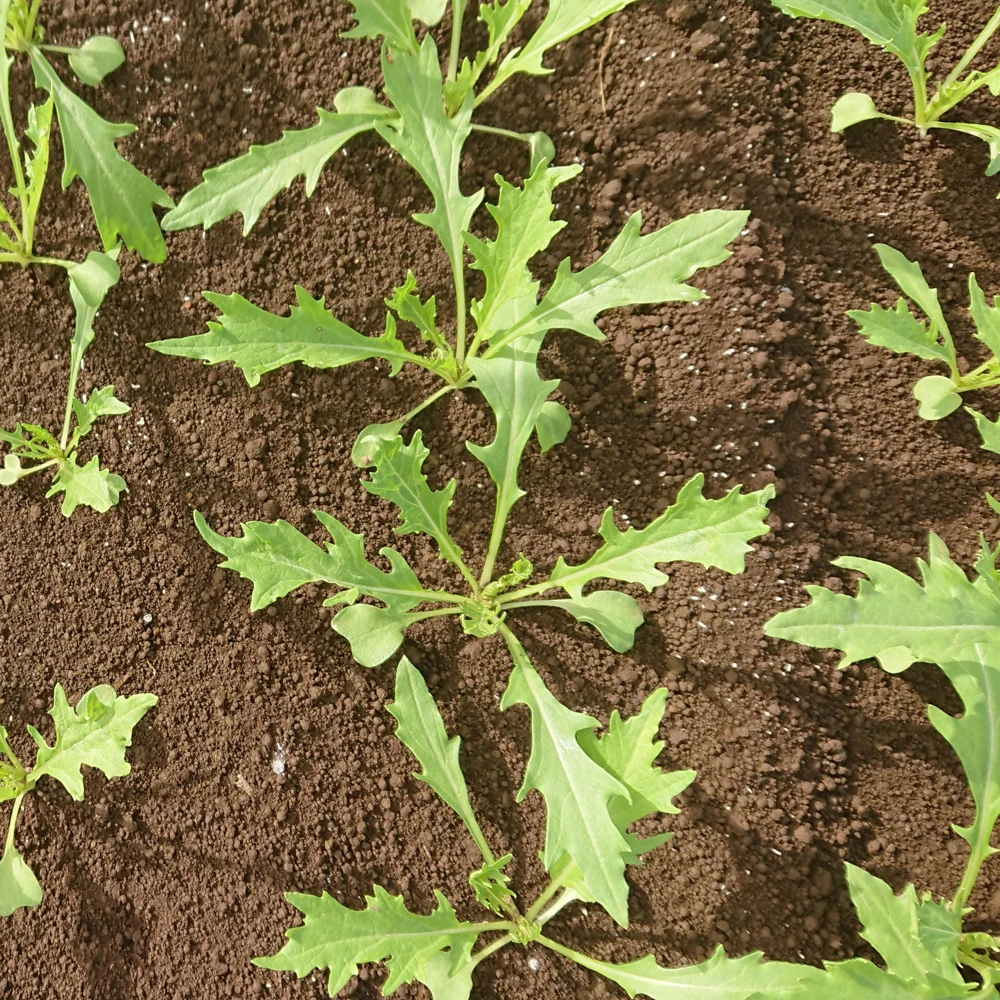
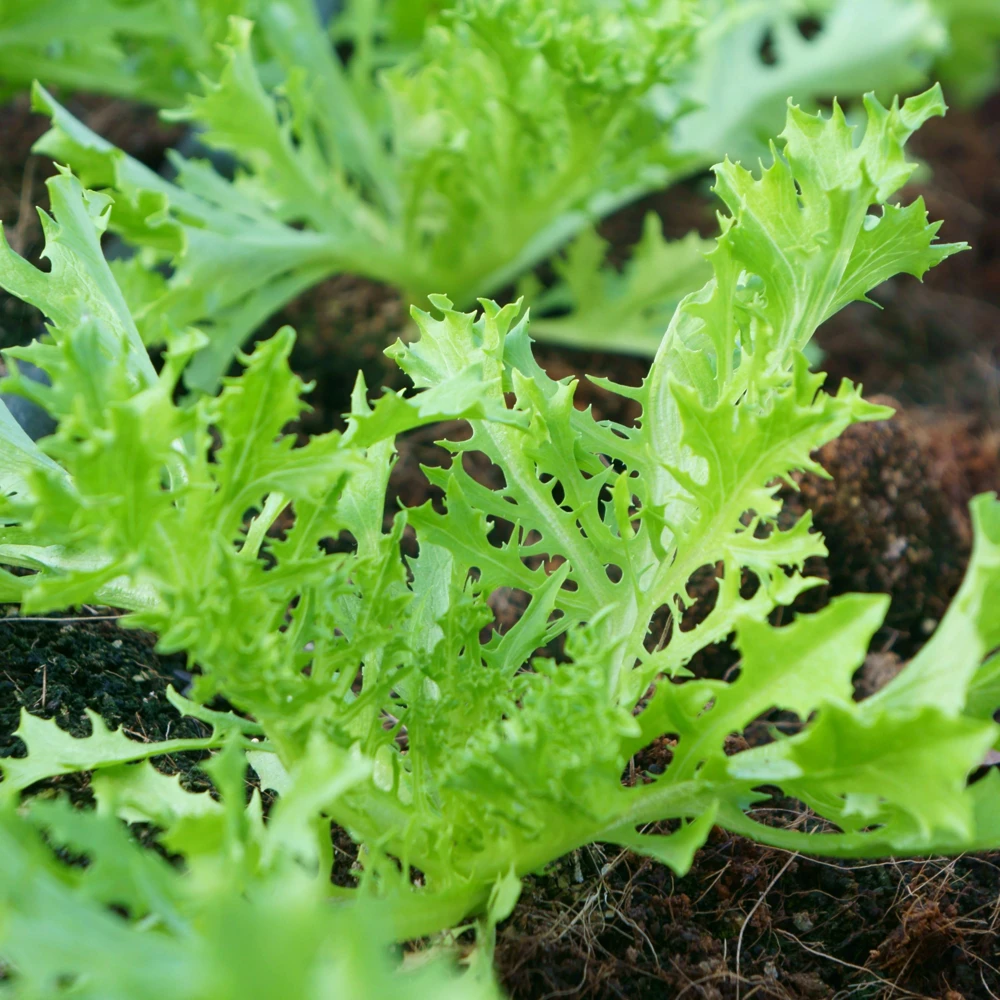
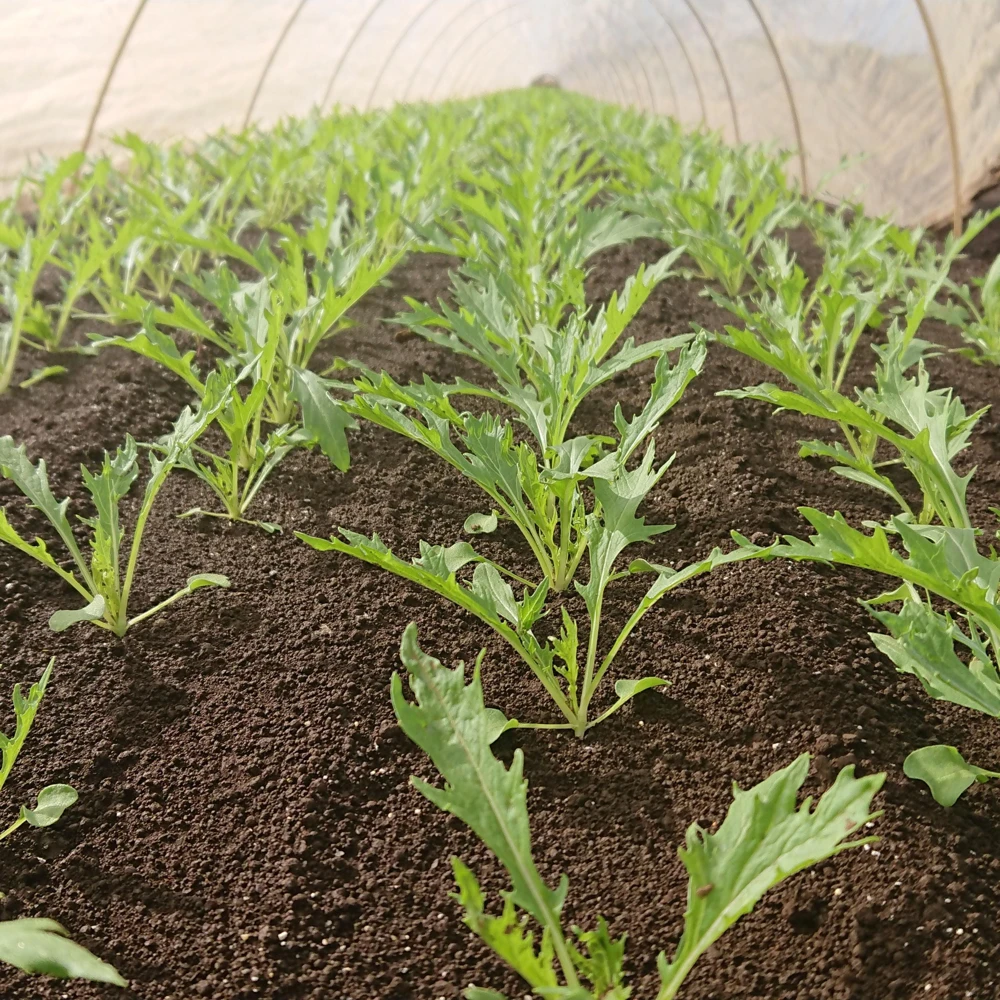
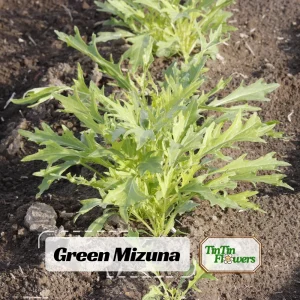
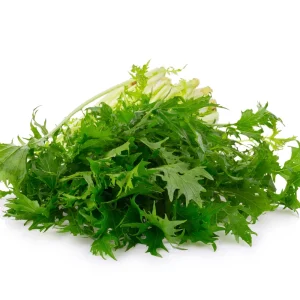
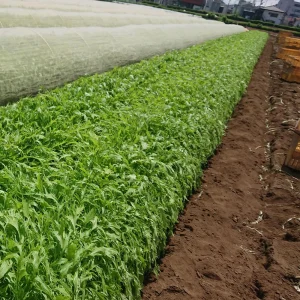
Discover the joy of growing your own fresh greens with our premium green mizuna mustard seeds. This fast-growing Japanese leafy vegetable, botanically known as Brassica rapa var. nipposinica, is highly prized for its finely serrated, bright green leaves and crisp texture. Offering a delightful mild peppery flavor, Mizuna is a cool-season favorite that thrives in various garden settings, including vegetable gardens, raised beds, containers, and even small salad gardens. With these green mizuna mustard seeds, you can expect abundant harvests throughout the spring and fall, providing a continuous supply of nutritious and delicious greens for your culinary adventures. It’s an easy-to-grow option for both novice and experienced gardeners looking to add unique flavors to their home-grown produce.
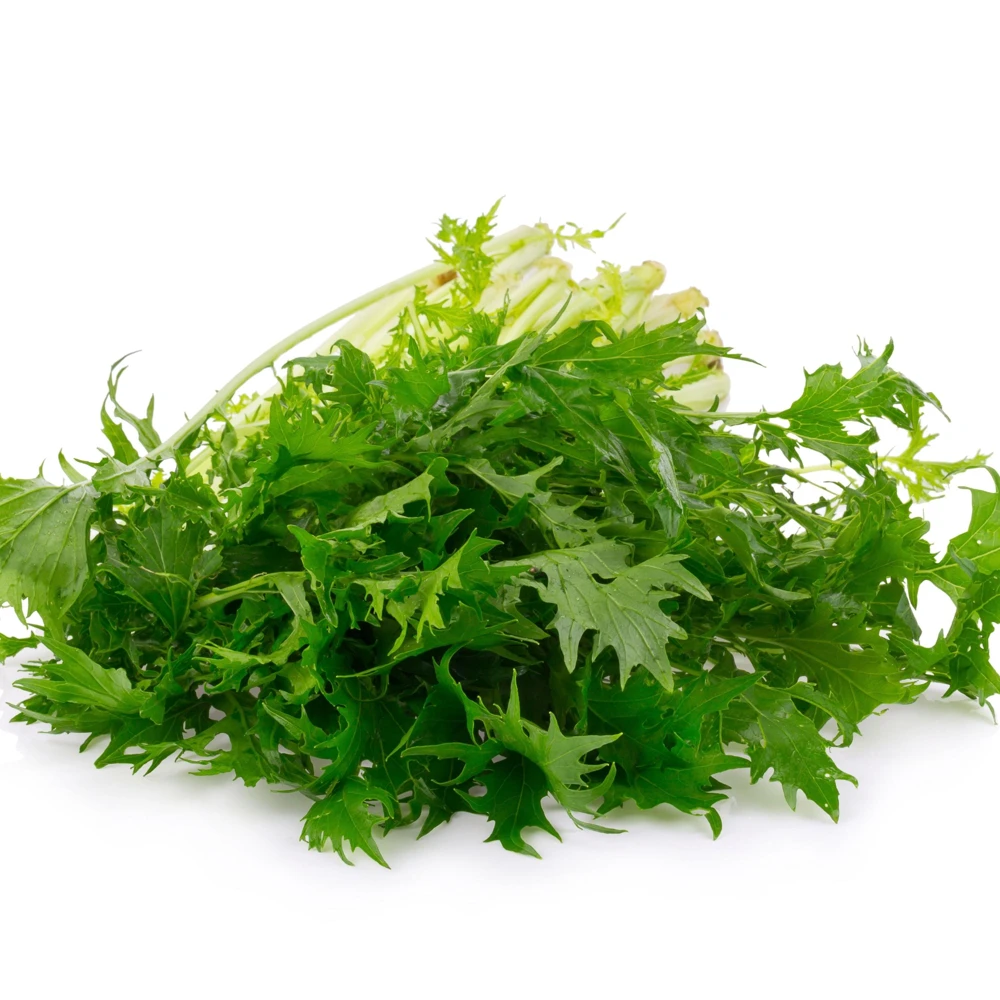
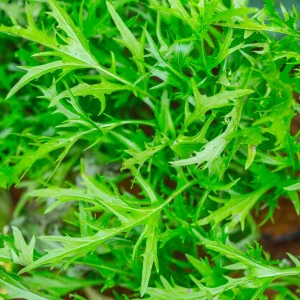
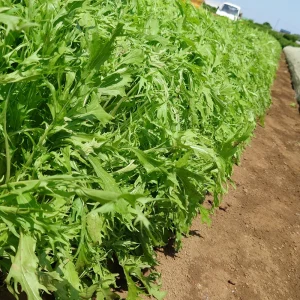
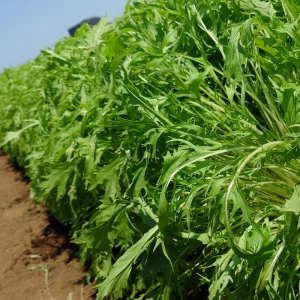
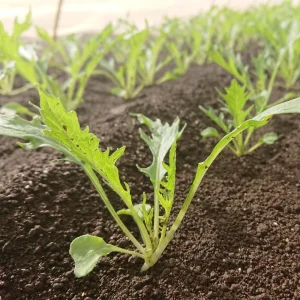
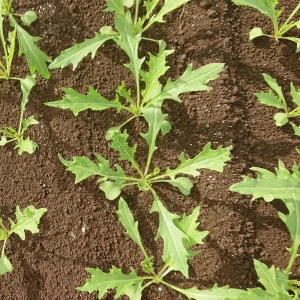
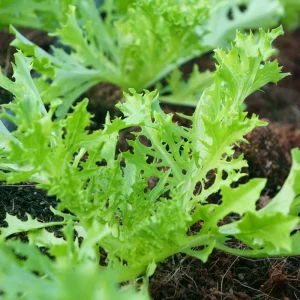
Our green mizuna mustard seeds are your gateway to cultivating a versatile and attractive plant. The tender leaves are exceptional for fresh salads, adding a vibrant crunch and subtle spice. They also perform wonderfully in stir-fries, soups, and sandwiches, or harvested young as delicate baby greens. This variety forms attractive upright rosettes with deeply cut foliage, bringing an ornamental touch to edible landscapes while ensuring a steady supply of greens. It is remarkably cold tolerant and easy to grow, thriving in cooler weather and capable of withstanding light frosts, making it a reliable choice for extending your gardening season.
Key Benefits
Growing green mizuna mustard seeds offers a multitude of benefits for any home gardener, from its ease of cultivation to its culinary versatility and attractive appearance in the garden. This plant is a true asset:
- Fast & Abundant Harvests: Mizuna is a rapid grower, providing tender leaves ready for harvest in just 30-45 days. Its cut-and-come-again nature ensures continuous production, allowing you to enjoy fresh greens for an extended period.
- Delicious Mild Peppery Flavor: The leaves boast a unique mild, peppery taste that enhances salads, stir-fries, and other dishes without overpowering other ingredients. It’s a gourmet addition to your home cooking.
- Versatile Culinary Use: From fresh salads and sandwiches to cooked dishes like stir-fries and soups, green mizuna mustard seeds yield greens that are incredibly adaptable in the kitchen. They are also excellent when harvested young as baby greens.
- Cold Hardy & Easy to Grow: This variety is highly tolerant of cool temperatures and even light frosts, making it an ideal choice for spring and fall planting. Its ease of cultivation makes it suitable for gardeners of all skill levels, including those exploring mizuna growing tips for the first time.
- Attractive Garden Addition: The deeply serrated, bright green leaves form beautiful upright rosettes, adding an ornamental element to your vegetable patch, raised beds, or containers.
- Suitable for Various Settings: Whether you have a large garden, a small patio, or just a window box, japanese mizuna seeds can be successfully grown in a variety of spaces, including raised beds and containers.
- Nutrient-Rich Greens: Like many leafy greens, Mizuna is packed with vitamins and minerals, contributing to a healthy diet straight from your garden.
Plant Care & Growing Tips
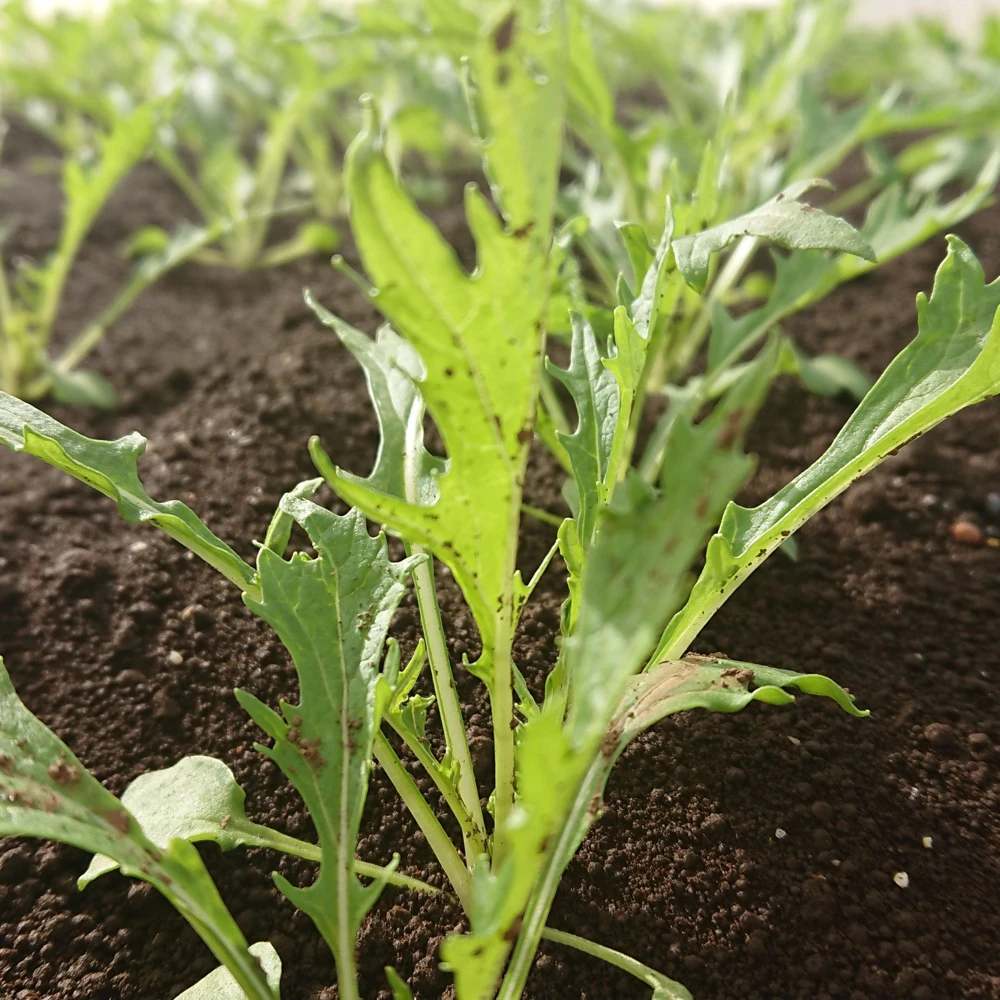
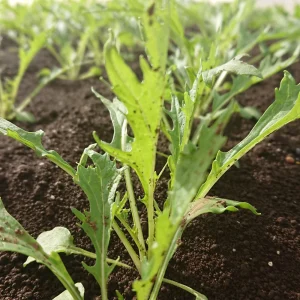
Caring for plants grown from green mizuna mustard seeds is straightforward, making it an excellent choice for beginners and experienced gardeners alike. No special seed treatment is required before planting. Sow seeds 1/4 inch deep in fertile, well-draining soil. For the best harvests, direct sow outdoors in early spring or late summer. This cool-season crop thrives when temperatures are moderate, avoiding the intense heat of mid-summer which can cause bolting (premature flowering).
For successful germination, maintain soil temperatures between 50–75°F (10–24°C) and ensure the soil remains consistently moist. Germination typically occurs within 5–10 days. Once several true leaves appear, thin seedlings to 6–8 inches apart to allow for healthy growth and air circulation. Regular watering is crucial to maintain consistently moist soil, which helps produce tender, flavorful leaves. Mizuna prefers full sun for vigorous growth, but in warmer climates, providing partial shade can help reduce the risk of bolting. For those interested in mizuna growing tips, remember that continuous harvesting of outer leaves will encourage further production, or you can harvest entire plants when they reach maturity. Successive sowings every 2–3 weeks will provide season-long harvests, ensuring a fresh supply of these delicious cold hardy greens seeds. Protecting plants from extreme heat with shade cloth can also extend the harvest period.
Size & Details
Each pack contains 20 high-quality green mizuna mustard seeds, ready for planting. These seeds will grow into plants that typically reach a height of 10–16 inches with a spread of 8–12 inches, forming an attractive upright rosette. The deeply serrated, feathered bright green leaves are visually appealing and contribute to a vibrant garden aesthetic. With a relatively quick growth cycle, you can expect to begin harvesting in just 30–45 days from sowing, making it a very rewarding crop for impatient gardeners. These brassica rapa seeds are suitable for planting in a variety of settings, from garden beds to containers, and are easy to manage.
The plants are easy to grow and thrive in a range of conditions, favoring full sun to partial shade. The mild, peppery flavor makes them a versatile addition to any kitchen. Whether you’re growing for fresh salads or cooked dishes, these seeds provide the foundation for a productive and delicious harvest. Given their cold tolerance, they are particularly well-suited for spring and fall gardening, offering a valuable option for extending your growing season with fresh, home-grown produce.
Frequently Asked Questions
- Q: How big does Mizuna get? A: Mizuna plants typically grow to a height of 10–16 inches and spread about 8–12 inches, forming attractive upright rosettes. This makes it suitable for various garden sizes and containers.
- Q: Is this an indoor or outdoor plant? A: While primarily an outdoor plant, Mizuna can be grown indoors in containers with adequate light, especially during cooler months. However, it thrives best with outdoor exposure.
- Q: How much sunlight do green mizuna mustard seeds need? A: Mizuna prefers full sun for robust growth. In warmer climates, providing partial shade can help prevent bolting and extend the harvest period.
- Q: Is this plant easy to care for? A: Yes, Mizuna is considered easy to grow, making it an excellent choice for beginners. It’s forgiving and responds well to basic gardening practices, especially if you follow mizuna growing tips.
- Q: What condition will the seeds arrive in? A: Your green mizuna mustard seeds will arrive as a packet of 20 viable seeds, ready for planting in your garden or preferred growing medium.
- Q: How long until I can harvest Mizuna? A: Mizuna is a fast-growing crop, and you can typically begin harvesting its tender leaves in just 30–45 days after sowing.
- Q: What is the best time to plant japanese mizuna seeds? A: The best time to direct sow these seeds outdoors is in early spring or late summer, as Mizuna prefers cooler temperatures and can withstand light frosts.
- Q: What kind of soil does Mizuna prefer? A: Mizuna thrives in fertile, well-draining soil. Ensuring consistent moisture is key to producing tender and flavorful leaves.
- Q: Will Mizuna survive winter in my zone? A: Mizuna is cold tolerant and can withstand light frosts. In milder climates, it might overwinter, but it’s generally grown as an annual, especially from cold hardy greens seeds.
- Q: Can I grow Mizuna in containers? A: Absolutely! Mizuna is an excellent choice for container gardening due to its moderate size and ability to produce continuous harvests in limited spaces.
Related products
-48%
Original price was: $28.99.$14.99Current price is: $14.99.
-50%
Original price was: $17.00.$8.50Current price is: $8.50.
-50%

Original price was: $11.00.$5.50Current price is: $5.50.
-48%
Original price was: $28.99.$14.99Current price is: $14.99.
-50%
Original price was: $59.96.$29.98Current price is: $29.98.
-48%
Original price was: $28.99.$14.99Current price is: $14.99.
-50%

Original price was: $39.96.$19.98Current price is: $19.98.
PLANTING & CARE
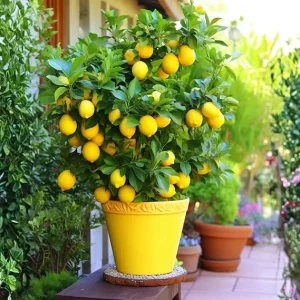
Lemon Tree Growing: Choose, Plant, and Harvest
Learn how to choose, plant, feed, and protect a lemon tree so it fits your
23
Sep
Sep
Dwarf Meyer Lemon Tree Australia: Climate Guide
Learn where dwarf Meyer lemon trees grow, how much cold they tolerate, and whether Australia,
Where to Buy a Dwarf Meyer Lemon Tree: Buyer’s Guide
Find the right dwarf Meyer lemon tree online or locally, compare starter sizes and costs,
Dwarf Meyer Lemon Tree for Sale: Buying Guide
Compare Meyer lemon tree sizes, prices, shipping limits, indoor growing and California options before you
Dwarf Meyer Lemon Tree Guide: Size, Care and Fruit
META: Learn how large a dwarf Meyer lemon tree grows, where it thrives, and how
How to Prune a Dwarf Meyer Lemon Tree
Learn when and how to prune a dwarf Meyer lemon tree, including tools, shaping cuts,
Can You Grow a Dwarf Meyer Lemon Tree in a Pot?
META: Learn how to grow a dwarf Meyer lemon tree in a pot, including container
When Do Dwarf Meyer Lemon Trees Bloom and Fruit?
META: Dwarf Meyer lemon trees usually bloom from winter through spring and may flower again