Hardy Female Kiwi Live Plant – Edible Berry Vine, Starter 5-10 Inches Tall, Zones 4-9
-50%
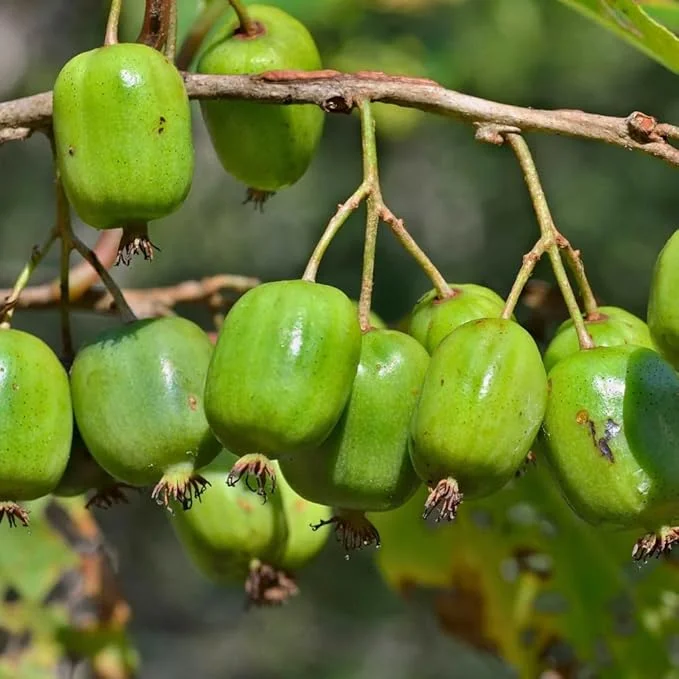
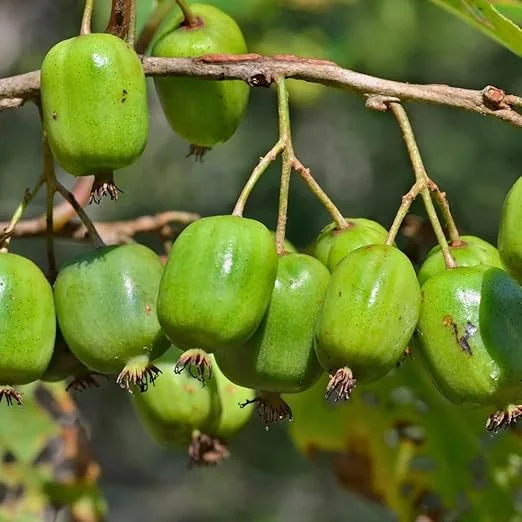
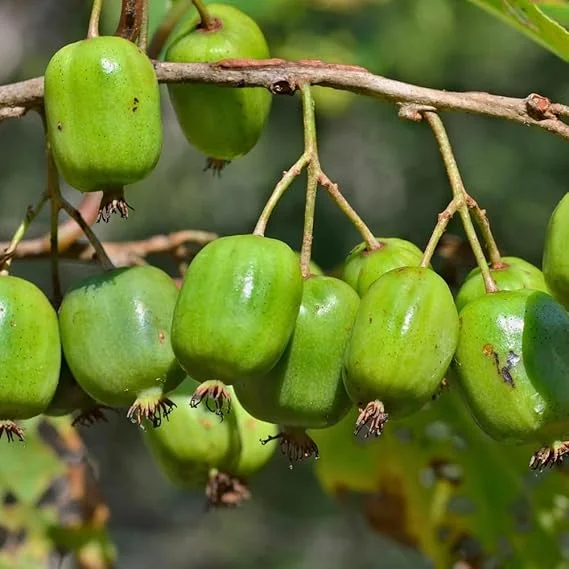
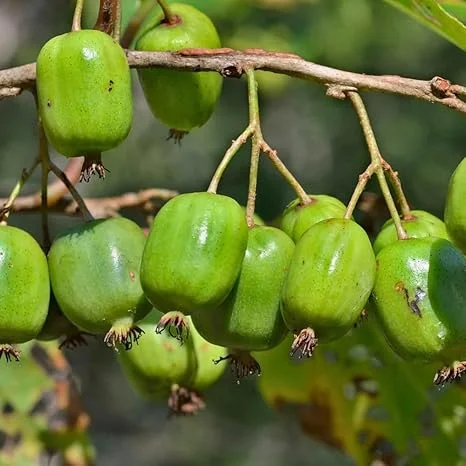
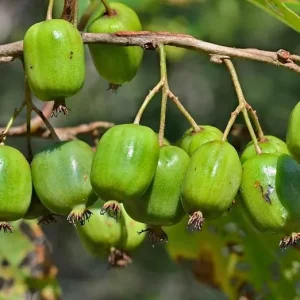
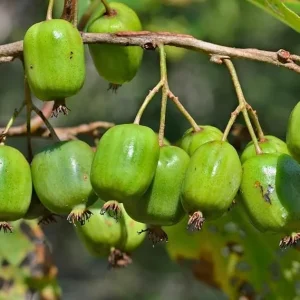
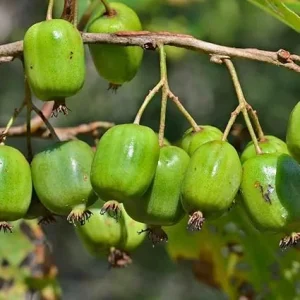
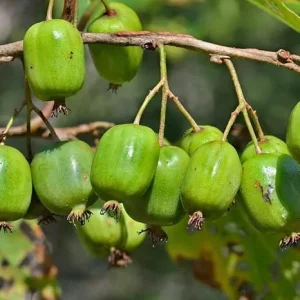
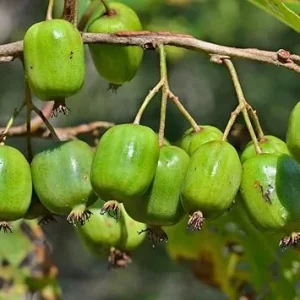
Hardy Female Kiwi Live Plant – Edible Berry Vine, Starter 5-10 Inches Tall, Zones 4-9
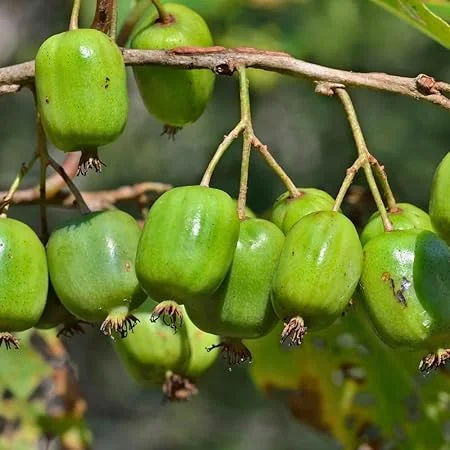
Cultivate your own delicious fruit with this hardy female kiwi live plant. A cold-hardy berry vine, it’s ideal for home gardens, growing 5-10 inches tall. Perfect for zones 4-9, these edible fruit vines are a great addition to any landscape.
Original price was: $57.98.$28.99Current price is: $28.99.

With our Alive & Thrive Guarantee, we’ve got your back for the first 30 days! If you have any concerns about your plants, just reach out to us. Our team is here to help answer your questions and guide you in selecting the best plants for your garden, climate, and unique preferences. We're excited to help you create the garden of your dreams!
Estimated arrival
Oct 07
Oct 12 - Oct 14
Oct 17 - Oct 21





Product Details
-
USDA Hardiness Zone
Zones 4-9 -
Soil type
Well-drained soil -
Sunlight Exposure
Full Sun -
Expected Planting Period
Spring to early summer
Overview
Bring the joy of home-grown fruit to your garden with this hardy female kiwi live plant. This vigorous berry vine is perfect for cultivating delectable kiwi fruits right in your backyard. As a cold-hardy variety, it’s designed to thrive in a wide range of climates, making it an excellent choice for many gardeners. Unlike some fruit plants, this particular hardy female kiwi live plant is known for its resilience and relatively fast growth, establishing quickly to begin its fruit-bearing journey. Prepare to enjoy fresh, sweet kiwi berries from your very own garden, adding a unique and rewarding element to your landscape.
These starter plants are carefully nurtured to ensure a strong beginning in your garden. While dormant in fall and winter, they burst into vibrant foliage in spring and summer, ready to produce. The potential for delicious, homegrown fruit makes this edible kiwi vine a highly desirable addition, transforming your outdoor space into a productive and beautiful oasis.
Key Benefits
Choosing this hardy female kiwi live plant offers numerous advantages for the home gardener, combining both aesthetic appeal and practical benefits that enhance your outdoor living space.
- Homegrown Edible Fruit: Enjoy the satisfaction of harvesting fresh, delicious kiwi berries directly from your garden. This edible kiwi vine provides a continuous supply of healthy, organic fruit, perfect for snacking, desserts, or preserves.
- Cold-Hardy Resilience: Specifically bred for cold tolerance, this plant thrives in USDA Zones 4-9, making it suitable for a broad range of climates where other fruit plants might struggle. It’s a robust choice for cold hardy fruit plants.
- Attractive Landscape Addition: Beyond its fruit-bearing capabilities, the kiwi vine offers lush green foliage that can beautify trellises, arbors, or fences, adding an attractive vertical element to your garden.
- Fast-Growing Nature: These vines are known for their vigorous growth, allowing you to establish a productive fruit-bearing plant relatively quickly and enjoy its benefits sooner.
- Versatile Soil Adaptability: While preferring well-drained soil, these plants can adapt to various soil types, offering flexibility in planting locations within your garden. This makes growing kiwi at home more accessible.
- Long-Term Productivity: Once established, a hardy female kiwi live plant can provide abundant harvests for many years, becoming a lasting and valuable part of your home orchard.
- Supports Pollinators: The flowers of the kiwi vine attract beneficial pollinators, contributing to the biodiversity and health of your garden ecosystem.
Plant Care & Growing Tips
Caring for your hardy female kiwi live plant is straightforward, ensuring a bountiful harvest with proper attention. These plants thrive in a location that receives full sun, meaning at least 6-8 hours of direct sunlight daily for optimal growth and fruit production. While they are adaptable, a sunny spot will yield the best results for your edible kiwi vine. Ensure the planting site is well-prepared before introducing your starter plant.
The ideal soil for growing kiwi at home is well-drained and slightly acidic to neutral (pH 6.0-7.0). While adaptable to different soil types, good drainage is crucial to prevent root rot. Moderate watering is required, especially during dry spells and the plant’s establishment phase. Aim to keep the soil consistently moist but not waterlogged. Fertilize annually in early spring with a balanced slow-release fertilizer designed for fruiting plants. Pruning is important for managing growth and maximizing fruit yield; typically, this involves removing dead or weak wood and shaping the vine to a support structure. These berry vines for garden need strong support as they grow.
These cold hardy fruit plants are suitable for USDA Zones 4-9. They are tolerant of cold temperatures but some winter protection for young plants in the colder end of their range can be beneficial. They are dormant without leaves in fall and winter, which is a natural part of their life cycle. Watch for common pests and diseases, though kiwi vines are generally resilient. Providing a robust trellis or arbor is essential as these vines can grow quite large and heavy with fruit.
Size & Details
This offering is for a hardy female kiwi live plant, provided as a starter plant. Each plant measures approximately 5 to 10 inches tall upon arrival, carefully packaged for safe transit. These young plants are ready for planting in your home garden, designed to quickly establish and begin their vigorous growth. As a vine, its mature size will largely depend on the support structure provided and your pruning regimen, but they can reach considerable lengths, covering trellises or arbors effectively.
Upon receipt, the plant will be in a green, leafy state during spring and summer, and may arrive dormant without leaves during fall and winter, which is completely normal for this cold-hardy species. Expect a moderate to fast growth rate once established, with fruit production typically beginning within 2-3 years under optimal conditions. This edible kiwi vine ships as a live, potted plant, ensuring a healthy start for your landscape.
Frequently Asked Questions
- Q: How big does this plant get? A: This hardy female kiwi live plant is a starter size, 5 to 10 inches tall. As a vine, it can grow quite long, often reaching 15-20 feet or more with proper support and pruning, covering trellises or arbors.
- Q: What size pot does it come in? A: The plant comes in a standard nursery starter pot, suitable for its current size and designed for safe shipment. It should be transplanted into your garden or a larger container upon arrival.
- Q: Is this an indoor or outdoor plant? A: This hardy female kiwi live plant is specifically an outdoor plant, bred for its cold hardiness and fruit production in garden settings. It requires outdoor conditions to thrive and produce fruit.
- Q: How much sunlight does it need? A: For optimal growth and fruit production, this edible kiwi vine requires full sun exposure, meaning at least 6-8 hours of direct sunlight per day.
- Q: Is this plant easy to care for? A: Yes, kiwi vines are generally considered moderately easy to care for, especially for gardeners in appropriate USDA Zones. They require consistent watering, good drainage, and a sturdy support structure. It’s a great option for growing kiwi at home.
- Q: What condition will it arrive in? A: Your hardy female kiwi live plant will arrive as a live, healthy starter plant. Depending on the season, it may be dormant without leaves in fall and winter, or actively growing with green foliage in spring and summer.
- Q: When is the best time to plant this kiwi vine? A: The best time to plant this berry vines for garden is in spring after the last frost, or in early fall in warmer climates, allowing it time to establish before extreme weather.
- Q: Will it survive winter in my zone? A: Yes, this is a cold hardy fruit plant specifically bred to survive winters in USDA Zones 4-9. It will go dormant in colder months, losing its leaves, and re-emerge in spring.
- Q: Does it need a male kiwi plant to produce fruit? A: Yes, female kiwi plants typically require a male kiwi plant for pollination to produce fruit. Ensure you have a male pollinator nearby for successful fruiting.
- Q: What type of soil does it prefer? A: This kiwi vine prefers well-drained soil with a slightly acidic to neutral pH. Good drainage is key for healthy root development.
Related products
-67%
Original price was: $50.97.$16.99Current price is: $16.99.
-67%

Original price was: $59.97.$19.99Current price is: $19.99.
-67%
Original price was: $66.72.$22.24Current price is: $22.24.
-67%
Original price was: $62.22.$20.74Current price is: $20.74.
-30%

Original price was: $39.99.$27.99Current price is: $27.99.
-50%
Original price was: $179.00.$89.50Current price is: $89.50.
-50%
Original price was: $59.00.$29.50Current price is: $29.50.
PLANTING & CARE
Lemon Tree Growing: Choose, Plant, and Harvest
Learn how to choose, plant, feed, and protect a lemon tree so it fits your
23
Sep
Sep
Dwarf Meyer Lemon Tree Australia: Climate Guide
Learn where dwarf Meyer lemon trees grow, how much cold they tolerate, and whether Australia,
Where to Buy a Dwarf Meyer Lemon Tree: Buyer’s Guide
Find the right dwarf Meyer lemon tree online or locally, compare starter sizes and costs,
Dwarf Meyer Lemon Tree for Sale: Buying Guide
Compare Meyer lemon tree sizes, prices, shipping limits, indoor growing and California options before you
Dwarf Meyer Lemon Tree Guide: Size, Care and Fruit
META: Learn how large a dwarf Meyer lemon tree grows, where it thrives, and how
How to Prune a Dwarf Meyer Lemon Tree
Learn when and how to prune a dwarf Meyer lemon tree, including tools, shaping cuts,
Can You Grow a Dwarf Meyer Lemon Tree in a Pot?
META: Learn how to grow a dwarf Meyer lemon tree in a pot, including container
When Do Dwarf Meyer Lemon Trees Bloom and Fruit?
META: Dwarf Meyer lemon trees usually bloom from winter through spring and may flower again