Helleborus Candy Love Live Plant – Bare Root Starter – Outdoor Garden
-23%
Helleborus Candy Love Live Plant – Bare Root Starter – Outdoor Garden
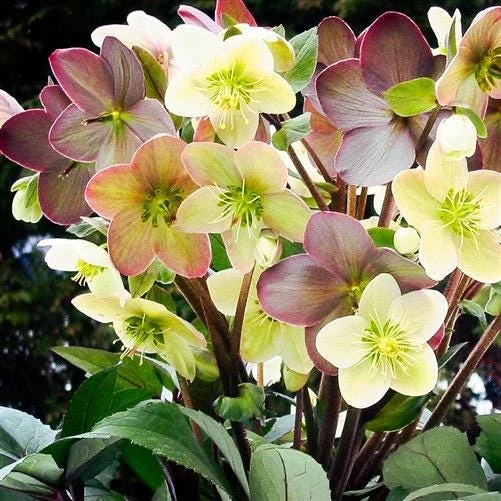
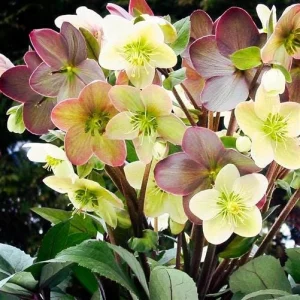
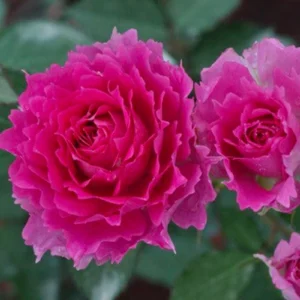
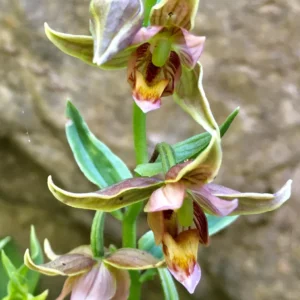
Add enchanting beauty to your garden with the Helleborus Candy Love live plant. This vigorous perennial boasts a profusion of outward-facing, pastel yellow and pink blooms, creating a stunning display. It’s an excellent choice for shaded garden areas.
Original price was: $46.90.$35.90Current price is: $35.90.

With our Alive & Thrive Guarantee, we’ve got your back for the first 30 days! If you have any concerns about your plants, just reach out to us. Our team is here to help answer your questions and guide you in selecting the best plants for your garden, climate, and unique preferences. We're excited to help you create the garden of your dreams!
Estimated arrival
Oct 21
Oct 26 - Oct 28
Oct 31 - Nov 04
Product Details
-
USDA Hardiness Zone
USDA zones 4-9 -
Soil type
Rich, well-draining, slightly acidic to neutral soil -
Sunlight Exposure
Partial to full shade -
Expected Planting Period
Early spring or fall
Overview
Transform your garden into a captivating haven with the exquisite Helleborus Candy Love live plant. Also known as Lenten Rose, this resilient perennial is celebrated for its early spring blossoms, bringing much-needed color when most other plants are dormant. The ‘Candy Love’ variety is particularly cherished for its stunning outward-facing flowers, which display a delightful blend of pastel yellow and pink hues. These vigorous plants form large, impressive clumps over time, making them a fantastic addition to shaded borders, woodland gardens, or as an underplanting beneath deciduous trees. Known for their leathery, evergreen leaves with a lovely grey patina, Hellebores provide year-round interest and are remarkably low maintenance, making them a favorite among both novice and experienced gardeners. This particular offering is for a healthy, well-rooted starter plant, shipped bare root and ready for immediate planting in your garden.
Key Benefits
The Helleborus Candy Love live plant offers numerous advantages for any garden, combining aesthetic appeal with robust growth and easy care. Experience the joy of early season blooms and long-lasting foliage.
- Early Spring Blooms: Be among the first in your neighborhood to enjoy vibrant flowers. Helleborus ‘Candy Love’ provides a spectacular show of pastel yellow and pink blossoms from late winter through early spring, brightening the garden when little else is in bloom. This helps extend the gardening season and provides a crucial nectar source for early pollinators.
- Stunning Outward-Facing Flowers: Unlike some Hellebore varieties with downward-facing blooms, ‘Candy Love’ proudly displays its profuse flowers outwards, making their delicate colors and intricate patterns easily visible and enjoyable. This characteristic makes them ideal for pathways and visible garden beds.
- Low Maintenance & Deer Resistant: These hardy perennials require minimal care once established, thriving in their preferred conditions. Their leathery leaves and natural compounds make them highly resistant to deer and rabbits, ensuring your garden remains pristine. This makes Helleborus plant care straightforward and rewarding.
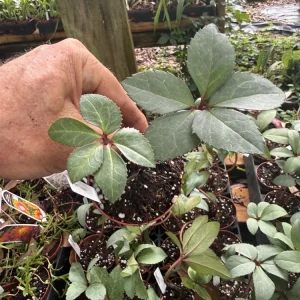
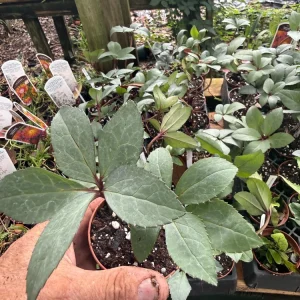
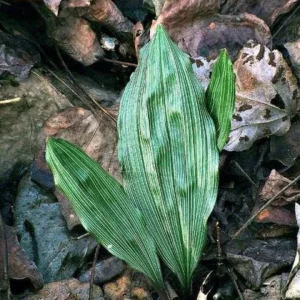
- Year-Round Foliage: The attractive, leathery, evergreen leaves of the Candy Love Hellebore provide continuous interest even when not in bloom. Their unique grey patina adds texture and color to the garden, especially valuable in winter landscapes.
- Vigorous Growth Habit: ‘Candy Love’ is known for its robust and vigorous growth, quickly forming large, impressive clumps in the garden. This rapid establishment means you’ll enjoy a full, lush display sooner, creating a dramatic impact in shaded areas.
- Shade Loving: Perfectly suited for shaded or partially shaded areas where many other flowering plants struggle. This makes them versatile for planting under trees, along north-facing walls, or in woodland garden settings, bringing life to often overlooked spaces.
- Long-Lived Perennial: Once planted, Hellebores are long-lived and will return year after year, often self-seeding to create new plants. This enduring quality makes them a valuable, sustainable addition to your perennial garden.
Plant Care & Growing Tips
Caring for your Helleborus Candy Love live plant is relatively simple, as these plants are quite resilient once established. To ensure optimal growth and a profusion of blooms, understanding their basic needs is key. Hellebores prefer a location with partial to full shade. While they can tolerate some morning sun, intense afternoon sun, especially in warmer climates, can scorch their leaves. A spot under deciduous trees or on the north side of a building is often ideal, as they receive winter sun and summer shade. The best time to plant your bare root Hellebore is in early spring or fall, allowing it to establish before extreme temperatures.
When it comes to watering, Hellebores prefer consistently moist but not waterlogged soil. Water regularly, especially during dry spells and in their first year of establishment. Once mature, they are quite drought-tolerant but will perform best with occasional watering during prolonged dry periods. The ideal soil for a flowering hellebore is rich, well-draining, and slightly alkaline to neutral. Amending your soil with compost or other organic matter will improve drainage and fertility. Fertilize in early spring with a balanced, slow-release granular fertilizer or a layer of compost around the base of the plant. Avoid over-fertilizing, as this can lead to lush foliage at the expense of flowers.
Helleborus ‘Candy Love’ is generally hardy and disease-resistant. The primary maintenance involves removing any old, tattered, or diseased leaves in late winter, just before new flower stalks emerge. This not only improves the plant’s appearance but also helps prevent fungal diseases and allows the flowers to be seen more clearly. Be mindful of potential pests like aphids or slugs, though these are rarely a major issue for outdoor shade plant varieties like Hellebores. Protecting them from harsh winter winds can also be beneficial in colder zones.
Size & Details
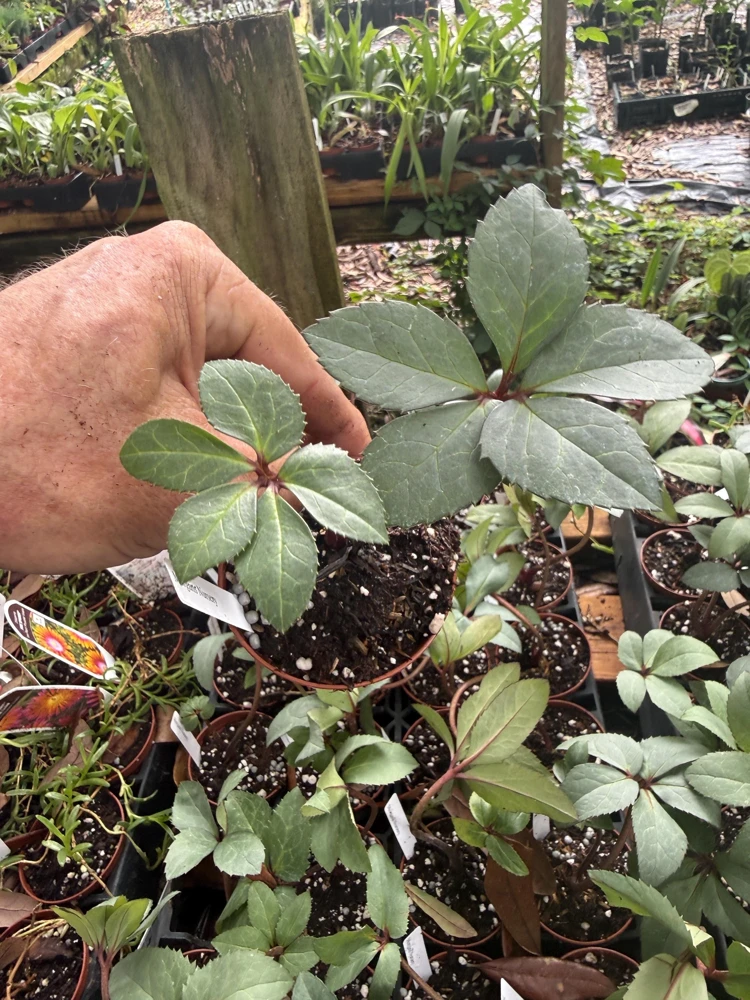
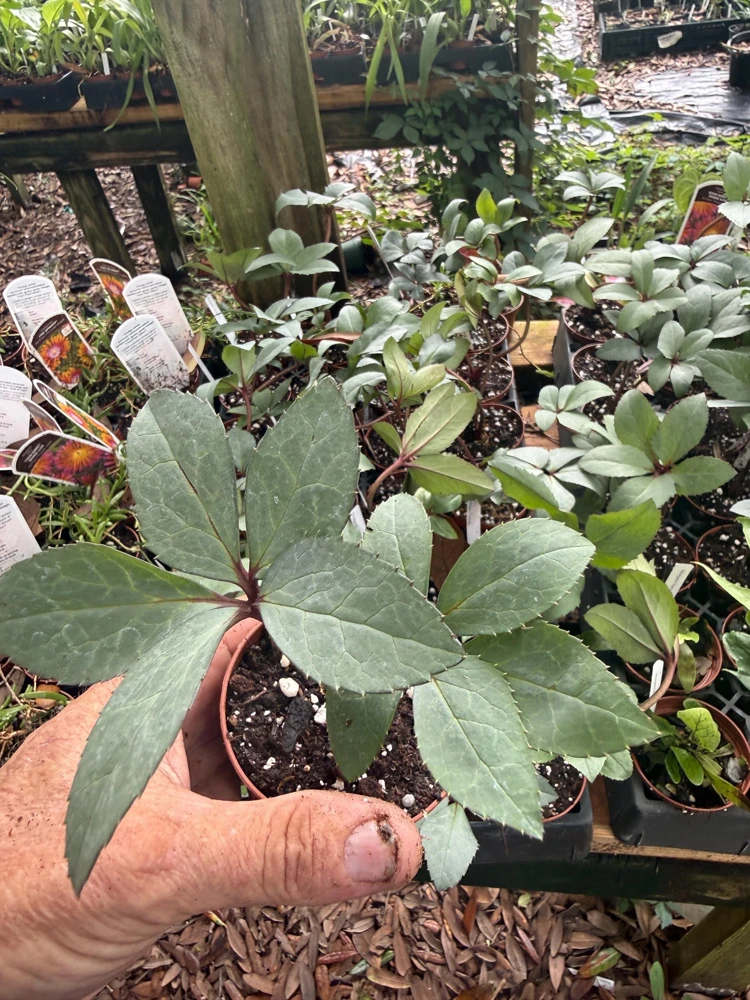
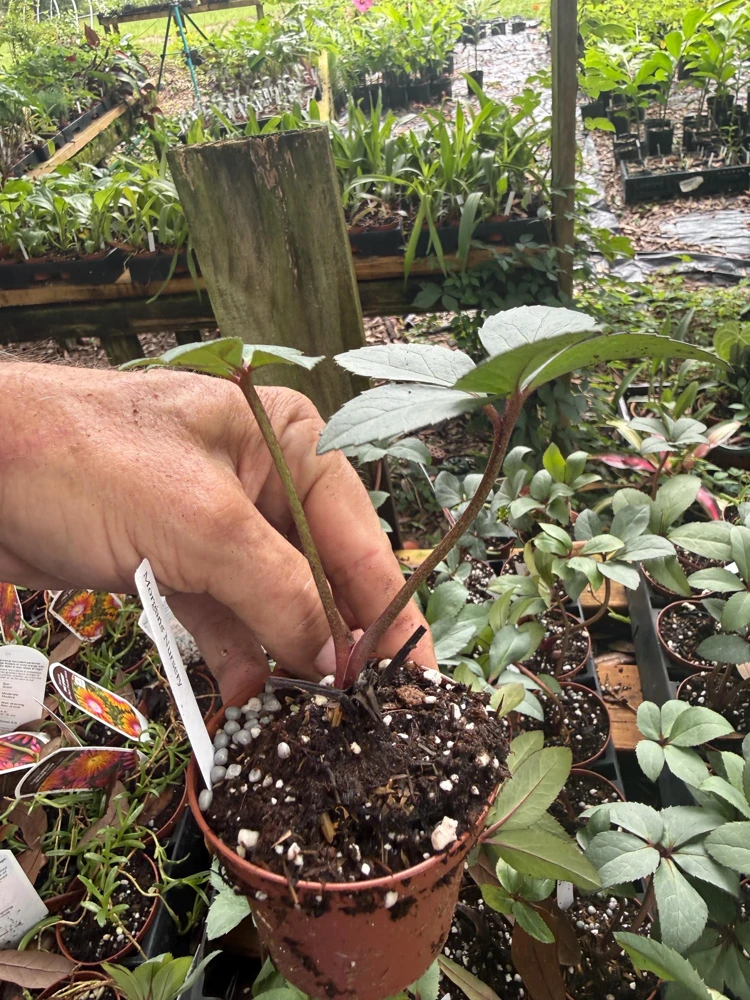
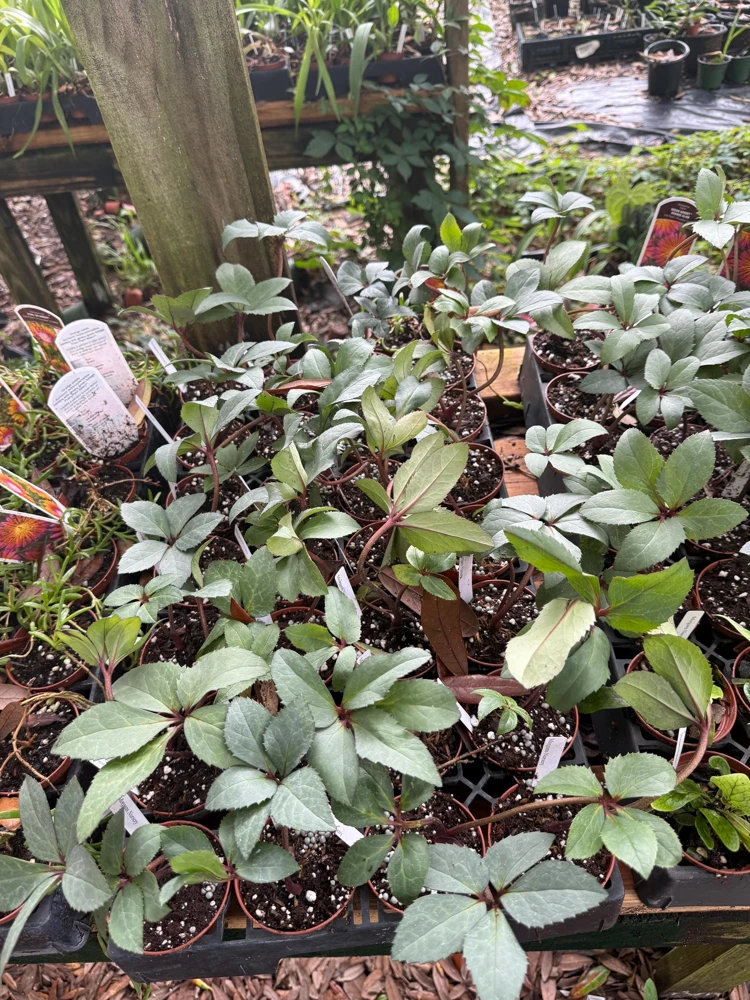
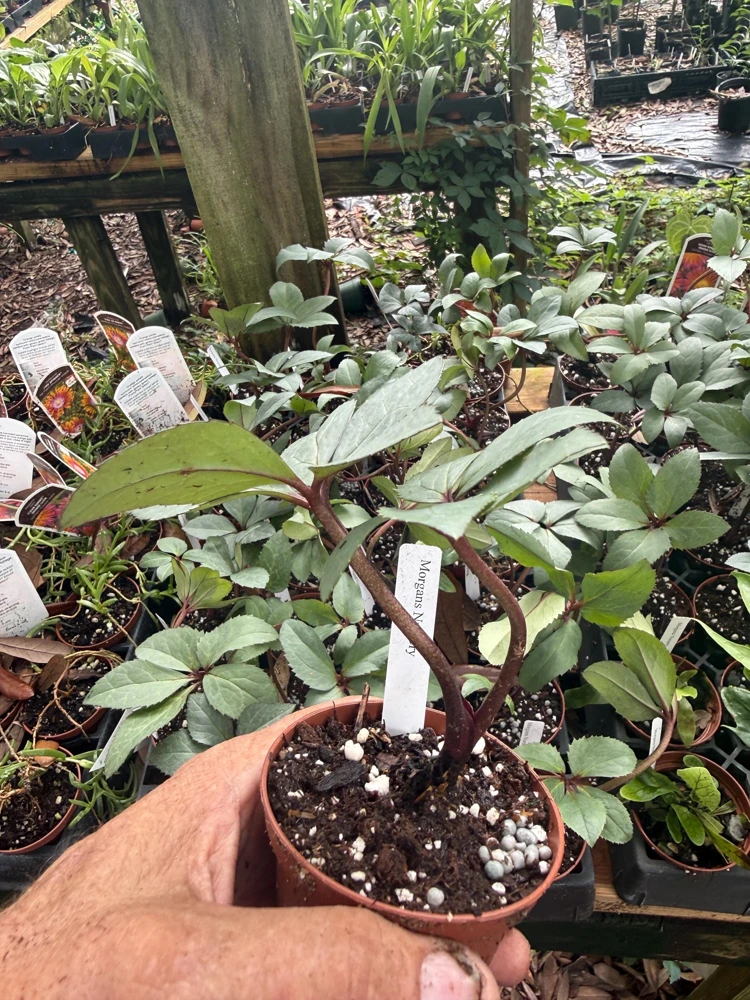
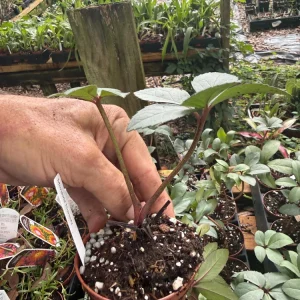
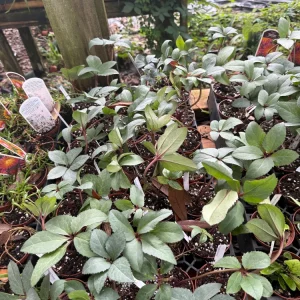
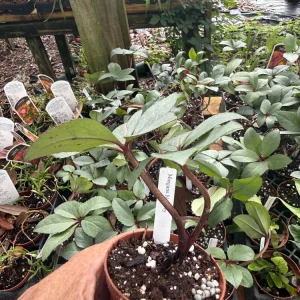
This offering is for a healthy, well-rooted Helleborus Candy Love live plant, shipped bare root. These starter plants have outgrown their 3-inch pots and are ready for transplanting into your garden. Upon arrival, the plant will consist of a robust root system and some foliage, prepared for immediate establishment. Once mature, this vigorous perennial typically grows to an impressive size, reaching approximately 18-24 inches in height and spreading 24-30 inches wide, forming dense, attractive clumps. The growth rate is moderate, and you can expect significant development within the first year of planting, with full maturity and abundant flowering achieved in 2-3 years. The stunning pastel yellow and pink blooms, which are a hallmark of this Candy Love Hellebore, will emerge from late winter to early spring, providing a long-lasting display before many other garden plants begin to stir. This bare root format ensures the plant establishes quickly and strongly in its new environment.
Frequently Asked Questions
- Q: How big does this plant get? A: The Helleborus Candy Love live plant typically matures to a height of 18-24 inches and spreads 24-30 inches wide, forming attractive, dense clumps in your garden. Its vigorous growth ensures a substantial presence once established.
- Q: Is this an indoor or outdoor plant? A: This Helleborus ‘Candy Love’ is an outdoor perennial plant, best suited for garden beds, woodland areas, or shaded borders. It thrives in the natural conditions of an outdoor environment.
- Q: How much sunlight does it need? A: Helleborus ‘Candy Love’ prefers partial to full shade. It can tolerate some morning sun but should be protected from intense afternoon sun, especially in warmer climates, to prevent leaf scorch.
- Q: What condition will it arrive in? A: Your Helleborus Candy Love live plant will arrive as a healthy, well-rooted bare root starter plant. This means it will have a strong root system and some foliage, carefully packaged for safe transit and ready for planting.
- Q: Is this plant easy to care for? A: Yes, the flowering hellebore is considered a low-maintenance plant once established. It’s known for its hardiness and disease resistance, making Helleborus plant care relatively easy for gardeners of all experience levels.
- Q: When is the best time to plant? A: The best time to plant your bare root Helleborus ‘Candy Love’ is in early spring or fall. This allows the plant to establish its root system before the onset of extreme summer heat or winter cold.
- Q: Will it survive winter in my zone? A: Helleborus ‘Candy Love’ is very hardy and typically thrives in USDA zones 4-9. It is well-adapted to cold temperatures and provides winter interest with its evergreen foliage and early blooms.
- Q: What type of soil does it prefer? A: This outdoor shade plant prefers rich, well-draining soil that is slightly acidic to neutral. Amending the soil with organic matter like compost will greatly benefit its growth and flowering performance.
- Q: How long until it blooms? A: As a well-rooted starter plant, your Helleborus ‘Candy Love’ may produce some blooms in its first year, especially if planted in early spring. However, it will typically establish and produce a more profuse flowering display in its second and third years.
- Q: Is the Helleborus Candy Love deer resistant? A: Yes, Hellebores are widely known for being deer and rabbit resistant, making them an excellent choice for gardens where these animals might be a problem.
Related products
-67%
Original price was: $37.47.$12.49Current price is: $12.49.


-20%
Original price was: $98.00.$78.40Current price is: $78.40.
-81%

Original price was: $68.97.$12.94Current price is: $12.94.
-67%
Original price was: $59.97.$19.99Current price is: $19.99.
-30%


Original price was: $63.98.$44.78Current price is: $44.78.
PLANTING & CARE
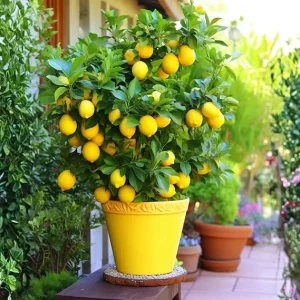
Lemon Tree Growing: Choose, Plant, and Harvest
Learn how to choose, plant, feed, and protect a lemon tree so it fits your
23
Sep
Sep
Dwarf Meyer Lemon Tree Australia: Climate Guide
Learn where dwarf Meyer lemon trees grow, how much cold they tolerate, and whether Australia,
Where to Buy a Dwarf Meyer Lemon Tree: Buyer’s Guide
Find the right dwarf Meyer lemon tree online or locally, compare starter sizes and costs,
Dwarf Meyer Lemon Tree for Sale: Buying Guide
Compare Meyer lemon tree sizes, prices, shipping limits, indoor growing and California options before you
Dwarf Meyer Lemon Tree Guide: Size, Care and Fruit
META: Learn how large a dwarf Meyer lemon tree grows, where it thrives, and how
How to Prune a Dwarf Meyer Lemon Tree
Learn when and how to prune a dwarf Meyer lemon tree, including tools, shaping cuts,
Can You Grow a Dwarf Meyer Lemon Tree in a Pot?
META: Learn how to grow a dwarf Meyer lemon tree in a pot, including container
When Do Dwarf Meyer Lemon Trees Bloom and Fruit?
META: Dwarf Meyer lemon trees usually bloom from winter through spring and may flower again