Hosta Blueberries and Cream Live Plant – 5.25″ Pot – Shade Perennial
-50%
Hosta Blueberries and Cream Live Plant – 5.25″ Pot – Shade Perennial
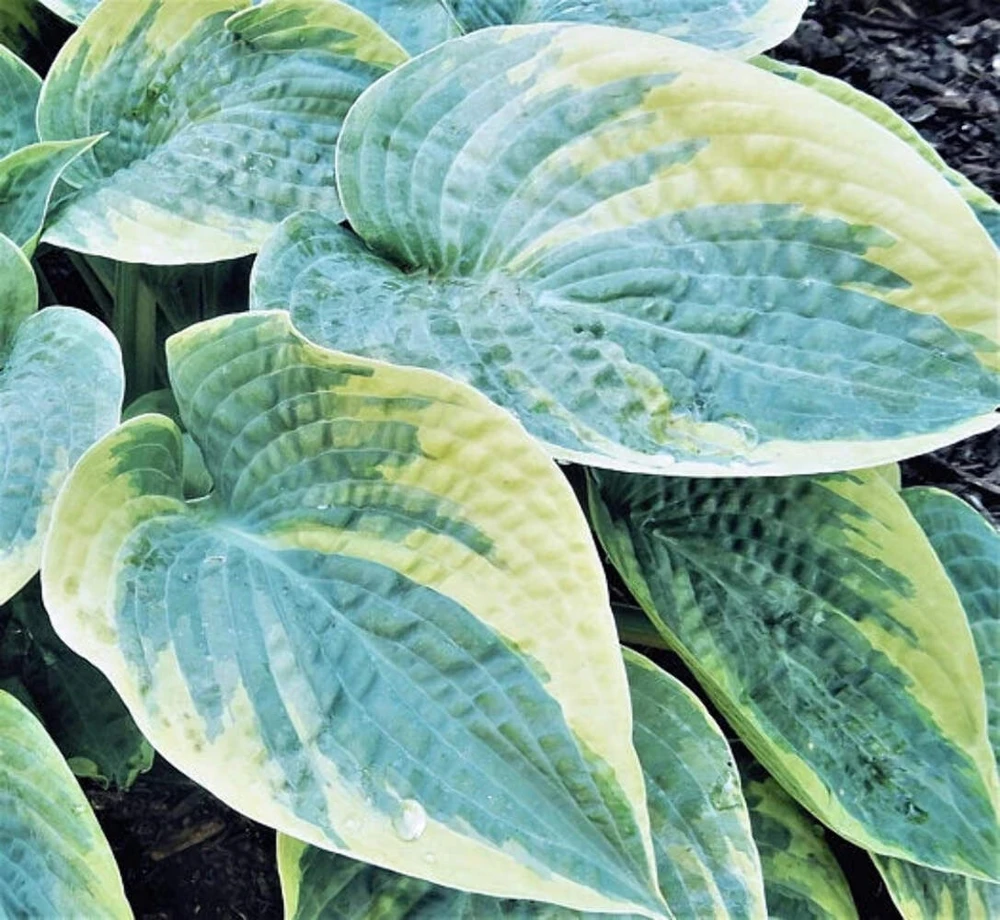
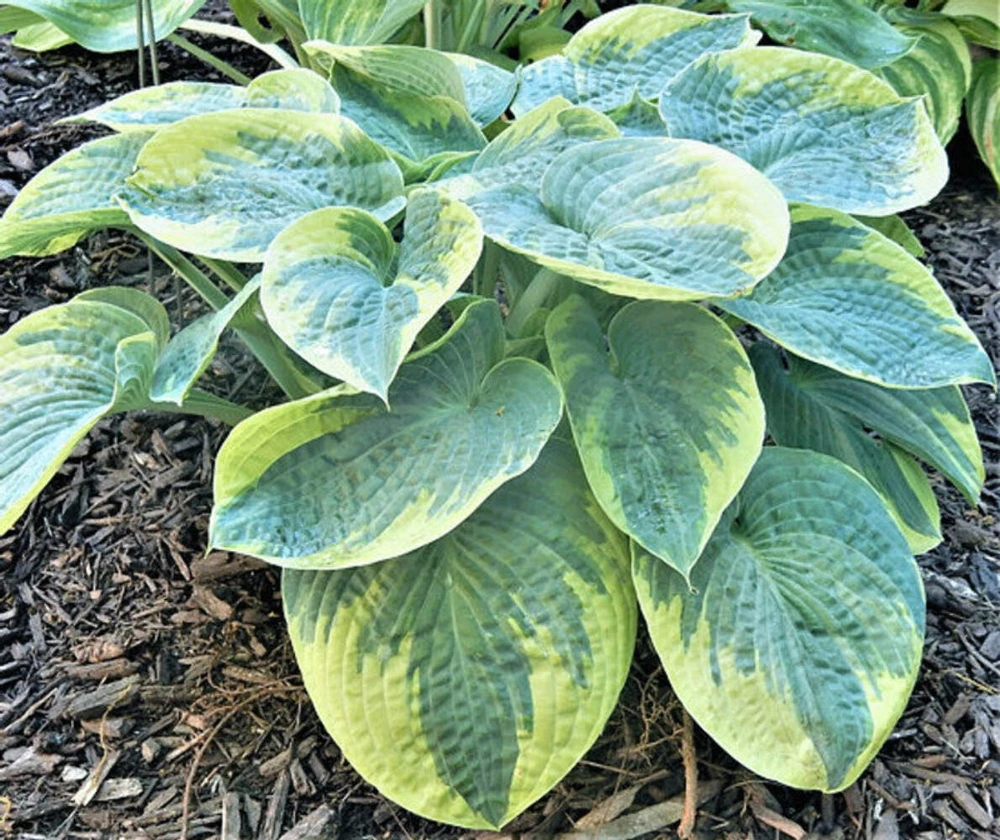
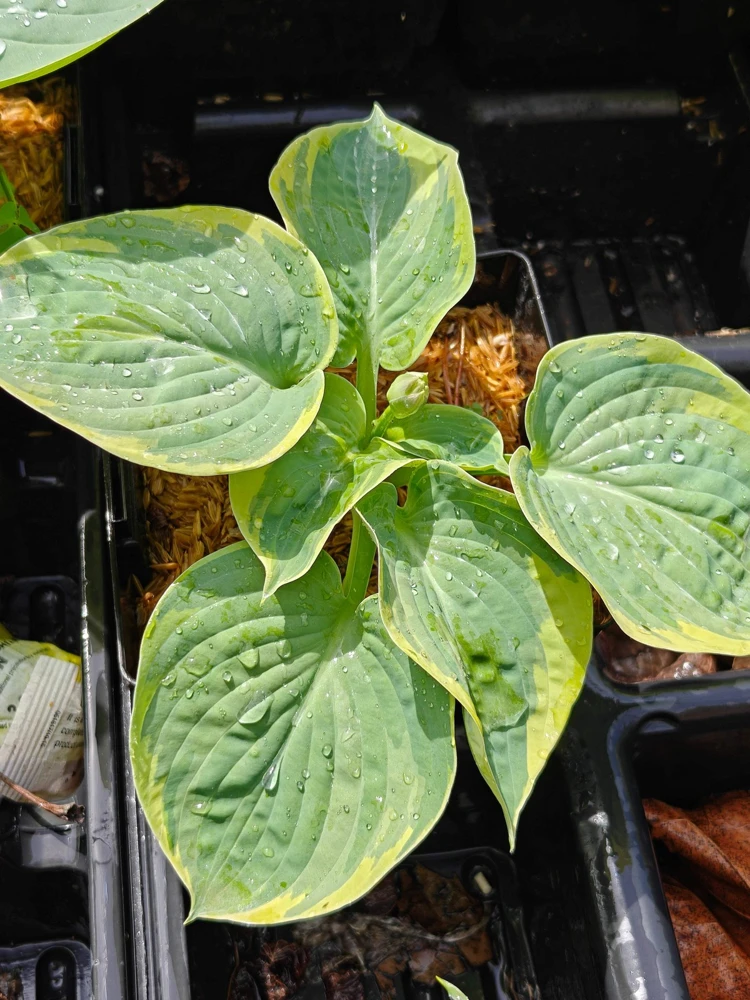
Enhance your shaded garden with the beautiful Hosta Blueberries and Cream live plant. This variegated perennial features unique blue-green leaves with crisp white margins, offering striking contrast and texture. It’s a low-maintenance, well-rooted plant perfect for garden beds, borders, or containers, thriving in partial to full shade conditions.
Original price was: $279.84.$139.92Current price is: $139.92.

With our Alive & Thrive Guarantee, we’ve got your back for the first 30 days! If you have any concerns about your plants, just reach out to us. Our team is here to help answer your questions and guide you in selecting the best plants for your garden, climate, and unique preferences. We're excited to help you create the garden of your dreams!
Estimated arrival
Oct 14
Oct 19 - Oct 21
Oct 24 - Oct 28


Product Details
-
USDA Hardiness Zone
USDA Zones 3-9 -
Soil type
Rich, well-draining soil, high in organic matter -
Sunlight Exposure
Partial to full shade -
Expected Planting Period
Spring to early fall
Overview
Introduce a touch of elegant beauty and vibrant contrast to your shaded garden areas with the exquisite Hosta Blueberries and Cream live plant. This exceptional perennial is renowned for its captivating foliage, showcasing striking blue-green centers beautifully edged with creamy white margins. A true gem for any landscape, this hosta variety matures into an impressive mound of textured leaves, providing year-round interest and a sophisticated aesthetic. Ideal for garden beds, borders, or container planting, the Hosta Blueberries and Cream live plant is a robust and well-rooted specimen, ready to establish itself and flourish in your outdoor space. Its unique coloration remains vibrant throughout the growing season, making it a focal point even without traditional blooms. This is a live plant, delivered healthy and ready for planting.
Hosta ‘Blueberries and Cream’ is a cultivar celebrated for its distinctive coloration and vigorous growth. It’s a popular choice among gardeners seeking to add visual appeal and structure to areas where many other plants struggle to thrive due to lack of direct sunlight. Its resilience and striking appearance make it a favorite for both novice and experienced gardeners looking for a reliable and beautiful shade perennial.
Key Benefits
The Hosta Blueberries and Cream live plant offers a multitude of benefits, making it an excellent addition to diverse garden settings. Its unique characteristics provide both aesthetic pleasure and practical advantages, enhancing the overall appeal and health of your garden.
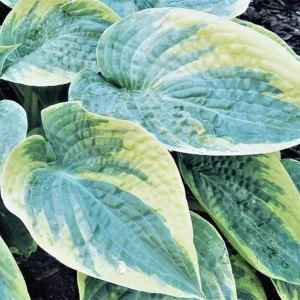
- Stunning Variegated Foliage: The primary appeal of this hosta is its breathtaking leaves. Each leaf features a deep blue-green center that transitions elegantly to creamy white margins, creating a dynamic and eye-catching display. This variegated pattern ensures continuous visual interest throughout the growing season, acting as a natural focal point.
- Thrives in Shade: Unlike many flowering plants, the Hosta Blueberries and Cream live plant excels in shaded environments. It’s an ideal solution for brightening up dimly lit garden corners, beneath trees, or on the north side of buildings where other plants may struggle to grow.
- Low Maintenance & Easy Care: This hosta is a remarkably forgiving plant, perfect for gardeners of all skill levels. Once established, it requires minimal attention, making it a great choice for those seeking beauty without extensive upkeep. Its robust nature ensures it bounces back easily from minor neglect.
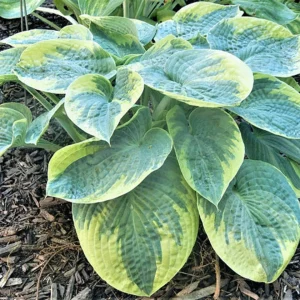
- Excellent Groundcover & Border Plant: With its dense, mounding habit, the shade perennial hosta effectively covers ground, suppressing weeds and providing a lush, full appearance. It’s also perfect for defining pathways, softening garden edges, or creating attractive borders around flower beds.
- Deer Resistant: While no plant is entirely deer-proof, hostas, especially those with thicker leaves like ‘Blueberries and Cream’, often show greater resistance to deer browsing compared to other garden favorites. This makes it a more reliable choice in areas prone to wildlife.
- Long-Lived Perennial: As a hardy perennial, this hosta will return year after year, growing larger and more magnificent with each passing season. Investing in a Hosta Blueberries and Cream live plant means enjoying its beauty for many years to come with proper care.
- Versatile Container Plant: Beyond garden beds, this hosta performs exceptionally well in containers. Its striking foliage makes a statement on patios, porches, or balconies, allowing you to bring its beauty closer to your living spaces.
Plant Care & Growing Tips
Caring for your Hosta Blueberries and Cream live plant is straightforward, ensuring a thriving and beautiful addition to your landscape. Understanding its basic needs will help you achieve the best growth and maintain its stunning variegated foliage. This hosta generally prefers a consistent environment and good soil conditions to truly flourish.
Sunlight Requirements: This hosta thrives in partial to full shade. While it can tolerate a few hours of morning sun, direct afternoon sun should be avoided as it can scorch the leaves and diminish the vibrant coloration, especially the creamy white margins. Filtered light or dappled shade throughout the day is ideal for maintaining optimal leaf health and color vibrancy. For the best blue hues, a slightly deeper shade is often preferred. Hosta plant care often emphasizes proper light exposure to prevent leaf burn and maintain color.
Watering Schedule & Soil Moisture: Hostas prefer consistently moist soil, but not waterlogged conditions. Water thoroughly when the top inch of soil feels dry to the touch. During hot, dry spells, you may need to water more frequently. Ensure good drainage to prevent root rot. Established plants are more tolerant of brief dry periods, but regular moisture promotes lush growth. Proper watering is crucial for a healthy shade perennial hosta.
Soil Type & Drainage: Plant your hosta in rich, well-draining soil that is high in organic matter. A slightly acidic to neutral pH (6.0-7.0) is generally preferred. Amend heavy clay soils with compost or peat moss to improve drainage and aeration. For sandy soils, adding organic matter will help retain moisture and nutrients. Good soil preparation is a key aspect of successful hosta plant care.
Temperature Range & USDA Hardiness Zone: The Hosta Blueberries and Cream live plant is a hardy perennial, suitable for USDA Zones 3-9. It is tolerant of cold winters, where it will go dormant, and will re-emerge in spring. It prefers moderate summer temperatures; extreme heat combined with direct sun can stress the plant. Protect from late spring frosts if new shoots have emerged early.
Fertilization: Fertilize in early spring as new growth emerges. Use a balanced, slow-release granular fertilizer or an organic compost. Avoid over-fertilizing, which can lead to excessive growth and potentially weaker plants. A single application in spring is usually sufficient for the entire growing season. For specific blue hosta varieties, consistent, light feeding supports vigorous growth.
Common Problems & Solutions: Watch out for slugs and snails, which can chew holes in hosta leaves. Use organic slug baits, beer traps, or hand-pick them. Voles and deer can also be an issue; consider physical barriers or repellents if necessary. Ensure good air circulation to prevent fungal diseases, especially in humid conditions. Yellowing leaves can indicate overwatering or nutrient deficiency.
Size & Details
The Hosta Blueberries and Cream live plant is provided as a well-rooted specimen in a 5.25-inch pot, ensuring it has a strong start for transplanting into your garden or a larger container. Upon maturity, this hosta typically forms a dense, mounding clump, reaching an average height of 18-24 inches and spreading 30-36 inches wide. Its moderate growth rate means it will fill out beautifully within a few seasons, becoming a prominent feature in your shade garden. This plant is shipped as a healthy, actively growing specimen, ready to be planted upon arrival. Expect its full beauty to develop as it establishes itself in its new environment. The impressive size and spread make it an excellent choice for creating impactful displays. This variegated hosta will provide years of enjoyment.
Frequently Asked Questions
- Q: How big does this Hosta Blueberries and Cream live plant get? A: This hosta typically grows to be about 18-24 inches tall and spreads 30-36 inches wide when mature, forming a beautiful, dense mound. It is supplied in a 5.25-inch pot, ready for planting.
- Q: Is this an indoor or outdoor plant? A: The Hosta Blueberries and Cream live plant is primarily an outdoor shade perennial. While it can be briefly brought indoors for decorative purposes, it requires a dormant period in winter and thrives best in an outdoor garden setting.
- Q: How much sunlight does the Hosta Blueberries and Cream need? A: This hosta prefers partial to full shade. It can tolerate a few hours of morning sun but should be protected from harsh afternoon sun to prevent leaf scorching and maintain its vibrant leaf coloration. This is key for good hosta plant care.
- Q: Is this plant easy to care for? A: Yes, ‘Blueberries and Cream’ hosta is known for being relatively low-maintenance and easy to care for, making it suitable for gardeners of all experience levels. Consistent moisture and appropriate shade are its main requirements.
- Q: What condition will the Hosta Blueberries and Cream live plant arrive in? A: Your Hosta Blueberries and Cream live plant will arrive as a healthy, well-rooted specimen in its 5.25-inch nursery pot, carefully packaged to ensure its safe transit and ready for immediate planting.
- Q: When is the best time to plant this shade perennial hosta? A: The best time to plant hostas is in the spring or early fall when temperatures are moderate. This allows the plant to establish its root system before extreme summer heat or winter cold.
- Q: Will this hosta survive winter in my zone? A: This hosta is hardy in USDA Zones 3-9. It is well-adapted to cold winters, where it will go dormant, and reliably re-emerge with fresh growth in the spring. This makes it a dependable shade perennial hosta.
- Q: What type of soil is best for a variegated hosta? A: Hostas prefer rich, well-draining soil with plenty of organic matter. A slightly acidic to neutral pH is ideal. Amending heavy soils with compost will improve drainage and aeration, which is crucial for root health.
- Q: Is this hosta resistant to deer? A: While no plant is completely deer-proof, hostas with thicker leaves, like ‘Blueberries and Cream’, often show a greater degree of resistance to deer browsing compared to thinner-leaved varieties.
- Q: Can I grow this Hosta Blueberries and Cream live plant in a container? A: Absolutely! This hosta is an excellent choice for container gardening, especially on shaded patios or balconies. Just ensure the container has good drainage and is large enough to accommodate its mature size.
Related products
-67%
Original price was: $41.97.$13.99Current price is: $13.99.
-30%

Original price was: $63.98.$44.78Current price is: $44.78.
-55%
Original price was: $79.98.$35.99Current price is: $35.99.
-30%
Original price was: $63.98.$44.78Current price is: $44.78.
-30%

Original price was: $63.98.$44.78Current price is: $44.78.
-30%

Original price was: $63.98.$44.78Current price is: $44.78.
PLANTING & CARE
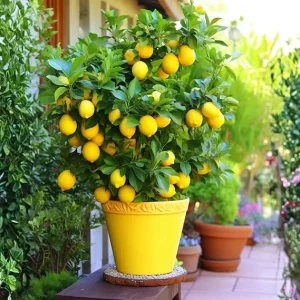
Lemon Tree Growing: Choose, Plant, and Harvest
Learn how to choose, plant, feed, and protect a lemon tree so it fits your
23
Sep
Sep
Dwarf Meyer Lemon Tree Australia: Climate Guide
Learn where dwarf Meyer lemon trees grow, how much cold they tolerate, and whether Australia,
Where to Buy a Dwarf Meyer Lemon Tree: Buyer’s Guide
Find the right dwarf Meyer lemon tree online or locally, compare starter sizes and costs,
Dwarf Meyer Lemon Tree for Sale: Buying Guide
Compare Meyer lemon tree sizes, prices, shipping limits, indoor growing and California options before you
Dwarf Meyer Lemon Tree Guide: Size, Care and Fruit
META: Learn how large a dwarf Meyer lemon tree grows, where it thrives, and how
How to Prune a Dwarf Meyer Lemon Tree
Learn when and how to prune a dwarf Meyer lemon tree, including tools, shaping cuts,
Can You Grow a Dwarf Meyer Lemon Tree in a Pot?
META: Learn how to grow a dwarf Meyer lemon tree in a pot, including container
When Do Dwarf Meyer Lemon Trees Bloom and Fruit?
META: Dwarf Meyer lemon trees usually bloom from winter through spring and may flower again