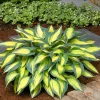
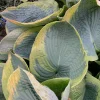
Hosta Frances Williams Live Plant – 5.25″ Pot, Perennial, Blue-Green Foliage for Shade
-50%
Hosta Frances Williams Live Plant – 5.25″ Pot, Perennial, Blue-Green Foliage for Shade
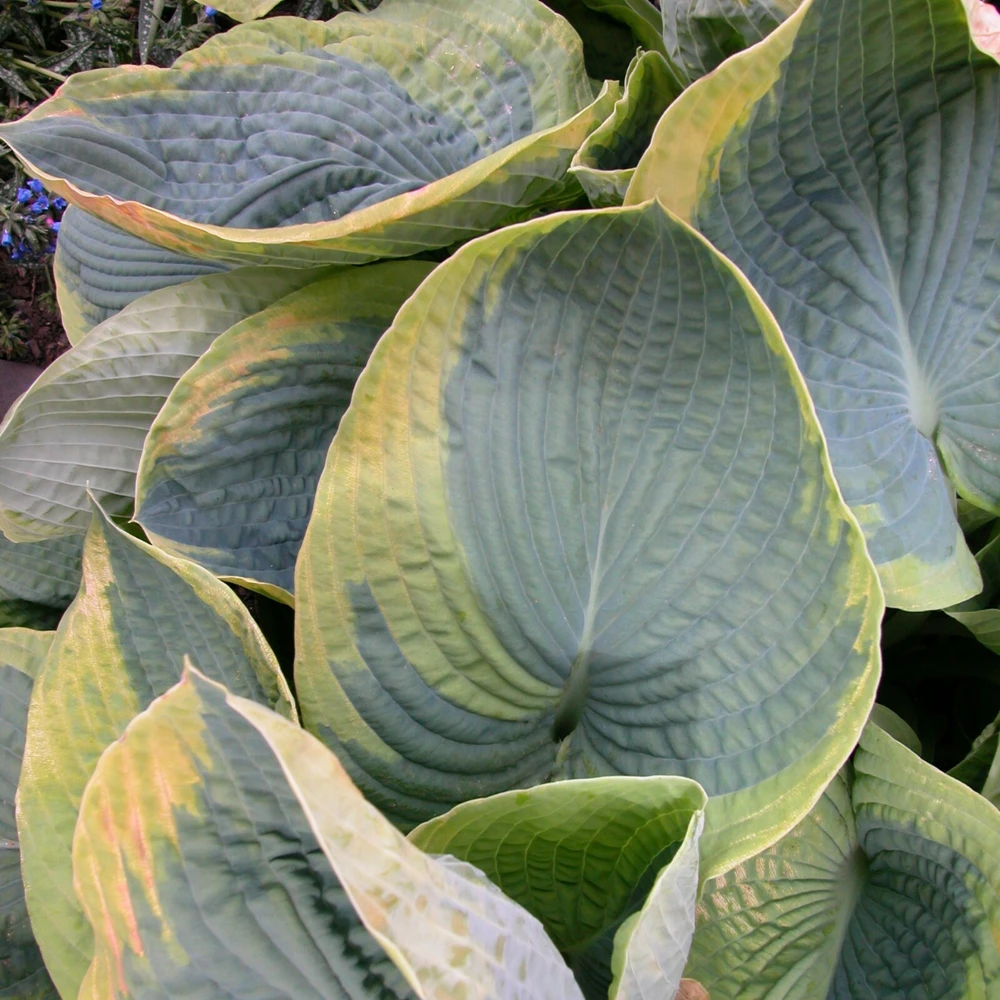
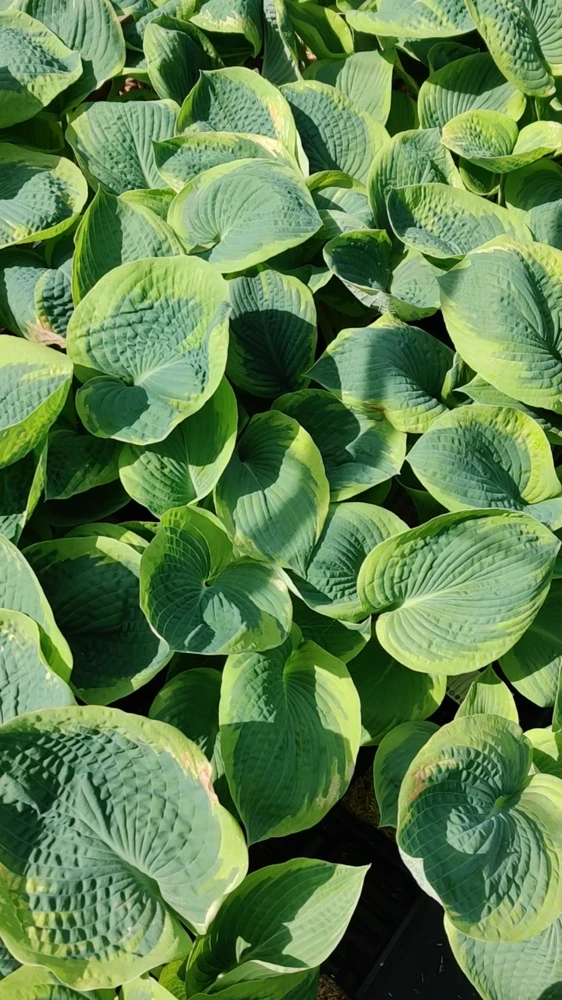
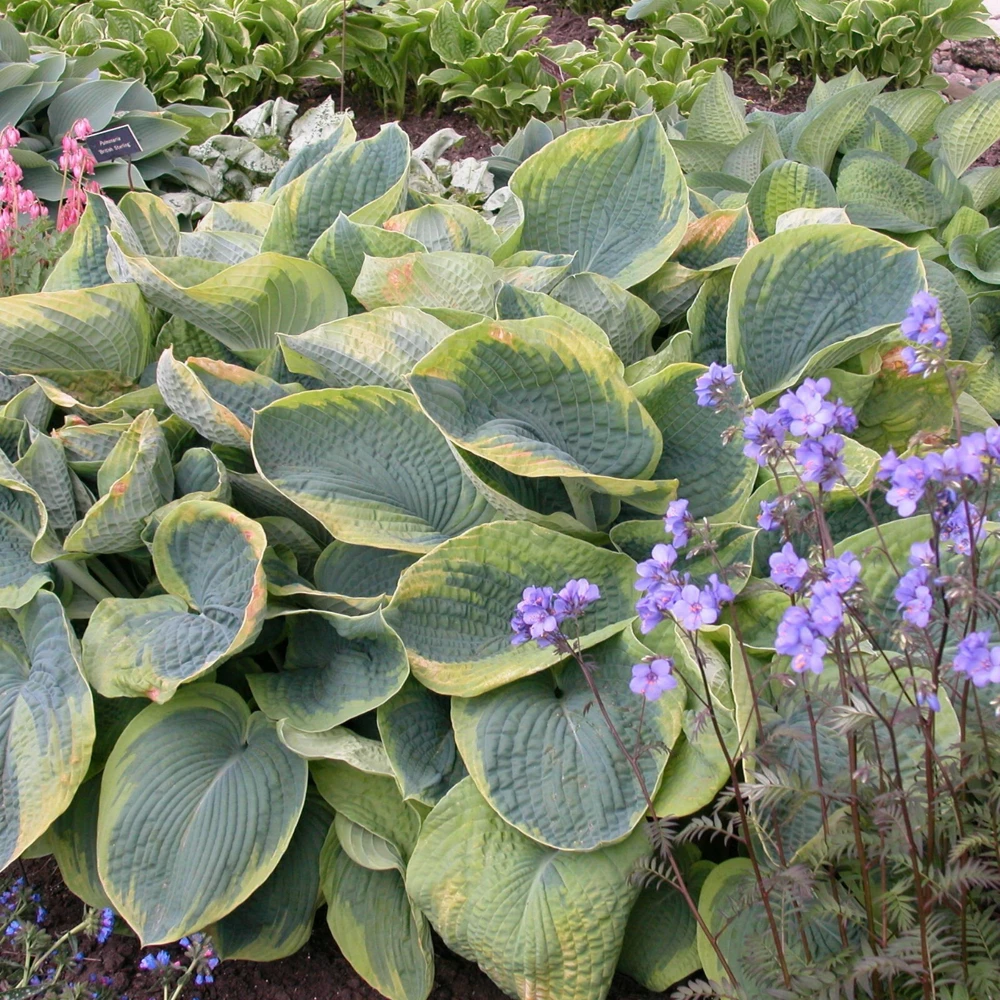
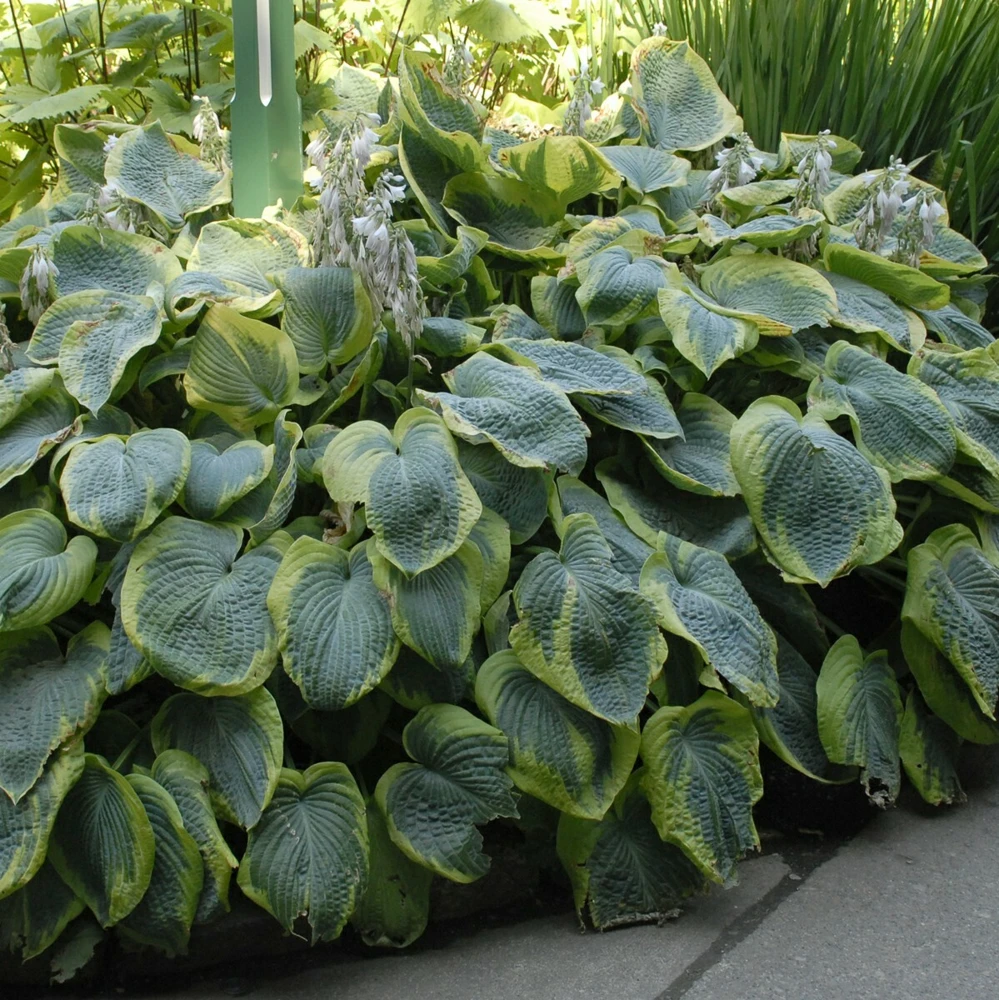
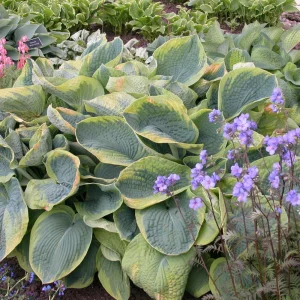
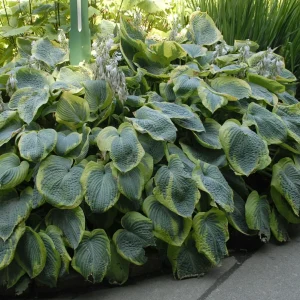
Bring elegance to your shade garden with the Hosta Frances Williams live plant. This beautiful perennial features large, puckered blue-green leaves with distinctive chartreuse margins, creating a striking contrast. Ideal for borders, ground cover, or containers, it thrives in partial to full shade and is incredibly easy to care for, making it a perfect choice for both novice and experienced gardeners.
Original price was: $119.84.$59.92Current price is: $59.92.

With our Alive & Thrive Guarantee, we’ve got your back for the first 30 days! If you have any concerns about your plants, just reach out to us. Our team is here to help answer your questions and guide you in selecting the best plants for your garden, climate, and unique preferences. We're excited to help you create the garden of your dreams!
Estimated arrival
Oct 14
Oct 19 - Oct 21
Oct 24 - Oct 28

Product Details
-
USDA Hardiness Zone
USDA Zones 3-9 -
Soil type
Rich, well-draining soil -
Sunlight Exposure
Partial Shade, Full Shade -
Expected Planting Period
Spring to Fall
Overview
The Hosta Frances Williams live plant is a highly sought-after perennial celebrated for its striking foliage and robust nature. This particular variety of Hosta, known botanically as Hosta ‘Frances Williams’, is a mature, rooted plant delivered in a 5.25-inch pot, ready to be transplanted into your garden or a larger container. Originating from the diverse Hosta genus, this plant is renowned for its large, heart-shaped leaves that display a captivating blue-green center with wide, irregular chartreuse to gold margins. It’s a classic choice for adding texture and color to shaded areas where other plants might struggle. A true shade perennial plant, the ‘Frances Williams’ Hosta is an excellent investment for gardeners looking to create a lush, low-maintenance landscape.
As a robust and visually appealing member of the blue hosta varieties, the ‘Frances Williams’ is not only beautiful but also incredibly resilient. It forms a dense clump, making it an excellent ground cover or a specimen plant in a mixed border. Its impressive size and distinctive coloration ensure it stands out in any garden setting. This Hosta plant for sale is a fantastic way to enhance your outdoor living space with minimal effort and maximum impact.
Key Benefits
The Hosta Frances Williams live plant offers numerous advantages that make it a favorite among gardeners. Its unique characteristics contribute significantly to both the aesthetic and practical aspects of garden design. Here are some of the key benefits:
- Stunning Foliage: The large, heavily textured, blue-green leaves with wide, irregular gold margins are incredibly ornamental, providing year-round visual interest from spring through fall. This distinctive coloration makes it a standout among other shade plants.
- Shade Tolerance: Thrives in partial to full shade, making it an ideal solution for brightening up dimly lit areas of your garden where many flowering plants would fail. It’s a quintessential shade perennial plant.
- Low Maintenance: Once established, the ‘Frances Williams’ Hosta requires minimal care, making it perfect for busy gardeners. It’s relatively pest-resistant and tolerates a range of soil conditions.
- Long Lifespan: As a perennial, this Hosta returns year after year, growing larger and more impressive with each season, providing enduring beauty and value to your landscape.
- Versatile Use: Excellent for mass plantings, borders, containers, or as a specimen plant. Its bold texture complements fine-leaved plants beautifully, enhancing garden diversity.
- Deer Resistant: While no plant is entirely deer-proof, Hosta ‘Frances Williams’ is generally less appealing to deer compared to many other garden plants, offering a degree of protection.
- Attractive Blooms: In mid-summer, it produces bell-shaped, pale lavender flowers on tall scapes, adding another layer of charm to its already captivating foliage.
Plant Care & Growing Tips
Caring for your Hosta Frances Williams live plant is straightforward, ensuring years of enjoyment with proper attention. This hardy perennial thrives with consistent conditions, particularly in its preferred shaded environment. For optimal growth, understanding its specific needs is crucial.
Sunlight Requirements: This Hosta performs best in partial to full shade. While it can tolerate a few hours of morning sun, direct afternoon sun, especially in warmer climates, can scorch its leaves and diminish the vibrant blue-green color. Aim for an area that receives dappled light throughout the day or complete shade. The amount of sunlight can also impact the coloration of the margins; more shade tends to emphasize the blue-green, while more light can bring out the gold.
Watering Schedule and Soil Moisture: Hostas require consistent moisture, particularly during dry spells and in their first year of establishment. Water deeply once or twice a week, ensuring the soil remains evenly moist but not waterlogged. Overwatering can lead to root rot. Good drainage is paramount. The large leaves can evaporate a lot of water, so regular monitoring of soil moisture is key for healthy growth of your Hosta Frances Williams care.
Soil Type and Drainage: Plant your Hosta in rich, well-draining soil that is high in organic matter. A slightly acidic to neutral soil pH (around 6.5-7.0) is ideal. Amend heavy clay soils with compost or other organic material to improve drainage and aeration. For sandy soils, adding compost will help retain moisture and nutrients. Ensure the planting site has good drainage to prevent water from pooling around the roots.
Temperature Range and USDA Hardiness Zone: The ‘Frances Williams’ Hosta is a very cold-hardy perennial, thriving in USDA Hardiness Zones 3-9. It tolerates winter temperatures well and benefits from a dormant period. In hotter climates (Zone 9), ensure it receives maximum shade to prevent heat stress. Protect from late spring frosts, which can damage emerging foliage.
Fertilization Schedule and Type: Fertilize your Hosta in early spring as new growth emerges. Use a balanced, slow-release granular fertilizer or a liquid feed diluted to half strength. Avoid over-fertilizing, which can lead to leggy growth and reduced vigor. A layer of compost applied around the base in spring can also provide a steady supply of nutrients and improve soil structure.
Common Problems and Solutions: Slugs and snails are common pests for Hostas. Use organic slug baits, copper tape, or hand-picking to manage them. Crown rot can occur in poorly drained soil; ensure proper drainage and avoid overwatering. Keep an eye out for Hosta Virus X (HVX), a viral disease that causes discoloration and deformation; affected plants should be removed and destroyed to prevent spread. Proper spacing also helps with air circulation, reducing fungal issues.
Size & Details
This Hosta Frances Williams live plant is provided as a robust, rooted specimen in a 5.25-inch pot, ensuring it is well-established and ready for successful transplanting into your garden. At maturity, this magnificent Hosta can reach an impressive size, typically growing 20-24 inches tall with a spread of 40-50 inches, forming a substantial clump that commands attention. Its growth rate is moderate, gradually expanding to its full glory over a few seasons. The large, puckered leaves are a key feature, often measuring 10-12 inches long and 8-10 inches wide at maturity.
The plant is shipped as a potted plant, ensuring minimal stress during transit and providing a healthy root system for immediate planting. While it will arrive in a budding or developing growth stage, it will quickly unfurl its iconic blue-green and chartreuse foliage once settled in its new home. Expect this perennial to return year after year, increasing in size and beauty, making it a long-term asset to your landscape design.
Frequently Asked Questions
- Q: How big does this plant get? A: The Hosta Frances Williams live plant typically grows to a height of 20-24 inches and spreads 40-50 inches wide at maturity, forming a large, impressive mound of foliage.
- Q: What size pot does it come in? A: This Hosta is shipped as a rooted plant in a 5.25-inch nursery pot, providing a healthy start for your garden.
- Q: Is this an indoor or outdoor plant? A: The Hosta Frances Williams is primarily an outdoor perennial, best suited for shade gardens. While it can be briefly brought indoors for decorative purposes, it requires a cold dormancy period to thrive long-term.
- Q: How much sunlight does it need? A: This Hosta prefers partial to full shade. Morning sun is generally acceptable, but it should be protected from harsh afternoon sun to prevent leaf scorch and maintain its vibrant blue-green color.
- Q: Is this plant easy to care for? A: Yes, the Hosta Frances Williams care requirements are relatively low once established. It’s known for its hardiness and resilience, making it a great choice for gardeners of all skill levels.
- Q: What condition will it arrive in? A: Your Hosta will arrive as a healthy, rooted plant in a 5.25″ pot, ready for planting. We take care to ensure it’s well-packaged for safe transit.
- Q: When is the best time to plant this Hosta? A: Hostas are best planted in spring or early fall, allowing them ample time to establish their root system before extreme temperatures.
- Q: Will it survive winter in my zone? A: Yes, the Hosta ‘Frances Williams’ is very cold-hardy and thrives in USDA Hardiness Zones 3-9, meaning it will reliably return each spring after enduring winter temperatures.
- Q: What type of soil does this Hosta prefer? A: It prefers rich, well-draining soil with a slightly acidic to neutral pH. Amending the soil with organic matter will greatly benefit its growth.
- Q: Does this Hosta produce flowers? A: Yes, in mid-summer, the Hosta Frances Williams produces attractive pale lavender, bell-shaped flowers on tall scapes above its foliage.
Related products
-30%
Original price was: $63.98.$44.78Current price is: $44.78.
-30%
Original price was: $65.98.$46.18Current price is: $46.18.
-30%
Original price was: $63.98.$44.78Current price is: $44.78.
-67%
Original price was: $41.97.$13.99Current price is: $13.99.
-67%
Original price was: $66.72.$22.24Current price is: $22.24.
-30%
Original price was: $79.98.$55.98Current price is: $55.98.
-20%
Original price was: $31.98.$25.58Current price is: $25.58.
PLANTING & CARE
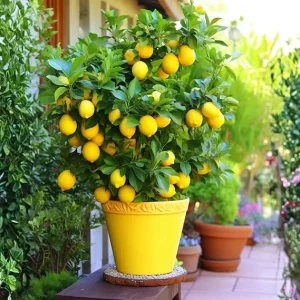
Lemon Tree Growing: Choose, Plant, and Harvest
Learn how to choose, plant, feed, and protect a lemon tree so it fits your
23
Sep
Sep
Dwarf Meyer Lemon Tree Australia: Climate Guide
Learn where dwarf Meyer lemon trees grow, how much cold they tolerate, and whether Australia,
Where to Buy a Dwarf Meyer Lemon Tree: Buyer’s Guide
Find the right dwarf Meyer lemon tree online or locally, compare starter sizes and costs,
Dwarf Meyer Lemon Tree for Sale: Buying Guide
Compare Meyer lemon tree sizes, prices, shipping limits, indoor growing and California options before you
Dwarf Meyer Lemon Tree Guide: Size, Care and Fruit
META: Learn how large a dwarf Meyer lemon tree grows, where it thrives, and how
How to Prune a Dwarf Meyer Lemon Tree
Learn when and how to prune a dwarf Meyer lemon tree, including tools, shaping cuts,
Can You Grow a Dwarf Meyer Lemon Tree in a Pot?
META: Learn how to grow a dwarf Meyer lemon tree in a pot, including container
When Do Dwarf Meyer Lemon Trees Bloom and Fruit?
META: Dwarf Meyer lemon trees usually bloom from winter through spring and may flower again