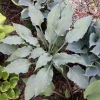
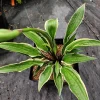
Hosta Grateful Red Perennial Live Plant – 5.25″ Pot, Shade, Variegated, Hardy Red Petioles
-50%
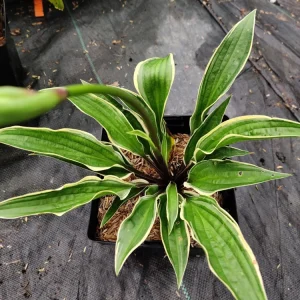
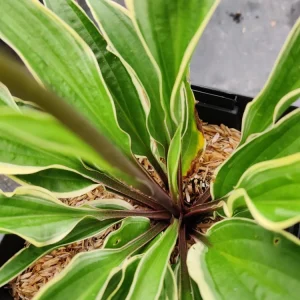
Hosta Grateful Red Perennial Live Plant – 5.25″ Pot, Shade, Variegated, Hardy Red Petioles
Bring vibrant color to your shade garden with the Hosta Grateful Red perennial plant. This captivating hosta features striking variegated foliage and distinctive red petioles, offering year-round interest and robust growth. Ideal for shaded beds, borders, or container planting, it’s a durable and beautiful addition to any landscape.
Original price was: $139.84.$69.92Current price is: $69.92.

With our Alive & Thrive Guarantee, we’ve got your back for the first 30 days! If you have any concerns about your plants, just reach out to us. Our team is here to help answer your questions and guide you in selecting the best plants for your garden, climate, and unique preferences. We're excited to help you create the garden of your dreams!
Estimated arrival
Oct 14
Oct 19 - Oct 21
Oct 24 - Oct 28

Product Details
-
USDA Hardiness Zone
4 (-30 to -20 °F) to 9 -
Soil type
Neutral, well-draining garden soil amended with organic matter -
Sunlight Exposure
Partial Shade, Full Shade -
Expected Planting Period
Spring, Summer, Fall
Overview
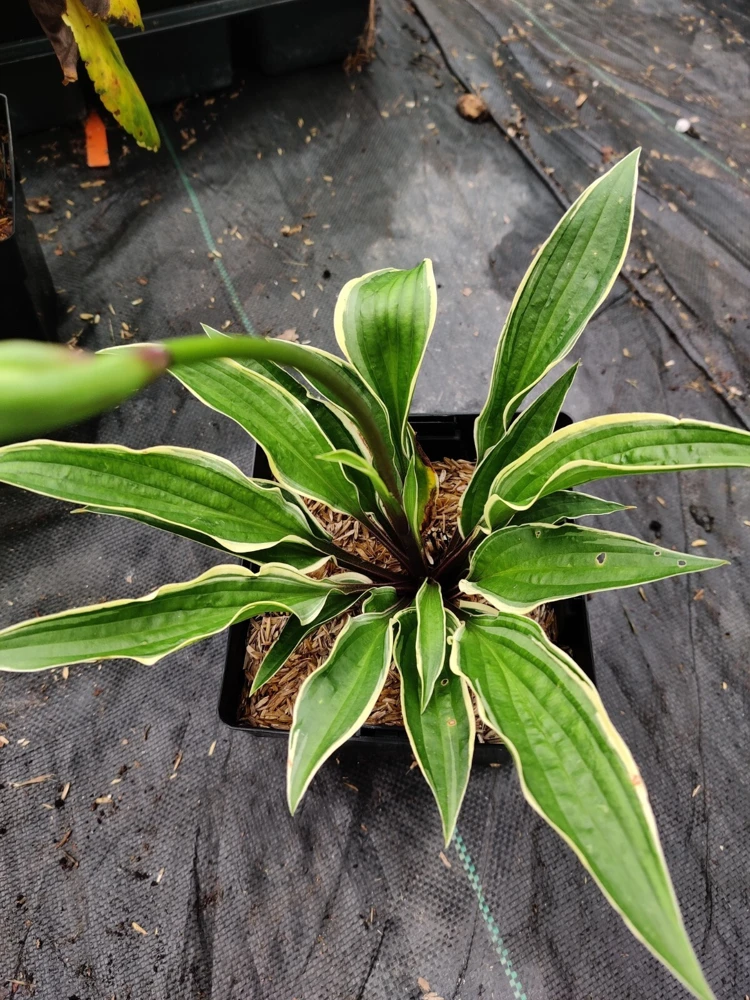
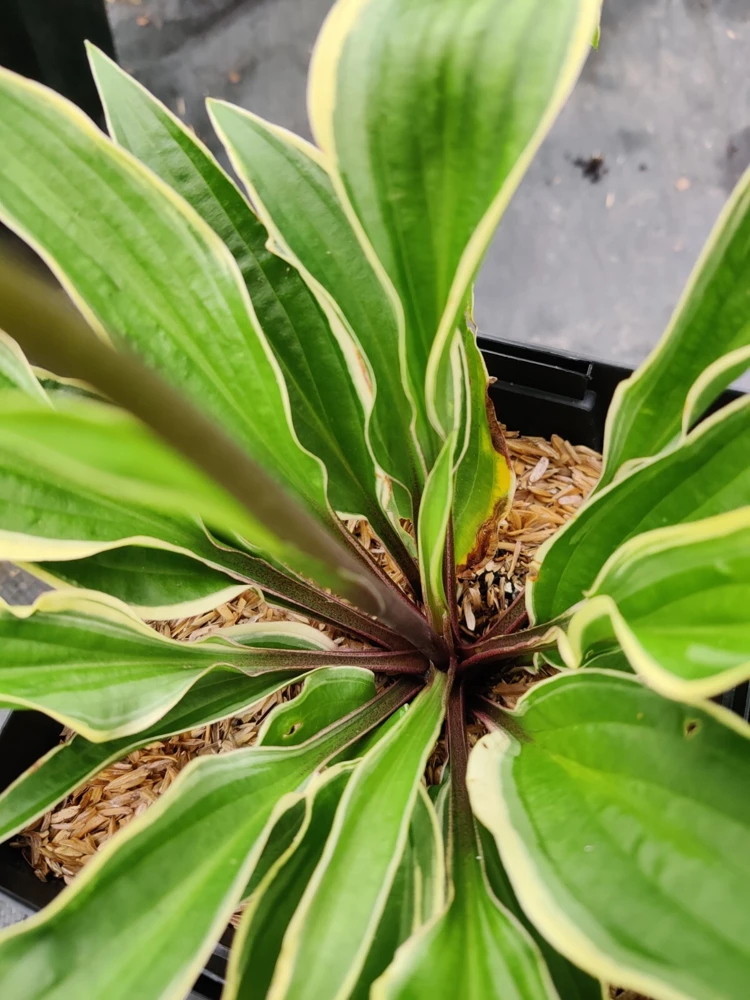
Introduce a splash of unique color and texture to your garden with the exquisite Hosta Grateful Red perennial plant. Renowned for its captivating beauty, this hosta variety is a live plant that thrives in shaded environments, making it an ideal choice for those challenging garden spots under trees or on the north side of a building. The ‘Grateful Red’ stands out with its attractive variegated leaves, which provide a beautiful contrast of greens, and its most distinguishing feature: vibrant, deep red petioles (leaf stalks) that extend into the leaf veins, creating a stunning visual effect. This particular shade hosta plants specimen comes in a 5.25-inch pot, ready to be transplanted and establish itself in your garden. Its robust nature and eye-catching appearance ensure it will become a cherished focal point in your landscape design, offering beauty from spring through fall.
Hostas are celebrated for their lush foliage and ease of care, and the ‘Grateful Red’ is no exception. As a perennial, it will return year after year, growing more magnificent with each passing season. Its unique coloration and hardy nature make it a favorite among gardeners looking for plants that offer both aesthetic appeal and resilience. Whether you’re an experienced gardener or just starting, the Hosta Grateful Red perennial plant promises to be a rewarding addition, transforming shaded areas into vibrant, welcoming spaces. The striking red petioles are particularly noticeable, adding an unexpected pop of color that elevates the entire plant’s appearance.
Key Benefits
The Hosta Grateful Red perennial plant offers a multitude of benefits, making it an excellent choice for a variety of garden styles and needs. Its unique characteristics contribute significantly to its appeal and functionality in the landscape.
- Stunning Variegated Foliage: This hosta boasts beautiful variegated leaves, providing a dynamic visual texture and color contrast that brightens up shaded areas. The interplay of different green hues creates an intricate pattern that remains attractive throughout the growing season.
- Vibrant Red Petioles: A defining feature of the ‘Grateful Red’ is its striking red petioles. These colorful stems add an unexpected and dramatic element to the plant’s overall appearance, offering a unique splash of color that is particularly noticeable when viewed up close or from above.
- Excellent Shade Performer: Thriving in partial to full shade, this hosta is perfectly suited for those challenging garden spots where many other plants struggle. It brings life and beauty to dimly lit areas, making it a go-to choice for under trees, along north-facing walls, or in woodland gardens.
- Low Maintenance & Hardy: Once established, the Hosta Grateful Red perennial plant requires minimal care, making it ideal for busy gardeners. It’s a hardy variety, resilient to various conditions, and returns reliably year after year with increasing vigor.
- Versatile Landscape Use: Its compact to medium size makes it suitable for various applications, including groundcover, border edging, mass plantings, or as an accent plant in containers. Its robust nature makes it a valuable addition to diverse garden designs.
- Attractive to Pollinators: While primarily grown for its foliage, like many hostas, it produces lavender-colored flowers on scapes in summer, which can attract hummingbirds and other beneficial pollinators to your garden.
- Deer Resistance: While no plant is entirely deer-proof, hostas with thicker leaves and distinct colors, like this red petiole hosta, tend to be less appealing to deer than other varieties, offering a degree of natural resistance.
Plant Care & Growing Tips
Caring for your Hosta Grateful Red perennial plant is relatively straightforward, ensuring years of vibrant beauty in your garden. This hardy plant thrives with consistent moisture and appropriate sunlight conditions. For optimal growth, plant your hosta in a location that receives partial to full shade. While it can tolerate a bit of morning sun, intense afternoon sun can scorch its leaves, especially the variegated portions, leading to browning or fading of color. Aim for an area that gets 2-4 hours of morning sun or dappled light throughout the day, or complete shade.
Watering is crucial, especially during dry spells. Hostas prefer consistently moist soil, but not waterlogged conditions. Water deeply two to three times a week during hot, dry weather. Ensure the soil drains well to prevent root rot. A good quality, well-draining potting mix or garden soil amended with organic matter is ideal. The preferred soil pH is neutral to slightly acidic. Fertilize in early spring with a balanced slow-release granular fertilizer formulated for perennials. Avoid fertilizing heavily in late summer, as this can promote tender new growth susceptible to early frosts. This shade hosta plants variety is generally pest-resistant, but keep an eye out for slugs and snails, which can be deterred with organic baits or barriers.
The ‘Grateful Red’ is hardy in USDA Hardiness Zones 4 through 9, meaning it can withstand winter temperatures as low as -30°F. In colder zones, ensure adequate mulch protection over winter. In warmer zones, ensure it receives sufficient shade to prevent heat stress. Pruning is minimal; simply remove any yellowing or damaged leaves throughout the season. In late fall, after the first hard frost, the foliage will die back. You can cut back the spent leaves to the ground at this time or leave them until early spring to provide some winter protection. Regular division every few years can help maintain plant vigor and create new plants. Understanding these care tips will help your hardy hosta varieties flourish.
Size & Details
The Hosta Grateful Red perennial plant typically grows to a mature size of about 18-24 inches tall and spreads 24-36 inches wide, forming an attractive mound of foliage. This particular live plant is shipped in a 5.25-inch nursery pot, providing a well-established root system ready for transplanting into your garden or a larger container. Its growth rate is moderate, meaning it will gradually achieve its mature size over a few seasons, becoming more robust and impressive each year. The distinctive red petioles are a consistent feature, becoming more pronounced as the plant matures.
The plant form is a compact, mounding perennial, making it an excellent choice for filling in gaps in garden beds or providing structure to shaded areas. It will arrive in a vegetative growth stage, ready to continue its development in your care. Expect the captivating variegated leaves and vibrant red stems to unfold beautifully as it acclimates to its new environment. With proper care, this variegated hosta will provide a lush, textured presence in your landscape for many years, offering seasonal interest from its spring emergence through its summer bloom and fall foliage display.
Frequently Asked Questions
- Q: How big does the Hosta Grateful Red get? A: The Hosta Grateful Red perennial plant typically reaches a height of 18-24 inches and spreads 24-36 inches wide at maturity, forming a lush, mounding clump.
- Q: What size pot does this Hosta come in? A: This particular hosta is shipped in a 5.25-inch nursery pot, which is an ideal size for immediate planting in your garden or a larger decorative container.
- Q: Is this an indoor or outdoor plant? A: The Hosta Grateful Red perennial plant is primarily an outdoor plant, thriving in shaded garden environments. While it can be temporarily brought indoors for display, it is not suited for long-term indoor cultivation.
- Q: How much sunlight does it need? A: This shade hosta plants variety prefers partial to full shade. It can tolerate some morning sun, but protection from harsh afternoon sun is essential to prevent leaf scorch and maintain its vibrant colors.
- Q: Is this plant easy to care for? A: Yes, hostas are generally considered low-maintenance plants. Once established, the ‘Grateful Red’ requires consistent moisture but is otherwise quite hardy and easy to care for, making it a great choice for beginners and experienced gardeners alike.
- Q: What condition will it arrive in? A: Your hosta will arrive as a healthy, live plant in its vegetative growth stage, carefully packaged in its 5.25-inch pot, ready for planting. We ensure it is well-hydrated before shipping.
- Q: Is this hosta considered deer-resistant? A: While no plant is entirely deer-proof, hostas with thicker leaves and distinct coloration, like this red petiole hosta, tend to be less palatable to deer than some other hosta varieties, offering a degree of natural resistance.
- Q: When is the best time to plant Hosta Grateful Red? A: The best time to plant this hosta is in spring or early fall when temperatures are moderate. This allows the plant to establish its root system before extreme summer heat or winter cold.
- Q: What USDA Hardiness Zones is this hosta suitable for? A: The Hosta Grateful Red perennial plant is cold hardy in USDA Zones 4 through 9, making it suitable for a wide range of climates across the United States.
- Q: Does the red color on the petioles fade? A: The vibrant red coloration on the petioles is a stable characteristic of the ‘Grateful Red’ variety and should remain prominent throughout the growing season, especially with adequate shade.
Related products
-66%
Original price was: $56.97.$19.34Current price is: $19.34.
-67%
Original price was: $66.72.$22.24Current price is: $22.24.
-30%
Original price was: $65.98.$46.18Current price is: $46.18.
-30%
Original price was: $79.98.$55.98Current price is: $55.98.
-83%
Original price was: $44.97.$7.74Current price is: $7.74.
PLANTING & CARE
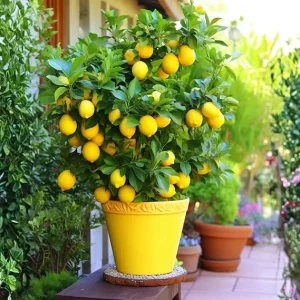
Lemon Tree Growing: Choose, Plant, and Harvest
Learn how to choose, plant, feed, and protect a lemon tree so it fits your
23
Sep
Sep
Dwarf Meyer Lemon Tree Australia: Climate Guide
Learn where dwarf Meyer lemon trees grow, how much cold they tolerate, and whether Australia,
Where to Buy a Dwarf Meyer Lemon Tree: Buyer’s Guide
Find the right dwarf Meyer lemon tree online or locally, compare starter sizes and costs,
Dwarf Meyer Lemon Tree for Sale: Buying Guide
Compare Meyer lemon tree sizes, prices, shipping limits, indoor growing and California options before you
Dwarf Meyer Lemon Tree Guide: Size, Care and Fruit
META: Learn how large a dwarf Meyer lemon tree grows, where it thrives, and how
How to Prune a Dwarf Meyer Lemon Tree
Learn when and how to prune a dwarf Meyer lemon tree, including tools, shaping cuts,
Can You Grow a Dwarf Meyer Lemon Tree in a Pot?
META: Learn how to grow a dwarf Meyer lemon tree in a pot, including container
When Do Dwarf Meyer Lemon Trees Bloom and Fruit?
META: Dwarf Meyer lemon trees usually bloom from winter through spring and may flower again