Hosta Lemon Kiss Live Plant – 5.25 inch Pot – Well Rooted Perennial Shade
-50%
Hosta Lemon Kiss Live Plant – 5.25 inch Pot – Well Rooted Perennial Shade
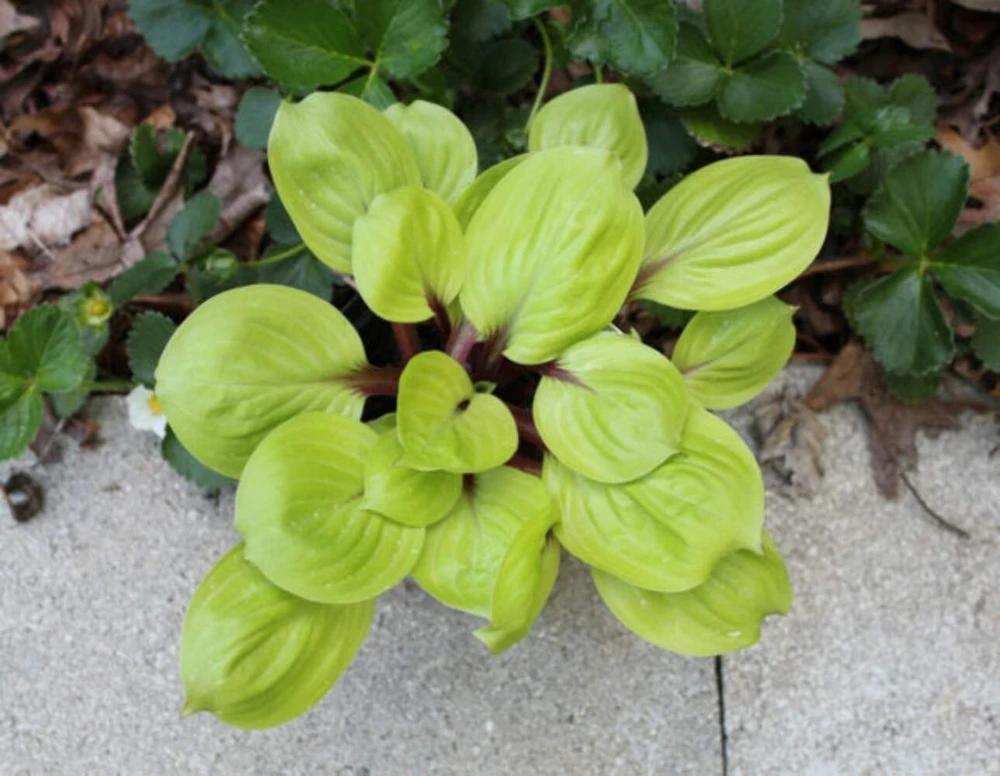
Bring vibrant color to your shade garden with the Hosta Lemon Kiss live plant. This well-rooted perennial features striking yellow-green foliage, adding a cheerful glow to darker areas. Ideal for ground cover or containers, it’s a low-maintenance choice for gardeners seeking reliable beauty.
Original price was: $139.84.$69.92Current price is: $69.92.

With our Alive & Thrive Guarantee, we’ve got your back for the first 30 days! If you have any concerns about your plants, just reach out to us. Our team is here to help answer your questions and guide you in selecting the best plants for your garden, climate, and unique preferences. We're excited to help you create the garden of your dreams!
Estimated arrival
Oct 14
Oct 19 - Oct 21
Oct 24 - Oct 28

Product Details
-
USDA Hardiness Zone
USDA Zones 3-9 -
Soil type
Rich, well-draining soil -
Sunlight Exposure
Partial to full shade -
Expected Planting Period
Spring to early fall
Overview
The Hosta Lemon Kiss live plant is a truly captivating addition to any shade garden, renowned for its brilliant, puckered yellow-green leaves that emerge in spring with a fresh, zesty hue. As the season progresses, the color may mellow to a softer chartreuse, offering a dynamic display of foliage. This particular variety, Hosta ‘Lemon Kiss’, is celebrated for its vigorous growth and excellent texture, making it a favorite among perennial enthusiasts. It is a robust, well-rooted perennial that thrives in shaded environments, providing lush ground cover or an eye-catching specimen in containers. Unlike many flowering plants that demand full sun, the Hosta Lemon Kiss live plant embraces the tranquility of less sunny spots, transforming them into vibrant botanical showcases. Its adaptability and striking appearance make it a superb choice for gardeners looking to enhance their landscape with minimal fuss.
Key Benefits
The Hosta Lemon Kiss live plant offers numerous advantages for both seasoned and novice gardeners, making it a highly desirable perennial for various garden settings. Its unique characteristics contribute significantly to its appeal and ease of care.
- Vibrant Foliage All Season: Enjoy a continuous display of bright yellow-green leaves from spring through fall. The distinctive puckered texture adds an extra layer of visual interest, ensuring your garden remains captivating even without blooms.
- Excellent for Shade Gardens: This hosta variety thrives in shaded or partially shaded areas where many other plants struggle. It’s an ideal solution for brightening up dark corners, under trees, or north-facing beds, making it a perfect shade perennial plants option.
- Low Maintenance and Easy Care: Once established, the Hosta Lemon Kiss live plant requires minimal attention. It’s relatively drought-tolerant and pest-resistant, allowing you more time to enjoy your garden rather than constantly tending to it.
- Versatile Landscaping Use: Perfect for mass plantings as ground cover, edging along pathways, or as a vibrant accent in mixed perennial borders. It also performs beautifully in pots and containers, bringing its cheerful color closer to your patio or deck.
- Deer and Rabbit Resistant: While no plant is entirely immune, hostas are generally less appealing to deer and rabbits compared to many other garden plants, offering a greater chance for your plant to flourish undisturbed.
- Contributes to Garden Texture: The thick, corrugated leaves of this hosta add significant textural contrast to fine-leafed plants, creating a more dynamic and engaging garden design.
- Long-Lived Perennial: With proper care, the Hosta Lemon Kiss care will reward you with years of beauty, returning larger and more impressive each spring.
Plant Care & Growing Tips
Proper Hosta Lemon Kiss care is essential for ensuring your plant thrives and displays its full vibrant potential. This perennial prefers conditions that mimic its natural woodland habitat, making it relatively straightforward to maintain once established. For optimal health and growth, understanding its specific needs for sunlight, water, and soil is crucial.
Sunlight requirements: The Hosta Lemon Kiss prefers partial to full shade. While it can tolerate a few hours of morning sun, direct afternoon sun can scorch its vibrant leaves, causing them to fade or develop brown edges. Dappled shade, such as under deciduous trees, is ideal. If planted in too much shade, the yellow coloration may not be as pronounced, and the plant might not grow as vigorously. Aim for 2-4 hours of morning sun or consistent filtered light throughout the day.
Watering schedule and soil moisture preferences: Hostas are moisture-loving plants. They require consistently moist, but not waterlogged, soil, especially during their active growing season in spring and summer. Water deeply 1-2 times per week, or more frequently during hot, dry periods. Ensure the soil is allowed to dry slightly between waterings to prevent root rot. Reduce watering in fall as the plant prepares for dormancy. Overhead watering is acceptable, but watering at the base of the plant helps prevent fungal diseases.
Soil type and drainage requirements: A rich, well-draining soil is paramount for Hosta Lemon Kiss. Incorporate plenty of organic matter, such as compost or well-rotted manure, into your planting site to improve soil structure, fertility, and drainage. A slightly acidic to neutral pH (6.0-7.0) is preferred. Avoid heavy clay soils that retain too much water, which can lead to root problems. If planting in containers, use a high-quality potting mix designed for moisture retention but with good drainage.
Temperature range and USDA hardiness zone: The Hosta Lemon Kiss is a hardy perennial, typically thriving in USDA Zones 3-9. It requires a period of winter dormancy, so it’s not suitable for tropical climates. It can tolerate a wide range of temperatures within its hardiness zones, but extreme heat combined with direct sun can be stressful. Protect from late spring frosts that can damage emerging shoots.
Fertilization schedule and type: Fertilize your Hosta Lemon Kiss live plant in early spring as new growth emerges. Use a balanced, slow-release granular fertilizer or a liquid feed diluted to half strength. Avoid over-fertilizing, as this can lead to lush but weak growth. A top dressing of compost in spring can also provide a gentle, steady supply of nutrients.
Common problems and solutions: Slugs and snails are common pests for hostas. Use slug bait, copper tape, or hand-pick them in the evening. Voles can also be an issue, eating roots; consider planting in wire cages if they are prevalent. Fungal leaf spots can occur in overly wet or humid conditions; ensure good air circulation and avoid overhead watering late in the day. Proper Hosta Lemon Kiss care will minimize most issues.
Size & Details
The Hosta Lemon Kiss live plant is supplied as a well-rooted specimen, typically in a 5.25-inch nursery pot, ready for immediate planting upon arrival. When mature, this impressive hosta variety generally reaches a height of 18-24 inches with a spread of 30-36 inches, forming an attractive, mounding clump of foliage. Its growth rate is considered medium to fast, quickly filling out its designated space in the garden or container. The plant ships in its pot with soil, ensuring minimal transplant shock and a healthy start in its new environment. Expect robust growth and increasing vigor each year, with the plant reaching its full mature size within 3-5 years. While primarily grown for its stunning foliage, the Hosta Lemon Kiss may produce delicate lavender flowers on tall scapes in mid-summer, adding an extra touch of charm to this already beautiful perennial.
Frequently Asked Questions
- Q: How big does this plant get? A: The Hosta Lemon Kiss live plant typically grows to a height of 18-24 inches and spreads 30-36 inches wide at maturity, forming a lush, mounding clump.
- Q: What size pot does it come in? A: This hosta is provided as a well-rooted plant in a 5.25-inch nursery pot, ready for planting in your garden or a larger container.
- Q: Is this an indoor or outdoor plant? A: Hosta Lemon Kiss is primarily an outdoor perennial, best suited for gardens and outdoor containers where it can experience seasonal dormancy. It is not typically grown as an indoor plant.
- Q: How much sunlight does it need? A: It thrives in partial to full shade, preferring morning sun or dappled light throughout the day. Avoid harsh afternoon sun to prevent leaf scorch, which is key for good Hosta Lemon Kiss care.
- Q: Is this plant easy to care for? A: Yes, the Hosta Lemon Kiss live plant is considered low-maintenance and relatively easy to care for, making it suitable for both beginner and experienced gardeners, especially those looking for shade perennial plants.
- Q: What condition will it arrive in? A: The plant will arrive well-rooted in its nursery pot, carefully packaged to ensure it reaches you in healthy condition, ready for planting.
- Q: Is it shipped in soil? A: Yes, the plant is shipped in its original nursery pot with soil, providing a stable environment during transit and minimizing stress.
- Q: When is the best time to plant? A: The best time to plant Hosta Lemon Kiss is in spring or early fall, allowing the roots to establish before extreme summer heat or winter cold.
- Q: Will it survive winter in my zone? A: Hosta Lemon Kiss is hardy in USDA Zones 3-9, meaning it will survive winter in these regions and emerge again in spring.
- Q: What’s the minimum temperature it can tolerate? A: This hosta can tolerate winter temperatures down to approximately -40°F (-40°C) in USDA Zone 3, requiring a cold dormancy period.
- Q: What are good companion plants for a yellow hosta for shade? A: Excellent companions for a yellow hosta for shade include ferns, astilbe, bleeding hearts, impatiens, and other shade-loving perennials that offer contrasting textures or colors.
Related products
-82%
Original price was: $56.97.$10.34Current price is: $10.34.
-30%
Original price was: $63.98.$44.78Current price is: $44.78.
-30%
Original price was: $79.98.$55.98Current price is: $55.98.
-67%
Original price was: $59.97.$19.99Current price is: $19.99.
-67%
Original price was: $41.97.$13.99Current price is: $13.99.
-67%
Original price was: $66.72.$22.24Current price is: $22.24.
-67%
Original price was: $59.97.$19.99Current price is: $19.99.
-75%
Original price was: $59.98.$15.00Current price is: $15.00.
PLANTING & CARE
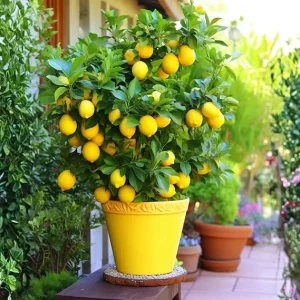
Lemon Tree Growing: Choose, Plant, and Harvest
Learn how to choose, plant, feed, and protect a lemon tree so it fits your
23
Sep
Sep
Dwarf Meyer Lemon Tree Australia: Climate Guide
Learn where dwarf Meyer lemon trees grow, how much cold they tolerate, and whether Australia,
Where to Buy a Dwarf Meyer Lemon Tree: Buyer’s Guide
Find the right dwarf Meyer lemon tree online or locally, compare starter sizes and costs,
Dwarf Meyer Lemon Tree for Sale: Buying Guide
Compare Meyer lemon tree sizes, prices, shipping limits, indoor growing and California options before you
Dwarf Meyer Lemon Tree Guide: Size, Care and Fruit
META: Learn how large a dwarf Meyer lemon tree grows, where it thrives, and how
How to Prune a Dwarf Meyer Lemon Tree
Learn when and how to prune a dwarf Meyer lemon tree, including tools, shaping cuts,
Can You Grow a Dwarf Meyer Lemon Tree in a Pot?
META: Learn how to grow a dwarf Meyer lemon tree in a pot, including container
When Do Dwarf Meyer Lemon Trees Bloom and Fruit?
META: Dwarf Meyer lemon trees usually bloom from winter through spring and may flower again