Hosta Wild Cherry Live Plant – Shade-Loving Perennial – Vibrant Foliage
-50%
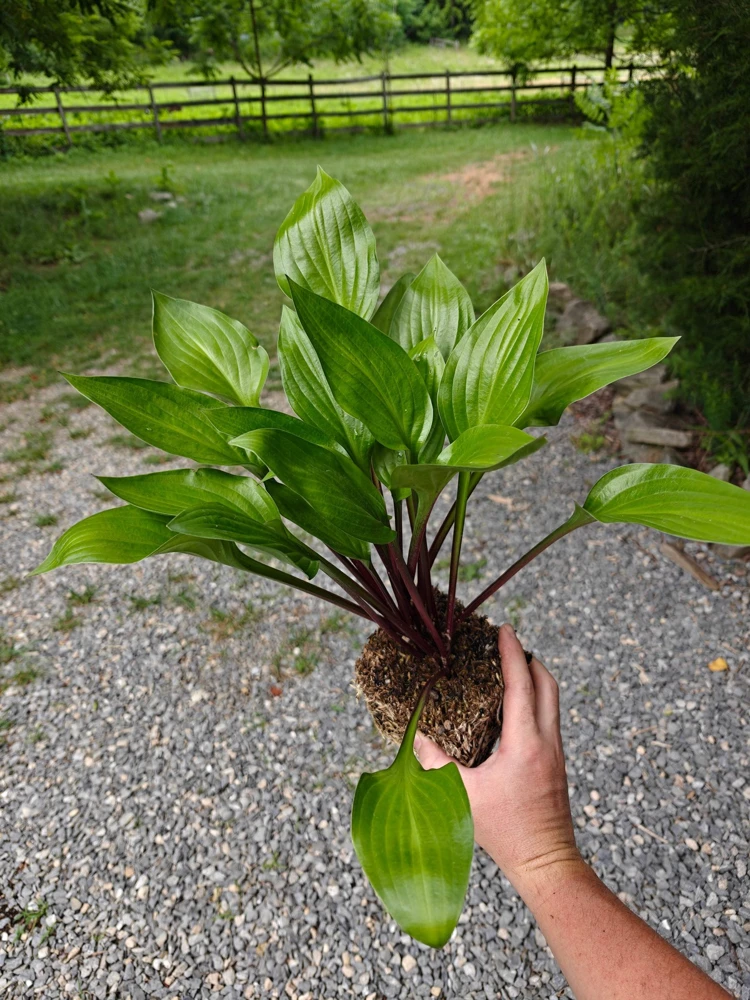
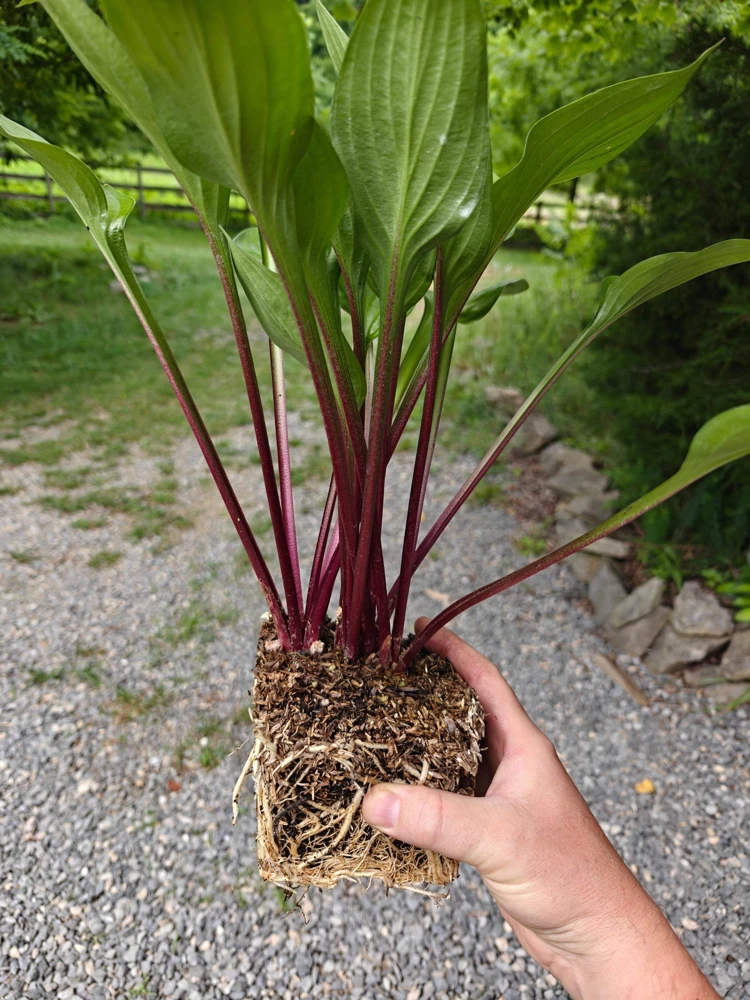
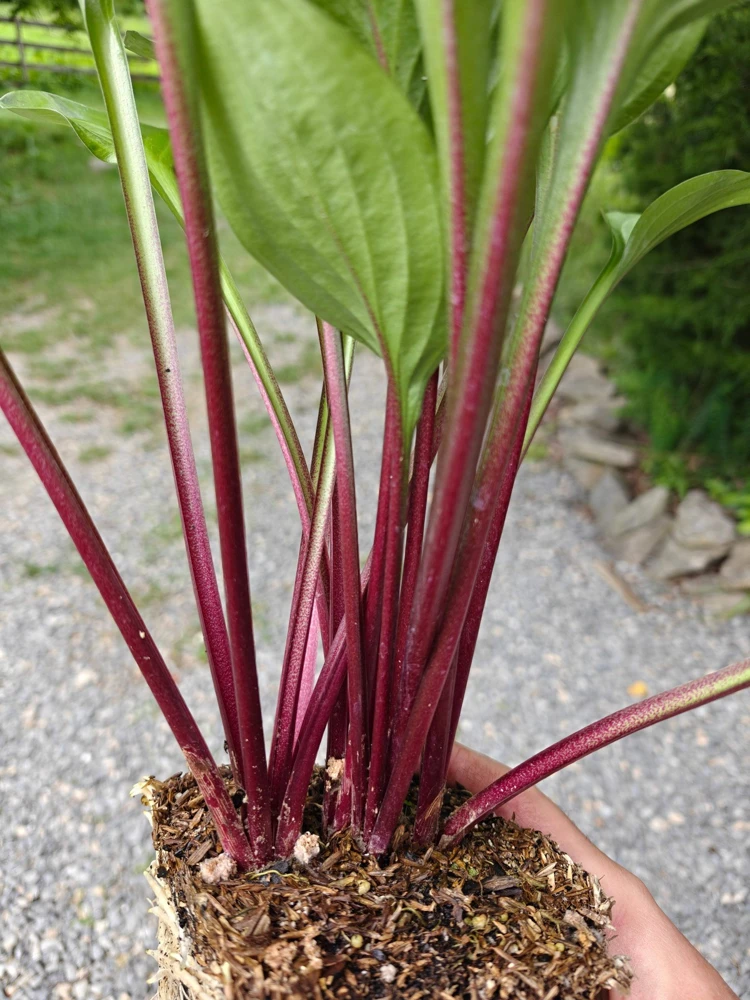
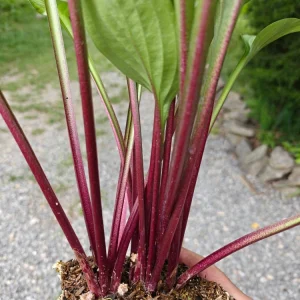
Hosta Wild Cherry Live Plant – Shade-Loving Perennial – Vibrant Foliage
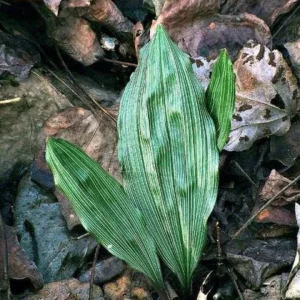
Bring captivating color and texture to your shaded garden with the Hosta Wild Cherry live plant. This exquisite perennial is celebrated for its glossy, vibrant foliage, offering a striking visual appeal all season long. Ideal for groundcover or borders, it thrives in low-light conditions.
Original price was: $114.84.$57.42Current price is: $57.42.

With our Alive & Thrive Guarantee, we’ve got your back for the first 30 days! If you have any concerns about your plants, just reach out to us. Our team is here to help answer your questions and guide you in selecting the best plants for your garden, climate, and unique preferences. We're excited to help you create the garden of your dreams!
Estimated arrival
Oct 14
Oct 19 - Oct 21
Oct 24 - Oct 28

Product Details
-
USDA Hardiness Zone
USDA zones 3-9 -
Soil type
Rich, well-draining soil -
Sunlight Exposure
Partial to full shade -
Expected Planting Period
Spring to early fall
Overview
Introducing the magnificent Hosta Wild Cherry live plant, a true gem for any shade garden. This exceptional perennial is renowned for its strikingly glossy and vibrant foliage, which provides a rich tapestry of color and texture, transforming dim corners into lush landscapes. Unlike many plants that demand full sun, the Hosta Wild Cherry live plant flourishes in shaded environments, making it an indispensable choice for gardeners seeking to beautify areas under trees or on the north side of buildings. Its robust nature and captivating appearance make it a popular selection for both novice and experienced gardeners. This plant, often simply called Hosta, is a member of the Asparagaceae family and is celebrated for its ornamental leaf displays rather than its flowers, though it does produce delicate blooms.
The ‘Wild Cherry’ cultivar stands out with its unique leaf coloration and sturdy growth habit. It’s a fantastic way to introduce a burst of life and elegance into areas where other plants might struggle. Whether used as a border plant, groundcover, or as a specimen in a container, this shade-loving perennial promises to be a focal point in your garden. Its ease of care further adds to its appeal, allowing you to enjoy its beauty with minimal effort.
Key Benefits
The Hosta Wild Cherry live plant offers numerous advantages that make it a highly desirable addition to any garden. Its primary appeal lies in its stunning visual characteristics and adaptability.
- Exceptional Foliage Beauty: The glossy, vibrant leaves of the Hosta Wild Cherry provide year-round interest, far beyond the typical blooming season. Its rich coloration adds depth and contrast to green landscapes, making it a standout feature.
- Thrives in Shade: This plant is specifically a shade-loving hosta, performing exceptionally well in low-light conditions where many other perennials fail to thrive. It brightens up dark garden spots with its radiant leaves.
- Low Maintenance: Once established, the Hosta Wild Cherry live plant requires minimal care, making it perfect for busy gardeners. It’s relatively pest-resistant and tolerates a range of soil conditions, reducing the need for constant attention.
- Versatile Garden Use: Ideal for borders, mass plantings, groundcover, or container gardening, its adaptable nature allows it to fit seamlessly into various garden designs and settings.
- Deer and Rabbit Resistant: While not entirely impervious, hostas are generally less appealing to deer and rabbits compared to many other garden plants, offering a degree of natural protection.
- Long Lifespan: Hostas are known for their longevity, often thriving for decades in the right conditions, providing enduring beauty and value to your landscape.
Plant Care & Growing Tips
Caring for your Hosta Wild Cherry live plant is straightforward, ensuring a lush and healthy display. Understanding its basic needs will help you achieve the best growth and maintain its vibrant foliage. For optimal health and to ensure a beautiful vibrant foliage plant, consistent care is key.
Sunlight Requirements: As a shade-loving hosta, this plant prefers partial to full shade. Morning sun is acceptable, and can even enhance leaf color, but direct afternoon sun, especially in warmer climates, should be avoided as it can scorch the leaves. An ideal location would be under the canopy of deciduous trees or on the north side of a building where it receives filtered light throughout the day. Too much shade can sometimes lead to reduced vigor, so a balance is important.
Watering and Soil: Hostas prefer consistently moist, well-draining soil. Water regularly, especially during dry spells, ensuring the soil remains damp but not waterlogged. Overwatering can lead to root rot. Good drainage is crucial. The best soil for hostas is rich in organic matter, slightly acidic to neutral (pH 6.0-7.0). Amend heavy clay soils with compost to improve drainage, and sandy soils to improve water retention. This provides the ideal environment for healthy root development, contributing to robust perennial hosta care.
Temperature and Hardiness: Hosta Wild Cherry is a hardy perennial, typically thriving in USDA Zones 3-9. It is cold-tolerant and requires a winter dormancy period to perform its best. In very cold zones, applying a layer of mulch in late fall can provide extra root protection. In hotter climates (Zone 9), ensuring deep shade and consistent moisture is even more critical to prevent heat stress and maintain the integrity of its vibrant foliage plant.
Fertilization: Fertilize in early spring as new growth emerges. Use a balanced slow-release granular fertilizer or a liquid feed diluted to half strength. Avoid over-fertilizing, which can lead to excessive, weak growth. A top dressing of compost around the base of the plant in spring can also provide a slow, steady supply of nutrients, crucial for maintaining a healthy hosta for shade garden.
Pest and Disease Management: Slugs and snails are common pests for hostas. Strategies include hand-picking, using slug baits, or creating barriers with crushed eggshells or diatomaceous earth. Crown rot can occur in poorly draining soil; ensure proper drainage and avoid overwatering. Fungal leaf spots are rare but can be managed by improving air circulation and avoiding overhead watering.
Size & Details
The Hosta Wild Cherry live plant typically grows to a moderate size, making it suitable for various garden applications. When mature, it generally reaches a height of about 18-24 inches and spreads approximately 24-36 inches wide, forming an attractive, mounding clump of foliage. The growth rate is moderate, with plants reaching their mature size within 3-5 years under ideal conditions. This perennial is shipped as a healthy, actively growing plant, either in a nursery pot or as a bare root, depending on the season and supplier. The exact size at shipment will vary but will be ready for immediate planting upon arrival. Expect the plant to establish quickly and begin producing its characteristic glossy, vibrant leaves. It is a long-lived perennial, providing years of beauty with proper perennial hosta care.
Frequently Asked Questions
- Q: How big does this Hosta Wild Cherry get? A: The Hosta Wild Cherry live plant typically grows to about 18-24 inches tall with a spread of 24-36 inches at maturity, forming a robust clump.
- Q: Is this an indoor or outdoor plant? A: The Hosta Wild Cherry live plant is primarily an outdoor perennial, best suited for garden beds, borders, or containers in shaded outdoor environments. It requires a dormancy period that cannot be easily replicated indoors.
- Q: How much sunlight does it need? A: This is a shade-loving hosta that thrives in partial to full shade. Avoid direct afternoon sun, which can scorch its vibrant foliage. Morning sun is generally tolerated and can even enhance leaf color.
- Q: Is this plant easy to care for? A: Yes, hostas are generally considered easy to care for, especially once established. They require consistent moisture and protection from harsh sun, making them a good choice for beginners interested in a vibrant foliage plant.
- Q: What condition will it arrive in? A: Your Hosta Wild Cherry live plant will arrive as a healthy, actively growing plant, typically in a nursery pot or as a bare root, ready for planting. We ensure careful packaging to protect it during transit.
- Q: When is the best time to plant Hosta Wild Cherry? A: The best time to plant is in spring or early fall when temperatures are mild. This allows the plant to establish its root system before extreme heat or cold.
- Q: Will it survive winter in my zone? A: Hosta Wild Cherry is hardy in USDA Zones 3-9. It is accustomed to cold winters and will go dormant, re-emerging with fresh growth in the spring. Proper perennial hosta care includes ensuring good drainage to prevent rot during winter dormancy.
- Q: What kind of soil does this hosta prefer? A: This Hosta prefers rich, consistently moist, well-draining soil with a slightly acidic to neutral pH. Amending with organic matter is beneficial for a healthy hosta for shade garden.
- Q: Is Hosta Wild Cherry deer resistant? A: While no plant is entirely deer-proof, hostas, including the Wild Cherry variety, are generally considered more deer-resistant than many other garden plants.
- Q: How often should I water my Hosta Wild Cherry? A: Water regularly to keep the soil consistently moist, especially during dry periods. Reduce watering during its winter dormancy.
Related products
-32%
Original price was: $73.98.$49.99Current price is: $49.99.
-67%
Original price was: $44.97.$14.98Current price is: $14.98.
-82%
Original price was: $50.97.$9.04Current price is: $9.04.
-40%
Original price was: $59.98.$35.99Current price is: $35.99.
-20%
Original price was: $98.00.$78.40Current price is: $78.40.
-70%
Original price was: $89.98.$27.00Current price is: $27.00.
-20%
Original price was: $100.00.$80.00Current price is: $80.00.
PLANTING & CARE
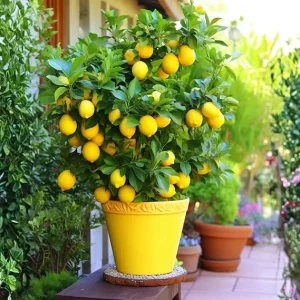
Lemon Tree Growing: Choose, Plant, and Harvest
Learn how to choose, plant, feed, and protect a lemon tree so it fits your
23
Sep
Sep
Dwarf Meyer Lemon Tree Australia: Climate Guide
Learn where dwarf Meyer lemon trees grow, how much cold they tolerate, and whether Australia,
Where to Buy a Dwarf Meyer Lemon Tree: Buyer’s Guide
Find the right dwarf Meyer lemon tree online or locally, compare starter sizes and costs,
Dwarf Meyer Lemon Tree for Sale: Buying Guide
Compare Meyer lemon tree sizes, prices, shipping limits, indoor growing and California options before you
Dwarf Meyer Lemon Tree Guide: Size, Care and Fruit
META: Learn how large a dwarf Meyer lemon tree grows, where it thrives, and how
How to Prune a Dwarf Meyer Lemon Tree
Learn when and how to prune a dwarf Meyer lemon tree, including tools, shaping cuts,
Can You Grow a Dwarf Meyer Lemon Tree in a Pot?
META: Learn how to grow a dwarf Meyer lemon tree in a pot, including container
When Do Dwarf Meyer Lemon Trees Bloom and Fruit?
META: Dwarf Meyer lemon trees usually bloom from winter through spring and may flower again