Hoya Hindu Rope Plant – Live Wax Plant, Hoya Carnosa Compacta, Indoor & Outdoor
-50%
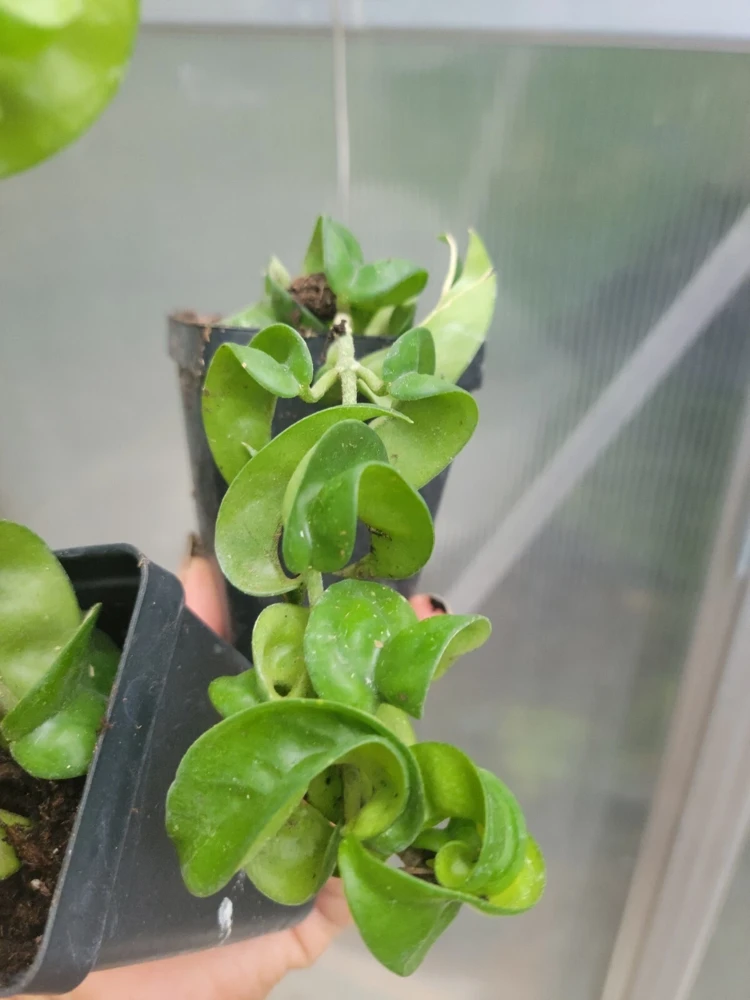
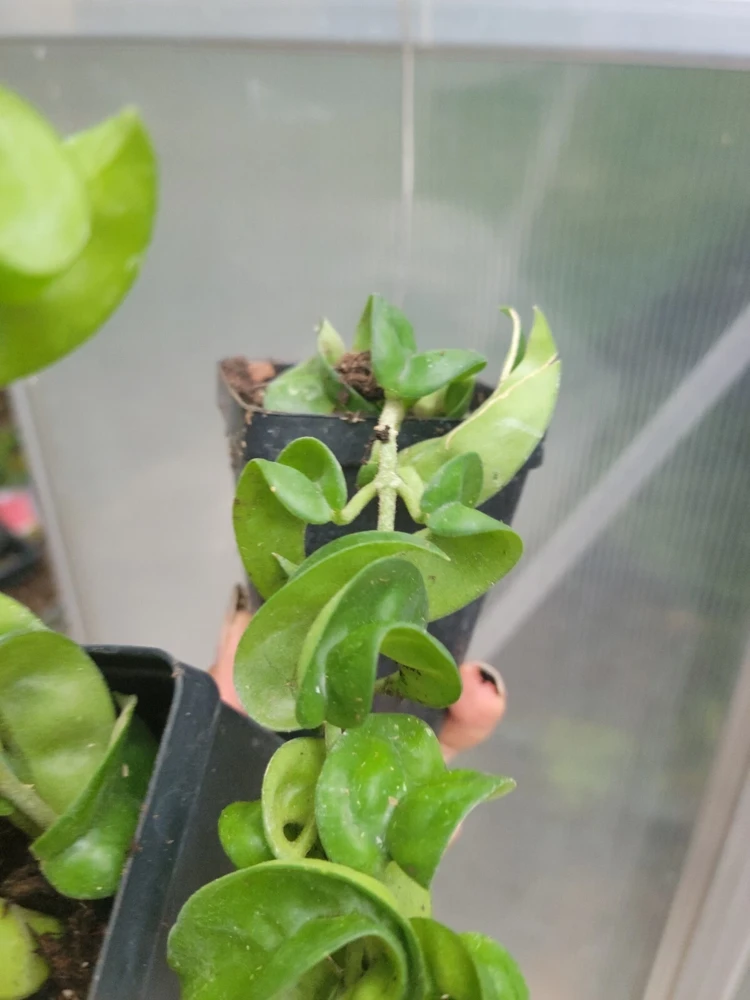
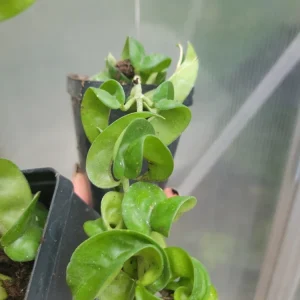
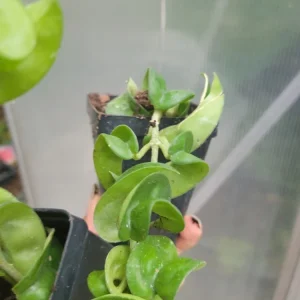
Hoya Hindu Rope Plant – Live Wax Plant, Hoya Carnosa Compacta, Indoor & Outdoor
Bring unique texture to your space with the hoya hindu rope plant. This captivating live wax plant, known as Hoya Carnosa Compacta, features distinctive curled leaves that form a ‘rope-like’ appearance. Ideal for both indoor and outdoor settings, it’s a fascinating addition for plant enthusiasts.
Original price was: $76.00.$38.00Current price is: $38.00.

With our Alive & Thrive Guarantee, we’ve got your back for the first 30 days! If you have any concerns about your plants, just reach out to us. Our team is here to help answer your questions and guide you in selecting the best plants for your garden, climate, and unique preferences. We're excited to help you create the garden of your dreams!
Estimated arrival
Oct 08
Oct 13 - Oct 15
Oct 18 - Oct 22



Product Details
-
USDA Hardiness Zone
USDA zones 10-12 (if grown outdoors) -
Soil type
Well-draining potting mix (e.g., succulent or orchid mix) -
Sunlight Exposure
Bright, indirect light -
Expected Planting Period
Year-round indoors, spring to early summer outdoors (in appropriate zones)
Overview
Introduce a touch of botanical intrigue to your home or garden with the exquisite hoya hindu rope plant. Also widely known as the live wax plant or Hoya Carnosa Compacta, this unique botanical specimen is celebrated for its unusual and highly decorative foliage. Its thick, succulent-like leaves are tightly curled and twisted, creating a fascinating ‘rope-like’ cascade that is truly eye-catching. This perennial vining plant is a superb choice for hanging baskets, elevated shelves, or as a striking centerpiece, adding architectural interest wherever it grows. Originating from Southeast Asia, the hoya hindu rope plant thrives in warm, humid conditions and is remarkably adaptable, making it a favorite among both novice and experienced plant collectors. Its waxy, deep green leaves can sometimes develop hints of red or pink when exposed to brighter light, further enhancing its appeal.
The Hoya Carnosa Compacta is not just a pretty face; it’s also a relatively low-maintenance plant that can reward patient growers with beautiful, star-shaped flowers. These delicate blooms, often pink or white with a red center, emerge in clusters and emit a sweet, subtle fragrance, particularly at night. Whether you’re looking to enhance your indoor jungle or add a distinctive element to a shaded outdoor patio, this hoya hindu rope plant offers both aesthetic charm and a rewarding growing experience. Its slow growth habit ensures it won’t quickly outgrow its space, making it a long-term companion for your plant collection.
Key Benefits
The hoya hindu rope plant offers a multitude of benefits, making it a highly desirable addition to any plant enthusiast’s collection. Its unique appearance and ease of care contribute to its popularity, providing both visual appeal and a sense of accomplishment for its owner.
- Aesthetic Appeal: The most striking feature of the hoya hindu rope plant is its incredibly unique foliage. The deeply convoluted, twisted leaves create a visually stunning texture that resembles thick ropes, adding an exotic and sculptural element to any room or outdoor space. It’s a conversation starter and a true focal point.
- Low Maintenance: Despite its exotic appearance, the Hoya Carnosa Compacta is surprisingly easy to care for, making it an excellent choice for busy individuals or those new to plant care. It tolerates a degree of neglect and doesn’t require constant attention, thriving with minimal fuss.
- Air Purification: Like many houseplants, the live wax plant contributes to improved indoor air quality by absorbing common toxins and releasing oxygen. This makes your living environment healthier and more refreshing, especially in enclosed spaces.
- Drought Tolerant: Thanks to its succulent-like leaves, this plant stores water efficiently, allowing it to withstand periods of drought. This forgiving nature means you don’t have to worry about watering it constantly, reducing the risk of overwatering.
- Pet-Friendly: While it’s always best to keep plants out of reach, Hoya plants are generally considered non-toxic to pets, offering peace of mind for pet owners who want to enjoy beautiful greenery without undue concern.
- Unique Flowering: With proper care and maturity, the hoya hindu rope plant produces clusters of delicate, star-shaped, waxy flowers. These fragrant blooms, often pink or white, are a beautiful bonus and add another layer of charm to the plant.
- Versatile Placement: Its vining and cascading habit makes it perfect for hanging baskets, high shelves, or as a trailing plant on a mantelpiece. It can also be trained to climb, offering flexibility in how you display its unique form, both indoors and in sheltered outdoor areas.
Plant Care & Growing Tips
Caring for your hoya hindu rope plant is a rewarding experience, as this resilient live wax plant is quite forgiving. Understanding its basic needs will ensure it thrives and potentially rewards you with its beautiful, fragrant blooms. When considering hoya carnosa compacta care, light is paramount. This plant prefers bright, indirect light. Direct, harsh sunlight, especially during the hottest parts of the day, can scorch its leaves and cause them to yellow. An east or west-facing window is often ideal indoors, providing gentle morning or afternoon sun. If grown outdoors, choose a location with dappled shade or protection from intense midday rays. Inadequate light may result in slow growth and a lack of flowering, while too much direct light can cause leaf damage.
Watering is another critical aspect of hoya plant care. As a succulent-like plant, the Hoya Carnosa Compacta is susceptible to root rot if overwatered. It’s best to allow the soil to dry out almost completely between waterings. You can check the soil moisture by sticking your finger about an inch or two deep into the pot. When it feels dry, it’s time to water thoroughly until water drains from the bottom. Reduce watering significantly in the cooler, dormant months. The ideal soil for this plant is a well-draining potting mix. A blend designed for succulents or orchids, which typically contains perlite or bark, works wonderfully. This ensures good aeration and prevents water from sitting around the roots. The plant also appreciates good humidity, which can be provided by misting occasionally or placing it near a humidifier, especially in dry indoor environments.
For optimal growth, maintain a consistent room temperature, ideally between 60-85°F (15-29°C). Avoid sudden temperature fluctuations or cold drafts. While somewhat cold-tolerant, it will not survive freezing temperatures, so bring outdoor plants inside if temperatures drop below 50°F (10°C). Fertilize sparingly during the growing season (spring and summer) with a balanced liquid fertilizer diluted to half strength. Over-fertilization can harm the plant. Repotting is rarely needed as the hoya hindu rope plant prefers to be somewhat root-bound. Only repot when the plant is clearly outgrowing its container, usually every 2-3 years, using a pot only slightly larger than the previous one. Providing the right conditions will lead to a healthy and vibrant hindu rope plant indoor or outdoor specimen.
Size & Details
The hoya hindu rope plant, or Hoya Carnosa Compacta, is a relatively slow-growing vining plant, which contributes to its manageable size and makes it a perfect long-term addition to your collection. While individual plants can vary, a mature specimen typically develops vines that can reach lengths of 2-4 feet or more, creating a beautiful cascading effect. The plant’s compact growth habit ensures it doesn’t become unruly, maintaining its distinctive rope-like form. When shipped, plants are usually well-rooted and established, often in a standard nursery pot, ready to be placed in your preferred decorative container or hanging basket. The leaves themselves are thick, waxy, and range from 1 to 2 inches in length, densely packed along the stems.
This live wax plant is known for its resilience and can live for many years with appropriate care. It typically takes a few years for the plant to mature enough to produce its characteristic star-shaped flowers, but the unique foliage provides continuous visual interest. The slow growth rate also means less frequent repotting, making it a low-maintenance choice. Its robust nature and ability to adapt to various indoor and outdoor conditions (within its preferred temperature range) make it a versatile and enduring choice for plant enthusiasts seeking a distinctive and rewarding specimen. Expect a healthy, vibrant plant ready to begin its journey in your home or garden.
Frequently Asked Questions
- Q: How big does a Hoya Hindu Rope Plant get? A: A mature hoya hindu rope plant typically develops vines that can reach lengths of 2-4 feet or more. Its slow growth habit ensures it remains a manageable size, making it suitable for various spaces without quickly outgrowing its container.
- Q: Is this an indoor or outdoor plant? A: The hoya hindu rope plant is versatile and can thrive both indoors and outdoors. When grown outdoors, it requires a sheltered location with bright, indirect light and protection from cold temperatures. It is an excellent hindu rope plant indoor specimen.
- Q: How much sunlight does a Hoya Hindu Rope Plant need? A: This live wax plant prefers bright, indirect light. Direct, harsh sunlight can scorch its leaves. An east or west-facing window is often ideal indoors, while outdoors, dappled shade is best.
- Q: Is this plant easy to care for? A: Yes, the Hoya Carnosa Compacta is considered a low-maintenance plant. It’s quite forgiving and tolerates some neglect, making it suitable for both beginners and experienced plant enthusiasts. Following basic hoya plant care guidelines will ensure its health.
- Q: What condition will the Hoya Hindu Rope Plant arrive in? A: Your hoya hindu rope plant will arrive as a healthy, established live plant, typically well-rooted in a nursery pot. It will be carefully packaged to ensure its safe journey and readiness for its new home.
- Q: How often should I water my Hoya Hindu Rope Plant? A: Allow the soil to dry out almost completely between waterings. Overwatering can lead to root rot. Reduce watering frequency during cooler, dormant months to maintain optimal health for your live wax plant.
- Q: Is the Hoya Hindu Rope Plant pet-safe? A: Hoya plants, including the Hoya Carnosa Compacta, are generally considered non-toxic to pets. However, it’s always recommended to keep plants out of reach of curious pets to prevent any accidental ingestion.
- Q: What type of soil is best for this plant? A: The hoya hindu rope plant thrives in a well-draining potting mix. A blend designed for succulents or orchids, which promotes good aeration and prevents waterlogging, is ideal for healthy root development.
- Q: How do I encourage my Hoya Hindu Rope Plant to flower? A: To encourage flowering, ensure your plant receives ample bright, indirect light, consistent watering (allowing soil to dry between), and occasional feeding during the growing season. Also, allow the plant to become slightly root-bound, as this often stimulates bloom production.
- Q: What are the common names for Hoya Carnosa Compacta? A: The most common names for Hoya Carnosa Compacta include hoya hindu rope plant, live wax plant, and Krinkle Kurl Hoya, all referring to its distinctive twisted foliage.
Related products
-30%
Original price was: $79.98.$55.98Current price is: $55.98.
-35%

Original price was: $37.24.$24.20Current price is: $24.20.
-30%
Original price was: $129.98.$90.98Current price is: $90.98.
-25%
Original price was: $33.90.$25.42Current price is: $25.42.
PLANTING & CARE
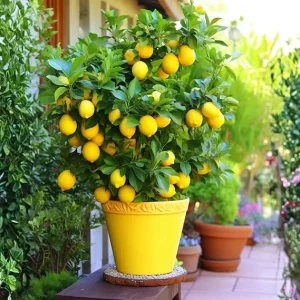
Lemon Tree Growing: Choose, Plant, and Harvest
Learn how to choose, plant, feed, and protect a lemon tree so it fits your
23
Sep
Sep
Dwarf Meyer Lemon Tree Australia: Climate Guide
Learn where dwarf Meyer lemon trees grow, how much cold they tolerate, and whether Australia,
Where to Buy a Dwarf Meyer Lemon Tree: Buyer’s Guide
Find the right dwarf Meyer lemon tree online or locally, compare starter sizes and costs,
Dwarf Meyer Lemon Tree for Sale: Buying Guide
Compare Meyer lemon tree sizes, prices, shipping limits, indoor growing and California options before you
Dwarf Meyer Lemon Tree Guide: Size, Care and Fruit
META: Learn how large a dwarf Meyer lemon tree grows, where it thrives, and how
How to Prune a Dwarf Meyer Lemon Tree
Learn when and how to prune a dwarf Meyer lemon tree, including tools, shaping cuts,
Can You Grow a Dwarf Meyer Lemon Tree in a Pot?
META: Learn how to grow a dwarf Meyer lemon tree in a pot, including container
When Do Dwarf Meyer Lemon Trees Bloom and Fruit?
META: Dwarf Meyer lemon trees usually bloom from winter through spring and may flower again