Hydrangea ‘Early Evolution’ Live Plant – 6-8 Inch Starter Shrub, Outdoor
-40%
Hydrangea ‘Early Evolution’ Live Plant – 6-8 Inch Starter Shrub, Outdoor
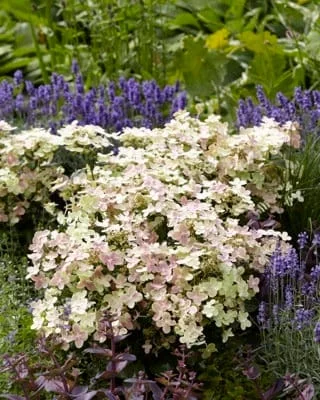
Add vibrant, season-long color to your garden with the Hydrangea Early Evolution live plant. This 6-8 inch starter shrub transitions through lime-white, pure white, salmon pink, and dark pink blooms, offering a dynamic display for your outdoor space. It’s a hardy deciduous shrub, perfect for zones 5B+.
Original price was: $37.90.$22.90Current price is: $22.90.

With our Alive & Thrive Guarantee, we’ve got your back for the first 30 days! If you have any concerns about your plants, just reach out to us. Our team is here to help answer your questions and guide you in selecting the best plants for your garden, climate, and unique preferences. We're excited to help you create the garden of your dreams!
Estimated arrival
Oct 21
Oct 26 - Oct 28
Oct 31 - Nov 04




Product Details
-
USDA Hardiness Zone
5B-9 -
Soil type
Well-draining, consistently moist soil -
Sunlight Exposure
Full sun to partial shade -
Expected Planting Period
Spring to early summer
Overview
Introduce a spectacular display of evolving color to your landscape with the Hydrangea Early Evolution live plant. This exceptional deciduous shrub, known for its dynamic bloom changes, is a must-have for any garden enthusiast. Starting as a compact 6-8 inch starter plant, the ‘Early Evolution’ quickly establishes itself, promising a magnificent floral show. Its unique characteristic lies in its ability to transform its flower hues throughout the growing season, providing continuous visual interest from late spring through fall. Ideal for gardeners seeking a plant that offers both beauty and resilience, this hydrangea cultivar is a true standout, making it a popular choice for borders, mass plantings, or as a striking specimen plant. The ‘Early Evolution’ is a well-rooted plant, ready to thrive in your outdoor garden.
The botanical name for this variety is Hydrangea macrophylla ‘Early Evolution’, a testament to its early blooming nature and transformative colors. As a deciduous shrub outdoor, it will shed its leaves in winter and return with vigor each spring. This particular variety is celebrated for its compact growth habit, reaching approximately 2 feet tall, making it suitable for smaller gardens or container planting on patios. Experience the magic of nature’s artistry with this remarkable hydrangea.
Key Benefits
The Hydrangea Early Evolution live plant offers a multitude of benefits that make it an excellent addition to any garden, providing both aesthetic appeal and ease of care. Its unique attributes contribute to a vibrant and ever-changing landscape.
- Stunning Seasonal Color Transformation: Enjoy a captivating progression of flower colors, beginning with fresh lime-white, transitioning to pure white, then to salmon pink in summer, and finally deepening to a rich dark pink by September. This continuous color show ensures your garden remains interesting throughout the seasons.
- Early and Prolonged Bloom Period: As its name suggests, ‘Early Evolution’ is one of the first hydrangeas to produce buds in late May or early June, extending your garden’s blooming period significantly. This early start means more time to appreciate its beauty.
- Compact and Manageable Size: Growing to an approximate height of 2 feet, this hydrangea is perfectly suited for various garden settings, including small spaces, borders, or even decorative containers. Its compact nature makes it an ideal deciduous shrub outdoor for urban gardens or patios.
- Winter Hardiness: Rated for Zone 5B hardy hydrangea, this plant is resilient against colder temperatures, ensuring it returns year after year with stunning new growth and blooms, minimizing the need for extensive winter protection in appropriate zones.
- Versatile Planting Options: Whether you have a sunny spot or a partially shaded area, the ‘Early Evolution’ hydrangea can thrive, offering flexibility in garden design. It adapts well to different light conditions, as long as its moisture needs are met.
- Low Maintenance Beauty: Once established, this hydrangea requires relatively low maintenance, making it suitable for both experienced gardeners and those new to horticulture. Its robust nature allows for enjoyment without constant fuss.
Plant Care & Growing Tips
Caring for your Hydrangea Early Evolution live plant is straightforward, ensuring a spectacular display of color for many seasons to come. This deciduous shrub thrives with consistent attention to its basic needs, particularly concerning light, water, and soil. For optimal growth and vibrant blooms, plant your ‘Early Evolution’ in a location that receives either full sun or partial shade. In hotter climates, partial shade, especially during the intense afternoon hours, will help protect the delicate blooms from scorching and maintain soil moisture. Aim for at least 4-6 hours of direct sunlight for the best flowering, but ensure protection from the harshest midday sun if temperatures are consistently high.
The key to a happy Early Evolution hydrangea care regimen is consistently moist soil. Hydrangeas are known for their love of water, so ensure the soil remains evenly damp but not waterlogged. Well-draining soil is crucial to prevent root rot. Water deeply several times a week, especially during dry spells or in the plant’s first year of establishment. A good layer of mulch around the base of the plant will help retain soil moisture, regulate soil temperature, and suppress weeds. This plant prefers a slightly acidic to neutral soil pH. Fertilize in early spring with a balanced slow-release fertilizer formulated for flowering shrubs to encourage vigorous growth and abundant blooms. Pruning is generally minimal; remove only dead or damaged wood in late winter or early spring. This Zone 5B hardy hydrangea is quite resilient, but protection from harsh winter winds can be beneficial in the colder end of its hardiness range.
Monitor your Hydrangea Early Evolution live plant for common pests like aphids or spider mites, addressing them with organic insecticidal soap if necessary. Fungal issues like powdery mildew can sometimes occur in humid conditions; ensure good air circulation around the plant to prevent this. The changing colors of the blooms are natural and part of the plant’s charm, evolving independently of soil pH, unlike some other hydrangea varieties. By following these simple guidelines, your ‘Early Evolution’ hydrangea will flourish and become a stunning focal point in your garden.
Size & Details
The Hydrangea Early Evolution live plant is provided as a starter plant, typically measuring approximately 6-8 inches in height. It arrives well-rooted in a 2 1/2 x 3 1/2 inch pot, ensuring a healthy start for transplanting into your garden or a larger container. This variety is a compact, deciduous shrub that matures to an average height of about 2 feet, making it an excellent choice for smaller garden spaces, mixed borders, or container gardening. Its spread is generally similar to its height, creating a neat, mounded form.
This deciduous shrub outdoor is known for its moderate growth rate, establishing itself quickly and beginning to display its characteristic color-changing blooms from late May or early June. Expect a full bloom cycle and mature size within 2-3 years, given proper Early Evolution hydrangea care. It is a long-lived plant, providing many seasons of beauty. The vibrant color transitions from lime-white to pure white, salmon pink, and finally dark pink, are a hallmark of this exceptional variety.
Frequently Asked Questions
- Q: How big does this plant get? A: The Hydrangea Early Evolution live plant typically grows to a compact size of about 2 feet tall and wide, making it suitable for various garden settings, including small spaces and containers.
- Q: What size pot does it come in? A: This starter plant is shipped well-rooted in a 2 1/2 x 3 1/2 inch pot, ready for transplanting upon arrival.
- Q: Is this an indoor or outdoor plant? A: The ‘Early Evolution’ hydrangea is primarily an deciduous shrub outdoor plant, hardy in USDA Zone 5B and above. It can be grown in containers outdoors.
- Q: How much sunlight does it need? A: This hydrangea thrives in full sun to partial shade. In hotter climates, partial shade during the afternoon is recommended to protect the blooms and foliage.
- Q: Is this plant easy to care for? A: Yes, with proper attention to watering and well-draining soil, the Early Evolution hydrangea care is relatively easy, making it suitable for gardeners of various experience levels.
- Q: What condition will it arrive in? A: Your Hydrangea Early Evolution live plant will arrive as a healthy, well-rooted starter plant in its nursery pot, carefully packaged to ensure its safety during transit.
- Q: How long until it blooms? A: This variety is known for its early blooming, with flower buds appearing in late May or early June, often in its first year after planting, given good growing conditions.
- Q: When is the best time to plant? A: Spring or early fall are generally the best times to plant your ‘Early Evolution’ hydrangea, allowing it to establish its root system before extreme temperatures.
- Q: Will it survive winter in my zone? A: This is a Zone 5B hardy hydrangea, meaning it is well-suited to survive winters in USDA Hardiness Zone 5B and warmer, returning each spring.
- Q: Do the flower colors change based on soil? A: Unlike some other hydrangea varieties, the ‘Early Evolution’ flower colors genetically change through the seasons (lime-white to pure white, salmon pink, and dark pink) and are not significantly influenced by soil pH.
Related products
-60%
Original price was: $53.99.$21.59Current price is: $21.59.
-20%
Original price was: $36.00.$28.80Current price is: $28.80.
-50%
Original price was: $55.98.$27.99Current price is: $27.99.
-20%
Original price was: $76.00.$60.80Current price is: $60.80.
-50%

Original price was: $133.98.$66.99Current price is: $66.99.
-45%
Original price was: $220.00.$121.00Current price is: $121.00.
PLANTING & CARE
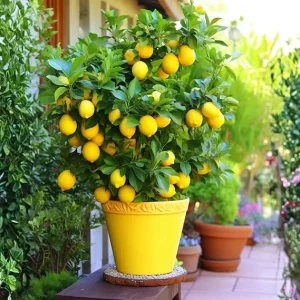
Lemon Tree Growing: Choose, Plant, and Harvest
Learn how to choose, plant, feed, and protect a lemon tree so it fits your
23
Sep
Sep
Dwarf Meyer Lemon Tree Australia: Climate Guide
Learn where dwarf Meyer lemon trees grow, how much cold they tolerate, and whether Australia,
Where to Buy a Dwarf Meyer Lemon Tree: Buyer’s Guide
Find the right dwarf Meyer lemon tree online or locally, compare starter sizes and costs,
Dwarf Meyer Lemon Tree for Sale: Buying Guide
Compare Meyer lemon tree sizes, prices, shipping limits, indoor growing and California options before you
Dwarf Meyer Lemon Tree Guide: Size, Care and Fruit
META: Learn how large a dwarf Meyer lemon tree grows, where it thrives, and how
How to Prune a Dwarf Meyer Lemon Tree
Learn when and how to prune a dwarf Meyer lemon tree, including tools, shaping cuts,
Can You Grow a Dwarf Meyer Lemon Tree in a Pot?
META: Learn how to grow a dwarf Meyer lemon tree in a pot, including container
When Do Dwarf Meyer Lemon Trees Bloom and Fruit?
META: Dwarf Meyer lemon trees usually bloom from winter through spring and may flower again