Hydrangea Live Plant – Two-Toned Cold Hardy Shrub 6-12″ Tall in Quart Pot
-50%
Hydrangea Live Plant – Two-Toned Cold Hardy Shrub 6-12″ Tall in Quart Pot
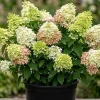
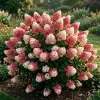
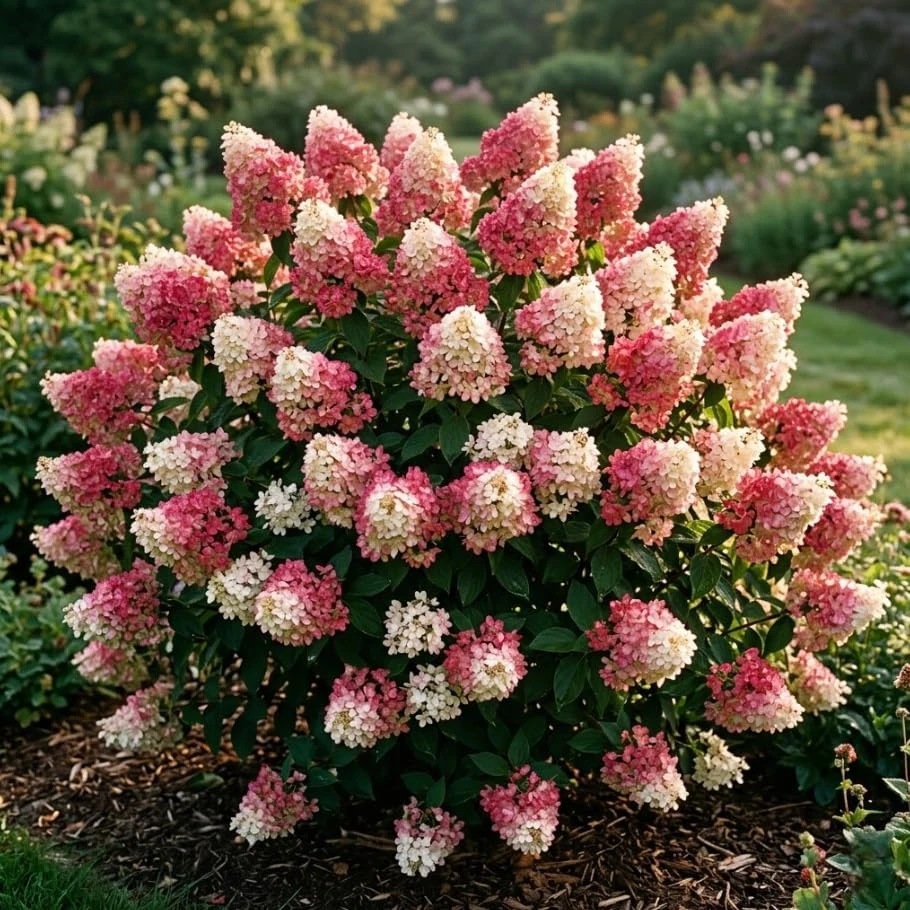
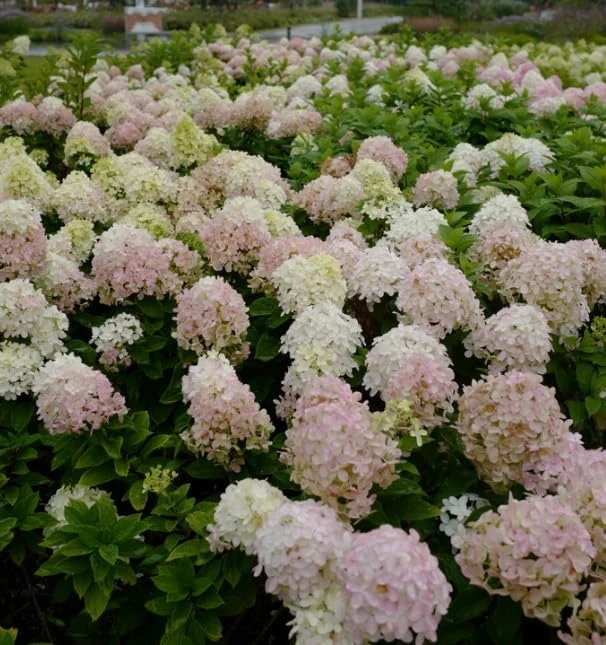
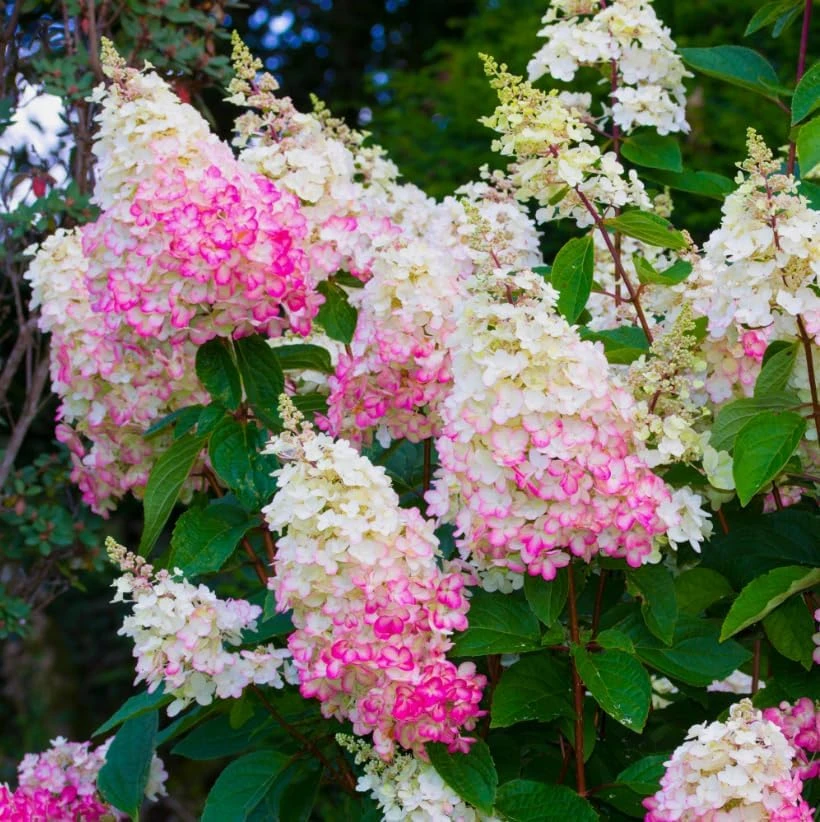
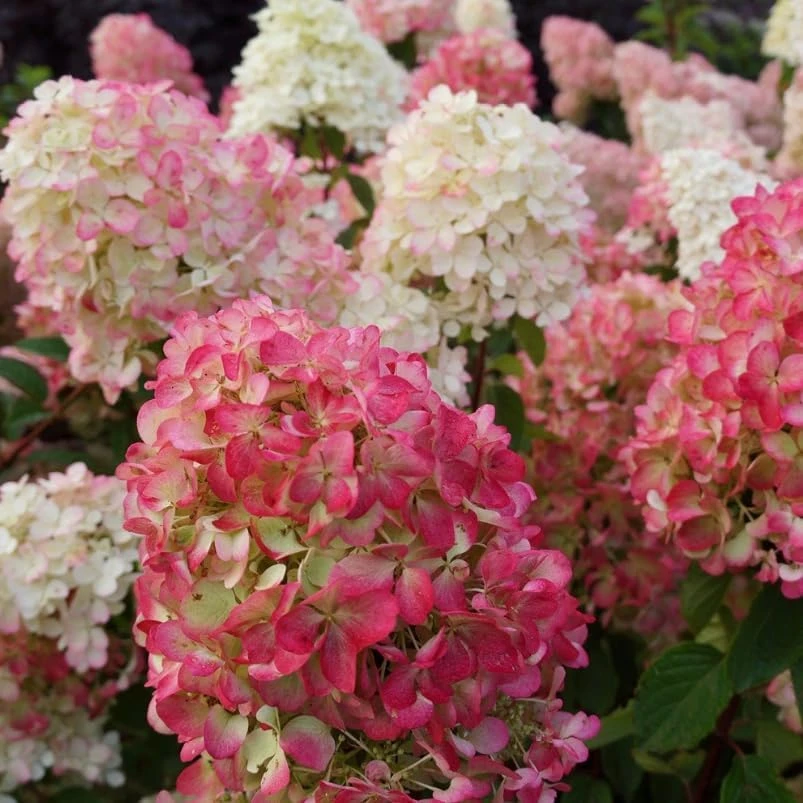
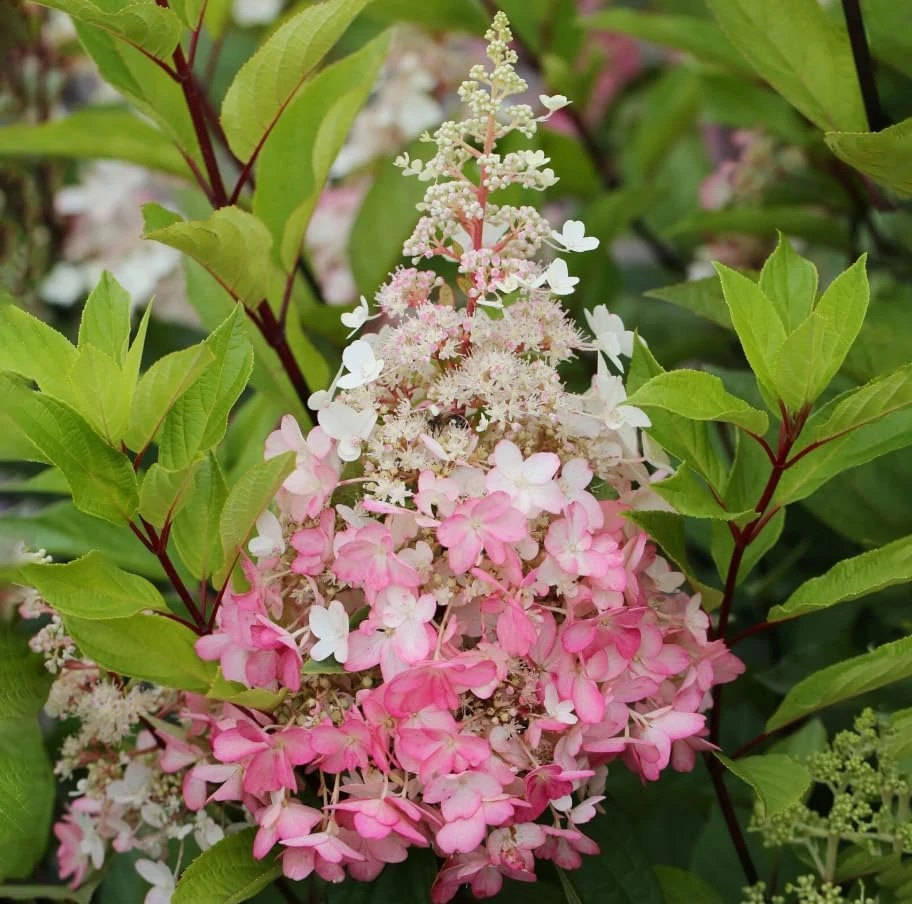
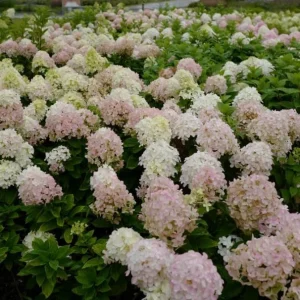
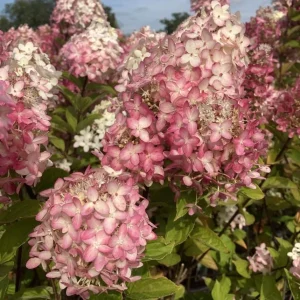
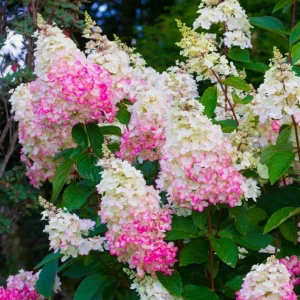
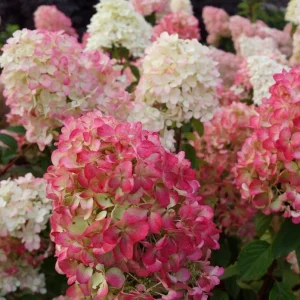
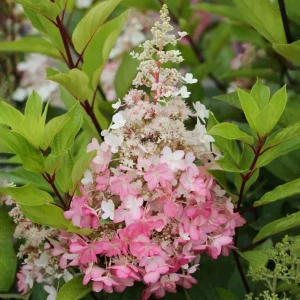
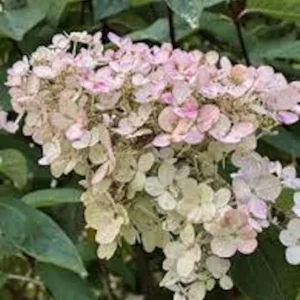
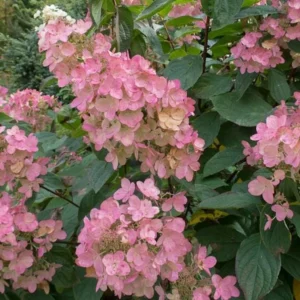
Enhance your landscape with the beautiful two-toned hydrangea live plant. This cold hardy hydrangea shrub features striking vanilla white flowers that mature to a rich strawberry pink, providing continuous color from summer to fall. Arriving 6-12 inches tall in a quart pot, it’s ready to thrive outdoors.
Original price was: $53.98.$26.99Current price is: $26.99.

With our Alive & Thrive Guarantee, we’ve got your back for the first 30 days! If you have any concerns about your plants, just reach out to us. Our team is here to help answer your questions and guide you in selecting the best plants for your garden, climate, and unique preferences. We're excited to help you create the garden of your dreams!
Estimated arrival
Oct 29
Nov 03 - Nov 05
Nov 08 - Nov 12
Product Details
-
USDA Hardiness Zone
USDA zones 3-8 -
Soil type
Well-draining, fertile soil -
Sunlight Exposure
Full sun to partial shade -
Expected Planting Period
Spring to early summer
Overview
Transform your garden with the captivating two-toned hydrangea live plant, a stunning addition that promises vibrant color and robust growth. This exceptional Hydrangea paniculata shrub, known for its cold hardiness, offers a spectacular floral display from summer through fall. Each plant arrives established in a quart-sized pot, standing approximately 6-12 inches tall, perfectly prepared to establish itself in your landscape. The unique charm of this hydrangea lies in its large, cone-shaped flower clusters that begin as a creamy white and gracefully transition to a deep, rich strawberry pink as the season progresses. It’s a truly dynamic plant, providing an evolving palette of colors that will be a focal point in any garden. Ideal for adding significant visual interest, this hydrangea paniculata shrub is a must-have for both seasoned gardeners and those new to horticulture.
The two-toned hydrangea live plant is celebrated not just for its beauty but also for its resilience. As a cold-hardy variety, it can withstand various climates, making it a versatile choice for many regions across the United States. Its adaptability and low-maintenance nature ensure that you can enjoy its magnificent blooms without extensive effort. Whether you’re looking to create a striking border, a vibrant garden focal point, or simply add a touch of elegance to your outdoor space, this hydrangea delivers. The transition of its flower colors provides continuous visual interest, ensuring your garden remains lively and engaging throughout the warmer months. This particular variety is often referred to as a pinky winky hydrangea due to its distinctive color change.
Key Benefits
The two-toned hydrangea live plant offers a multitude of benefits that make it an outstanding choice for any garden. Its ease of care combined with its stunning aesthetic appeal ensures it will be a cherished part of your outdoor space for years to come.
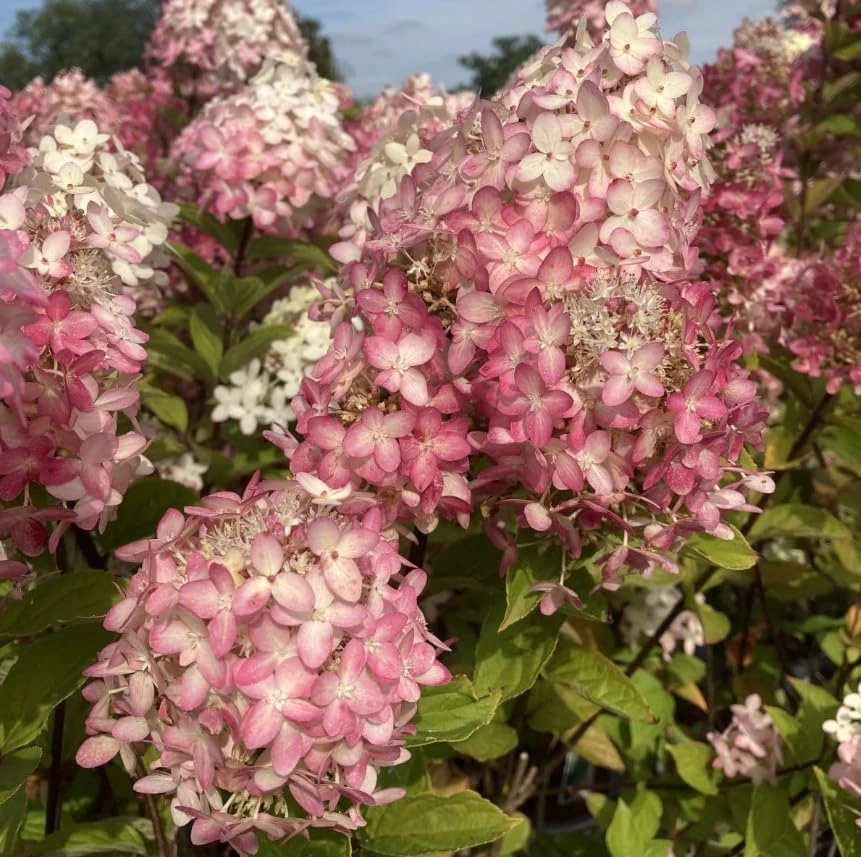
- Spectacular Two-Toned Blooms: Enjoy large, cone-shaped flower clusters that beautifully transition from creamy vanilla white to a rich strawberry pink, providing continuous visual interest and a unique color display throughout the blooming season. This dynamic color change is a hallmark of the two-toned hydrangea live plant.
- Exceptional Cold Hardiness: As a robust Hydrangea paniculata, this shrub is highly cold-hardy, thriving in a wide range of USDA zones and enduring various climate conditions with ease, ensuring its longevity in your garden.
- Extended Bloom Period: This hydrangea delivers a long-lasting show of flowers, blooming profusely from summer all the way through fall, extending the vibrant color in your garden when many other plants have faded.
- Versatile Landscape Use: Perfect as a garden focal point, a striking border plant, or a decorative shrub, it adds vibrant color and texture to any outdoor space, enhancing curb appeal and garden design.
- Low Maintenance & Adaptable: Known for its ease of care, this plant is adaptable to various soil types and light conditions, making hydrangea care tips straightforward for both novice and experienced gardeners.
- Attracts Pollinators: The abundant blooms serve as an excellent nectar source, attracting beneficial pollinators like bees and butterflies to your garden, contributing to a healthier ecosystem.
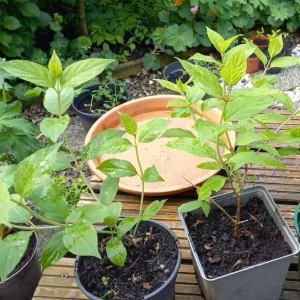
- Established & Ready to Grow: Each plant arrives in a quart-sized pot, well-established and 6-12 inches tall, ensuring a strong start and quick establishment in your garden.
Plant Care & Growing Tips
Caring for your two-toned hydrangea live plant is relatively straightforward, making it an excellent choice for gardeners of all experience levels. To ensure vigorous growth and abundant blooms, proper attention to sunlight, watering, and soil is key. This cold hardy hydrangea thrives in locations that receive full sun to partial shade. Full sun (6+ hours of direct sunlight per day) will encourage the most prolific blooming and vibrant color development, especially in cooler climates. In hotter regions, partial shade, particularly in the afternoon, can help protect the plant from scorching and stress, ensuring the flowers retain their beauty. The ideal amount of sunlight is crucial for the health of your hydrangea paniculata shrub.
When it comes to watering, consistent moisture is important, especially during the establishment period and dry spells. Water deeply and regularly, ensuring the soil remains evenly moist but not waterlogged. Good drainage is essential to prevent root rot. A layer of mulch around the base of the plant can help retain soil moisture, regulate soil temperature, and suppress weeds. This pinky winky hydrangea prefers well-draining, fertile soil. Amend heavy clay soils with organic matter to improve drainage and aeration. For fertilization, a balanced slow-release granular fertilizer applied in early spring can support healthy growth and flowering. Follow the product instructions carefully to avoid over-fertilization. Pruning, typically done in late winter or early spring before new growth begins, can help maintain shape and encourage stronger stems for larger blooms. Remove any dead, damaged, or weak branches. These hydrangea care tips will help your plant flourish.
Size & Details
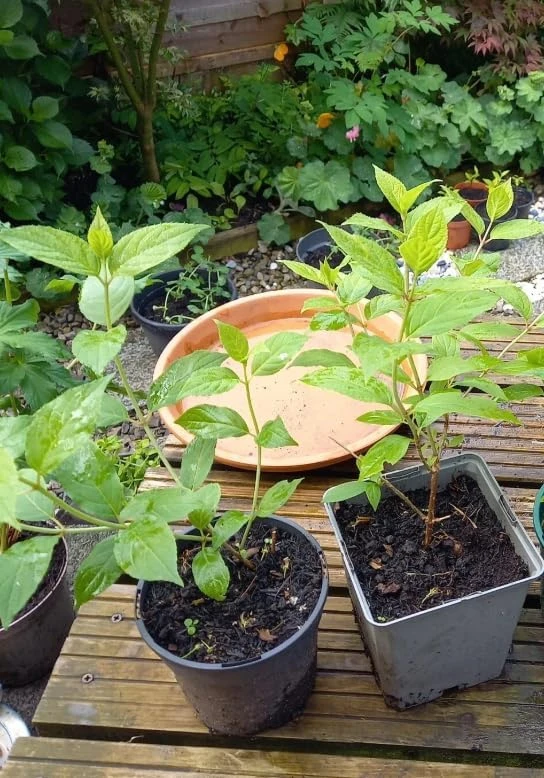
Each two-toned hydrangea live plant is shipped as a robust, well-established specimen in a quart-sized nursery pot. Upon arrival, the plant will typically stand between 6 to 12 inches tall, measured from the soil line, providing a strong foundation for immediate planting and growth in your garden. This size is ideal for quick establishment and allows the plant to begin producing its beautiful blooms in its first or second season.
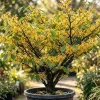
This cold hardy hydrangea is a deciduous shrub, meaning it will lose its leaves in the fall and winter, preparing for new growth in the spring. It has a moderate growth rate and can reach a mature height of 6-8 feet and a similar spread, creating a substantial and impressive presence in the landscape. Expect its first stunning two-toned flowers to appear in late spring to early summer, continuing their display through fall. The plant’s established root system in the quart pot ensures it is ready to thrive and quickly adapt to its new environment, offering beautiful blooms for years to come.
Frequently Asked Questions
- Q: How big does this plant get? A: The two-toned hydrangea live plant typically grows to a mature height of 6-8 feet and can spread equally wide, forming a substantial and attractive shrub in your garden. Its size makes it an excellent focal point.
- Q: What size pot does it come in? A: Each two-toned hydrangea live plant arrives established in a quart-sized nursery pot, standing approximately 6-12 inches tall from the soil line, ready for planting.
- Q: Is this an indoor or outdoor plant? A: This is a cold hardy hydrangea shrub, specifically a Hydrangea paniculata, making it an outdoor plant. It thrives in garden beds and landscapes.
- Q: How much sunlight does it need? A: The hydrangea paniculata shrub prefers full sun to partial shade. In hotter climates, afternoon shade is beneficial to protect the blooms and foliage.
- Q: Is this plant easy to care for? A: Yes, this hydrangea is known for being low-maintenance and adaptable, making it a great choice for gardeners of all experience levels. Following basic hydrangea care tips will ensure its success.
- Q: What condition will it arrive in? A: Your two-toned hydrangea live plant will arrive well-established in its quart pot, carefully packaged to ensure it reaches you healthy and ready for planting.
- Q: How long until it blooms? A: This hydrangea typically blooms from summer through fall, often producing flowers in its first or second season after planting, providing a long-lasting display of color.
- Q: Will it survive winter in my zone? A: As a cold hardy hydrangea, it is robust and can survive winters in a wide range of USDA zones. It is a deciduous shrub, so it will lose its leaves in colder months and re-emerge in spring.
- Q: When is the best time to plant this hydrangea? A: The best time to plant this hydrangea is in spring or early fall, allowing the plant sufficient time to establish its root system before extreme weather conditions.
- Q: What makes this a “two-toned” hydrangea? A: This hydrangea is called “two-toned” because its large flower clusters open a creamy vanilla white and gradually deepen to a rich strawberry pink as they mature throughout the blooming season, creating a beautiful color transition.
Related products
-50%
Original price was: $133.98.$66.99Current price is: $66.99.
-43%
Original price was: $89.99.$50.99Current price is: $50.99.

-60%
Original price was: $53.99.$21.59Current price is: $21.59.
-20%
Original price was: $76.00.$60.80Current price is: $60.80.
PLANTING & CARE
Lemon Tree Growing: Choose, Plant, and Harvest
Learn how to choose, plant, feed, and protect a lemon tree so it fits your
23
Sep
Sep
Dwarf Meyer Lemon Tree Australia: Climate Guide
Learn where dwarf Meyer lemon trees grow, how much cold they tolerate, and whether Australia,
Where to Buy a Dwarf Meyer Lemon Tree: Buyer’s Guide
Find the right dwarf Meyer lemon tree online or locally, compare starter sizes and costs,
Dwarf Meyer Lemon Tree for Sale: Buying Guide
Compare Meyer lemon tree sizes, prices, shipping limits, indoor growing and California options before you
Dwarf Meyer Lemon Tree Guide: Size, Care and Fruit
META: Learn how large a dwarf Meyer lemon tree grows, where it thrives, and how
How to Prune a Dwarf Meyer Lemon Tree
Learn when and how to prune a dwarf Meyer lemon tree, including tools, shaping cuts,
Can You Grow a Dwarf Meyer Lemon Tree in a Pot?
META: Learn how to grow a dwarf Meyer lemon tree in a pot, including container
When Do Dwarf Meyer Lemon Trees Bloom and Fruit?
META: Dwarf Meyer lemon trees usually bloom from winter through spring and may flower again