Improved Chinese Chestnut Tree Live Plant – 24-30″ Tall – Deep Band Pot
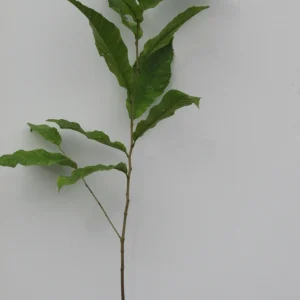
Improved Chinese Chestnut Tree Live Plant – 24-30″ Tall – Deep Band Pot
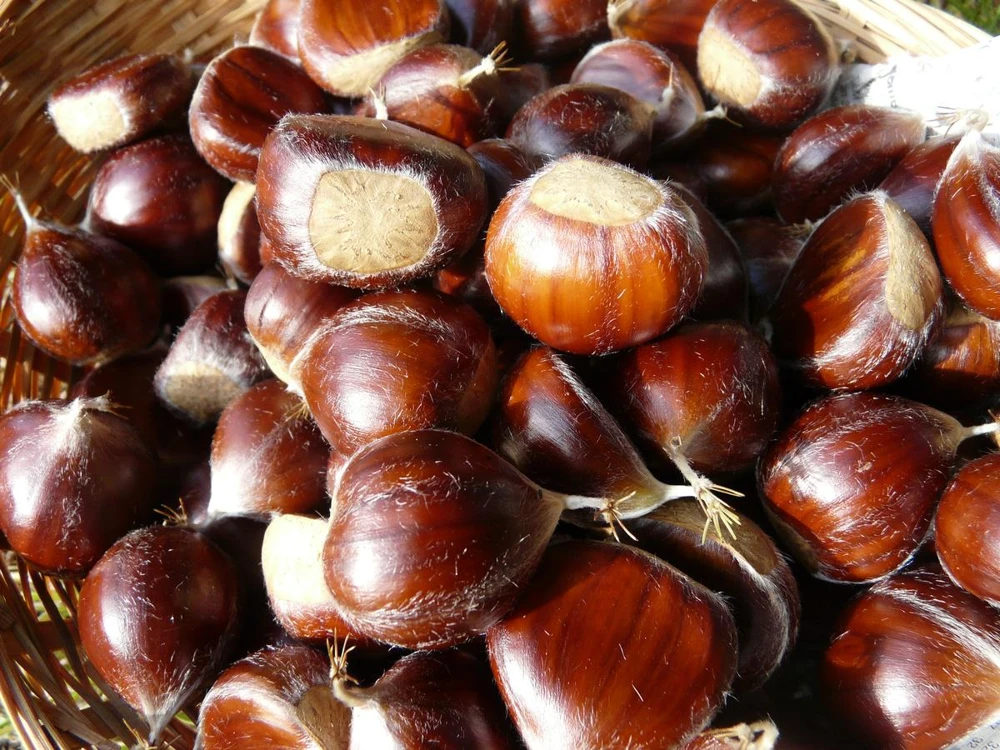
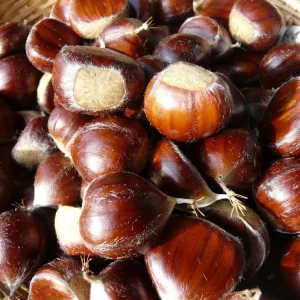
Cultivate your own delicious nuts with this improved Chinese chestnut tree. A fast-growing live plant, it reaches 24-30 inches tall and is grown in a deep band pot, ensuring a well-developed root system. This Chinese chestnut plant is known for its sweet, large nuts and adaptability to various climates.
$1,020.42

With our Alive & Thrive Guarantee, we’ve got your back for the first 30 days! If you have any concerns about your plants, just reach out to us. Our team is here to help answer your questions and guide you in selecting the best plants for your garden, climate, and unique preferences. We're excited to help you create the garden of your dreams!
Estimated arrival
Oct 01
Oct 06 - Oct 08
Oct 11 - Oct 15


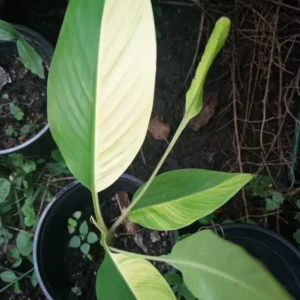
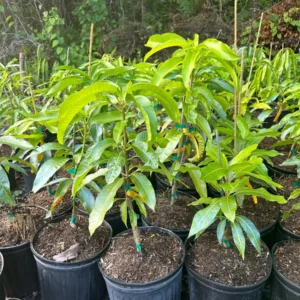
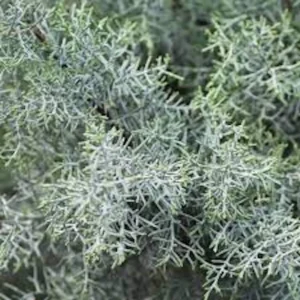
Product Details
-
USDA Hardiness Zone
5 - 9 -
Soil type
Well-draining soil -
Sunlight Exposure
Full sun -
Expected Planting Period
Spring or Fall
Overview
Discover the joy of growing your own edible nuts with the improved Chinese chestnut tree. This robust and fast-growing live plant is a fantastic addition to any garden or homestead, offering both aesthetic beauty and a bountiful harvest. Unlike its American counterpart, the Chinese chestnut is highly resistant to chestnut blight, making it a reliable choice for nut production. Our trees are cultivated in deep band pots, ensuring a strong, well-developed root system that promotes successful transplanting and vigorous growth. This particular variety is celebrated for its ability to produce large, sweet-tasting nuts annually, providing a sustainable food source for both humans and wildlife. With its spreading, rounded canopy, it also offers excellent shade and ornamental value, making it a versatile and rewarding investment for your landscape. Embrace sustainable gardening with this resilient and productive tree.
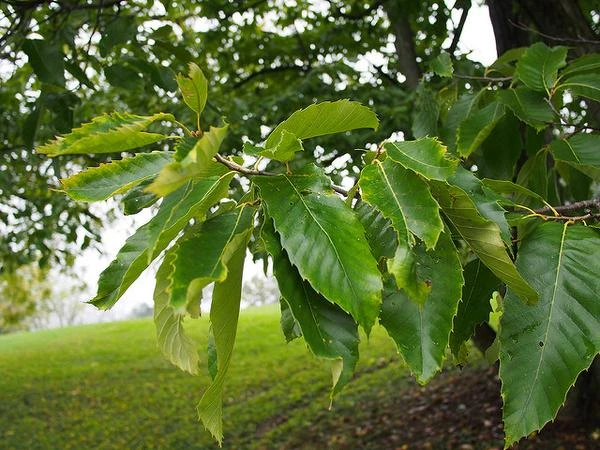
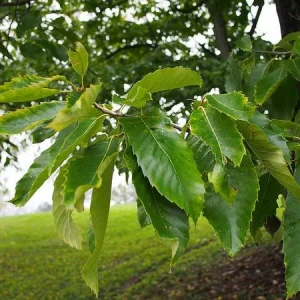
The improved Chinese chestnut tree (Castanea mollissima) is a deciduous tree native to China, highly valued for its delicious nuts and disease resistance. It’s an excellent choice for those looking to add a productive and attractive tree to their property. This live plant is ready to be established in your garden, promising years of healthy growth and abundant yields.
Key Benefits
The improved Chinese chestnut tree offers a multitude of benefits, from its delicious harvest to its ecological contributions. It’s a truly versatile plant that enriches your environment in many ways:
- Abundant Nut Production: Enjoy large, sweet-tasting nuts annually. These nuts are a culinary delight, perfect for roasting, baking, or eating fresh, providing a healthy and delicious food source for your family.
- Disease Resistance: Unlike the American chestnut, this Chinese chestnut plant variety boasts strong resistance to chestnut blight, ensuring a healthier and more productive tree for years to come.
- Drought & Humidity Tolerance: Once established, the tree demonstrates remarkable tolerance to occasional drought, hot summers, and humidity, making it suitable for a wide range of climates and reducing the need for constant watering.
- Wildlife Food Source: The nuts are a highly coveted food source for deer, turkeys, squirrels, and other wildlife, making it an excellent choice for supporting local ecosystems and attracting beneficial animals to your property.
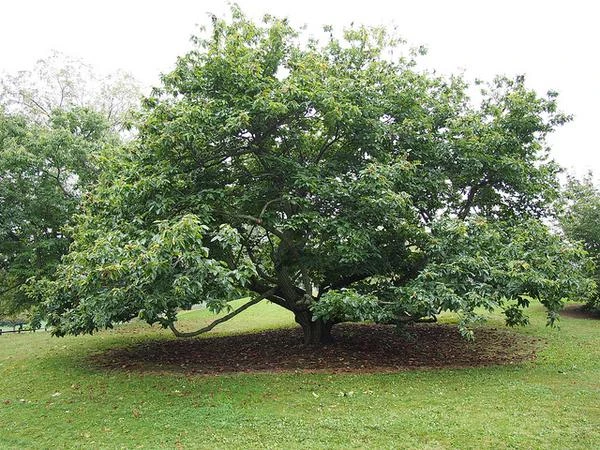
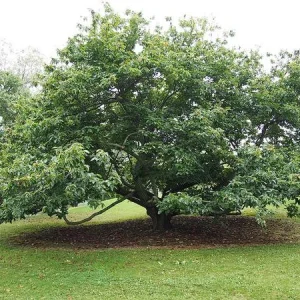
- Fast Growing & Ornamental: The improved Chinese chestnut tree grows quickly, developing a spreading, rounded canopy that provides ample shade and adds significant ornamental value to your landscape, enhancing the beauty of your garden.
- Easy to Grow: This tree is known for its relatively easy care requirements, making it a great option for both experienced gardeners and those new to growing nut trees. Minimal fuss for maximum reward.
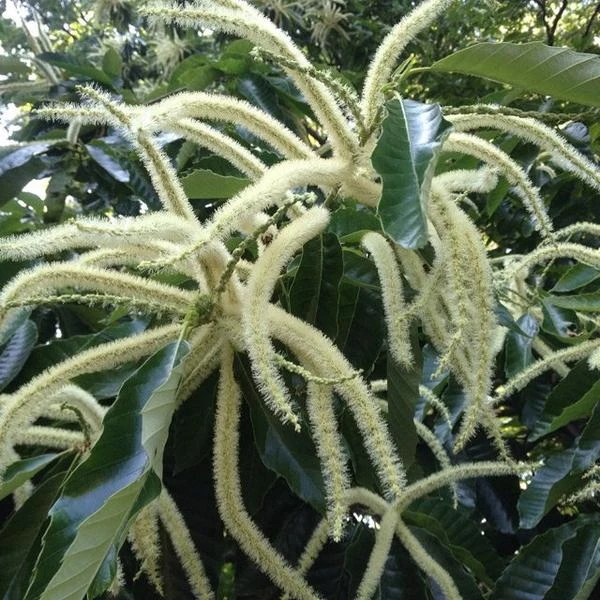
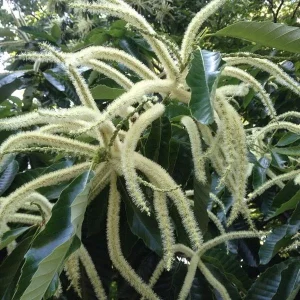
- Cross-Pollination for Higher Yields: Planting two or more trees significantly enhances cross-pollination, leading to a more abundant crop of nuts. This ensures you get the most out of your investment in these valuable trees.
Plant Care & Growing Tips
Caring for your improved Chinese chestnut tree is relatively straightforward, ensuring a healthy and productive plant. These trees thrive in full sun, requiring at least 6-8 hours of direct sunlight daily for optimal growth and nut production. When planting, choose a site with well-draining soil, as chestnuts do not tolerate waterlogged conditions. A slightly acidic to neutral pH (5.5-7.0) is ideal. Dig a hole twice as wide as the root ball and just as deep, ensuring the tree is planted at the same level it was in the pot. Backfill with native soil, gently tamping down to remove air pockets.
Water the young tree regularly during its first few years, especially during dry spells, to help establish its root system. Once established, the drought tolerant tree can withstand periods of drought, but consistent moisture will promote better growth and nut yield. Fertilize in early spring with a balanced, slow-release fertilizer designed for trees. Pruning should focus on removing dead, damaged, or crossing branches to maintain good air circulation and tree structure. Monitor for common pests like Japanese beetles or diseases, though the improved Chinese chestnut tree is generally quite resilient. Ensure adequate spacing between trees (at least 20-30 feet apart) to allow for their mature size and to facilitate cross-pollination for a better harvest of these delicious nuts.
Size & Details
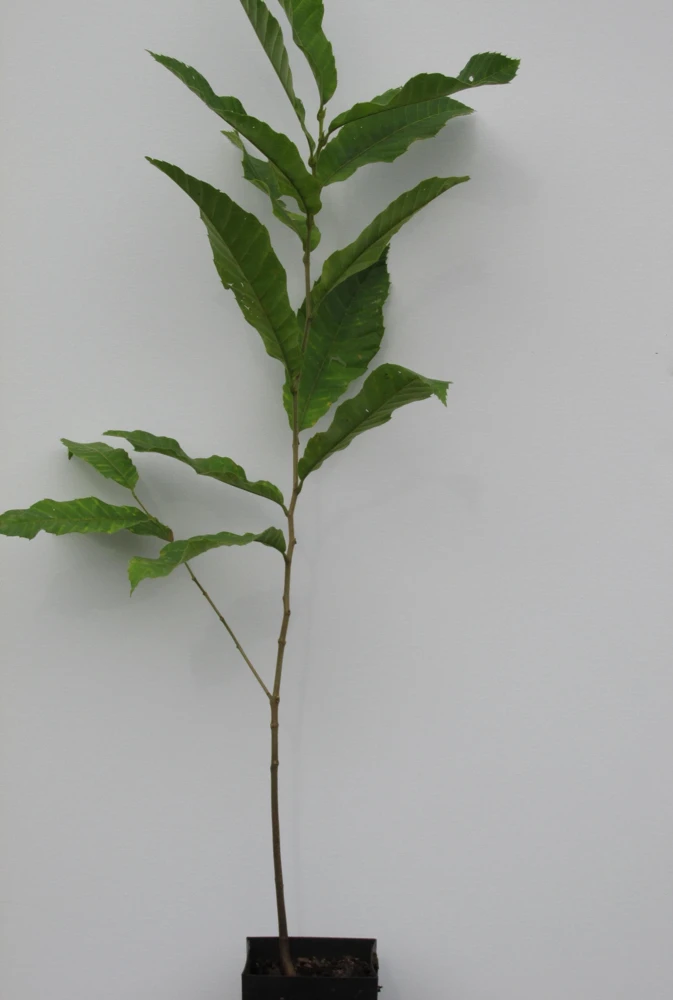
This improved Chinese chestnut tree arrives as a vibrant live plant, measuring an impressive 24 to 30 inches tall from the base of the pot to the tip of its highest branch. It is grown in a 3.5 x 3.5 x 6 inch deep band pot, a specialized container designed to encourage a strong and extensive root system. This robust root development is crucial for the tree’s successful establishment and vigorous growth in your landscape. These trees are known for their fast growth rate, quickly developing into a spreading, rounded canopy once planted in the ground.
Expect your tree to begin producing its large, sweet-tasting nuts annually once it reaches maturity, typically within 3-5 years after planting. This edible nut tree is shipped in its nursery pot with soil, ensuring minimal shock during transit and providing a healthy start for your new addition. It thrives in USDA hardiness zones 5 through 9, making it suitable for a wide range of climates across the US. The mature height can reach 40-60 feet, with a similar spread, so plan your planting location accordingly to allow for its impressive size.
Frequently Asked Questions
- Q: How tall is the improved Chinese chestnut tree when shipped? A: The improved Chinese chestnut tree you will receive is typically 24 to 30 inches tall, measured from the bottom of the pot to the top of the plant. This size ensures a well-established young tree ready for planting.
- Q: What size pot does it come in? A: Our trees are grown and shipped in a 3.5 x 3.5 x 6 inch deep band pot. This type of pot is specifically designed to promote a healthy and extensive root system, which is vital for the tree’s long-term success.
- Q: Is this an indoor or outdoor plant? A: The improved Chinese chestnut tree is an outdoor plant, best suited for planting in your garden, yard, or orchard. It requires ample space and sunlight to thrive and produce nuts.
- Q: How much sunlight does it need? A: For optimal growth and nut production, this tree requires full sun, meaning at least 6-8 hours of direct sunlight per day. Choose a location that receives plenty of unobstructed light.
- Q: Is this tree easy to care for? A: Yes, the improved Chinese chestnut tree is considered relatively easy to grow. Once established, it is quite resilient and tolerant of various conditions, making it suitable for gardeners of different experience levels.
- Q: What condition will it arrive in? A: Your tree will arrive as a live plant, carefully packaged in its deep band pot with soil, ensuring it is well-hydrated and protected during transit. We prioritize healthy delivery for your new wildlife food source tree.
- Q: How long until it produces nuts? A: Typically, the improved Chinese chestnut tree will start producing nuts within 3-5 years after planting, depending on growing conditions and care. Planting two or more trees will significantly increase your yield due to cross-pollination.
- Q: Will it survive winter in my zone? A: This tree is hardy in USDA Zones 5 through 9, meaning it can withstand winter temperatures in these regions. Ensure you are within these zones for successful long-term growth.
- Q: What’s the minimum temperature it can tolerate? A: The improved Chinese chestnut tree is cold-hardy down to USDA Zone 5, which typically experiences minimum winter temperatures between -20°F and -10°F (-29°C to -23°C).
- Q: Do I need more than one tree for nut production? A: While a single tree may produce some nuts, planting two or more improved Chinese chestnut tree specimens is highly recommended for cross-pollination. This will lead to a much more abundant and consistent crop of nuts.
Related products
-36%
Original price was: $279.98.$179.98Current price is: $179.98.
-10%
Original price was: $79.90.$71.90Current price is: $71.90.
-10%
Original price was: $65.00.$58.50Current price is: $58.50.
-20%
Original price was: $90.00.$72.00Current price is: $72.00.
PLANTING & CARE
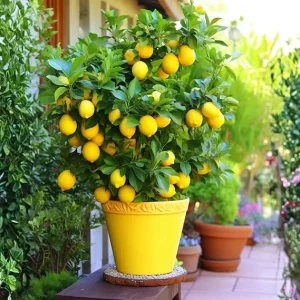
Lemon Tree Growing: Choose, Plant, and Harvest
Learn how to choose, plant, feed, and protect a lemon tree so it fits your
23
Sep
Sep
Dwarf Meyer Lemon Tree Australia: Climate Guide
Learn where dwarf Meyer lemon trees grow, how much cold they tolerate, and whether Australia,
Where to Buy a Dwarf Meyer Lemon Tree: Buyer’s Guide
Find the right dwarf Meyer lemon tree online or locally, compare starter sizes and costs,
Dwarf Meyer Lemon Tree for Sale: Buying Guide
Compare Meyer lemon tree sizes, prices, shipping limits, indoor growing and California options before you
Dwarf Meyer Lemon Tree Guide: Size, Care and Fruit
META: Learn how large a dwarf Meyer lemon tree grows, where it thrives, and how
How to Prune a Dwarf Meyer Lemon Tree
Learn when and how to prune a dwarf Meyer lemon tree, including tools, shaping cuts,
Can You Grow a Dwarf Meyer Lemon Tree in a Pot?
META: Learn how to grow a dwarf Meyer lemon tree in a pot, including container
When Do Dwarf Meyer Lemon Trees Bloom and Fruit?
META: Dwarf Meyer lemon trees usually bloom from winter through spring and may flower again