Inca II Yellow Marigold Seeds – Edible, Open-Pollinating, Dwarf, Cold & Drought Resistant
-50%

Inca II Yellow Marigold Seeds – Edible, Open-Pollinating, Dwarf, Cold & Drought Resistant
Discover the beauty and versatility of Inca II Yellow Marigold seeds. These edible marigold seeds are open-pollinating, producing charming dwarf plants that are both cold and drought resistant. Ideal for spring planting, they add a splash of vibrant yellow to your garden.
Original price was: $15.16.$7.58Current price is: $7.58.

With our Alive & Thrive Guarantee, we’ve got your back for the first 30 days! If you have any concerns about your plants, just reach out to us. Our team is here to help answer your questions and guide you in selecting the best plants for your garden, climate, and unique preferences. We're excited to help you create the garden of your dreams!
Estimated arrival
Oct 08
Oct 13 - Oct 15
Oct 18 - Oct 22


Product Details
-
USDA Hardiness Zone
Annual (grows in all zones as an annual) -
Soil type
Well-draining soil -
Sunlight Exposure
Full sun -
Expected Planting Period
Spring (after last frost)
Overview
Cultivate a garden bursting with sunshine using Inca II Yellow Marigold seeds. These exceptional seeds promise to transform your outdoor space with their cheerful, bright yellow blooms. Known for their robust nature, these marigolds are not just ornamental; they are also edible, making them a fantastic dual-purpose addition to your garden and kitchen. As an open-pollinating variety, gardeners can save seeds for future seasons, ensuring a continuous supply of these delightful flowers. Their dwarf stature makes them perfect for borders, containers, or smaller garden beds, providing a compact yet impactful display of color.
The Inca II Yellow Marigold is celebrated for its resilience, offering both cold and drought resistance, which means less worry for you and more vibrant blooms throughout the growing season. Whether you’re a seasoned gardener or just starting, these seeds provide an easy and rewarding growing experience. Plant them in spring, and watch as these cheerful flowers emerge, attracting beneficial pollinators and adding beauty wherever they grow. Their bright hue and sturdy growth habit make them a garden staple.
Key Benefits
Growing Inca II Yellow Marigold seeds offers a multitude of advantages for any gardener, combining aesthetic appeal with practical benefits. These seeds are a fantastic choice for enhancing your garden’s biodiversity and visual charm.
- Vibrant Yellow Blooms: Enjoy a continuous display of bright, cheerful yellow flowers that instantly uplift any garden space, from flower beds to patio containers. These blooms are known for their long-lasting color.
- Edible Flowers: Add a gourmet touch to your culinary creations. The petals of these marigolds are edible, perfect for garnishing salads, desserts, or adding a unique flavor to various dishes.
- Dwarf Growth Habit: Ideal for small spaces, container gardening, or creating neat borders, these dwarf plants maintain a compact size without sacrificing bloom production, making them perfect for urban gardeners.
- Open-Pollinating: Save your own seeds year after year. Being open-pollinating allows you to preserve the genetic integrity of these beautiful flowers and ensure a sustainable garden.
- Drought Resistant: Once established, these marigolds can withstand periods of dry weather, making them a low-maintenance option for water-wise gardening and busy schedules.
- Cold Resistant: Exhibiting good tolerance to cooler temperatures, these plants extend their blooming season, providing color even as other annuals fade. This resilience contributes to their reputation as drought resistant marigolds and cold resistant marigolds.
- Attracts Pollinators: The bright flowers are a magnet for bees, butterflies, and other beneficial pollinators, contributing to the health and productivity of your entire garden ecosystem.
Plant Care & Growing Tips
Cultivating Inca II Yellow Marigold seeds is a straightforward process, making them suitable for gardeners of all experience levels. These resilient plants thrive with minimal fuss, provided their basic needs are met. For optimal growth and prolific blooms, understanding their preferred conditions is key to ensuring your dwarf marigold seeds flourish.
Marigolds, especially the Inca II Yellow variety, are sun-lovers. They require full sun exposure, meaning at least 6-8 hours of direct sunlight per day, to produce their best blooms. While they can tolerate partial shade, too little sun will result in leggy growth and fewer flowers. When it comes to soil, they are not overly particular but prefer well-draining soil. A rich, loamy soil amended with compost will provide the best results, but they can adapt to average garden soils. Avoid heavy, waterlogged soils, as this can lead to root rot.
Watering should be consistent, especially during dry spells or when plants are young. Once established, these cold resistant marigolds become quite drought tolerant, requiring less frequent watering. Allow the top inch or two of soil to dry out between waterings to prevent overwatering. Fertilization is generally not heavily needed; an initial application of a balanced, slow-release fertilizer at planting time or a light feeding with a liquid fertilizer every few weeks will suffice. Deadheading spent blooms regularly will encourage more flowers and maintain the plant’s tidy appearance. These marigolds are generally pest-resistant, but occasional monitoring for common garden pests is always a good practice.
Size & Details
The Inca II Yellow Marigold is a compact and robust annual flower grown from Inca II Yellow Marigold seeds. These dwarf plants typically reach a mature height of approximately 8-12 inches (20-30 cm) and spread about 6-10 inches (15-25 cm) wide, making them ideal for front borders, container gardening, or window boxes. The seeds are open-pollinating, allowing for seed saving and propagation. Expect vibrant yellow, medium-sized blooms that stand out against dark green foliage.
These marigolds have a relatively fast growth rate, with germination usually occurring within 7-14 days under optimal conditions. They typically begin to bloom within 8-10 weeks after planting, providing continuous color from late spring through fall until the first hard frost. The seeds are shipped in a protective packet, ready for planting. Their resilience as drought resistant marigolds and cold resistant marigolds makes them a reliable choice for diverse climates.
Frequently Asked Questions
- Q: How big do Inca II Yellow Marigolds get? A: These are dwarf marigolds, typically growing to a compact height of 8-12 inches and spreading 6-10 inches wide. They are excellent for small spaces and containers.
- Q: Are these marigold seeds easy to grow for beginners? A: Yes, Inca II Yellow Marigold seeds are known for their ease of cultivation. They are quite forgiving and resilient, making them a great choice for novice gardeners.
- Q: How much sunlight do Inca II Yellow Marigolds need? A: For the best blooming performance, these marigolds require full sun, meaning at least 6-8 hours of direct sunlight per day.
- Q: Can I really eat the flowers of these marigolds? A: Yes, the Inca II Yellow Marigold produces edible flowers. The petals can be used to add color and a mild, slightly citrusy flavor to salads and other dishes.
- Q: When is the best time to plant Inca II Yellow Marigold seeds? A: The ideal time to plant these seeds is in the spring, after the danger of the last frost has passed, when soil temperatures have warmed up.
- Q: Are these marigolds drought resistant? A: Yes, once established, Inca II Yellow Marigolds are quite drought resistant, making them a good option for gardens in drier climates or for those seeking low-maintenance plants. This is one of the key benefits of these drought resistant marigolds.
- Q: Will these marigolds attract pollinators to my garden? A: Absolutely! The bright yellow blooms are very attractive to beneficial pollinators like bees and butterflies, helping to support local ecosystems.
- Q: Can I save seeds from these plants for next year? A: Yes, since these are open-pollinating seeds, you can collect seeds from mature, dried flower heads to plant in subsequent seasons. This ensures you can continue to grow these wonderful edible marigold seeds.
- Q: What kind of soil do these marigolds prefer? A: They thrive in well-draining soil, ideally a rich, loamy mix. Avoid heavy, waterlogged conditions to prevent root issues.
- Q: Are these marigolds cold resistant? A: Yes, these marigolds exhibit good cold resistance, allowing them to tolerate cooler temperatures and extend their blooming period longer than many other annuals in the fall. They are known as cold resistant marigolds for this reason.
Related products
-50%

Original price was: $23.96.$11.98Current price is: $11.98.
-50%
Original price was: $95.96.$47.98Current price is: $47.98.
-15%
From Original price was: $28.00.$23.80Current price is: $23.80.
-50%
Original price was: $95.96.$47.98Current price is: $47.98.
-50%
Original price was: $23.96.$11.98Current price is: $11.98.
-50%

Original price was: $23.96.$11.98Current price is: $11.98.
-50%
From Original price was: $55.60.$27.80Current price is: $27.80.
PLANTING & CARE
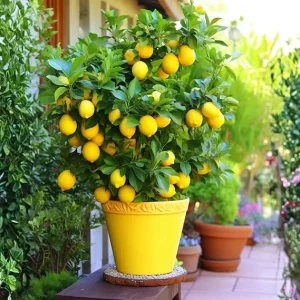
Lemon Tree Growing: Choose, Plant, and Harvest
Learn how to choose, plant, feed, and protect a lemon tree so it fits your
23
Sep
Sep
Dwarf Meyer Lemon Tree Australia: Climate Guide
Learn where dwarf Meyer lemon trees grow, how much cold they tolerate, and whether Australia,
Where to Buy a Dwarf Meyer Lemon Tree: Buyer’s Guide
Find the right dwarf Meyer lemon tree online or locally, compare starter sizes and costs,
Dwarf Meyer Lemon Tree for Sale: Buying Guide
Compare Meyer lemon tree sizes, prices, shipping limits, indoor growing and California options before you
Dwarf Meyer Lemon Tree Guide: Size, Care and Fruit
META: Learn how large a dwarf Meyer lemon tree grows, where it thrives, and how
How to Prune a Dwarf Meyer Lemon Tree
Learn when and how to prune a dwarf Meyer lemon tree, including tools, shaping cuts,
Can You Grow a Dwarf Meyer Lemon Tree in a Pot?
META: Learn how to grow a dwarf Meyer lemon tree in a pot, including container
When Do Dwarf Meyer Lemon Trees Bloom and Fruit?
META: Dwarf Meyer lemon trees usually bloom from winter through spring and may flower again