Indian Chief Iris Rhizome – Deep Blood-Red & Bronze Flowers, 2-3 ft Tall Bare Root Plant
-10%
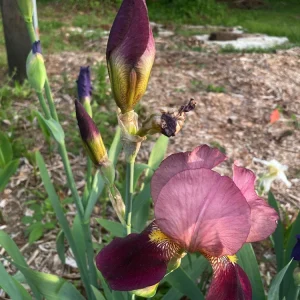
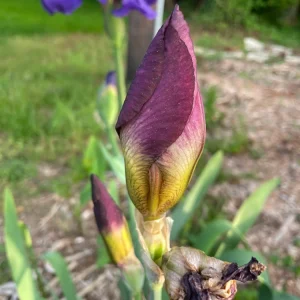
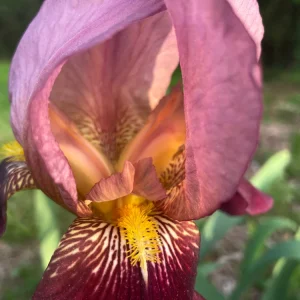
Indian Chief Iris Rhizome – Deep Blood-Red & Bronze Flowers, 2-3 ft Tall Bare Root Plant
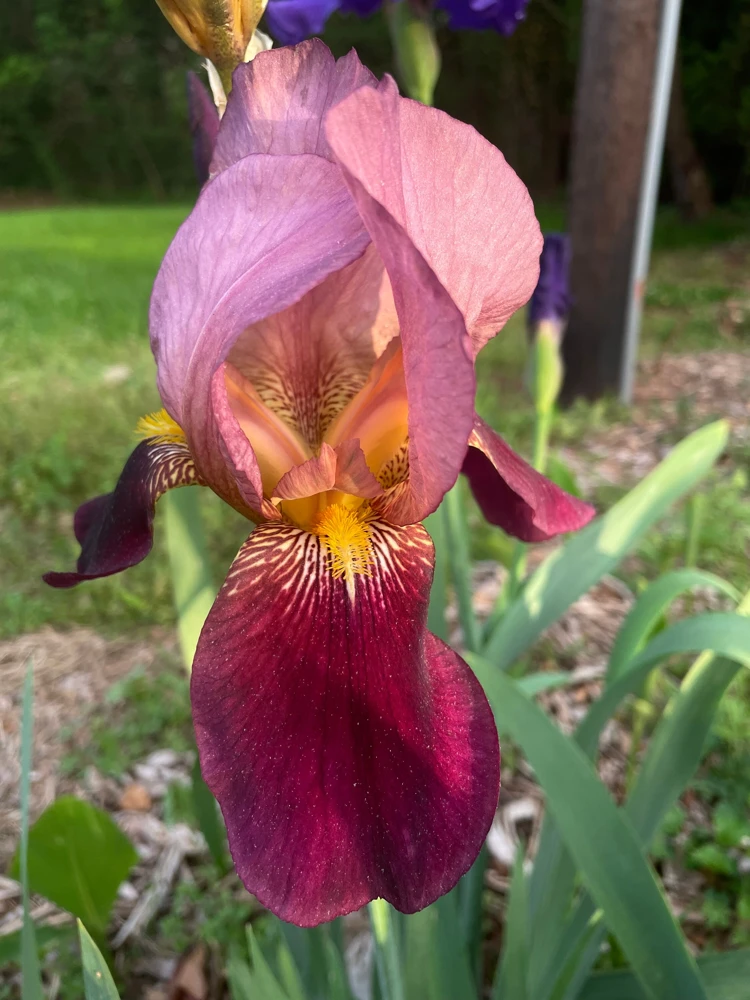
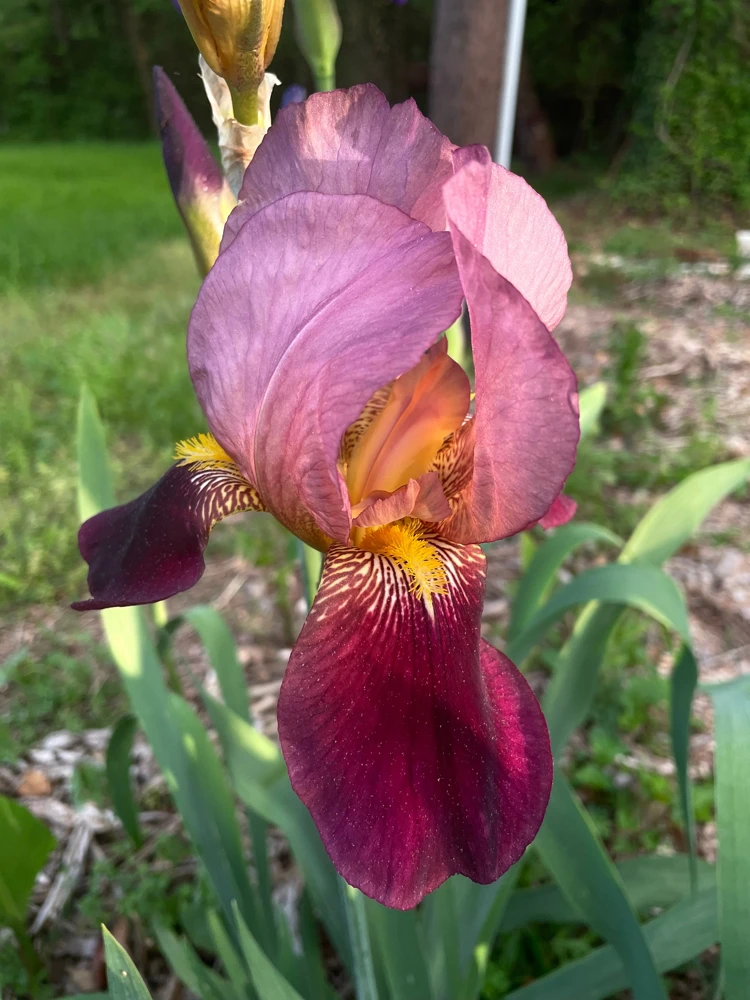
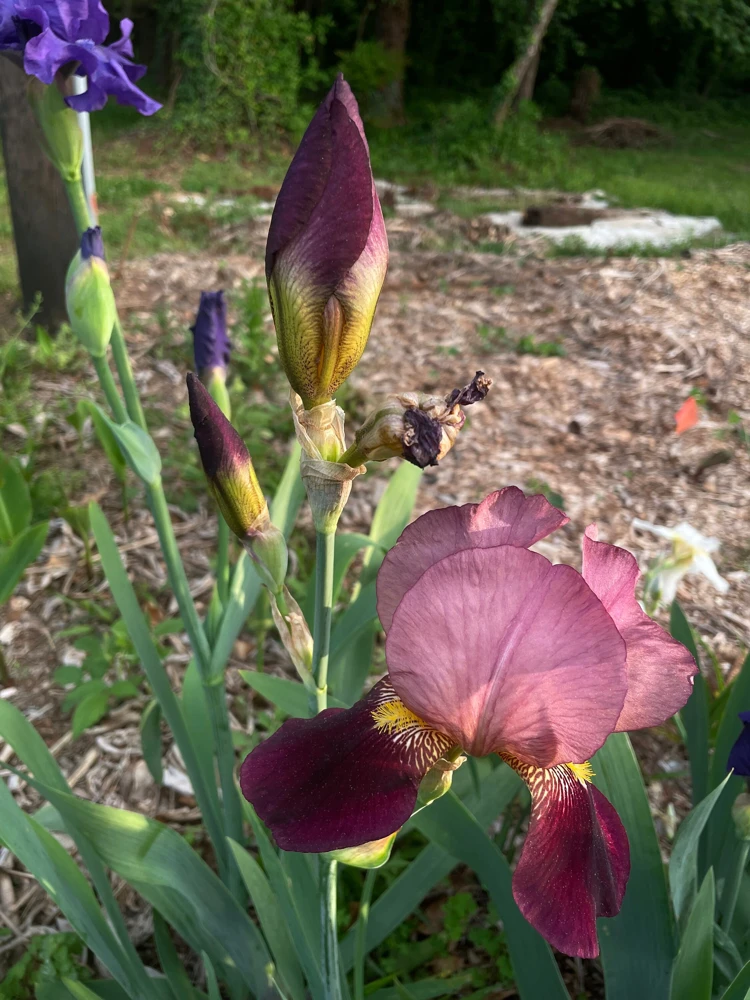
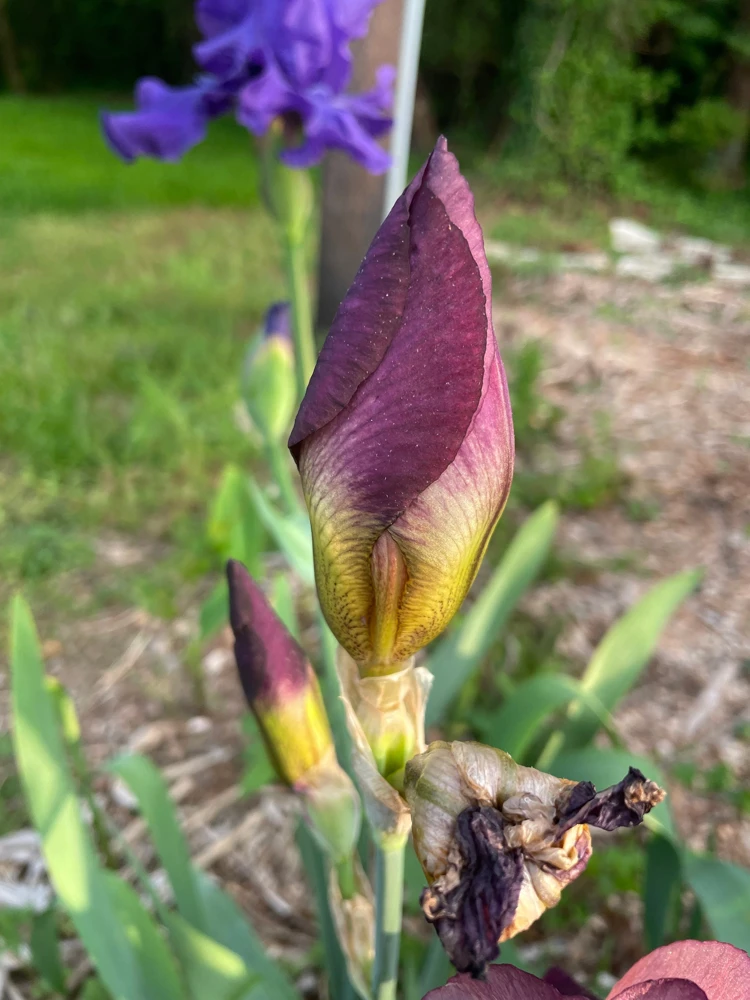
Introduce vibrant color to your garden with the Indian Chief Iris Rhizome. This unique bare root plant produces striking bi-color flowers in deep blood-red and bronze, reaching 2-3 feet tall. Ideal for full to partial sun exposure.
Original price was: $466.02.$419.38Current price is: $419.38.

With our Alive & Thrive Guarantee, we’ve got your back for the first 30 days! If you have any concerns about your plants, just reach out to us. Our team is here to help answer your questions and guide you in selecting the best plants for your garden, climate, and unique preferences. We're excited to help you create the garden of your dreams!
Estimated arrival
Nov 12
Nov 17 - Nov 19
Nov 22 - Nov 26
Product Details
-
USDA Hardiness Zone
4-9 -
Soil type
Well-draining soil -
Sunlight Exposure
Full sun to partial sun -
Expected Planting Period
Spring to Fall
Overview
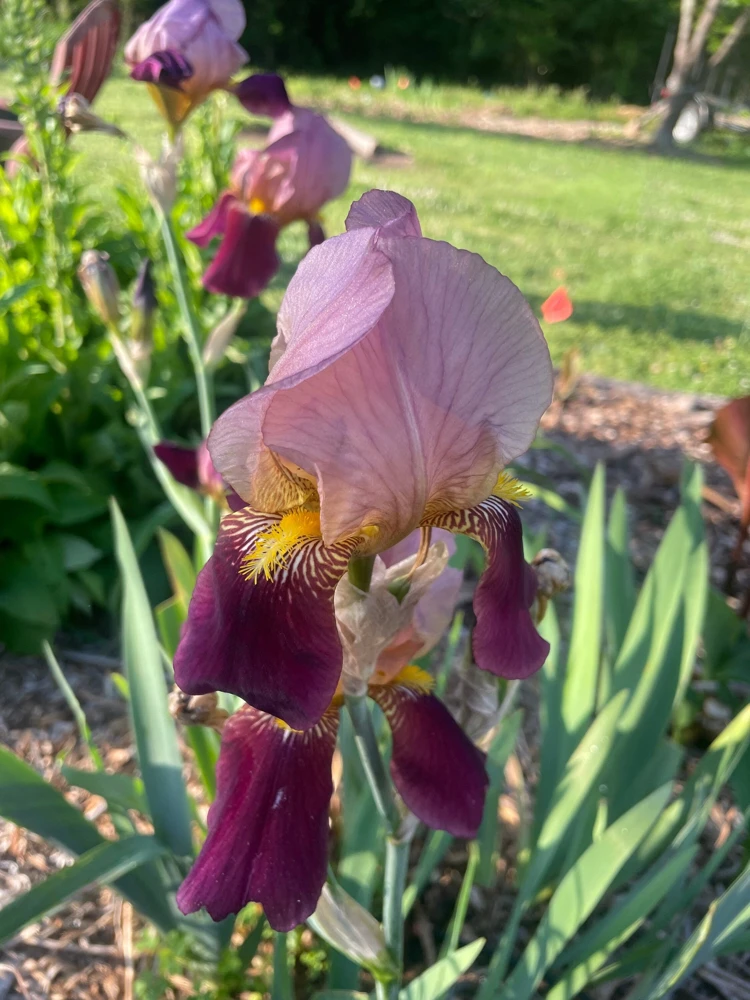
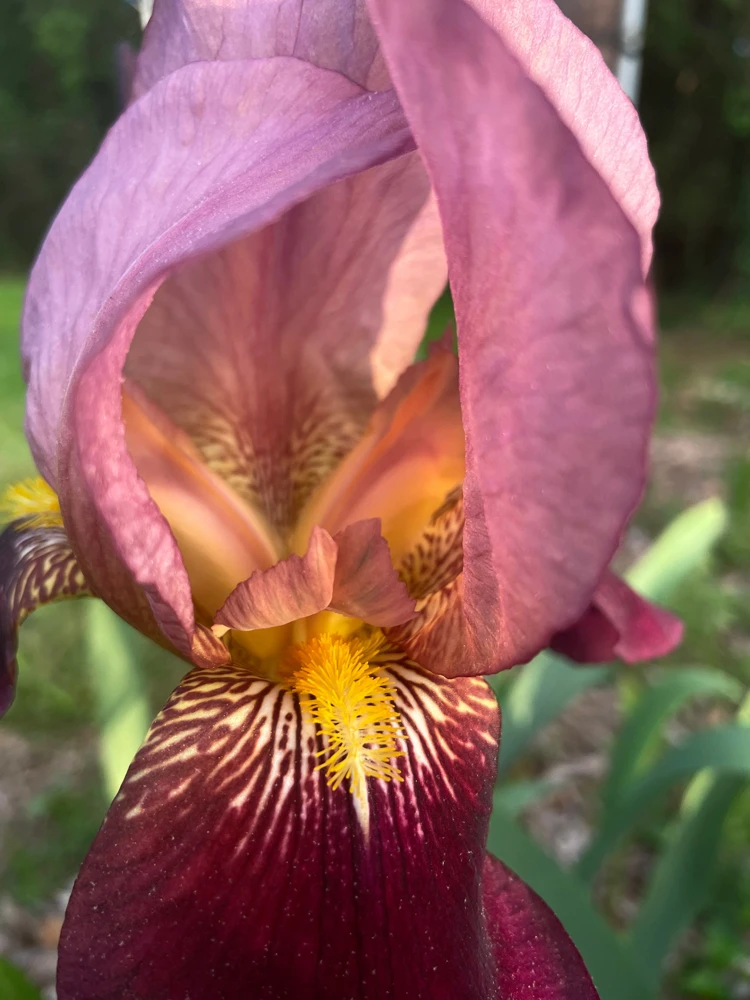
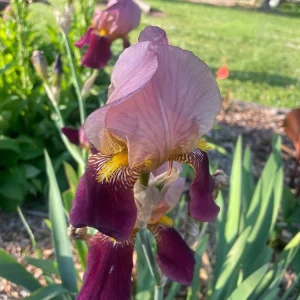
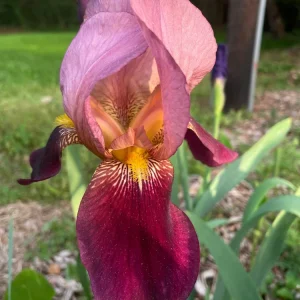
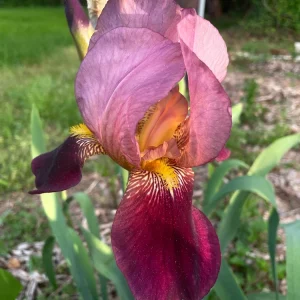
Transform your garden into a spectacle of color with the magnificent Indian Chief Iris Rhizome. This bare root plant is celebrated for its dramatic deep blood-red and bronze bi-color flowers, making it a standout addition to any landscape. The velvety falls display an intense blood-red hue mixed with bronze, while the standards are considerably lighter, creating a captivating contrast. Known for its robust growth and striking appearance, the Indian Chief Iris is a popular choice for gardeners seeking to add a touch of elegance and visual interest. As a perennial flower, it returns year after year, providing reliable beauty with relatively minimal effort once established. This particular variety of bi-color iris plant is a true showstopper, perfect for creating impactful garden borders, mass plantings, or as a focal point in a mixed perennial bed.
Shipping as a bare root plant, the Indian Chief Iris Rhizome is ready to be planted directly into your garden. While it may appear dormant upon arrival, this is a natural state for bare root specimens, allowing them to acclimate and establish quickly once planted. With proper care and patience, this iris will reward you with its spectacular blooms, typically thriving and reaching its full potential within two years after rooting into the soil. Its unique color combination of deep reds and bronzes ensures it will be a talking point in your garden throughout its blooming season.
Key Benefits
The Indian Chief Iris Rhizome offers numerous benefits for both novice and experienced gardeners, enhancing any outdoor space with its distinctive charm and resilience.
- Dramatic Bi-Color Blooms: Enjoy the stunning visual impact of deep blood-red falls blended with bronze, complemented by lighter standards. This unique color palette ensures your garden stands out. The vibrant hues of this red and bronze iris create a focal point wherever it’s planted.
- Low Maintenance Perennial: Once established, this iris is remarkably hardy and requires minimal ongoing care, making it an excellent choice for busy gardeners. It’s a resilient plant that thrives with basic attention.
- Extended Blooming Season: Provides a spectacular display of flowers in spring, adding a burst of color when many other plants are just beginning to emerge. This prolonged bloom period enhances garden appeal.
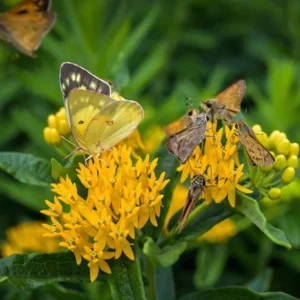
- Attracts Pollinators: The vibrant flowers naturally attract beneficial pollinators like bees and butterflies, contributing to a healthier garden ecosystem and promoting biodiversity.
- Versatile Landscape Use: Perfect for borders, rock gardens, mass plantings, or as a striking specimen plant. Its upright growth habit and impressive height make it suitable for various garden designs.
- Drought Tolerant: Once established, the Indian Chief Iris Rhizome is quite tolerant of dry conditions, reducing the need for frequent watering and making it a water-wise choice for many climates.
- Excellent Cut Flowers: The beautiful blooms make exquisite cut flowers, allowing you to bring the beauty of your garden indoors to adorn your home.
Plant Care & Growing Tips
Caring for your Indian Chief Iris Rhizome is straightforward, ensuring years of beautiful blooms. This perennial thrives with attention to its specific needs for sunlight, soil, and water. Understanding proper bearded iris care is key to its success.
For optimal growth, plant your Indian Chief Iris Rhizome in a location that receives full sun (at least 6+ hours daily). While it can tolerate partial sun, full sun exposure promotes the most vigorous growth and abundant flowering. Good air circulation around the plants is also beneficial to prevent fungal issues. The most crucial aspect of soil is excellent drainage. Iris rhizomes are prone to rot in waterlogged conditions, so avoid areas where water tends to collect. A well-draining soil, possibly amended with sand or grit if your native soil is heavy clay, is ideal. The plant is hardy in USDA zones 4-9.
When it comes to planting, ensure the rhizome is placed just at the soil surface, with the top slightly exposed. Space plants 12 to 18 inches apart to allow for proper air circulation and growth. After planting iris bare root, water thoroughly to settle the soil around the roots. Keep the soil lightly moist during the establishment period, but be careful not to overwater. Once established, irises are quite drought-tolerant and prefer less frequent, deep watering. Fertilize sparingly; too much nitrogen can encourage foliage growth at the expense of flowers. A low-nitrogen fertilizer applied in early spring can be beneficial. Trim damaged leaves after shipping, as new shoots will emerge as the plant roots.
Size & Details
The Indian Chief Iris Rhizome typically grows to an approximate height of 2 to 3 feet, creating a prominent display in your garden. This perennial flower produces impressive bi-color blooms that are a captivating blend of deep blood-red and bronze. Each bare root rhizome is carefully prepared for shipping, ensuring it arrives ready for planting. While it will be cut back for transport and may appear weakened, it will recover and establish within several weeks after transplanting. Expect your iris to begin to thrive and produce its signature flowers in the second year after planting, as it fully roots and settles into the soil. With a spacing requirement of about 1 foot between plants, or planted in groups, this iris will form a beautiful, dense clump of foliage and flowers, enhancing your garden’s aesthetic for many seasons to come.
Frequently Asked Questions
- Q: How big does the Indian Chief Iris get? A: The Indian Chief Iris Rhizome typically grows to an impressive height of 2 to 3 feet (approximately 24-36 inches) tall, making it a prominent feature in garden beds and borders. Its upright growth habit adds vertical interest to your landscape.
- Q: Is this an indoor or outdoor plant? A: The Indian Chief Iris Rhizome is an outdoor perennial plant, best suited for garden beds, borders, and landscaping. It thrives when planted directly in the ground where it can receive adequate sunlight and establish its root system.
- Q: How much sunlight does the Indian Chief Iris need? A: This iris requires full sun exposure, meaning at least 6 or more hours of direct sunlight per day, for optimal growth and flowering. It can tolerate partial sun, but full sun encourages the most vibrant blooms and robust plant health.
- Q: Is this plant easy to care for? A: Yes, once established, the Indian Chief Iris Rhizome is considered relatively easy to care for. It’s a hardy perennial that tolerates a range of conditions, particularly enjoying well-draining soil and ample sunlight. Following basic bearded iris care guidelines will ensure its success.
- Q: What condition will the Indian Chief Iris arrive in? A: The plant will arrive as a bare root rhizome, cut back for shipping. It may appear dormant or stressed from transit, which is normal for bare root plants. Soaking the roots before planting and providing proper care will aid in its recovery and establishment.
- Q: How long until it blooms after planting? A: While the plant will focus on rooting and establishing in its first year, you can typically expect your Indian Chief Iris Rhizome to produce its beautiful deep blood-red and bronze blooms in its second year after planting. Patience and good care will lead to spectacular rewards.
- Q: What is the best time for planting iris bare root? A: The ideal time for planting iris bare root is typically in late summer to early fall, allowing the plant to establish its root system before winter. However, spring planting is also possible in many regions, especially after the last frost.
- Q: Will this red and bronze iris survive winter in my zone? A: The Indian Chief Iris Rhizome is hardy in USDA Zones 4-9, meaning it is well-equipped to survive winter in these regions. In colder zones (4-5), providing a layer of mulch for winter protection can be beneficial.
- Q: What kind of soil is best for the Indian Chief Iris? A: Well-draining soil is crucial for the Indian Chief Iris Rhizome to prevent root rot. Loamy or sandy soil types with good drainage are ideal. Avoid heavy clay soils that retain too much moisture.
- Q: Does this bi-color iris plant attract pollinators? A: Yes, the vibrant and open flowers of the bi-color iris plant are known to attract various pollinators, including bees and butterflies, which are essential for a healthy garden ecosystem.
Related products
-55%
Original price was: $79.98.$35.99Current price is: $35.99.
-66%
Original price was: $56.97.$19.34Current price is: $19.34.
-67%
Original price was: $66.72.$22.24Current price is: $22.24.
-20%
Original price was: $31.98.$25.58Current price is: $25.58.
-30%
Original price was: $63.98.$44.78Current price is: $44.78.
PLANTING & CARE
Lemon Tree Growing: Choose, Plant, and Harvest
Learn how to choose, plant, feed, and protect a lemon tree so it fits your
23
Sep
Sep
Dwarf Meyer Lemon Tree Australia: Climate Guide
Learn where dwarf Meyer lemon trees grow, how much cold they tolerate, and whether Australia,
Where to Buy a Dwarf Meyer Lemon Tree: Buyer’s Guide
Find the right dwarf Meyer lemon tree online or locally, compare starter sizes and costs,
Dwarf Meyer Lemon Tree for Sale: Buying Guide
Compare Meyer lemon tree sizes, prices, shipping limits, indoor growing and California options before you
Dwarf Meyer Lemon Tree Guide: Size, Care and Fruit
META: Learn how large a dwarf Meyer lemon tree grows, where it thrives, and how
How to Prune a Dwarf Meyer Lemon Tree
Learn when and how to prune a dwarf Meyer lemon tree, including tools, shaping cuts,
Can You Grow a Dwarf Meyer Lemon Tree in a Pot?
META: Learn how to grow a dwarf Meyer lemon tree in a pot, including container
When Do Dwarf Meyer Lemon Trees Bloom and Fruit?
META: Dwarf Meyer lemon trees usually bloom from winter through spring and may flower again