Insulin Plant Roots – Pack of 3 Fresh Herbal Bare Roots, 5 Inch Long
-50%
Insulin Plant Roots – Pack of 3 Fresh Herbal Bare Roots, 5 Inch Long
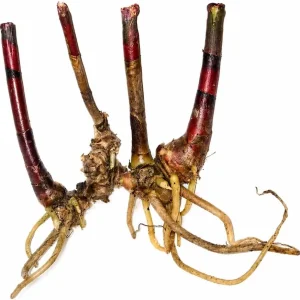
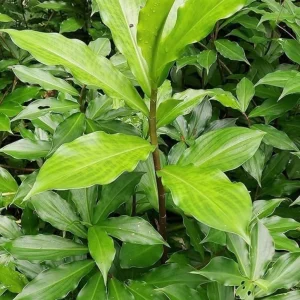
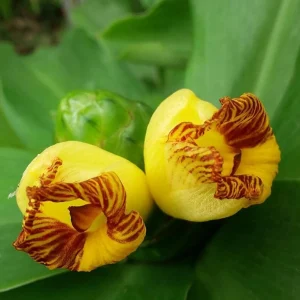
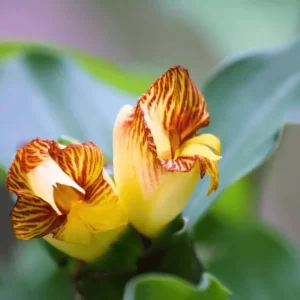
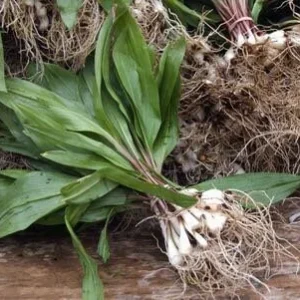
Start your own insulin plant (Costus igneus) garden with this pack of 3 fresh, approximately 5-inch long bare roots. These fresh insulin plant roots are ready for direct planting and thrive in warm, tropical conditions, making them perfect for containers or garden beds.
Original price was: $27.98.$13.99Current price is: $13.99.

With our Alive & Thrive Guarantee, we’ve got your back for the first 30 days! If you have any concerns about your plants, just reach out to us. Our team is here to help answer your questions and guide you in selecting the best plants for your garden, climate, and unique preferences. We're excited to help you create the garden of your dreams!
Estimated arrival
Nov 03
Nov 08 - Nov 10
Nov 13 - Nov 17
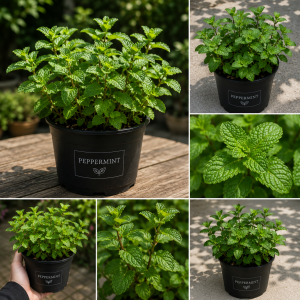
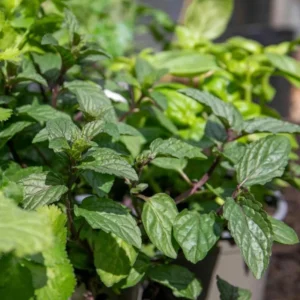

Product Details
-
USDA Hardiness Zone
USDA zones 9–11 -
Soil type
Well-draining, rich potting mix -
Sunlight Exposure
Bright indirect light to partial shade -
Expected Planting Period
Spring to early summer
Overview
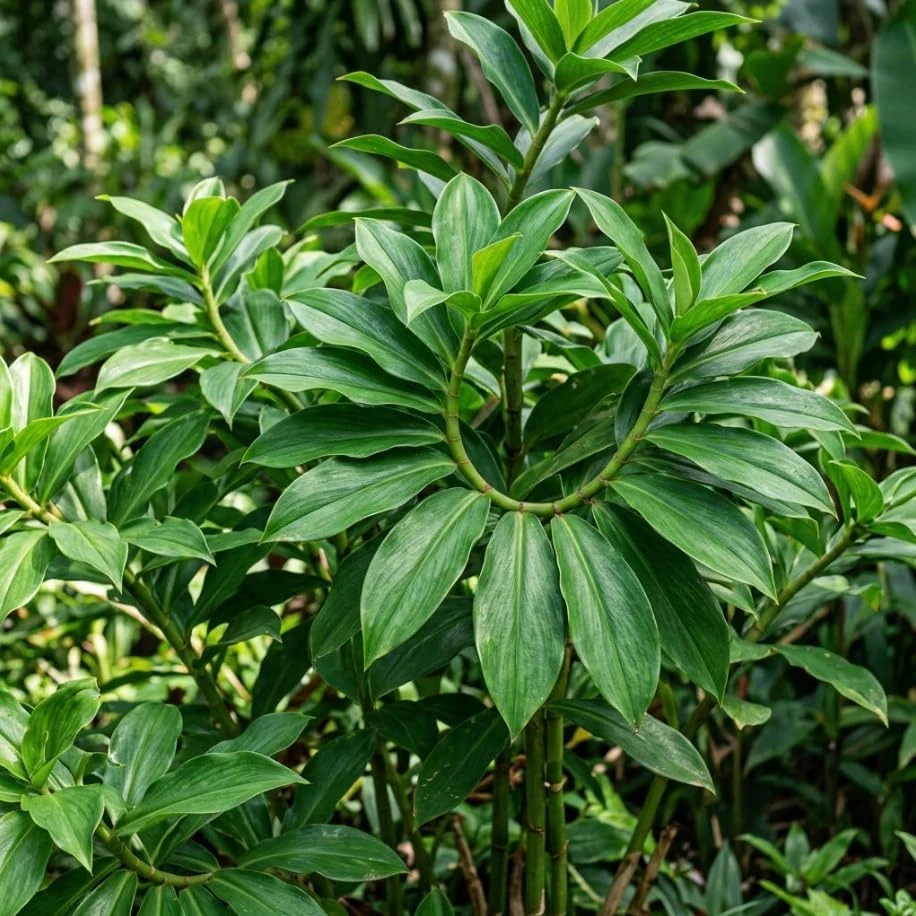
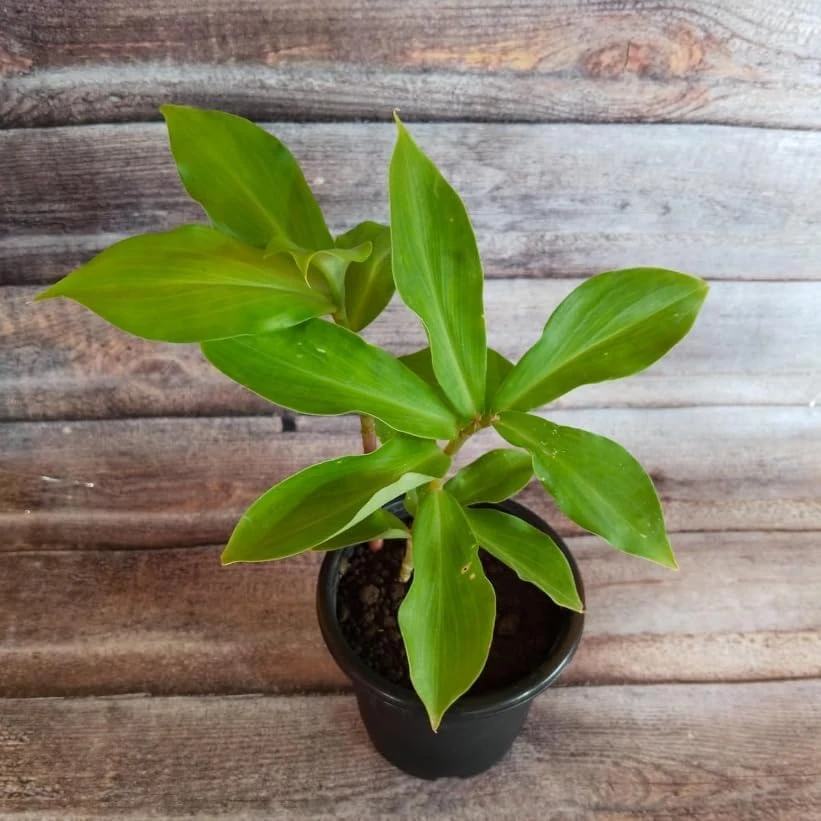
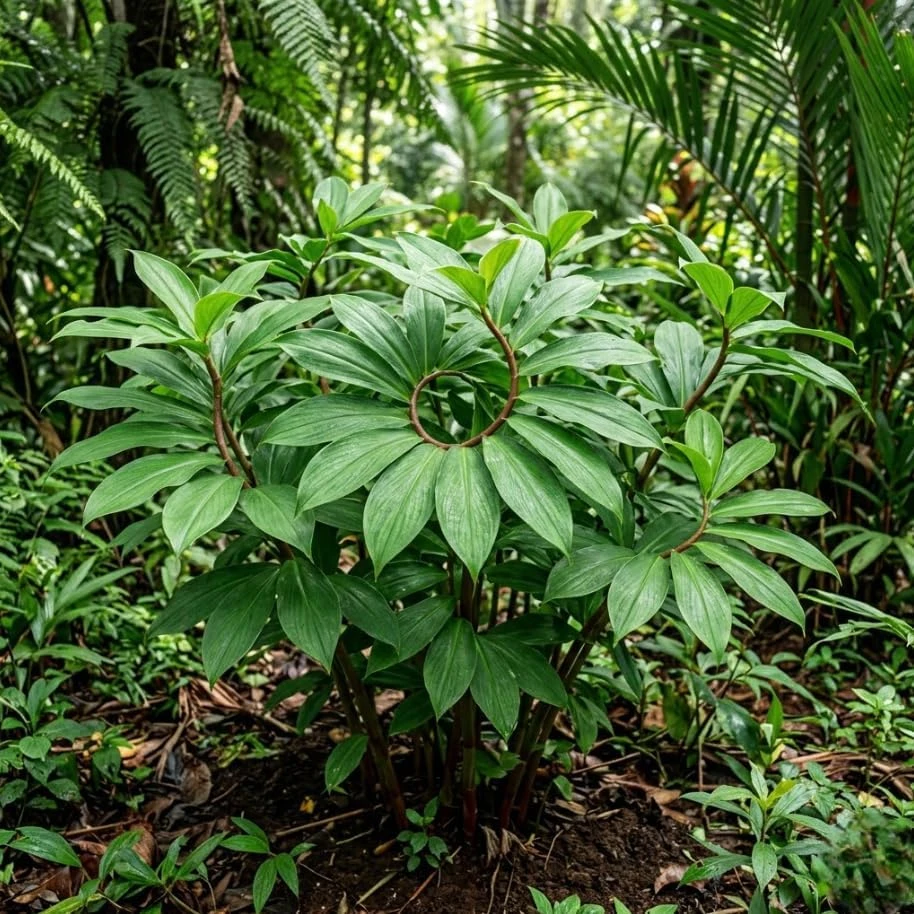
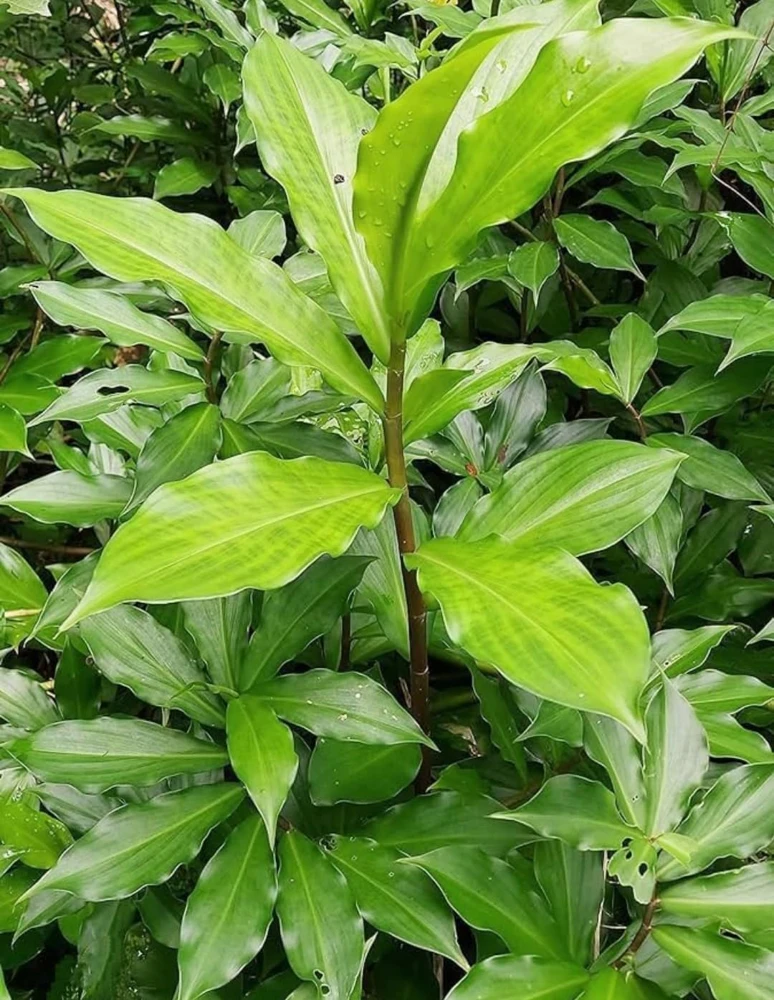
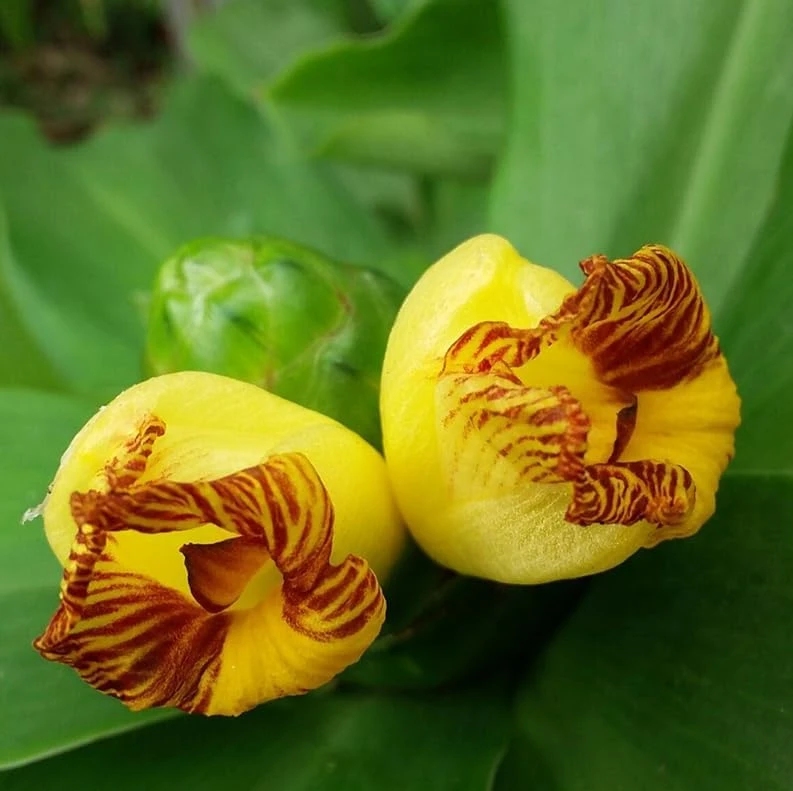
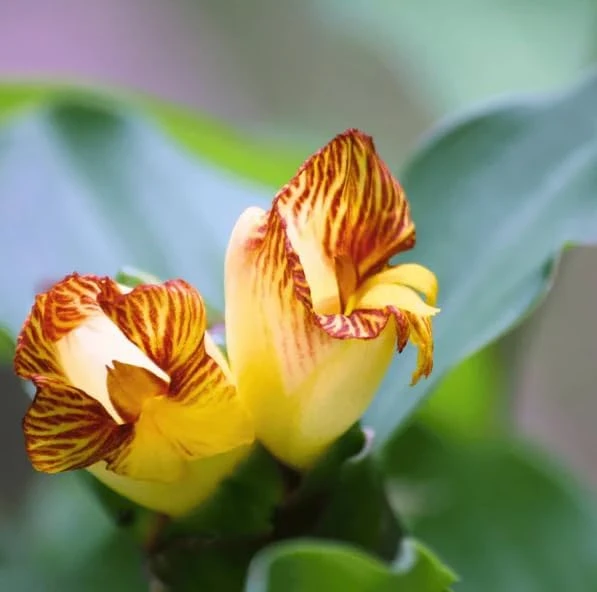
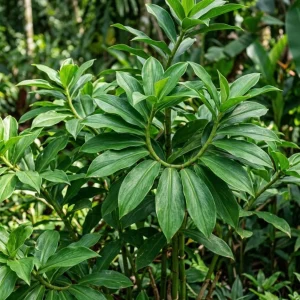
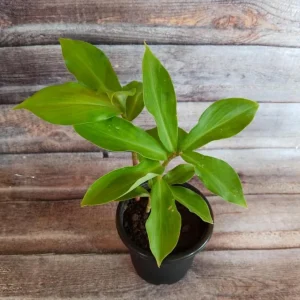
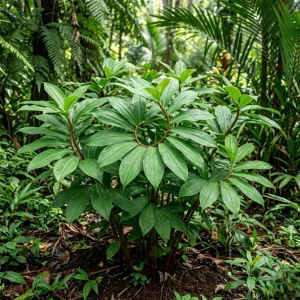
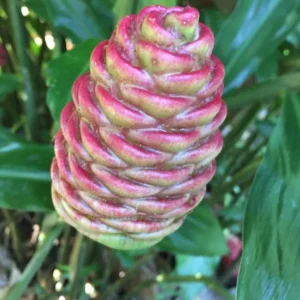
Embark on a rewarding gardening journey by cultivating your very own insulin plant roots, also known scientifically as Costus igneus or commonly as the ‘Spiral Flag’ or ‘Fiery Costus’. This offering includes a pack of 3 freshly harvested fresh insulin plant bare roots, each approximately 5 inches in length. These roots are carefully prepared to ensure viability upon arrival, making them ideal for gardeners eager to grow this unique and often sought-after herbal plant. The insulin plant is recognized for its distinctive spiraling stems and broad, lush green leaves, adding an exotic touch to any plant collection. While primarily grown for its ornamental appeal and traditional uses, it’s a fascinating addition to herb gardens, tropical landscapes, or as a striking container plant indoors. Getting started with costus igneus plant roots allows for a robust and natural growth process, leading to healthy, established plants.
Key Benefits
Cultivating insulin plant roots offers a variety of advantages, from its unique aesthetics to its ease of care and potential uses. These freshly harvested roots provide a reliable starting point for a thriving plant.
- Easy Establishment: These bare roots are specifically chosen for their readiness to plant, allowing for quick establishment in your chosen growing medium. They are designed to sprout and grow vigorously when provided with the right conditions, making the planting process straightforward and rewarding for both novice and experienced gardeners alike.
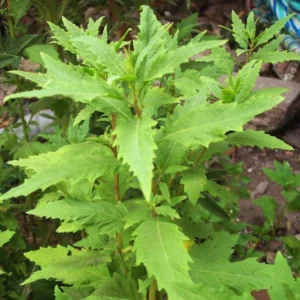
- Unique Ornamental Appeal: The insulin plant features striking spiraling stems and vibrant green foliage, offering a distinctive visual element that can enhance any garden or indoor space. Its unusual growth habit and tropical appearance make it a conversation starter and a beautiful focal point.
- Versatile Planting Options: Whether you have a tropical garden, a patio, or an indoor space, these roots adapt well. They can be planted directly into the ground in warm climates, or grown in pots and containers, allowing you to enjoy this herbal plant roots anywhere.
- Freshly Harvested Quality: We ensure that the roots are freshly harvested before shipping, maximizing their vitality and potential for successful growth. This commitment to freshness means you receive healthy, vigorous roots ready to burst into life.
- Potential for Traditional Use: The costus igneus plant is historically known in various traditional practices, making it an interesting specimen for those interested in ethnobotanical studies or cultivating plants with a rich cultural background.
- Adaptable to Warm Climates: Thrives in warm, humid environments, making it suitable for subtropical and tropical regions. For cooler climates, it can be successfully grown as a container plant and brought indoors during colder months, extending its growing season.
- Sustainable Gardening: Growing plants from roots is an environmentally friendly way to expand your garden, promoting biodiversity and connecting you directly with the growth cycle of a unique rare herb for planting.
Plant Care & Growing Tips
Caring for your insulin plant roots involves providing conditions that mimic their natural tropical habitat. Once planted, these roots will quickly develop into established plants with proper attention. For optimal growth, understanding their needs for sunlight, water, and soil is crucial.
Sunlight Requirements: The insulin plant thrives in bright, indirect light to partial shade. In warmer climates, it’s best to protect it from harsh afternoon sun, which can scorch its leaves. If growing indoors, place it near a window that receives bright, filtered light, such as an east or north-facing window. Outdoors, a spot under a canopy of taller trees or on a shaded patio is ideal. Aim for at least 4-6 hours of indirect light daily.
Watering Schedule and Soil Moisture: These plants prefer consistently moist, but not waterlogged, soil. Water thoroughly when the top inch of soil feels dry to the touch. During warmer months and active growth, this might mean watering every 2-3 days. Reduce watering slightly in cooler months or if the plant is dormant. Ensure good drainage to prevent root rot, which is a common issue for many tropical plants. Humidity is also beneficial, so consider misting regularly or placing the pot on a pebble tray if growing indoors.
Soil Type and Drainage Requirements: A rich, well-draining potting mix is essential for the costus igneus plant. A blend suitable for tropical plants, often containing peat moss, perlite, and compost, will provide the necessary nutrients and aeration. Ensure your container has drainage holes if planting in pots. For garden beds, amend heavy clay soils with organic matter to improve drainage and fertility. This helps the fresh insulin plant establish a strong root system.
Temperature Range and USDA Hardiness Zone: The insulin plant is a tropical species and is sensitive to cold. It thrives in temperatures between 65°F and 85°F (18°C-29°C). It is generally hardy in USDA Zones 9-11. In zones below 9, it should be grown in containers and brought indoors before the first frost. Protect it from sudden temperature drops and cold drafts. Consistent warmth and humidity are key to its success.
Fertilization Schedule and Type: During the active growing season (spring and summer), feed your insulin plant every 2-4 weeks with a balanced liquid fertilizer diluted to half strength. A fertilizer with an NPK ratio like 10-10-10 or similar is usually sufficient. Reduce or cease fertilization during fall and winter when growth naturally slows down. Over-fertilization can lead to nutrient burn, so always follow product instructions.
Common Problems and Solutions: Watch out for common pests like spider mites, aphids, and mealybugs, especially in dry indoor environments. Treat infestations with insecticidal soap or neem oil. Yellowing leaves can indicate overwatering or nutrient deficiency, while browning leaf tips might suggest low humidity or underwatering. Adjust your care routine accordingly. Ensuring good air circulation can also help prevent fungal issues. Consistent care will ensure your insulin plant roots grow into a beautiful, healthy specimen.
Size & Details
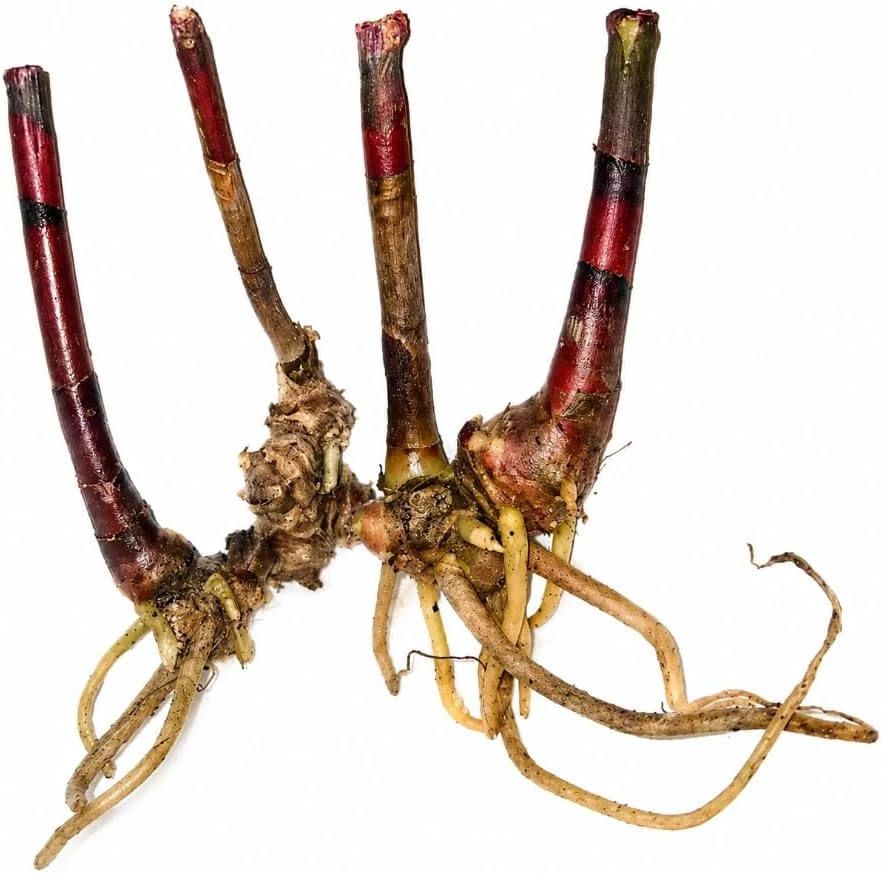
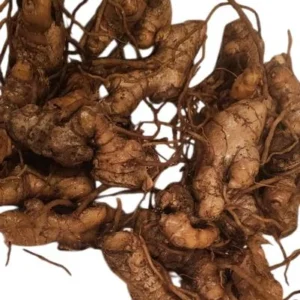
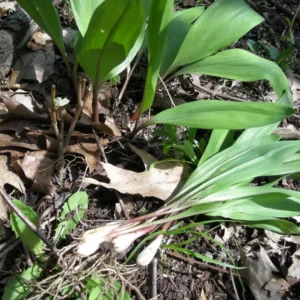
This offering includes a pack of 3 insulin plant roots, each carefully selected and freshly harvested for optimal growth. Each bare root measures approximately 5 inches in length, providing a substantial start for your new plant. These roots are shipped without soil or foliage, ready for you to plant directly into your preferred growing medium. The costus igneus plant typically grows into a medium-sized perennial, reaching heights of 2 to 4 feet in ideal conditions, with a spread of 1 to 2 feet. Growth rate is moderate, with new shoots emerging from the roots within a few weeks of planting, given adequate warmth and moisture. Expect your plants to establish and show significant foliage growth within the first growing season. While the roots are approximately 5 inches long, the mature plant size will depend on growing conditions, container size, and care. This pack of three offers a great opportunity to cultivate multiple plants or share with fellow gardening enthusiasts, ensuring you have a thriving collection of this unique herbal plant roots.
Frequently Asked Questions
- Q: How big does this plant get from the roots? A: The insulin plant typically grows to a height of 2 to 4 feet (60-120 cm) and can spread 1 to 2 feet (30-60 cm) wide when mature, depending on growing conditions and whether it’s grown in a pot or in the ground.
- Q: Is this an indoor or outdoor plant? A: The insulin plant can be grown both indoors and outdoors. It thrives outdoors in tropical or subtropical climates (USDA Zones 9-11). In cooler regions, it’s best grown in a container and brought indoors during colder months.
- Q: How much sunlight does the insulin plant need? A: This plant prefers bright, indirect light to partial shade. Avoid direct, harsh afternoon sun, which can scorch the leaves. If indoors, place it near an east or north-facing window.
- Q: Is this plant easy to care for? A: Yes, the insulin plant is generally considered easy to care for, especially for those familiar with tropical plants. Its main requirements are consistent moisture, good drainage, and warmth.
- Q: What condition will the roots arrive in? A: The fresh insulin plant roots will arrive bare, meaning they are shipped without soil or foliage, freshly harvested and ready for immediate planting. They will be carefully packaged to ensure their vitality.
- Q: When is the best time to plant these roots? A: The best time to plant these roots is during the warmer months, typically spring to early summer, when temperatures are consistently above 60°F (15°C). This allows the plant to establish quickly.
- Q: What type of soil is best for growing insulin plant roots? A: A rich, well-draining potting mix is ideal. Look for a mix formulated for tropical plants, often containing peat moss, perlite, and compost to ensure good aeration and moisture retention.
- Q: How often should I water my newly planted insulin plant? A: Keep the soil consistently moist but not waterlogged, especially during the initial establishment phase. Water when the top inch of soil feels dry to the touch. Reduce watering in cooler months.
- Q: Can the insulin plant survive winter in my zone? A: The insulin plant is hardy in USDA Zones 9-11. If you live in a colder zone, you will need to bring the plant indoors before the first frost or treat it as an annual.
- Q: What are these insulin plant roots used for? A: The insulin plant is primarily grown as an ornamental tropical plant. It is also well-known in traditional practices for its herbal properties, making it a unique and interesting addition to any garden.
Related products
-30%
Original price was: $57.98.$40.58Current price is: $40.58.
-49%
Original price was: $60.99.$30.99Current price is: $30.99.
-67%

Original price was: $75.72.$25.24Current price is: $25.24.
-30%
Original price was: $67.98.$47.58Current price is: $47.58.
-50%
Original price was: $107.96.$53.98Current price is: $53.98.
-10%
Original price was: $75.00.$67.50Current price is: $67.50.
-30%
Original price was: $59.98.$41.98Current price is: $41.98.
PLANTING & CARE
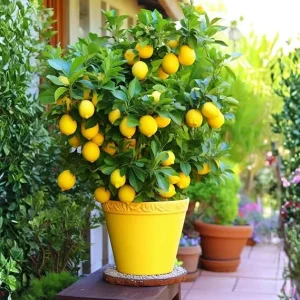
Lemon Tree Growing: Choose, Plant, and Harvest
Learn how to choose, plant, feed, and protect a lemon tree so it fits your
23
Sep
Sep
Dwarf Meyer Lemon Tree Australia: Climate Guide
Learn where dwarf Meyer lemon trees grow, how much cold they tolerate, and whether Australia,
Where to Buy a Dwarf Meyer Lemon Tree: Buyer’s Guide
Find the right dwarf Meyer lemon tree online or locally, compare starter sizes and costs,
Dwarf Meyer Lemon Tree for Sale: Buying Guide
Compare Meyer lemon tree sizes, prices, shipping limits, indoor growing and California options before you
Dwarf Meyer Lemon Tree Guide: Size, Care and Fruit
META: Learn how large a dwarf Meyer lemon tree grows, where it thrives, and how
How to Prune a Dwarf Meyer Lemon Tree
Learn when and how to prune a dwarf Meyer lemon tree, including tools, shaping cuts,
Can You Grow a Dwarf Meyer Lemon Tree in a Pot?
META: Learn how to grow a dwarf Meyer lemon tree in a pot, including container
When Do Dwarf Meyer Lemon Trees Bloom and Fruit?
META: Dwarf Meyer lemon trees usually bloom from winter through spring and may flower again