Italian Parsley Live Plant – 2.5 inch Pot – Culinary Herb
Italian Parsley Live Plant – 2.5 inch Pot – Culinary Herb
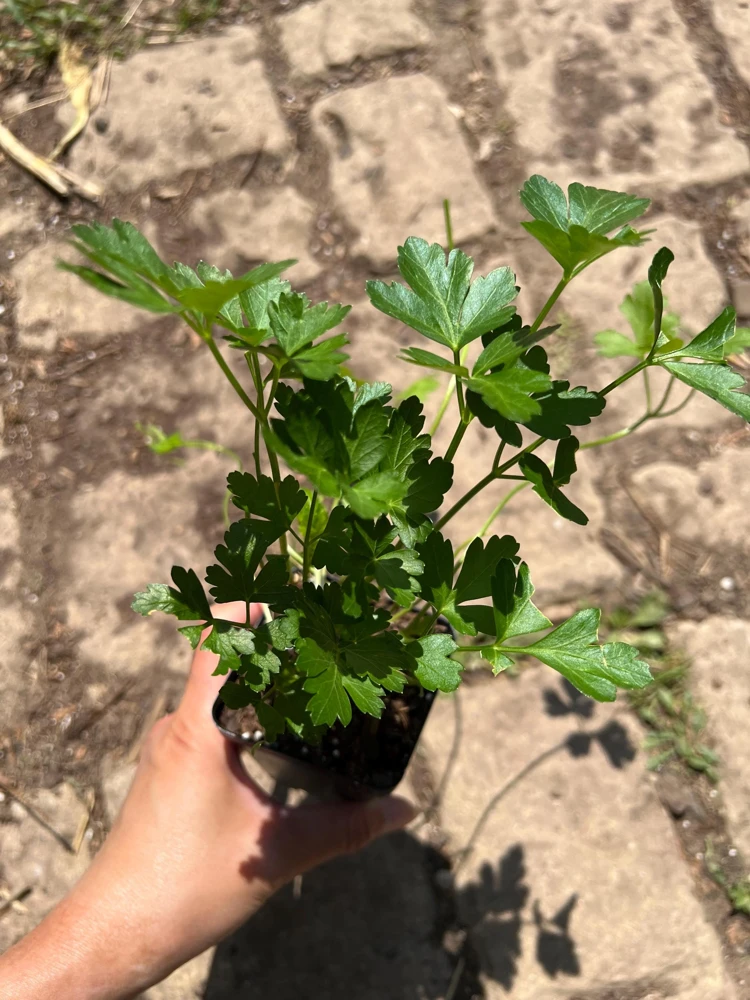
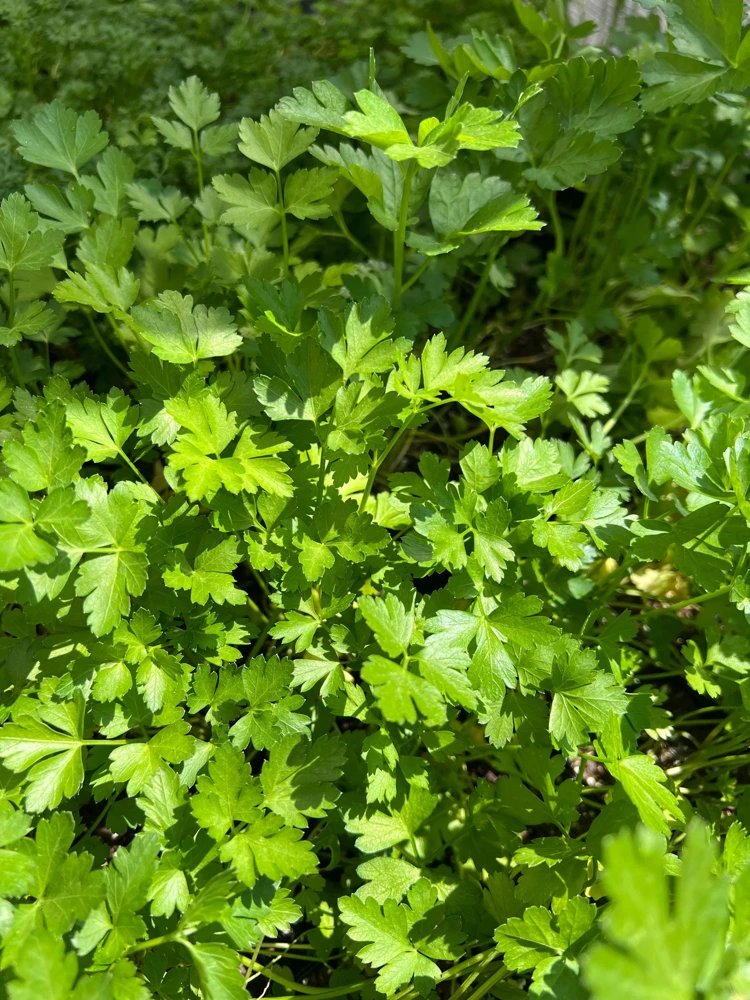
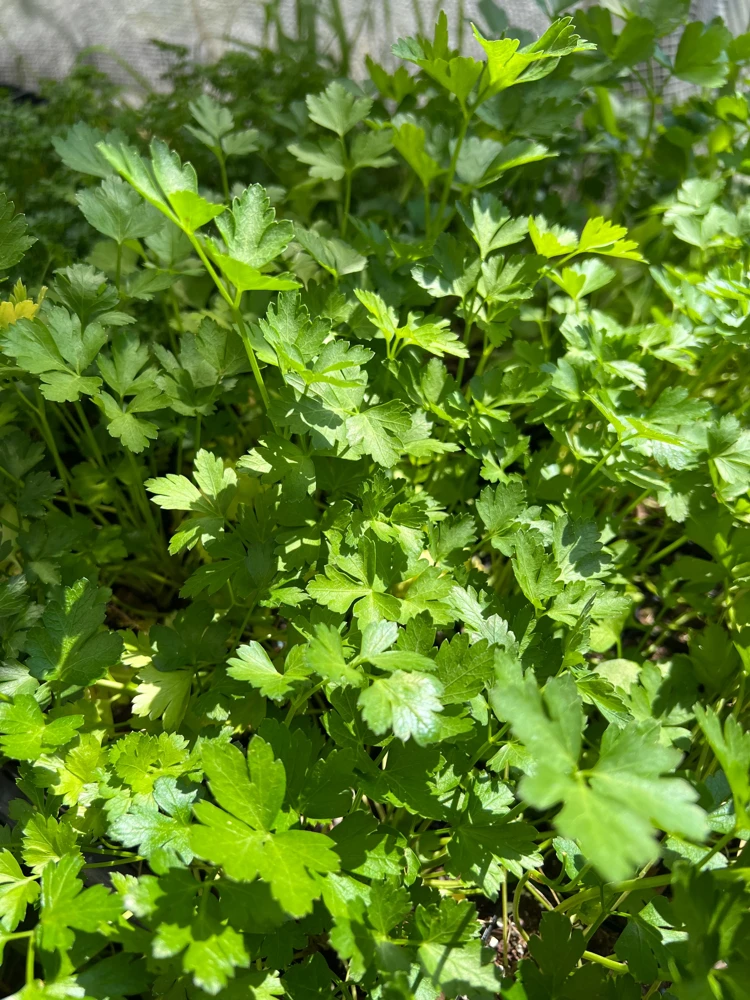
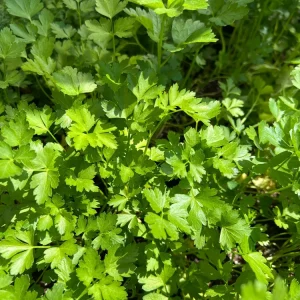
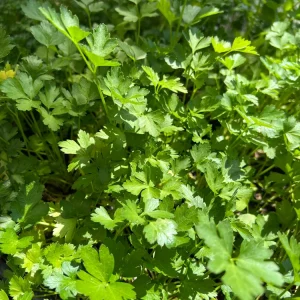
Cultivate your own fresh supply of Italian parsley live plant with this vibrant herb. Perfect for adding a gourmet touch to your cooking, this flat leaf parsley comes ready to thrive in a 2.5 inch pot. Enjoy robust flavor and aromatic leaves for all your culinary needs.
$13.98

With our Alive & Thrive Guarantee, we’ve got your back for the first 30 days! If you have any concerns about your plants, just reach out to us. Our team is here to help answer your questions and guide you in selecting the best plants for your garden, climate, and unique preferences. We're excited to help you create the garden of your dreams!
Estimated arrival
Oct 14
Oct 19 - Oct 21
Oct 24 - Oct 28
Product Details
-
USDA Hardiness Zone
USDA zones 7-10 (as biennial), grown as annual elsewhere -
Soil type
Rich, well-draining soil -
Sunlight Exposure
Full sun to partial shade -
Expected Planting Period
Spring to early summer outdoors, year-round indoors
Overview
Bring the authentic taste of Italy to your kitchen with our vibrant Italian parsley live plant. This essential culinary herb, also known as Flat-Leaf Parsley (Petroselinum crispum neapolitanum), is renowned for its strong, clean flavor and beautiful, dark green, flat leaves. Unlike its curly-leafed cousin, flat leaf parsley offers a more intense aroma and a less bitter taste, making it the preferred choice for chefs and home cooks alike. Our healthy 2.5 inch potted plant arrives ready to be transplanted into your garden, a larger container, or even a windowsill herb garden, ensuring you have fresh parsley at your fingertips whenever inspiration strikes. Growing your own Italian parsley live plant provides not only convenience but also the satisfaction of harvesting your own fresh ingredients.
This particular variety is celebrated for its vigorous growth and ability to produce an abundance of aromatic leaves. Whether you’re a seasoned gardener or just starting your herb collection, this Italian parsley live plant is a rewarding addition. It’s an easy-to-grow herb that thrives with proper care, offering continuous harvests throughout the growing season. Elevate your dishes with the unparalleled freshness and flavor that only homegrown parsley can provide.
Key Benefits
Our Italian parsley live plant offers a multitude of benefits, from enhancing your culinary creations to contributing to a healthier lifestyle. It’s an indispensable herb that every kitchen garden should have.
- Exceptional Culinary Flavor: The intense, fresh, and slightly peppery taste of flat leaf parsley makes it a staple in Mediterranean, Middle Eastern, and American cuisines. It brightens up sauces, stews, salads, and garnishes, adding a professional touch to any meal.
- Rich in Nutrients: Parsley is packed with vitamins K, C, and A, as well as antioxidants. Incorporating fresh parsley into your diet can support overall health and well-being.
- Aromatic & Decorative: Beyond its taste, the lush, deep green foliage of the Italian parsley live plant is highly aromatic and visually appealing, making it a beautiful addition to any herb garden or kitchen windowsill.
- Continuous Harvests: With proper care, this plant will provide a steady supply of fresh leaves. Simply snip the outer stalks as needed, and the plant will continue to produce new growth from the center.
- Easy to Grow: Known for its resilience and adaptability, learning how to grow Italian parsley is straightforward, even for beginner gardeners. It’s a low-maintenance herb that yields high rewards.
- Versatile Use: From fresh garnishes and pestos to flavor bases for soups and stews, the uses for fresh parsley are endless. Having a live plant means you’re never short of this essential ingredient.
- Supports Healthy Digestion: Traditionally, parsley has been used to aid digestion and reduce bloating, making it a beneficial addition to meals.
Plant Care & Growing Tips
To ensure your Italian parsley live plant thrives and provides abundant harvests, understanding its care requirements is key. This herb prefers a location with at least 6 hours of full to partial sunlight per day. In hotter climates, some afternoon shade can prevent scorching of the leaves. For indoor plants, place them near a south or west-facing window, or supplement with a grow light to ensure sufficient light exposure. Adequate light promotes vigorous growth and the development of that rich, deep green color.
Watering is crucial for healthy parsley plant care. Keep the soil consistently moist but never waterlogged. Allow the top inch of soil to dry out slightly between waterings, especially for potted plants, to prevent root rot. Good drainage is essential, so ensure your pot has drainage holes. When it comes to soil, parsley prefers rich, well-draining soil with a pH between 6.0 and 7.0. Amending garden soil with compost before planting will provide the necessary nutrients and improve drainage. Fertilize sparingly with a balanced liquid fertilizer every 4-6 weeks during the active growing season. Harvesting regularly by snipping outer stems also encourages new growth and maintains the plant’s bushy shape. This method of harvesting is also beneficial for maintaining the health of your culinary herbs.
Italian parsley is generally hardy and can tolerate light frosts, but it’s best to protect it from harsh winter conditions. In USDA zones 7 and above, it can often overwinter outdoors, returning in spring. In colder zones, it’s typically grown as an annual or brought indoors for the winter. Watch out for common pests like aphids or spider mites; a strong spray of water or insecticidal soap can usually address these issues. Proper parsley plant care ensures a long and productive life for your herb.
Size & Details
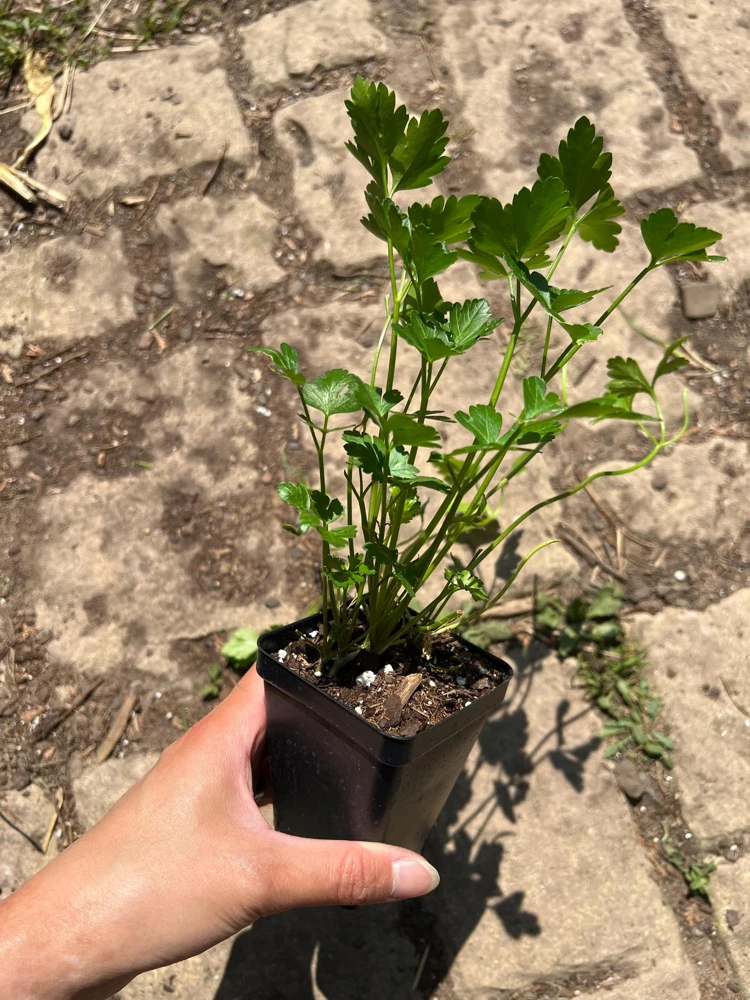
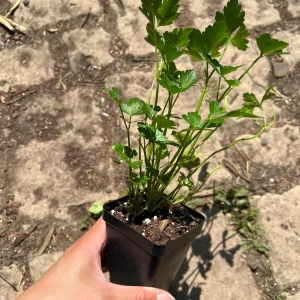
This offering includes one healthy Italian parsley live plant, shipped in a 2.5 inch nursery pot. At the time of shipment, the plant typically stands approximately 4-6 inches tall, depending on the growth stage. It is well-rooted and ready for transplanting into a larger container, raised bed, or directly into your garden. Italian parsley can grow to a mature height of 12-18 inches and spread about 9-12 inches wide, forming a dense, leafy mound. The growth rate is moderate, allowing for regular harvests throughout the growing season, especially when given optimal conditions and diligent parsley plant care. Expect your plant to establish quickly and begin producing ample fresh leaves for your kitchen.
The plant is carefully packaged to ensure it arrives in excellent condition, ready to thrive in its new home. It will continue to grow and develop its characteristic flat, deeply lobed leaves, which are perfect for both cooking and garnishing. This compact size makes it ideal for starting your herb garden, whether on a sunny windowsill, a patio, or directly in the ground. Enjoy the convenience of having fresh culinary herbs always within reach.
Frequently Asked Questions
- Q: How big does this Italian parsley plant get? A: This Italian parsley live plant typically grows to a height of 12-18 inches and spreads about 9-12 inches wide when mature, forming a bushy, leafy plant.
- Q: What size pot does it come in? A: The Italian parsley live plant is shipped in a 2.5 inch nursery pot, ready for you to transplant it into a larger container or your garden.
- Q: Is this an indoor or outdoor plant? A: Italian parsley can be grown both indoors and outdoors. It thrives outdoors in full sun to partial shade, and indoors near a bright window with sufficient light.
- Q: How much sunlight does it need? A: For best growth and flavor, your flat leaf parsley plant needs at least 6 hours of direct sunlight per day. In very hot climates, provide some afternoon shade.
- Q: Is this plant easy to care for? A: Yes, parsley plant care is relatively easy. It’s a low-maintenance herb that’s great for beginners, provided it gets adequate light, consistent moisture, and well-draining soil.
- Q: What condition will it arrive in? A: Your Italian parsley live plant will arrive carefully packaged, healthy, and ready to be planted. We take great care to ensure safe transit.
- Q: Is it shipped in soil? A: Yes, the plant is shipped in its 2.5 inch nursery pot with soil, ensuring it stays hydrated and protected during transit.
- Q: Can I use Italian parsley in cooking? A: Absolutely! Italian parsley is a premier culinary herb, perfect for adding fresh, vibrant flavor to a wide range of dishes, including sauces, soups, salads, and garnishes.
- Q: Is it good for beginners? A: Yes, growing culinary herbs like Italian parsley is an excellent choice for beginner gardeners due to its relatively easy care requirements and rewarding yields.
- Q: What’s the best time to plant Italian parsley? A: Italian parsley can be planted outdoors in spring after the last frost. For continuous harvests, you can plant successive batches throughout the growing season. Indoor planting can be done year-round.
- Q: Will it survive winter in my zone? A: Italian parsley is generally hardy in USDA zones 7-10 as a biennial, meaning it can overwinter and produce again the following spring. In colder zones, it’s typically grown as an annual or brought indoors.
Related products
-20%
From Original price was: $22.00.$17.60Current price is: $17.60.
-30%
Original price was: $59.98.$41.98Current price is: $41.98.
-50%
Original price was: $107.96.$53.98Current price is: $53.98.
-10%
Original price was: $65.00.$58.50Current price is: $58.50.
-67%
Original price was: $39.72.$13.24Current price is: $13.24.
-20%
Original price was: $35.00.$28.00Current price is: $28.00.
-10%
Original price was: $75.00.$67.50Current price is: $67.50.
-30%
Original price was: $59.98.$41.98Current price is: $41.98.
PLANTING & CARE
Lemon Tree Growing: Choose, Plant, and Harvest
Learn how to choose, plant, feed, and protect a lemon tree so it fits your
23
Sep
Sep
Dwarf Meyer Lemon Tree Australia: Climate Guide
Learn where dwarf Meyer lemon trees grow, how much cold they tolerate, and whether Australia,
Where to Buy a Dwarf Meyer Lemon Tree: Buyer’s Guide
Find the right dwarf Meyer lemon tree online or locally, compare starter sizes and costs,
Dwarf Meyer Lemon Tree for Sale: Buying Guide
Compare Meyer lemon tree sizes, prices, shipping limits, indoor growing and California options before you
Dwarf Meyer Lemon Tree Guide: Size, Care and Fruit
META: Learn how large a dwarf Meyer lemon tree grows, where it thrives, and how
How to Prune a Dwarf Meyer Lemon Tree
Learn when and how to prune a dwarf Meyer lemon tree, including tools, shaping cuts,
Can You Grow a Dwarf Meyer Lemon Tree in a Pot?
META: Learn how to grow a dwarf Meyer lemon tree in a pot, including container
When Do Dwarf Meyer Lemon Trees Bloom and Fruit?
META: Dwarf Meyer lemon trees usually bloom from winter through spring and may flower again