Jaboticaba Tree – Red Hybrid Live Plant, 1-2 Feet Tall, 3 Gallon Pot
-64%
Jaboticaba Tree – Red Hybrid Live Plant, 1-2 Feet Tall, 3 Gallon Pot
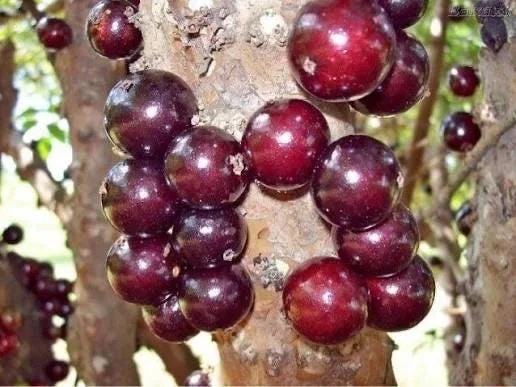
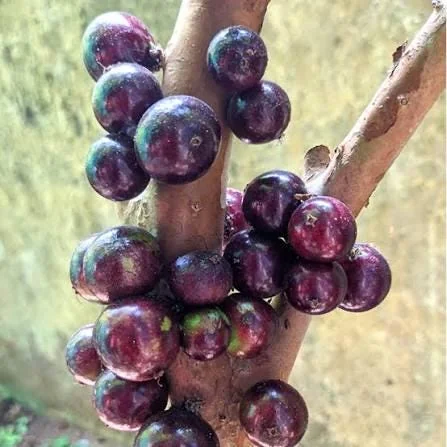
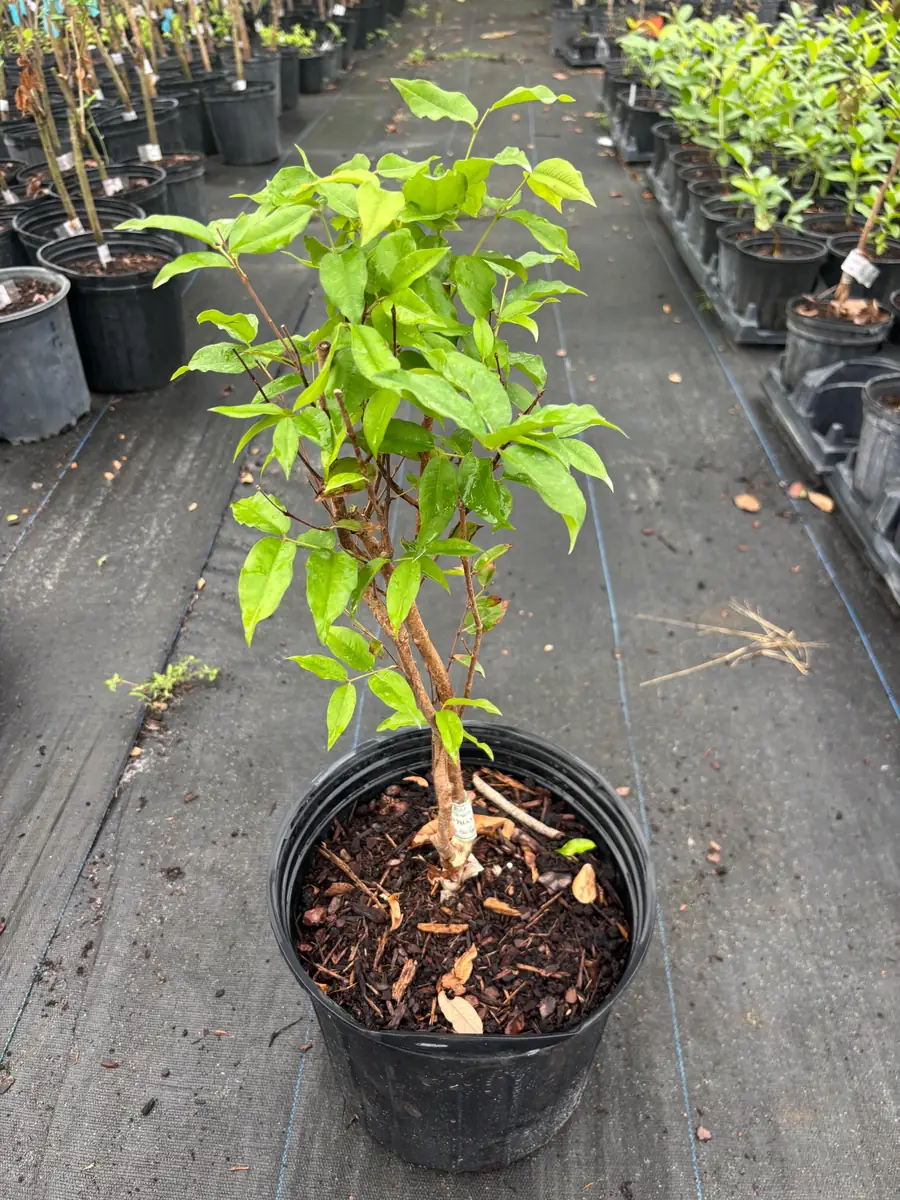
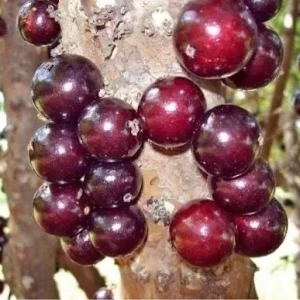
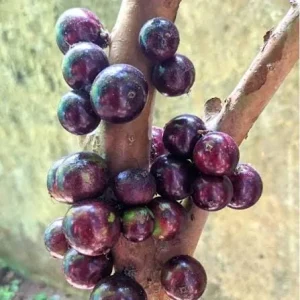
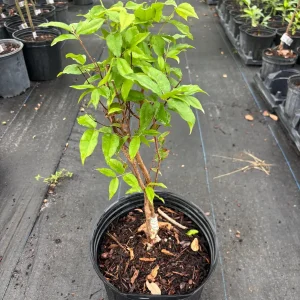
Cultivate your own exotic fruit with this vibrant jaboticaba tree live plant. This red hybrid jaboticaba is 1-2 feet tall, arrives in a 3 gallon pot, and is ready to thrive in your garden or a large container. Enjoy fresh, delicious fruit directly from the trunk.
From Original price was: $540.00.$199.99Current price is: $199.99.

With our Alive & Thrive Guarantee, we’ve got your back for the first 30 days! If you have any concerns about your plants, just reach out to us. Our team is here to help answer your questions and guide you in selecting the best plants for your garden, climate, and unique preferences. We're excited to help you create the garden of your dreams!
Estimated arrival
Oct 14
Oct 19 - Oct 21
Oct 24 - Oct 28

Product Details
-
USDA Hardiness Zone
USDA zones 9-11 (outdoors) or container plant -
Soil type
Well-draining, slightly acidic soil, rich in organic matter -
Sunlight Exposure
Full sun to partial shade -
Expected Planting Period
Year-round in warm climates; Spring to early summer for transplanting
Overview
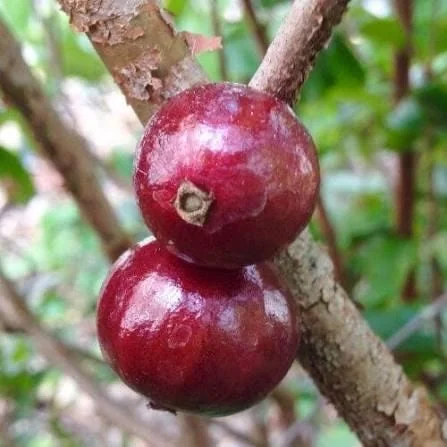
Discover the unique beauty and delicious fruit of the jaboticaba tree live plant. Also known as Myrciaria cauliflora or Brazilian Grape Tree, this fascinating plant produces fruit directly on its trunk and branches, offering a truly distinctive growing experience. Our offering is a red hybrid jaboticaba variety, known for its sweet, juicy berries that resemble grapes. This 1-2 feet tall specimen comes in a 3 gallon nursery pot, providing a well-established root system for a strong start. Ideal for both seasoned gardeners and those new to exotic fruit trees, this plant promises a rewarding journey from cultivation to harvest. The Jaboticaba is a slow-growing, evergreen tree that can be grown in the ground in warmer climates or as a container plant in cooler regions, allowing you to enjoy its fresh fruit regardless of your local climate.
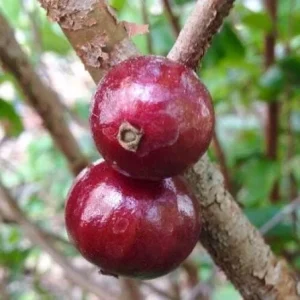
The allure of the Jaboticaba lies not only in its unusual fruiting habit but also in the rich flavor of its berries. These dark, purplish fruits can be eaten fresh, made into jams, jellies, or even wine. Owning a jaboticaba tree live plant means having a continuous supply of this tropical delicacy right at your fingertips. Its attractive foliage and unique growth pattern also make it a beautiful ornamental addition to any landscape or patio.
Key Benefits
Adding a Jaboticaba tree to your collection offers numerous advantages, from fresh fruit to aesthetic appeal. Here are some of the key benefits:
- Fresh, Exotic Fruit: Enjoy a consistent supply of delicious, grape-like fruit directly from your own tree. The red hybrid jaboticaba offers a sweet and slightly acidic flavor perfect for snacking or culinary uses.
- Unique Ornamental Value: The unusual growth habit, with fruit developing directly on the trunk and main branches, makes it a conversation starter and a visually stunning addition to any garden or patio.
- Long Lifespan: Jaboticaba trees are known for their longevity, often living for many decades, providing years of enjoyment and fruit production.
- Adaptable Growth: While preferring warmer climates, this tree can be successfully grown in containers in cooler zones, allowing you to bring it indoors during winter. This adaptability makes it suitable for a wide range of gardeners.
- Relatively Low Maintenance: Once established, the jaboticaba tree live plant is fairly easy to care for, requiring consistent watering and occasional fertilization to thrive.
- Health Benefits: Jaboticaba fruit is rich in antioxidants, vitamins, and minerals, contributing to a healthy diet. Learning to grow jaboticaba fruit at home ensures you have organic, fresh produce.
- Pollinator Friendly: The small, white flowers that precede the fruit production attract pollinators, contributing to local biodiversity.
Plant Care & Growing Tips
Caring for your jaboticaba tree live plant involves understanding its specific needs to ensure healthy growth and abundant fruit production. This tree thrives in well-draining, slightly acidic soil. When planting, whether in the ground or a container, ensure the soil mix has good organic matter content. Regular watering is crucial, especially during dry spells and when the tree is young. The soil should be kept consistently moist but never waterlogged, as this can lead to root rot. Good drainage is paramount to the health of your Jaboticaba tree. For container-grown plants, consider using a high-quality potting mix designed for fruit trees with added perlite or bark for aeration.
Sunlight is another important factor for the jaboticaba tree live plant. It prefers full sun to partial shade, meaning at least 6 hours of direct sunlight per day for optimal fruiting. In extremely hot climates, some afternoon shade can prevent leaf scorch. Fertilize your Jaboticaba tree every 2-3 months during the growing season with a balanced, slow-release fertilizer formulated for fruiting trees. Young trees benefit from higher nitrogen, while mature trees need more phosphorus and potassium for fruit development. Pruning is generally minimal, focusing on removing dead or diseased branches and shaping the tree for aesthetic purposes or to encourage air circulation. Protecting young trees from frost is essential in cooler climates; container plants can be moved indoors or protected with frost cloths. Understanding jaboticaba tree care is key to a flourishing plant.
Size & Details
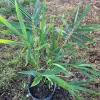
This jaboticaba tree live plant is a vibrant red hybrid jaboticaba variety, standing approximately 1-2 feet tall from the base of the pot. It is shipped in a sturdy 3 gallon nursery pot, ensuring the root system is intact and ready for transplanting. Jaboticaba trees are slow to moderate growers, eventually reaching heights of 10-20 feet in ideal conditions, though they can be kept smaller with pruning or when grown in containers. The plant will arrive with established foliage, ready to continue its growth in your home or garden. Expect the first fruits to appear within a few years, depending on growing conditions and care. The unique characteristic of the myrciaria cauliflora is its cauliflory, where flowers and fruits grow directly on the main trunk and branches, creating a stunning visual display and easy harvesting.
Frequently Asked Questions
- Q: How big will this jaboticaba tree live plant get? A: This particular plant is 1-2 feet tall and comes in a 3 gallon pot. In its natural environment, a Jaboticaba tree can reach 10-20 feet tall, but it can be maintained at a smaller size through pruning or by growing it in a large container.
- Q: Is this an indoor or outdoor plant? A: The jaboticaba tree live plant thrives outdoors in USDA Zones 9-11. In cooler climates, it can be grown as a container plant and brought indoors during colder months to protect it from frost.
- Q: How much sunlight does the red hybrid jaboticaba need? A: Jaboticaba trees prefer full sun to partial shade, ideally receiving at least 6 hours of direct sunlight per day for optimal growth and fruit production.
- Q: How often should I water my jaboticaba tree? A: Keep the soil consistently moist but not waterlogged. Water thoroughly when the top inch of soil begins to dry out, especially during warm weather and when the plant is young.
- Q: When can I expect to grow jaboticaba fruit? A: Jaboticaba trees can take several years to start fruiting, typically 3-5 years from a young plant, but sometimes longer depending on growing conditions and care. Patience is key!
- Q: What kind of soil is best for jaboticaba tree care? A: Jaboticaba trees prefer well-draining, slightly acidic soil rich in organic matter. A good quality potting mix for fruit trees with added perlite or sand works well for container growing.
- Q: Is the fruit from myrciaria cauliflora edible? A: Yes, the fruit of the Jaboticaba tree is fully edible and delicious! It has a sweet, grape-like flavor and can be eaten fresh, or used in jams, jellies, and desserts.
- Q: How do I protect my jaboticaba tree from pests? A: Healthy plants are more resistant to pests. Regularly inspect your tree for any signs of pests and use organic pest control methods like neem oil if necessary. Good air circulation also helps prevent fungal issues.
- Q: Can I prune my jaboticaba tree? A: Yes, light pruning can help shape the tree and remove any dead or diseased branches. Avoid heavy pruning, especially during flowering or fruiting periods, as this can reduce yield.
- Q: How do I ensure my jaboticaba tree thrives? A: Consistent watering, appropriate sunlight, well-draining soil, and regular fertilization are the pillars of successful jaboticaba tree care. Protecting it from frost in colder regions is also crucial.
| jaboticaba | Jaboticaba Tree, Tree +1Lb Fertlizer, Tree +2Lb Fertilizer |
|---|
Related products
-20%
Original price was: $36.00.$28.80Current price is: $28.80.
-36%
Original price was: $279.98.$179.98Current price is: $179.98.
PLANTING & CARE
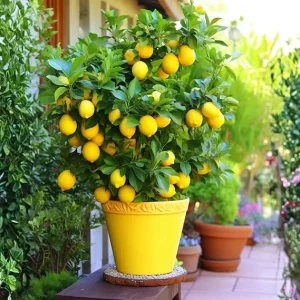
Lemon Tree Growing: Choose, Plant, and Harvest
Learn how to choose, plant, feed, and protect a lemon tree so it fits your
23
Sep
Sep
Dwarf Meyer Lemon Tree Australia: Climate Guide
Learn where dwarf Meyer lemon trees grow, how much cold they tolerate, and whether Australia,
Where to Buy a Dwarf Meyer Lemon Tree: Buyer’s Guide
Find the right dwarf Meyer lemon tree online or locally, compare starter sizes and costs,
Dwarf Meyer Lemon Tree for Sale: Buying Guide
Compare Meyer lemon tree sizes, prices, shipping limits, indoor growing and California options before you
Dwarf Meyer Lemon Tree Guide: Size, Care and Fruit
META: Learn how large a dwarf Meyer lemon tree grows, where it thrives, and how
How to Prune a Dwarf Meyer Lemon Tree
Learn when and how to prune a dwarf Meyer lemon tree, including tools, shaping cuts,
Can You Grow a Dwarf Meyer Lemon Tree in a Pot?
META: Learn how to grow a dwarf Meyer lemon tree in a pot, including container
When Do Dwarf Meyer Lemon Trees Bloom and Fruit?
META: Dwarf Meyer lemon trees usually bloom from winter through spring and may flower again