Japanese Honeysuckle Live Plant – Potted Vine for Outdoor Gardens
-22%
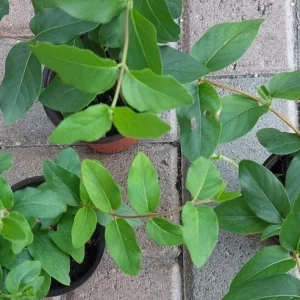
Japanese Honeysuckle Live Plant – Potted Vine for Outdoor Gardens
Enhance your outdoor space with a beautiful Japanese honeysuckle live plant. This fast-growing, fragrant vine is perfect for covering fences, arbors, or as ground cover. Enjoy its sweet-scented blooms and lush foliage.
Original price was: $31.98.$24.98Current price is: $24.98.

With our Alive & Thrive Guarantee, we’ve got your back for the first 30 days! If you have any concerns about your plants, just reach out to us. Our team is here to help answer your questions and guide you in selecting the best plants for your garden, climate, and unique preferences. We're excited to help you create the garden of your dreams!
Estimated arrival
Oct 21
Oct 26 - Oct 28
Oct 31 - Nov 04

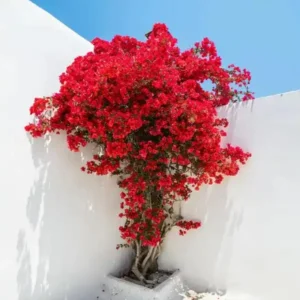
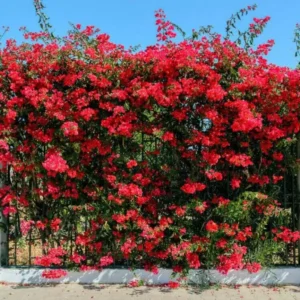
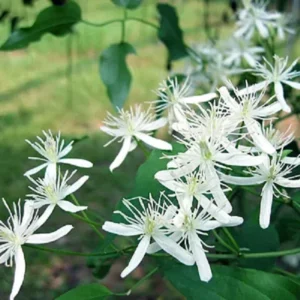
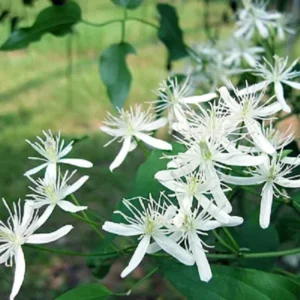
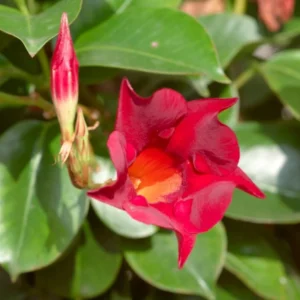
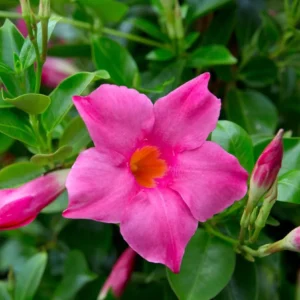
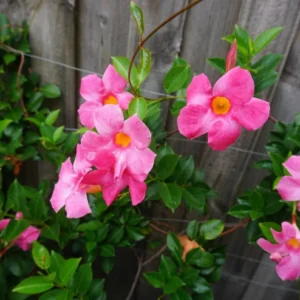
Product Details
-
USDA Hardiness Zone
USDA zones 4-9 -
Soil type
Well-draining soil -
Sunlight Exposure
Full sun to partial shade -
Expected Planting Period
Spring to early fall
Overview
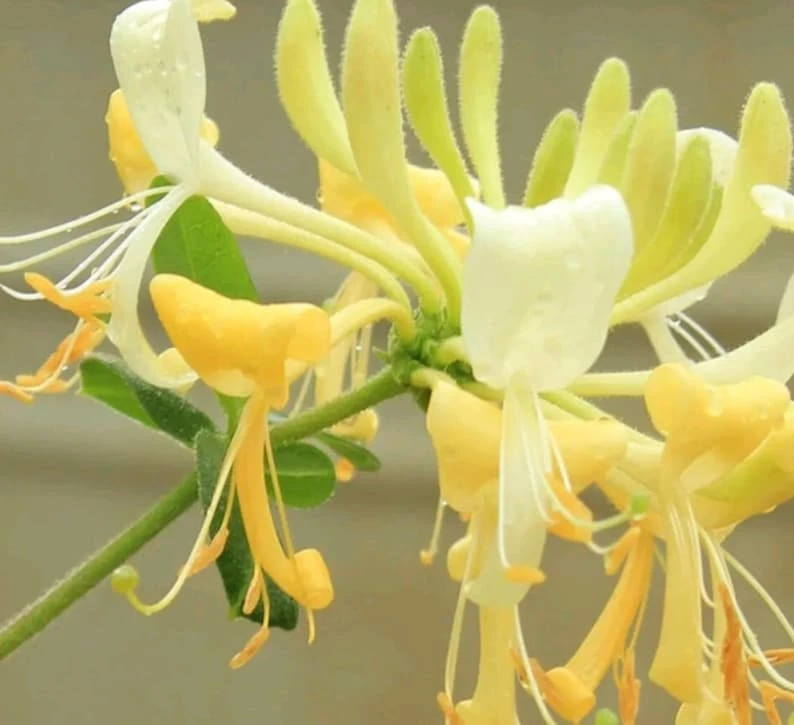
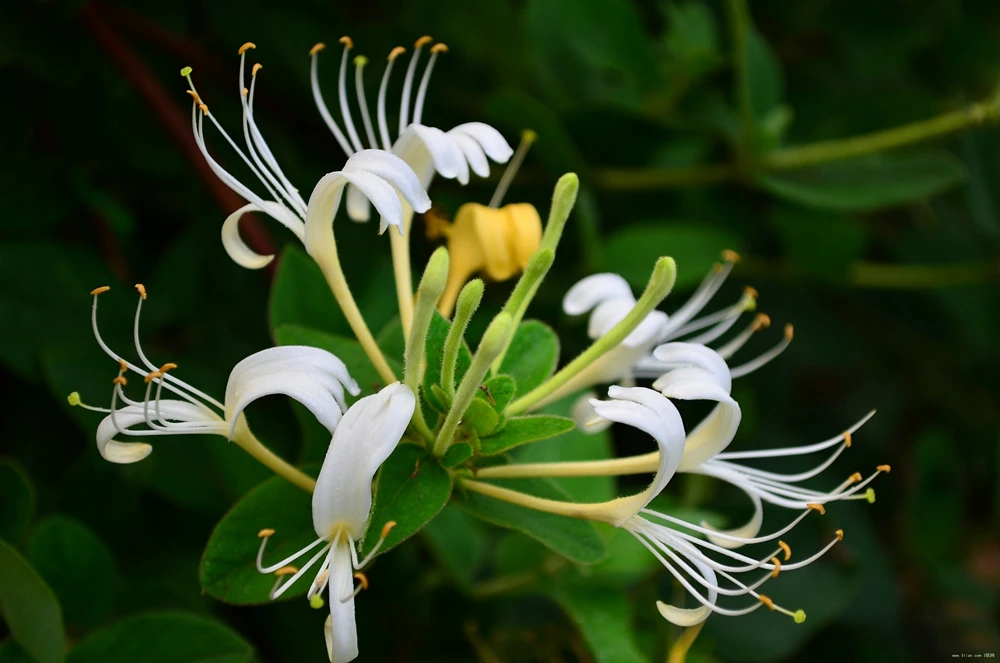
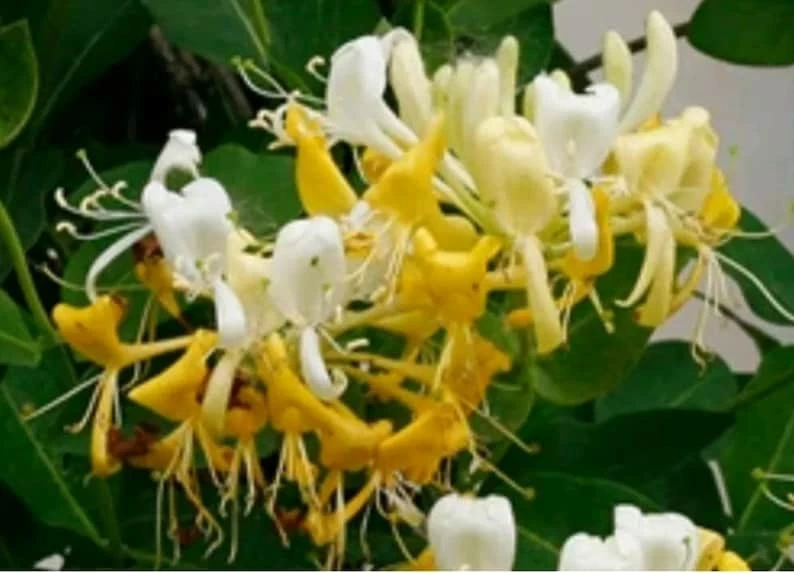
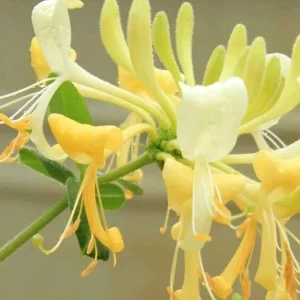
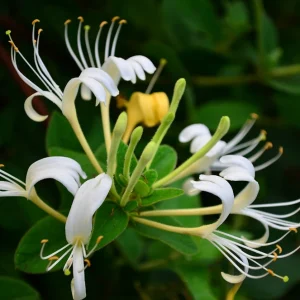
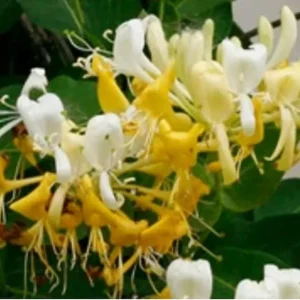
Introduce a touch of natural elegance and delightful fragrance to your garden with this robust Japanese honeysuckle live plant. Known botanically as Lonicera japonica, this vigorous climbing vine is celebrated for its rapid growth and abundant, sweetly scented flowers that typically bloom from late spring through summer. Originating from East Asia, Japanese honeysuckle has become a popular choice in many American gardens due to its hardiness and adaptability. It creates an enchanting atmosphere with its creamy white to yellow blossoms, which also attract pollinators like bees and butterflies. This potted specimen arrives ready to be planted, providing an immediate impact on your landscape and quickly establishing itself to offer beauty and fragrance for years to come.
Whether you’re looking to add vertical interest, create a natural screen, or simply enjoy a beautiful, fragrant plant, this Japanese honeysuckle live plant is an excellent selection. Its dense foliage also offers good ground cover, making it versatile for various garden designs. The plant’s resilience makes it a favored option for both experienced gardeners and those new to cultivating flowering vines. Allow this charming vine to transform your outdoor living spaces into a fragrant sanctuary.
Key Benefits
Bringing a Japanese honeysuckle live plant into your garden offers a multitude of advantages, enhancing both the aesthetic and ecological value of your outdoor space:
- Aromatic Blooms: Enjoy the intoxicatingly sweet fragrance of its creamy white and yellow flowers. This delightful scent can waft through your garden, especially in the evenings, creating a pleasant and inviting ambiance for relaxation and outdoor entertaining.
- Vigorous Growth: As a fast growing vine, Japanese honeysuckle quickly establishes itself and covers structures like fences, pergolas, and arbors. This rapid growth provides quick privacy screens or decorative accents, allowing you to achieve your landscaping goals sooner.
- Attracts Pollinators: The nectar-rich flowers are a magnet for beneficial pollinators such as bees, butterflies, and hummingbirds. By planting this vine, you contribute to local biodiversity and support the health of your garden ecosystem.
- Versatile Landscaping: This adaptable plant can be used in various ways, from climbing trellises to acting as an effective ground cover. Its flexibility makes it suitable for different garden styles and functional needs, whether you want to hide an unsightly fence or stabilize a slope.
- Low Maintenance: Once established, Lonicera japonica is relatively easy to care for, requiring minimal attention. It tolerates a range of soil conditions and is quite drought-tolerant, making it a good choice for busy gardeners.
- Year-Round Interest: While most celebrated for its summer blooms, the semi-evergreen to evergreen foliage in warmer climates provides year-round greenery, ensuring your garden maintains visual appeal even in cooler months.
- Erosion Control: Its extensive root system and dense growth make it an excellent choice for stabilizing slopes and controlling soil erosion, particularly in areas where other plants struggle to establish.
Plant Care & Growing Tips
Caring for your Japanese honeysuckle live plant is relatively straightforward, making it an ideal choice for many gardeners. This robust vine thrives in a variety of conditions but performs best with proper placement and minimal attention. For optimal growth and flowering, plant your honeysuckle in a location that receives full sun to partial shade. Full sun (at least 6 hours of direct sunlight per day) will encourage the most abundant blooms, while partial shade is tolerable, especially in hotter climates, where it can protect the foliage from scorching. The plant is adaptable to various soil types, but it prefers well-draining soil. Enriching the soil with organic matter before planting can significantly improve its vigor and overall health.
Water your honeysuckle vine regularly during its first growing season to help establish a strong root system. Once established, it becomes quite drought-tolerant, though consistent moisture during dry spells will promote better flowering. Fertilize in early spring with a balanced, slow-release granular fertilizer to support its vigorous growth and bloom production. Pruning is essential for managing the size and shape of this fast-growing vine and for encouraging new growth and more flowers. The best time for major pruning is in late winter or early spring before new growth begins. Light pruning can be done throughout the growing season to remove spent flowers or to control its spread. This Lonicera japonica is generally hardy in USDA zones 4-9, tolerating a wide range of temperatures. While generally pest and disease resistant, monitor for common issues like aphids or powdery mildew and address them promptly with appropriate organic or chemical treatments.
Size & Details
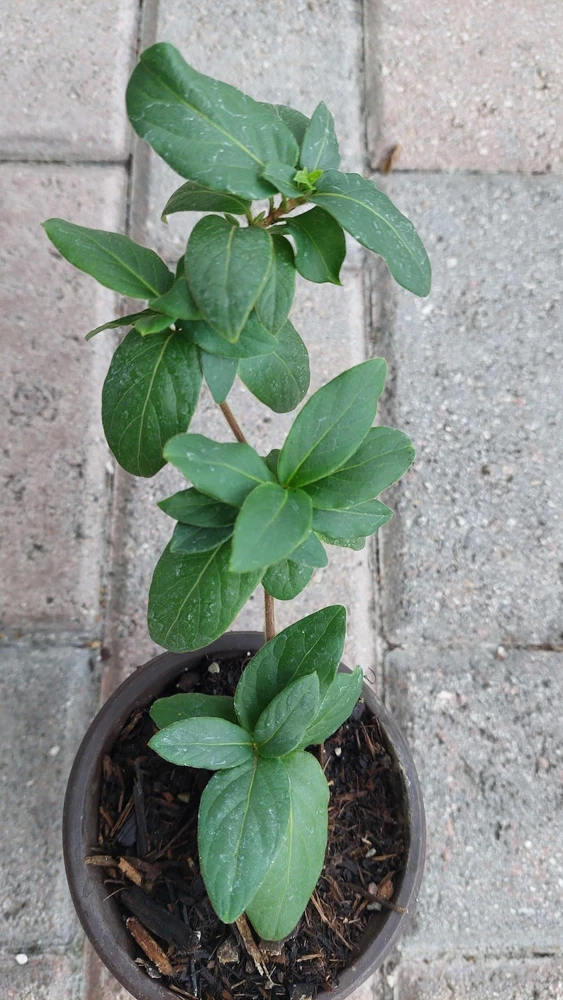
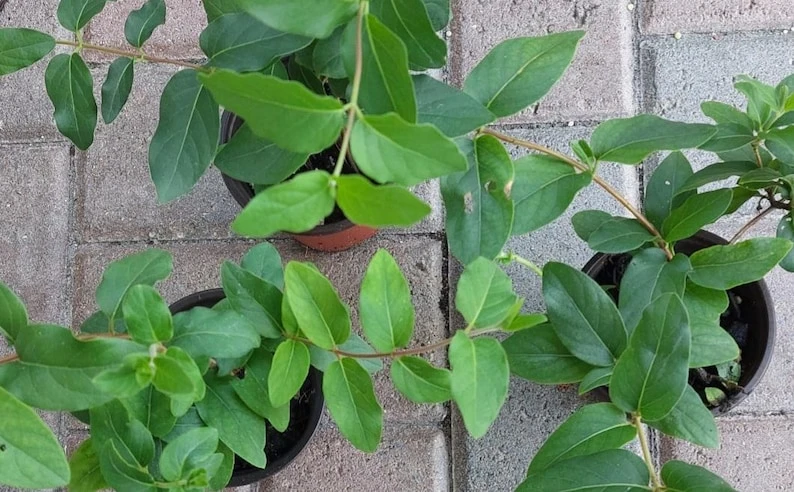
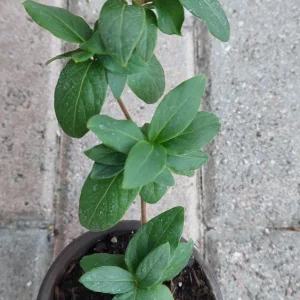
This Japanese honeysuckle live plant is shipped as a healthy, established specimen in a nursery pot, typically measuring 4-6 inches in diameter. Upon arrival, the plant will have several inches of vigorous growth, ready to be transplanted into your garden or a larger container. When mature, this honeysuckle vine can reach impressive lengths, often growing 15-30 feet or more, depending on the support structure and growing conditions. Its spread can be equally substantial, making it perfect for covering large areas quickly. The plant exhibits a fast growth rate, allowing it to establish and cover its intended space within one to two growing seasons. Expect beautiful, fragrant blooms from late spring through summer, continuing into early fall in some regions. The foliage is semi-evergreen to evergreen, providing continuous green interest throughout much of the year in milder climates. This plant is an excellent investment for adding significant visual and aromatic appeal to your landscape.
Frequently Asked Questions
- Q: How big does this plant get and what size pot does it come in? A: This Japanese honeysuckle live plant typically comes in a 4-6 inch nursery pot. When mature, it can grow to be 15-30 feet long as a vine, with a similar spread if left unchecked.
- Q: Is this an indoor or outdoor plant? How much sunlight does it need? A: Japanese honeysuckle is primarily an outdoor plant. It thrives in full sun to partial shade, meaning it needs at least 4-6 hours of direct sunlight daily for the best flowering.
- Q: Is this plant easy to care for? Is it good for beginners? A: Yes, this fast growing vine is considered very easy to care for and is an excellent choice for beginners. It’s adaptable and resilient, requiring minimal attention once established.
- Q: What condition will it arrive in? Is it shipped in soil? A: Your Japanese honeysuckle live plant will arrive as a healthy, well-rooted specimen in its nursery pot with soil, carefully packaged to ensure its safe journey.
- Q: When is the best time to plant Japanese honeysuckle? A: The best time to plant a honeysuckle vine is in spring or early fall, allowing it ample time to establish its root system before extreme temperatures.
- Q: Will it survive winter in my zone? What’s the minimum temperature? A: Lonicera japonica is hardy in USDA zones 4-9. It can tolerate winter temperatures well below freezing, though foliage may die back in colder zones and regrow in spring.
- Q: Does this plant require a trellis or support? A: Yes, as a climbing vine, Japanese honeysuckle will need a trellis, arbor, fence, or other support structure to climb on to reach its full potential and display its beautiful blooms.
Related products
-50%


Original price was: $81.98.$40.99Current price is: $40.99.
-30%
Original price was: $39.99.$27.99Current price is: $27.99.
-50%
Original price was: $267.00.$133.50Current price is: $133.50.
-67%
Original price was: $59.97.$19.99Current price is: $19.99.
-67%
Original price was: $62.22.$20.74Current price is: $20.74.
-19%
Original price was: $28.47.$23.00Current price is: $23.00.
-45%
Original price was: $170.00.$93.50Current price is: $93.50.
PLANTING & CARE
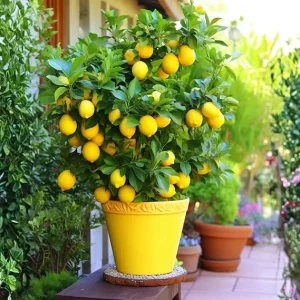
Lemon Tree Growing: Choose, Plant, and Harvest
Learn how to choose, plant, feed, and protect a lemon tree so it fits your
23
Sep
Sep
Dwarf Meyer Lemon Tree Australia: Climate Guide
Learn where dwarf Meyer lemon trees grow, how much cold they tolerate, and whether Australia,
Where to Buy a Dwarf Meyer Lemon Tree: Buyer’s Guide
Find the right dwarf Meyer lemon tree online or locally, compare starter sizes and costs,
Dwarf Meyer Lemon Tree for Sale: Buying Guide
Compare Meyer lemon tree sizes, prices, shipping limits, indoor growing and California options before you
Dwarf Meyer Lemon Tree Guide: Size, Care and Fruit
META: Learn how large a dwarf Meyer lemon tree grows, where it thrives, and how
How to Prune a Dwarf Meyer Lemon Tree
Learn when and how to prune a dwarf Meyer lemon tree, including tools, shaping cuts,
Can You Grow a Dwarf Meyer Lemon Tree in a Pot?
META: Learn how to grow a dwarf Meyer lemon tree in a pot, including container
When Do Dwarf Meyer Lemon Trees Bloom and Fruit?
META: Dwarf Meyer lemon trees usually bloom from winter through spring and may flower again