Joseph’s Coat Cactus Live Plant – Variegated Opuntia monacantha – 2 inch Pot – Indoor/Outdoor
-50%
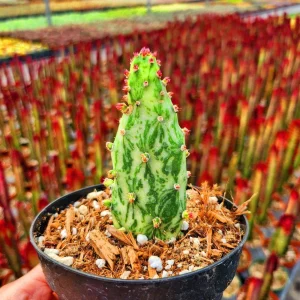
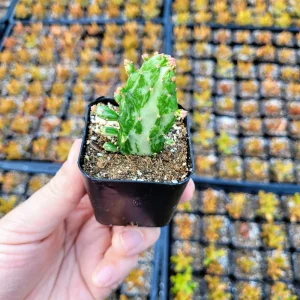
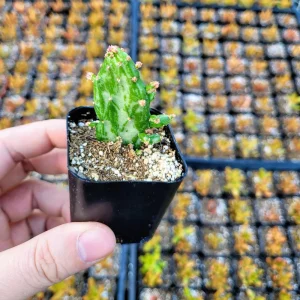
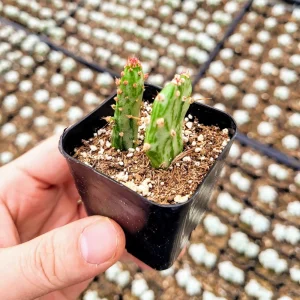
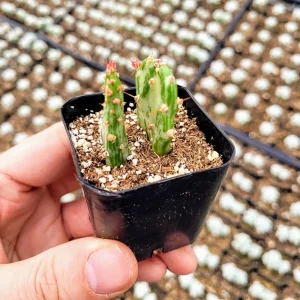
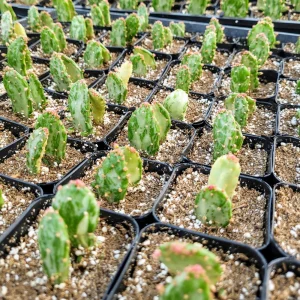
Joseph’s Coat Cactus Live Plant – Variegated Opuntia monacantha – 2 inch Pot – Indoor/Outdoor
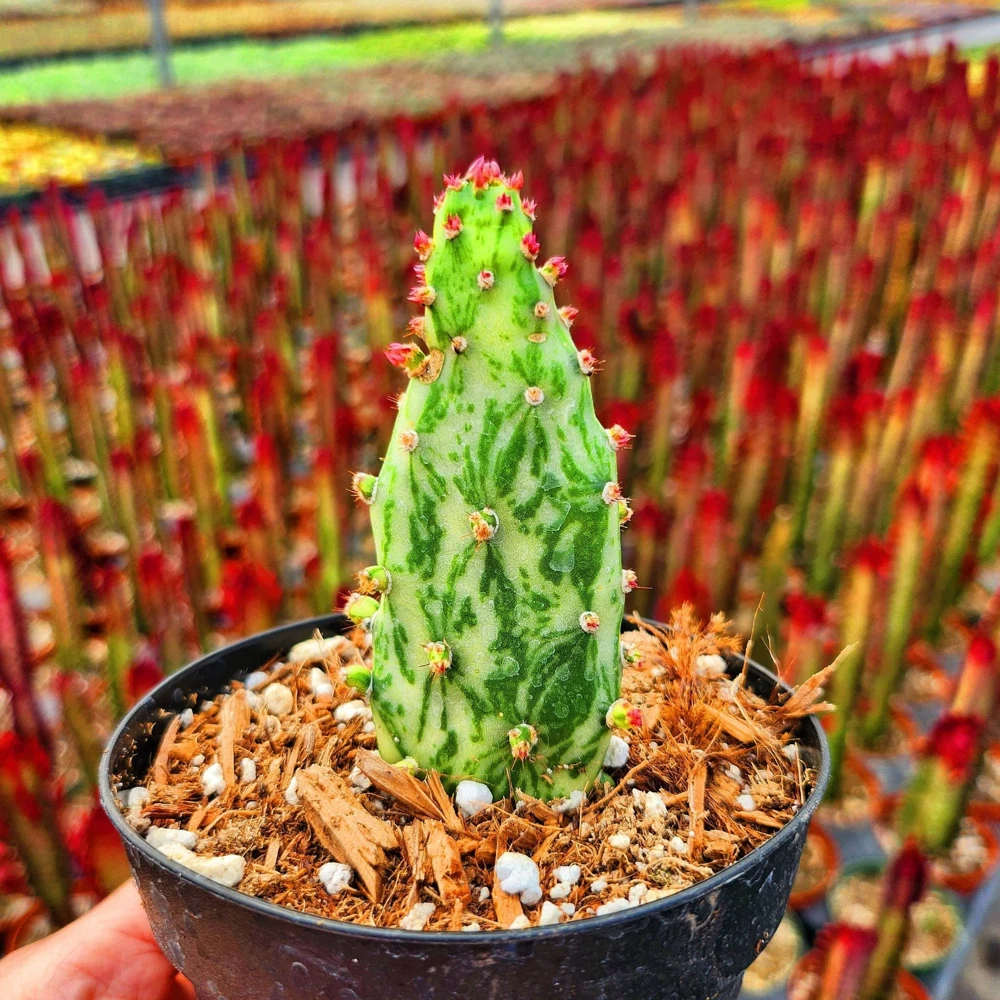
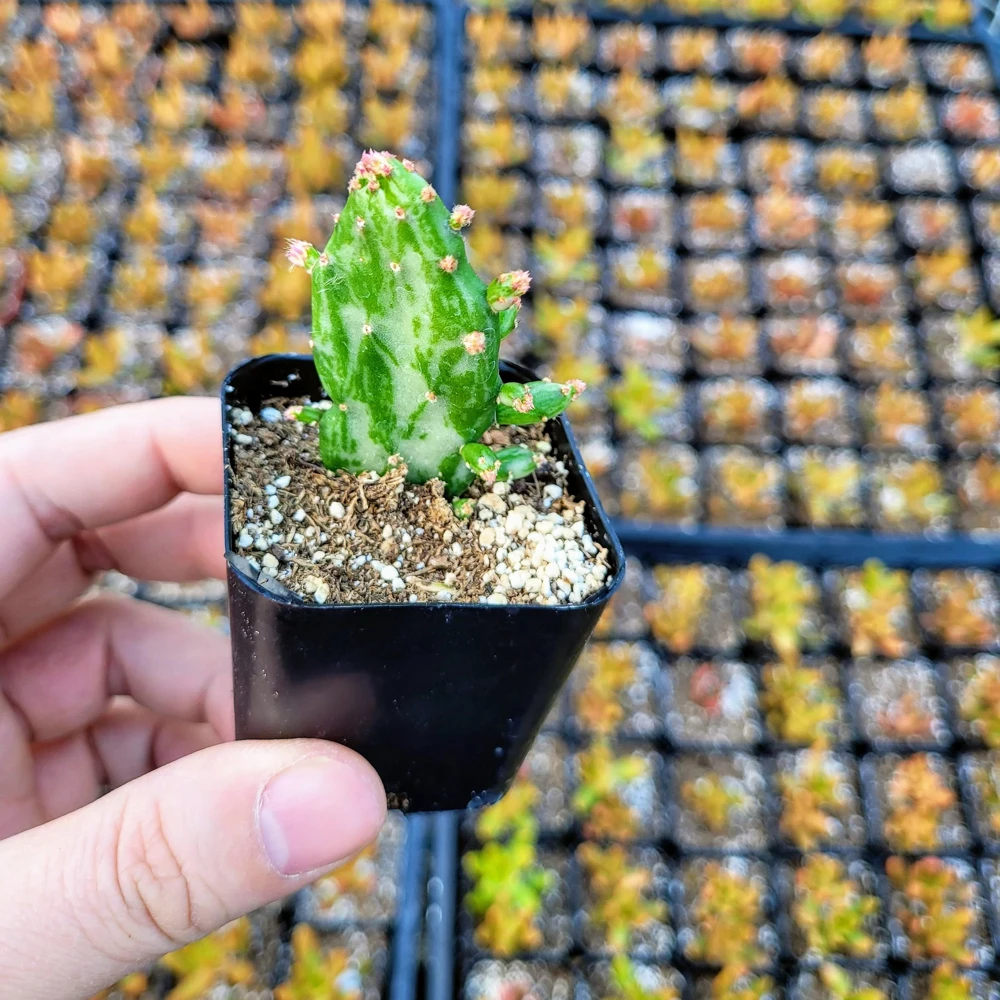
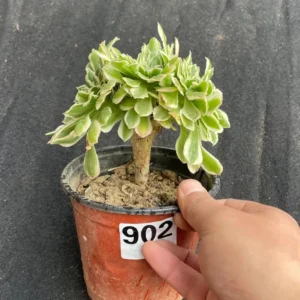
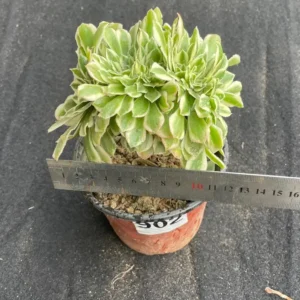
Bring vibrant color to your home with a Joseph’s Coat cactus live plant. This stunning variegated Opuntia monacantha features green, creamy white, and pink-flushed pads, perfect for sunny windowsills or outdoor gardens in warm climates. An easy-to-care-for prickly pear succulent.
Original price was: $32.00.$16.00Current price is: $16.00.

With our Alive & Thrive Guarantee, we’ve got your back for the first 30 days! If you have any concerns about your plants, just reach out to us. Our team is here to help answer your questions and guide you in selecting the best plants for your garden, climate, and unique preferences. We're excited to help you create the garden of your dreams!
Estimated arrival
Oct 13
Oct 18 - Oct 20
Oct 23 - Oct 27
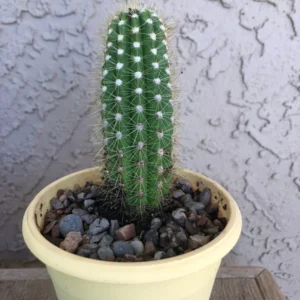
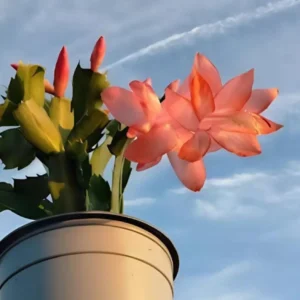
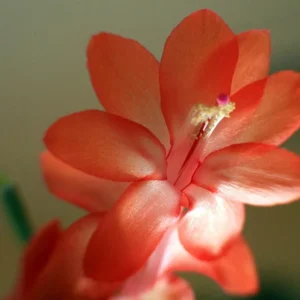
Product Details
-
USDA Hardiness Zone
USDA zones 9-11 (outdoors); year-round indoors -
Soil type
Well-draining cactus and succulent soil -
Sunlight Exposure
Full sun to bright direct light -
Expected Planting Period
Year-round indoors; spring to summer outdoors (in appropriate zones)
Overview
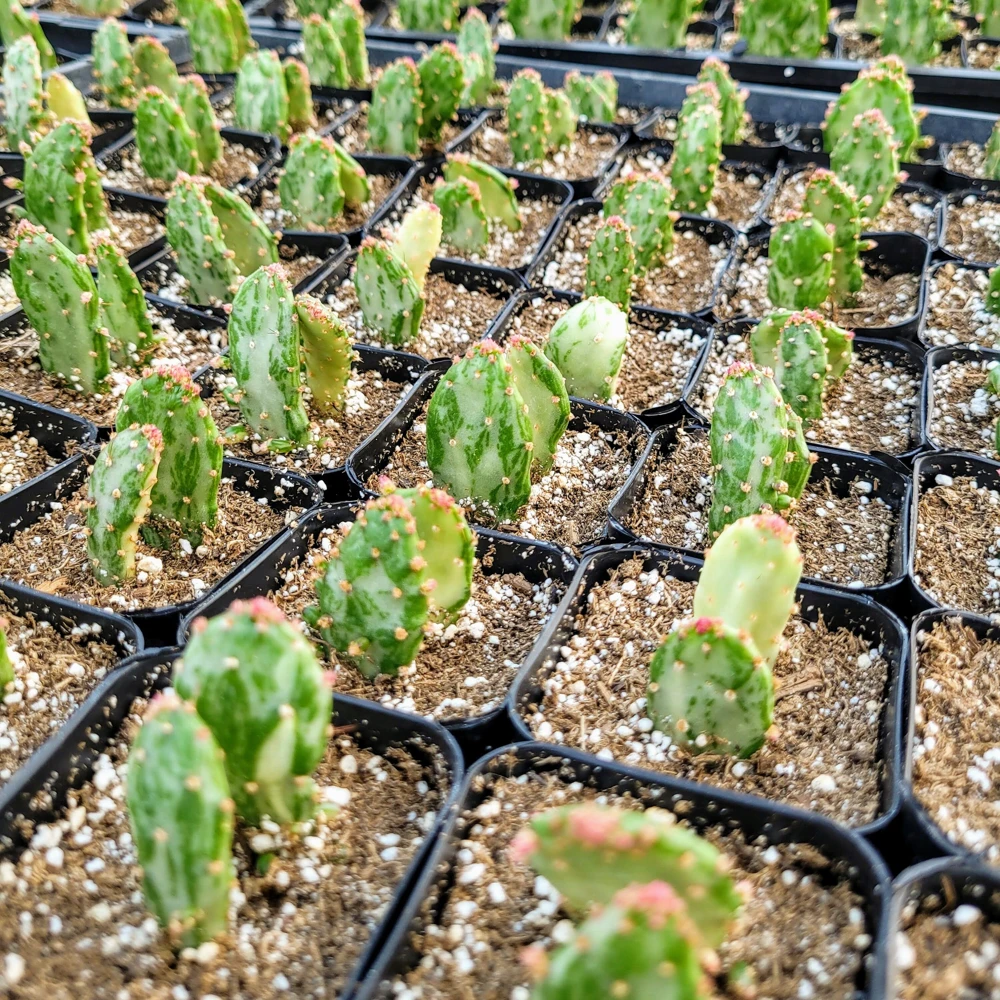
Introduce a splash of unique color and texture to your plant collection with the remarkable Joseph’s Coat cactus live plant. Scientifically known as Opuntia monacantha f. monstruosa variegata, this striking variegated prickly pear cactus is a true showstopper. Its pad-like stems display an intriguing mix of green and creamy white variegation, often beautifully flushed with delicate pink hues, especially when exposed to ample sunlight. This particular form of variegated Opuntia monacantha is cherished for its distinctive appearance and relatively easy care, making it an excellent choice for both novice and experienced succulent enthusiasts. The plant thrives on neglect, preferring bright, sunny conditions and well-draining soil, characteristic of most cacti. It’s an adaptable succulent that can be grown indoors in a bright location or outdoors in frost-free regions, adding a unique architectural element to any space. Be aware that like other Opuntia species, it possesses fine, barbed bristles called glochids, which require careful handling with tongs to avoid skin irritation.
The Joseph’s Coat cactus live plant is a resilient and visually appealing succulent that forms an intriguing silhouette as its pads grow and stack. These plants are known for their ability to create numerous offshoots, allowing them to expand and fill their space over time. Its vibrant coloration ensures it stands out, whether as a solo specimen or part of a larger succulent arrangement. This prickly pear cactus care is straightforward, focusing on providing adequate light and preventing overwatering, which are key to its health and continued growth. It’s a fantastic choice for those looking for a low-maintenance yet high-impact plant.
Key Benefits
The Joseph’s Coat cactus live plant offers a multitude of benefits, making it an excellent addition to any home or garden. Its unique characteristics contribute to its appeal and ease of care:
- Stunning Variegation: The most prominent benefit is its eye-catching variegated foliage, featuring shades of green, creamy white, and pink. This vibrant coloring makes it a focal point in any plant display or garden setting.
- Low Maintenance: As a cactus, it requires minimal watering and thrives on neglect once established. This makes it ideal for busy individuals or those new to plant care, reducing the need for constant attention.
- Drought-Tolerant: Adapted to arid conditions, the variegated Opuntia monacantha can withstand periods of drought, making it a water-wise choice for sustainable gardening.
- Unique Growth Habit: Its pad-like stems grow in an interesting stacking formation, creating a visually appealing and architectural silhouette that adds character to your plant collection.
- Versatile Placement: Suitable for both indoor and outdoor environments (in appropriate climates), it can adorn sunny windowsills, patios, rock gardens, or xeriscapes.
- Air Purification: Like many plants, succulents can help improve indoor air quality by absorbing toxins and releasing oxygen, contributing to a healthier living environment.
- Easy Propagation: The pads readily produce offshoots, which can be easily detached and rooted to create new plants, allowing you to expand your collection or share with friends.
Plant Care & Growing Tips
Proper prickly pear cactus care is crucial for the health and vibrancy of your Joseph’s Coat cactus live plant. This succulent thrives under specific conditions that mimic its native arid environment. For optimal growth, provide plenty of bright, direct sunlight. Indoors, place it in your sunniest window, ideally south-facing, where it can receive at least 6 hours of direct light daily. If outdoor temperatures are consistently above freezing, it will flourish in full sun. Insufficient light can lead to etiolation, where the plant stretches and becomes weak in search of light.
Watering is perhaps the most critical aspect of caring for your variegated Opuntia monacantha. While it can tolerate slightly more frequent watering than some other cacti, it’s essential to let the soil dry out completely between waterings. Overwatering is the quickest way to kill a cactus, leading to root rot. When you do water, do so thoroughly until water drains from the bottom of the pot. During winter months, reduce watering significantly, often to once a month or even less, as the plant enters a period of dormancy. The ideal soil for this cactus is a well-draining mix specifically formulated for cacti and succulents, typically containing 70% to 80% mineral grit such as coarse sand, pumice, or perlite. This ensures excellent drainage and aeration, preventing water from sitting around the roots. Ensure your pot has drainage holes.
Temperature and hardiness are also important considerations for Opuntia monacantha growing tips. This cactus is not frost-tolerant and will not survive freezing temperatures. If you live in a region with cold winters, it’s best to bring your plant indoors before the first frost. Indoors, it prefers average room temperatures. Fertilization is generally not heavily required; a diluted, low-nitrogen cactus fertilizer can be applied once or twice during the growing season (spring and summer). Common problems include root rot from overwatering, and pests like mealybugs or spider mites, which can often be treated with horticultural oil or insecticidal soap. Always handle this plant with tongs or thick gloves due to its glochids.
Size & Details
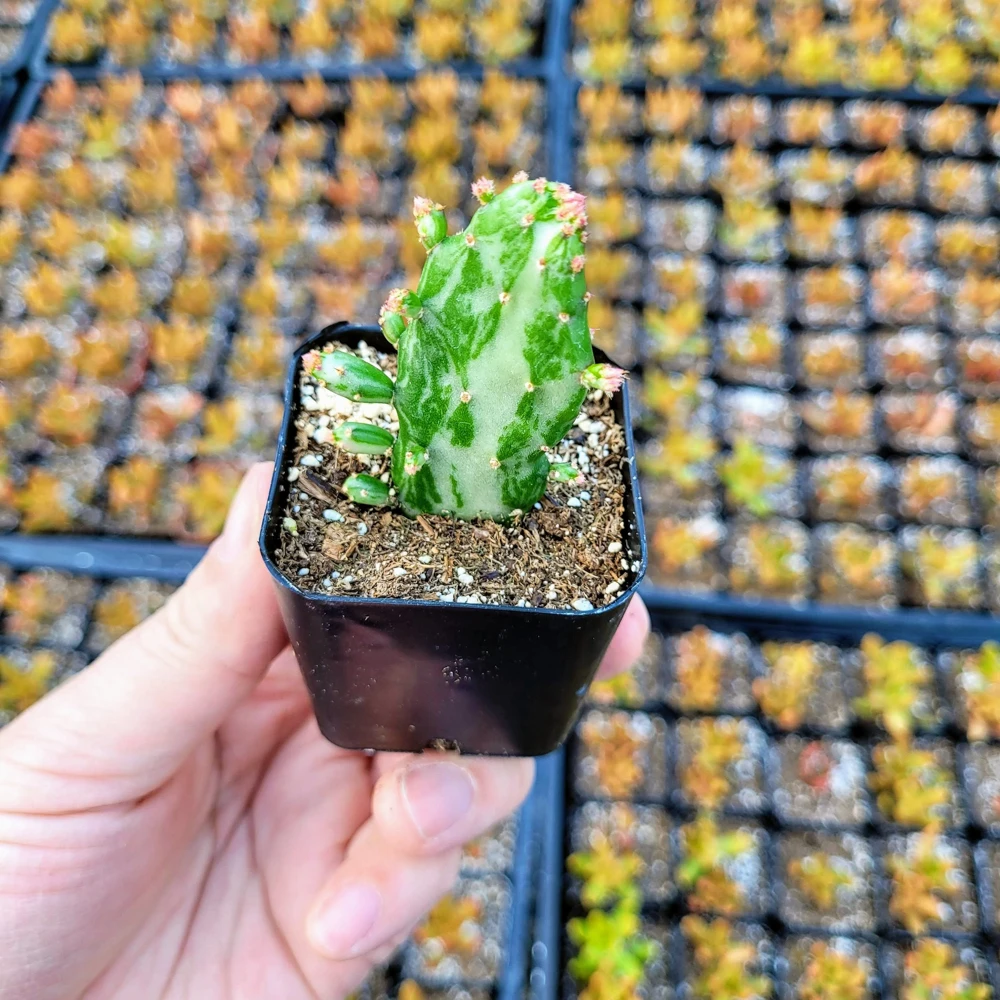
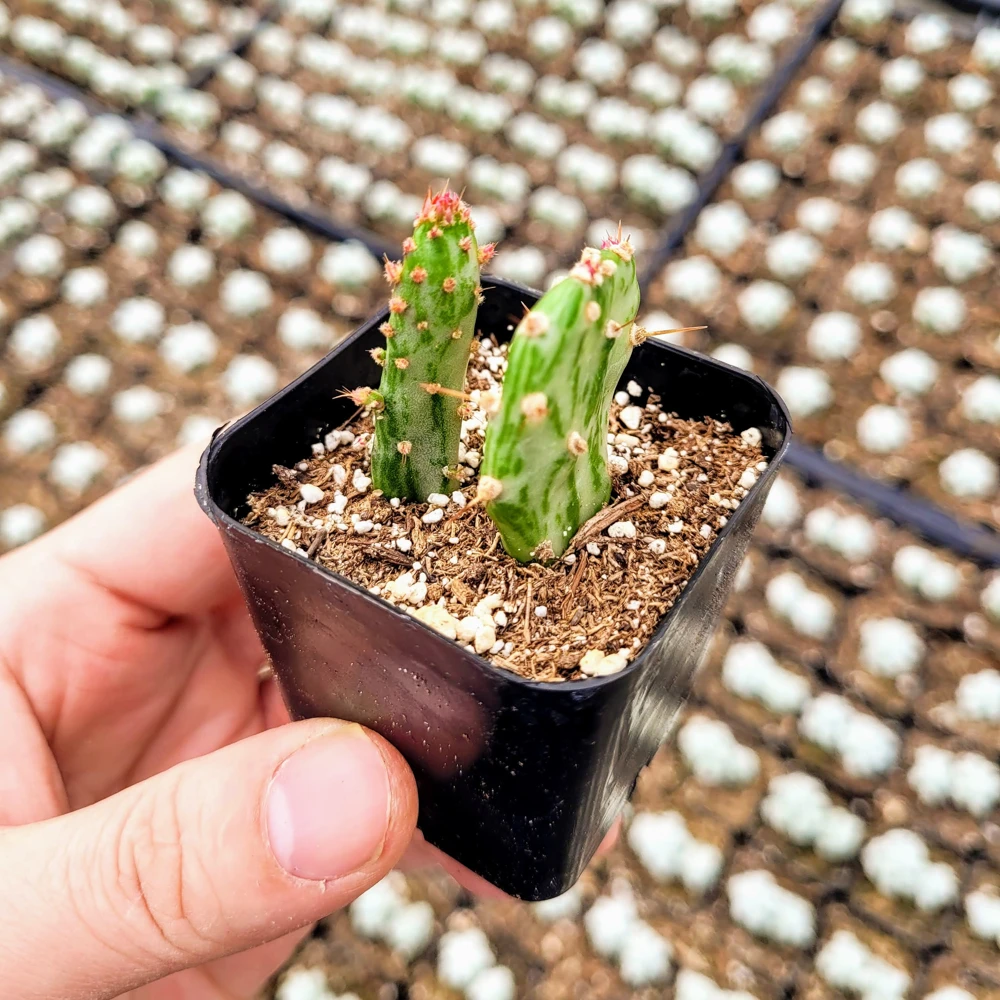
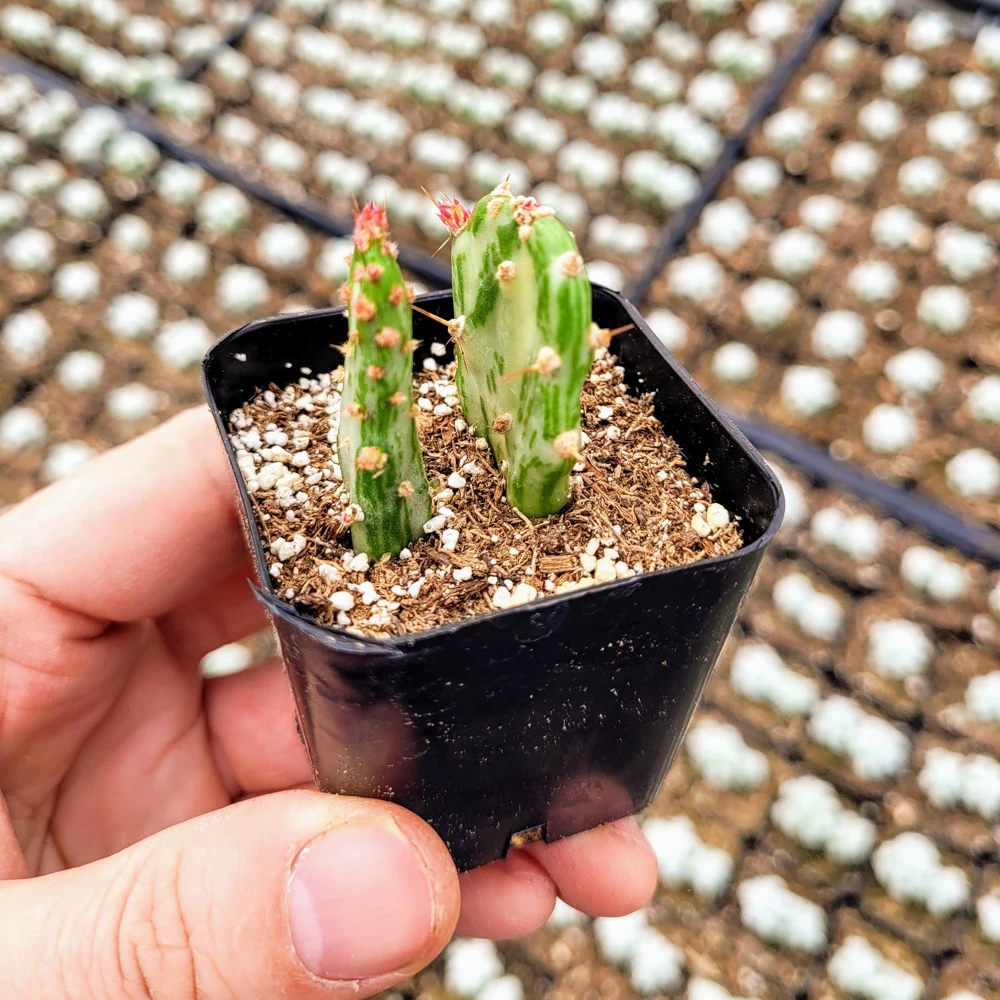
This offering includes one live Joseph’s Coat cactus live plant, specifically a variegated Opuntia monacantha, provided in a 2 inch nursery pot. At this size, the plant typically consists of several pads, showcasing its distinctive coloration. The exact shape and number of pads may vary slightly from the product image, as each plant is a unique living organism. These cacti are relatively fast-growing given optimal conditions and will readily produce new pads and offshoots, allowing them to expand their footprint over time. While the plant starts compact in its 2 inch pot, it has the potential to grow quite large if given sufficient space and light, with individual pads eventually stacking to form a substantial specimen. It ships as a healthy, rooted plant, ready to be placed in its new home or repotted into a slightly larger container upon arrival. With proper prickly pear cactus care, this plant will continue to grow and develop its unique form and vibrant colors for many years to come.
Frequently Asked Questions
- Q: How big does this Joseph’s Coat cactus live plant get? A: While it starts in a 2 inch pot, a mature variegated Opuntia monacantha can grow quite large over time, with pads stacking up to several feet tall and wide when given ample space and light, though it also adapts well to container size.
- Q: Is this an indoor or outdoor plant? A: The Joseph’s Coat cactus live plant can thrive both indoors and outdoors. It is an excellent indoor plant for a sunny window, but can also be grown outdoors in USDA zones where temperatures do not drop below freezing, typically zone 9 and above.
- Q: How much sunlight does it need? A: This cactus requires abundant sunlight. Provide at least 6 hours of direct sun daily. Indoors, a south-facing window is ideal. Outdoors, full sun is preferred for the best coloration and growth.
- Q: Is this plant easy to care for? A: Yes, this prickly pear cactus care is considered easy. Its main requirements are plenty of sunlight and very infrequent watering, making it suitable for beginners and those looking for low-maintenance plants.
- Q: What condition will it arrive in? A: Your Joseph’s Coat cactus live plant will arrive as a healthy, rooted plant in a 2 inch nursery pot, carefully packaged to minimize stress during shipping. Minor imperfections from transit are possible but do not typically affect the plant’s long-term health.
- Q: How long until it blooms? A: Opuntia varieties typically bloom in spring or early summer with yellow or orange flowers, but flowering can take several years for a mature plant. Consistent care and ample sunlight encourage blooming.
- Q: Will it survive winter in my zone? A: This variegated Opuntia monacantha is not frost-hardy. If you live in an area with freezing temperatures, it must be brought indoors during winter to protect it from cold damage.
- Q: What type of soil is best for Opuntia monacantha growing tips? A: The best soil is a well-draining cactus and succulent mix, ideally one that contains 70-80% mineral grit like pumice, perlite, or coarse sand to ensure excellent drainage and prevent root rot.
- Q: Is this plant pet-safe? A: While cacti are not typically toxic, the glochids (fine barbed bristles) on Opuntia species can cause irritation if ingested or come into contact with skin. It’s best to keep them out of reach of pets and children.
- Q: How often should I water this cactus? A: Water deeply only when the soil has completely dried out. For most indoor environments, this might be every 2-4 weeks. Reduce watering significantly in winter.
Related products
-30%
Original price was: $79.98.$55.98Current price is: $55.98.
-30%
Original price was: $79.98.$55.98Current price is: $55.98.
-30%
Original price was: $79.98.$55.98Current price is: $55.98.
PLANTING & CARE
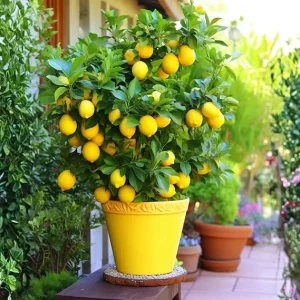
Lemon Tree Growing: Choose, Plant, and Harvest
Learn how to choose, plant, feed, and protect a lemon tree so it fits your
23
Sep
Sep
Dwarf Meyer Lemon Tree Australia: Climate Guide
Learn where dwarf Meyer lemon trees grow, how much cold they tolerate, and whether Australia,
Where to Buy a Dwarf Meyer Lemon Tree: Buyer’s Guide
Find the right dwarf Meyer lemon tree online or locally, compare starter sizes and costs,
Dwarf Meyer Lemon Tree for Sale: Buying Guide
Compare Meyer lemon tree sizes, prices, shipping limits, indoor growing and California options before you
Dwarf Meyer Lemon Tree Guide: Size, Care and Fruit
META: Learn how large a dwarf Meyer lemon tree grows, where it thrives, and how
How to Prune a Dwarf Meyer Lemon Tree
Learn when and how to prune a dwarf Meyer lemon tree, including tools, shaping cuts,
Can You Grow a Dwarf Meyer Lemon Tree in a Pot?
META: Learn how to grow a dwarf Meyer lemon tree in a pot, including container
When Do Dwarf Meyer Lemon Trees Bloom and Fruit?
META: Dwarf Meyer lemon trees usually bloom from winter through spring and may flower again