Kalanchoe Gastonis Bonnieri Donkey Ears Succulent Live Plant, Green
-50%
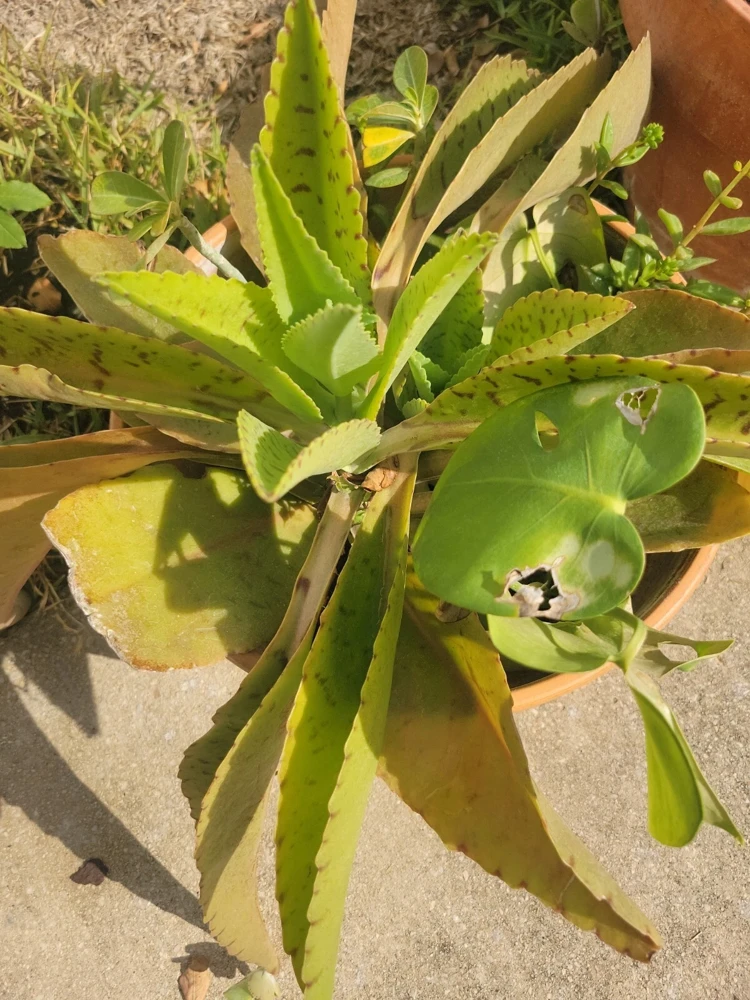
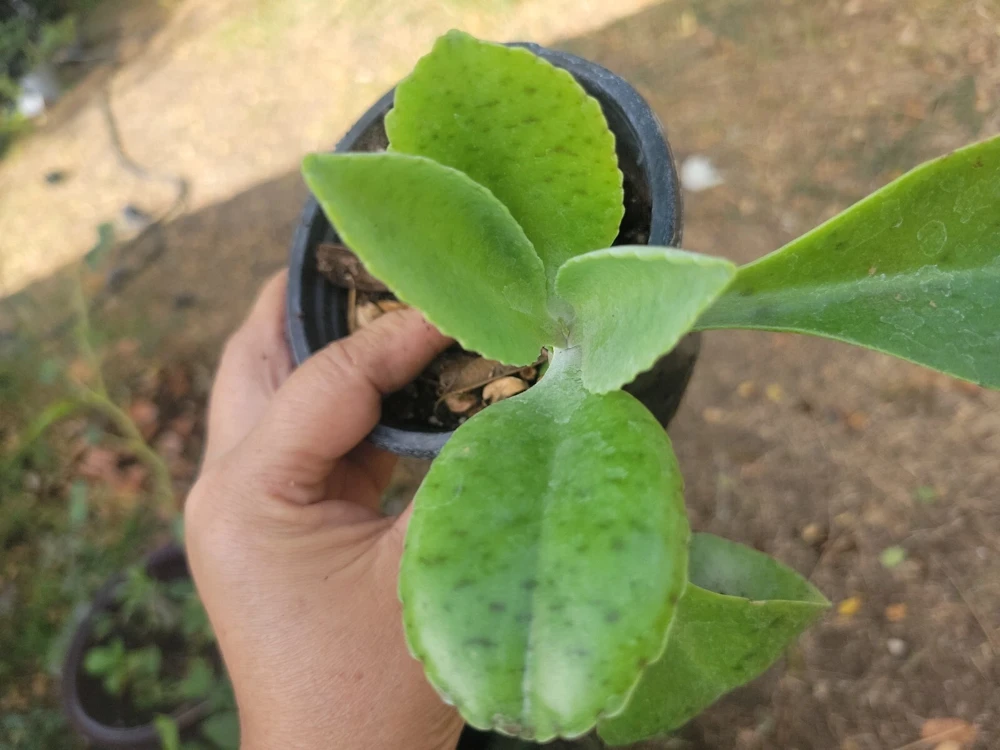
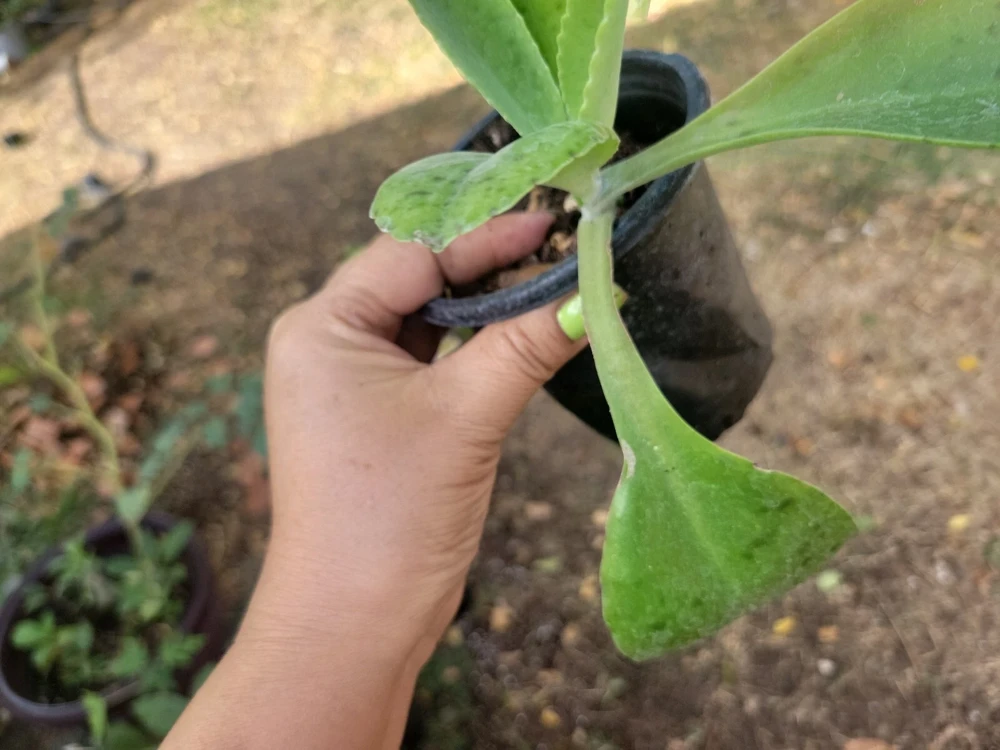
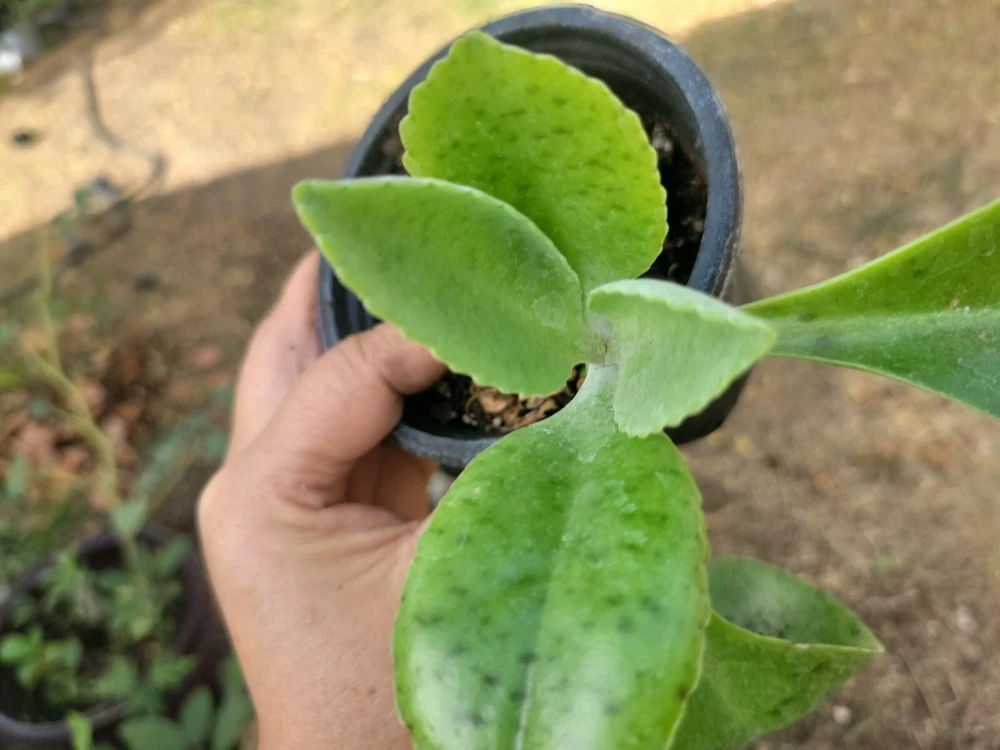
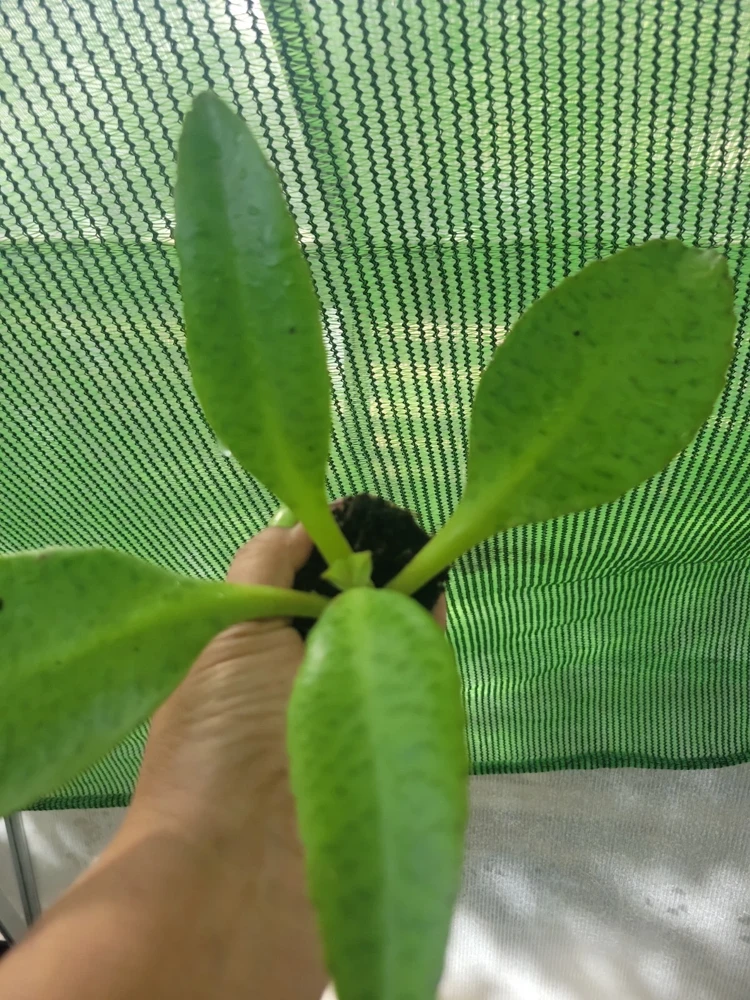
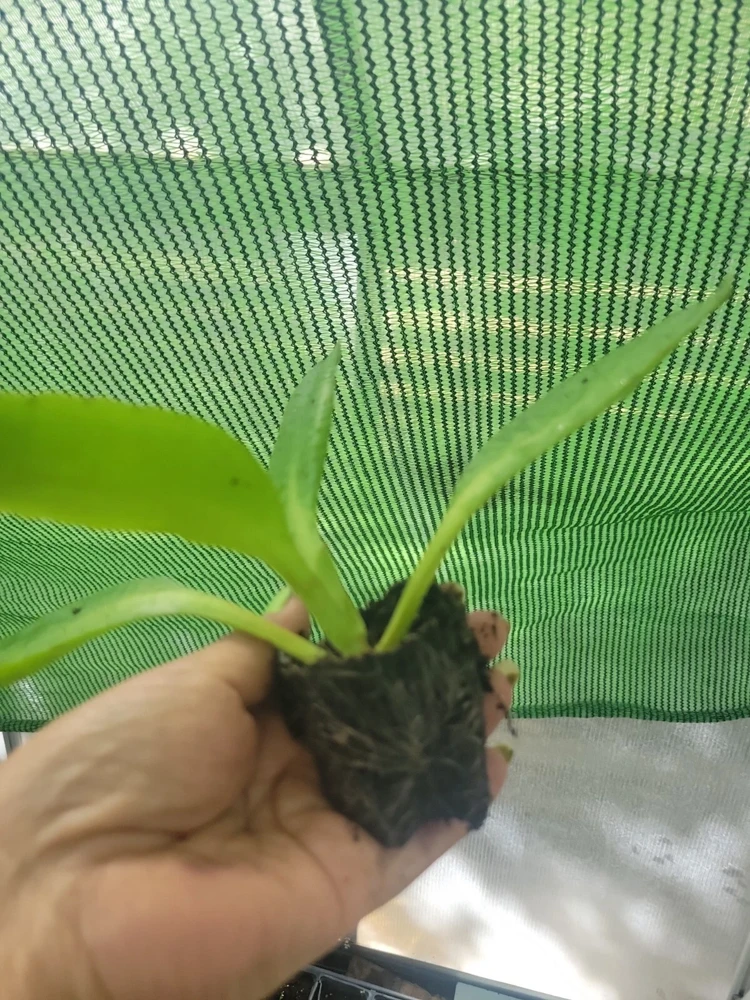
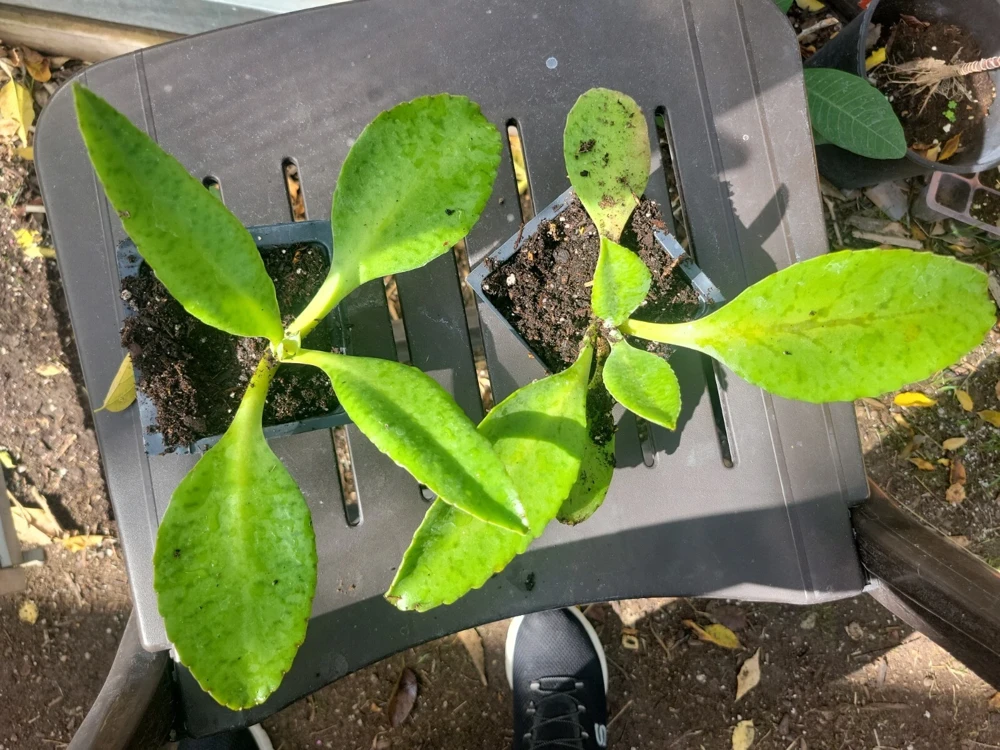
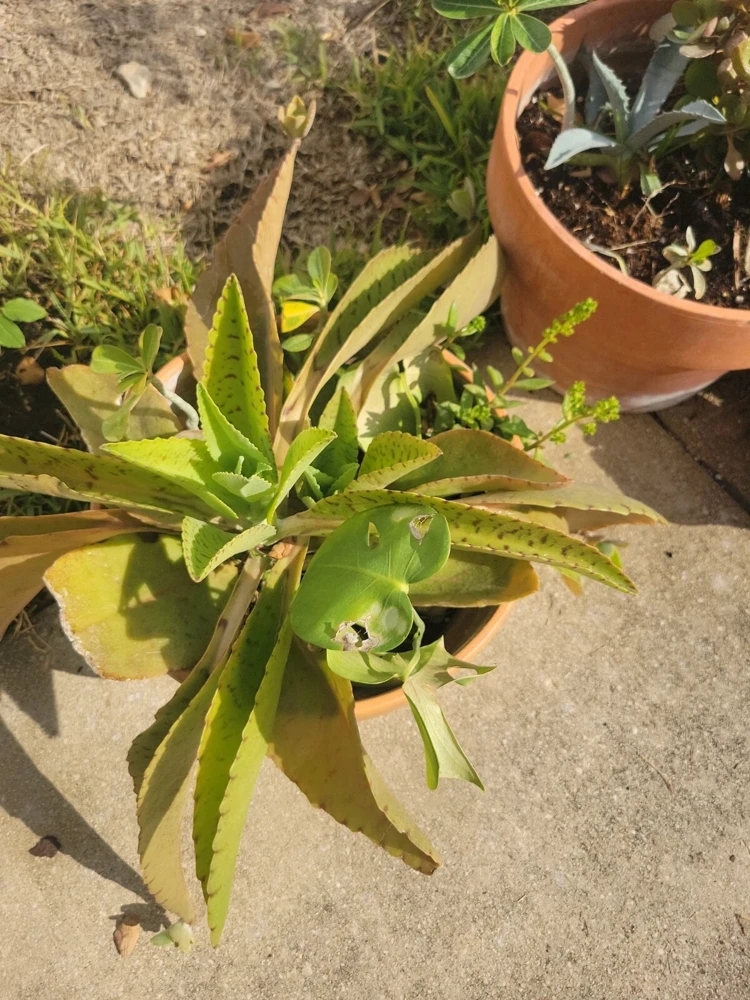
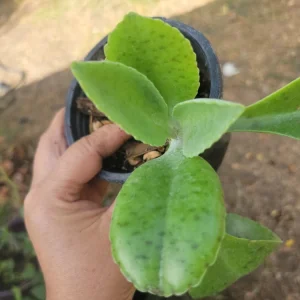
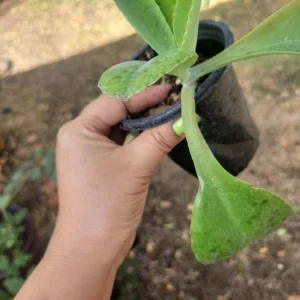
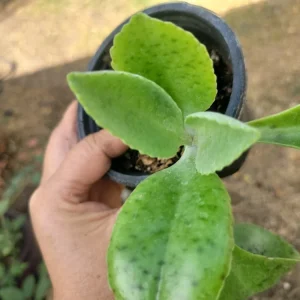
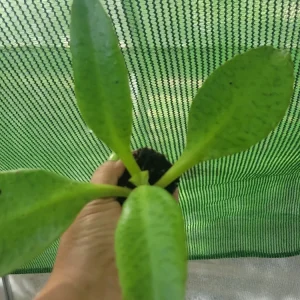
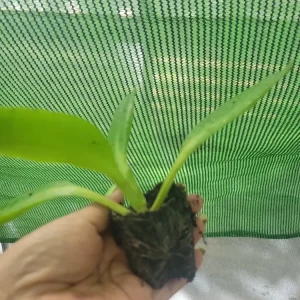
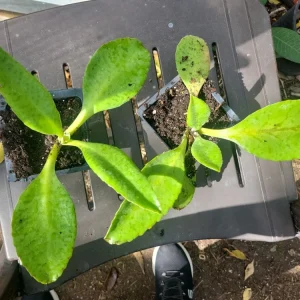
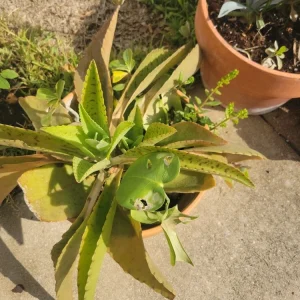
Kalanchoe Gastonis Bonnieri Donkey Ears Succulent Live Plant, Green
Bring home a distinctive Kalanchoe gastonis bonnieri, often called Donkey Ears succulent. This easy-care, rare succulent live plant features striking green leaves, perfect for adding a tropical touch to your indoor or outdoor garden. Enjoy its unique foliage and robust nature.
Original price was: $28.00.$14.00Current price is: $14.00.

With our Alive & Thrive Guarantee, we’ve got your back for the first 30 days! If you have any concerns about your plants, just reach out to us. Our team is here to help answer your questions and guide you in selecting the best plants for your garden, climate, and unique preferences. We're excited to help you create the garden of your dreams!
Estimated arrival
Oct 08
Oct 13 - Oct 15
Oct 18 - Oct 22
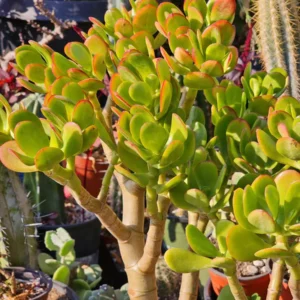

Product Details
-
USDA Hardiness Zone
9 (20 to 30 °F) -
Soil type
Well-draining succulent potting mix -
Sunlight Exposure
Full Sun -
Expected Planting Period
Year-round indoors, spring to summer outdoors
Overview
Introduce an exotic touch to your plant collection with the captivating Kalanchoe gastonis bonnieri, commonly known as Donkey Ears succulent. This remarkable live plant, also referred to as orejas de burro plant, is celebrated for its large, paddle-shaped leaves that boast a unique, mottled green appearance, often with reddish-brown spots and a powdery, waxy coating. Native to Madagascar, this tropical succulent is a conversation starter, offering both visual intrigue and relative ease of care. It’s an excellent choice for succulent enthusiasts and beginners alike, providing a distinct aesthetic that stands out in any setting. Its robust nature and unique growth habit make it a fascinating addition to diverse plant arrangements, embodying the beauty of rare succulent plants.
The Kalanchoe gastonis bonnieri is a truly special specimen within the succulent family. Its common name, Donkey Ears, perfectly describes its broad, elongated leaves that can grow quite large, creating an impressive display. As a Kalanchoe gastonis bonnieri, it thrives in warm climates and can be a stunning outdoor specimen in suitable zones or a fantastic indoor plant for year-round enjoyment. Its distinctive foliage and low-maintenance requirements make it a popular choice for those seeking unique yet manageable greenery.
Key Benefits
The Kalanchoe gastonis bonnieri offers a wealth of benefits beyond its striking appearance, making it a highly desirable addition to any plant collection. Its unique characteristics contribute to its appeal and ease of integration into various home and garden environments.
- Unique Ornamental Appeal: The large, paddle-shaped leaves with their distinctive mottling and powdery coating make the Donkey Ears succulent an instant focal point. Its architectural form adds modern elegance to any space.
- Low Maintenance: As a succulent, this plant is incredibly forgiving and requires minimal watering and attention, making it perfect for busy individuals or novice gardeners. Enjoy its beauty without constant fuss.
- Air Purification: Like many plants, the Kalanchoe contributes to improved indoor air quality by absorbing toxins and releasing oxygen, fostering a healthier living environment.
- Drought Tolerant: Adapted to arid conditions, the Kalanchoe gastonis bonnieri stores water in its leaves, allowing it to withstand periods of drought. This resilience ensures longevity and reduces watering frequency.
- Propagates Easily: This plant is known for producing small plantlets along the edges of its leaves, which can be easily detached and rooted to create new plants, offering endless propagation opportunities.
- Versatile Placement: Suitable for both indoor and outdoor settings (in appropriate climates), this succulent can adorn windowsills, patios, rock gardens, or xeriscapes.
- Child Safe: The Kalanchoe gastonis bonnieri is listed as child safe, providing peace of mind for families with young children while adding natural beauty to the home.
Plant Care & Growing Tips
Caring for your Kalanchoe gastonis bonnieri is straightforward, especially if you understand its succulent nature and preferences. Providing the right conditions will ensure a healthy, thriving plant that continues to impress with its unique foliage. Understanding Kalanchoe succulent care is key to its success.
This Donkey Ears succulent thrives in bright, indirect light to full sun. When grown indoors, place it near a south or west-facing window where it can receive several hours of bright light daily. If moving it outdoors, gradually acclimate it to direct sunlight to prevent leaf scorch. In very hot climates, some afternoon shade can be beneficial. It’s crucial to provide adequate light to prevent leggy growth and maintain the vibrant coloration of its leaves. The USDA Hardiness Zone for this plant is 9 (20 to 30 °F), meaning it can tolerate mild frost but prefers warmer, tropical climates.
Watering is perhaps the most critical aspect of Kalanchoe gastonis bonnieri care. As a succulent, it is highly drought-tolerant. Allow the soil to dry out completely between waterings. When you do water, do so thoroughly until water drains from the bottom of the pot. Reduce watering significantly during the cooler, dormant months. Overwatering is the most common cause of succulent demise, leading to root rot. Use a well-draining potting mix, ideally one formulated for cacti and succulents, to ensure proper drainage. A mix containing perlite, pumice, or coarse sand will prevent waterlogging. Fertilize sparingly; a balanced, diluted liquid fertilizer can be applied once or twice during the growing season (spring and summer). Repot only when the plant outgrows its container, typically every 2-3 years, choosing a pot only slightly larger than the previous one.
Size & Details
The Kalanchoe gastonis bonnieri, or orejas de burro plant, is a single live plant, ready to thrive in your home or garden. When mature, this succulent typically grows to an impressive size, with leaves reaching up to 18-24 inches in length and the plant itself forming a rosette up to 2-3 feet tall and wide. It’s shipped in a vegetative state, indicating a robust, actively growing plant. The plant comes in a standard nursery pot, ready for transplanting into your preferred decorative container or garden bed. Expect a moderate growth rate, with new leaves and offsets appearing regularly under optimal conditions, contributing to its lush appearance. This plant is sold as a single specimen, ensuring you receive a high-quality, individual plant.
Frequently Asked Questions
- Q: How big does this Kalanchoe gastonis bonnieri get? A: The Kalanchoe gastonis bonnieri can grow quite large, with leaves reaching up to 18-24 inches long and the entire plant forming a rosette that can be 2-3 feet tall and wide when mature.
- Q: Is this an indoor or outdoor plant? A: This plant is versatile. It can be grown outdoors in USDA Zones 9 and above, where temperatures rarely drop below 20-30°F. In colder climates, it makes an excellent indoor potted plant.
- Q: How much sunlight does the Donkey Ears succulent need? A: The Donkey Ears succulent thrives in bright, indirect light to full sun. Indoors, place it near a sunny window; outdoors, it can handle direct sun but may appreciate some afternoon shade in very hot regions.
- Q: Is this plant easy to care for? A: Yes, Kalanchoe succulent care is generally considered easy. It’s a drought-tolerant succulent that requires minimal watering and attention, making it suitable for beginners.
- Q: What condition will the Kalanchoe gastonis bonnieri arrive in? A: Your Kalanchoe gastonis bonnieri will arrive as a healthy, actively growing live plant in a vegetative state, typically in a nursery pot, ready for you to transplant.
- Q: How often should I water my orejas de burro plant? A: Water your orejas de burro plant only when the soil has completely dried out. Water thoroughly until it drains from the bottom, then allow it to dry again before the next watering.
- Q: Is the Kalanchoe gastonis bonnieri pet-safe? A: While the listing indicates it is child-safe, it’s always best to research specific Kalanchoe varieties for pet toxicity. Many Kalanchoe species can be toxic to pets if ingested.
- Q: What type of soil is best for this rare succulent plant? A: A well-draining potting mix is crucial. Use a mix specifically formulated for cacti and succulents, or amend regular potting soil with perlite or coarse sand to improve drainage for your rare succulent plants.
- Q: When is the best time to repot this Kalanchoe? A: Repot your Kalanchoe when it outgrows its current container, typically every 2-3 years. Choose a pot that is only slightly larger to avoid overwatering issues.
- Q: What is the ideal temperature range for this Kalanchoe? A: This tropical succulent prefers warm temperatures, ideally between 65-80°F (18-27°C). It can tolerate temperatures down to 20°F in USDA Zone 9 but should be protected from frost.
Related products
-30%
Original price was: $79.98.$55.98Current price is: $55.98.
-30%
Original price was: $85.98.$60.18Current price is: $60.18.
-30%
Original price was: $79.98.$55.98Current price is: $55.98.
-30%
Original price was: $129.98.$90.98Current price is: $90.98.
-30%
Original price was: $79.98.$55.98Current price is: $55.98.
-39%
Original price was: $39.98.$24.50Current price is: $24.50.
PLANTING & CARE
Lemon Tree Growing: Choose, Plant, and Harvest
Learn how to choose, plant, feed, and protect a lemon tree so it fits your
23
Sep
Sep
Dwarf Meyer Lemon Tree Australia: Climate Guide
Learn where dwarf Meyer lemon trees grow, how much cold they tolerate, and whether Australia,
Where to Buy a Dwarf Meyer Lemon Tree: Buyer’s Guide
Find the right dwarf Meyer lemon tree online or locally, compare starter sizes and costs,
Dwarf Meyer Lemon Tree for Sale: Buying Guide
Compare Meyer lemon tree sizes, prices, shipping limits, indoor growing and California options before you
Dwarf Meyer Lemon Tree Guide: Size, Care and Fruit
META: Learn how large a dwarf Meyer lemon tree grows, where it thrives, and how
How to Prune a Dwarf Meyer Lemon Tree
Learn when and how to prune a dwarf Meyer lemon tree, including tools, shaping cuts,
Can You Grow a Dwarf Meyer Lemon Tree in a Pot?
META: Learn how to grow a dwarf Meyer lemon tree in a pot, including container
When Do Dwarf Meyer Lemon Trees Bloom and Fruit?
META: Dwarf Meyer lemon trees usually bloom from winter through spring and may flower again