-
×
 Tuscan Blue Rosemary Live Plants - 6 Starter Plants, 5-8" Tall - Culinary & Ornamental Herb
1 × $25.24
Tuscan Blue Rosemary Live Plants - 6 Starter Plants, 5-8" Tall - Culinary & Ornamental Herb
1 × $25.24 -
×
 Mixed Apple Trees – Live plant – 2.5 ft tall – Outdoor
3 × $524.00
Mixed Apple Trees – Live plant – 2.5 ft tall – Outdoor
3 × $524.00 -
×
Sweet Autumn Clematis – Live plant – Vines – 4 Inch Pot – Outdoor
1 × $42.00
-
×
Sweet Pink Guava Tree Live Plant, Tropical Fruit, Fragrant, Starter Size 5-9" Tall, Outdoor
2 × $19.99
-
×
Begonia Rex Maculata 'Angel Wing' Live Plant – Potted Houseplant Indoor
1 × $49.99
-
×
White Thanksgiving Cactus Live Plant - 7" Tall, 6" Pot - Indoor/Outdoor Zygocactus
1 × $90.98
-
×
Philodendron Brasil Vining Live Plant - Indoor Houseplant Starter
2 × $22.50
-
×
Navaho Thornless Blackberry Starter Plug - Live Plant - Sweet Fruit
2 × $28.80
-
×
Tradescantia Pink Furry Live Plant - Fuzzy Trailing Houseplant for Indoor Display
1 × $9.78
-
×
Sugar Apple Live Plant - Annona Squamosa Tropical Fruit Tree - 4-6 Inch Tall, 3 Inch Pot
1 × $26.09
-
×
100+ Vinca Minor Periwinkle Live Plants - Evergreen Ground Cover Bare Roots, Zones 4-9
1 × $99.90
-
×
Swamp Rose Mallow – Live plant – Flowering shrub – Indoor/Outdoor
2 × $31.50
-
×
30 Organic Egyptian Walking Onion Live Plants - Perennial Edible Allium
1 × $125.99
-
×
Caladium White Mix Flower Bulbs - Value Pack (6 Bulbs) Size #2
1 × $12.94
-
×
Lisianthus Voyage 2 Blue Live Plugs - Cut Flower Plant - Blue Eustoma grandiflorum
2 × $12.94
-
×
20 Organic Sugar Apple Seeds - Annona Squamosa Tropical Fruit Plant Seeds
1 × $13.98
-
×
Scheherazade Rose Live Plant - Fragrant Pink Ruffled Shrub, 6 inch Ownroot
1 × $58.00
-
×
Pink Orchid Cactus Live Plant – 8-inch Height, 4-inch Pot – Indoor/Outdoor
1 × $60.18
-
×
Granny Smith Apple Tree – Live Plant – 2.5 ft Tall – Outdoor
3 × $70.00
-
×
Vigoro Replacement Liners – Garden Accessory – 2 Pack – Indoor/Outdoor
1 × $31.50
-
×
Dwarf Everbearing Mulberry Tree - Bare Root Starter Plant - Cold Hardy Fruit Tree
1 × $25.58
-
×
Yellow Christmas Cactus Live Plant – Zygocactus – 4 inch Pot – Indoor Houseplant
2 × $87.38
-
×
Red Fuji Apple Tree – Live Plant – 2.5 ft Tall – Outdoor
1 × $70.00
-
×
Thanksgiving Cactus Live Plant – Red Flowering Houseplant – 4 inch Pot
3 × $49.98
-
×
Curly Spider Plant 'Bonnie' - Chlorophytum Comosum Live Plant in 4" Pot, Indoor
2 × $18.18
-
×
Orange Thanksgiving Cactus Live Plant – Zygocactus – 4 inch Pot – Indoor
2 × $55.98
-
×
50 Purple Coneflower Kim's Knee High Bare Root Plants - Echinacea Purpurea
2 × $71.98
-
×
Dwarf Fig Tree Live Plant - Self-Fertile Fignomenal Variety - Produces Fruit Indoors/Outdoors
1 × $25.60
-
×
20 Organic Sugar Apple Seeds – Annona Squamosa Tropical Fruit Seeds – Outdoor
1 × $11.98
-
×
2 Syngonium Milk Confetti Live Plant - Potted Houseplant, Variegated Aroid
1 × $22.99
-
×
Black Cherry Trees – Prunus serotina – Live plant – 2 ft tall – Outdoor
2 × $100.00
-
×
Metrosideros excelsa Variegata Live Plant - New Zealand Christmas Tree - 1 Gallon Pot
1 × $90.00
-
×
Purple Passionfruit Live Plant - 4-6" Tall - Passiflora edulis Vine
1 × $20.74
-
×
1 Goji Berry Live Plant Lycium barbarum - Fruit Starter Bush
1 × $25.60
-
×
2" Variegated String of Hearts Live Plant - Ceropegia Woodii Variegata Potted Houseplant
2 × $19.98
-
×
Bald Cypress Tree – Live plant – 4 ft Tall – Outdoor
1 × $70.00
-
×
3 Florida Rose Rabbiteye Blueberry Live Plant - Pink Fruit, Zones 6b-9a
1 × $52.80
-
×
Ranunculus Flower Bulbs 15 Pastel Corms - Buttercup Peony Rose Type
2 × $31.98
-
×
Pomegranate 'Wonderful' Fruit Tree - 1 Edible Live Starter Plant, Zones 7-11
1 × $25.60
-
×
Red/White Crinum Lily Bulbs – Crinum asiaticum – Bulbs – 1 Count – Indoor/Outdoor
1 × $60.00
-
×
Incense Cedar Live Tree Seedling - Calocedrus decurrens - Small 1-1.5 Year Old Plant
2 × $17.98
-
×
3 Prime Ark Freedom Blackberry Live Plant – Thornless Fruit Bush – Bare Root
1 × $40.00
-
×
Dragonfruit Live Plant - Pink Fruit Inside, 2 Stems, Rooted, Easy Care
2 × $24.00
-
×
Green Onion Bare Root Plants - 15 Pack, Live Starter for Planting, 4-8 Inch Tall
1 × $26.99
-
×
70 Red Potato Seeds - Heirloom True Potato Seeds for Outdoor Planting
2 × $14.99
-
×
Yucca Rigida Live Plant - 3 Gallon Bare Root - Outdoor Desert Plant
2 × $230.00
-
×
Thai Lemon Tree Live Plant with Fruits, Dwarf Grafted, 1-3 Ft, 3 Gallon Pot
2 × $72.89
-
×
Vietnamese Fig Tree Live Plant – Fruit Bearing – 1-2 ft Tall – Gallon Pot – Outdoor
2 × $44.09
-
×
Red Mini Rose Live Plant – 6-inch Height, 3-inch Pot – Indoor/Outdoor
1 × $44.78
-
×
Orange Cape Honeysuckle Live Starter Plant – Tecoma Capensis – 4-6 Inch Tall
1 × $17.99
-
×
1 Mysore Black Raspberry Plant – Tropical Fruiting Bush – Rooted Starter – 8-12in Tall
2 × $27.20
-
×
4 Kniphofia Flashpoint Red Hot Poker Live Plants - Torch Lily Perennials
1 × $27.00
-
×
Peppermint Live Plant – 4-inch Pot – Fragrant Culinary Herb – Indoor/Outdoor
2 × $41.98
-
×
Rambutan Live Plant (Nephelium lappaceum) - Tropical Fruit Tree 2-3 ft
1 × $142.20
-
×
3 English Walnut Trees – Juglans regia – Live plant – Up to 2 ft tall – Outdoor
2 × $132.00
-
×
Florida Special Pineapple Plant Starter - Ananas Colossus Live Fruit Plant, Bare Root
1 × $20.00
-
×
10 Rembrandt Tulip Bulbs Mixed Colors - Easy Grow Perennial Flowers
2 × $37.98
-
×
Bougainvillea Live Plant - 5 Colors in 1 Pot, 10-15 Inches Tall, Outdoor
2 × $77.98
-
×
10 Florida Sapote Seeds - Manilkara Zapota Nispero Fruit Seeds - Tropical
1 × $19.98
-
×
White Spruce – Live Plant – Outdoor – Seedling – Picea Pungens
1 × $21.94
-
×
Lilac Live Bush - Fragrant Purple Flowers - Outdoor Shrub - Seedling
1 × $24.99
-
×
5 Organic American Elderberry Cuttings - Sambucus canadensis Fruiting Shrub
1 × $16.00
-
×
4 Large Organic Transylvanian Garlic Bulbs - Softneck, Long Storage, for Planting
1 × $39.98
-
×
Short Needle Pine – Live Plant – 10 Inches Tall – Outdoor
1 × $9.00
-
×
6 Black Parrot Tulip Flower Bulbs - Exotic Deep Purple Perennial Flowers
1 × $29.50
-
×
10 Carolina Sapphire Cypress Live Plant - Tall Evergreen Blue, 4-6" Bare Root Starter
2 × $72.00
-
×
3 Lobelia speciosa Starship Rose Perennial Plants - Attracts Pollinators
1 × $15.00
-
×
Adenium Desert Rose Vulcanus Bare Root Plant - Exotic Succulent
1 × $100.00
-
×
4 Fresh Shampoo Ginger Rhizomes - Zingiber Zerumbet Roots - Live Plant
2 × $13.98
-
×
Red Mandevilla Live Plant Starter Set - 2 Vines, 4-6" Tall - Tropical Garden
2 × $11.49
-
×
1 Violette de Bordeaux Fig Tree Starter Plug - Dwarf, Sweet Fruit
1 × $28.80
-
×
Culantro Recao Seeds - Alcapate Cilantro Ancho, Herb Seeds, 200+ Seeds, Outdoor
1 × $5.98
-
×
Orange King Calendula Seeds - 30 Count - Heirloom Non-GMO Organic
1 × $7.90
-
×
Gulf Stream Nandina Live Plant - 1 Gallon Pot - Outdoor Evergreen Shrub
1 × $69.90
-
×
Double Orange Daylily Bulbs - 3 Bare Roots for Vibrant Flowers
1 × $27.99
-
×
Live lilac bush – Syringa – Live plant – Outdoor – Purple
1 × $24.00
-
×
Swedish Ivy Creeping Charlie Live Plant – Plectranthus – Indoor Starter Plant
1 × $13.00
-
×
6 Asiatic Lily Flower Bulbs Mix - Perennial Butterfly Garden Plants
1 × $39.98
-
×
Laeliocattleya Rojo Orchid Live Plant - Red Flower Houseplant, Blooming Size, 4 inch Pot
1 × $88.00
-
×
Yellow Milkweed Live Starter Plants - Set of 2, 4-8" Tall - Asclepias Syriaca Perennial Flower for Butterflies
1 × $22.24
-
×
Philodendron Pink Princess Live Plant - Black Cherry Variegation, Starter
1 × $15.68
-
×
Begonia Glory Hot Tip Salmon Seeds - 1000 Count for Indoor & Outdoor Gardens
1 × $23.98
-
×
Live Rosemary Plant - 10-inch Tall Culinary Herb in 4-inch Pot - Indoor/Outdoor
1 × $41.98
-
×
Jewel Orchid Sea Turtle Live Plant - 2 inch Pot - Indoor Houseplant
1 × $24.20
-
×
Organic Potato Seed Tubers Mix - Purple, Red, Yukon, Russet - 2 Pounds for Planting
1 × $25.98
-
×
Arabian Jasmine Live Plant - Grand Duke - 8" Tall in 3.5" Pot - Fragrant Indoor/Outdoor
1 × $55.98
-
×
5 Honey Tangerine Seeds - Sweet Juicy Citrus Fruit for Planting
1 × $9.98
-
×
Live Elderberry Plant – Sambucus – Outdoor Plant – Healthy Seedling
1 × $30.00
-
×
Sambac Jasmine Live Plant – 12 inch Tall – 3 inch Pot – Fragrant Flowering Shrub
1 × $55.98
-
×
16 Fresh Shampoo Ginger Rhizomes - Zingiber Zerumbet Pinecone Roots
1 × $53.98
-
×
Crassula 'Sunrise' Variegated Succulent Live Plant - Pink & Yellow Trailing Houseplant
1 × $9.92
-
×
3 Tuscan Blue Rosemary Live Plants - 5-8" Tall - Fragrant Herb Bush
1 × $13.24
-
×
Pink Thanksgiving Cactus Live Plant – Zygocactus – 4 inch Pot – Indoor Succulent
1 × $55.98
-
×
Dwarf Cavendish Banana Tree – Live plant – Indoor/Outdoor – 1 plant
1 × $35.50
-
×
 Vinca Sunsplash Cherry Seeds - 1000 Seeds - Red Flowering Annual
1 × $19.18
Vinca Sunsplash Cherry Seeds - 1000 Seeds - Red Flowering Annual
1 × $19.18 -
×
Black Tartarian Sweet Cherry Scion Wood Cuttings - 6 Organic Prunus Avium
1 × $29.98
-
×
Egyptian Walking Onions - 5 Large Organic Bulbs - Multiplier Tree Onion - Perennial Heirloom
1 × $29.98
-
×
Philodendron White Princess Live Plant - Variegated Houseplant Starter
1 × $12.60
-
×
Camellia White Live Starter Plant, Japonica, 10-12 Inch, 4 Inch Pot
1 × $21.59
-
×
Big Zac Tomato Seeds – 25 Organic Heirloom Competition XL Size Vegetable Seeds for Garden
1 × $8.50
-
×
Dwarf Everbearing Mulberry Tree - Morus nigra Live Plant Edible Fruit - 10 in Seedling Outdoor
1 × $21.98
-
×
Dogwood Tree – Live Plant – 2 Ft Tall – Outdoor – White Flowers
1 × $40.00
 Mixed Apple Trees – Live plant – 2.5 ft tall – Outdoor
  Sweet Autumn Clematis – Live plant – Vines – 4 Inch Pot – Outdoor
 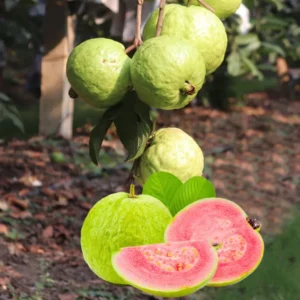 Sweet Pink Guava Tree Live Plant, Tropical Fruit, Fragrant, Starter Size 5-9" Tall, Outdoor
 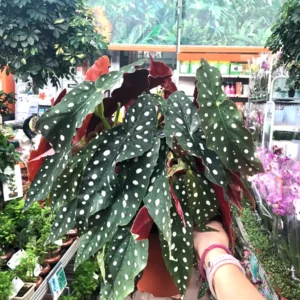 Begonia Rex Maculata 'Angel Wing' Live Plant – Potted Houseplant Indoor
 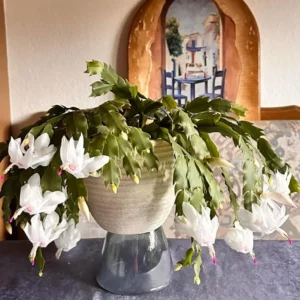 White Thanksgiving Cactus Live Plant - 7" Tall, 6" Pot - Indoor/Outdoor Zygocactus
 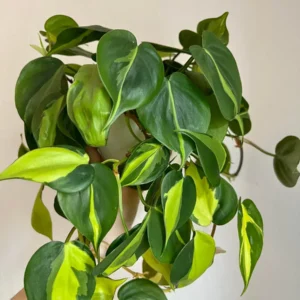 Philodendron Brasil Vining Live Plant - Indoor Houseplant Starter
 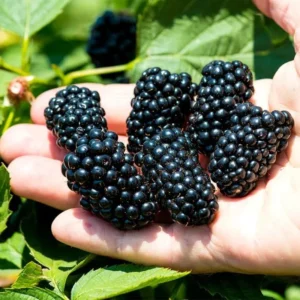 Navaho Thornless Blackberry Starter Plug - Live Plant - Sweet Fruit
 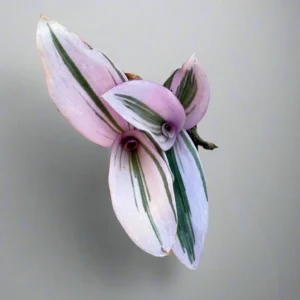 Tradescantia Pink Furry Live Plant - Fuzzy Trailing Houseplant for Indoor Display
 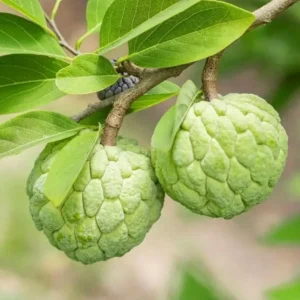 Sugar Apple Live Plant - Annona Squamosa Tropical Fruit Tree - 4-6 Inch Tall, 3 Inch Pot
 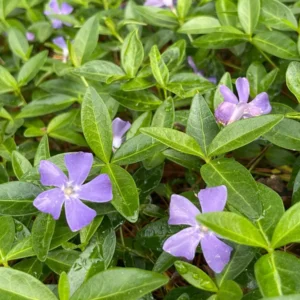 100+ Vinca Minor Periwinkle Live Plants - Evergreen Ground Cover Bare Roots, Zones 4-9
  Swamp Rose Mallow – Live plant – Flowering shrub – Indoor/Outdoor
 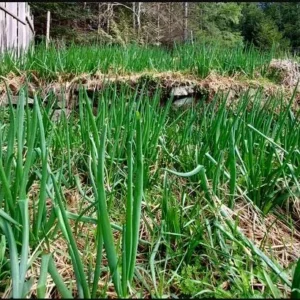 30 Organic Egyptian Walking Onion Live Plants - Perennial Edible Allium
 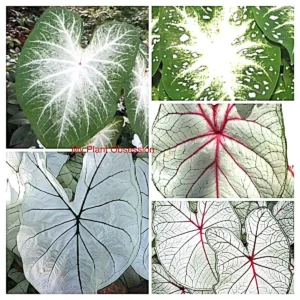 Caladium White Mix Flower Bulbs - Value Pack (6 Bulbs) Size #2
 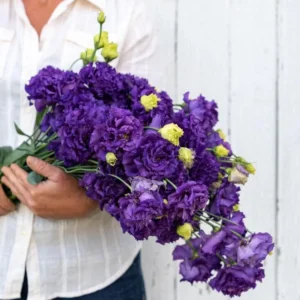 Lisianthus Voyage 2 Blue Live Plugs - Cut Flower Plant - Blue Eustoma grandiflorum
 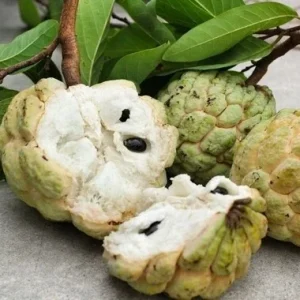 20 Organic Sugar Apple Seeds - Annona Squamosa Tropical Fruit Plant Seeds
 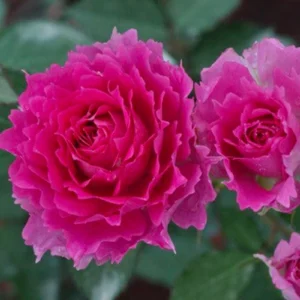 Scheherazade Rose Live Plant - Fragrant Pink Ruffled Shrub, 6 inch Ownroot
 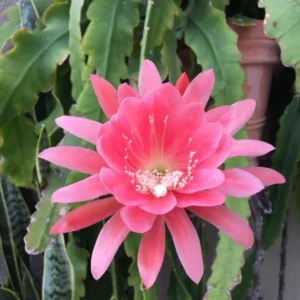 Pink Orchid Cactus Live Plant – 8-inch Height, 4-inch Pot – Indoor/Outdoor
 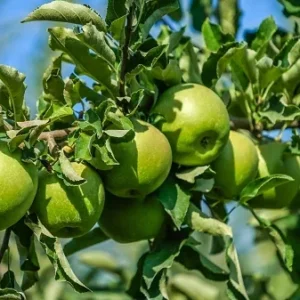 Granny Smith Apple Tree – Live Plant – 2.5 ft Tall – Outdoor
 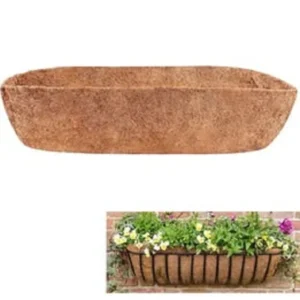 Vigoro Replacement Liners – Garden Accessory – 2 Pack – Indoor/Outdoor
 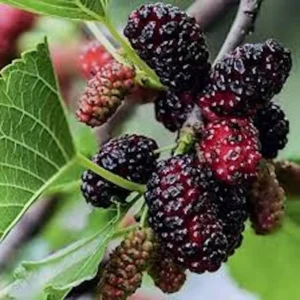 Dwarf Everbearing Mulberry Tree - Bare Root Starter Plant - Cold Hardy Fruit Tree
 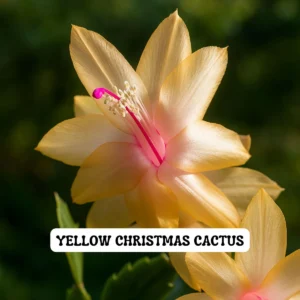 Yellow Christmas Cactus Live Plant – Zygocactus – 4 inch Pot – Indoor Houseplant
 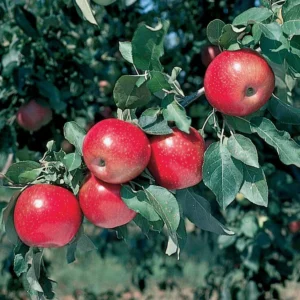 Red Fuji Apple Tree – Live Plant – 2.5 ft Tall – Outdoor
 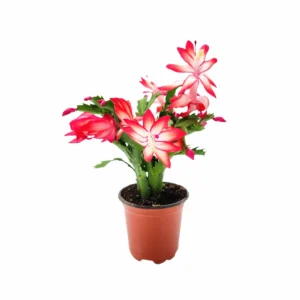 Thanksgiving Cactus Live Plant – Red Flowering Houseplant – 4 inch Pot
 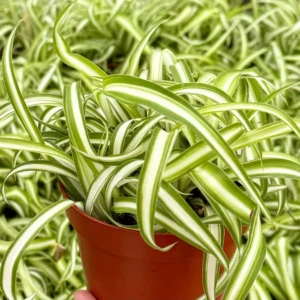 Curly Spider Plant 'Bonnie' - Chlorophytum Comosum Live Plant in 4" Pot, Indoor
 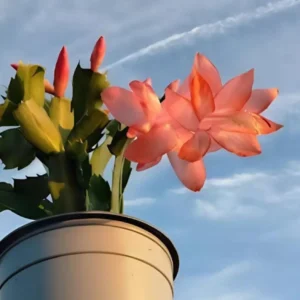 Orange Thanksgiving Cactus Live Plant – Zygocactus – 4 inch Pot – Indoor
 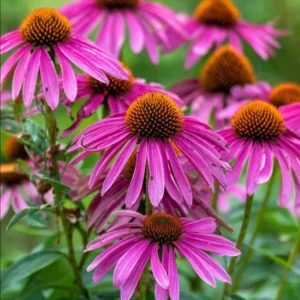 50 Purple Coneflower Kim's Knee High Bare Root Plants - Echinacea Purpurea
 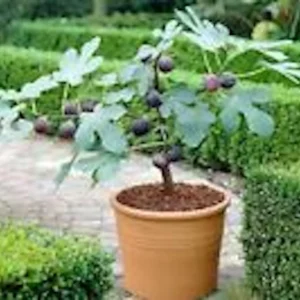 Dwarf Fig Tree Live Plant - Self-Fertile Fignomenal Variety - Produces Fruit Indoors/Outdoors
 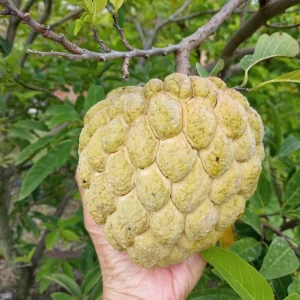 20 Organic Sugar Apple Seeds – Annona Squamosa Tropical Fruit Seeds – Outdoor
 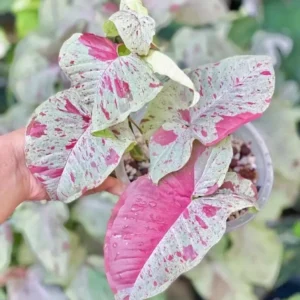 2 Syngonium Milk Confetti Live Plant - Potted Houseplant, Variegated Aroid
 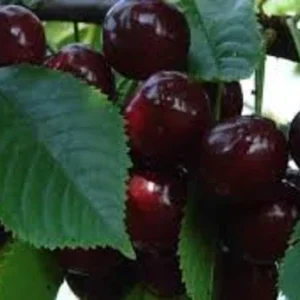 Black Cherry Trees – Prunus serotina – Live plant – 2 ft tall – Outdoor
 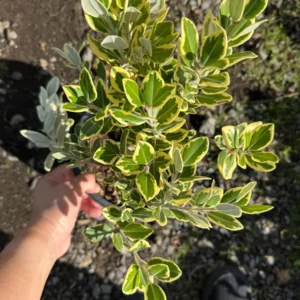 Metrosideros excelsa Variegata Live Plant - New Zealand Christmas Tree - 1 Gallon Pot
 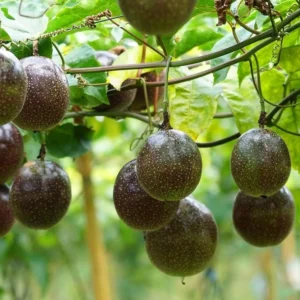 Purple Passionfruit Live Plant - 4-6" Tall - Passiflora edulis Vine
 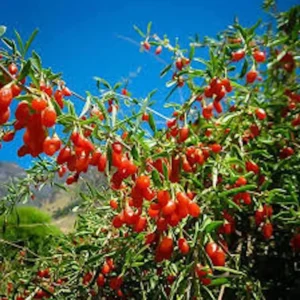 1 Goji Berry Live Plant Lycium barbarum - Fruit Starter Bush
 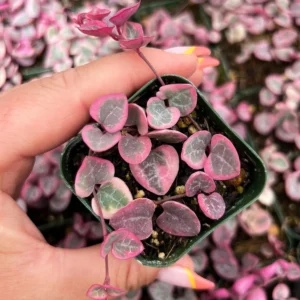 2" Variegated String of Hearts Live Plant - Ceropegia Woodii Variegata Potted Houseplant
 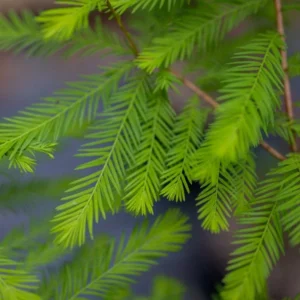 Bald Cypress Tree – Live plant – 4 ft Tall – Outdoor
 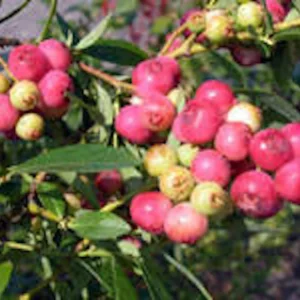 3 Florida Rose Rabbiteye Blueberry Live Plant - Pink Fruit, Zones 6b-9a
 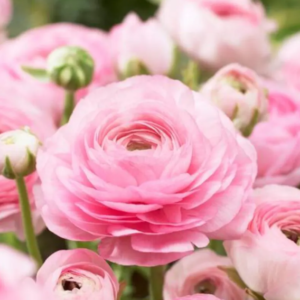 Ranunculus Flower Bulbs 15 Pastel Corms - Buttercup Peony Rose Type
 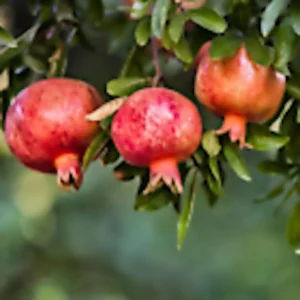 Pomegranate 'Wonderful' Fruit Tree - 1 Edible Live Starter Plant, Zones 7-11
 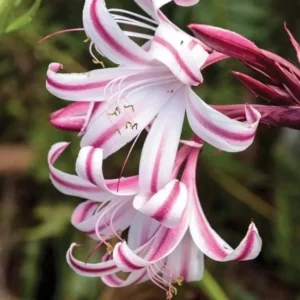 Red/White Crinum Lily Bulbs – Crinum asiaticum – Bulbs – 1 Count – Indoor/Outdoor
 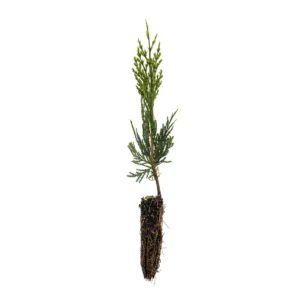 Incense Cedar Live Tree Seedling - Calocedrus decurrens - Small 1-1.5 Year Old Plant
 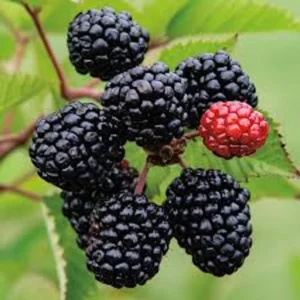 3 Prime Ark Freedom Blackberry Live Plant – Thornless Fruit Bush – Bare Root
 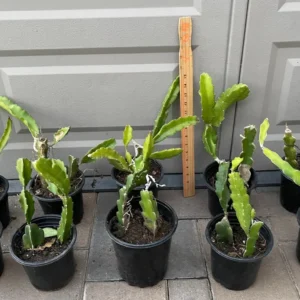 Dragonfruit Live Plant - Pink Fruit Inside, 2 Stems, Rooted, Easy Care
 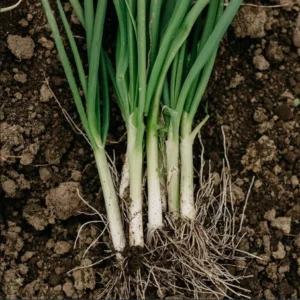 Green Onion Bare Root Plants - 15 Pack, Live Starter for Planting, 4-8 Inch Tall
 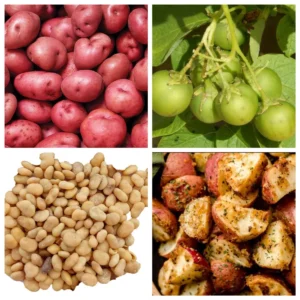 70 Red Potato Seeds - Heirloom True Potato Seeds for Outdoor Planting
 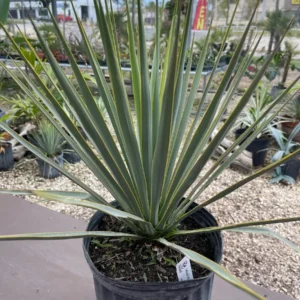 Yucca Rigida Live Plant - 3 Gallon Bare Root - Outdoor Desert Plant
 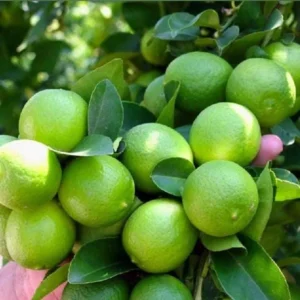 Thai Lemon Tree Live Plant with Fruits, Dwarf Grafted, 1-3 Ft, 3 Gallon Pot
 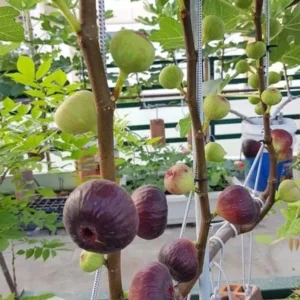 Vietnamese Fig Tree Live Plant – Fruit Bearing – 1-2 ft Tall – Gallon Pot – Outdoor
 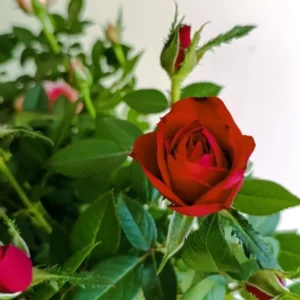 Red Mini Rose Live Plant – 6-inch Height, 3-inch Pot – Indoor/Outdoor
 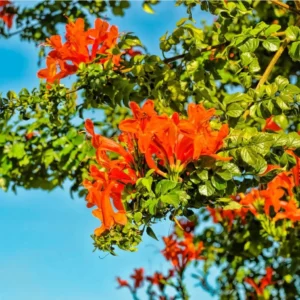 Orange Cape Honeysuckle Live Starter Plant – Tecoma Capensis – 4-6 Inch Tall
 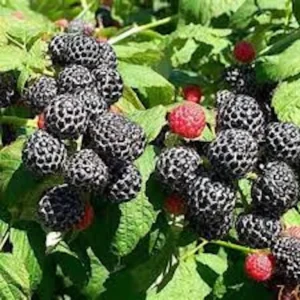 1 Mysore Black Raspberry Plant – Tropical Fruiting Bush – Rooted Starter – 8-12in Tall
 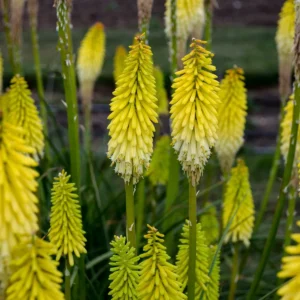 4 Kniphofia Flashpoint Red Hot Poker Live Plants - Torch Lily Perennials
 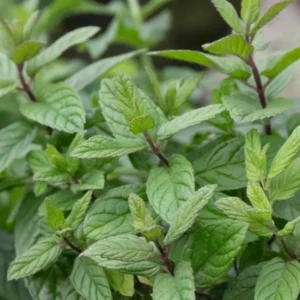 Peppermint Live Plant – 4-inch Pot – Fragrant Culinary Herb – Indoor/Outdoor
 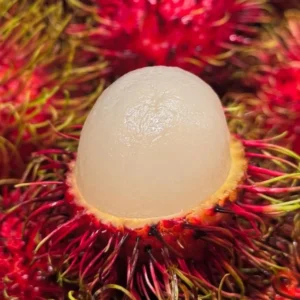 Rambutan Live Plant (Nephelium lappaceum) - Tropical Fruit Tree 2-3 ft
 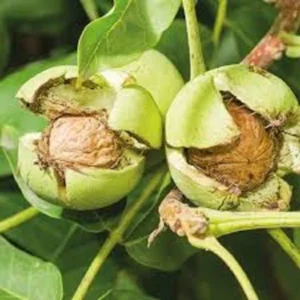 3 English Walnut Trees – Juglans regia – Live plant – Up to 2 ft tall – Outdoor
 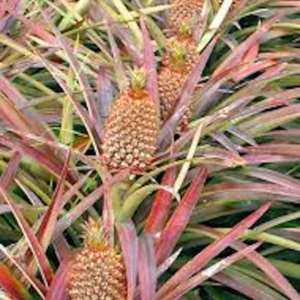 Florida Special Pineapple Plant Starter - Ananas Colossus Live Fruit Plant, Bare Root
 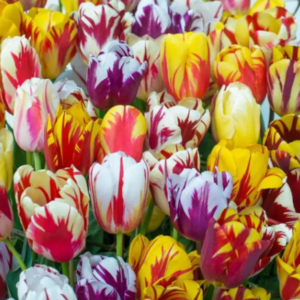 10 Rembrandt Tulip Bulbs Mixed Colors - Easy Grow Perennial Flowers
 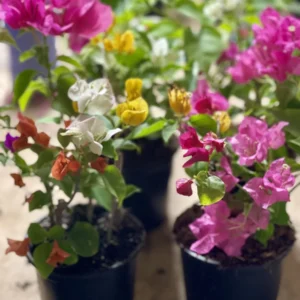 Bougainvillea Live Plant - 5 Colors in 1 Pot, 10-15 Inches Tall, Outdoor
 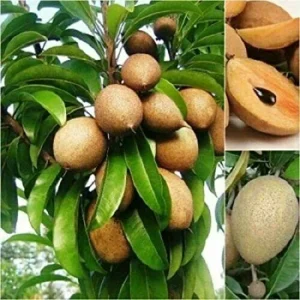 10 Florida Sapote Seeds - Manilkara Zapota Nispero Fruit Seeds - Tropical
 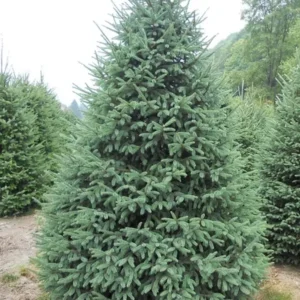 White Spruce – Live Plant – Outdoor – Seedling – Picea Pungens
 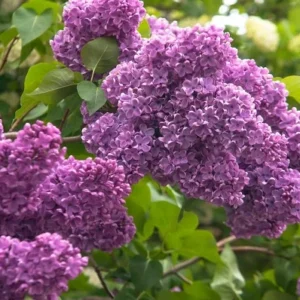 Lilac Live Bush - Fragrant Purple Flowers - Outdoor Shrub - Seedling
 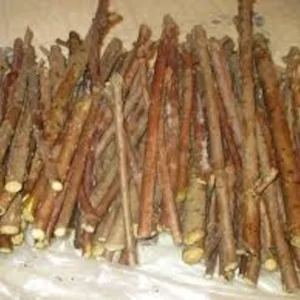 5 Organic American Elderberry Cuttings - Sambucus canadensis Fruiting Shrub
 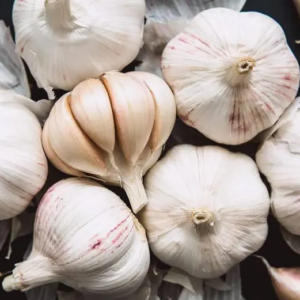 4 Large Organic Transylvanian Garlic Bulbs - Softneck, Long Storage, for Planting
  Short Needle Pine – Live Plant – 10 Inches Tall – Outdoor
 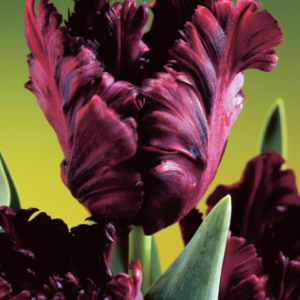 6 Black Parrot Tulip Flower Bulbs - Exotic Deep Purple Perennial Flowers
 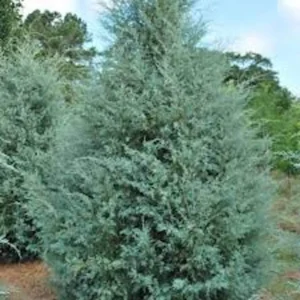 10 Carolina Sapphire Cypress Live Plant - Tall Evergreen Blue, 4-6" Bare Root Starter
 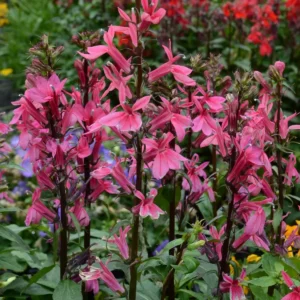 3 Lobelia speciosa Starship Rose Perennial Plants - Attracts Pollinators
 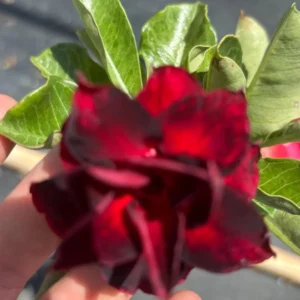 Adenium Desert Rose Vulcanus Bare Root Plant - Exotic Succulent
 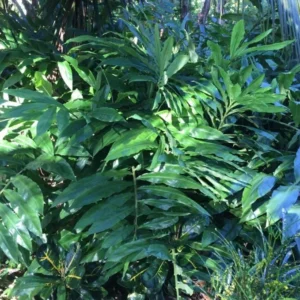 4 Fresh Shampoo Ginger Rhizomes - Zingiber Zerumbet Roots - Live Plant
 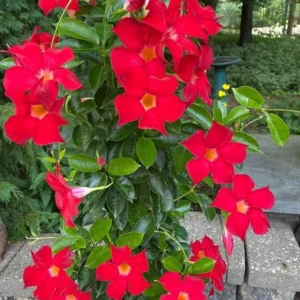 Red Mandevilla Live Plant Starter Set - 2 Vines, 4-6" Tall - Tropical Garden
 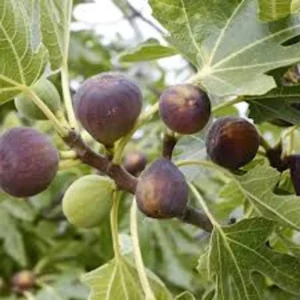 1 Violette de Bordeaux Fig Tree Starter Plug - Dwarf, Sweet Fruit
 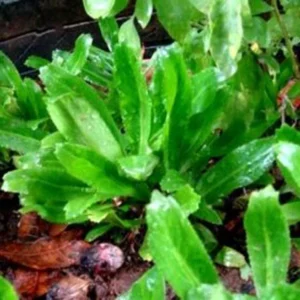 Culantro Recao Seeds - Alcapate Cilantro Ancho, Herb Seeds, 200+ Seeds, Outdoor
 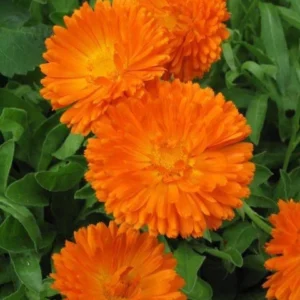 Orange King Calendula Seeds - 30 Count - Heirloom Non-GMO Organic
 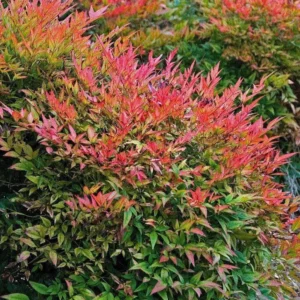 Gulf Stream Nandina Live Plant - 1 Gallon Pot - Outdoor Evergreen Shrub
 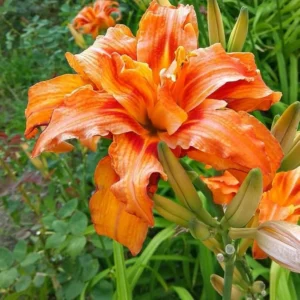 Double Orange Daylily Bulbs - 3 Bare Roots for Vibrant Flowers
 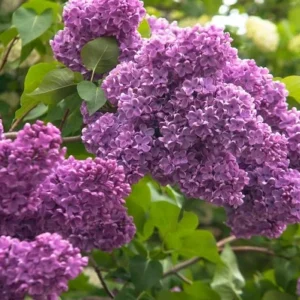 Live lilac bush – Syringa – Live plant – Outdoor – Purple
 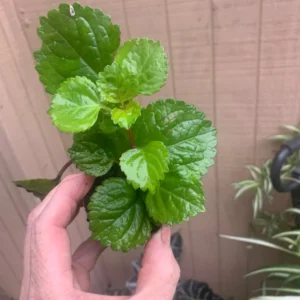 Swedish Ivy Creeping Charlie Live Plant – Plectranthus – Indoor Starter Plant
 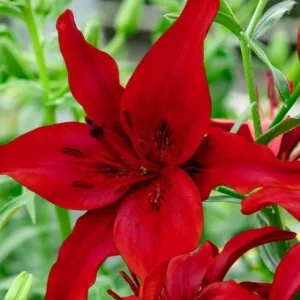 6 Asiatic Lily Flower Bulbs Mix - Perennial Butterfly Garden Plants
 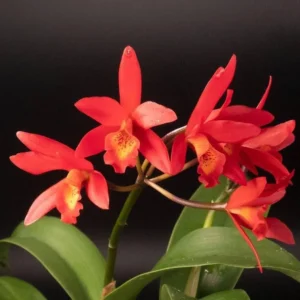 Laeliocattleya Rojo Orchid Live Plant - Red Flower Houseplant, Blooming Size, 4 inch Pot
 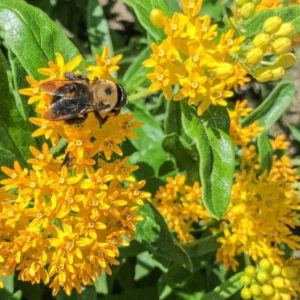 Yellow Milkweed Live Starter Plants - Set of 2, 4-8" Tall - Asclepias Syriaca Perennial Flower for Butterflies
 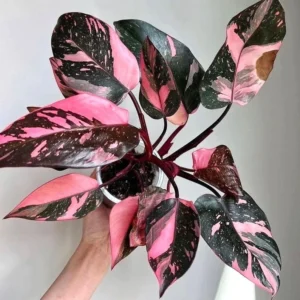 Philodendron Pink Princess Live Plant - Black Cherry Variegation, Starter
 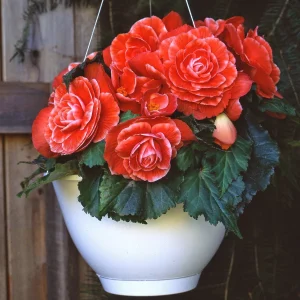 Begonia Glory Hot Tip Salmon Seeds - 1000 Count for Indoor & Outdoor Gardens
 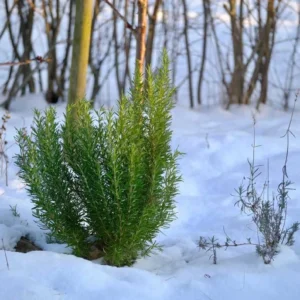 Live Rosemary Plant - 10-inch Tall Culinary Herb in 4-inch Pot - Indoor/Outdoor
 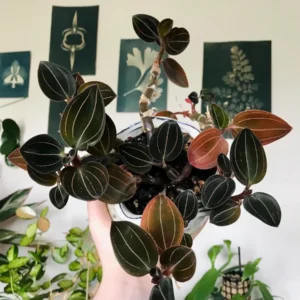 Jewel Orchid Sea Turtle Live Plant - 2 inch Pot - Indoor Houseplant
 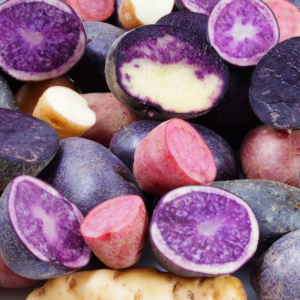 Organic Potato Seed Tubers Mix - Purple, Red, Yukon, Russet - 2 Pounds for Planting
 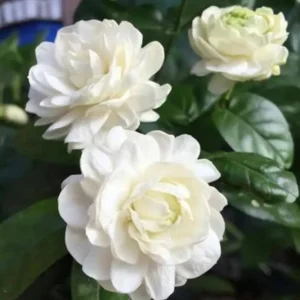 Arabian Jasmine Live Plant - Grand Duke - 8" Tall in 3.5" Pot - Fragrant Indoor/Outdoor
  5 Honey Tangerine Seeds - Sweet Juicy Citrus Fruit for Planting
 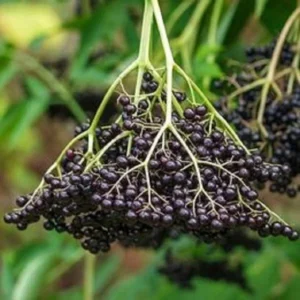 Live Elderberry Plant – Sambucus – Outdoor Plant – Healthy Seedling
 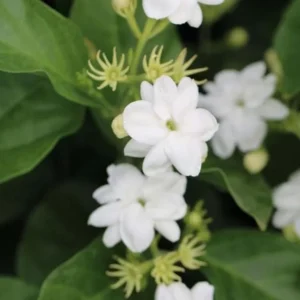 Sambac Jasmine Live Plant – 12 inch Tall – 3 inch Pot – Fragrant Flowering Shrub
 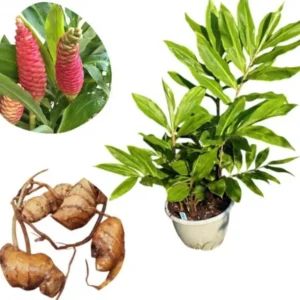 16 Fresh Shampoo Ginger Rhizomes - Zingiber Zerumbet Pinecone Roots
 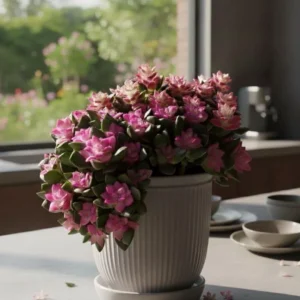 Crassula 'Sunrise' Variegated Succulent Live Plant - Pink & Yellow Trailing Houseplant
 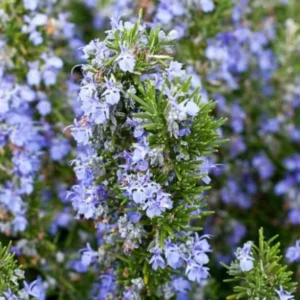 3 Tuscan Blue Rosemary Live Plants - 5-8" Tall - Fragrant Herb Bush
 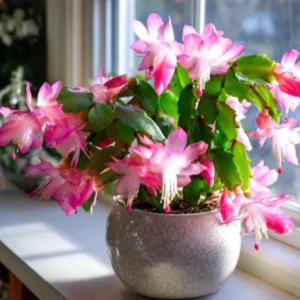 Pink Thanksgiving Cactus Live Plant – Zygocactus – 4 inch Pot – Indoor Succulent
 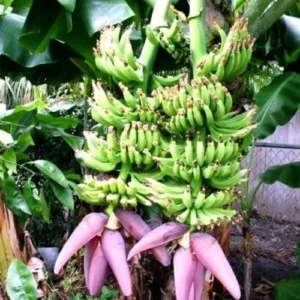 Dwarf Cavendish Banana Tree – Live plant – Indoor/Outdoor – 1 plant
  Vinca Sunsplash Cherry Seeds - 1000 Seeds - Red Flowering Annual
 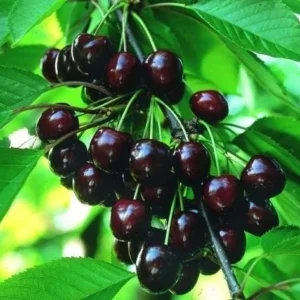 Black Tartarian Sweet Cherry Scion Wood Cuttings - 6 Organic Prunus Avium
 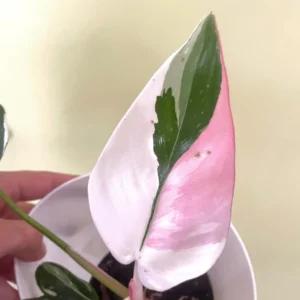 Philodendron White Princess Live Plant - Variegated Houseplant Starter
 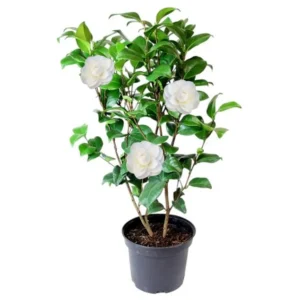 Camellia White Live Starter Plant, Japonica, 10-12 Inch, 4 Inch Pot
 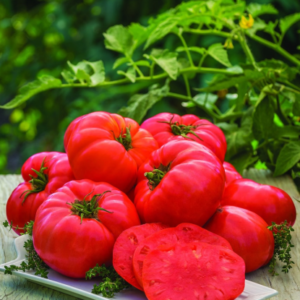 Big Zac Tomato Seeds – 25 Organic Heirloom Competition XL Size Vegetable Seeds for Garden
 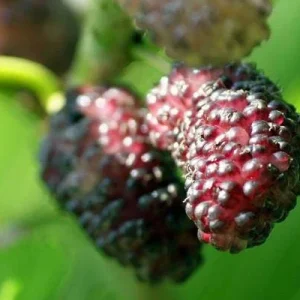 Dwarf Everbearing Mulberry Tree - Morus nigra Live Plant Edible Fruit - 10 in Seedling Outdoor
 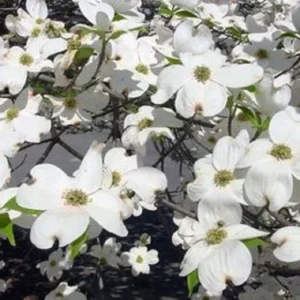 Dogwood Tree – Live Plant – 2 Ft Tall – Outdoor – White Flowers
 Katuk Plant Live – Sauropus Androgynus Sweet Leaf Spinach Potted Vegetable


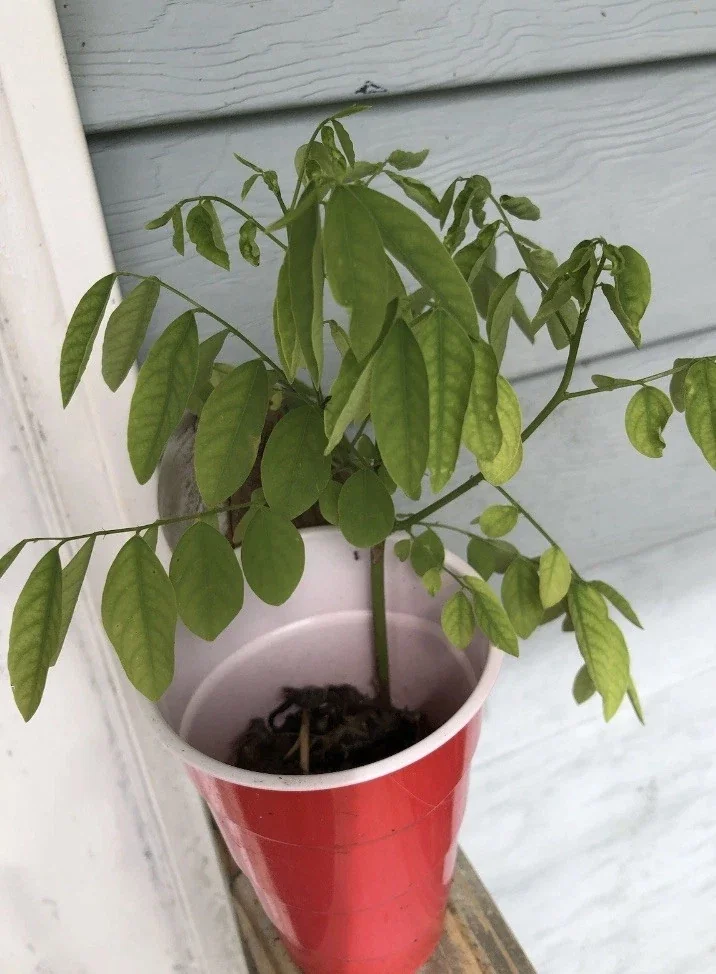



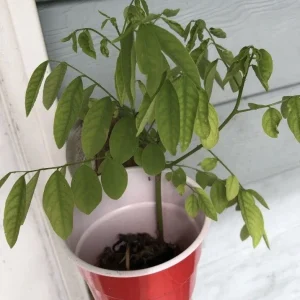
Katuk Plant Live – Sauropus Androgynus Sweet Leaf Spinach Potted Vegetable
Cultivate your own nutritious katuk plant live, also known as sauropus androgynus plant or sweet leaf spinach. This potted vegetable is ideal for home gardens, providing a continuous harvest of tender, flavorful leaves. Enjoy fresh greens for cooking and traditional dishes.
$28.00

With our Alive & Thrive Guarantee, we’ve got your back for the first 30 days! If you have any concerns about your plants, just reach out to us. Our team is here to help answer your questions and guide you in selecting the best plants for your garden, climate, and unique preferences. We're excited to help you create the garden of your dreams!
Estimated arrival
Apr 08
Apr 13 - Apr 15
Apr 18 - Apr 22
Product Details
-
USDA Hardiness Zone
USDA zones 9-11 (can be grown as an annual or indoors in colder zones) -
Soil type
Well-draining, fertile soil rich in organic matter -
Sunlight Exposure
Partial shade to full sun -
Expected Planting Period
Year-round indoors; Spring to early summer outdoors
Overview
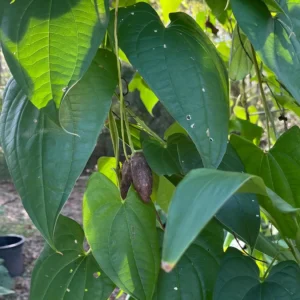
Bring the vibrant goodness of the katuk plant live into your home garden! This remarkable plant, scientifically known as Sauropus androgynus, is widely recognized as Sweet Leaf or Rau Ngót. Originating from Southeast Asia, the sauropus androgynus plant is celebrated for its highly nutritious leaves and ease of cultivation. It’s a fantastic addition to any edible garden, whether you’re a seasoned gardener or just starting out. The katuk plant is a fast-growing, perennial shrub that produces an abundance of tender, dark green leaves. These leaves are a staple in many Asian cuisines, offering a unique flavor profile that makes them a versatile ingredient in various dishes. Our healthy, potted katuk plant is ready to thrive in your care, providing a continuous supply of fresh, homegrown greens.
The katuk plant live is not just a culinary delight; it’s also packed with vitamins and minerals, making it a superfood for your daily diet. Its robust nature and relatively low maintenance requirements make it an excellent choice for both container gardening and direct planting in suitable climates. Experience the joy of harvesting your own sweet leaf spinach, knowing exactly where your food comes from. This plant is a true asset for anyone looking to enhance their diet with fresh, healthful produce and explore new culinary horizons with this unique edible garden plant.
Key Benefits
The katuk plant live offers a multitude of benefits, making it a valuable addition to your garden and kitchen. Its nutritional density and ease of growth are just a few reasons why this plant is gaining popularity among home gardeners and health enthusiasts alike. Discover the advantages of growing your own:
- Rich Nutritional Content: Katuk leaves are exceptionally rich in protein, vitamins A, B, and C, and minerals like calcium, phosphorus, and iron. Incorporating them into your diet can significantly boost your daily nutrient intake and support overall health.
- Continuous Harvest: As a perennial plant, the sauropus androgynus plant provides a steady supply of fresh leaves throughout the growing season. Simply pinch off the tender tips and new growth will emerge, ensuring a continuous harvest for your culinary needs.
- Versatile Culinary Use: The mild, slightly sweet, and nutty flavor of sweet leaf spinach makes it incredibly versatile in the kitchen. It can be used in stir-fries, soups, stews, salads, smoothies, and even omelets, adding a nutritious boost to almost any dish.
- Easy to Grow: This resilient plant is known for its hardiness and adaptability. It tolerates various growing conditions and requires minimal specialized care, making it an excellent choice for beginner gardeners and those with busy schedules.
- Compact Growth Habit: The katuk plant typically grows as a compact shrub, making it suitable for smaller gardens, raised beds, or container planting on patios and balconies. This allows for fresh greens even in limited spaces.
- Traditional Medicinal Uses: Beyond its culinary value, the rau ngót plant has a long history of traditional use in herbal medicine for its purported health benefits, including boosting lactation and aiding in recovery.
- Sustainable Food Source: Growing your own edible garden plant like katuk contributes to a more sustainable lifestyle, reducing your reliance on store-bought produce and minimizing your carbon footprint.
Plant Care & Growing Tips
Caring for your katuk plant live is straightforward, allowing even novice gardeners to enjoy a bountiful harvest. To ensure your plant thrives, pay attention to its basic needs for sunlight, water, and soil. Katuk prefers a location that receives partial shade to full sun, ideally with some protection from intense afternoon sun in hotter climates. Aim for at least 4-6 hours of direct sunlight per day, but be mindful that too much harsh sun can scorch the leaves, especially when the plant is young. In cooler regions or during winter, providing more sun can be beneficial. This plant is relatively adaptable, making the sauropus androgynus plant a forgiving choice for various garden settings.
Watering should be consistent, keeping the soil moist but not waterlogged. Allow the top inch of soil to dry out slightly between waterings. Overwatering can lead to root rot, so good drainage is crucial. During hot, dry periods, you may need to water more frequently. The ideal soil for sweet leaf spinach is well-draining, fertile, and rich in organic matter. A slightly acidic to neutral pH (6.0-7.0) is preferred. If planting in a pot, use a high-quality potting mix with perlite or sand added to improve drainage. For ground planting, amend heavy clay soils with compost and other organic materials to enhance structure and fertility. Fertilize your rau ngót plant every 2-4 weeks during the active growing season with a balanced, organic liquid fertilizer or a slow-release granular fertilizer to encourage lush leaf production. Pruning regularly by pinching off the tender tips will not only provide you with fresh greens but also encourage bushier growth and prevent the plant from becoming leggy. Watch out for common pests like aphids or spider mites, and treat with organic insecticidal soap if necessary. The edible garden plant is generally quite hardy, but consistent care will yield the best results.
The Katuk plant is known for its resilience and can tolerate a wide range of temperatures. While it prefers warm, humid conditions, it can survive mild frosts if protected. In colder climates, it’s best to grow it in containers that can be brought indoors during winter or treat it as an annual. For outdoor planting, ensure the danger of frost has passed. With proper care, your katuk plant will provide you with delicious and nutritious leaves for many years. Remember that consistent harvesting actually promotes more growth, so don’t be shy about picking those tender leaves!
Size & Details
Our katuk plant live is typically shipped as a healthy, rooted plant in a nursery pot. The exact size and height of the plant may vary slightly depending on the growth stage and time of year, but it will generally be well-established and ready for transplanting into a larger pot or your garden. Katuk plants are fast growers and can reach heights of 3-6 feet if left unpruned, though regular harvesting and pruning will keep them more compact, usually around 2-3 feet tall and wide. This makes the sauropus androgynus plant an excellent choice for various garden sizes and container growing.
The plant will arrive carefully packaged to ensure its health and vitality during transit. Upon arrival, we recommend promptly unboxing and watering your sweet leaf spinach. While the plant may experience some minor stress from shipping, it will quickly rebound with proper care. Expect your rau ngót plant to establish itself quickly and begin producing harvestable leaves within a few weeks to a couple of months, depending on growing conditions. This edible garden plant is a long-term investment for your kitchen, offering years of fresh produce.
Frequently Asked Questions
- Q: How big does this plant get? A: If left unpruned, the katuk plant live can grow to 3-6 feet tall. However, with regular harvesting and pruning, it can be maintained at a more manageable size of 2-3 feet in both height and width, making it suitable for various garden spaces.
- Q: What size pot does it come in? A: The plant typically arrives in a standard nursery pot, usually around 2-4 inches in diameter, providing sufficient space for its initial growth while being compact for shipping.
- Q: Is this an indoor or outdoor plant? A: The sauropus androgynus plant can be grown both indoors and outdoors. In tropical and subtropical climates, it thrives outdoors year-round. In colder regions, it’s best grown in a container and brought indoors during winter or treated as an annual.
- Q: How much sunlight does it need? A: Katuk prefers partial shade to full sun. It performs best with at least 4-6 hours of direct sunlight daily, but in very hot climates, some afternoon shade can prevent leaf scorching.
- Q: Is this plant easy to care for? A: Yes, the sweet leaf spinach is considered a low-maintenance and relatively easy-to-care-for plant. It’s quite resilient and adaptable, making it suitable for beginner gardeners.
- Q: What condition will it arrive in? A: Your rau ngót plant will arrive as a healthy, rooted plant in a nursery pot, carefully packaged to minimize stress during transit. Some slight wilting may occur but it recovers quickly with water.
- Q: Can I use katuk leaves in cooking? A: Absolutely! Katuk leaves are widely used in Asian cuisine. Their mild, sweet, and nutty flavor is excellent in stir-fries, soups, salads, omelets, and smoothies, making it a versatile edible garden plant.
- Q: How long until it produces harvestable leaves? A: With good care and suitable growing conditions, you can typically start harvesting tender leaves from your katuk plant within a few weeks to a couple of months after planting.
- Q: When is the best time to plant? A: For outdoor planting, the best time is after the last frost has passed in spring. For indoor cultivation, it can be planted year-round, ensuring it receives adequate light and warmth.
- Q: What’s the minimum temperature it can tolerate? A: While the katuk plant prefers warm temperatures, mature plants can tolerate brief periods of temperatures slightly above freezing (around 35-40°F or 2-4°C) if protected, but prolonged cold will damage it.
Related products
-20%
Original price was: $36.00.$28.80Current price is: $28.80.
-20%
Original price was: $48.00.$38.40Current price is: $38.40.
-50%

Original price was: $59.96.$29.98Current price is: $29.98.
-20%
Original price was: $28.00.$22.40Current price is: $22.40.
-20%
Original price was: $100.00.$80.00Current price is: $80.00.
-20%
Original price was: $48.00.$38.40Current price is: $38.40.
-30%
Original price was: $59.98.$41.98Current price is: $41.98.
PLANTING & CARE

Growing Glencoe Raspberry: A Complete Guide for Gardeners
If you’re looking to add something unique to your garden, look no further than the
31
Mar
Mar

The Comprehensive Guide to Growing Bay Leaf Plants for a Flavorful Garden
Imagine stepping into your garden, greeted by the earthy aroma of fresh bay leaves, their
09
Feb
Feb

How to Make Comfrey Tea: The Ultimate Organic Plant Food
Growing an organic garden can be surprisingly expensive, especially when most store-bought fertilizers come in
02
Feb
Feb

True Comfrey: 7 Essential Tips Before You Plant This Herb
A staple in permaculture practices across the US, True Comfrey easily earns its reputation as
27
Jan
Jan

7 Heart-Shaped Plants for a Lasting Valentine’s Gift
If you’ve ever bought a bouquet of roses for Valentine’s Day, you know they are
26
Jan
Jan

Best Types of Ivy Plant for Houses: How to Choose the Perfect Ones for Your Home
Are you a garden lover looking to introduce some greenery into your home? Maybe you’ve
14
Nov
Nov

When to Harvest Garlic (Especially Fall-Planted Garlic)
TIMING IS EVERYTHING, they say – and for garlic, that truth hits with surprising accuracy.
13
Nov
Nov

11 of the Best Sweet Potato Varieties to Grow for Your Garden
If you’ve ever tried growing sweet potatoes, you know that picking the right variety can
12
Nov
Nov