Lavender Live Plant, 1 Gallon Pot, Fragrant Purple Flowers, Hardy Outdoor Perennial
-50%
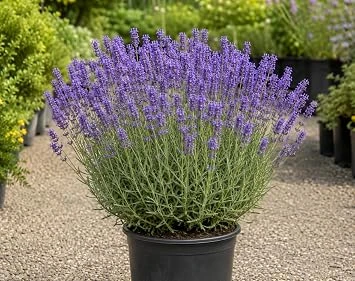
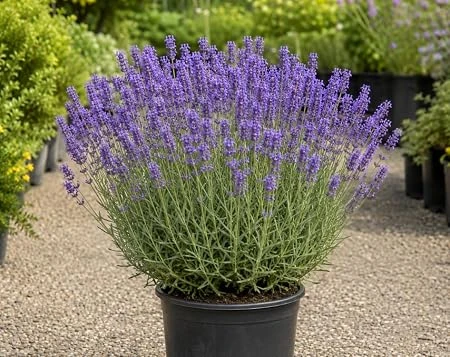
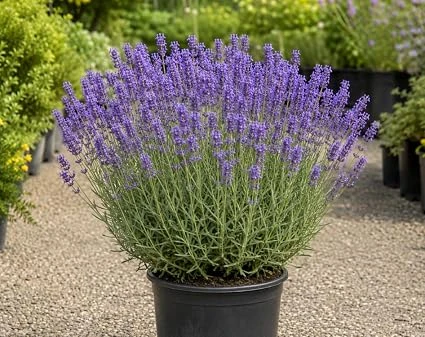
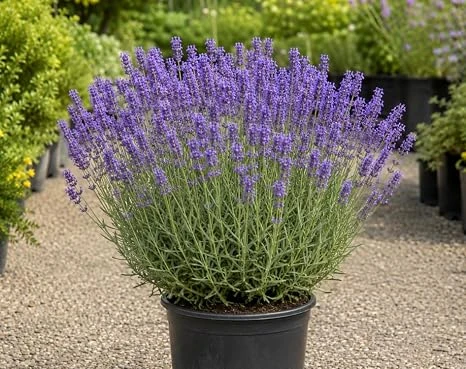
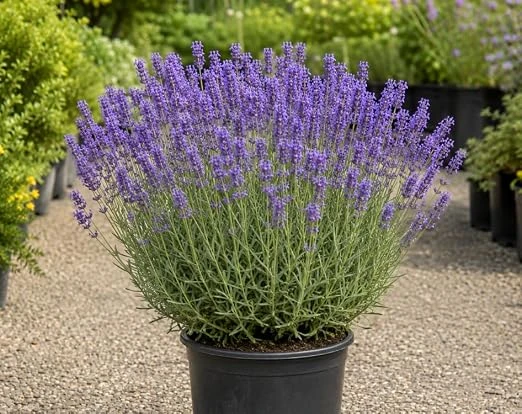
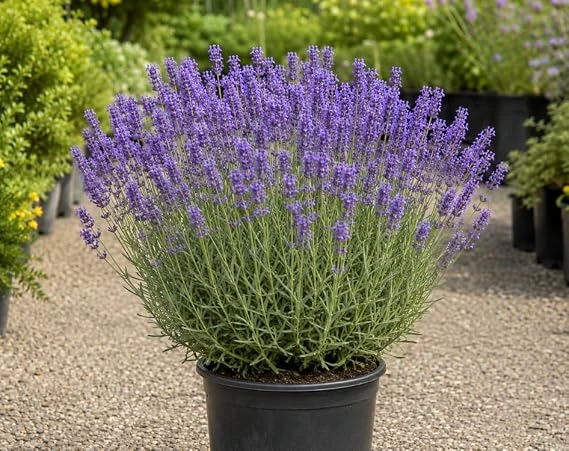
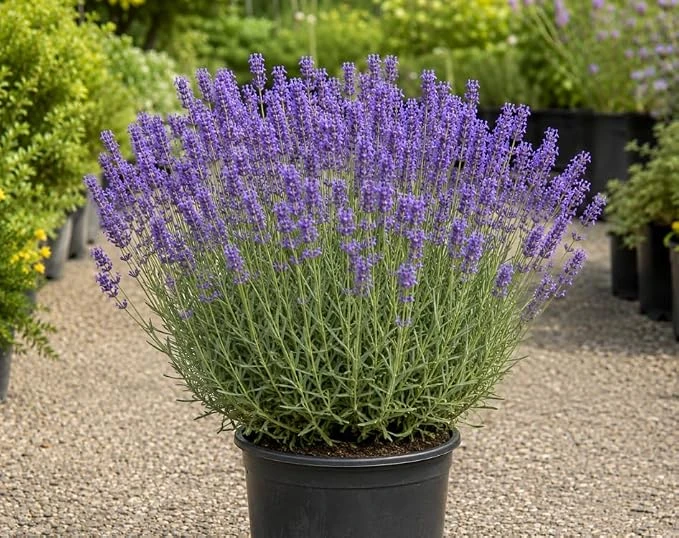
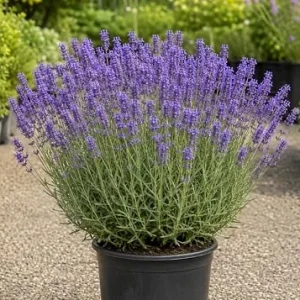
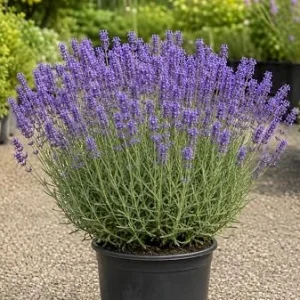
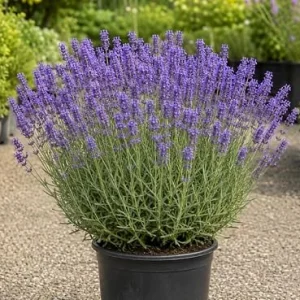
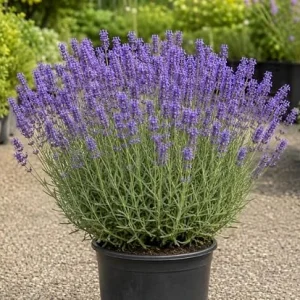
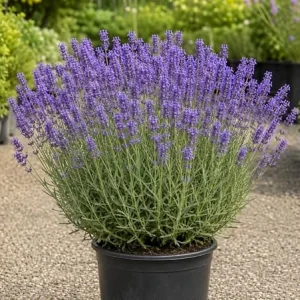
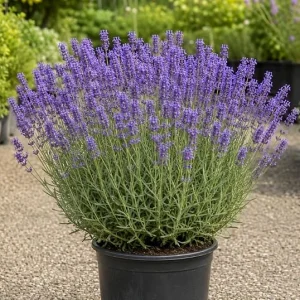
Lavender Live Plant, 1 Gallon Pot, Fragrant Purple Flowers, Hardy Outdoor Perennial
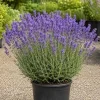
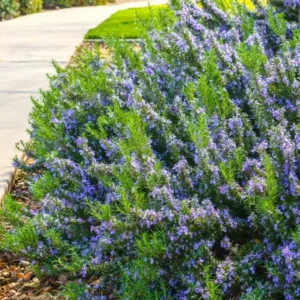
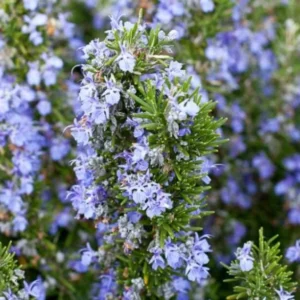
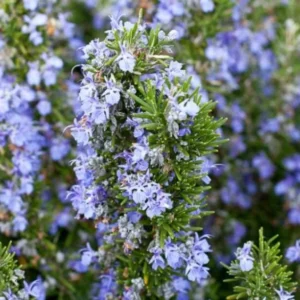
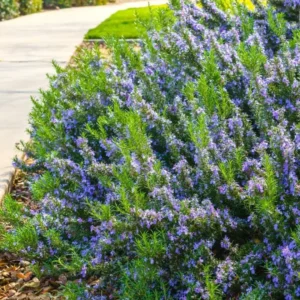
Bring the beauty and aroma of Provence to your outdoor space with this established lavender live plant in a 1-gallon pot. Perfect for garden beds, borders, or patio containers, this fragrant perennial produces stunning purple flowers that attract beneficial pollinators. Enjoy its silvery-green foliage and delightful scent.
Original price was: $95.98.$47.99Current price is: $47.99.

With our Alive & Thrive Guarantee, we’ve got your back for the first 30 days! If you have any concerns about your plants, just reach out to us. Our team is here to help answer your questions and guide you in selecting the best plants for your garden, climate, and unique preferences. We're excited to help you create the garden of your dreams!
Estimated arrival
Nov 03
Nov 08 - Nov 10
Nov 13 - Nov 17
Product Details
-
USDA Hardiness Zone
USDA Zones 5-9 -
Soil type
Well-draining, sandy or gravelly soil -
Sunlight Exposure
Full sun -
Expected Planting Period
Spring to early summer
Overview
Discover the enchanting allure of a lavender live plant, a timeless addition to any garden or landscape. This particular offering features a robust plant, established in a 1-gallon pot, ready to thrive in its new home. Known for its captivating fragrance and beautiful purple blooms, lavender is a beloved perennial that brings a touch of elegance and serenity wherever it grows. This hardy plant, often associated with cottage gardens and Mediterranean climates, is equally at home in modern outdoor settings, herb gardens, and even as an ornamental border plant. Its silvery-green foliage provides year-round appeal, while the spikes of fragrant flowers emerge to create a visual and olfactory delight. Whether you’re an experienced gardener or just starting, a lavender live plant is a rewarding choice that promises beauty and a calming atmosphere.
Lavender, scientifically known as Lavandula, is celebrated for its versatility and resilience. This fragrant herb is not only aesthetically pleasing but also a magnet for beneficial insects like bees and butterflies, making it an excellent choice for pollinator gardens. The plant’s compact, bushy growth habit ensures it fits well in various garden designs, from formal hedges to informal drifts. When you receive your lavender live plant, it will be healthy and ready for immediate planting, though flowering depends on the season and maturity. Prepare to enjoy the soothing scent and vibrant color that only fresh lavender can provide, transforming your outdoor space into a fragrant sanctuary.
Key Benefits
Adding a lavender live plant to your garden offers a multitude of benefits, enhancing both the aesthetic and ecological value of your outdoor environment. Its renowned fragrance and vibrant blooms make it a highly desirable specimen.
- Aromatic Appeal: The distinctive, soothing scent of lavender is known for its calming properties, making your garden a more relaxing space. The fragrant flowers and foliage release their aroma with a gentle breeze or touch.
- Pollinator Magnet: This plant is a favorite among bees, butterflies, and other beneficial pollinators, contributing to the health and biodiversity of your local ecosystem. It’s an excellent choice for creating a vibrant pollinator garden.
- Drought Tolerance: Once established, lavender is remarkably drought-tolerant, requiring less water than many other garden plants. This makes it a sustainable choice for water-wise landscapes.
- Deer and Rabbit Resistant: Due to its strong fragrance, lavender is generally avoided by deer and rabbits, protecting your garden from common pests without the need for harsh chemicals.
- Versatile Landscaping: Its compact, bushy growth and attractive silvery-green foliage make it ideal for various uses, including garden beds, borders, pathways, rock gardens, and patio containers. It adds structure and color throughout the growing season.
- Culinary and Medicinal Uses: Beyond its ornamental value, lavender flowers can be used in culinary applications, teas, and homemade remedies for their soothing and aromatic qualities. Growing your own ensures a fresh supply.
- Low Maintenance: Once established in the right conditions, this lavender live plant requires minimal care, making it perfect for busy gardeners. Regular pruning helps maintain its shape and encourages more blooms.
Plant Care & Growing Tips
Caring for your lavender live plant is relatively straightforward, especially when provided with the right conditions. Lavender thrives in environments that mimic its native Mediterranean habitat. The most crucial factor is sunlight; lavender absolutely loves full sun, meaning at least 6-8 hours of direct sunlight per day. Plant it in a location where it will receive ample light, whether in a garden bed or a large container. Poor light conditions can lead to leggy growth and reduced flowering.
Soil is another vital component for a healthy lavender live plant. It requires well-draining soil, ideally sandy or gravelly, with a slightly alkaline to neutral pH. Heavy, clay soils that retain too much moisture can lead to root rot. If your soil is heavy, amend it with sand, grit, or organic matter to improve drainage. When watering, allow the soil to dry out completely between waterings. Overwatering is a common cause of lavender decline. Once established, it is quite drought-tolerant and will only need occasional watering during prolonged dry spells. For newly planted lavender, water regularly until it shows signs of new growth. This hardy perennial generally thrives in USDA zones 5-9, tolerating a range of temperatures but preferring hot, dry summers and mild winters.
Fertilization is rarely needed for lavender, as it prefers lean soil. If your soil is very poor, a light application of a balanced, slow-release granular fertilizer in spring can be beneficial, but avoid high-nitrogen fertilizers which encourage foliage at the expense of flowers. Pruning is essential for maintaining a compact shape and promoting abundant blooms. Prune in early spring, once new growth appears, removing about one-third of the plant’s size. A light trim after the first flush of flowers can encourage a second bloom. Watch out for common problems like fungal diseases in overly humid conditions or root rot from poor drainage. Proper spacing and airflow can help prevent these issues. With these tips, your fragrant lavender plant will flourish for years to come.
Size & Details
This offering is for a single lavender live plant, which arrives established in a 1-gallon nursery pot. The plant is typically well-rooted with fresh, healthy foliage, ready for planting. At the time of shipping, the plant’s height generally ranges from 8 to 12 inches tall, though this can vary slightly based on the growing season and specific variety. Lavender typically grows to a mature size of 18-24 inches tall and wide, forming a compact, bushy mound. Its growth rate is moderate, establishing itself within the first growing season and reaching its full potential within 2-3 years.
The plant is shipped in its natural growing season, meaning it may or may not have flowers or flower buds upon arrival. Flowering is dependent on the season, the plant’s maturity, and local growing conditions. Expect blooms from late spring through summer, with potential for a second flush in early fall if properly pruned. This 1 gallon lavender is a perfect size for immediate transplanting into your garden or a larger decorative container, providing a substantial start to your fragrant landscape.
Frequently Asked Questions
- Q: How big does this plant get? A: This lavender live plant, shipped in a 1-gallon pot, typically grows to a mature size of 18-24 inches tall and wide. Its compact, bushy habit makes it suitable for various garden applications.
- Q: Is this an indoor or outdoor plant? A: This is primarily an outdoor plant, thriving in full sun and well-draining soil. While it can be overwintered indoors in very cold climates, it performs best as a hardy perennial lavender in outdoor garden beds or containers.
- Q: How much sunlight does it need? A: Lavender requires at least 6-8 hours of direct sunlight per day to thrive and produce abundant blooms. Plant it in the sunniest spot in your garden or on your patio.
- Q: Is this plant easy to care for? A: Yes, once established, this lavender live plant is considered low-maintenance. It’s drought-tolerant and generally pest-resistant, making it a good choice for both beginner and experienced gardeners.
- Q: What condition will it arrive in? A: Your lavender plant will arrive healthy and well-rooted in a 1-gallon pot, with fresh foliage. The presence of flowers or buds will depend on the current growing season.
- Q: When is the best time to plant? A: The best time to plant your lavender garden plant is in spring or early summer after the last frost, allowing it ample time to establish before winter. Fall planting is also possible in milder climates.
- Q: Will it survive winter in my zone? A: This hardy perennial lavender is generally suitable for USDA Hardiness Zones 5-9. In colder zones, consider providing winter protection or growing it in a container that can be moved indoors.
- Q: What’s the minimum temperature it can tolerate? A: Established lavender plants can typically tolerate temperatures down to about -10 to -20°F (-23 to -29°C) in optimal conditions, but prolonged extreme cold without snow cover can be damaging.
- Q: What is a 1 gallon lavender plant? A: A 1 gallon lavender plant refers to the size of the nursery container it is grown in, indicating a well-established plant with a robust root system ready for transplanting.
Related products
-49%
Original price was: $60.99.$30.99Current price is: $30.99.
-30%
Original price was: $59.98.$41.98Current price is: $41.98.
-67%
Original price was: $39.72.$13.24Current price is: $13.24.
-50%
Original price was: $53.98.$26.99Current price is: $26.99.
-48%
Original price was: $39.99.$20.99Current price is: $20.99.
-30%
Original price was: $57.98.$40.58Current price is: $40.58.
-34%
Original price was: $75.72.$49.99Current price is: $49.99.
PLANTING & CARE
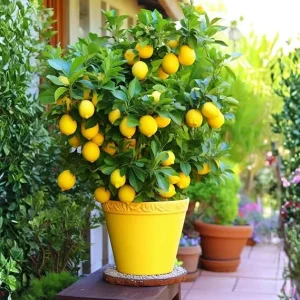
Lemon Tree Growing: Choose, Plant, and Harvest
Learn how to choose, plant, feed, and protect a lemon tree so it fits your
23
Sep
Sep
Dwarf Meyer Lemon Tree Australia: Climate Guide
Learn where dwarf Meyer lemon trees grow, how much cold they tolerate, and whether Australia,
Where to Buy a Dwarf Meyer Lemon Tree: Buyer’s Guide
Find the right dwarf Meyer lemon tree online or locally, compare starter sizes and costs,
Dwarf Meyer Lemon Tree for Sale: Buying Guide
Compare Meyer lemon tree sizes, prices, shipping limits, indoor growing and California options before you
Dwarf Meyer Lemon Tree Guide: Size, Care and Fruit
META: Learn how large a dwarf Meyer lemon tree grows, where it thrives, and how
How to Prune a Dwarf Meyer Lemon Tree
Learn when and how to prune a dwarf Meyer lemon tree, including tools, shaping cuts,
Can You Grow a Dwarf Meyer Lemon Tree in a Pot?
META: Learn how to grow a dwarf Meyer lemon tree in a pot, including container
When Do Dwarf Meyer Lemon Trees Bloom and Fruit?
META: Dwarf Meyer lemon trees usually bloom from winter through spring and may flower again