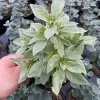
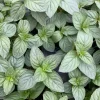
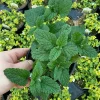
Lemon Balm Live Plant – 4.5″ Pot – Fragrant Herb – Indoor/Outdoor
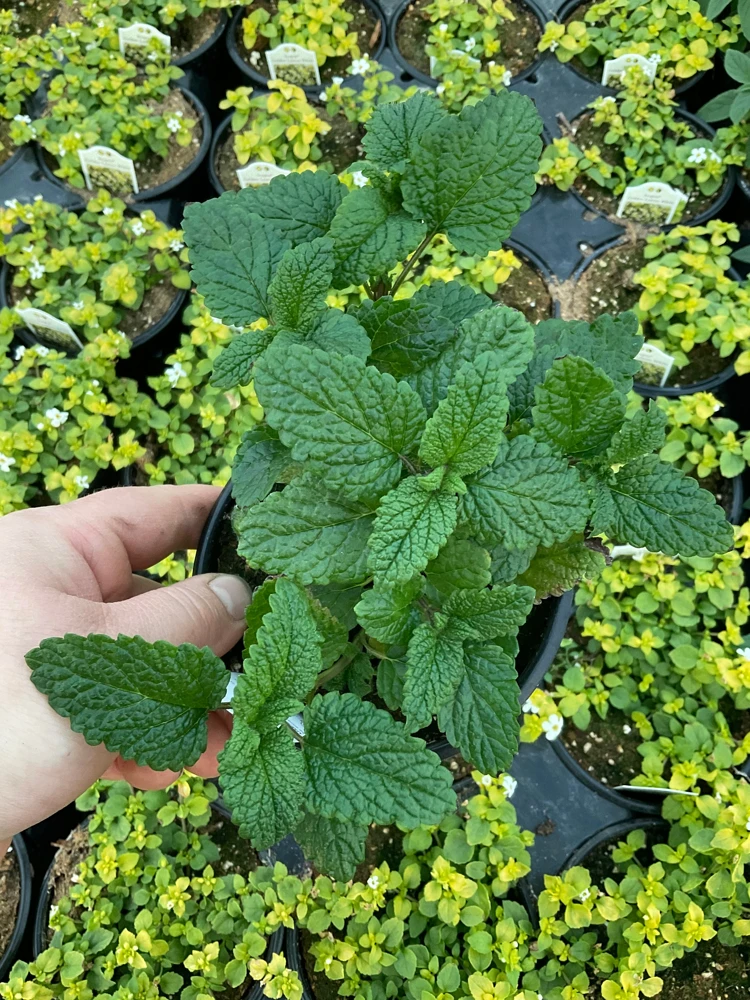
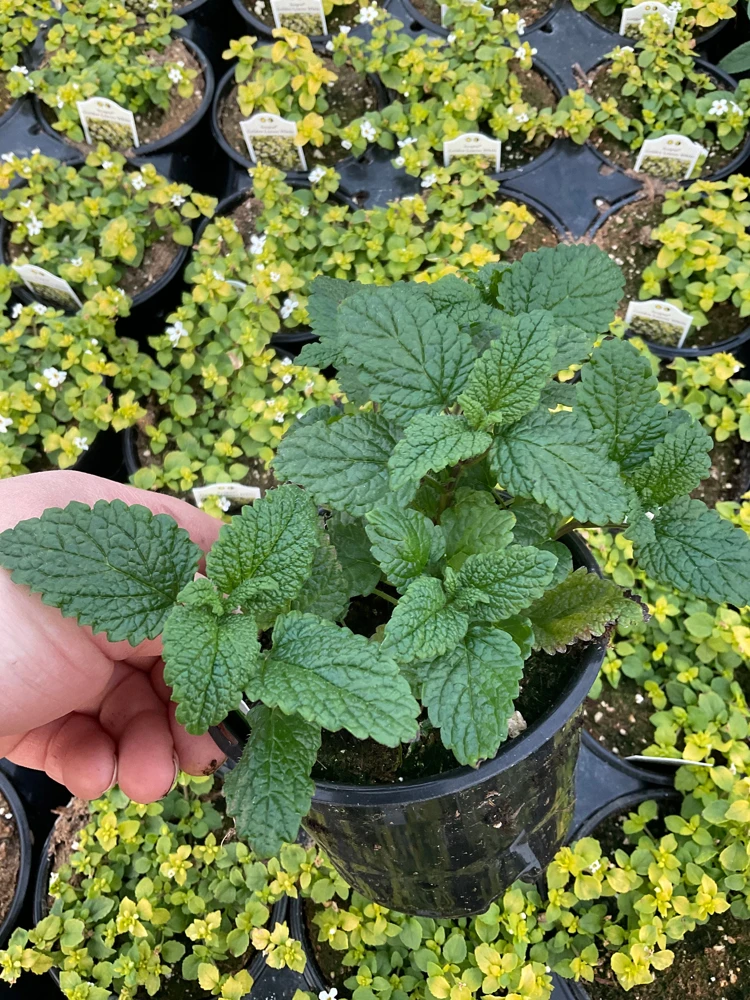
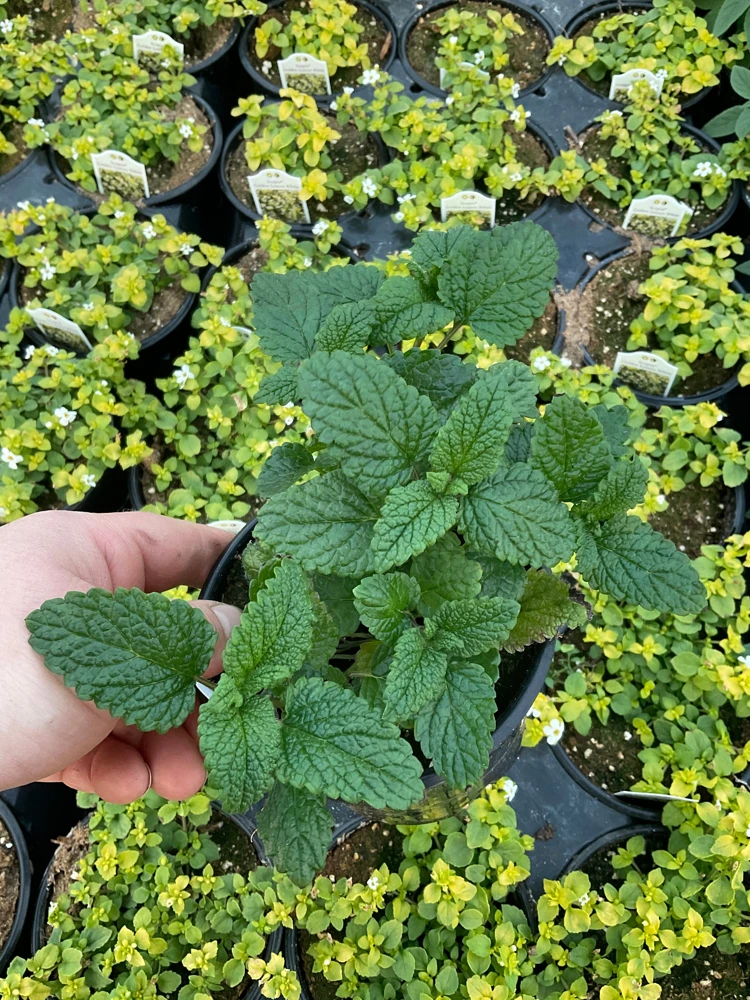
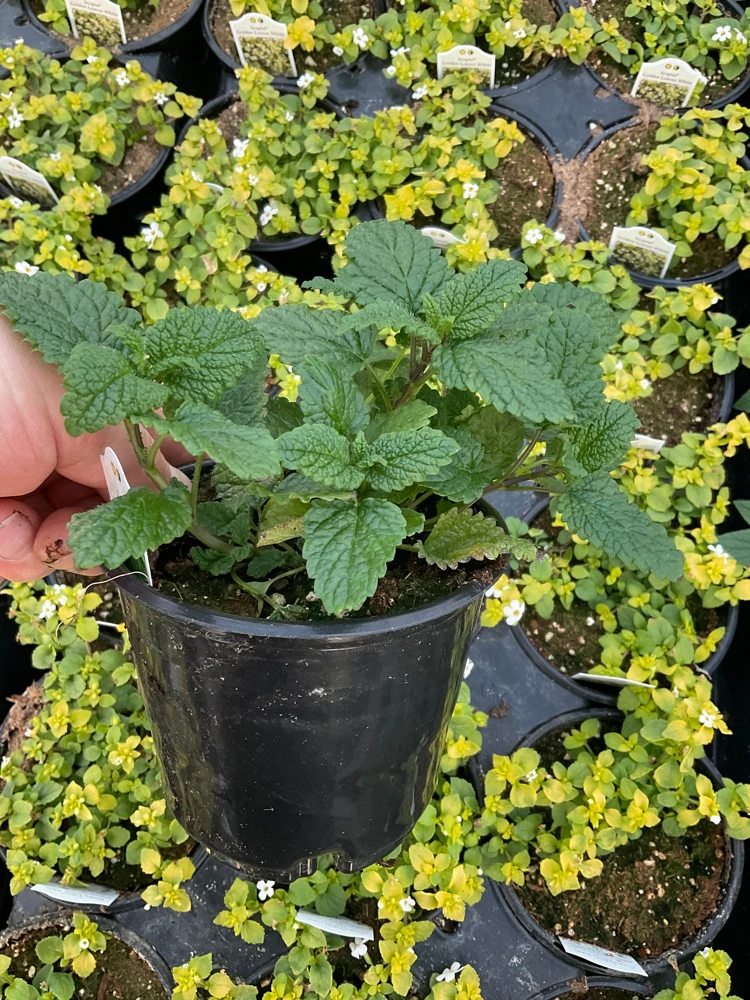
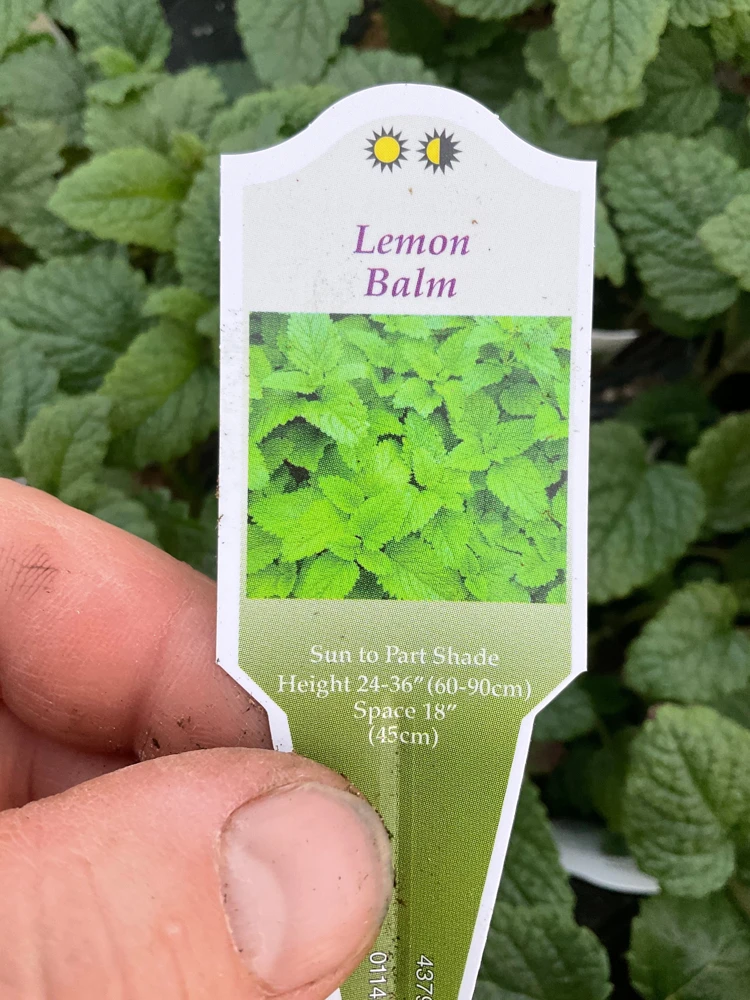
Lemon Balm Live Plant – 4.5″ Pot – Fragrant Herb – Indoor/Outdoor
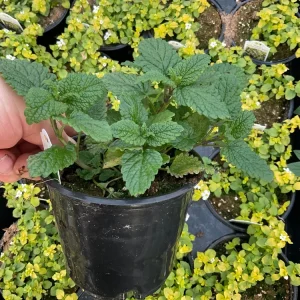
Bring the refreshing scent of citrus and mint into your home or garden with this vibrant lemon balm live plant. Arriving established in a 4.5-inch pot, this easy-to-grow herb is perfect for culinary uses, herbal teas, or simply enjoying its delightful aroma. Ideal for both indoor windowsills and outdoor herb gardens.
$21.98

With our Alive & Thrive Guarantee, we’ve got your back for the first 30 days! If you have any concerns about your plants, just reach out to us. Our team is here to help answer your questions and guide you in selecting the best plants for your garden, climate, and unique preferences. We're excited to help you create the garden of your dreams!
Estimated arrival
Oct 08
Oct 13 - Oct 15
Oct 18 - Oct 22
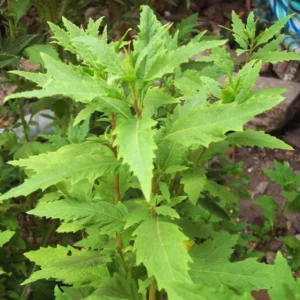
Product Details
-
USDA Hardiness Zone
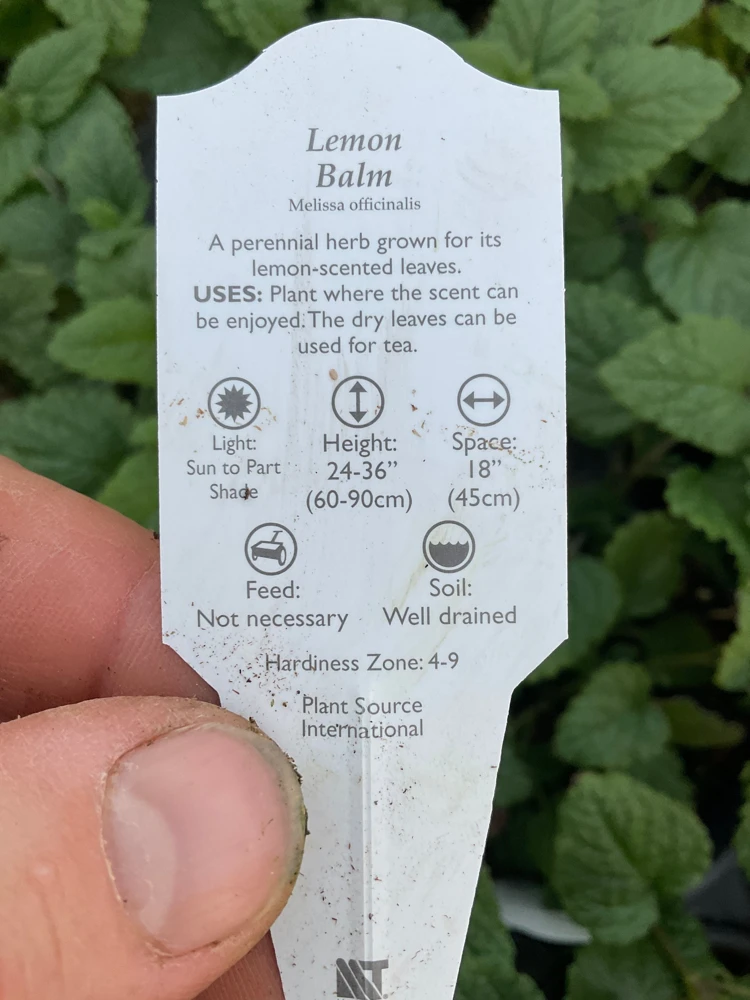
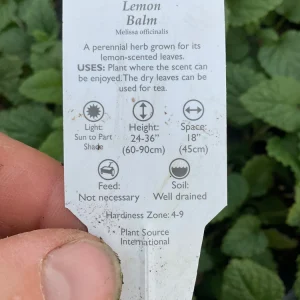
USDA zones 4–9 -
Soil type
Well-draining, fertile soil -
Sunlight Exposure
Full sun to partial shade -
Expected Planting Period
Spring to early summer outdoors; year-round indoors
Overview
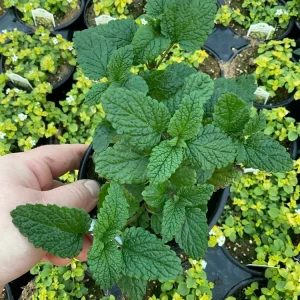
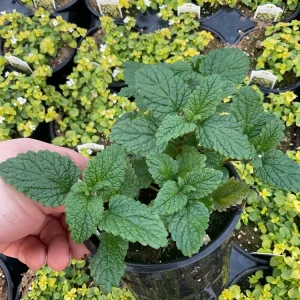
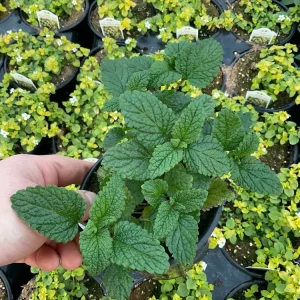
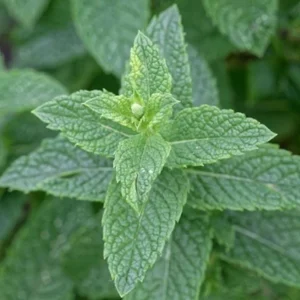
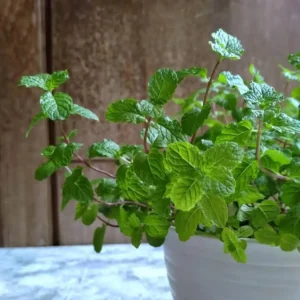
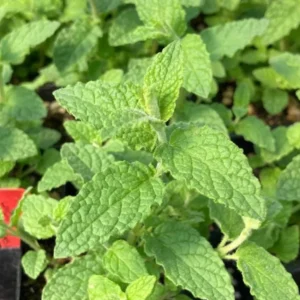
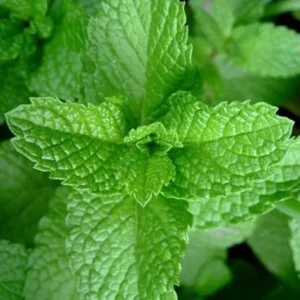
Discover the joy of growing your own aromatic herbs with our healthy lemon balm live plant. This delightful perennial, scientifically known as Melissa officinalis, is cherished for its bright, lemony fragrance and subtle minty undertones. Each plant is well-established and thriving in a 4.5-inch pot, ready to be transplanted into your garden or a larger container. Known for its vigorous growth and attractive heart-shaped, crinkled leaves, lemon balm is a versatile addition to any herb collection, offering both beauty and utility. Whether you’re an experienced gardener or just starting, this resilient herb is an excellent choice, promising a continuous supply of fresh, fragrant leaves for various uses.
Our lemon balm live plant is carefully nurtured to ensure it arrives healthy and ready to flourish in its new home. It’s an ideal choice for those looking to add a touch of natural freshness to their kitchen, create soothing herbal teas, or simply enjoy the pleasant aroma it releases. This plant adapts well to various environments, making it suitable for both indoor cultivation near a sunny window or as a charming component of an outdoor herb garden or border.
Key Benefits
The lemon balm live plant offers a multitude of benefits, making it a favorite among gardeners and culinary enthusiasts alike. Its ease of care and diverse applications contribute to its widespread popularity. Here are some of the prime advantages of cultivating this wonderful herb:
- Delightful Aromatic Qualities: Emits a refreshing, uplifting citrus-mint scent that can naturally repel insects and create a pleasant atmosphere in your home or garden. The aroma is particularly noticeable when leaves are brushed or crushed.
- Culinary Versatility: The fresh leaves can be used to add a zesty flavor to salads, fish dishes, poultry, fruit salads, and desserts. It’s also an excellent garnish for drinks and cocktails, providing a bright, herbaceous note.
- Soothing Herbal Tea: One of the most popular uses for lemon balm is brewing a calming herbal tea. The tea is often enjoyed for its mild, comforting flavor and is a wonderful way to relax after a long day.
- Attracts Pollinators: When it flowers, lemon balm produces small, inconspicuous white or pale pink blossoms that are highly attractive to bees and other beneficial pollinators, making it a great addition to any pollinator-friendly garden.
- Low Maintenance and Easy to Grow: This hardy herb is known for its resilience and requires minimal fuss once established. It tolerates a range of conditions and is generally pest-resistant, making it perfect for beginners.
- Medicinal and Wellness Properties: Traditionally, lemon balm has been used in herbal remedies for its calming effects, helping to soothe stress, improve sleep, and aid digestion. Its natural compounds contribute to a sense of well-being.
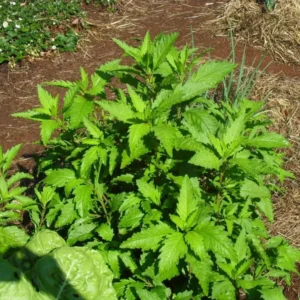
- Beautiful Garden Addition: With its bright green, textured leaves and bushy growth habit, lemon balm makes an attractive filler plant in garden beds, containers, or as an edible border.
Plant Care & Growing Tips
Caring for your lemon balm live plant is straightforward, making it an excellent choice for gardeners of all skill levels. This robust herb thrives with a little attention and will reward you with an abundance of fragrant leaves. For optimal growth, understanding its basic needs is key.
Sunlight: Lemon balm prefers full sun to partial shade. In cooler climates, it can handle full sun all day, but in hotter regions, some afternoon shade will prevent leaf scorch. If growing indoors, place your lemon balm live plant in a south-facing window where it can receive at least 4-6 hours of direct sunlight daily. Insufficient light can lead to leggy growth and less potent fragrance.
Watering: Keep the soil consistently moist, but not waterlogged. Water thoroughly when the top inch of soil feels dry to the touch. During hot, dry periods, you may need to water more frequently. Ensure good drainage to prevent root rot. Reduce watering slightly in cooler months, especially if growing indoors, but never let the soil dry out completely.
Soil: Lemon balm is not particularly fussy about soil, but it thrives in well-draining, fertile soil rich in organic matter. A standard potting mix amended with some compost works well for container growing. For garden beds, ensure the soil is loose and drains effectively. The ideal pH for grow lemon balm is slightly acidic to neutral (6.0-7.0).
Temperature and Hardiness: This perennial herb is quite hardy and can tolerate a range of temperatures. It is generally hardy in USDA Zones 4-9. It can withstand light frosts but may die back to the ground in colder winters, only to re-emerge in spring. For indoor plants, maintain average room temperatures between 60-70°F (15-21°C).
Fertilization: Lemon balm is not a heavy feeder. If planted in rich soil, it may not need any additional fertilizer. For container-grown plants, a balanced liquid fertilizer diluted to half strength can be applied every 4-6 weeks during the growing season (spring and summer). Avoid over-fertilizing, as this can lead to lush foliage but less intense flavor and aroma.
Pruning: Regular harvesting encourages bushier growth and prevents the plant from becoming leggy. Pinch off the top sets of leaves regularly. If the plant starts to flower, you can prune it back significantly (about one-third of its height) to encourage new vegetative growth, as the flavor of leaves can diminish after flowering. This also helps to prevent self-seeding, which lemon balm is prone to. Understanding lemon balm plant care is vital for a thriving herb.
Size & Details
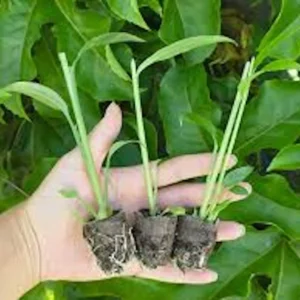
This offering includes one healthy lemon balm live plant, meticulously grown and established in a 4.5-inch nursery pot. The plant is well-rooted and actively growing, ensuring a robust start in your garden or home. At the time of shipment, the plant typically stands between 4 to 8 inches tall from the soil line, with a healthy spread of fragrant foliage. Lemon balm is a fast-growing herb, and with proper care, it can quickly reach a mature height of 18-24 inches tall and wide when grown in optimal conditions outdoors. When grown in containers, its size can be managed with regular pruning.
Your lemon balm live plant will be shipped with its roots and soil intact, carefully packaged to minimize stress during transit. This ensures it arrives ready for immediate transplanting. Expect vigorous growth throughout the spring and summer months, with the potential for multiple harvests of its delightful leaves. This plant offers a continuous supply of fresh herbs for culinary, medicinal, and aromatic lemon balm uses.
Frequently Asked Questions
- Q: How big does this plant get? A: Our lemon balm live plant is shipped in a 4.5-inch pot and is typically 4-8 inches tall. When mature, it can grow up to 18-24 inches tall and wide outdoors, but its size can be controlled with regular pruning in containers.
- Q: Is this an indoor or outdoor plant? A: Lemon balm is versatile and can be grown both indoors and outdoors. Outdoors, it thrives in gardens or containers. Indoors, it needs a bright, sunny window to flourish.
- Q: How much sunlight does it need? A: For best results, your lemon balm live plant needs at least 4-6 hours of direct sunlight per day. In very hot climates, partial afternoon shade is beneficial.
- Q: Is this plant easy to care for? A: Yes, lemon balm is considered a very easy-to-care-for herb, making it excellent for beginner gardeners. It’s quite resilient and requires basic watering, sunlight, and occasional pruning.
- Q: What condition will it arrive in? A: Your lemon balm live plant will arrive well-established in its 4.5-inch pot with soil, carefully packaged to ensure it reaches you healthy and ready to thrive.
- Q: Can I use lemon balm in cooking? A: Absolutely! The fresh leaves of the mellissa officinalis plant are fantastic for adding a citrusy, minty flavor to salads, fish, poultry, desserts, and beverages. It’s also popular for making herbal teas.
- Q: How often should I water my lemon balm? A: Water when the top inch of soil feels dry to the touch. Keep the soil consistently moist but avoid overwatering, which can lead to root rot.
- Q: When is the best time to plant lemon balm? A: You can plant your live lemon balm plant any time after the last frost in spring, or grow it indoors year-round.
- Q: Will it survive winter in my zone? A: Lemon balm is hardy in USDA Zones 4-9. In colder zones, it may die back to the ground but typically regrows from the roots in spring. In very cold climates, container plants can be brought indoors.
- Q: Is lemon balm safe for pets? A: Lemon balm is generally considered non-toxic to cats and dogs. However, it’s always wise to monitor pets and consult a vet if you have concerns about any plant consumption.
Related products
-30%
Original price was: $59.98.$41.98Current price is: $41.98.
-67%
Original price was: $39.72.$13.24Current price is: $13.24.
-30%
Original price was: $59.98.$41.98Current price is: $41.98.
-67%
Original price was: $39.72.$13.24Current price is: $13.24.
-50%
Original price was: $79.96.$39.98Current price is: $39.98.
-20%
Original price was: $35.00.$28.00Current price is: $28.00.
-67%
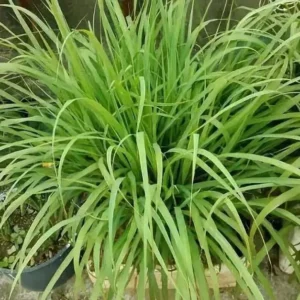
From Original price was: $35.22.$11.74Current price is: $11.74.
-48%
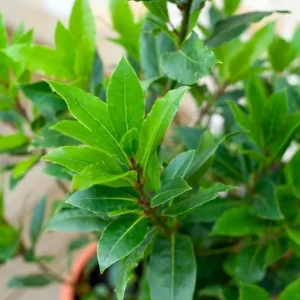
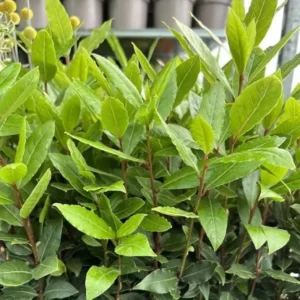
Original price was: $39.99.$20.99Current price is: $20.99.
PLANTING & CARE
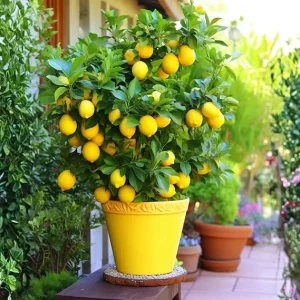
Lemon Tree Growing: Choose, Plant, and Harvest
Learn how to choose, plant, feed, and protect a lemon tree so it fits your
23
Sep
Sep
Dwarf Meyer Lemon Tree Australia: Climate Guide
Learn where dwarf Meyer lemon trees grow, how much cold they tolerate, and whether Australia,
Where to Buy a Dwarf Meyer Lemon Tree: Buyer’s Guide
Find the right dwarf Meyer lemon tree online or locally, compare starter sizes and costs,
Dwarf Meyer Lemon Tree for Sale: Buying Guide
Compare Meyer lemon tree sizes, prices, shipping limits, indoor growing and California options before you
Dwarf Meyer Lemon Tree Guide: Size, Care and Fruit
META: Learn how large a dwarf Meyer lemon tree grows, where it thrives, and how
How to Prune a Dwarf Meyer Lemon Tree
Learn when and how to prune a dwarf Meyer lemon tree, including tools, shaping cuts,
Can You Grow a Dwarf Meyer Lemon Tree in a Pot?
META: Learn how to grow a dwarf Meyer lemon tree in a pot, including container
When Do Dwarf Meyer Lemon Trees Bloom and Fruit?
META: Dwarf Meyer lemon trees usually bloom from winter through spring and may flower again