Lemon Balm Live Plant – Fragrant Herb, Well-Rooted, 5-7 Inches Tall, Indoor/Outdoor
-50%
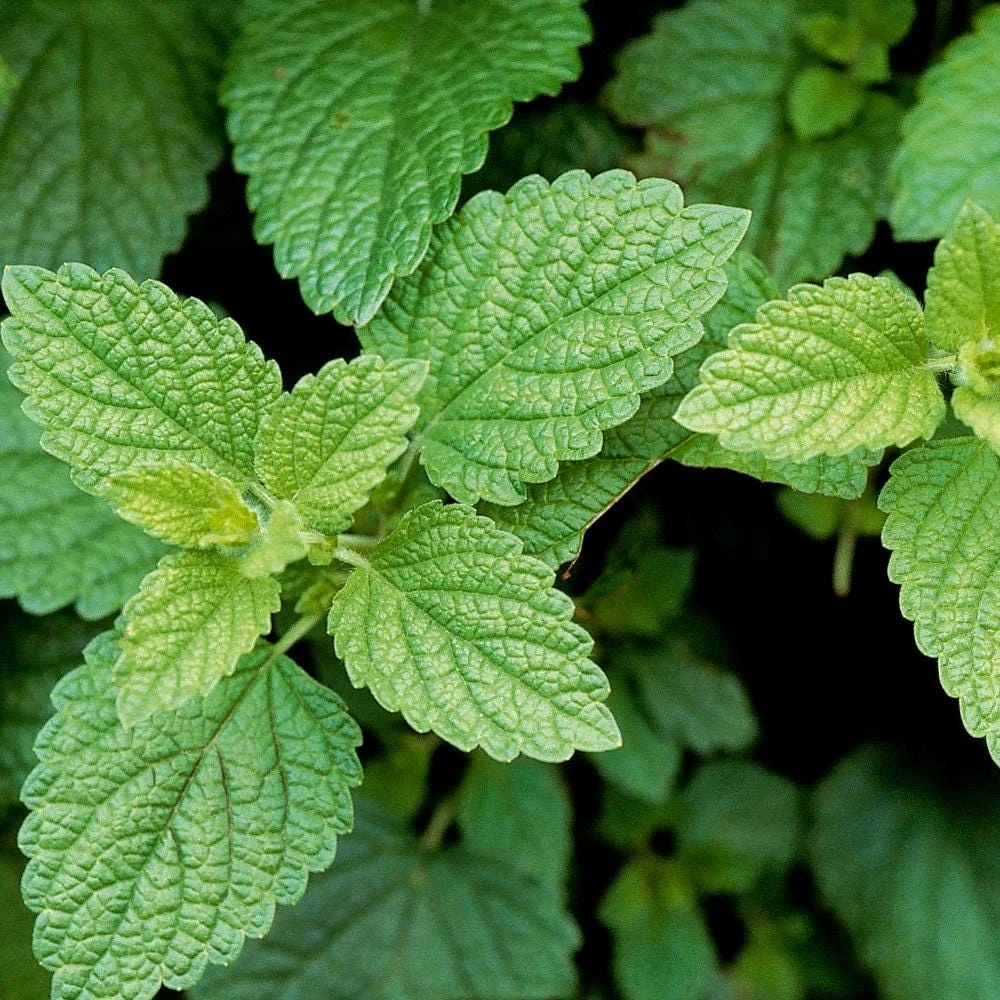
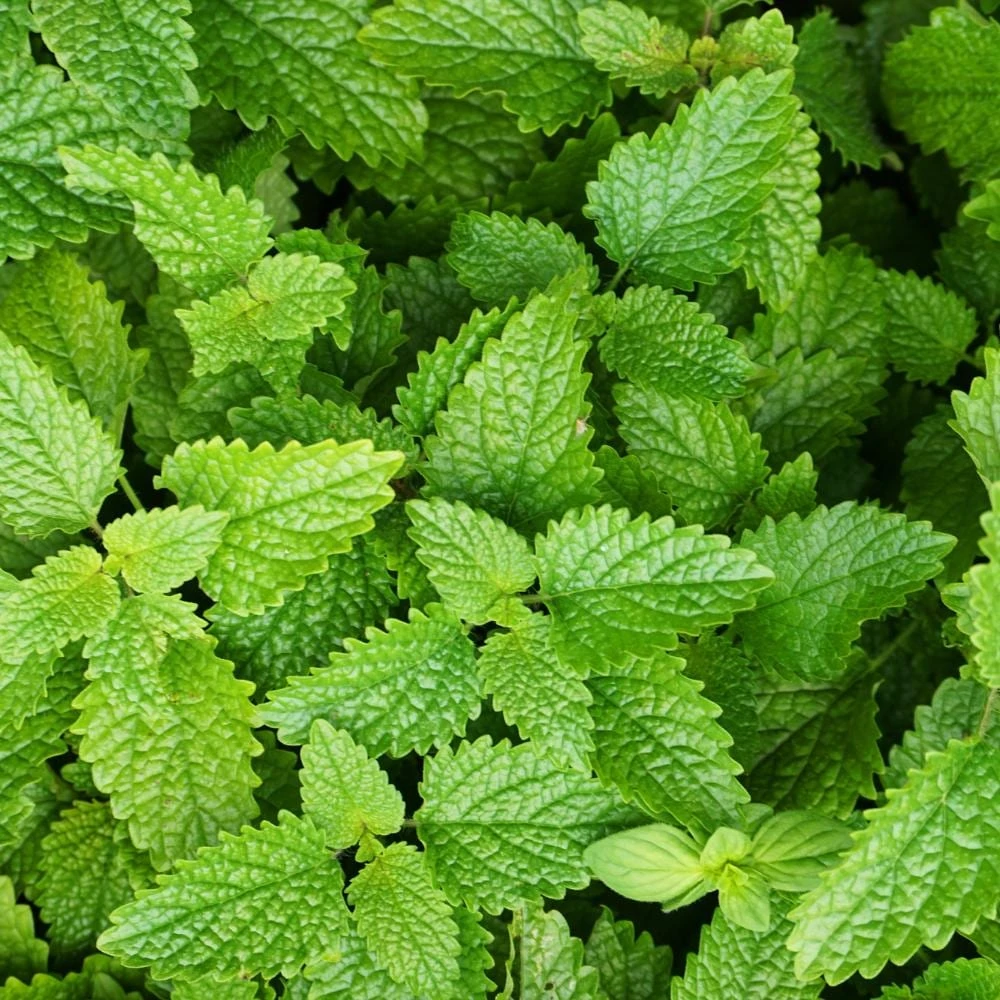
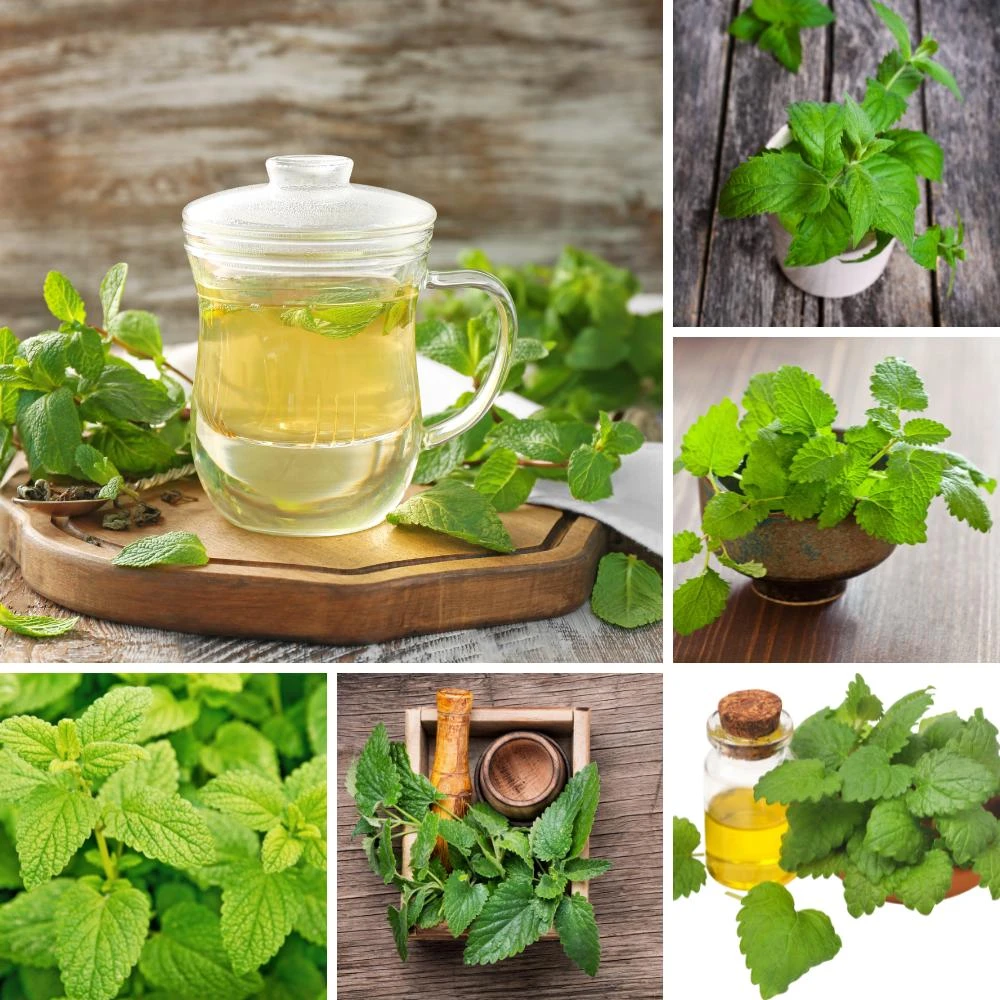
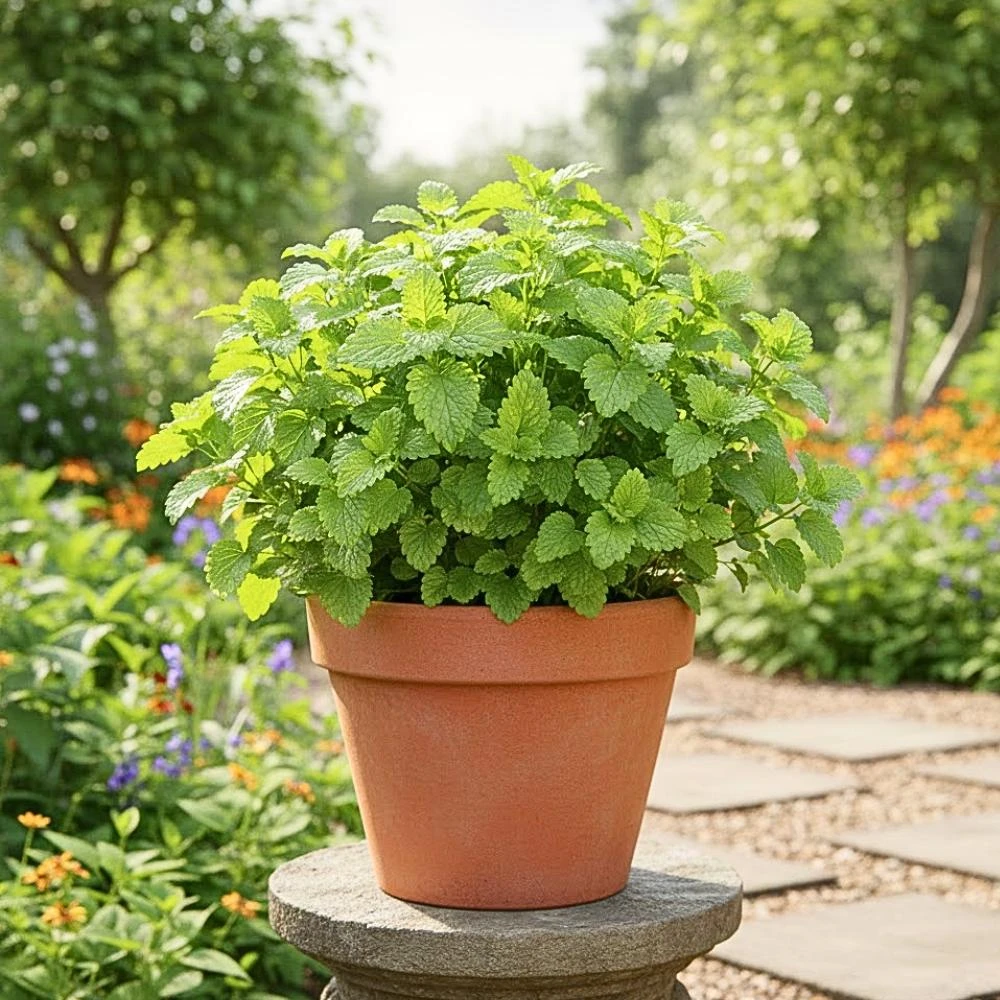
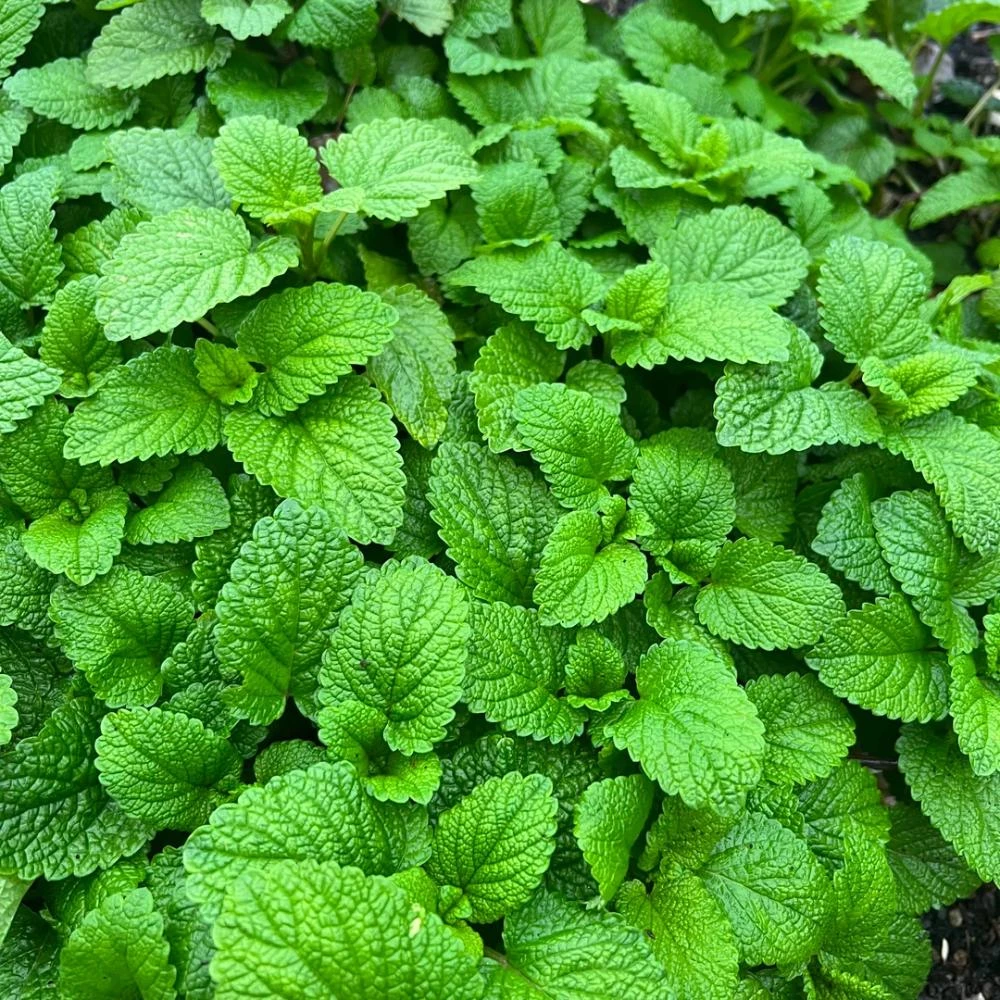
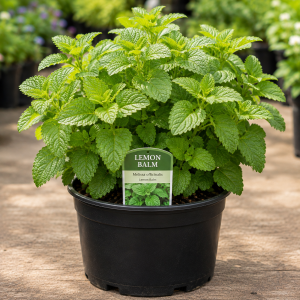
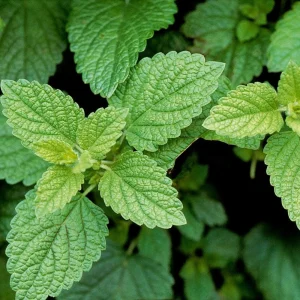
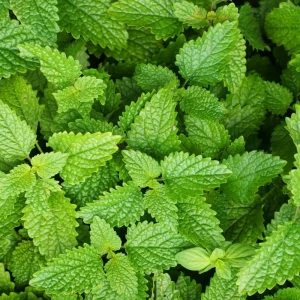
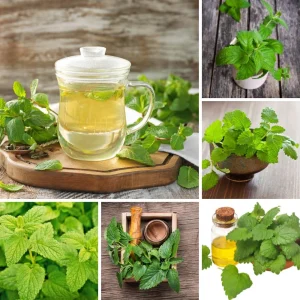
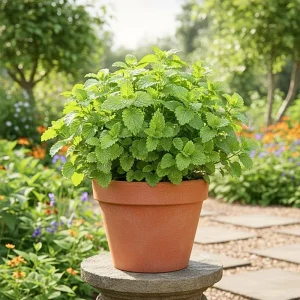
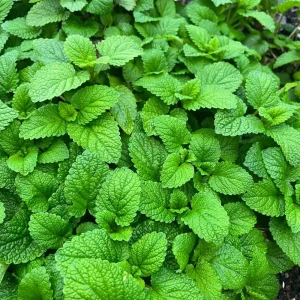
Lemon Balm Live Plant – Fragrant Herb, Well-Rooted, 5-7 Inches Tall, Indoor/Outdoor
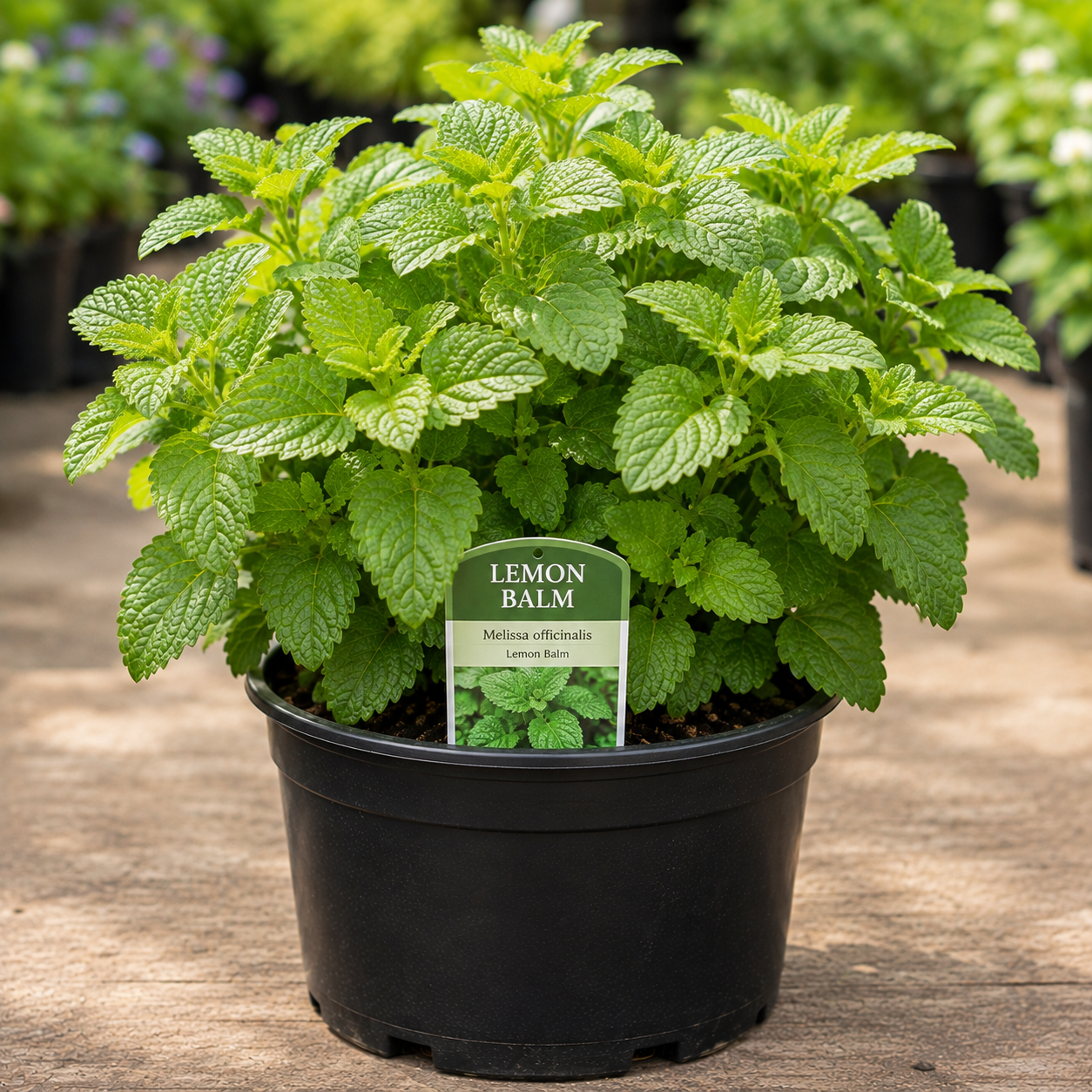
Bring the refreshing scent of citrus to your home with a lemon balm live plant. This versatile and fragrant herb plant is perfect for both indoor and outdoor growing, offering lush green foliage and a delightful lemon aroma. Easy to care for, it’s an excellent choice for beginners and experienced gardeners alike.
Original price was: $63.38.$31.69Current price is: $31.69.

With our Alive & Thrive Guarantee, we’ve got your back for the first 30 days! If you have any concerns about your plants, just reach out to us. Our team is here to help answer your questions and guide you in selecting the best plants for your garden, climate, and unique preferences. We're excited to help you create the garden of your dreams!
Estimated arrival
Oct 14
Oct 19 - Oct 21
Oct 24 - Oct 28
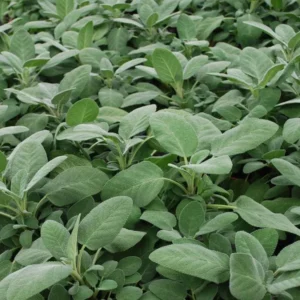
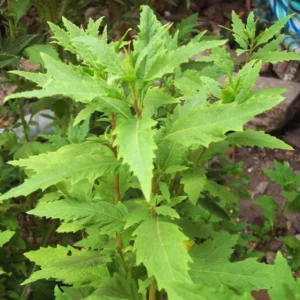
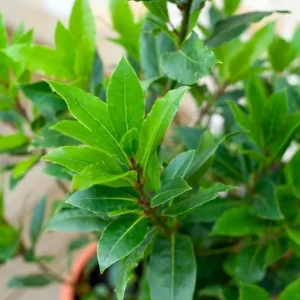
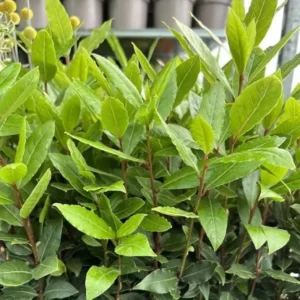
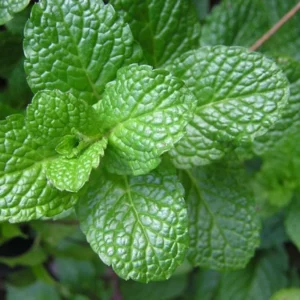
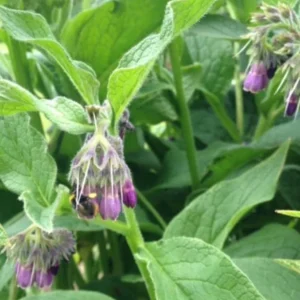
Product Details
-
USDA Hardiness Zone
USDA zones 4-9 -
Soil type
Well-draining potting mix or garden soil -
Sunlight Exposure
Partial shade to full sun (indoors: bright indirect light) -
Expected Planting Period
Year-round indoors; spring to early summer outdoors
Overview
Cultivate the delightful aroma and fresh flavor of a lemon balm live plant in your own home or garden. Known scientifically as Melissa officinalis, this charming herb is celebrated for its soft green leaves and invigorating lemon scent. Our lemon balm live plant arrives well-rooted and ready to thrive, making it an ideal addition for anyone looking to enhance their living space with natural beauty and fragrance. Whether you’re a seasoned gardener or just starting your plant journey, this easy-care herb offers a rewarding growing experience. It’s a fantastic choice for both culinary uses and simply enjoying its soothing presence, providing a continuous source of fresh aroma and greenery.
This resilient fragrant herb plant is perfect for adding a touch of nature’s calm to any environment. Its adaptable nature means it can flourish in various settings, from a sunny kitchen window to a vibrant outdoor garden bed. The gentle lemon fragrance is not only pleasant but also known to create a relaxing atmosphere. With minimal fuss, you can enjoy a continuous supply of fresh lemon balm leaves for teas, culinary dishes, or simply to brighten your day. Embrace the joy of growing your own herbs with this beautiful and beneficial plant.
Key Benefits
A lemon balm live plant offers numerous advantages beyond just its pleasant scent. It’s a multi-functional herb that brings both aesthetic and practical benefits to your home and garden.
- Aromatic Ambiance: Enjoy the soothing and uplifting lemon scent that naturally permeates your living space, known to help create a calming and fresh environment. This fragrant herb plant is a natural air freshener.
- Versatile Growing: Perfectly suited for both indoor and outdoor environments. Grow it in pots on your balcony, in garden beds, or as a charming houseplant on a windowsill. Its adaptability makes it a joy to cultivate.
- Culinary Delight: Fresh lemon balm leaves can be used to add a delicate citrus note to teas, desserts, salads, and main courses, enhancing your culinary creations with a unique flavor.
- Easy Care: This plant is known for its low maintenance requirements, making it an excellent choice for beginner gardeners or those with busy lifestyles. It’s a resilient plant that forgives minor neglect.
- Lush Greenery: Its soft, vibrant green foliage adds a touch of natural beauty and greenery to any setting, improving the visual appeal of your home or garden.
- Stress Reduction: The natural oils in lemon balm have been traditionally used for their calming properties, contributing to a more relaxed atmosphere in your home.
- Attracts Pollinators: When grown outdoors, the plant’s small, delicate flowers can attract beneficial pollinators like bees, contributing to a healthier garden ecosystem.
Plant Care & Growing Tips
Caring for your lemon balm live plant is straightforward, ensuring a thriving and productive herb for many seasons. This resilient plant is quite forgiving, making it an excellent choice for gardeners of all experience levels. For optimal growth, provide your plant with adequate sunlight. If growing indoors, place it near a window that receives several hours of bright, indirect light daily. Outdoors, choose a spot with partial shade to full sun, ensuring it’s protected from the harshest afternoon rays in very hot climates. The ‘indoor lemon balm‘ variety can particularly benefit from a south or west-facing window.
Watering is crucial for proper lemon balm plant care. Water your plant when the top inch of soil feels dry to the touch. It prefers consistently moist, but not waterlogged, soil. Ensure pots have good drainage to prevent root rot. Avoid overwatering, as this can be detrimental to the plant’s health. For outdoor lemon balm, natural rainfall often suffices, but supplemental watering may be needed during dry spells. A well-draining potting mix or garden soil amended with compost is ideal.
Lemon balm thrives in USDA zones 4-9, tolerating a wide range of temperatures. While it’s a hardy perennial, providing some winter protection in colder zones can help it return more vigorously in spring. Fertilize sparingly; a balanced liquid fertilizer diluted to half strength once a month during the growing season is usually sufficient. Pruning regularly encourages bushier growth and prevents the plant from becoming leggy. Pinch back stems above a leaf node to promote branching. Watch out for common pests like aphids, and treat with organic insecticidal soap if necessary. Proper lemon balm plant care will ensure a beautiful, aromatic addition to your space.
Size & Details
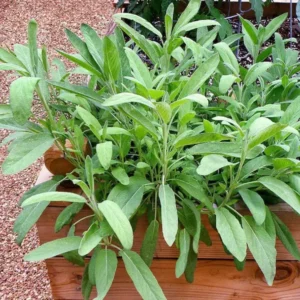
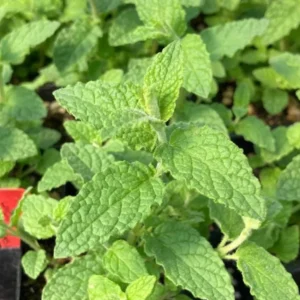
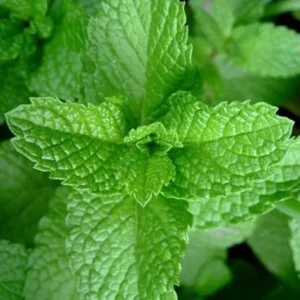
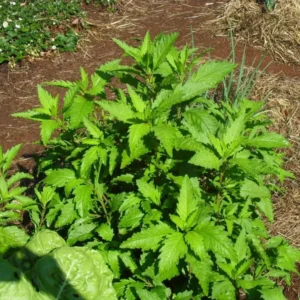
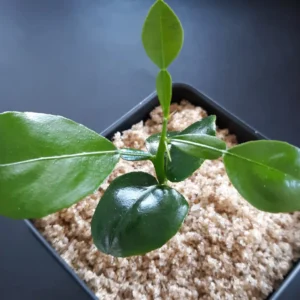
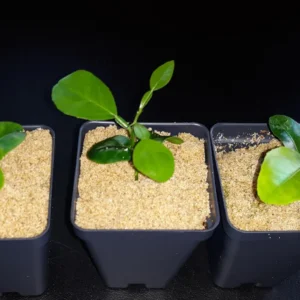
This lemon balm live plant arrives well-rooted and actively growing, typically standing 5-7 inches in height from the base of the plant to the top of its foliage. It is carefully packed in a nursery pot, ensuring it reaches you in excellent condition, ready for transplanting into your preferred container or garden bed. The plant exhibits soft green leaves and flexible stems, indicative of its healthy growth. While it ships at a manageable size, lemon balm is a vigorous grower and can reach mature dimensions of 18-24 inches tall and wide when given adequate space and care. Expect a steady growth rate, providing you with fresh leaves throughout the growing season.
With proper cultivation, your plant will establish quickly, developing a robust root system and abundant foliage. This particular offering provides a single, established plant, ready to provide fragrance and flavor. Its adaptable nature makes it suitable for various container sizes, from small desktop pots to larger patio planters, or integrated directly into your garden landscape. The well-rooted nature of this plant means it has a strong foundation for continued healthy development once it arrives at its new home.
Frequently Asked Questions
- Q: How big does this lemon balm live plant get? A: This plant typically arrives at 5-7 inches in height. With proper care and growing conditions, it can mature to a size of 18-24 inches tall and wide, forming a bushy, fragrant herb.
- Q: Is this an indoor lemon balm or outdoor plant? A: This versatile fragrant herb plant can thrive both indoors and outdoors. For indoor growth, ensure it receives bright, indirect light. Outdoors, it prefers partial shade to full sun.
- Q: How much sunlight does my lemon balm live plant need? A: Lemon balm prefers at least 4-6 hours of sunlight daily. Indoors, place it near a bright window. Outdoors, it can handle full sun but appreciates some afternoon shade in hotter climates.
- Q: Is this plant easy to care for? A: Yes, lemon balm is known for its easy care requirements, making it an excellent choice for beginners. It’s quite resilient and forgiving, requiring consistent watering and occasional pruning.
- Q: What condition will the lemon balm live plant arrive in? A: Your plant will arrive well-rooted in a nursery pot, carefully packed to ensure it reaches you in healthy, vibrant condition, ready for planting.
- Q: Can I use outdoor lemon balm for cooking? A: Absolutely! Fresh lemon balm leaves are wonderful for adding a delicate citrus flavor to teas, salads, desserts, and various culinary dishes. Ensure your plant is grown without harmful pesticides if intended for consumption.
- Q: When is the best time to plant lemon balm? A: For outdoor planting, spring after the last frost is ideal. If growing indoors, you can plant your lemon balm live plant any time of year, ensuring it has adequate light.
- Q: What is the recommended soil for lemon balm plant care? A: Lemon balm thrives in well-draining soil. A good quality potting mix for containers or garden soil amended with compost will provide the necessary nutrients and drainage.
- Q: Will my lemon balm live plant come back next year? A: Yes, lemon balm is a hardy perennial in USDA zones 4-9. It will typically die back in winter and return vigorously in spring. In colder zones, mulching can help protect the roots.
- Q: What are the benefits of growing fragrant herb plant like lemon balm? A: Beyond its lovely scent and culinary uses, lemon balm is known for its calming properties, adding greenery to your space, and attracting beneficial pollinators when grown outdoors.
Related products
-67%
From Original price was: $35.22.$11.74Current price is: $11.74.
-20%
Original price was: $35.00.$28.00Current price is: $28.00.
-67%
Original price was: $75.72.$25.24Current price is: $25.24.
-49%
Original price was: $60.99.$30.99Current price is: $30.99.
-37%
Original price was: $15.96.$9.98Current price is: $9.98.
-67%
From Original price was: $35.22.$11.74Current price is: $11.74.
-30%
Original price was: $57.98.$40.58Current price is: $40.58.
-30%
Original price was: $59.98.$41.98Current price is: $41.98.
PLANTING & CARE
Lemon Tree Growing: Choose, Plant, and Harvest
Learn how to choose, plant, feed, and protect a lemon tree so it fits your
23
Sep
Sep
Dwarf Meyer Lemon Tree Australia: Climate Guide
Learn where dwarf Meyer lemon trees grow, how much cold they tolerate, and whether Australia,
Where to Buy a Dwarf Meyer Lemon Tree: Buyer’s Guide
Find the right dwarf Meyer lemon tree online or locally, compare starter sizes and costs,
Dwarf Meyer Lemon Tree for Sale: Buying Guide
Compare Meyer lemon tree sizes, prices, shipping limits, indoor growing and California options before you
Dwarf Meyer Lemon Tree Guide: Size, Care and Fruit
META: Learn how large a dwarf Meyer lemon tree grows, where it thrives, and how
How to Prune a Dwarf Meyer Lemon Tree
Learn when and how to prune a dwarf Meyer lemon tree, including tools, shaping cuts,
Can You Grow a Dwarf Meyer Lemon Tree in a Pot?
META: Learn how to grow a dwarf Meyer lemon tree in a pot, including container
When Do Dwarf Meyer Lemon Trees Bloom and Fruit?
META: Dwarf Meyer lemon trees usually bloom from winter through spring and may flower again